Nature and history sometimes team up to build something that looks almost too dramatic to be real.
Deep in the wooded hills of eastern Iowa, a set of massive stone arches rises out of the trees like the remains of a forgotten fortress.
These structures were never meant to be castle walls, but their scale and weathered texture make it easy to imagine otherwise.
Ivy creeps along the stone in places, and sunlight filters through gaps that once vented industrial heat.
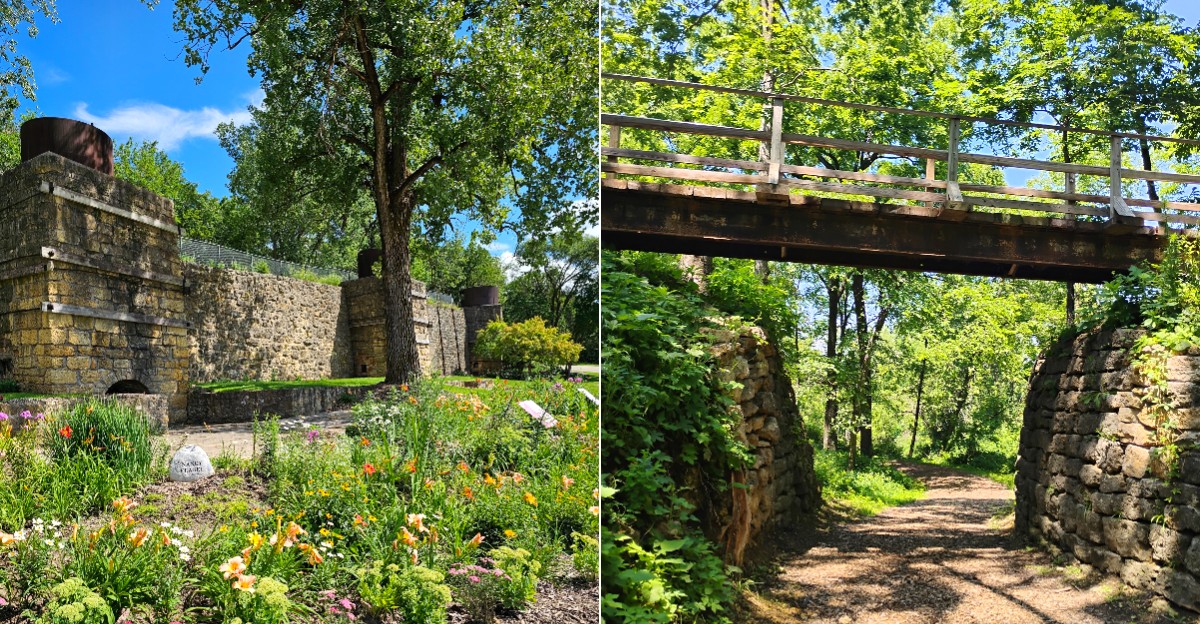
A short walking trail winds visitors past several of these formations, offering different angles and a real sense of just how massive they are.
This overlooked Iowa site proves that some of the best ruins to explore were never actually castles at all.
Stone Towers With A Castle-Like First Impression
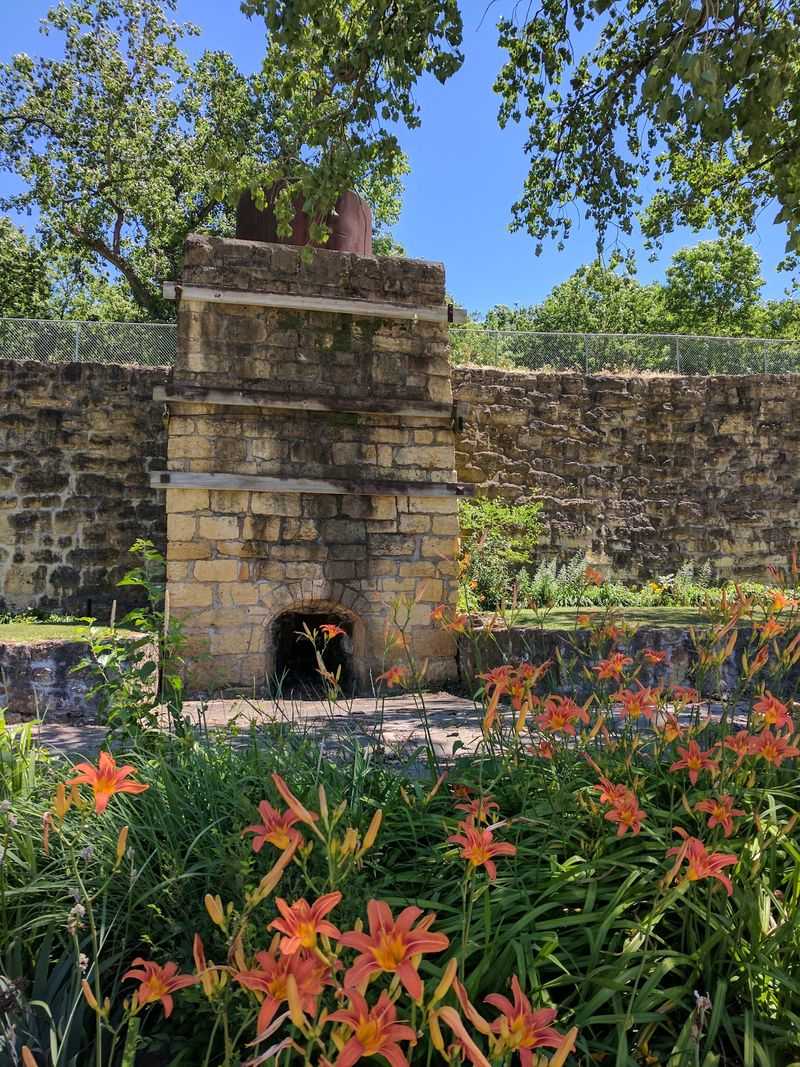
A bend in the road can suddenly feel like the entrance to an old legend. Four tall stone chambers rise from the grass, rough and gray, with dark openings that look almost medieval. Their shape is practical, but the first glance still brings castle walls, hidden courtyards, and forgotten workmen to mind.
The Hurstville Lime Kilns were built for industry, not fantasy, yet their weathered faces give the park its storybook mood. Limestone blocks, arched spaces, and deep kiln mouths make the ruins easy to photograph from several angles. Stand back first, then walk closer slowly so you can notice how each tower has its own worn edges.
For visitors, the best plan is to treat the stop like a small outdoor museum. Read the signs, look at the stonework, and imagine the heat that once filled these chambers. Kids may enjoy comparing the towers to a fortress, while adults can think about the labor behind them. Bring a camera, wear comfortable shoes, and give yourself time to see how simple ruins can feel grand without being polished or fancy. That mix of usefulness and mystery is what makes the site memorable for travelers today too.
A Roadside Stop That Rewards Curiosity
Sometimes the best trip memories happen because someone says, pull over for a minute. Many visitors notice the stone structures from the road and stop without planning it. That quick choice can turn an ordinary drive into a short history lesson with fresh air included.
Hurstville Lime Kilns sits at 7301 Hurstville Rd, Maquoketa, IA 52060, making it simple to add to a route through eastern Iowa. Reviews often describe it as easy to reach, well kept, and pleasant for a break. Because the park is open 24 hours, travelers have flexibility, though daylight is best for reading signs and seeing steps safely.
Plan on a visit of about 20 to 45 minutes if you want a relaxed pace. There is enough to explore, but not so much that it becomes tiring during a road trip. The stop works well for families, history fans, photographers, or anyone who likes unusual places close to the pavement. Pack water, keep children near you around stairs and stone edges, and check the county park website if you want current details. A small detour can feel surprisingly rich when the landmark has character, care, and a clear link to local life.
History Fired By Limestone And Hard Work
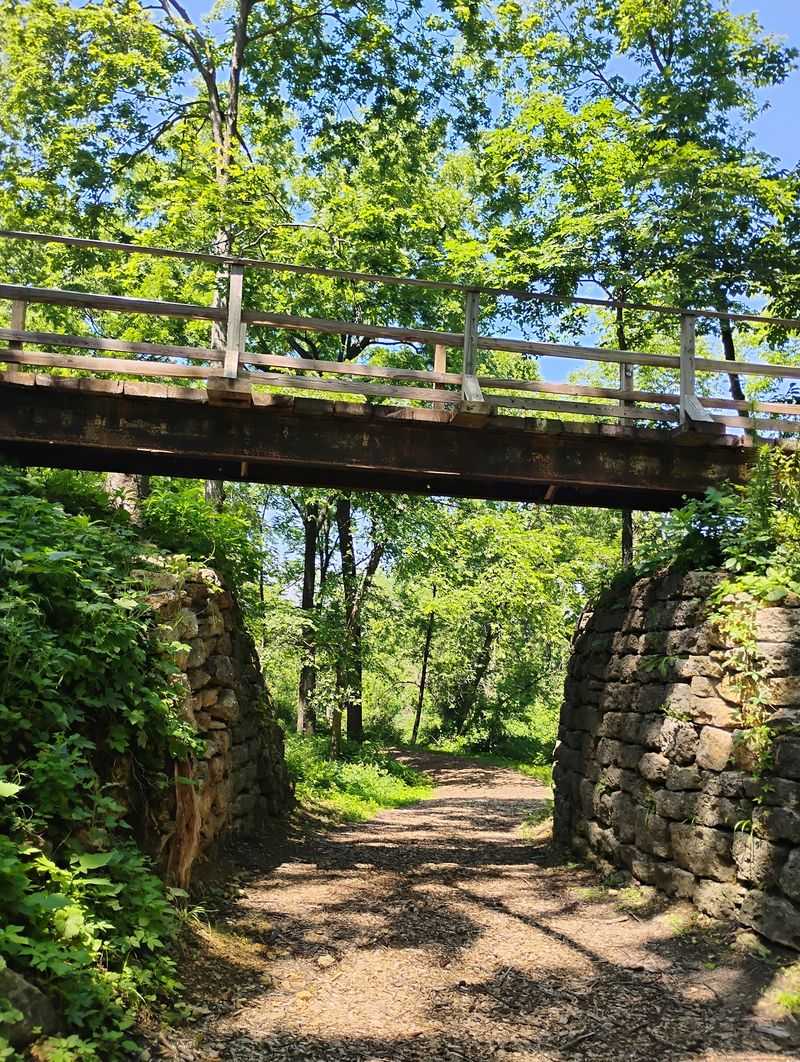
Long before cement trucks and home stores, lime was a big deal. Farmers, builders, and town leaders needed it for mortar, plaster, soil treatment, and many everyday projects. Making it took stone, fuel, heat, skill, and workers who understood a hot and risky process.
At this site, limestone was burned inside the tall kilns until it changed into quicklime. That material then had to be handled carefully, because it could react strongly with water. The work connected local geology to growing communities, turning nearby rock into something useful for houses, barns, and businesses.
Visitors can use the signs and structures as clues to picture the process. Look for the height of the chambers, the openings near the base, and the way the kilns were grouped together. Those details show that the place was designed for repeated production, not just one small experiment. A good way to explain it to younger visitors is to compare the kilns to giant stone ovens. They did not bake bread, of course, but they used fierce heat to change raw material into a product people depended on. That simple idea makes the ruins easier to understand, and it gives the quiet stones a busy past. It also shows how science shaped local work.
Short Trails With Big Payoffs
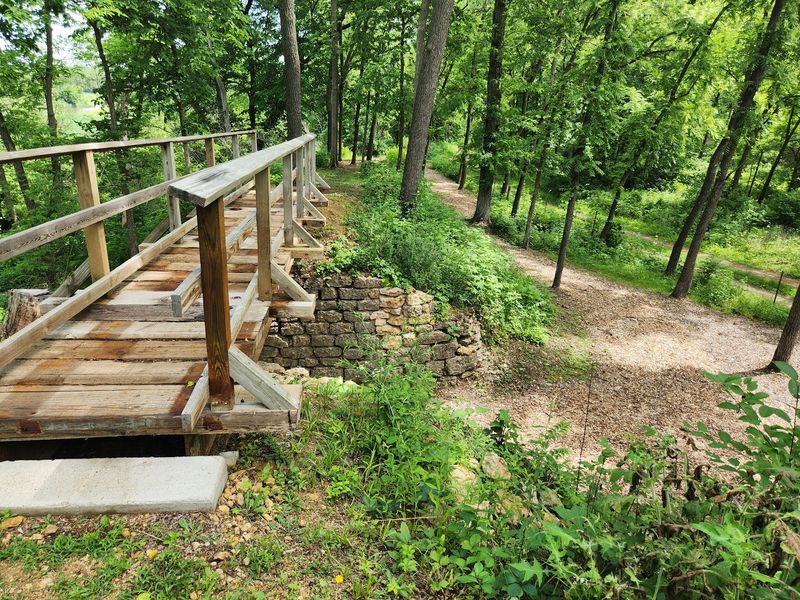
A small path can change how a place feels. From one angle, the kilns look like roadside ruins, but a short walk turns them into a layered site with height, views, and details. The grounds are often praised for being clean, cared for, and easy to explore.
The walking route is not a long hike, which is part of its charm. You can loop around the property, pause by signs, and move between open lawn and shaded spots without needing special gear. Some steps are involved, so sturdy shoes are smarter than sandals if you plan to look from above.
Take your time on the stairway, especially after rain or during cold weather. Hold hands with younger kids and remind them that historic sites are for looking closely, not climbing wherever they want. From higher points, visitors can peer down into a kiln and understand its depth better than from the ground. That view helps the towers feel less like flat scenery and more like working structures. If you are short on time, walk the loop first, then return to your favorite viewing spot for photos. The trail is brief, but it gives the visit a beginning, middle, and ending.
Picnic Tables Beside Local History
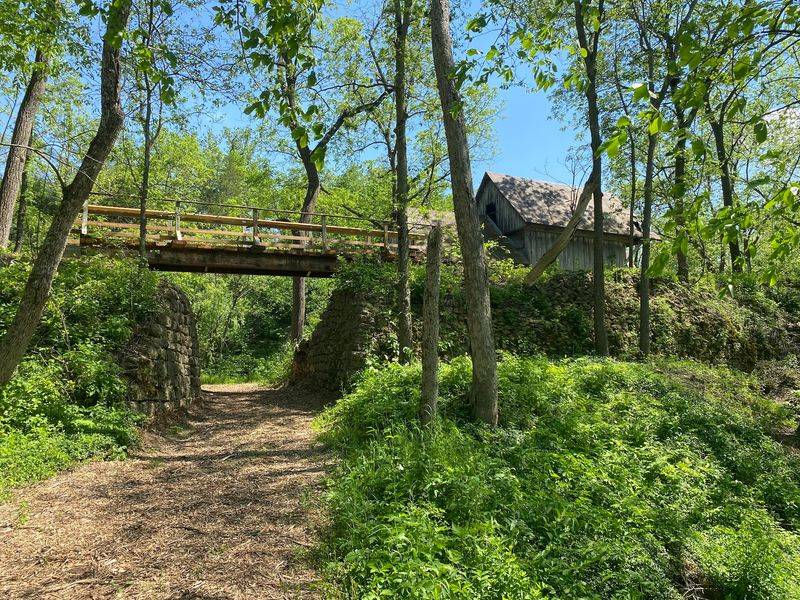
Lunch tastes different when old stone towers are nearby. The park includes picnic tables and a small shelter area, which makes it more than a quick photo stop. It can become a calm place to rest, snack, and talk about what you just learned.
Reviews mention shaded tables, landscaping, and cared-for grounds, all helpful for visitors who want a comfortable pause. A picnic here should stay simple because the site is compact and historic. Bring sandwiches, water, napkins, and a bag for your trash, since small parks may not always have the services you expect.
Families can use the table as a meeting point before and after walking the short trail. If children get restless, ask them to count the kiln openings, find the signs, or sketch the towers from their seat. Couples and solo travelers may prefer the spot as a quiet break between towns. There are no restrooms noted in visitor comments, so plan ahead before arriving. Respect matters too. Keep food away from the ruins, do not leave litter, and let the historic stone remain the star. A picnic beside old industry reminds people that history is not only found behind glass. Sometimes it stands beside your lunch.
Details That Caretakers Have Helped Save
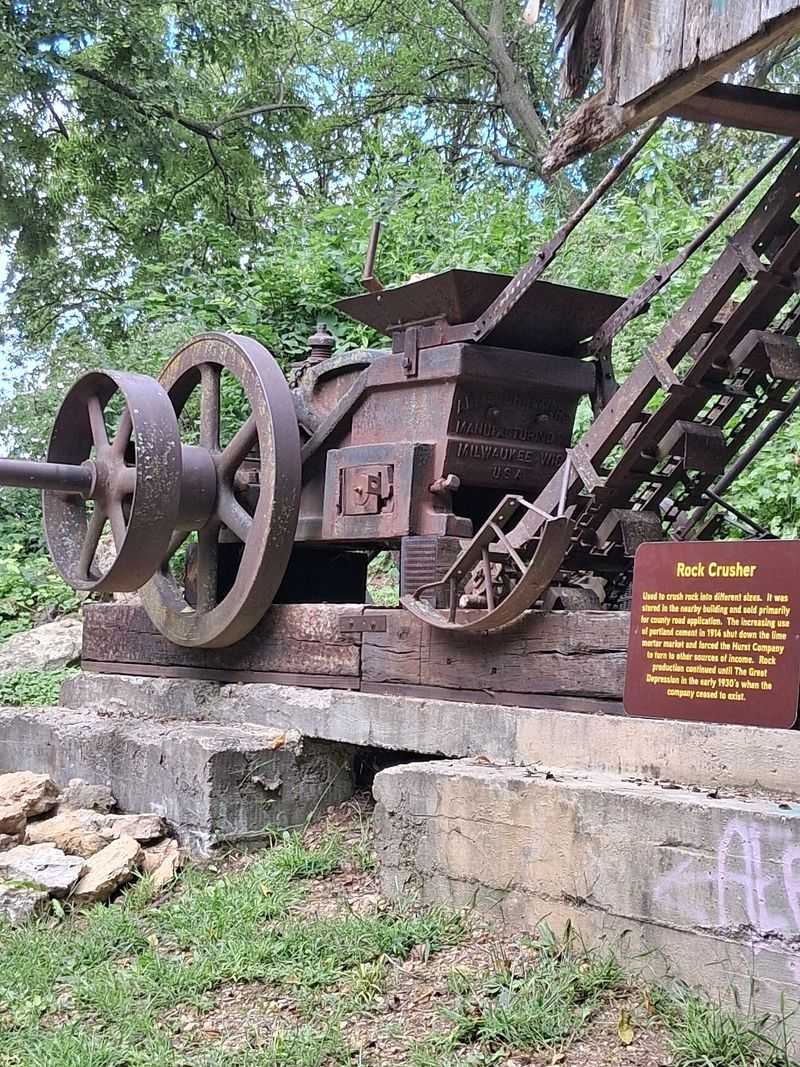
Old places do not stay welcoming by accident. Someone trims the grass, plants flowers, repairs paths, shares stories, and keeps the site from fading into weeds. That care is one reason visitors often describe the grounds as neat and surprisingly inviting.
Several reviewers mention meeting knowledgeable caretakers or board members who explained the history and showed pride in the landscape. That kind of local attention matters because the kilns are more than stone shells. They are reminders of workers, families, and a community shaped by a demanding trade.
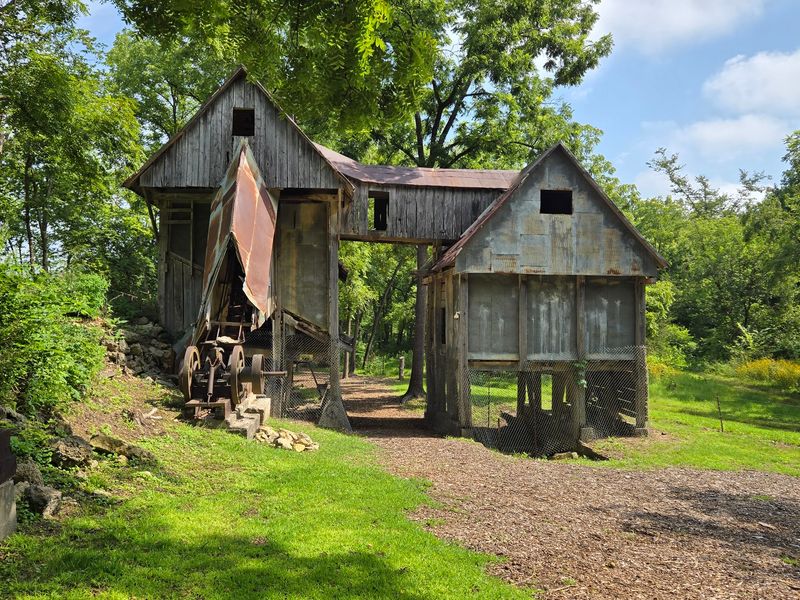
When you visit, look beyond the towers themselves. Notice the landscaping, signs, old building features, and any preservation work happening around the property. If a donation box or preservation effort is available, consider helping, especially for related structures that still need care. Small contributions can support repairs, education, and maintenance that keep the site open for future visitors. You can also help by staying on marked areas and not touching loose stone. Historic ruins may look strong, but time and weather slowly weaken them. Treat the place like a shared classroom. The more respect visitors show, the longer these unusual Iowa towers can keep telling their story in person.
Photo Angles That Make The Ruins Feel Taller
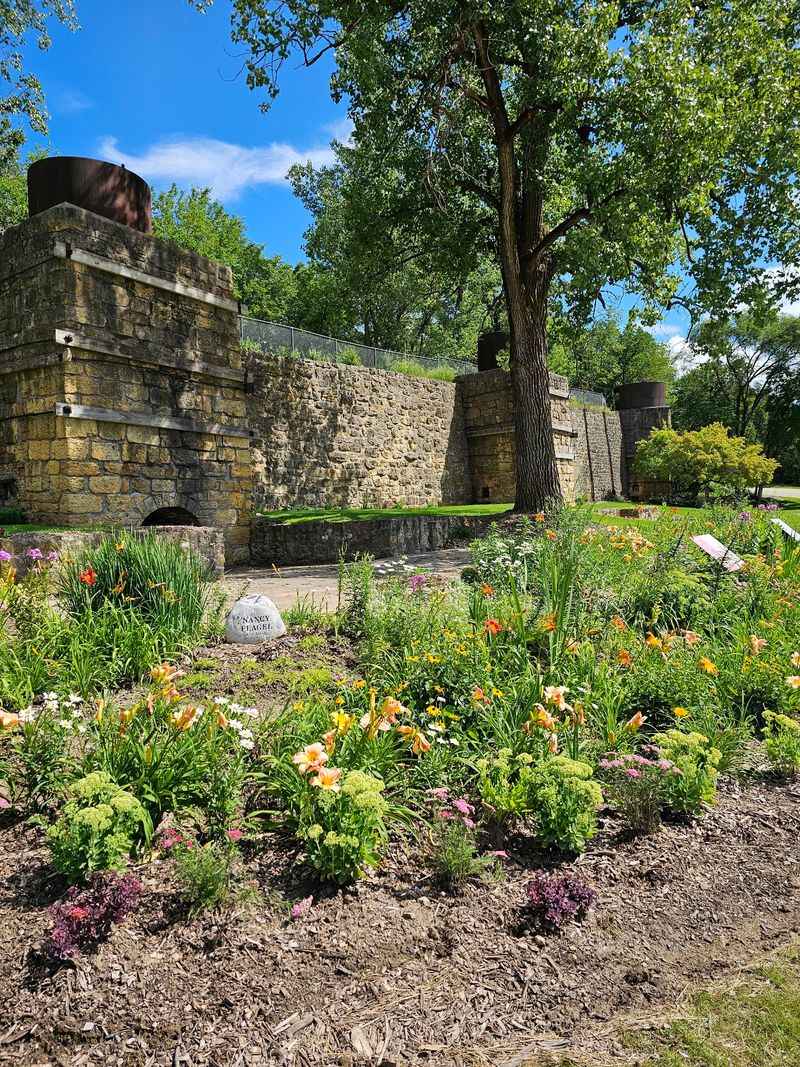
A low camera angle can make these ruins look twice as tall. The stone surfaces have cracks, color changes, and rough blocks that catch light in interesting ways. Even a phone can capture the castle-like mood if you slow down and frame the scene carefully.
Start with a wide shot from the lawn so the full group of kilns fits in the frame. Then move closer and aim upward to show the height of the walls. Side views can highlight the openings, while the top area gives a different sense of depth and shape.
Morning and late afternoon usually create softer light than midday. Cloudy skies can also work well because they reduce harsh shadows on pale stone. Include flowers, signs, stairs, or picnic tables in a few photos to show the scale of the site. For a more dramatic picture, place the kiln openings near one side of the frame instead of right in the center. Be careful where you step while looking through a screen. No picture is worth a fall near stairs or uneven ground. The best images here come from patience, safe footing, and noticing how old industry can look almost magical through a lens. Try vertical shots for height too.
A Small Park With A Lasting Sense Of Wonder
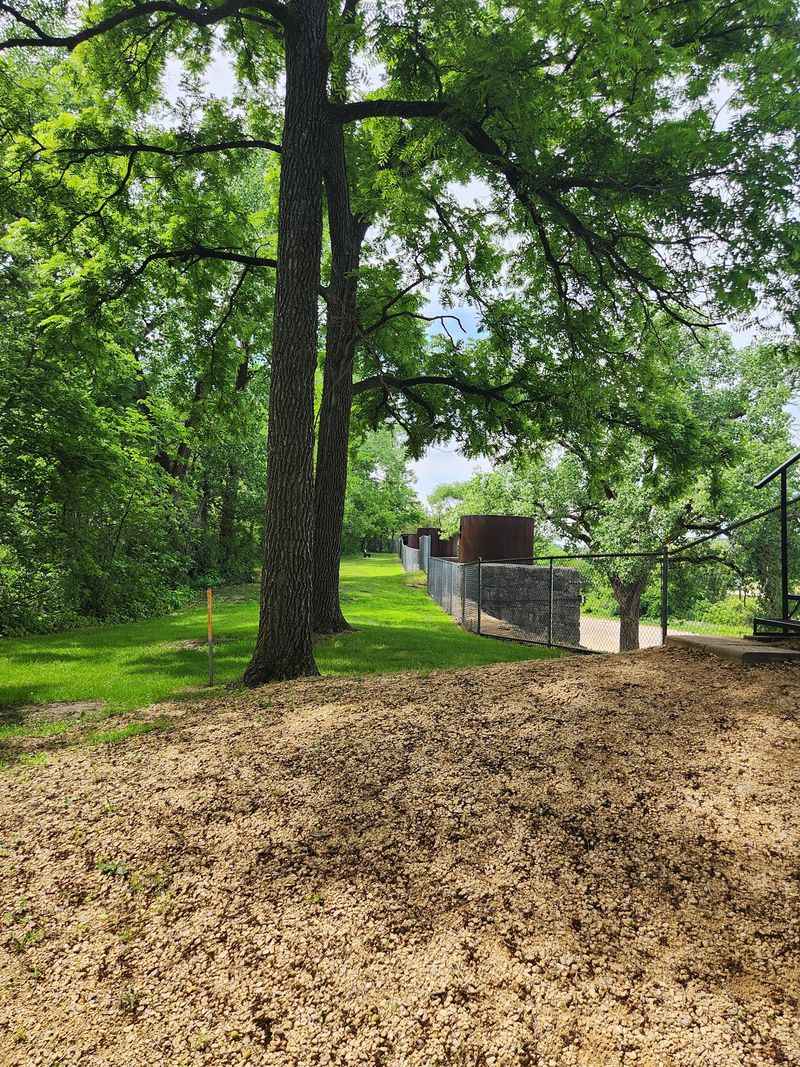
Not every memorable place needs a ticket booth, gift shop, or long trail map. Some spots stay with you because they are quiet, odd, and easy to understand. The kilns offer that kind of visit, especially for people who enjoy history mixed with a little surprise.
With a strong public rating and many comments praising the history, the park has clearly made an impression on travelers. People call it a pleasant surprise, a cool stop, and a good place to stretch their legs. Those simple reactions fit the site better than grand promises.
Expect a compact visit, not an all-day attraction. That honesty helps you enjoy it for what it is: a preserved piece of local industry set in a tidy outdoor space. Pair it with other Jackson County stops, or use it as a thoughtful break during a longer drive. Before leaving, take one last look at the towers from the road side. Their worn stone and tall forms make it easy to imagine another century, when fire, limestone, and labor filled the air. A small park can still open a big window into the past. Here, that window happens to look a little like a forgotten stone castle.