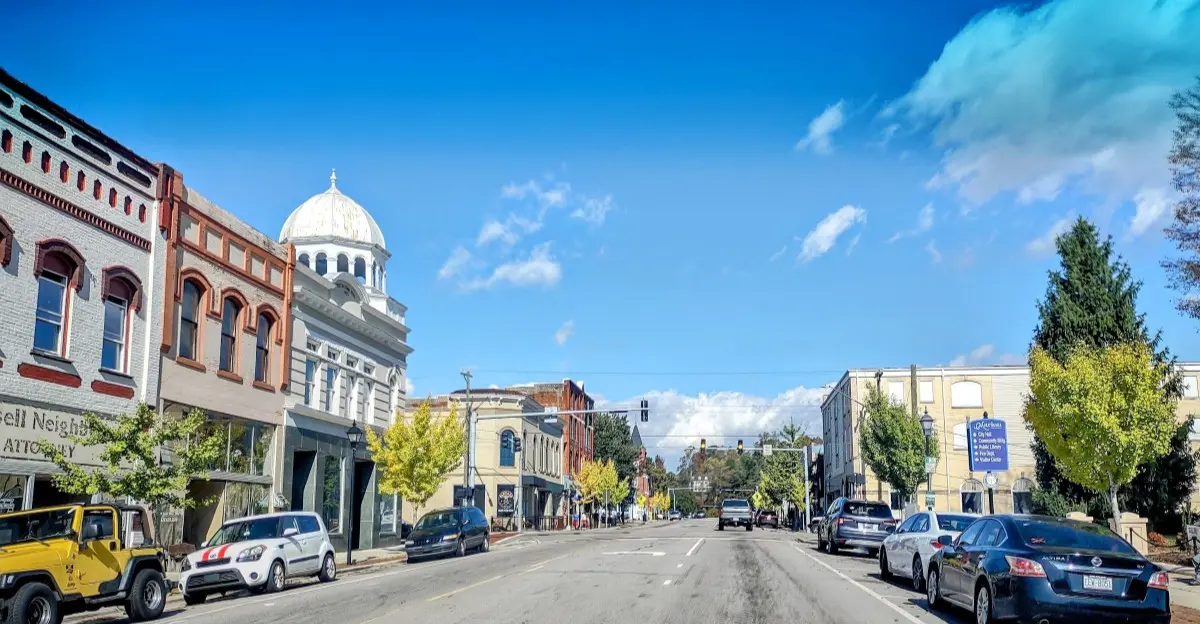
Marion, North Carolina, sits where small-town ease meets Blue Ridge beauty, and that mix can feel like a deep breath after a busy week.
People look at places like this because daily life can cost less, traffic feels lighter, and neighbors still wave from porches and sidewalks.
Founded in 1844 and named for Revolutionary War hero Francis Marion, the city brings real history along with practical perks for families, retirees, remote workers, and anyone ready for a calmer routine.
If you want a town with mountain views, local shops, outdoor fun, and a pace that leaves room for coffee, hobbies, and long walks, Marion deserves a closer look.
This guide walks through eight reasons the city may fit your next chapter, from housing value to weekend adventures, so you can picture what everyday life could feel like here before planning a visit soon.
A Slower Rhythm That Still Feels Connected
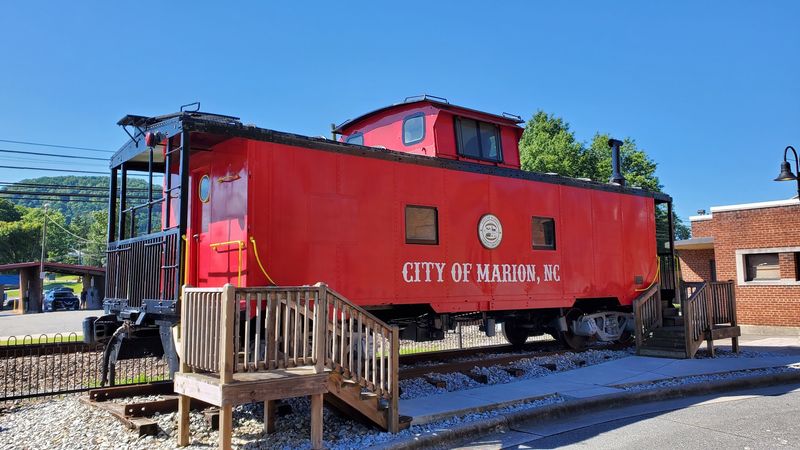
Morning feels different when the mountains sit close enough to frame your errands.
Marion gives many newcomers the slower rhythm they want without making them feel cut off from the world.
The city serves as the county seat of McDowell County, so daily needs like local offices, schools, groceries, banks, and services stay within easy reach.
You can handle normal chores without spending half the day in traffic.
That slower pace shows up in simple ways.
A quick stop downtown can turn into a chat with a shop owner, and a weekend drive can lead to a trail, a lake, or a quiet overlook.
People who feel worn down by crowded cities often notice the extra breathing room first.
Marion sits in western North Carolina at ZIP code 28752, near the Blue Ridge foothills and about 35.6840 latitude, -82.0093 longitude.
Its location makes Asheville, Morganton, and larger regional services reachable, while home still feels peaceful.
For a move, test the pace by visiting on both a weekday and a Saturday.
You will quickly see how the town handles workdays, errands, meals, and downtime.
Housing Costs That Can Stretch a Budget
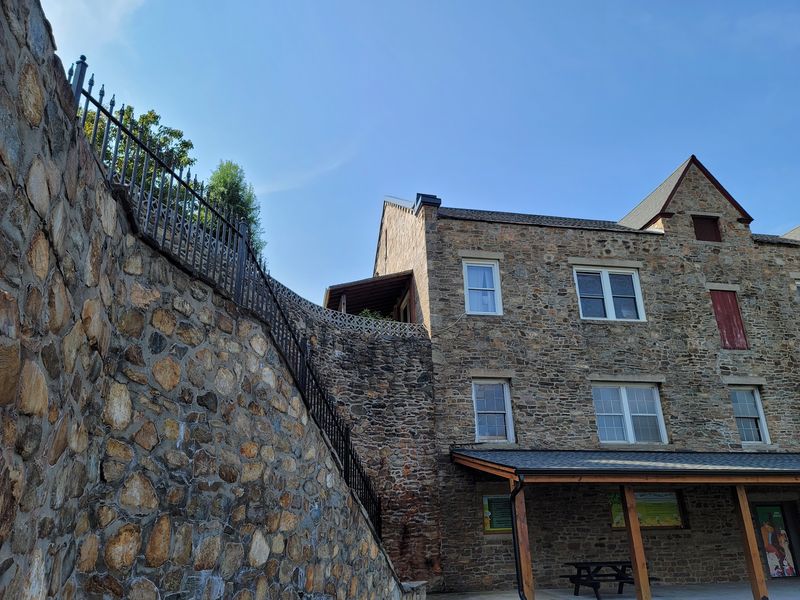
A front porch can feel more possible when the price tag does not scare you away.
Marion often draws attention from people who want western North Carolina scenery without paying the highest mountain-town prices.
Costs change by street, home size, age, and market timing, but buyers and renters may find more approachable options than in bigger tourist-heavy cities nearby.
That matters when every monthly bill affects your comfort.
Lower housing costs can also change your lifestyle.
You may have room in the budget for repairs, a garden, a pet, a workshop, or more savings.
Families can look for yards and extra bedrooms, while retirees may focus on one-level homes near services.
Remote workers may value a spare room for an office.
Smart movers should still study the details.
Compare property taxes, insurance, utilities, internet access, and heating costs before choosing a home.
Mountain weather and older houses can bring repair needs, so schedule a careful inspection.
Drive through neighborhoods at different times of day, too.
A low price matters most when the home also fits your daily routine, commute, safety needs, and long-term plans.
Downtown Charm Without Big-City Noise
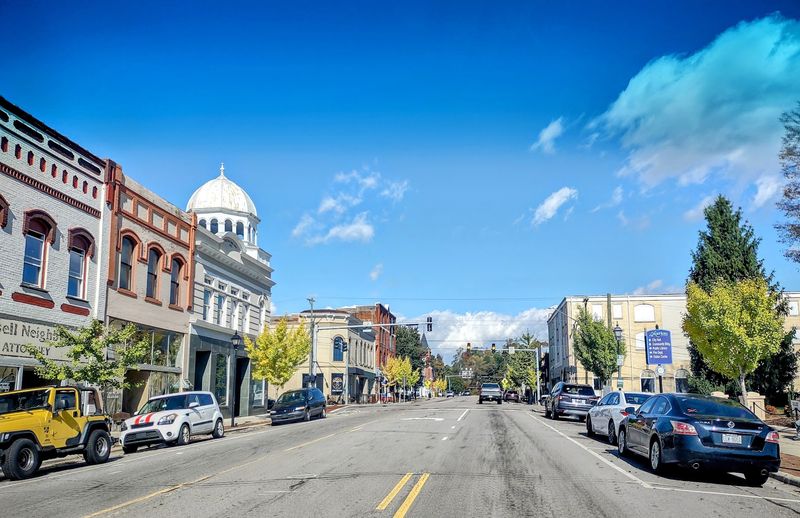
Brick storefronts have a way of making errands feel less like chores.
Downtown Marion is one of the places where the city shows its personality.
You can find local businesses, civic spaces, seasonal events, and streets that invite a slower walk.
Instead of rushing through a giant parking lot, residents can enjoy a more personal setting where familiar faces become part of the routine.
The historic feeling also gives the town texture.
Marion was founded in 1844 and named for Brigadier General Francis Marion, a Revolutionary War figure known as the Swamp Fox.
That origin story adds character, but the downtown is not only about the past.
It still plays a role in how people gather, shop, eat, and celebrate.
If you are thinking about moving, spend time downtown before deciding.
Grab lunch, browse shops, check posted event flyers, and watch how busy the streets feel.
Ask business owners what locals do for fun.
Small downtowns work best for people who enjoy community ties, local flavor, and a quieter evening scene.
Marion offers that kind of setting without pretending to be a large city.
Outdoor Fun Close to Everyday Life

The best weekend plans here may start with a pair of muddy shoes by the door.
Marion sits near the kind of outdoor country that makes western North Carolina famous.
Residents can reach mountain drives, forested trails, rivers, waterfalls, and lake areas without turning every outing into a major trip.
For people who like fresh air but still need normal town services, that balance is a big advantage.
Outdoor living does not have to mean extreme adventure.
A simple walk after dinner, a picnic on a mild afternoon, or a scenic drive when the leaves change can become part of regular life.
Families can use nature as low-cost entertainment, while retirees and remote workers may enjoy flexible weekday outings when popular spots are quieter.
Before moving, think about how you actually use outdoor spaces.
If you fish, hike, paddle, bike, or garden, list what matters most and map distances from possible homes.
Also check cell service, road conditions, and seasonal weather for favorite routes.
Marion can support an active, low-cost lifestyle, especially for people who would rather spend Saturday outside than standing in long lines at crowded attractions.
A Practical Base for Work and Services
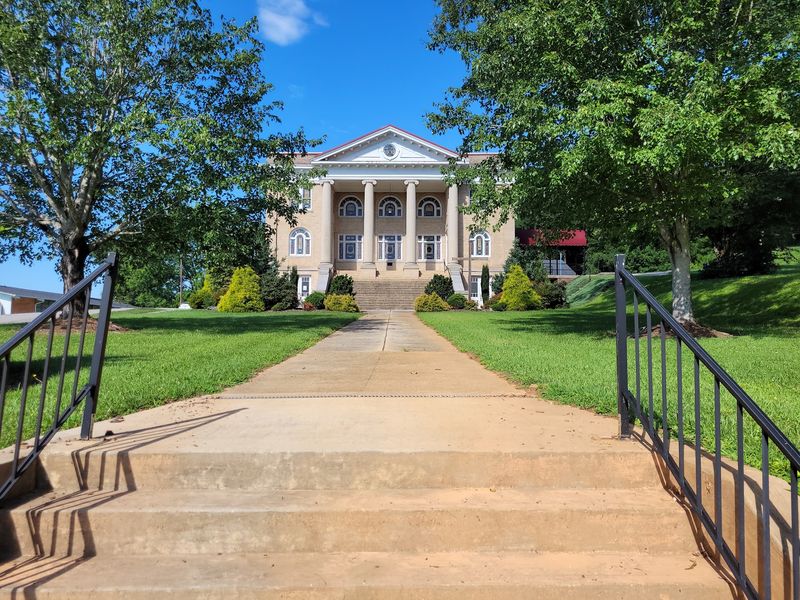
Not every quiet town makes daily life simple, but Marion has a useful role in the region.
As the county seat of McDowell County, Marion is more than a pretty stop near the mountains.
County offices, local employers, healthcare options, schools, and essential services help support regular life.
That can make the city easier to manage than a more remote mountain community where every appointment requires a long drive.
Work options depend on your field, so research matters.
Some residents commute to nearby communities, some work in local service, government, healthcare, education, trades, or small business, and others bring remote jobs with them.
If you work from home, confirm internet choices before signing a lease or buying.
Service can vary by address, especially outside the center of town.
A smart move plan includes more than a dream home.
Check drive times during your real work hours, not just on a quiet Sunday.
Visit grocery stores, clinics, pharmacies, schools, and gyms you may use.
Marion can be a strong base for people who want small-town living, but the best fit comes from matching its services with your actual schedule.
Community Events That Make Neighbors Familiar
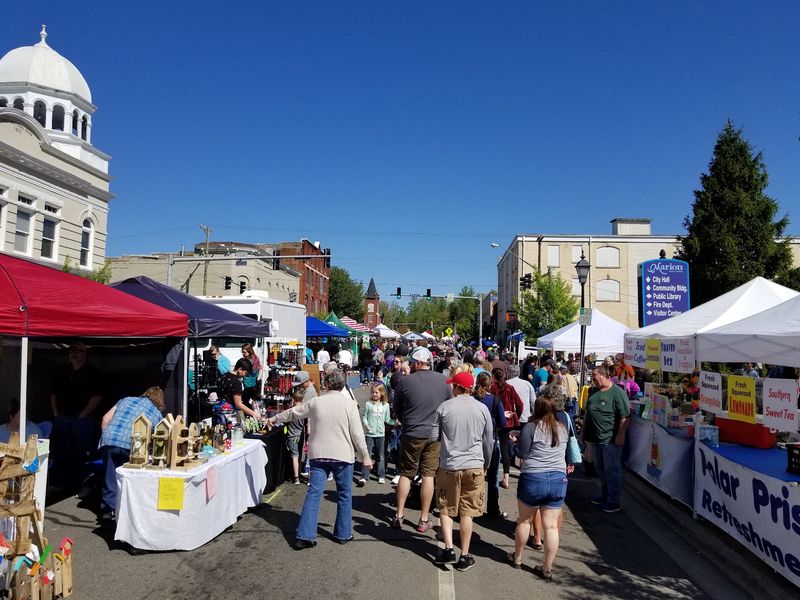
A town starts feeling like home when you recognize someone at the farmers market.
Marion offers the kind of community life that many people miss in larger places.
Local events, downtown gatherings, school activities, church groups, volunteer projects, and civic programs can help newcomers meet people.
You do not have to know everyone right away.
Showing up again and again is often enough to build friendly connections.
Small-town community also works best when residents take part.
Attend a public meeting, join a club, support local fundraisers, or volunteer for a cleanup day.
These simple steps help you understand what people care about and where your own skills might fit.
Families may meet other parents through youth activities, while retirees can find purpose through service groups.
Before moving, look at the city website, local calendars, library postings, and community social pages.
Notice whether events match your interests and age group.
Some people want festivals and music.
Others prefer book clubs, faith communities, craft groups, or outdoor meetups.
Marion rewards people who are willing to participate.
The pace may be slower, but the social life can still feel warm and active.
History With a Local Story to Tell
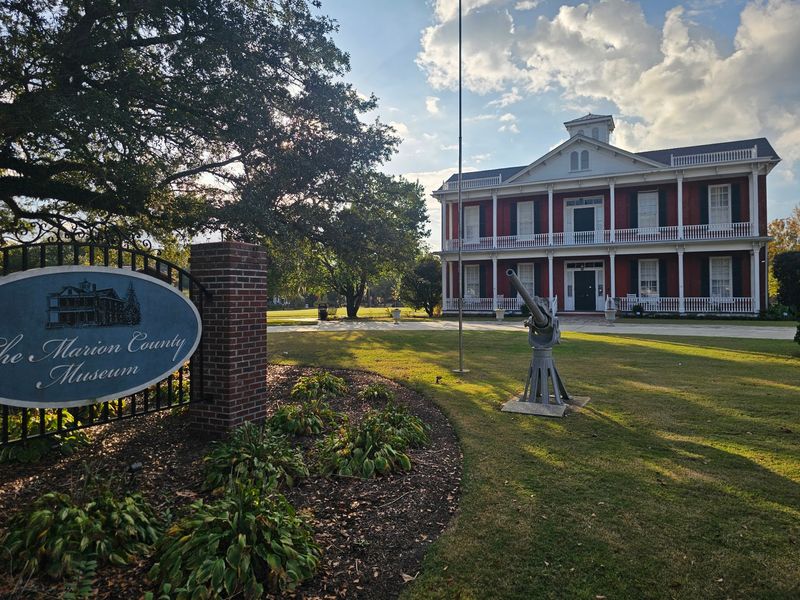
Every old town has a few stories tucked between its sidewalks.
Marion carries a clear link to American history through its name.
Founded in 1844, the city honors Brigadier General Francis Marion, the Revolutionary War hero known as the Swamp Fox because of his skill in guerrilla warfare.
That detail gives the town a memorable identity and adds meaning to its streets, public spaces, and civic traditions.
History can make a place feel rooted.
Instead of living in a development with no shared past, residents become part of a community that has changed through generations.
Older buildings, family businesses, local records, and county traditions all help tell that story.
For many movers, that sense of place matters as much as square footage.
Curious newcomers should visit local history resources, walk downtown, and ask longtime residents about changes they have seen.
You may learn about railroad growth, mountain industry, floods, festivals, or family names that shaped the area.
Marion is not a museum piece, and that is part of its appeal.
It blends everyday life with a past that still gives the city character, pride, and conversation starters.
Room to Build a Calmer Future
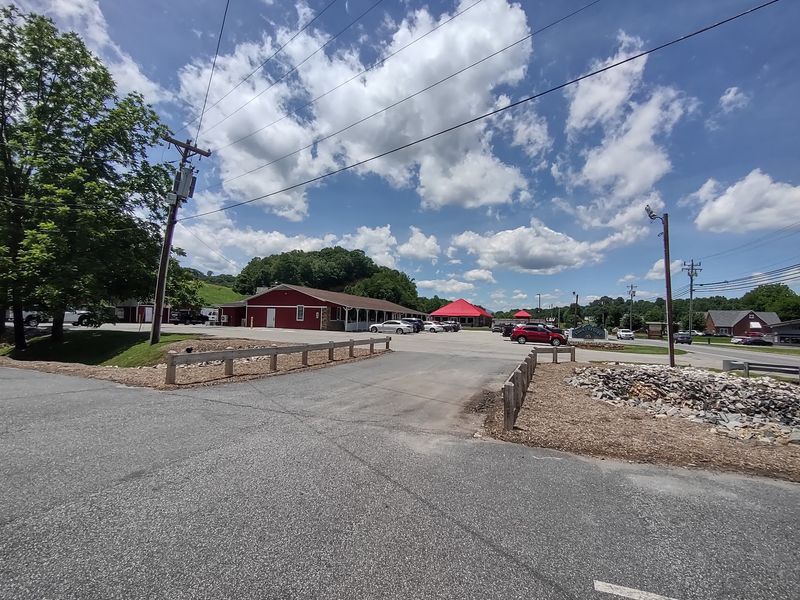
Picture an evening where the loudest sound is a dog barking two streets over.
Marion can appeal to people who want more control over their time and money.
Lower everyday pressure may leave space for hobbies, family dinners, side projects, faith life, fitness, or rest.
A calmer town does not solve every problem, but it can remove some of the noise that makes life feel rushed.
The best way to judge the fit is to imagine a normal Tuesday, not just a vacation weekend.
Where would you buy groceries?
How far is the doctor?
Can you find the school, church, trail, coffee shop, or mechanic you need?
Does the neighborhood feel right after dark?
Those answers matter more than a pretty view alone.
Make a short visit if Marion interests you.
Stay nearby, drive local roads, talk with residents, and check housing in person.
Compare your budget with real costs, including fuel, utilities, taxes, repairs, and entertainment.
If the numbers work and the pace feels good, Marion, North Carolina 28752 may offer the fresh start you have been hoping to find.