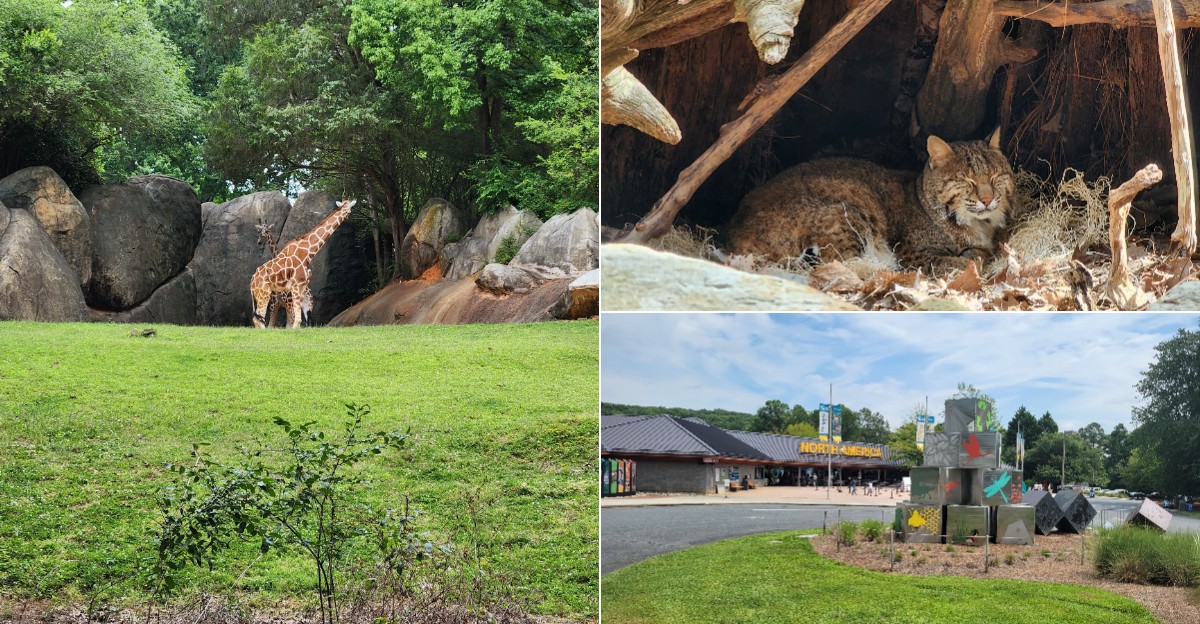
A road trip to Asheboro can turn into a full day of lions, polar bears, giraffes, forest trails, and kid-level excitement before lunch.
The North Carolina Zoo is often called the largest natural habitat zoo in the world, and it gives animals big spaces that feel closer to the wild than a row of cages.
That means visitors should expect fresh air, long walks, surprise animal sightings, and maybe a snack break that feels like a tiny victory.
Pack good shoes, bring water, charge your phone, and get ready for a North Carolina adventure that is bigger than most people expect and much more fun than another Saturday on the couch.
Families, couples, school groups, and curious grown-ups all find something to love here.
If you have been saying you need a day trip that feels easy, memorable, and just a little wild, this is your sign to go.
A Zoo So Big Your Sneakers Deserve a Medal
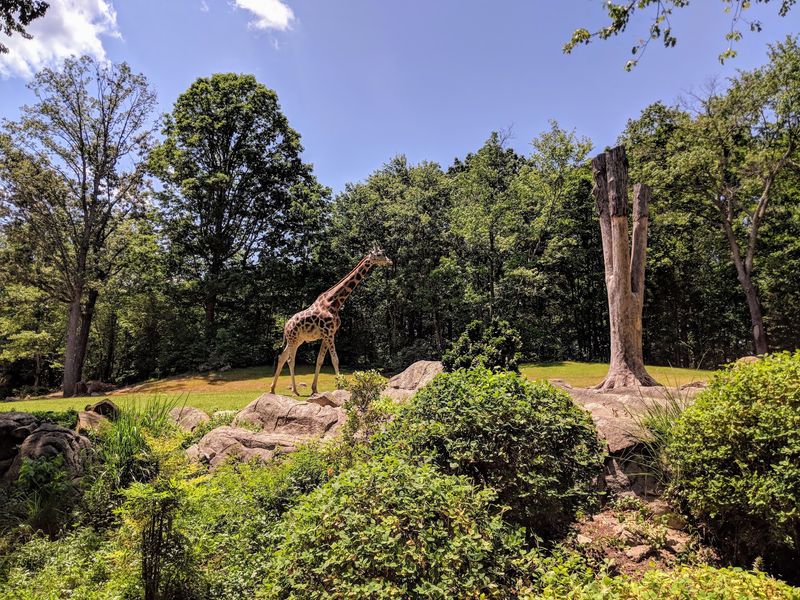
Your step counter may start bragging before lunch at the North Carolina Zoo.
This place covers about 500 developed acres, which makes it one of the largest natural habitat zoos in the world.
Instead of squeezing animals into small spaces, the zoo spreads habitats across rolling land, wooded paths, and wide viewing areas.
That size is part of the magic, but it also means planning matters.
Wear broken-in shoes, not the brand-new pair that still has store confidence.
Bring a refillable water bottle, sunscreen, and a hat, especially during warm North Carolina months.
Most visitors spend at least four hours here, and animal lovers can easily stay the whole day.
The paths are paved and well cared for, but there are hills, ramps, and long stretches between some exhibits.
Free trams and buses help connect major areas, so use them without guilt.
Nobody wins a trophy for becoming tired before seeing the giraffes.
Start early, pace yourself, and treat the zoo like a nature hike with bonus rhinos.
The biggest mistake is rushing, because the animals often reward patient guests with the best views.
Africa Feels Like a Mini Safari Without the Passport
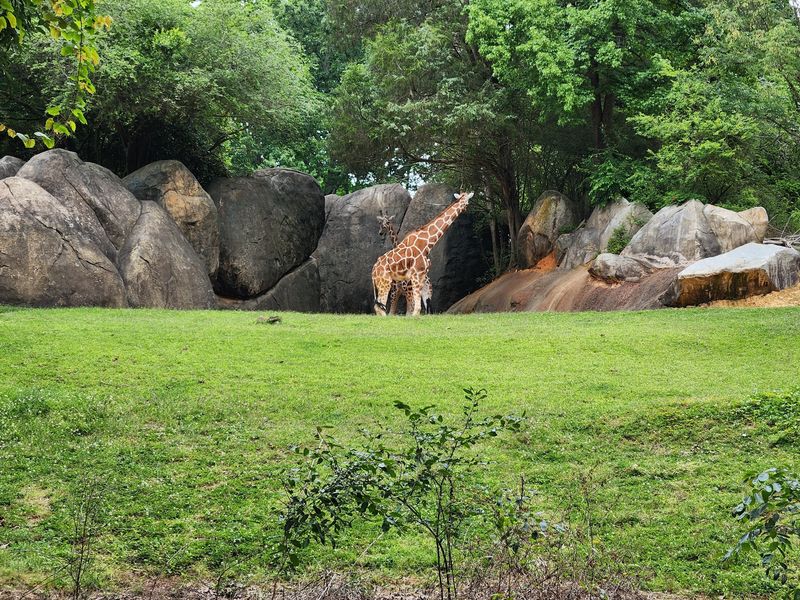
A giraffe chewing leaves with royal calm can make any regular Tuesday feel fancy.
The Africa region is a huge reason people rave about the North Carolina Zoo.
Here, visitors may see elephants, rhinos, zebras, ostriches, giraffes, chimpanzees, gorillas, lions, and other animals in roomy spaces that echo their native landscapes.
Watani Grasslands is a favorite stop because the view feels open and alive.
Animals can wander, graze, rest, or vanish behind trees, which is exactly what makes the setting feel real.
You might need to wait a few minutes, but patience often pays off.
Check the zoo website before visiting for special activities like giraffe feeding or Zoofari experiences.
These extras can fill up or cost more, yet many guests say they create the closest views of the day.
Morning visits often bring more animal movement, especially before the afternoon heat turns everyone, including humans, into lazy puddles.
Bring binoculars if you have them, because large habitats sometimes place animals farther away.
That distance is good for their comfort and still exciting for careful watchers.
North America Brings the Wild Backyard Energy
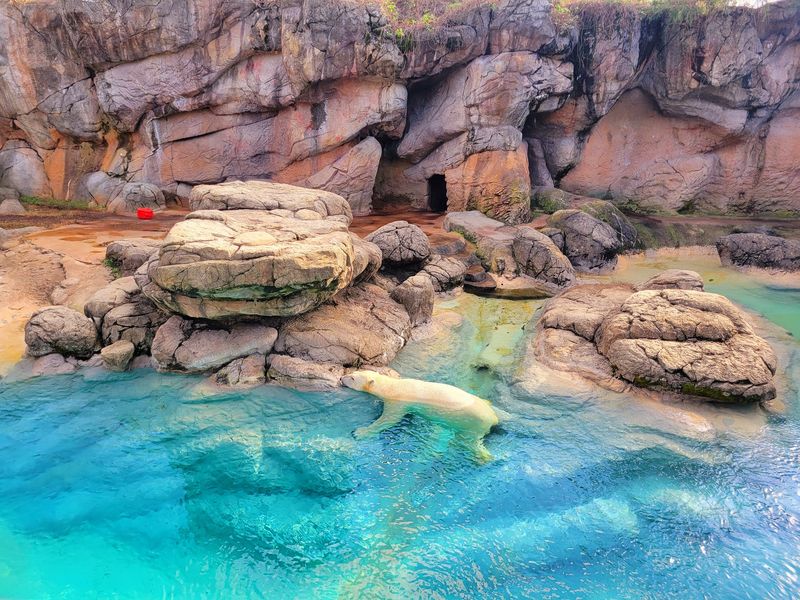
One minute you are watching bison like a frontier explorer, and the next you are hoping the polar bear makes an appearance.
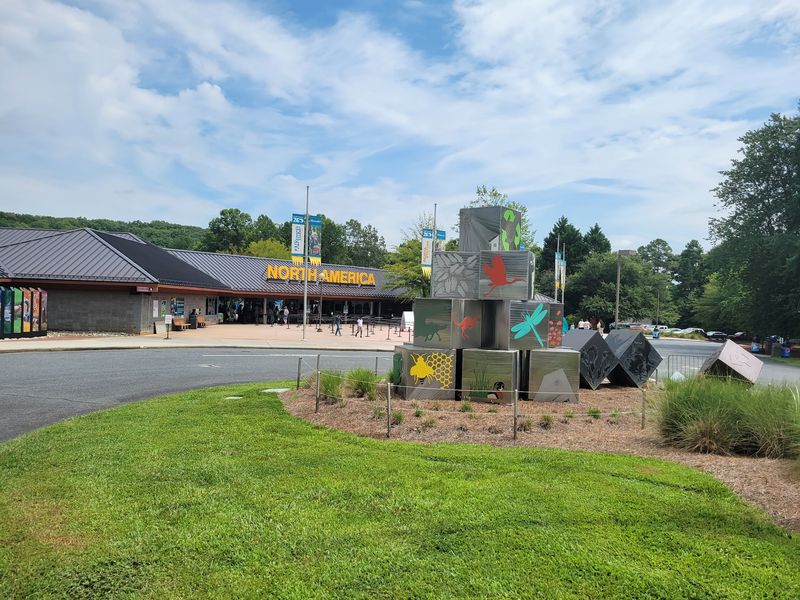
The North America region celebrates wildlife found across the continent.
Depending on the day, guests may see grizzly bears, black bears, red wolves, cougars, alligators, elk, bison, otters, and polar bears.
Habitats here use water, rock, trees, and shade to create scenes that feel natural.
That also means animals can choose privacy.
If an exhibit looks empty, circle back later instead of declaring the animal officially invisible.
Many visitors mention that North America can involve more walking between big sightings.
A smart plan is to begin at the North America entrance, walk toward Africa, then ride transportation back when legs start filing complaints.
Cooler days make this region especially pleasant because the tree-lined paths feel peaceful.
Feeding times or keeper talks can turn a quiet stop into a highlight, so check the daily schedule when you arrive.
Kids often enjoy the suspense here.
Will the bear be napping?
Will the wolves appear?
Will the otters steal the show?
Wildlife keeps its own schedule, and that is part of the fun.
Natural Habitats Make the Animals the Stars
The best zoo moments sometimes happen when nothing seems rushed.
At the North Carolina Zoo, the design focuses on natural habitats rather than tight displays.
Animals have room to roam, rest, hide, climb, swim, and interact with their surroundings.
That approach supports animal welfare and gives visitors a better look at real behaviors.
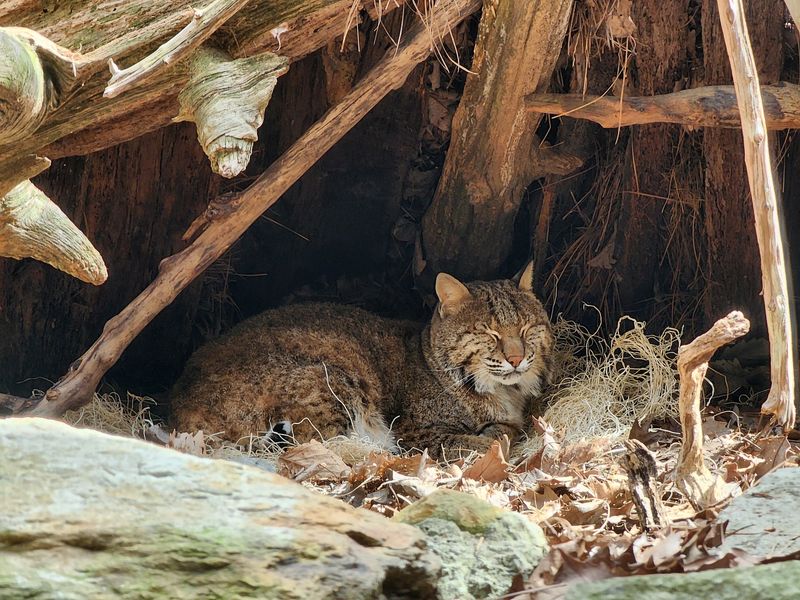
You may not see every animal right away, and that can surprise first-time guests.
A lion might nap in the shade.
A gorilla might sit far back.
A red wolf might choose quiet cover over camera fame.
Rather than feeling disappointed, think of it as a respectful trade.
The animals get choice, and guests get a more honest experience.
When an animal does come close, the moment feels earned.
Bring children into that mindset before the trip.
Tell them the zoo is not a remote control, and animals do not pop out on command.
That simple talk can prevent grumbles later.
The result is a visit that feels calmer and more meaningful.
You learn to slow down, scan the habitat, and notice small details, like tracks, water ripples, branches moving, or keepers sharing facts nearby.
Smart Planning Saves Feet, Time, and Snack Money

A little planning here works like a secret superpower.
The zoo is located at 4401 Zoo Pkwy, Asheboro, NC 27205, and it is open daily from 9 AM to 5 PM.
It has a strong 4.6-star rating from more than 27,000 Google reviews, and visitors can call +1 336-879-7001 or check nczoo.org for tickets, updates, closures, and schedules.
Buy tickets online if you can.
Reviewers often mention that advance tickets help guests move through the entrance faster, especially on weekends, school breaks, and pretty weather days.
Food and drinks are available, but many guests find prices high.
Packing snacks, a lunch, and a refillable bottle can make the day easier on your wallet.
Use water refill stations whenever you pass one.
Check exhibit notices before driving in, because maintenance or construction can affect certain areas.
The planned Asia expansion has also made many visitors excited for future trips.
Arrive early for cooler temperatures, easier parking, and better animal activity.
If you visit in summer, plan indoor breaks, shaded pauses, and tram rides before everyone starts melting like ice cream.
Trams Are the Unsung Heroes of the Day
The tram may not roar, swing, or flap, but it can save your day.
Because the North Carolina Zoo is so spread out, free transportation between major areas is more than a convenience.
It is the difference between cheerful exploring and the dramatic family announcement that nobody can feel their feet.
Trams and buses connect areas such as North America, Junction Plaza, and Africa.
They help visitors cover long distances without walking every inch twice.
This is especially helpful for families with young children, grandparents, or anyone managing mobility needs.
Some guests recommend starting in North America and moving toward Africa because parts of that route can feel easier.
Then you can ride back later instead of retracing the whole journey.
If you have a stroller, be ready to fold it before boarding certain vehicles.
That small detail matters when you are juggling snacks, sunscreen, stuffed animals, and a toddler who suddenly becomes boneless.
The zoo also offers wheelchair and electric scooter rentals, which many visitors praise.
Reserve or arrive early during busy seasons when possible.
Good transportation planning keeps the focus where it belongs, on animals, laughter, and not limping to the parking lot.
Family Fun Goes Beyond Animal Watching
Kids do not need caffeine to have zoo energy, and this place knows it.
The North Carolina Zoo offers more than animal viewing, which helps families stretch the day without hearing constant complaints.
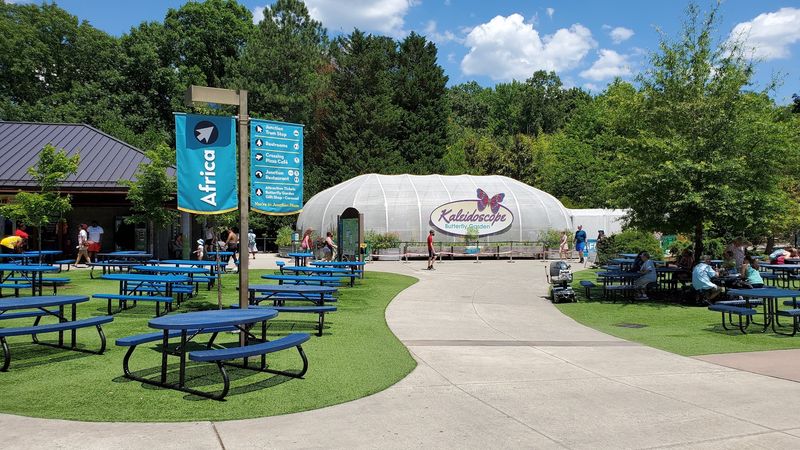
Play areas give children a chance to climb, wiggle, and burn off the mysterious power source all parents wish they could bottle.
Visitors often mention the carousel, butterfly area, scavenger-style activities, and explorer missions as fun extras.
Availability can vary, so check the website or ask staff when you arrive.
These add-ons work best as breaks between long habitat walks.
See the animals, pause for play, refill water, then continue.
That rhythm keeps younger guests from feeling like the entire day is one giant march.
For school groups, the zoo offers a strong mix of science, conservation, and movement.
Students can learn about ecosystems, animal care, endangered species, and geography while still feeling like they are on an adventure.
Adults get plenty out of it too.
A quiet gorilla moment, a butterfly landing nearby, or a child gasping at a giraffe can become the memory everyone talks about on the ride home.
Conservation Gives the Trip Real Meaning
Behind the cute photos and snack breaks, a serious mission is working quietly.
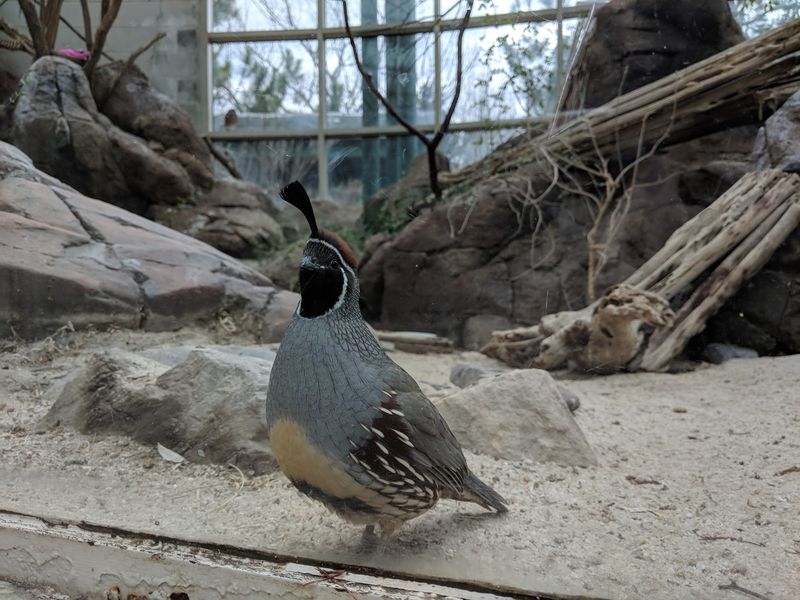
The North Carolina Zoo teaches visitors about conservation, animal care, and protecting wild places.
Its habitats help people understand that animals need space, clean water, healthy ecosystems, and human choices that support survival.
Keeper talks, signs, and education stations can turn a simple visit into a lesson that actually sticks.
A child may forget a worksheet, but they will remember seeing a rhino up close or watching a chimpanzee solve a problem.
The zoo also highlights species from Africa and North America, making big world issues feel personal.
When guests learn why red wolves, gorillas, elephants, or polar bears face threats, the story becomes more than a display behind glass.
Support can be simple.
Follow posted rules, avoid tapping on viewing areas, stay on paths, recycle when possible, and talk with kids about respecting wildlife.
A visit here feels worth the drive because it mixes fun with purpose.
You leave with photos, tired legs, and a better reason to care about the wild world.
That is a pretty good souvenir, even without a plush giraffe.