Downtown Dallas gets seriously busy when this farmers market takes over.
Every weekend, The Shed fills with farmers, bakers, ranchers, food artisans, and local makers, turning a few city blocks into a giant Texas shopping spree.
Fresh produce steals plenty of attention, but that’s only the beginning.
You can browse farmstead cheese, eggs, honey, baked goods, preserves, flowers, handmade goods, and plenty of ready-to-eat treats while vendors chat with shoppers and regulars catch up.
The Dallas Farmers Market isn’t just somewhere to grab groceries.
It’s the kind of place where you can arrive hungry, leave with dinner ingredients, discover a new local favorite, and spend hours wandering from booth to booth.
If you love bustling markets, good food, and that unmistakable weekend energy, this Dallas tradition deserves a spot on your list.
The Shed Turns Downtown Dallas Into a Giant Open-Air Market
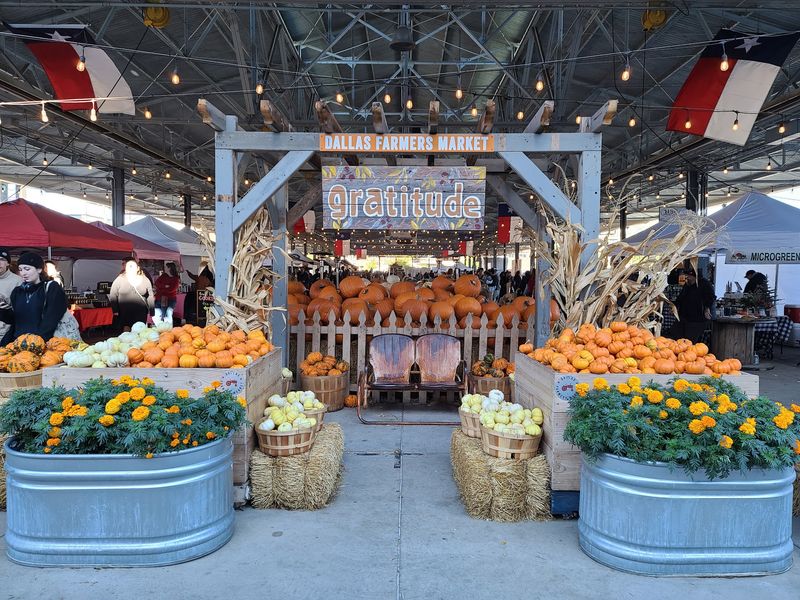
Picture a massive covered pavilion buzzing with activity as more than 100 vendors spread their goods across tables and displays. That’s The Shed on any given weekend, where the real heart of the Dallas Farmers Market beats strongest.
Farmers, ranchers, bakers, and artisans claim their spots early, transforming the space into a colorful maze of fresh possibilities. The covered structure means rain or shine won’t stop the action, giving shoppers a reliable weekend destination year-round.
Walking through feels like stepping into a celebration of Texas agriculture and handmade goods all at once. Conversations between growers and customers fill the air while people juggle bags of produce, loaves of bread, and bundles of flowers.
The weekend energy here is unmistakable. It’s where the market truly comes alive, drawing crowds who know Saturday and Sunday mornings mean fresh food and genuine connections with the people who grow and make what they sell.
This isn’t just shopping; it’s experiencing Dallas at its most community-focused.
Fresh Texas Produce Takes Center Stage
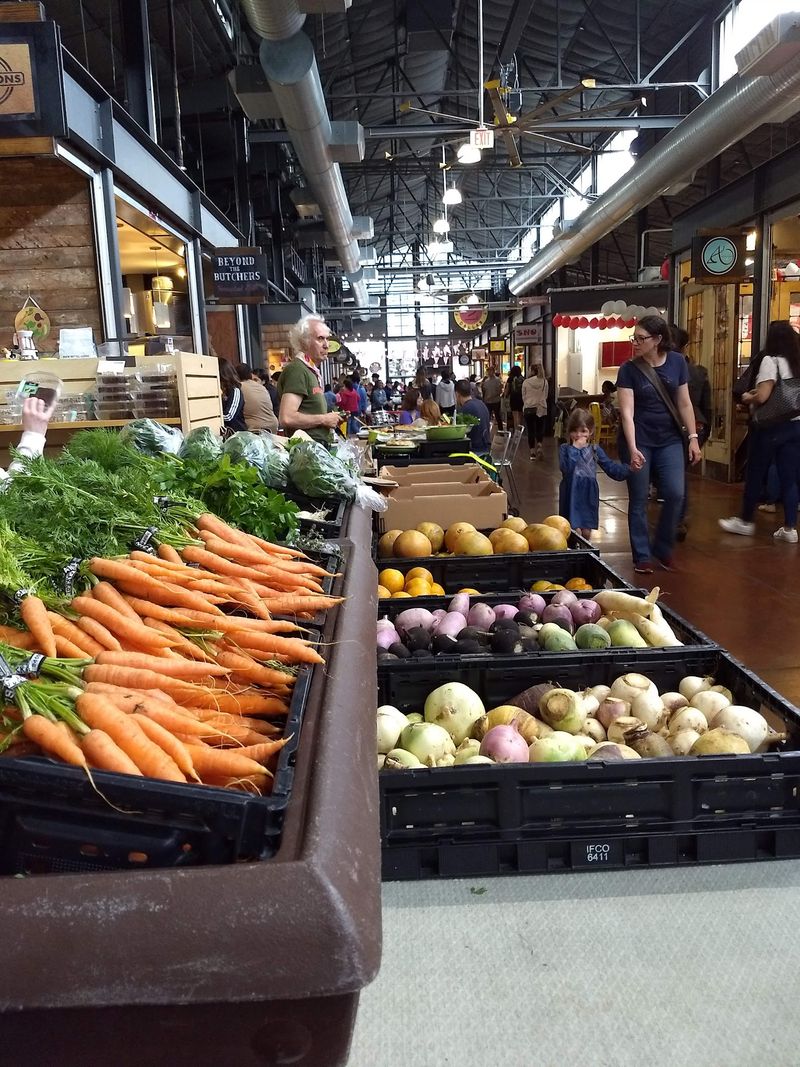
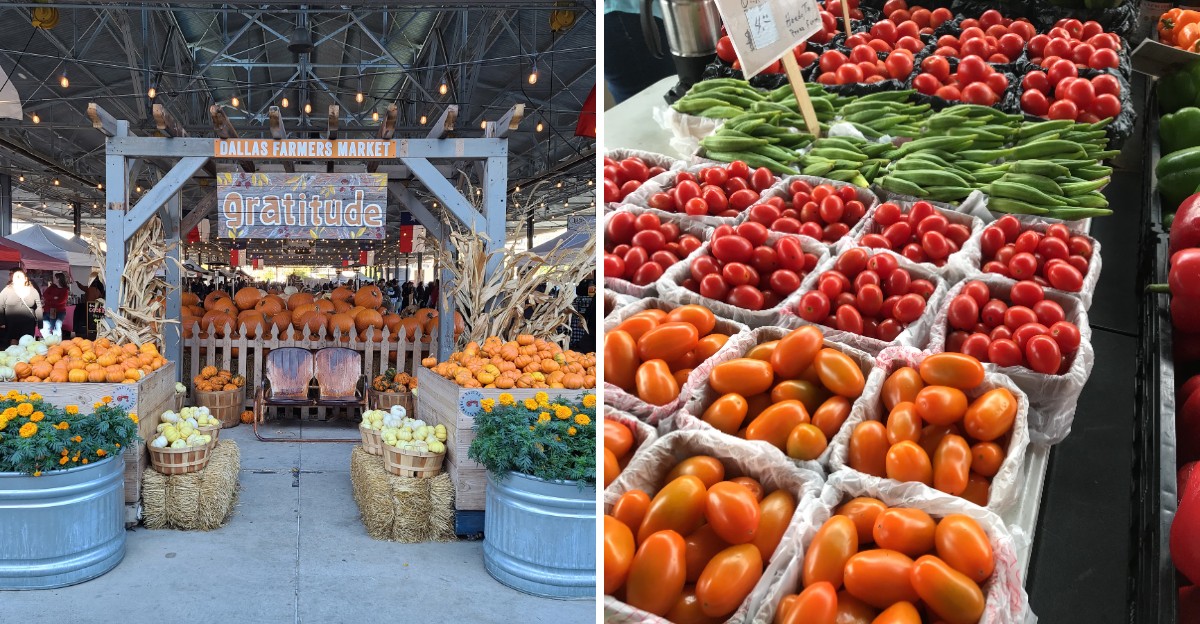
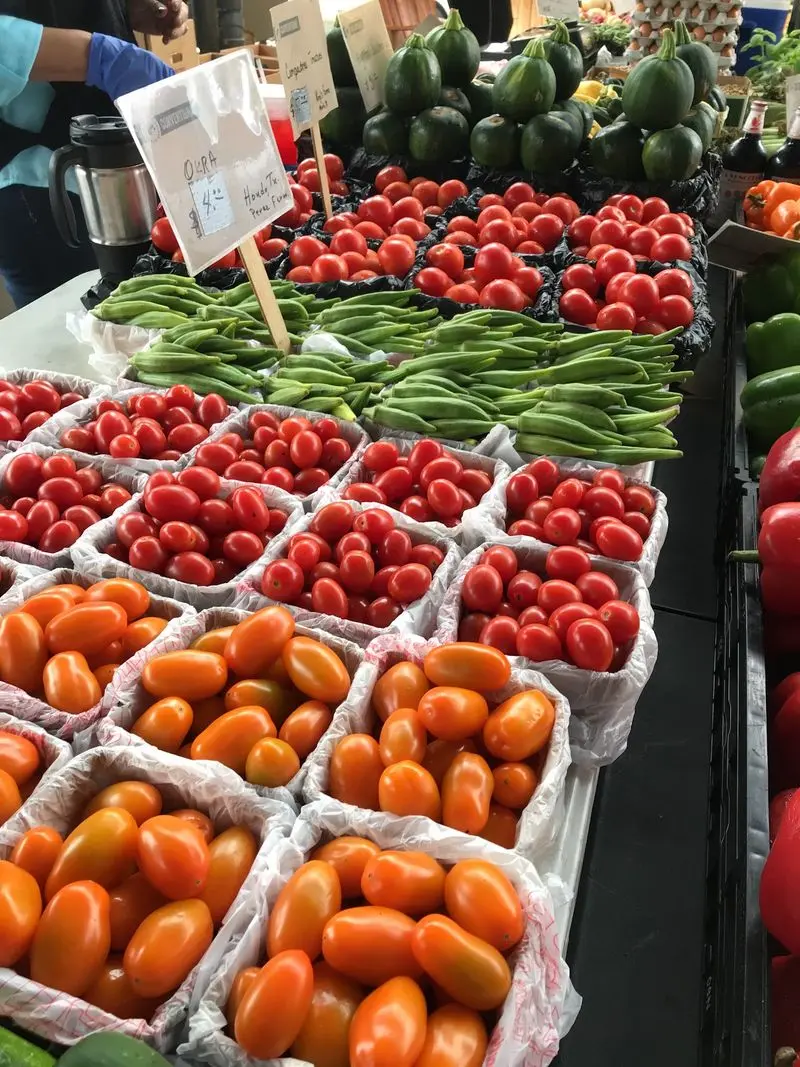
Seasonal fruits and vegetables dominate the shopping scene here, with the selection shifting as Texas weather changes throughout the year. Summer shoppers hit the jackpot with tomatoes so ripe they practically beg to become salsa, sweet corn ready for grilling, and watermelons that promise sticky-chin satisfaction.
Peppers range from mild to fire-breathing, while cucumbers, squash, and peaches round out the warm-weather haul. Spring and fall bring their own stars, from leafy greens to root vegetables that thrive in cooler temperatures.
What makes the produce special goes beyond freshness. These fruits and vegetables come from regional growers who understand Texas soil and climate, meaning everything tastes like it’s supposed to taste.
A tomato from here actually has flavor, unlike those sad supermarket specimens.
Shopping seasonally becomes automatic when you visit regularly. You start anticipating strawberry season, planning recipes around what’s peaking, and rediscovering vegetables you’d forgotten existed.
The changing selection keeps every market trip feeling fresh and exciting.
Meet Farmers Selling What They Actually Grow
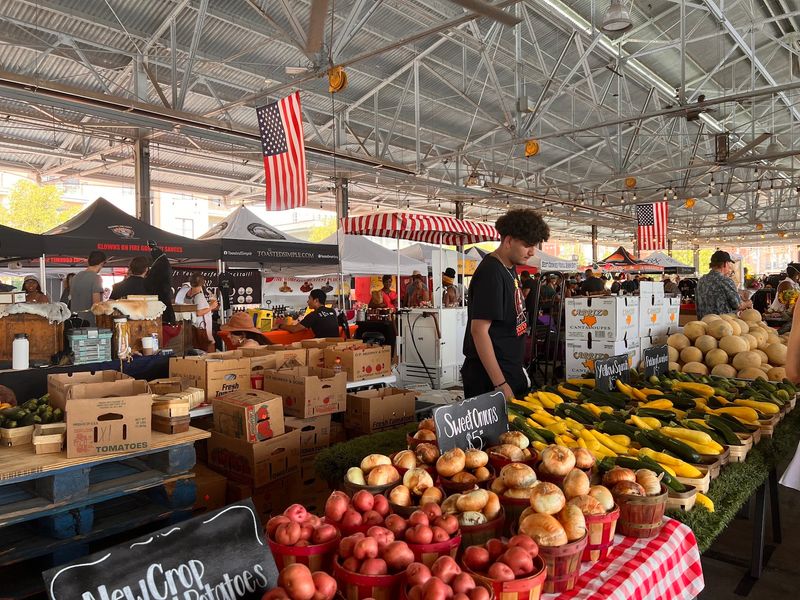
Here’s something refreshing: The Shed focuses on producers who actually grow, raise, or make what they’re selling. No middlemen pretending to be farmers, no generic wholesale booths masquerading as local operations.
When you ask about growing practices or recipe suggestions, you’re talking to someone who knows the answer because they planted the seeds or tended the animals themselves. That direct connection changes the entire shopping experience, turning transactions into conversations about weather patterns, harvest timing, and family farming traditions.
These producers bring knowledge along with their goods. They can explain which tomato variety works best for canning, how to store farm-fresh eggs, or why their peaches taste different from commercial ones.
You’re not just buying food; you’re gaining cooking insights and agricultural education.
Supporting these vendors means your money goes directly to Texas farms and ranches rather than corporate distribution networks. It’s transparent commerce that lets you know exactly where your food originates and who benefits from your purchase, creating accountability that supermarkets can’t match.
Stock Up on Ranch Goods, Eggs, Cheese, and Honey
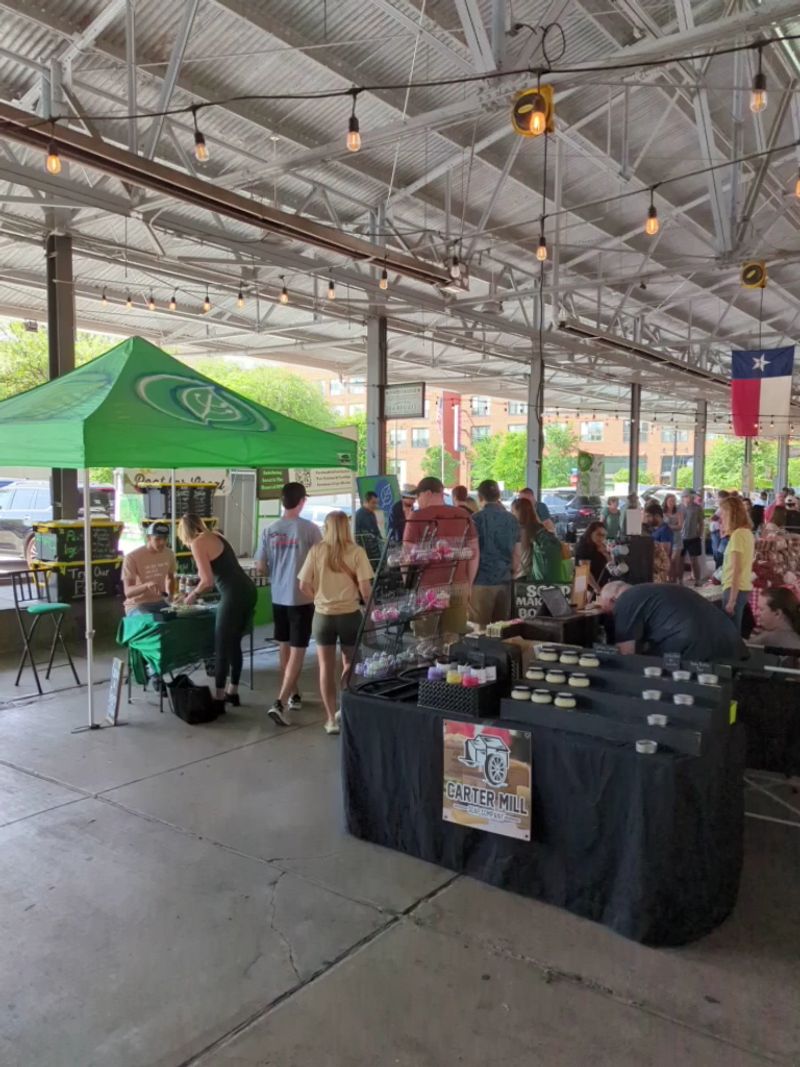
Beyond the vegetable bounty, you’ll discover pasture-raised eggs with yolks so orange they look fake, farmstead cheeses with complex flavors that evolve as you chew, and honey that tastes like Texas wildflowers. Meats from local ranches offer alternatives to factory-farm products, while other farm goods fill in grocery list gaps.
Many shoppers arrive planning to grab a few tomatoes but leave with enough farm products to stock their refrigerator for the week. The egg selection alone can be overwhelming in the best way, with different farms offering various sizes, colors, and price points.
Cheese enthusiasts find varieties they’ve never encountered at regular stores, from fresh chevre to aged hard cheeses that pair perfectly with that honey you just bought. The combination of products means you can assemble complete meals without hitting another store.
This section of the market appeals to serious grocery shoppers who view their weekly farmers market trip as essential rather than recreational. You’re not just picking up a few pretty vegetables; you’re doing legitimate food shopping with quality that makes the effort worthwhile.
Bakers and Food Artisans Bring the Temptation
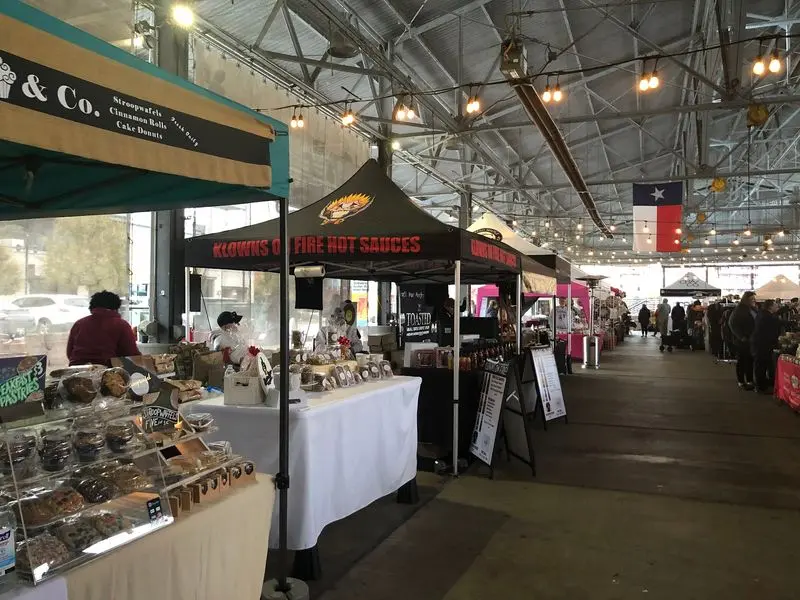
Resistance becomes futile when you catch your first whiff of fresh bread cooling on bakery tables. These aren’t mass-produced loaves but handcrafted creations from bakers who take their craft seriously.
Pastries tempt from neighboring displays while jars of preserves, pickles, and other canned goods promise to brighten winter pantries.
The food artisan category expands beyond expectations, including regional specialties and international foods that add global flavor to the local market experience. One vendor might specialize in traditional Texas jams while another offers authentic international cuisine prepared fresh.
Ready-to-eat options mean you can sample as you shop, turning your market visit into a progressive tasting menu. Take-home items let you extend the enjoyment, bringing market flavors to your own kitchen throughout the week.
Many shoppers plan their routes to hit bakery booths early before popular items vanish. That sourdough everyone raves about?
It sells out fast. Those empanadas drawing the crowd?
Limited quantities mean early birds celebrate while latecomers face disappointment. Timing matters when temptation is this good.
Local Makers Add More Than Food to the Mix
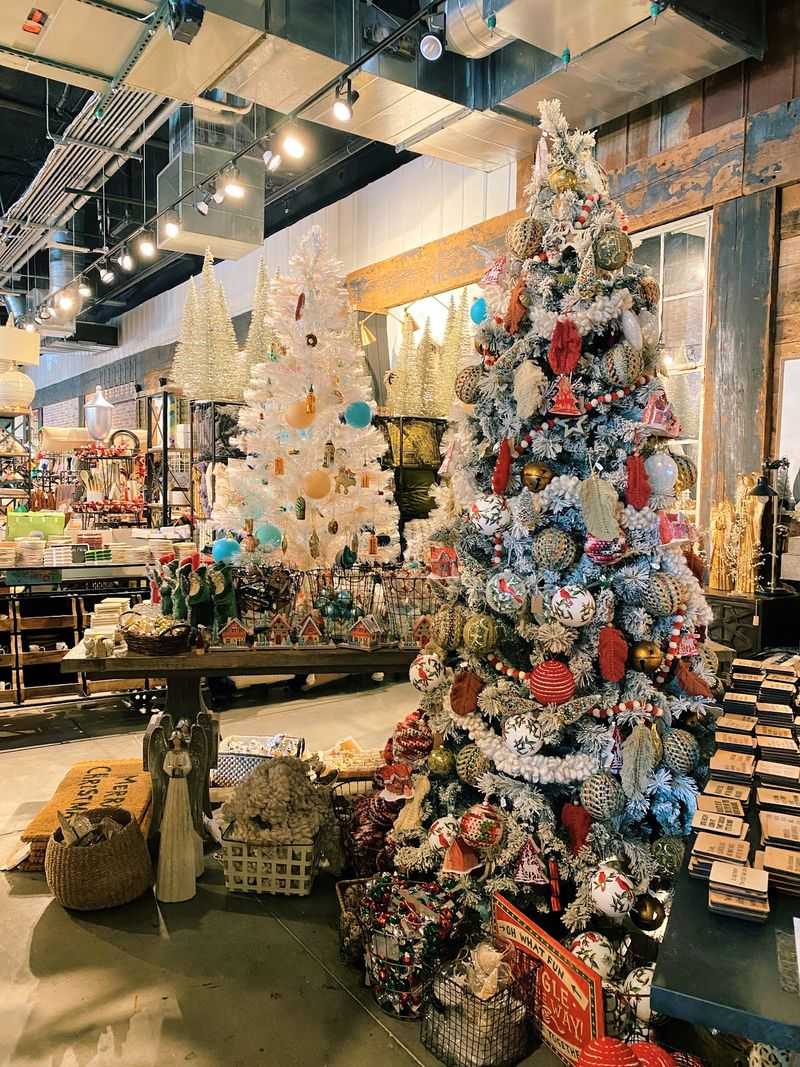
Not everything at the weekend market is edible, which actually enhances the experience rather than diluting it. Arts-and-crafts vendors bring handmade jewelry, pottery, textiles, soaps, candles, and other creative goods that give The Shed a broader artisan-market atmosphere.
These makers offer shopping opportunities for people accompanying serious grocery shoppers who might otherwise feel bored watching someone debate between three types of kale. Now everyone finds something interesting, making the market a genuine family destination rather than strictly a food-shopping expedition.
The quality tends toward genuinely handmade rather than mass-produced items with handmade price tags. You’re meeting the person who actually created what you’re buying, which adds meaning to purchases and ensures uniqueness that chain stores can’t replicate.
Gift shopping becomes easier when you know these vendors personally and can explain the origin story behind presents. That hand-thrown mug or locally-made cutting board carries more significance when you can describe meeting the maker at the Dallas Farmers Market.
It transforms generic gift-giving into thoughtful curation of local artistry.
Come Hungry for a Full Market-Day Experience
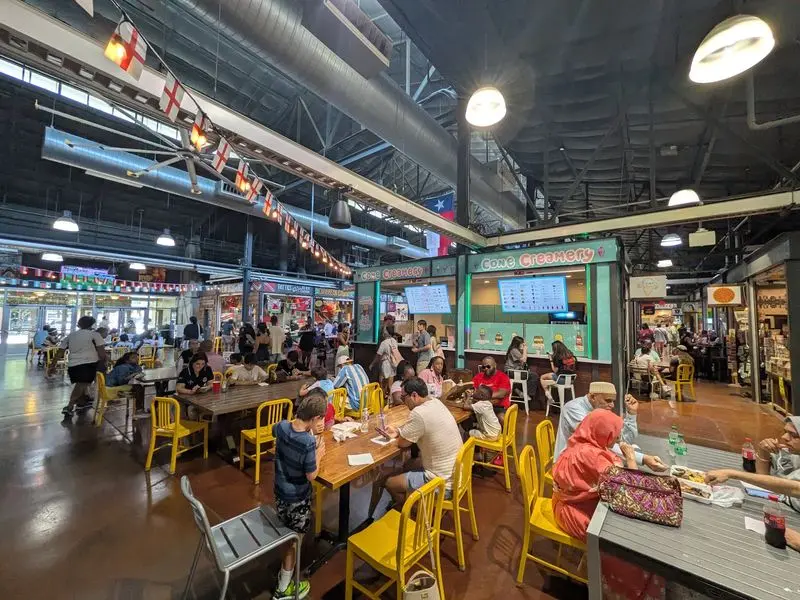
Smart visitors arrive with appetites ready for activation. The Market Building’s dining options range from quick breakfast bites to full lunch spreads, while weekend vendors around The Shed often offer prepared foods perfect for immediate consumption.
Your market visit can easily evolve into a complete outing rather than a focused shopping trip. Grab coffee first to fuel your browsing, sample treats as you shop, then settle in for a proper meal once your bags are full.
The casual atmosphere welcomes lingering without pressure to rush through.
Many regulars build traditions around their market routine: Saturday morning breakfast before shopping, post-shopping lunch with friends, or Sunday brunch followed by leisurely browsing. The food options support whatever pace and style suits your mood.
Kids appreciate the combination of shopping and eating, which makes family visits more manageable when attention spans waver. Adults enjoy the social aspect, meeting friends for coffee or meals within the market setting where conversation flows easily.
It’s infrastructure that supports community building alongside commerce, making every visit feel purposeful yet relaxed.
Saturday Morning Is When the Market Really Comes Alive
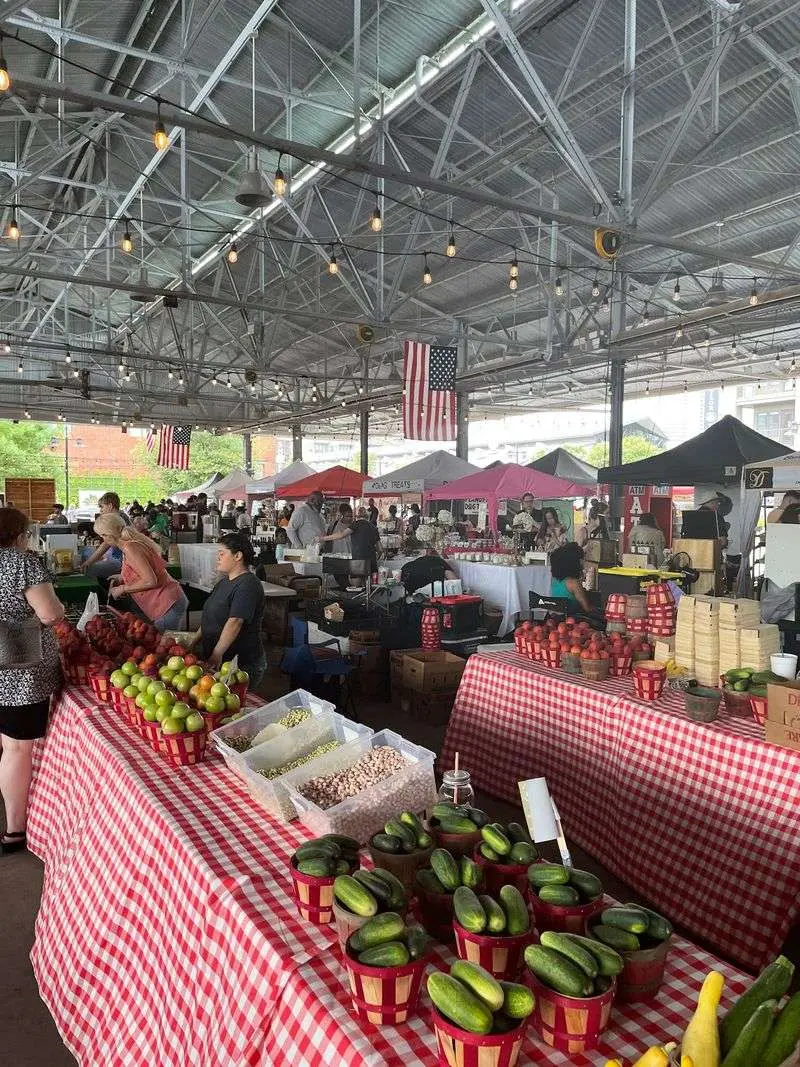
Saturday reigns as the biggest shopping day, running from 9 a.m. to 5 p.m. with vendor selection and customer energy peaking during morning hours. The market itself recommends arriving early because popular items disappear fast when crowds understand quality.
Those beautiful heirloom tomatoes everyone photographs for social media? Gone by 11 a.m. during peak season.
The sourdough from that bakery everyone recommends? Sold out before lunch.
Flower bundles, specialty mushrooms, and unique produce varieties vanish quickly when knowledgeable shoppers claim them first.
Early arrival rewards you with full selection and easier navigation before crowds thicken. Parking becomes simpler, conversations with vendors happen without people stacking up behind you, and you claim the best specimens before they’re picked over.
Sunday offers a slightly calmer alternative, operating 10 a.m. to 5 p.m. with similar vendor participation but gentler crowds. Some families prefer the Sunday pace, while serious shoppers swear by Saturday’s energy and selection.
Either way, morning arrival beats afternoon, when popular vendors might be packing up and selection dwindles significantly.
Plan Your Visit
Location details matter: The Market Building sits at 920 S. Harwood St., Dallas, TX 75201, while The Shed occupies 1010 S.
Pearl Expy. The Market Building welcomes visitors daily from 10 a.m. to 7 p.m., giving weekday access to permanent vendors.
The Shed operates Saturdays 9 a.m. to 5 p.m. and Sundays 10 a.m. to 5 p.m., year-round regardless of weather.
Admission costs nothing, making the market accessible to everyone. Parking surrounds the market campus, while the Pearl/Arts District DART Station provides public transit access about five minutes away on foot.
The campus meets ADA accessibility standards, and leashed dogs join their humans outdoors, though the Market Building remains pet-free.
Saturday mornings offer peak selection, but expect crowds. Vendor participation changes weekly, with the official list updating Fridays on the market’s website.
This rotation means regular visitors discover new producers and products constantly.
For questions or details, call +1 214-664-9110. Planning ahead improves your experience, especially regarding parking during busy Saturday mornings when spaces fill quickly.
First-timers should budget extra time for exploring and getting oriented.