Some parts of Michigan are best seen from a train window.
In Lenawee County, the Southern Michigan Railroad follows the old Clinton Branch through forests, wetlands, and quiet stretches of countryside that cars simply can’t reach.
The tracks carry you into a side of southern Michigan that feels wonderfully removed from the roads and daily rush.
Vintage railcars rumble past the River Raisin, over old bridges, and through scenery that changes with every bend.
There are no traffic lights, crowded intersections, or highway noise here—just the steady rhythm of wheels and wide-open views.
And that’s what makes this ride so memorable.
You’re not just traveling between Clinton and Tecumseh.
You’re following a historic rail line into hidden corners of Michigan, where the journey itself becomes the adventure.
Ride A Historic Michigan Branch Line
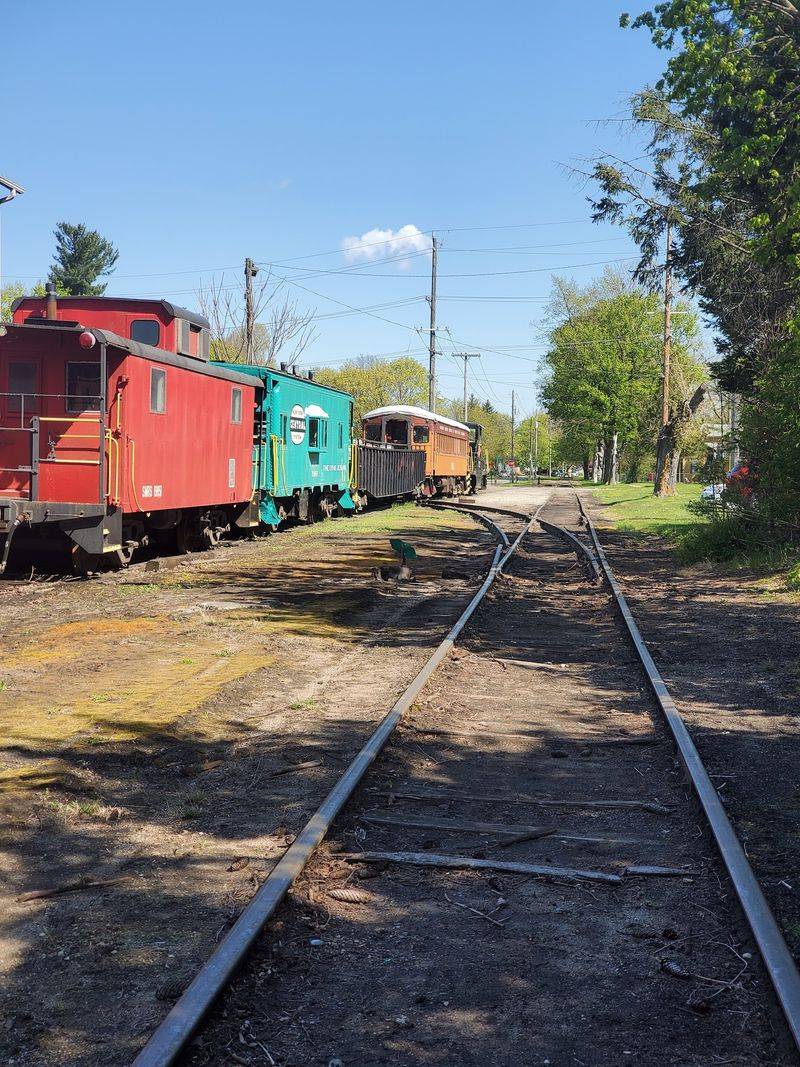
When Michigan was still carving out its railroad network in the 1830s, the Clinton Branch became the state’s very first branch line. That single track helped connect rural communities to the growing rail system and played a role in Michigan’s early development.
Today, the Southern Michigan Railroad preserves what remains of that original corridor. Instead of freight cars and daily service, the line now hosts heritage excursions that bring passengers into the same landscape early settlers would have traveled through.
Climbing aboard means experiencing the route exactly as it was meant to be seen. From the rails rather than the roadway.
The preserved line offers a genuine connection to Michigan railroad history, and every trip reinforces why this branch mattered so much when it was first laid down almost two centuries ago.
Passengers ride the same corridor that once moved goods, mail, and people across southeast Michigan. The trains may run less frequently now, but the experience carries more meaning than any modern rail line could offer.
Follow The Old Clinton Branch Through Southeast Michigan
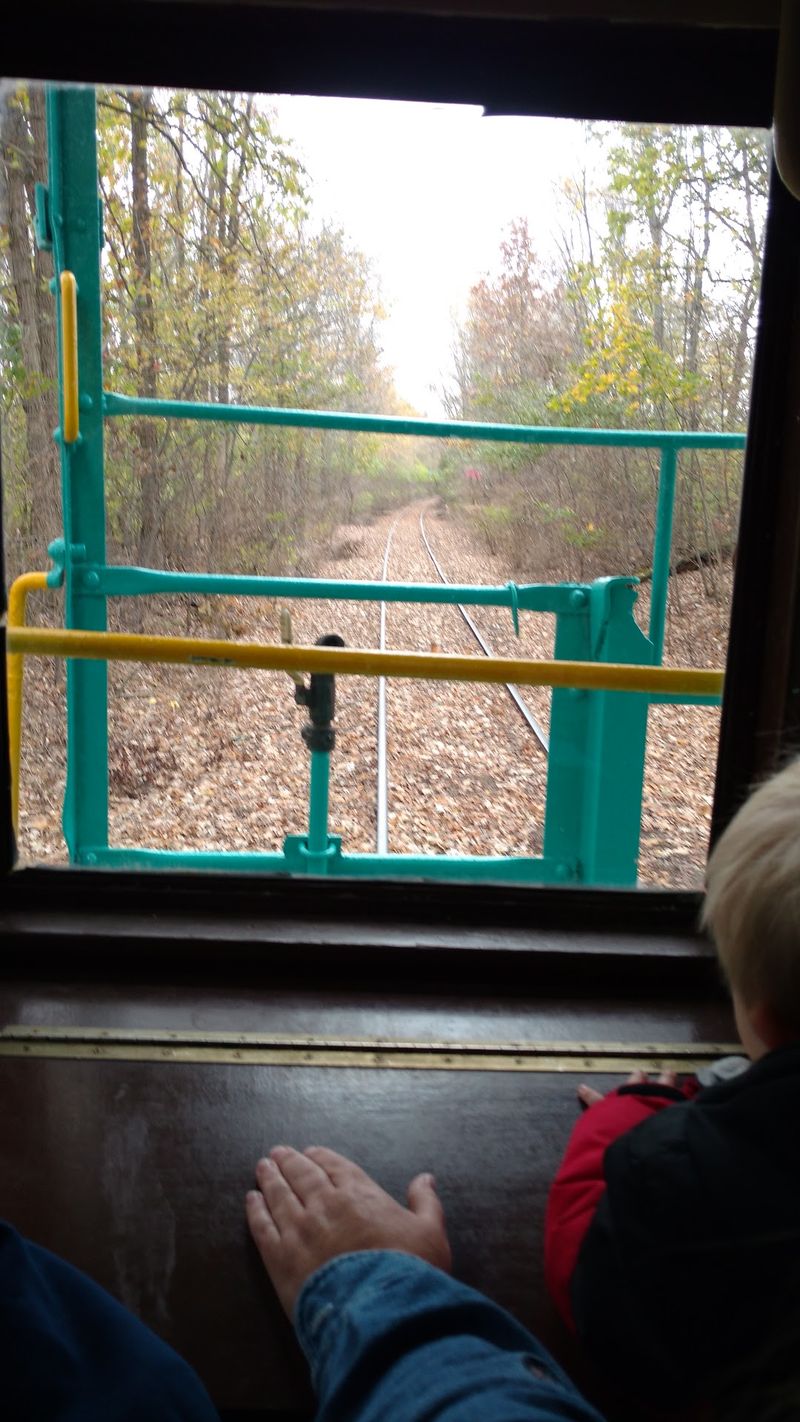
Between Clinton and Tecumseh, the preserved rail corridor cuts through Lenawee County in ways that most visitors never notice. Highways connect these towns quickly, but they skip over the quieter stretches where the railroad still runs.
Riding the excursion gives you a completely different perspective on this part of Michigan. You’re not racing past fields at highway speeds.
You’re rolling slowly through rural country that unfolds tree by tree, crossing by crossing.
The route reveals the landscape as it existed before modern roads reshaped how people move through the region. Old farm buildings, overgrown fence lines, and forgotten paths appear alongside the tracks.
Some of this scenery sits just a few hundred yards from paved roads, but it might as well be miles away.
Passengers on the Clinton Branch see Lenawee County the way early rail travelers did. Slowly enough to notice details.
Close enough to feel connected to the land. And isolated enough from traffic that the experience feels genuinely separate from the modern world rushing past on nearby highways.
Watch The River Raisin Country Roll Past Your Window
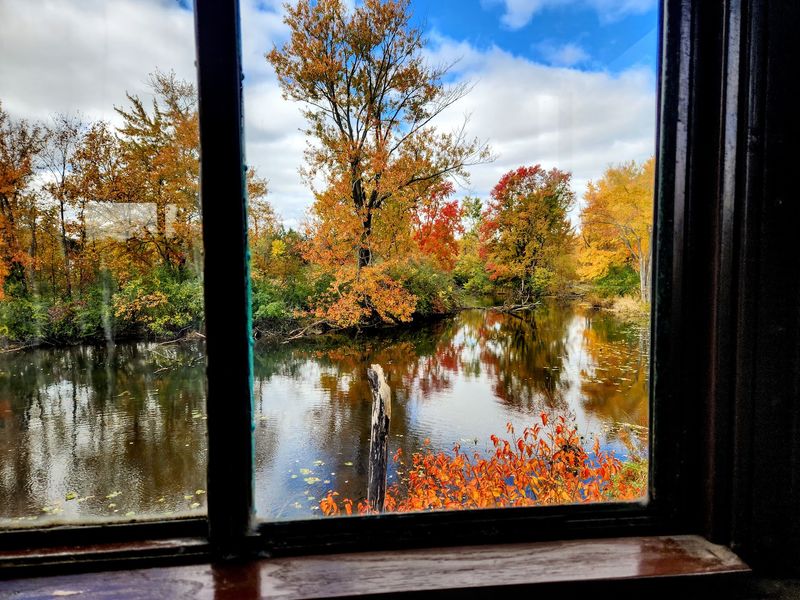
The railroad markets this excursion as the River Raisin Route for good reason. The River Raisin shaped this region long before rails were laid, and the train follows its influence through much of the journey.
From your seat, you’ll pass through areas closely tied to the river and its tributaries. Wetlands appear where the water spreads out.
Forested corridors mark where the river carved its path through the landscape over thousands of years.
Water views make this more than just a heritage railroad trip. You’re traveling through river country that remains largely undeveloped and inaccessible by car.
The railroad crosses areas where the River Raisin ecosystem still dominates, offering glimpses of Michigan’s natural hydrology.
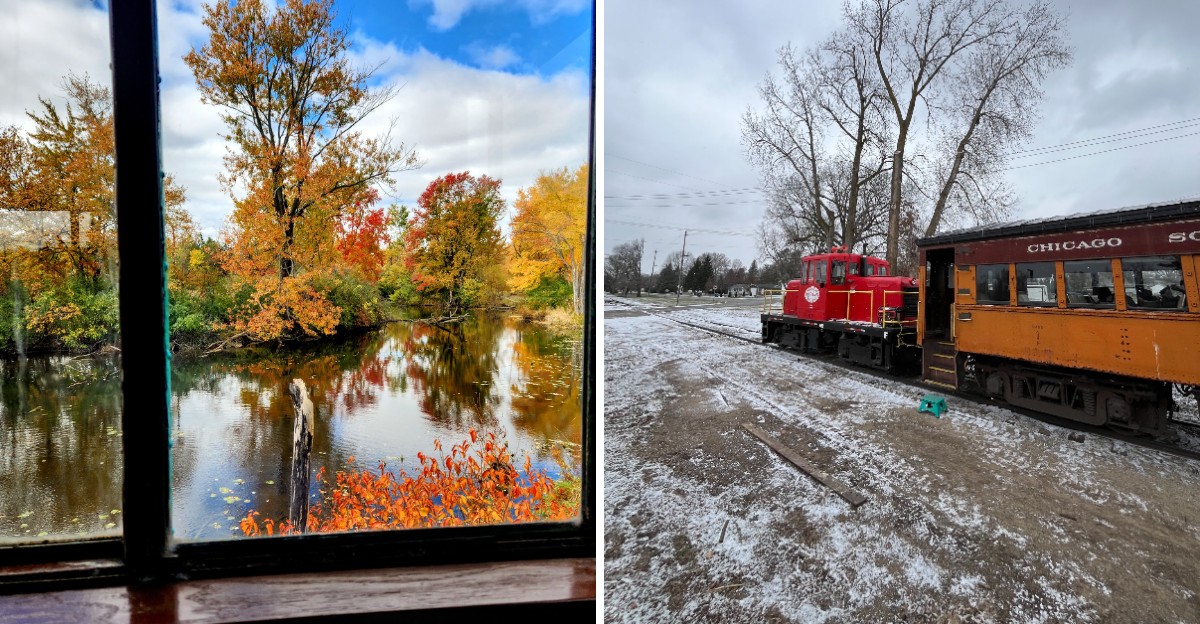
Depending on the season, you might see the river reflecting autumn colors, frozen over in winter excursions, or full and active during spring thaw. Each trip offers a slightly different version of the same water-shaped landscape, reminding passengers why rivers like the Raisin were so important to early settlement patterns and transportation routes in Michigan.
Experience A Train Ride You Can’t Recreate From The Road
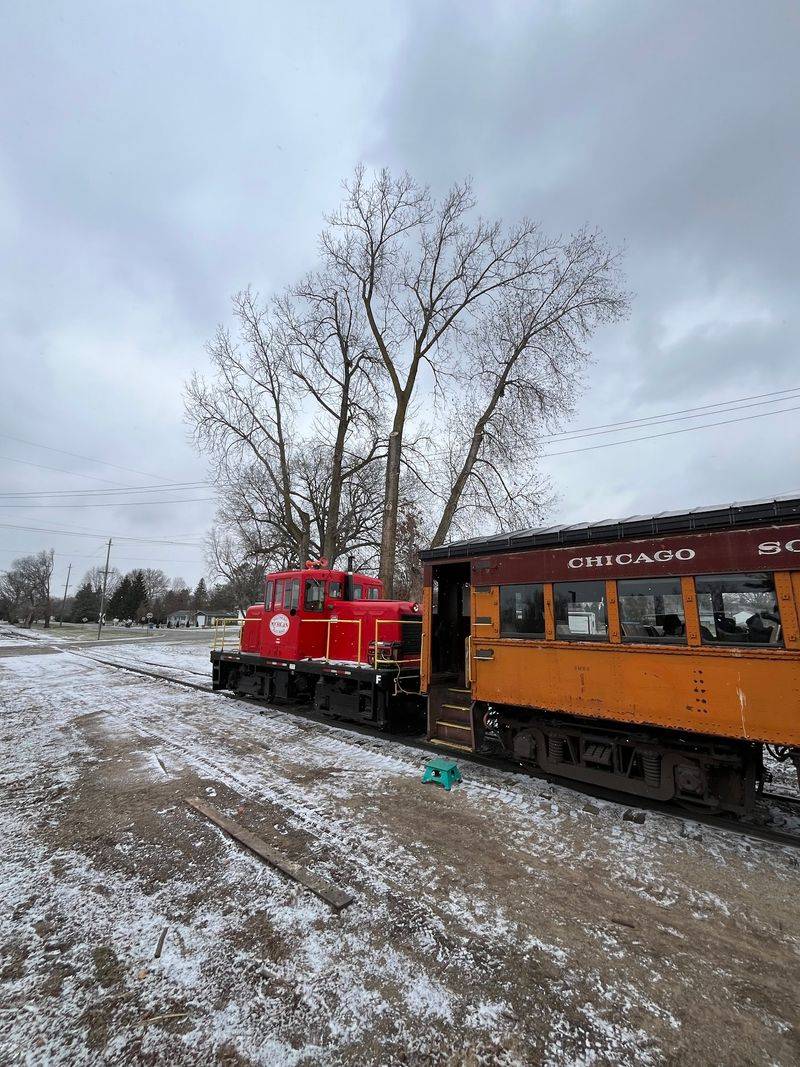
Most tourist trains follow active corridors where you could technically drive alongside and see the same scenery. This one doesn’t work that way.
The Southern Michigan Railroad operates on a preserved line that’s been disconnected from the national rail network since the 1980s.
That separation matters because it puts passengers into a landscape that highways don’t reach. The railroad owns and maintains its own corridor, and that corridor passes through areas where roads were never built or have long since disappeared.
You’re not riding alongside traffic or paralleling a state highway. You’re traveling through forest and wetland on a route that exists specifically for this train.
The experience feels genuinely isolated in ways that most heritage railroads can’t match.
Passengers often mention the silence between stations. Without road noise or nearby development, the only sounds come from the train itself and the natural surroundings.
That quiet reinforces the sense that you’ve stepped into a different version of Michigan, one that’s been preserved rather than paved over.
This isn’t faster than driving. It’s better precisely because it isn’t connected to the road network at all.
Choose From Vintage Coaches, Gondolas And Cabooses
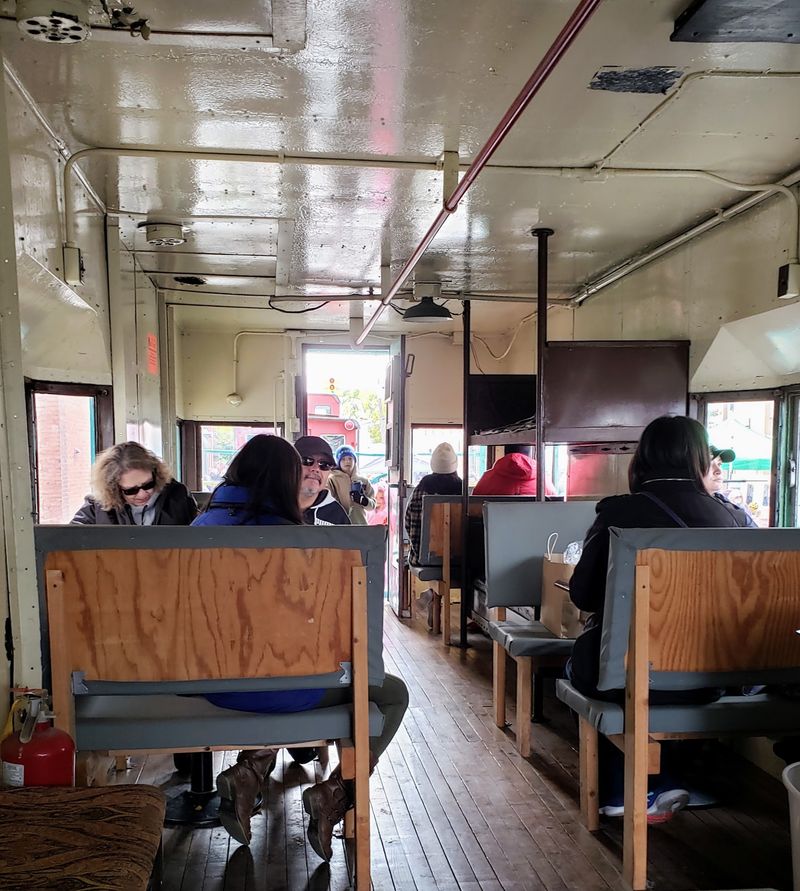
Boarding a Southern Michigan Railroad excursion often means choosing your rolling stock. Depending on the trip, you might ride in a vintage passenger coach, settle into an open-air gondola, or claim a seat in a historic caboose.
The Chicago South Shore and South Bend commuter coach offers an authentic mid-century rail experience. Original seats, period lighting, and classic design details transport you back to when passenger rail was still a daily part of life.
Open-air gondolas give you unfiltered access to the sights, sounds, and smells of the journey. No windows separate you from the forest air or the sound of wheels on rails.
Weather permitting, these cars offer the most immersive version of the trip.
Historic cabooses provide something different entirely. Bay-window and cupola designs put you in the crew space where conductors once worked.
Views from the cupola extend over the entire train, giving you a conductor’s perspective on the landscape rolling past.
Each type of rolling stock shapes the experience differently. First-time riders often pick the coach for comfort.
Return passengers frequently request the gondola or caboose for the unique perspectives they offer.
Make A Day Of It In Clinton Or Tecumseh
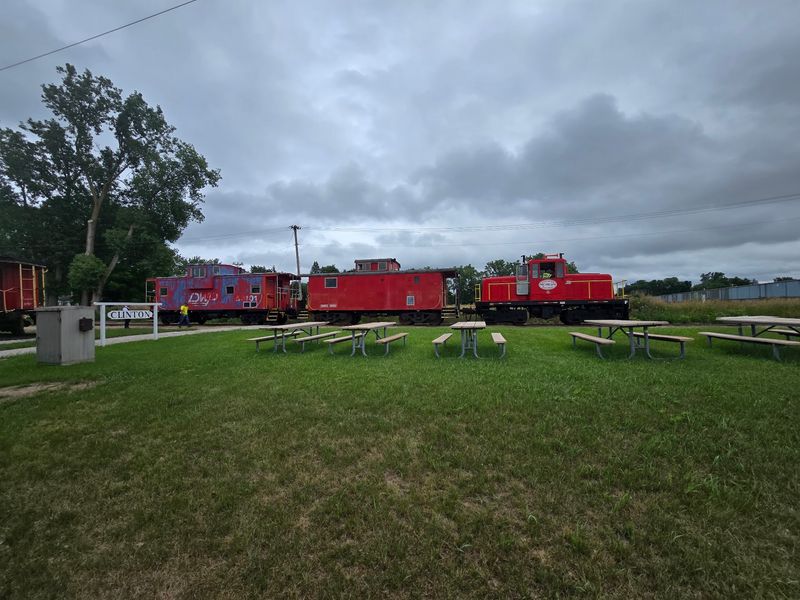
The train itself might be the main attraction, but the towns on either end turn this into a legitimate day trip. Many excursions build in layover time so passengers can explore beyond the rails.
Some trips include a stop in Clinton, where the Southern Michigan Railroad maintains its main station and equipment yard. The small downtown offers local shops and places to grab food before the return journey.
Summer excursions like the River Raisin Runner schedule extended time in Tecumseh. Passengers disembark near downtown and have several hours to explore the town’s historic district, visit the Saturday farmers market, or stop into local restaurants and shops.
The train waits while you wander, then carries you back to Clinton later in the afternoon.
This structure turns the excursion into more than just a scenic train ride. You’re visiting two Michigan small towns that still maintain their historic character.
The railroad becomes the transportation method rather than just the destination.
Planning your layover time lets you experience the full rural Michigan experience, combining heritage rail with genuine small-town exploration that feels increasingly rare in the modern era.
Catch The Scenery During Fall Color Season
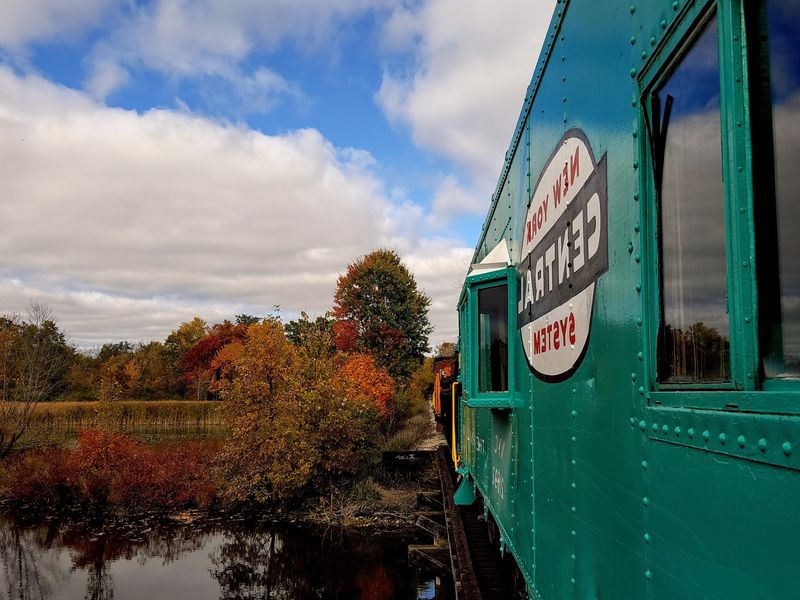
October through early November transforms the Clinton Branch into one of Michigan’s most striking seasonal train rides. The Southern Michigan Railroad runs dedicated Fall Color Tours when the hardwood forests along the route hit peak color.
Maple, oak, and birch trees lining the tracks turn brilliant shades of red, orange, and gold. The train moves slowly enough that passengers can watch individual leaves drifting down and catch the subtle color variations between tree species.
Red Millpond becomes especially photogenic during autumn. The water reflects the surrounding forest, doubling the visual impact of the fall palette.
Many passengers specifically book October trips hoping to catch the pond at peak color.
Fall excursions often include a layover at Clinton Station with hot apple cider and time to walk around the equipment yard. The small-town autumn atmosphere adds to the nostalgic feel of riding vintage railcars through peak Michigan fall scenery.
These seasonal trips typically sell out quickly. The combination of fall colors, heritage equipment, and the inaccessible river country creates an experience that captures Michigan autumn in ways a highway drive simply cannot match.
See How Local Volunteers Saved The Railroad
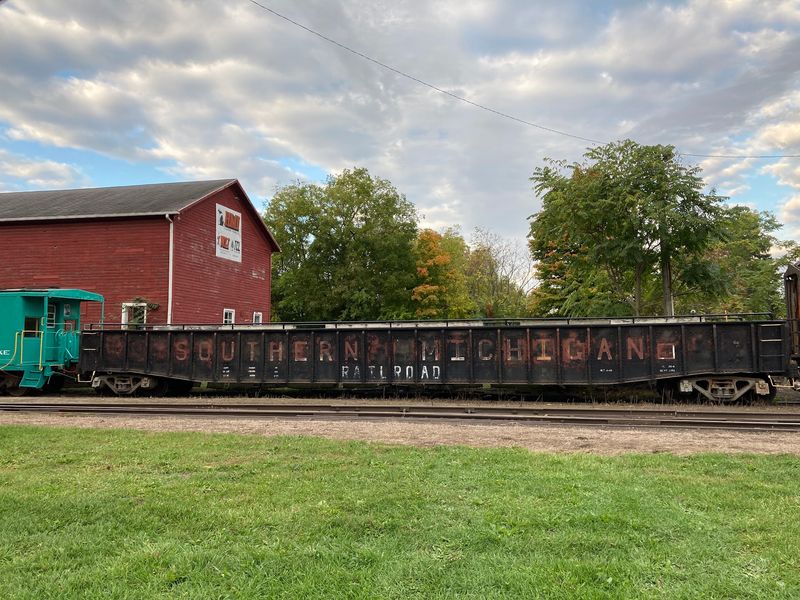
Behind every excursion runs a story of preservation that started with local students who refused to let history disappear. In 1982, a group of young people formed the Southern Michigan Railroad Society specifically to save the abandoned Clinton Branch.
The line had been out of regular service, and abandonment seemed inevitable. Most preserved railroads rely on outside organizations or wealthy benefactors.
This one came from community members who simply didn’t want to lose their local railroad history.
By 1985, the volunteer group had raised enough money to purchase the branch outright. They’ve maintained it as an all-volunteer nonprofit ever since, handling everything from track maintenance to locomotive operation to ticket sales.
Every conductor, engineer, and station attendant you meet is a volunteer. They’re continuing the work those original students started four decades ago.
Equipment restoration happens in the Clinton yard between excursions, with volunteers spending weekends and evenings keeping historic railcars operational.
This grassroots preservation story makes each trip more meaningful. You’re not riding a commercial tourist attraction.
You’re experiencing what a small community accomplished when they decided their railroad heritage was worth saving.
Plan Your Visit
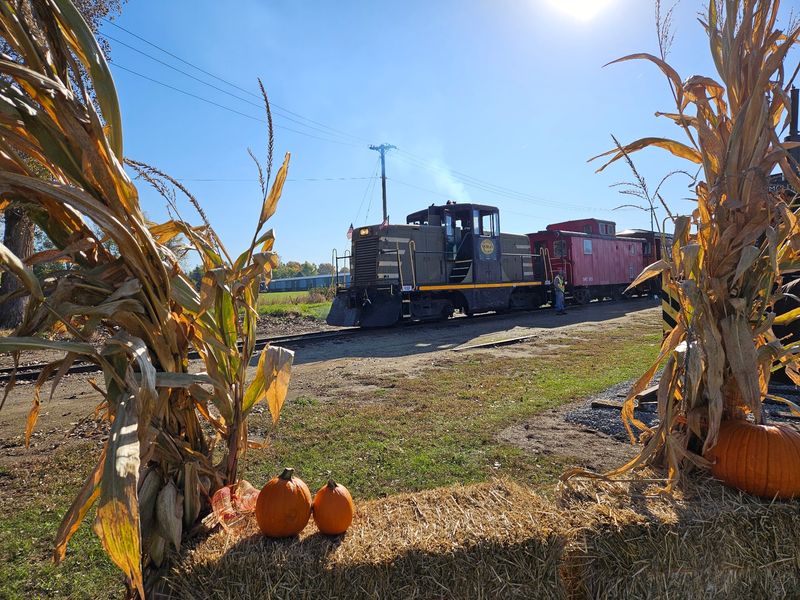
Before booking your excursion, know that practical details matter as much as the scenic experience. The railroad’s main office sits at 301 Bartlett Street in Clinton, Michigan 49236, but departure points vary by excursion, so double-check your specific ticket before heading out.
Arrive at least 20 minutes early. These trains leave on schedule and won’t wait for late passengers.
Tickets should be purchased in advance whenever possible, with current adult fares around 25 dollars and discounts available for seniors and children. Special events may have different pricing structures.
Call ahead with questions at 517-456-7677. The volunteer staff can clarify which departure location your trip uses and answer specific accessibility questions.
Important considerations include the lack of functioning restrooms aboard the trains, so plan accordingly. Historic equipment isn’t fully ADA accessible and typically requires climbing three to four steps.
None of the cars have air conditioning, so dress for the weather.
Trains operate rain or shine unless severe weather forces cancellation. Parking locations vary depending on where your excursion departs, so confirm those details when you purchase tickets.
The volunteer-run operation maintains strict schedules, making advance preparation essential for a smooth experience.