Pittsburgh has a traffic joke you can drive straight through—and locals know exactly where the punchline begins.
The Fort Pitt Tunnel turns an ordinary highway trip into a strange little ritual.
You enter Mount Washington surrounded by darkness, inch through traffic, and wait for that first flash of daylight ahead.
Then—bam. Pittsburgh appears.
The skyline, rivers, bridges, and Downtown suddenly burst into view as you roll out of the tunnel. After all that waiting, the payoff feels almost theatrical.
For Pittsburghers, it can be just another commute. For visitors, it’s often a jaw-dropping introduction to the city.
And somewhere between the traffic backups and the dramatic reveal, the Fort Pitt Tunnel earned its place in Pittsburgh lore.
Get ready to see why this short stretch of road has inspired so many jokes, stories, and knowing laughs.
The Fort Pitt Tunnel – Pittsburgh’s Gateway
Most highway tunnels blend into the background of your commute. Not this one.
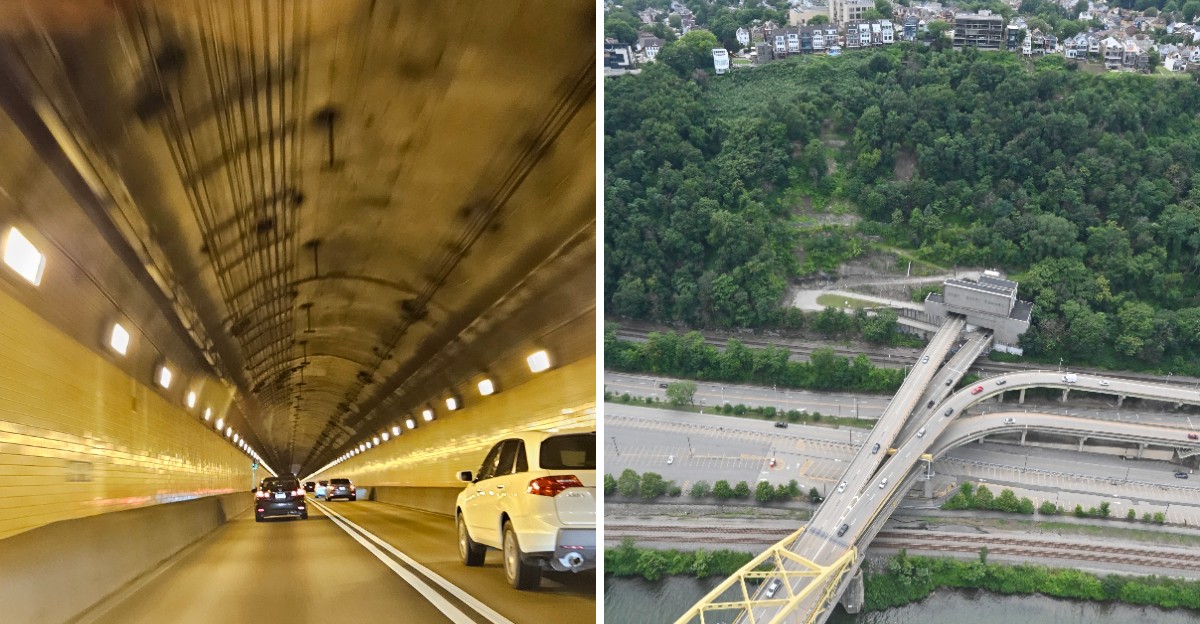
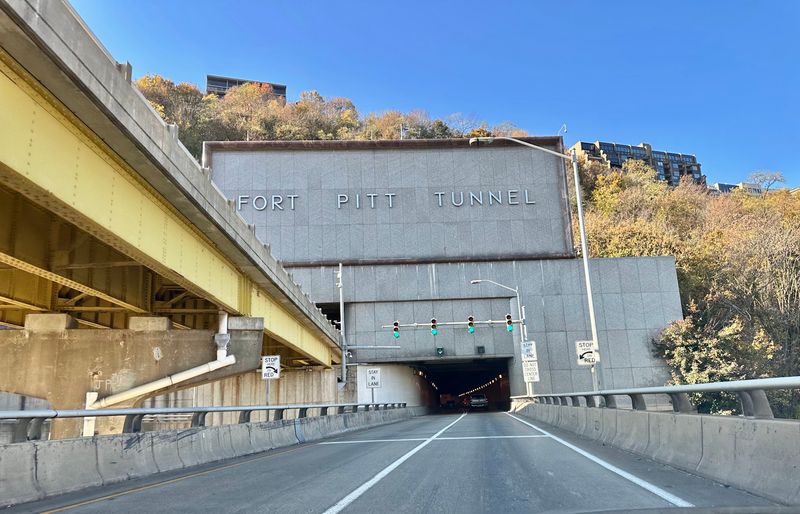
The Fort Pitt Tunnel cuts beneath Mount Washington with two separate tubes, each carrying two lanes of traffic.
Opening day arrived on September 1, 1960, when engineers finally completed the Penn-Lincoln Parkway connection. Before that, getting between Downtown Pittsburgh and the airport meant navigating a complicated route through city streets and over bridges.
Each tube handles its own direction of traffic, with westbound drivers heading away from the city and eastbound motorists approaching it. The twin-bore design was standard for the era, but what happens at the east end makes this tunnel anything but ordinary.
Locals know it as simply “the Fort Pitt,” dropping the word “tunnel” entirely. That familiarity speaks volumes about how deeply this roadway runs through Pittsburgh culture and daily conversation.
The Famous Light at the End of the Tunnel
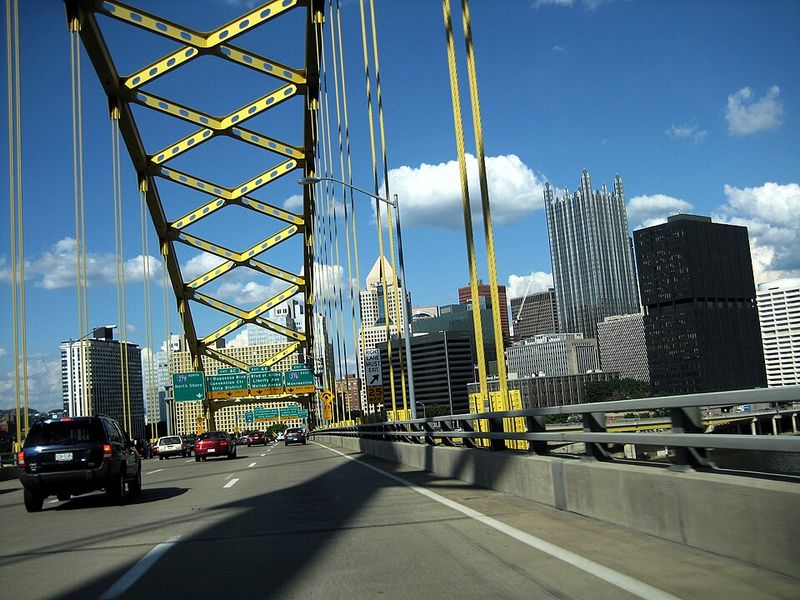
Darkness surrounds you as westbound traffic disappears behind. Then suddenly, after 3,600 feet of concrete and artificial light, the world explodes into view.
Downtown Pittsburgh spreads across your windshield like someone just pulled back a curtain.
This transition has earned the Fort Pitt approach recognition as one of America’s great urban entrances. The phrase “light at the end of the tunnel” stops being metaphorical and becomes wonderfully, hilariously literal.
First-time visitors often gasp or grab their phones.
Contemporary travel writers consistently name this moment among the most dramatic city approaches in the country. The contrast happens so quickly that your eyes need a second to adjust.
Skyscrapers, rivers, and bridges all appear at once.
Regular commuters never quite lose the thrill entirely. Sure, you’ve seen it a thousand times, but that sudden shift from enclosed darkness to open sky still catches you off guard occasionally.
Why Pittsburghers Have So Many Tunnel Jokes
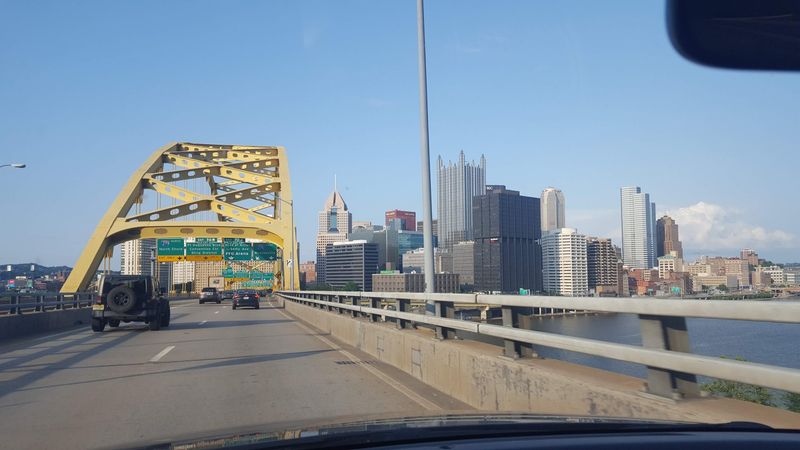
Other cities joke about their sports teams or weather. Pittsburgh?
We joke about tunnels. Walk into any local coffee shop or office break room, and eventually someone will crack wise about the Squirrel Hill, Liberty, or Fort Pitt tunnels.
The Fort Pitt version leads the pack because the “light at the end” setup writes itself. Social media posts regularly feature variations on this theme, especially during rush hour. “Seeing the light at the end of the tunnel” takes on a whole new meaning when you actually drive through one twice daily.
Local humor turns traffic frustration into shared culture. The jokes acknowledge that yes, tunnels create bottlenecks, and yes, everyone experiences the same thing.
That common experience builds a weird sort of community bond.
Even visitors catch on quickly. After one trip through the Fort Pitt during evening rush hour, they understand exactly why Pittsburghers can’t resist making tunnel jokes.
A Tunnel Built Beneath Mount Washington
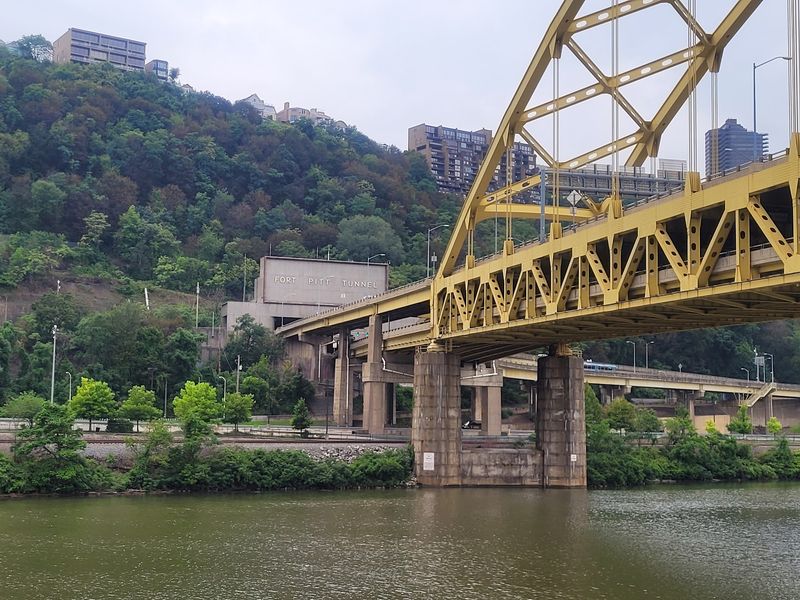
Mount Washington rises dramatically above the Monongahela River, creating one of Pittsburgh’s defining geographical features. Building a tunnel through it required serious engineering muscle.
Construction crews broke ground in 1957, with the first drilling starting on August 28.
Engineers had to blast and excavate their way through solid rock to create two separate bores. The twin tubes run roughly 3,600 feet from portal to portal, angling upward slightly as they travel northeast.
Workers faced geological challenges throughout the three-year construction period.
The downtown portals feature an unusual vertical offset design. This wasn’t arbitrary.
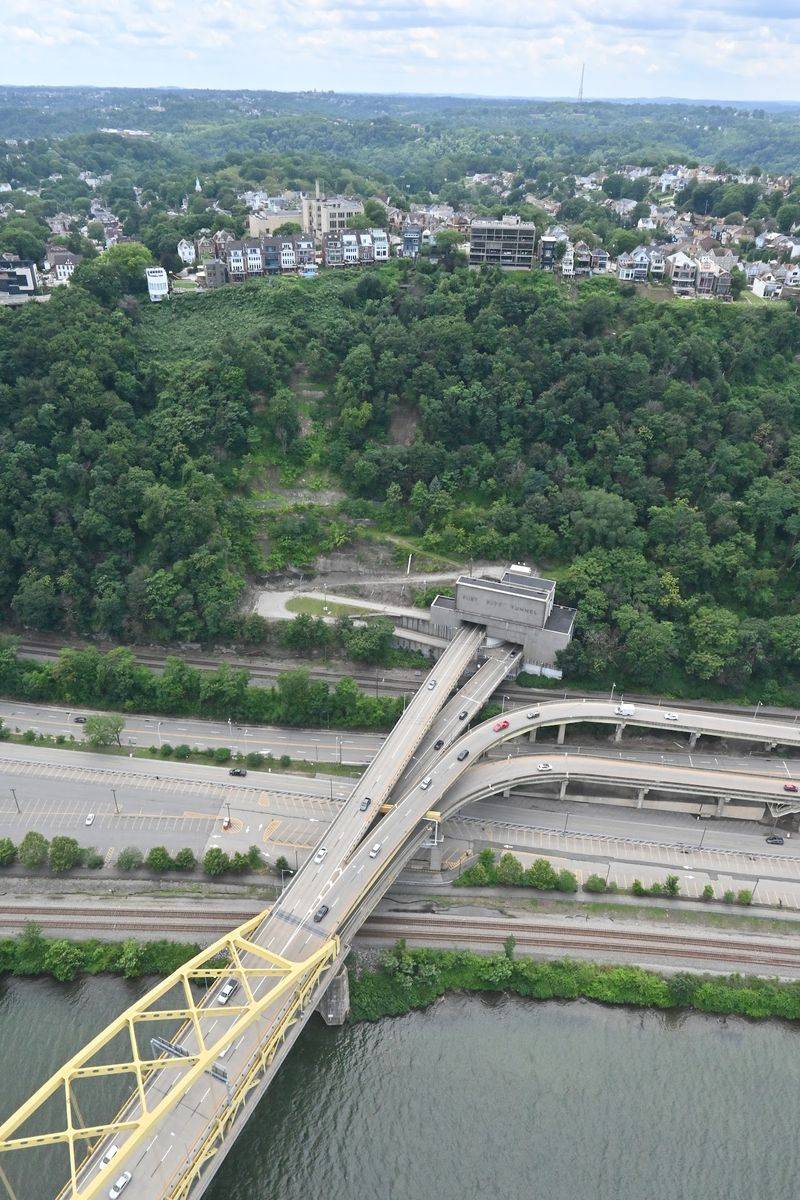
Engineers needed to connect with the stacked roadway configuration of the Fort Pitt Bridge, which sits at the tunnel’s northeast end.
Today, Mount Washington’s wooded slopes hide most evidence of the massive construction project below. Only the tunnel entrances reveal what lies beneath all those trees and houses perched on the hillside above.
The Fort Pitt Bridge Is Part of the Same Experience
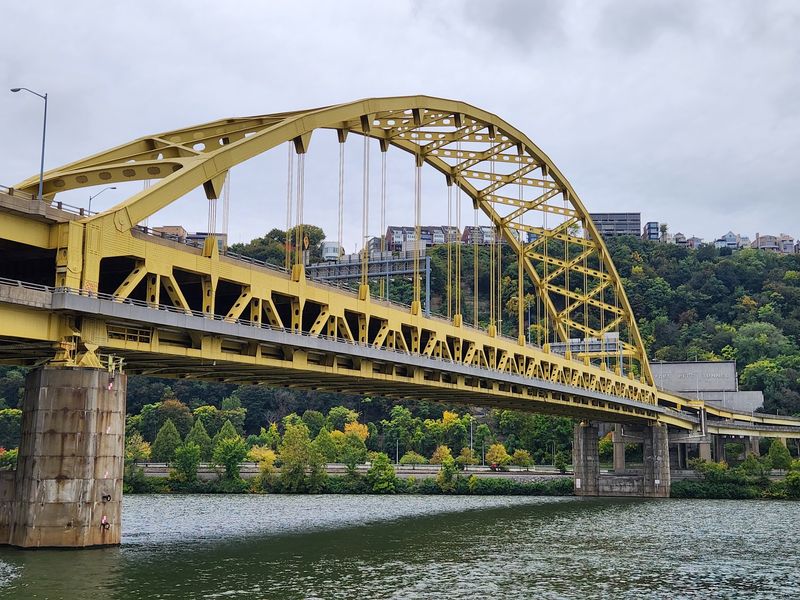
Exiting the tunnel doesn’t mean the experience ends. Instead, motorists flow directly onto the Fort Pitt Bridge, continuing the journey from darkness to downtown.
The yellow painted steel bridge spans the Monongahela River with a distinctive double-deck design.
Opening in 1959, the bridge actually welcomed traffic about 15 months before the tunnel project finished. Early drivers approached it from surface streets while construction continued on the tunnel behind them.
Once both opened, they created an unforgettable sequence.
The progression goes: tunnel, daylight, bridge deck, river views, downtown arrival. Each element builds on the last.
The bridge’s yellow color adds another visual punch after emerging from the tunnel’s darkness.
Together, the tunnel and bridge handle enormous traffic volumes every day. Separating one from the other in conversation feels nearly impossible for locals.
They function as parts of a single transportation corridor and shared memory bank for anyone who regularly drives into Pittsburgh.
The View That Makes Drivers Forget the Traffic
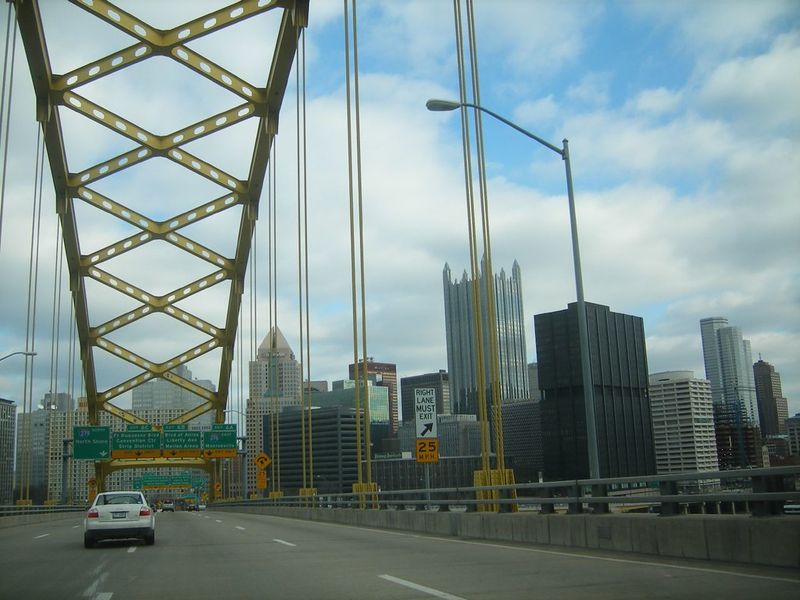
Traffic frustrations tend to melt away, at least momentarily, when that skyline hits your field of vision. After being enclosed in concrete and artificial light, your eyes suddenly process an entire city spreading out ahead.
Downtown Pittsburgh sits right there, rivers gleaming below, buildings climbing the hillsides.
Even routine commutes deliver this quick visual jolt. The human brain responds to sudden environmental changes, and few highway drives offer such an abrupt shift.
Photography enthusiasts love catching the moment, though driving and shooting don’t mix safely.
The Fort Pitt approach has earned celebrations in countless travel articles precisely because of this payoff. Other cities might have prettier skylines or more famous bridges.
Few deliver them with such theatrical timing.
First-time passengers often go silent for a second before erupting with comments. Regular riders sometimes still catch themselves smiling.
That’s the power of good urban design combined with dramatic geography creating an entrance worth remembering.
Why Traffic Builds Up Around the Tunnel
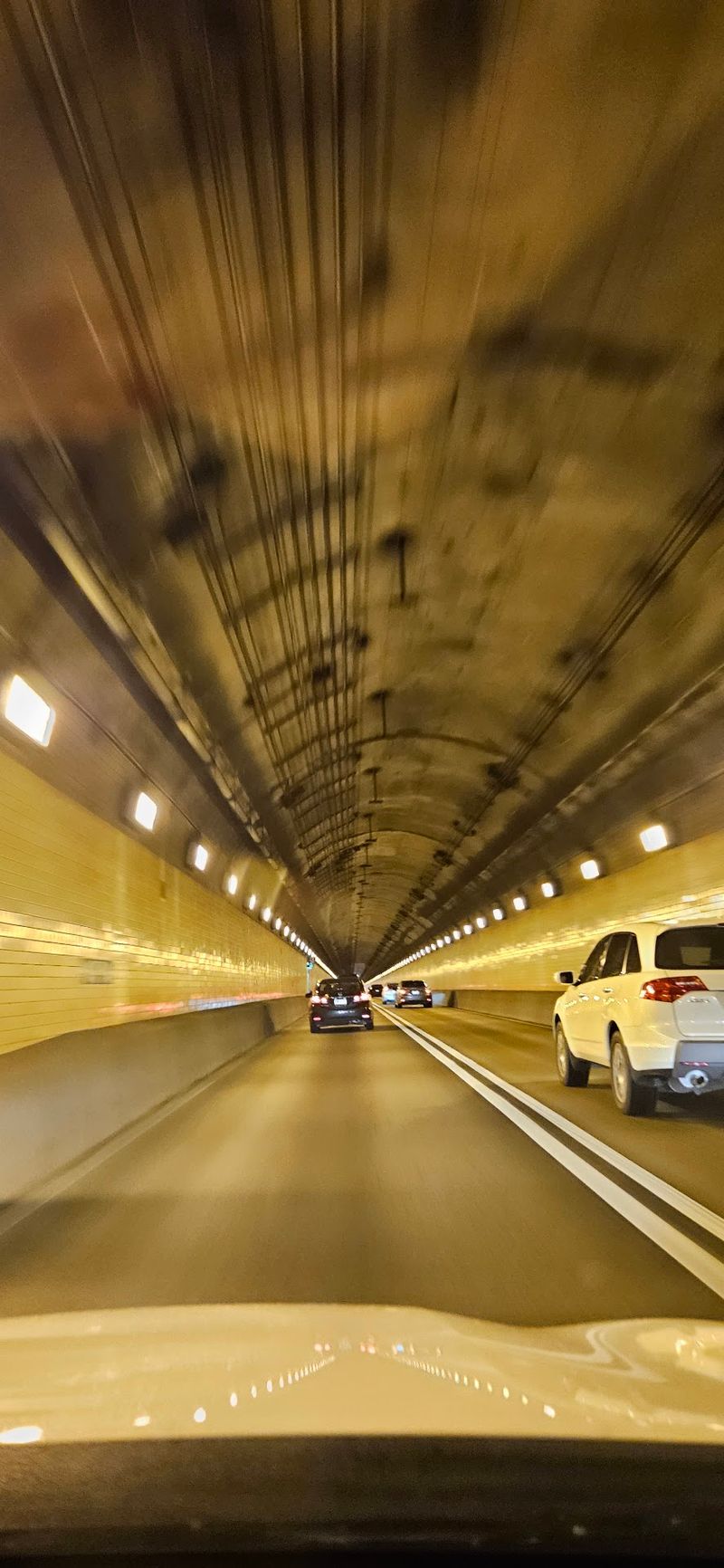
Beauty comes with a price, and in this case, that price gets paid in commute time. The Fort Pitt Tunnel serves as a major bottleneck connecting Downtown Pittsburgh with southern and western communities.
Thousands of vehicles squeeze through those two lanes every hour.
Each tube offers just two lanes with zero shoulder space. When someone breaks down or when lane restrictions go up for maintenance, traffic backs up quickly.
The tunnel can’t expand sideways, trapped as it is inside Mount Washington’s solid rock.
Rush hour turns the approach into the familiar Pittsburgh crawl that locals know too well. Morning eastbound traffic packs tight as suburban commuters head downtown.
Evening westbound flow reverses the problem as everyone heads home.
Incidents inside the tunnel create particularly nasty backups because emergency vehicles struggle to reach the scene. The combination of high traffic volume and physical constraints means the Fort Pitt frequently appears in traffic reports and delay warnings throughout the day.
The Tunnel’s Role in Pittsburgh’s City of Bridges Identity
Pittsburgh didn’t earn its “City of Bridges” nickname by accident. The Fort Pitt Tunnel fits into a larger transportation story shaped by rivers, hills, and valleys.
Getting anywhere in Pittsburgh often means crossing water or cutting through elevated terrain.
The tunnel effectively transports motorists from wooded hillsides into the urban core within minutes. That quick transition reflects Pittsburgh’s compressed geography, where neighborhoods stack vertically and bridges span horizontally.
The Fort Pitt corridor combines both strategies.
Rivers converge downtown while hills rise in every direction. Engineers have spent decades connecting these separated communities with bridges, tunnels, and elevated roadways.
The Fort Pitt Tunnel represents one crucial link in that complex network.
Understanding Pittsburgh means understanding how its geography shapes daily movement. The tunnel doesn’t exist in isolation but rather as one piece of an intricate transportation puzzle.
Together with the bridge and surrounding roadways, it helps define what makes getting around Pittsburgh distinctly different from other cities.
Why Driving Through the Fort Pitt Tunnel Is a Pittsburgh Ritual
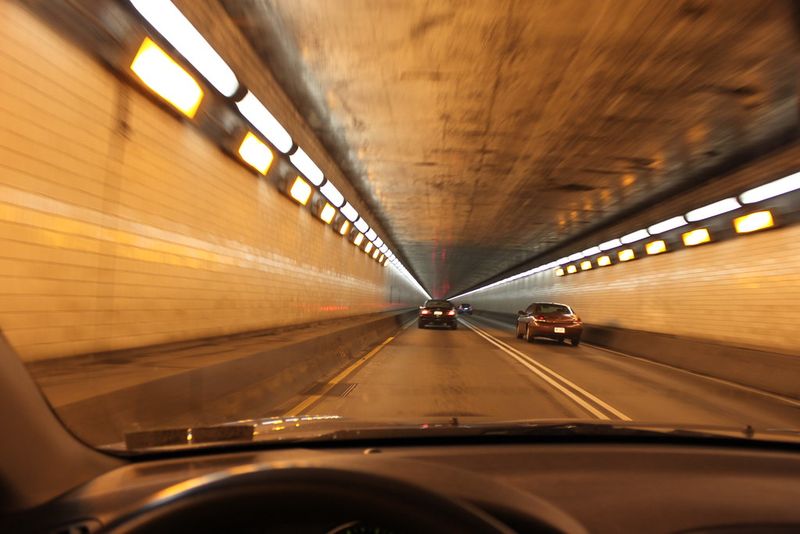
Some cities have famous landmarks you visit once. Pittsburgh has a tunnel you drive through repeatedly, each trip reinforcing your connection to the place.
For locals, the Fort Pitt experience ranges from tedious (during backups) to oddly satisfying (when traffic flows smoothly and that skyline pops).
Visitors remember it differently. That first emergence from darkness to downtown often ranks among their top Pittsburgh memories.
The surprise factor works every time because the tunnel hides what’s coming until the last possible second.
This combination of traffic jokes, engineering history, and dramatic reveal gives the Fort Pitt Tunnel a personality most highway infrastructure never achieves. People tell stories about it.
Photographers chase the perfect shot. Social media feeds regularly feature that skyline view.
The tunnel has become more than transportation infrastructure. It’s a shared reference point, a daily ritual, and a legitimate tourist experience all rolled into one concrete tube beneath Mount Washington.
That’s pretty remarkable for what’s technically just a hole through a hill.