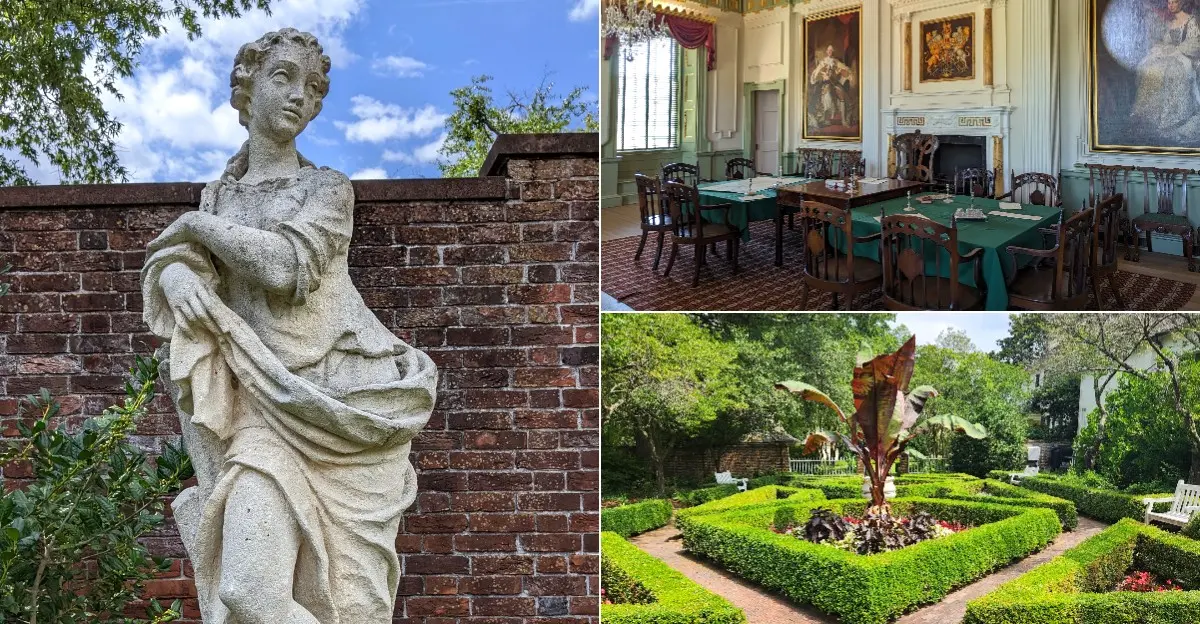
Long before Raleigh became North Carolina’s capital, this stately building held that honor.
Costumed guides lead visitors through elegant rooms furnished exactly as colonial governors would have known them.
Formal gardens stretch behind the property, blooming with plants historically accurate to the 18th century.
Craftsmen demonstrate blacksmithing, weaving, and other trades that once kept the estate running.
A quiet river view completes the picture of colonial elegance along the coast.
It’s a rare chance to walk through rooms where the decisions shaping early North Carolina were once made.
A Palace Built To Show Power
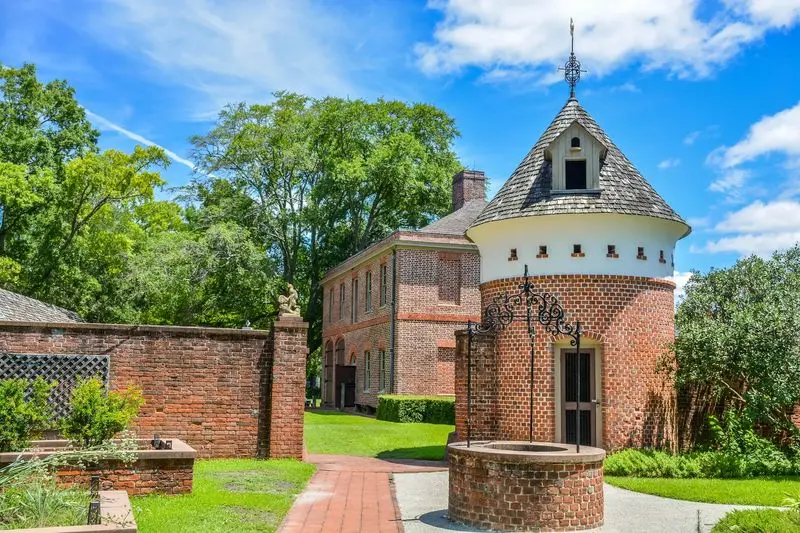
Grandeur greets visitors before a guide says a single word. The brick walls, tall windows, and balanced design were meant to impress people who came to see the royal governor. At Tryon Palace, that first view helps explain how government used buildings to send a message.
The original palace was completed in the 1770s for Royal Governor William Tryon, and the site later became tied to North Carolina’s early state government. The building visitors see today is a careful reconstruction based on historic plans and research. That detail matters because it lets guests stand inside spaces shaped to look and feel like the colonial seat of power.
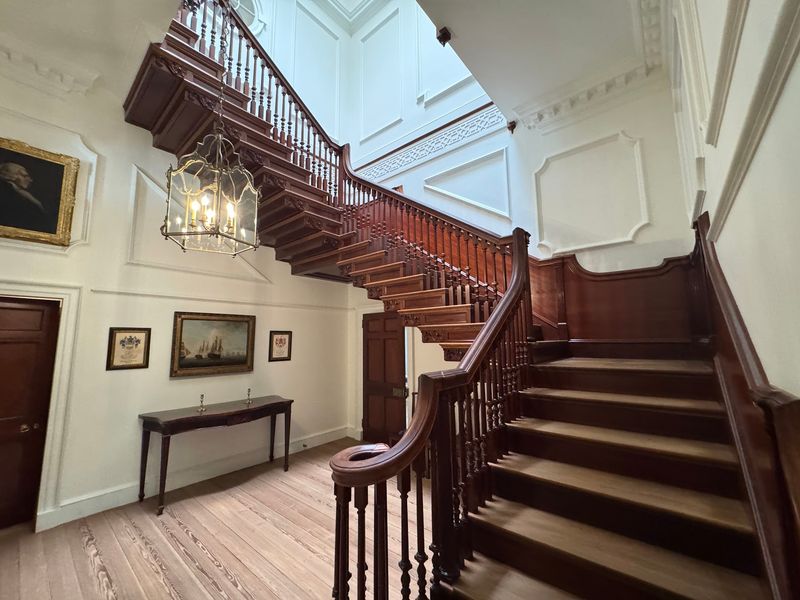
When planning a visit, begin with the guided palace tour instead of saving it for last. The rooms make more sense when you hear how officials, servants, visitors, and families moved through them. Look closely at symmetry, stair placement, and formal rooms, because each feature helped separate public duty from private life.
Think of the palace as more than a fancy home. It was a stage where authority was seen, tested, and remembered by North Carolinians.
Rooms Where Colonial Decisions Felt Real
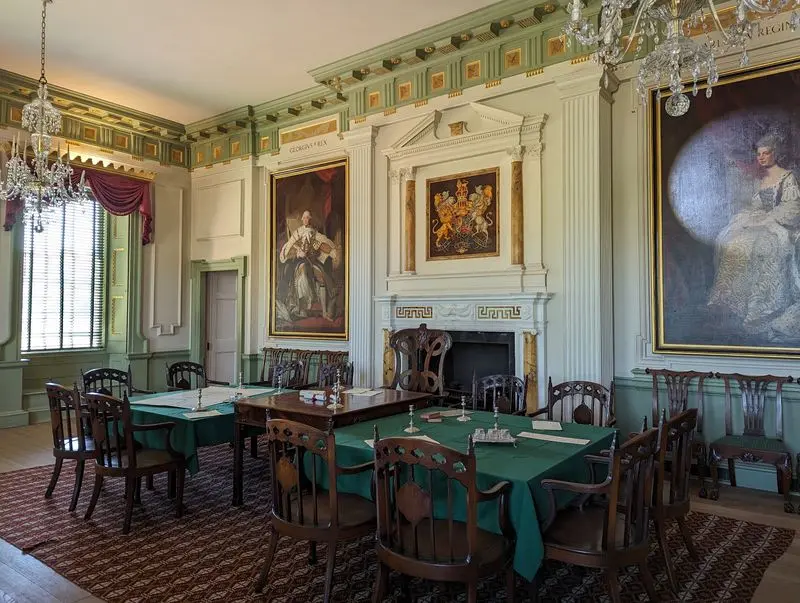
Quiet rooms can still feel busy when you imagine arguments, greetings, and official business filling the air. Inside the palace, visitors see spaces where colonial leaders once carried out the work of government. Guides often connect the furniture, layout, and stories to the larger changes happening before and after the American Revolution.
The Council Chamber and other formal areas help visitors understand that power was not only written on paper. It was performed through meetings, clothing, manners, and who was allowed to enter certain spaces. Even a chair or table can tell you something about rank and control.
Listen for stories about how North Carolina shifted from royal rule toward self-government. Those details make the visit more than a look at antiques. They show how local choices were part of a much bigger struggle over rights and authority.
Families may want to ask guides simple questions, such as who worked here, who made decisions, and who was left out. Those questions help younger visitors connect the palace to civics class. History feels clearer when a room becomes the place where choices affected real people.
Guided Tours That Bring The Story To Life
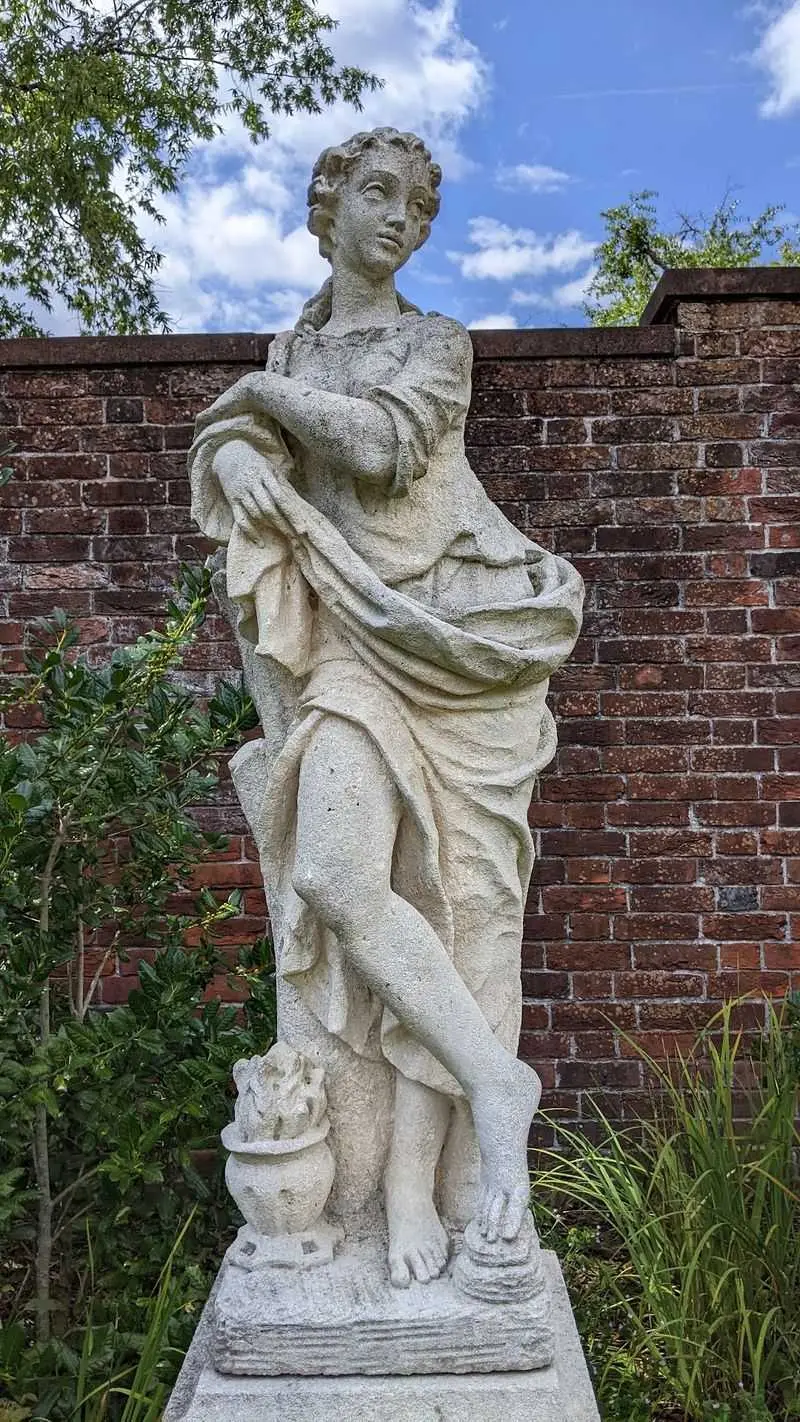
A good guide can turn an old room into a scene you almost hear. Many visitors praise the knowledgeable staff and docents because they explain details that are easy to miss on your own. Their stories help connect the palace to everyday people, political leaders, enslaved workers, craftspeople, and guests.
The main house tour is usually about an hour, which works well for most travelers. Some visitors with young children say the tour held attention for much of the time, especially when guides shared lively stories. Still, it helps to prepare kids by telling them they will be walking, listening, and looking without touching.
Ask near the ticket area about tour times before wandering the grounds. That simple step can save you from rushing to the gate or missing the next group. If hearing is a concern, stand close to the guide and speak up politely if the group is large.
Costumed interpretation can also make the experience feel more personal. A guide in period dress reminds guests that history involved voices, jobs, rules, and choices. The best tours leave you noticing small details long after you step outside.
Gardens Made For Slow Wandering
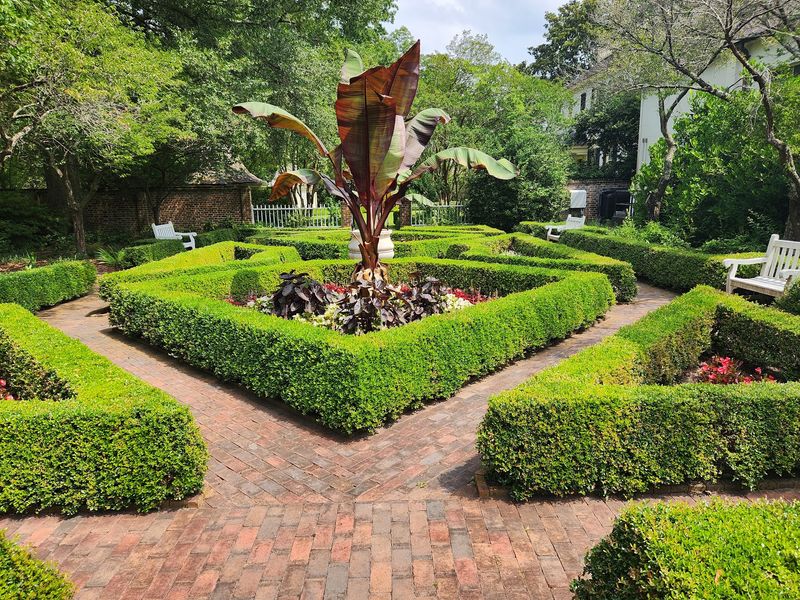
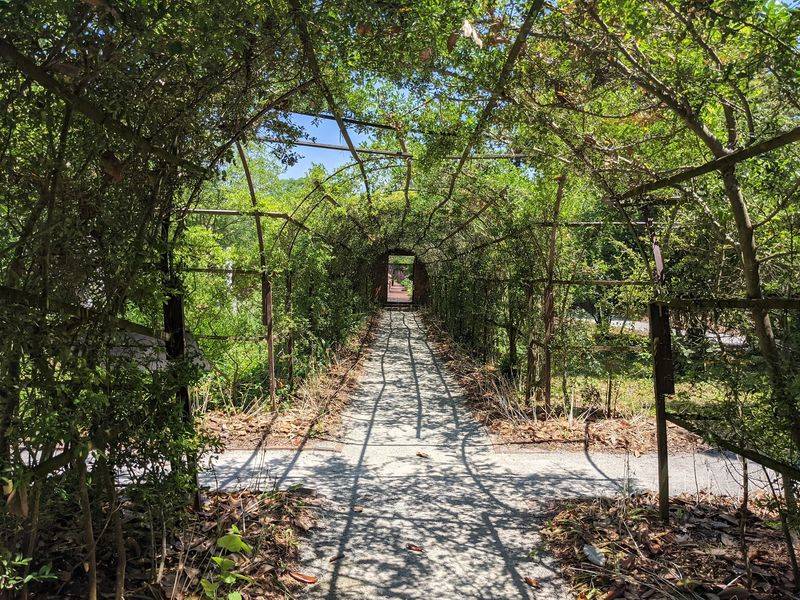
Fresh air changes the pace after a room-by-room tour. The gardens surrounding the palace cover part of the site’s 16 acres and give visitors space to slow down. Paths, plantings, and open views show another side of colonial design, where beauty and order were carefully planned.
Many guests mention the gardens as a highlight, even when summer heat limits the blooms. That is a helpful reminder to visit early in the day during warm months. Comfortable shoes, water, sunscreen, and a hat can make the outdoor portion much more enjoyable.
The formal beds are not just pretty extras. They help explain how wealthy households used gardens for food, medicine, display, and status. Fruit, vegetables, herbs, and flowers all had a purpose, even when arranged with style.
Take time to pause instead of treating the gardens as a quick photo stop. Notice the relationship between the house, outbuildings, walkways, and waterfront views. Children may enjoy spotting different plants or imagining which foods could have reached the kitchen.
A garden ticket or self-guided grounds visit can still feel rewarding if you have limited time. The setting offers history at a calmer speed.
Kitchen Stories With Heat, Skill, And Flavor
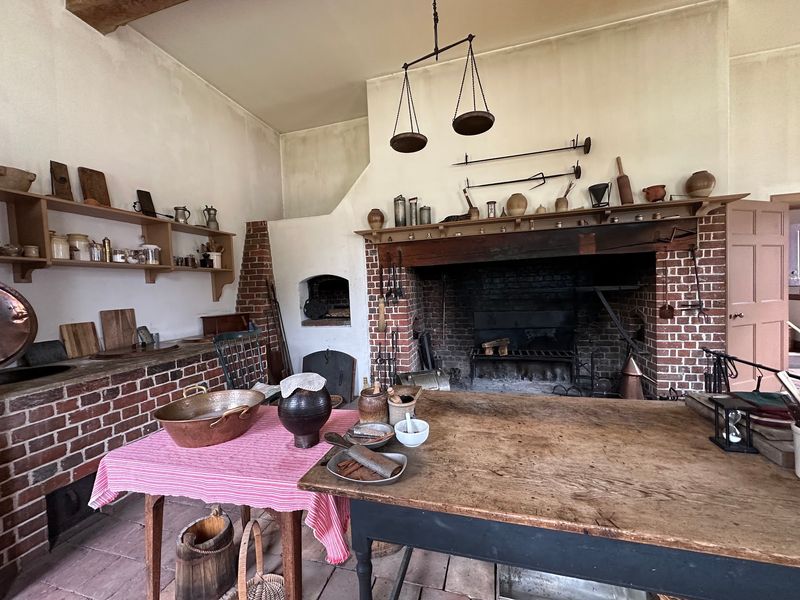
The kitchen may surprise visitors who think palace life was only about elegant rooms. Here, the story becomes smoky, busy, and practical. Cooking for a large household required strength, planning, fire control, and deep knowledge of seasonal food.
Reviewers often enjoy demonstrations or explanations from staff in the kitchen area. Those moments help people picture how meals reached the dining table before modern stoves, refrigerators, and electric lights. A simple recipe could involve hauling water, tending coals, grinding ingredients, and timing several dishes by sight and smell.
Pay attention to tools, storage areas, and the distance between work spaces. They show how much labor supported the comfort of people in the main house. This part of the site can also open thoughtful conversations about servants, enslaved workers, class, and whose labor often went unnamed.
For families, the kitchen is a strong stop because it connects history to something familiar: food. Ask children what kitchen jobs would be hardest without electricity. That question often leads to lively guesses and better understanding.
Do not rush past the outbuildings after the palace tour. They reveal the hidden work that made public life and fancy entertaining possible.
History Center Before Or After The House
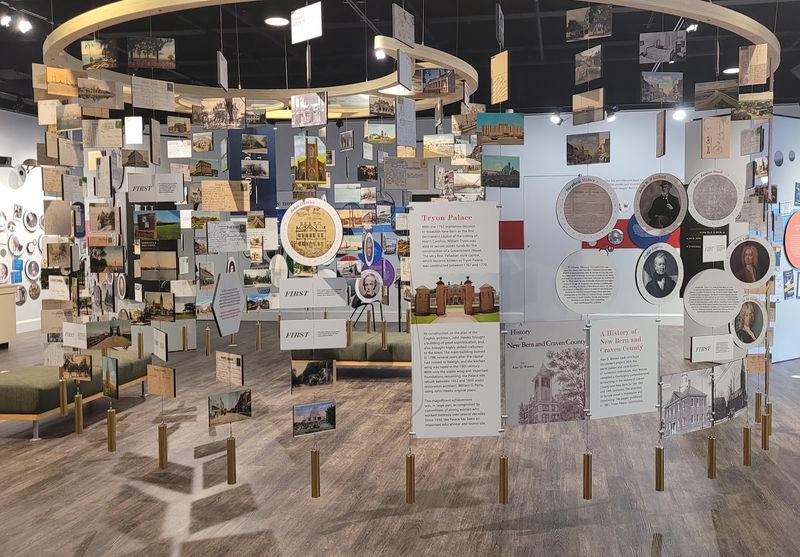
Sometimes the best way to understand a historic house is to start across the street with background. The history center adds context through exhibits, visitor services, a gift shop, and other helpful spaces. It can make the palace tour easier to follow because you already know the bigger timeline.
Visitors often use the center to buy tickets, ask questions, cool off, or learn more after touring. If you are traveling with children, ask ahead about family areas and operating hours. Some spaces may have limited schedules, so checking before you promise a stop can prevent disappointment.
The exhibits help connect the palace to New Bern, North Carolina, and the wider colonial world. You may learn about trade, politics, daily life, and the people whose stories shaped the region. That wider view keeps the mansion from feeling like an isolated showpiece.
Give yourself extra time here if you enjoy reading panels or browsing books. The gift shop can be useful for history lovers, teachers, or anyone who wants a meaningful souvenir. Look for local items as well as general museum gifts.
A smart visit pairs the house, grounds, and center. Together, they turn one landmark into a fuller history lesson.
Smart Tips For A Comfortable Visit
A little planning can make the day feel smooth instead of rushed. Tryon Palace is located at 529 S Front St, New Bern, NC 28562, United States, and it is generally open from 10 AM to 5 PM on most days, with Sunday hours from 12 PM to 5 PM. Hours can change, so check the official website or call before you go.
Parking is usually manageable, but the entrance may still require a walk. Wear comfortable shoes because you may tour the house, gardens, outbuildings, and history center. During hot weather, bring water and plan breaks in shaded or indoor areas.
The guided tour may include stairs, though some visitors can choose to skip upper or lower levels if needed. Ask staff about accessibility, rest spots, and the best route for your group. Window seats may be available in some rooms, but large tours can fill them quickly.
Ticket options can vary by tour type, garden access, and special programs. Confirm what is included before buying, especially if you want family exhibits or seasonal events. Good planning leaves more energy for enjoying the stories, gardens, and historic details.
Why The Palace Still Matters Today
Old buildings matter most when they help people ask better questions. The palace does that by showing how government, wealth, labor, and daily life met in one carefully designed place. It reminds visitors that history was shaped by choices made in rooms, kitchens, gardens, and public spaces.
Modern guests often come for the beauty, but leave talking about the stories. The reconstructed mansion, period furnishings, gardens, and interpreters work together to make the past easier to picture. Even knowing the building is a reproduction can become part of the lesson, because preservation often depends on research, rebuilding, and public memory.
For students, the site connects classroom topics to a real setting. For adults, it offers a deeper look at North Carolina’s colonial and early American past. For travelers, it adds meaning to a walk through one of the state’s most historic towns.
Plan enough time to slow down, ask questions, and compare the grand rooms with the work areas. That contrast is where the story becomes richer. A visit can be beautiful, educational, and surprisingly personal, all in the same afternoon.
The palace endures because it keeps turning history into something people can see and discuss.