Some drives are about the destination, but this one is entirely about the journey itself.
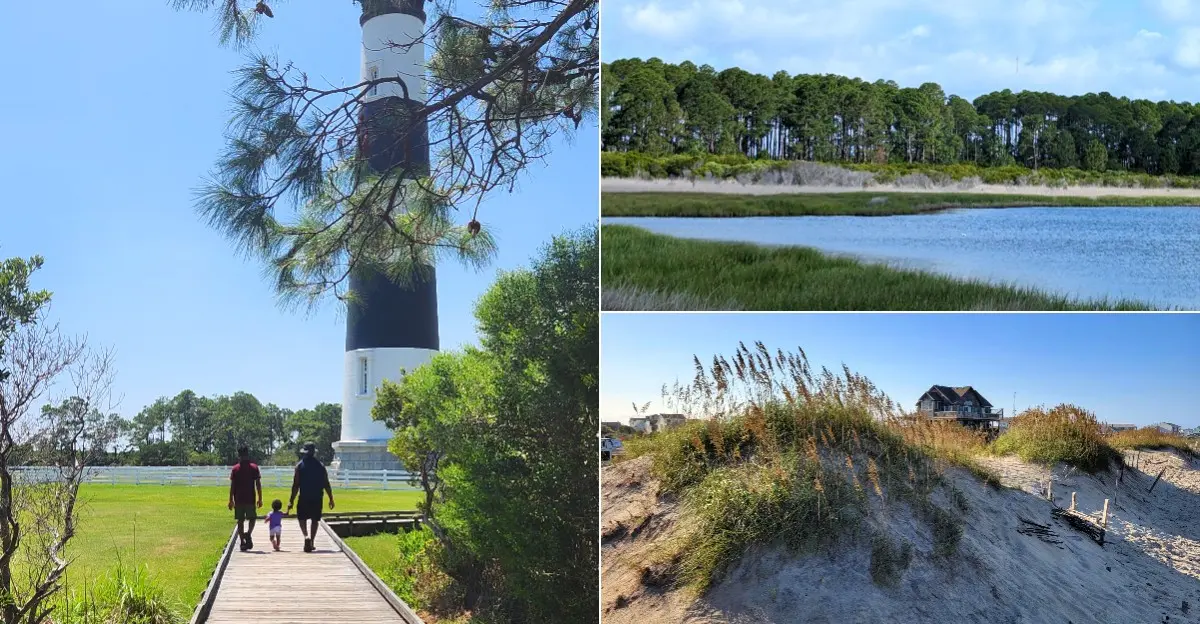
Miles of open coastline unfold along the route, with dunes and marshland trading places at every turn.
Historic lighthouses rise along the way, marking a coastline that has guided sailors for centuries.
Wild horses occasionally wander into view on the northern stretches, a reminder of the area’s untamed roots.
Sunsets over the sound turn the whole drive into a slow-motion postcard.
Set aside a full day, because every mile along this coastal route earns its own stop.
Start With Wide Skies And Salt Air
Morning feels bigger on this road, as if the sky has been stretched over the islands just for your trip. Begin near Nags Head, where the Outer Banks National Scenic Byway connects travelers to Cape Hatteras National Park Rd, Nags Head, NC 27959, United States.
The full byway covers about 138 miles, counting roads and ferry links through the Outer Banks. It is not a drive to rush, because the best moments often appear between planned stops. You may see dunes, sound water, marsh grass, fishing boats, and bright beach cottages in a single easy morning.
Plan your first day with extra time for slow traffic, photo breaks, and weather changes. Barrier islands are narrow, so wind, sand, and tides can shape the mood quickly. Check ferry schedules before leaving, keep fuel in the tank, and bring snacks, water, sunscreen, and a light jacket.
A smart start makes the whole route feel calmer. Roll down the window when safe, listen for gulls, and let the road set the pace for the coast ahead today.
Follow The Road Where Ocean Meets Sound
A strange thing happens along the byway: water seems to travel with you on both sides. In some stretches, the Atlantic Ocean sits beyond dunes, while Pamlico Sound glows across grasses and low flats.
That slim strip of land is what makes the drive feel special. You are crossing barrier islands, which protect the mainland from storms and create homes for birds, fish, crabs, and plants. The scenery can shift from beach sand to quiet marsh in only a few minutes.
Keep your camera ready, but pull over only in safe, marked spots. Many shoulders are soft, sandy, or narrow, and passing traffic can surprise you. Use public beach accesses, overlooks, and visitor areas when you want to stop.
Families will enjoy turning the ride into a simple nature hunt. Look for pelicans flying low, egrets standing still in marsh water, and sea oats waving on the dunes. Even from the car, the route teaches how land and water work together here.
The views are beautiful, but they are also fragile, so stay on paths and respect posted signs always.
Make Lighthouse Country Part Of The Plan
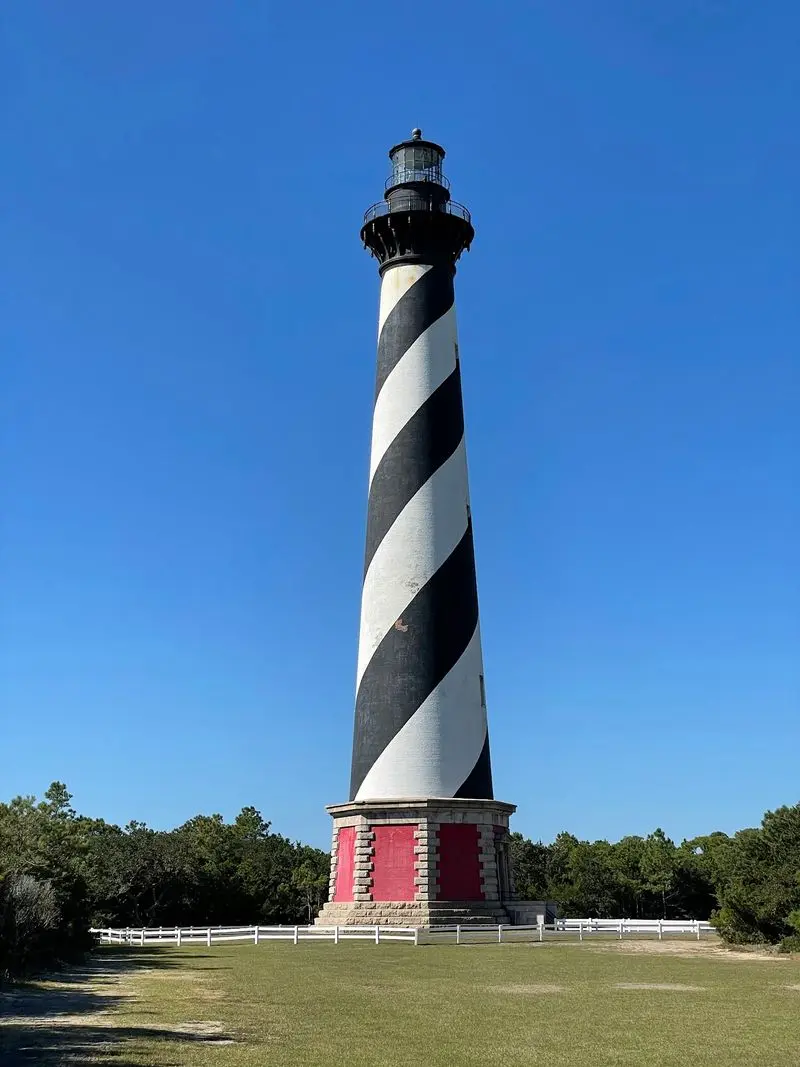
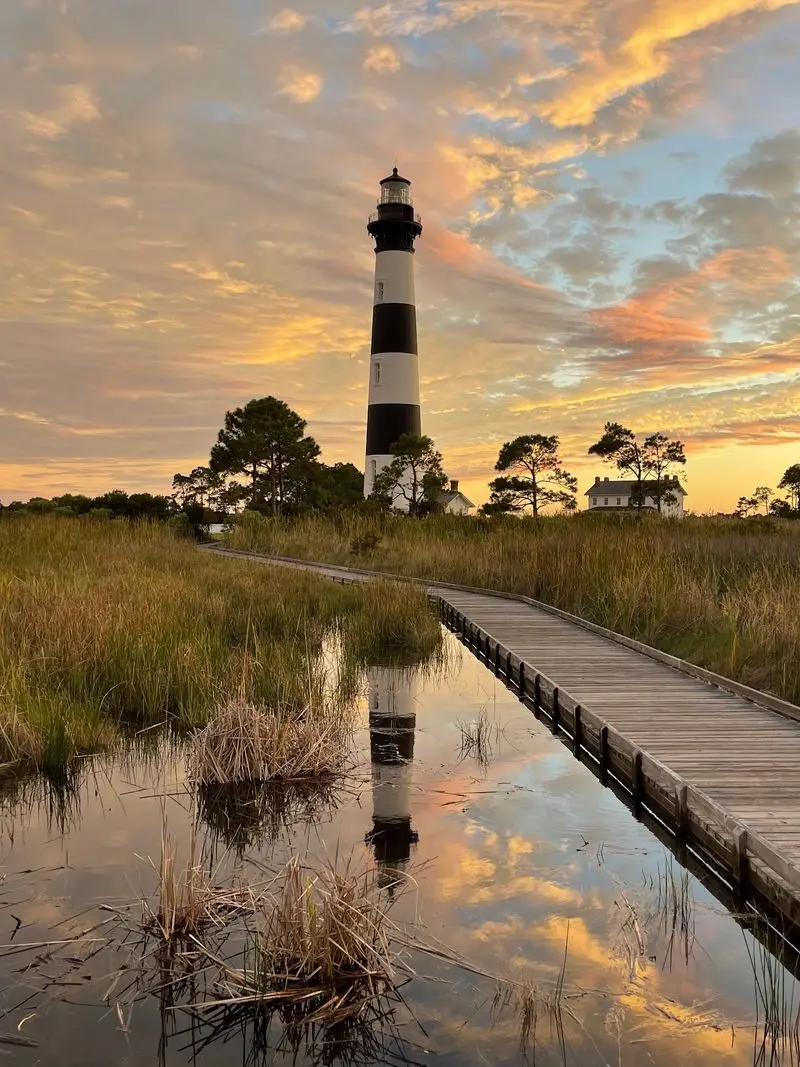
Black and white stripes rise like a giant marker above the sand, and suddenly the trip feels tied to old sea stories. Lighthouse country is one of the strongest reasons travelers remember this coastal route.
Along the byway, lighthouses helped guide ships through dangerous waters known for shifting shoals and rough storms. Cape Hatteras is especially famous because nearby waters have challenged sailors for centuries. Even if you do not climb a tower, the grounds and views make a rewarding stop.
Check opening times before planning your visit, since access can change by season, repairs, or weather. Wear comfortable shoes because sandy paths and warm pavement can tire feet faster than expected. Bring water, especially during summer, when shade may be limited around open areas.
Kids often enjoy learning why lighthouse patterns are different. Each design helped sailors know exactly where they were before modern navigation tools. That small detail can turn a photo stop into a quick history lesson.
Give yourself time to look up, walk slowly, and imagine ships searching for that beam across dark water long ago.
Save Time For Ferries And Island Rhythm
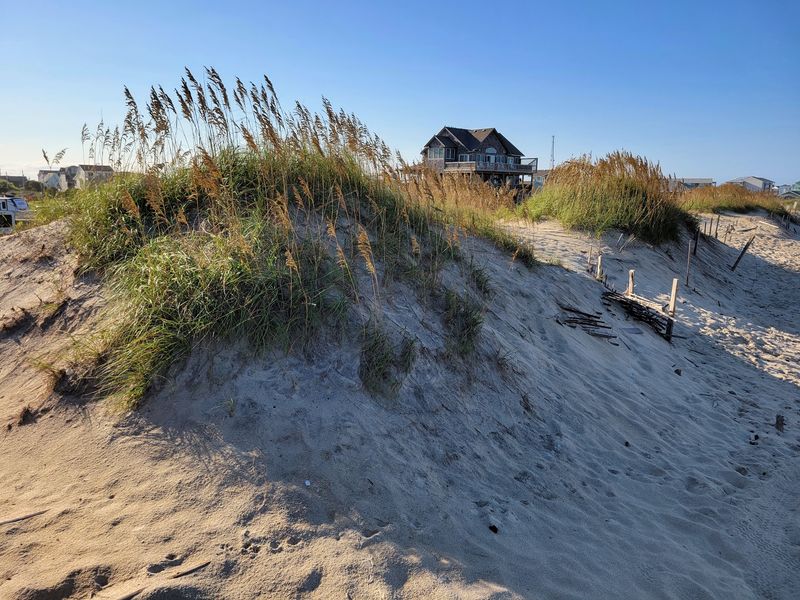
The road trip becomes more exciting when your car rolls onto a ferry and the pavement briefly gives way to open water. That change of pace is part of the byway’s charm.
Ferry segments connect parts of the route and help travelers continue through the Outer Banks without turning the journey into a simple highway drive. Schedules can vary, so check official times before you leave and again during the trip. Weather, tides, maintenance, and crowds may affect crossings.
Arrive early, especially during busy weekends, holidays, or summer vacation weeks. Keep a small bag handy with water, sunglasses, snacks, and anything children may need while waiting. Once aboard, follow crew instructions and stay aware of safety rules.
The crossing offers views you cannot get from the road. Sound water spreads wide, birds skim the surface, and the islands look flatter and wilder from a distance. It is a nice reminder that coastal travel here has always depended on boats.
Instead of treating the ferry as a delay, treat it as a moving overlook. Relax, breathe in the salt air, and enjoy the pause.
Build Beach Stops Into The Day
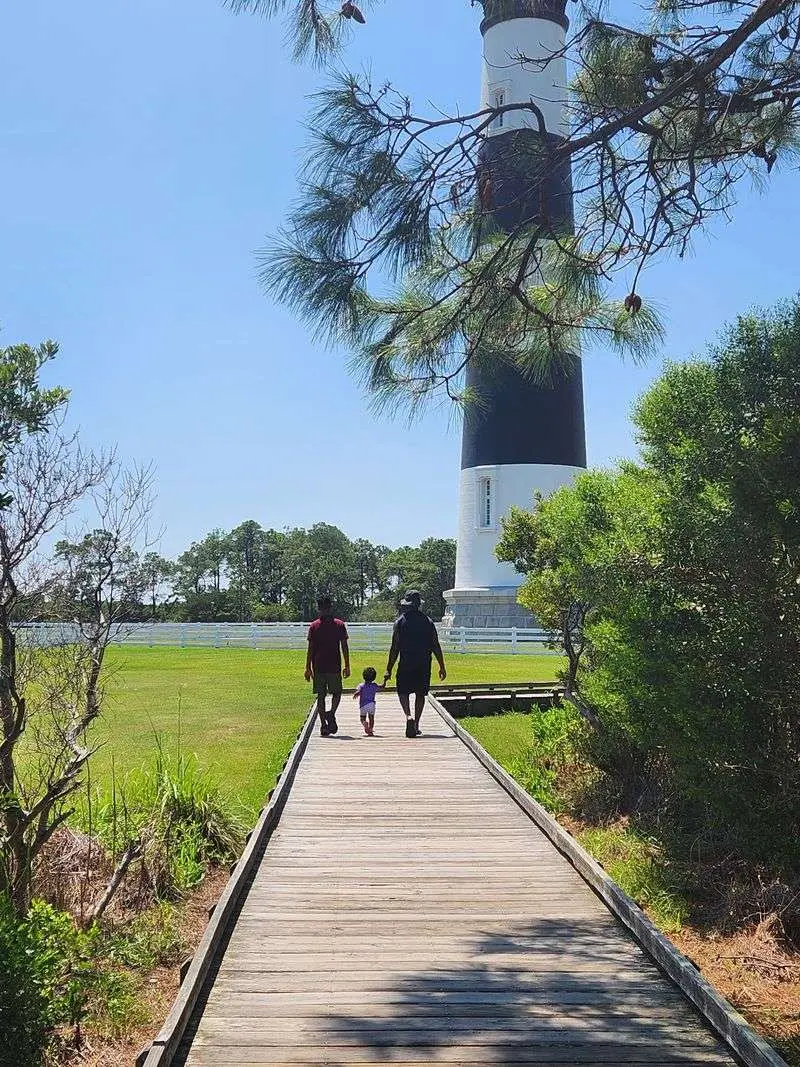
Bare feet in warm sand can reset the whole day after miles in the car. Beach stops along the byway are easy to love because they feel simple, open, and refreshing.
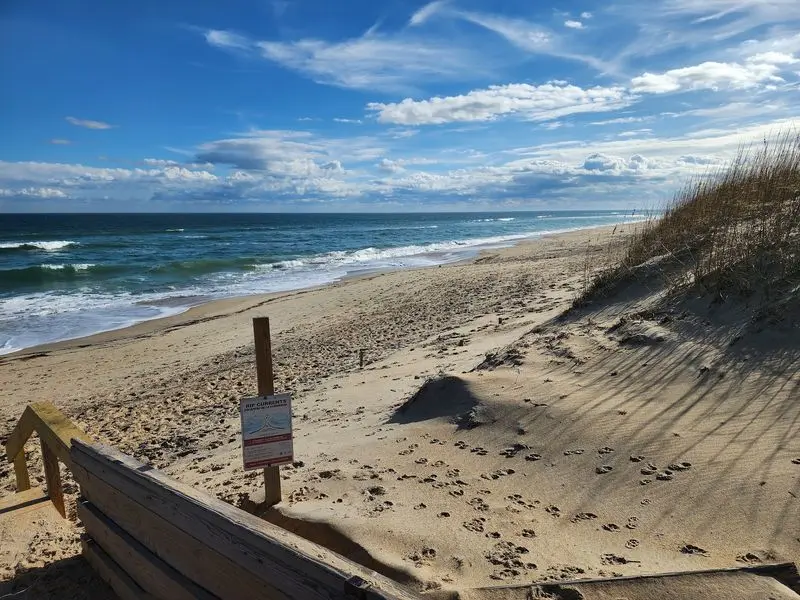
Public access points appear throughout the route, but rules can differ by area. Some places have parking, restrooms, ramps, or boardwalks, while others are more basic. Look for posted signs about swimming, pets, beach driving, nesting birds, and protected dunes.
Pack lightly for short stops so you can move without stress. A towel, sandals, sunscreen, water, and a small trash bag are enough for many quick visits. If you plan to swim, pay close attention to flags, currents, and lifeguard information.
The beaches here can feel peaceful, yet the ocean deserves respect. Rip currents may be hard to see, and waves can change quickly with wind and tide. Parents should keep children close near the surf.
For a quiet memory, visit near sunrise or late afternoon. The light softens, shells stand out in the sand, and the drive feels less like a checklist.
Taste The Coast Between Viewpoints
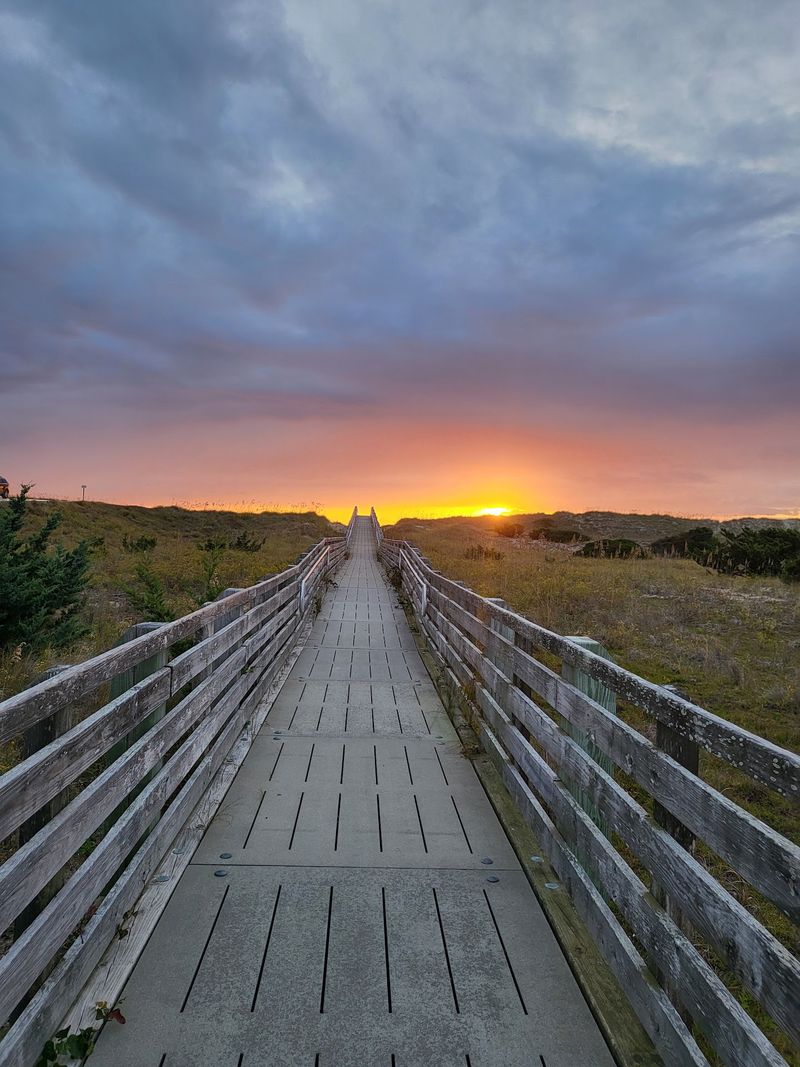
A paper basket of seafood can taste even better after windows-down miles beside the water. Food stops are not just breaks on this route, they are part of the coastal experience.
Travelers often look for fried seafood, fresh fish, crab cakes, shrimp, hush puppies, and simple sides after a long scenic ride. Small local spots may fill quickly during peak season, so eating a little earlier or later than usual can help. Check hours before you count on a restaurant, since some places close seasonally or after storms.
Keep expectations relaxed and flexible. A tiny counter, picnic table, or casual dining room can serve a meal that becomes one of your favorite memories. If you have picky eaters, carry backup snacks, because island choices may be spread out.
Seafood lovers should ask what is local or fresh that day. Menus can change with weather, fishing conditions, and deliveries. That is part of the fun of eating near working waters.
Before getting back on the road, refill drinks and toss trash properly. Clean beaches and roads help keep the byway welcoming for everyone.
Respect Weather, Wind, And Wild Shorelines
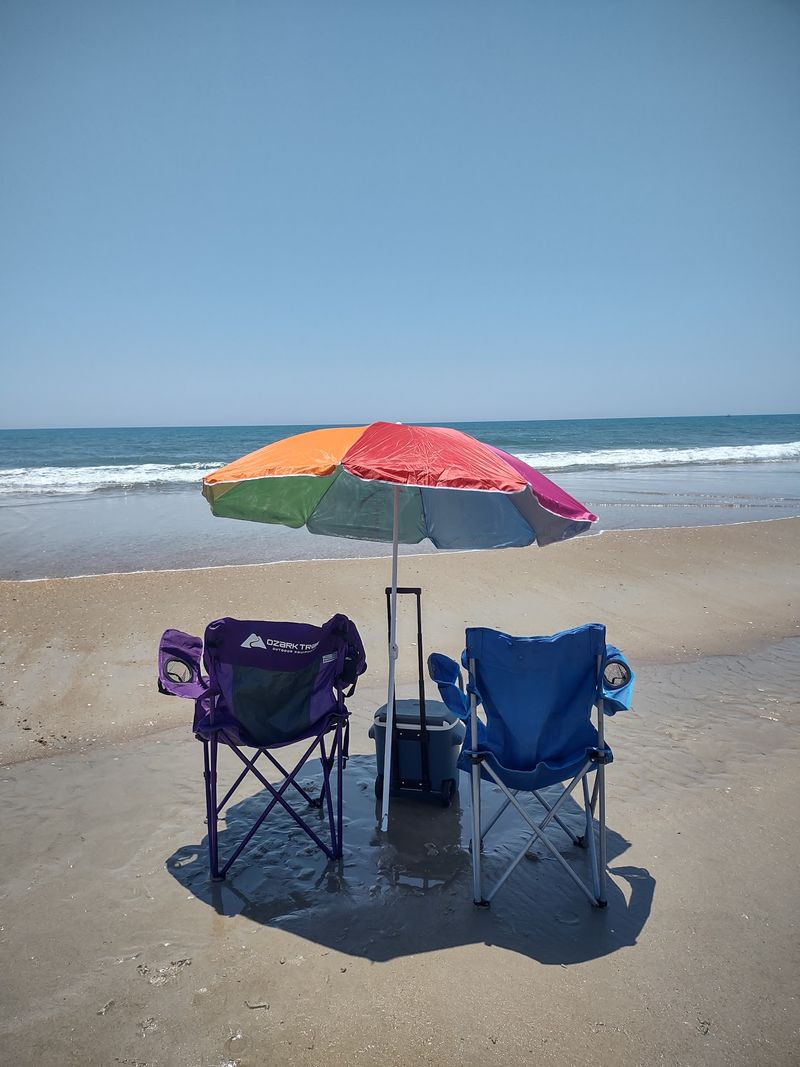
Sunshine can turn to hard wind faster than many visitors expect, and that surprise is part of traveling on barrier islands. The byway is beautiful, but it asks drivers to stay alert.
Storms, overwash, high water, and blowing sand may affect travel at different times of year. Hurricane season deserves special attention, but strong coastal weather can happen outside that window too. Before leaving, check road conditions, ferry updates, and local alerts.
Pack as if the day may change. A rain jacket, extra phone charger, paper map, flashlight, and basic first aid kit can be useful. Cell service may not feel the same everywhere, especially in quieter stretches.
Wild shorelines also need care from visitors. Do not walk on dunes unless a marked path allows it, because dune plants help hold the sand in place. Give birds and wildlife plenty of space, especially during nesting seasons.
A little caution does not ruin the adventure. It helps you enjoy the route with more confidence. When the wind rattles the grass and clouds race overhead, the coast feels alive and unforgettable.
Turn The Drive Into A Slow Memory
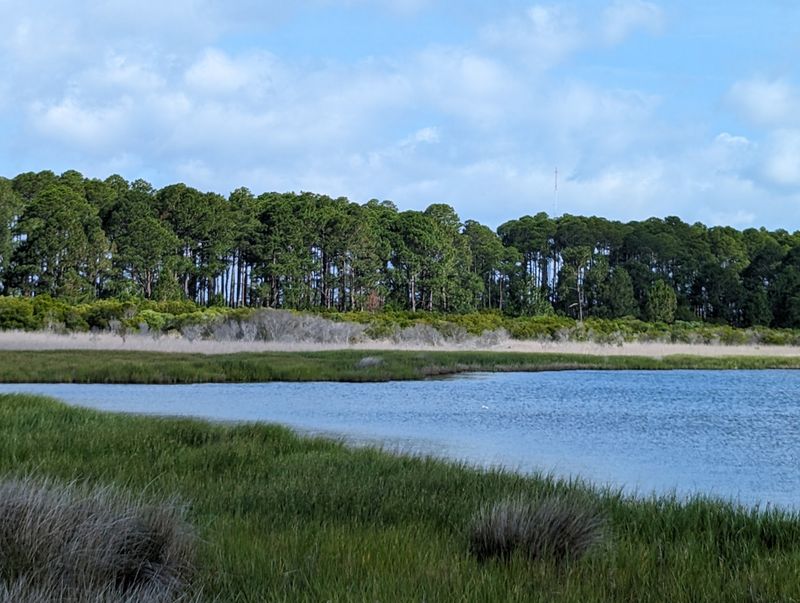
The best souvenir from this drive may not fit in a bag. It might be the color of sunset on marsh water, the sound of tires on a bridge, or laughter during a windy beach stop.
To make the trip more memorable, plan fewer stops than you think you need. A packed schedule can make a scenic byway feel like homework. Choose a few must-see places, then leave open space for surprises.
Bring binoculars if you enjoy birds, and keep a notebook or phone note for favorite views. Children can draw what they see or count bridges, boats, and lighthouses. Small activities help them notice the route instead of only asking how much longer the ride will take.
Photography works best when you slow down. Early morning and late afternoon give softer light, while midday is better for bright beach colors. Avoid stopping in unsafe places just to grab a picture.
By the end, the 138 miles feel less like a number and more like a string of scenes. That is why many people want to return again someday.