Autumn has a way of pulling hikers back to the same favorite trail year after year.
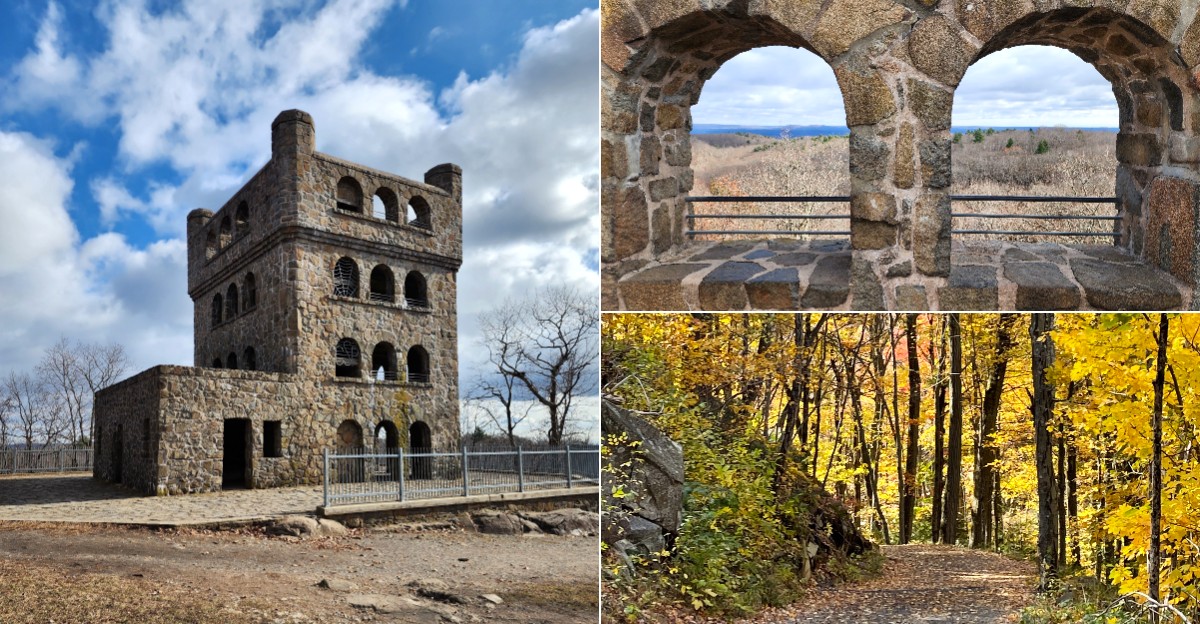
A steady climb through hardwood forest rewards you with a ridge-top tower rising above the treeline.
From the top, waves of red, orange, and gold spread out across the Connecticut countryside.
Cool October air and crunching leaves underfoot make the climb feel like a seasonal ritual.
Families and serious hikers alike find a pace that suits them along the well-marked path.
It’s a foliage view worth lacing up your boots for every single fall.
A Ridge Walk Built For Fall Color
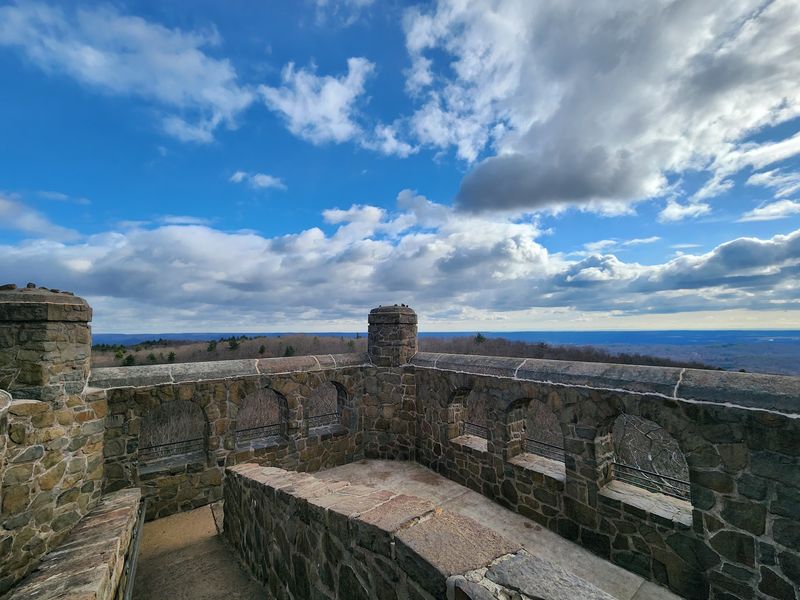
Golden leaves seem to gather along the ridge like confetti, making every step feel cheerful. Autumn is the season when hikers most often talk about returning, because the forest changes color around the path and the high view stretches over rolling hills. The reward is not hidden behind a hard climb, which makes the trip feel welcoming instead of tiring.
The best plan is to start earlier in the day, especially on bright October weekends. Cool air, lighter crowds, and better parking can make the hike smoother from the beginning. Bring a small backpack with water, a snack, and a warm layer, because the breeze near the top can feel cooler than the trail below.
Leaf color usually looks strongest after a few chilly nights, but timing changes each year. Check a Connecticut foliage report before you go, then choose a clear day if possible. Clouds can still be pretty, but sunshine brings out the reds and yellows.
Move at an easy pace and look back now and then. Some of the prettiest views appear before the tower, when the ridge opens between the trees. That slow approach is part of the autumn magic.
Tower Trail Keeps The Climb Friendly
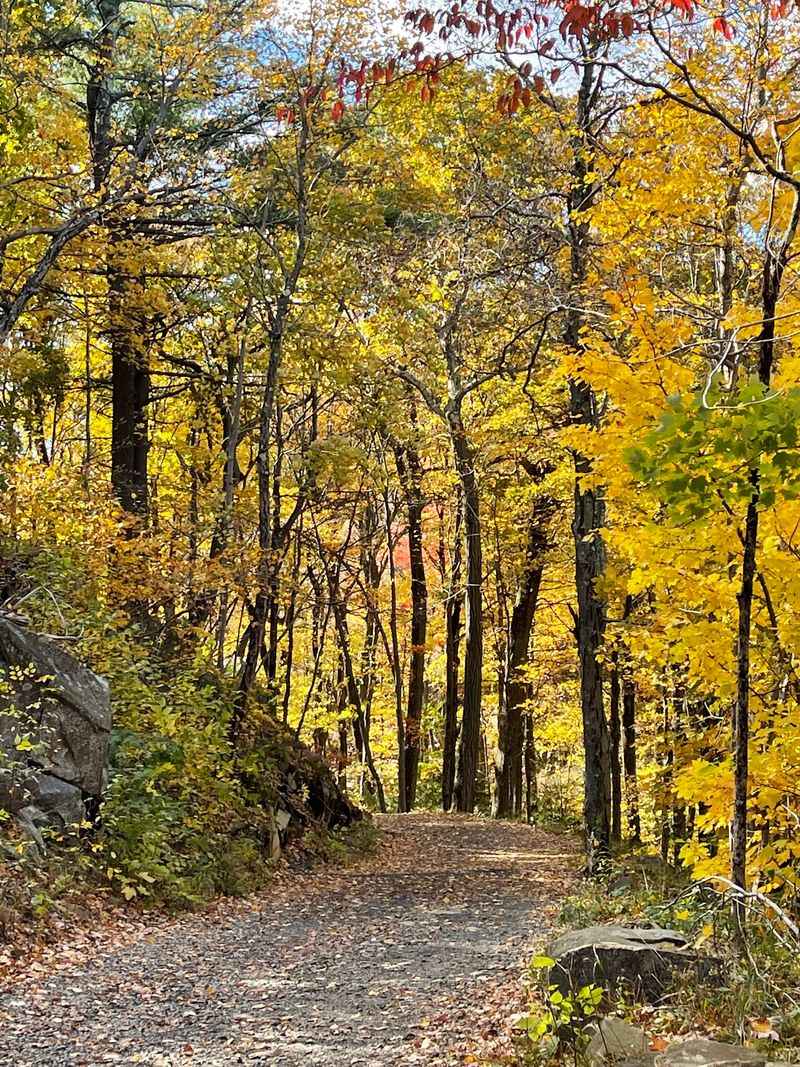
A wide gravel path can be a relief when you want mountain views without a rough scramble. Tower Trail is often described by visitors as the easiest and most popular route to the lookout, thanks to its steady surface and gradual incline. That does not mean it is flat, but the climb builds slowly enough for many beginners to handle.
Plan for about one to one and a half hours round trip if you walk at a relaxed pace. Families with small children may want extra time for snack stops, leaf collecting, and photos. The uphill part takes more effort, while the return usually feels quicker because it is mostly downhill.
Good shoes still matter, even on gravel. Fallen leaves can hide loose stones, wet patches, or small dips in the path. After rain, take shorter steps and avoid rushing the descent.
People who want a bigger challenge can connect with other marked trails in the park, but the gravel route is the simple classic. It is also a smart choice for first-time visitors who want to reach the tower without worrying about navigation. Follow signs, stay on the path, and enjoy the steady climb.
A Stone Lookout With Old New England Character

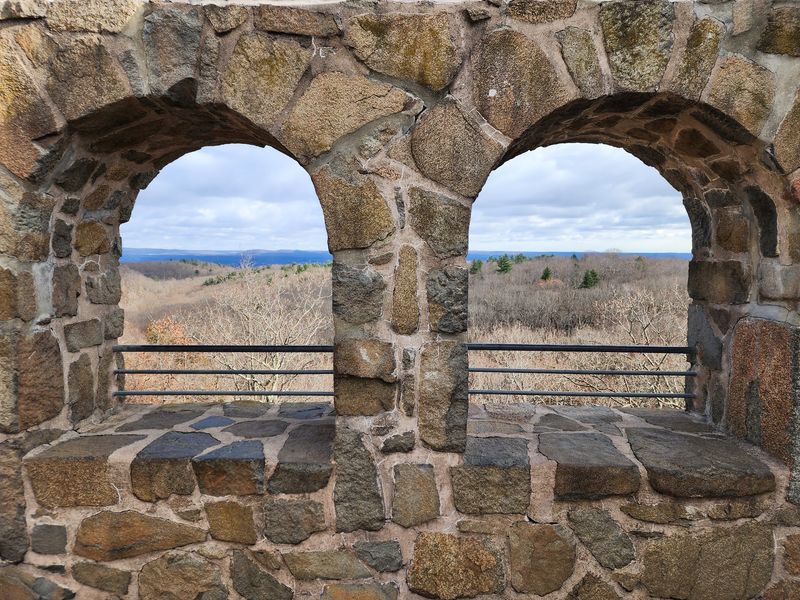
There is something storybook-like about finding a stone tower at the end of a forest walk. The structure feels more like a small castle than a simple lookout, which is why many hikers remember it long after the leaves have fallen. Its rough stone walls, lookout windows, and winding passageways give the summit a bit of old New England charm.
Local history adds another layer to the visit. The mountain and tower area have been tied to outdoor clubs, public recreation, and past conservation work. Visitors often mention Civilian Conservation Corps era trail improvements, and the tower itself is commonly linked with early twentieth-century park history.
When you reach the top, take a moment before climbing or looking out. Let faster hikers pass, keep children close, and be patient near narrow spots. Popular fall days can make the tower feel busy, especially when everyone wants the same photo.
The lookout is more than a place to check off a goal. It gives the hike a clear ending, a place to rest, and a reason to talk about how people protected outdoor spaces before us. That mix of view and history makes the climb feel meaningful.
Views Stretch Toward Water, Hills, And Skyline
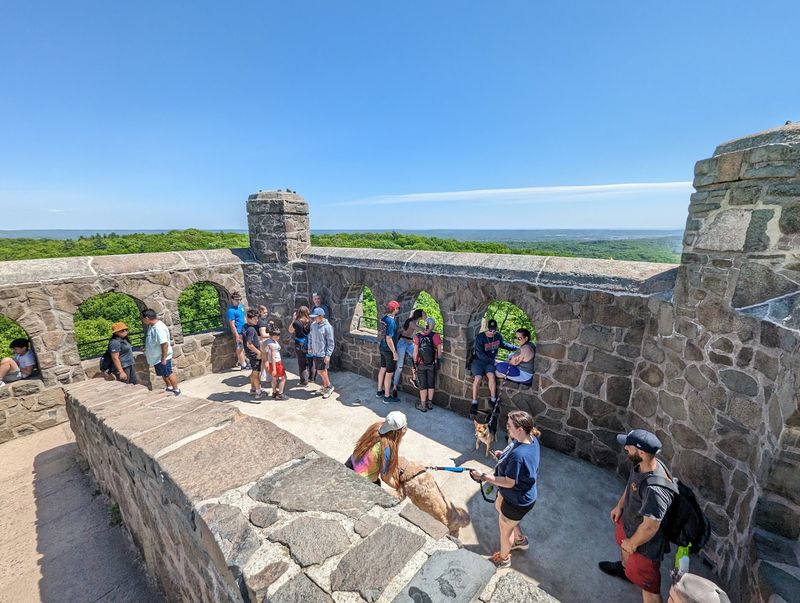
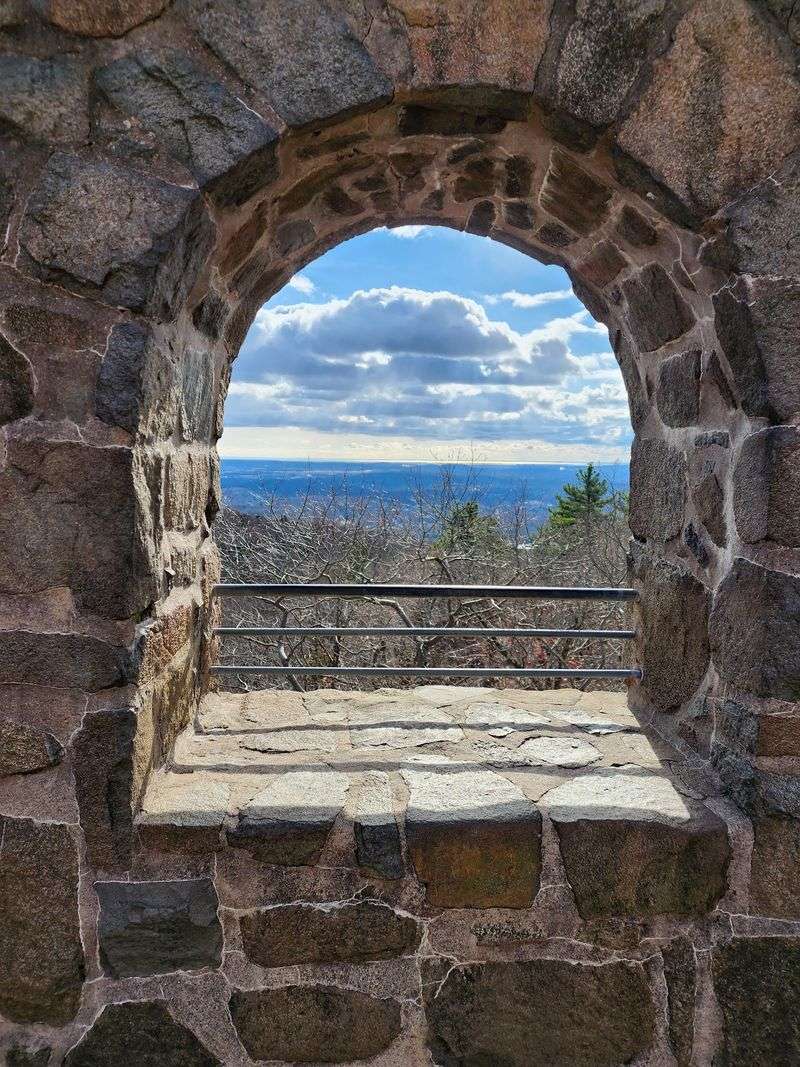
At the top, the landscape opens in a way that feels bigger than expected. From the lookout, hikers can see wooded ridges, nearby towns, distant hills, and, on clear days, hints of Long Island Sound and the New Haven skyline. Fall color adds texture to every direction, turning the view into a patchwork of warm shades.
For the best experience, give your eyes time to adjust before reaching for your phone. Look for church steeples, roads curving through trees, rocky ridgelines, and bright maple crowns below. Kids enjoy pointing out tiny cars or guessing which direction the water might be.
Photos are easiest when the sun is not directly in front of you. Morning light can be soft and clean, while late afternoon can make the leaves glow. If the tower is crowded, step aside after taking pictures so others can enjoy the same moment.
Wind can be stronger at the lookout than in the woods. Hold onto hats, keep snacks packed, and avoid leaning too far near openings or railings. The view is safest and most satisfying when everyone slows down, shares space, and stays aware.
Many Marked Trails Add Fresh Choices
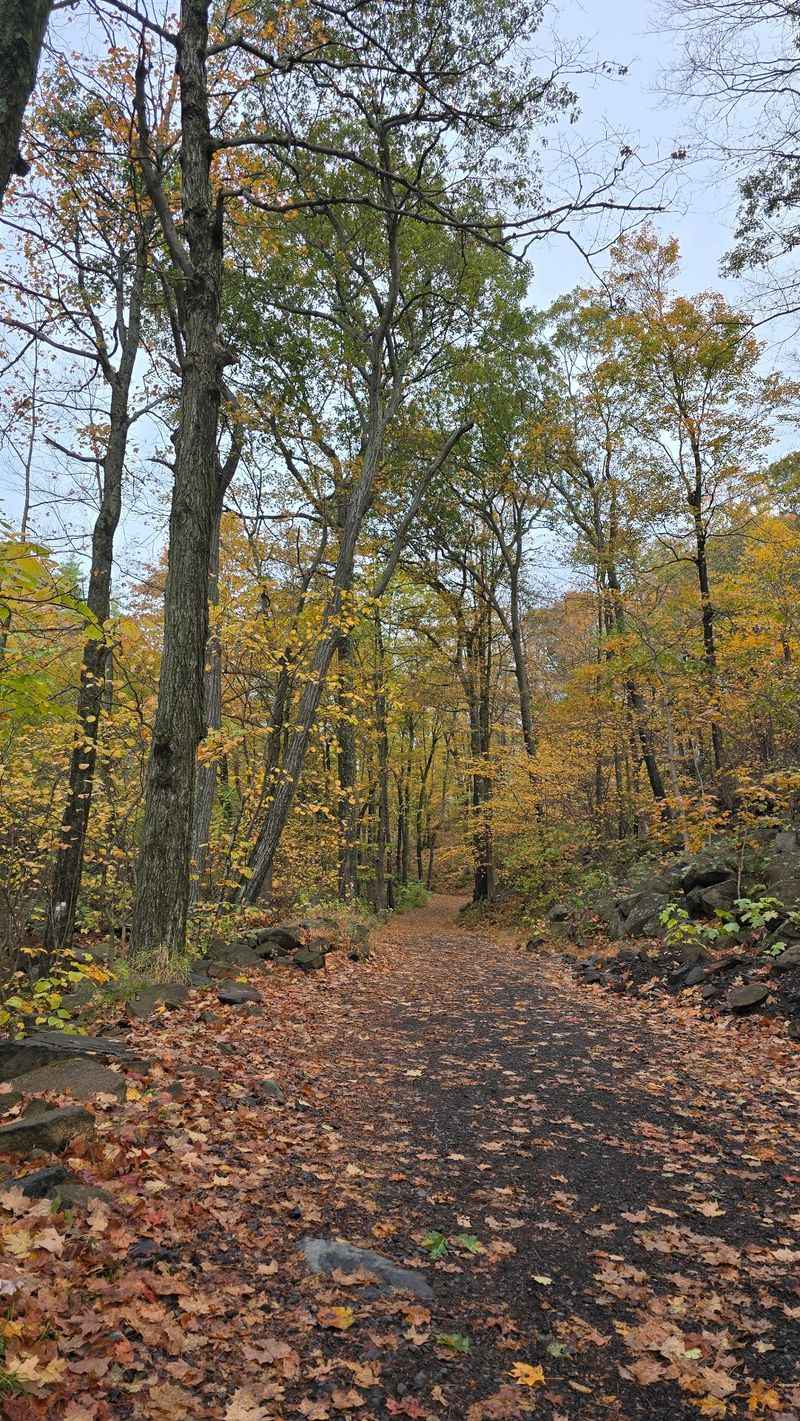
Some hikers love returning because the route does not have to feel the same each time. The park has many marked trails, ranging from easier walks to steeper and rockier paths, so repeat visitors can adjust the day to their mood and skill level. That variety keeps the ridge interesting across the whole fall season.
First-timers should begin with the main gravel route to learn the layout. Once you understand the distance, elevation, and trailhead area, branching onto other trails becomes less confusing. Always check a current map before mixing routes, because shortcuts can feel longer if you miss a turn.
Trail blazes are helpful, but they are not a reason to stop paying attention. Leaves can cover rocks and roots, and busy intersections may cause hikers to follow the wrong group by accident. Pause at junctions, read signs, and confirm your direction before moving on.
A return visit might focus on exercise, photography, quiet nature time, or a family picnic after the hike. That flexibility is a big reason autumn hikers come back year after year. The tower may be the star, but the web of trails gives every trip its own small adventure.
Family Plans Work Best With Simple Timing
Parents often appreciate a hike that feels exciting without becoming a full-day expedition. This ridge route fits that sweet spot because the climb is short enough for many families, yet the tower makes the finish feel like a real achievement. Children usually enjoy having a clear goal they can picture along the way.
Pack light, but do not arrive unprepared. Water, simple snacks, tissues, a small first aid kit, and bug spray can solve common trail problems quickly. In fall, add a sweatshirt or light jacket, since shaded woods and the breezy top may feel cooler than the parking area.
Restroom availability near the trailhead is a helpful detail for families, but it is still wise to stop before starting. Set a slow pace, take short breaks, and turn the hike into a game by counting trail blazes or spotting squirrels. A relaxed mood matters more than reaching the top quickly.
Picnic plans can make the outing feel complete after the return. Check posted park rules, carry out every wrapper, and keep food away from wildlife. When children learn those habits early, a simple fall hike becomes both fun and respectful.
Smart Parking And Hours Make The Day Easier
A smooth hike often begins before your boots touch the trail. Parking, fees, and timing can shape the whole visit, especially during peak foliage weekends when many people have the same idea. The observation deck is listed as open daily from 8 AM to 8 PM, so there is room to plan around crowds and daylight.
Arriving early is the easiest way to reduce stress. You are more likely to find a space, start in cooler air, and enjoy the tower before the busiest midday rush. If you prefer quieter trails, weekdays can feel calmer than sunny Saturdays and Sundays.
Parking rules and fees can change, so check the official state park website before leaving home. Connecticut residents with eligible vehicle registration may have different parking arrangements than out-of-state visitors. Bring a payment method just in case, and read signs carefully at the lot.
Fall sunsets arrive earlier than many hikers expect. Start with enough time to climb, rest, take photos, and walk down in daylight. A phone flashlight is useful, but it should be a backup, not the plan. Good timing keeps the trip relaxed from start to finish.
Nature Recovery Adds Meaning To The Walk
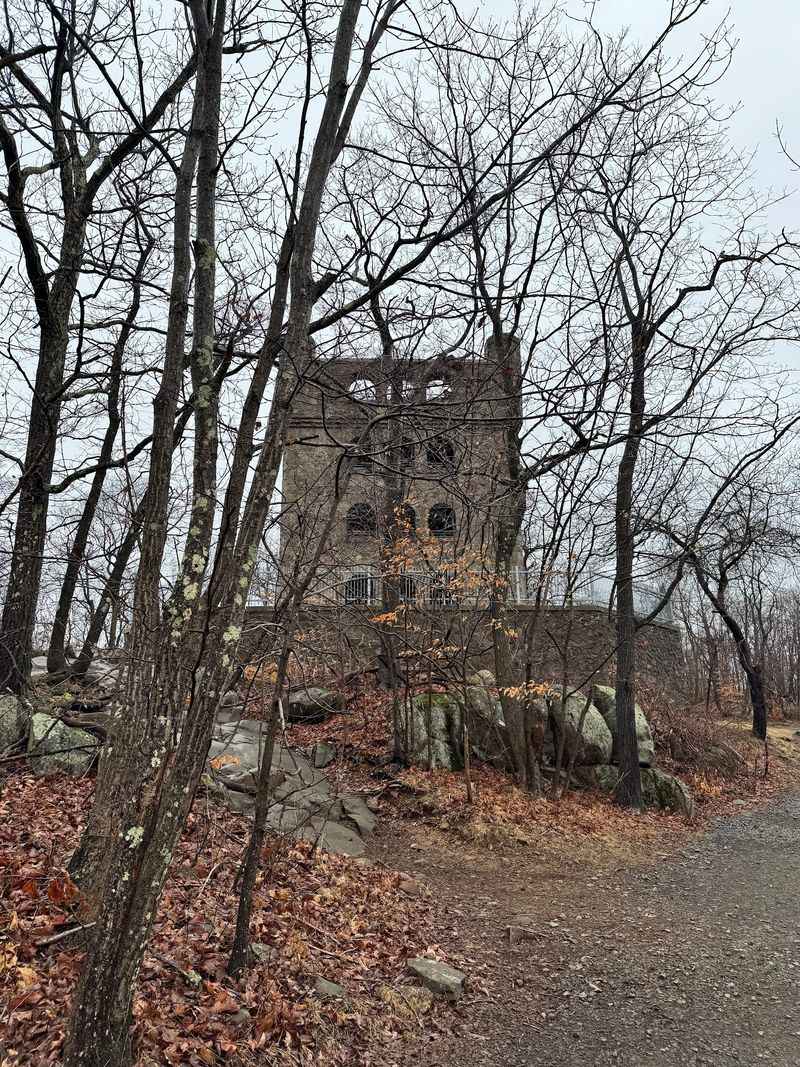
Forests have a quiet way of showing both damage and healing. Visitors have noted past tornado damage in the area, and that history can make the walk feel more powerful when you notice new growth, repaired paths, and trees filling gaps in the canopy. The fall colors are beautiful, but the recovery story gives them extra depth.
Stay on marked trails to protect young plants and reduce erosion. Cutting corners may seem harmless, yet repeated footsteps can widen muddy spots and harm roots. A popular place stays healthy only when many small choices add up.
Wildlife sightings are part of the fun, with squirrels common and deer sometimes seen in quieter areas. Watch from a distance, keep food packed, and never try to feed animals. Their natural habits are better for them and safer for visitors.
Ticks can still be active in fall, so wear long pants if you plan to brush near vegetation. Use bug spray, check clothing after the hike, and look over pets if they come along where allowed. A little care helps you enjoy the ridge, the tower, and the changing forest without bringing home an unwanted souvenir.