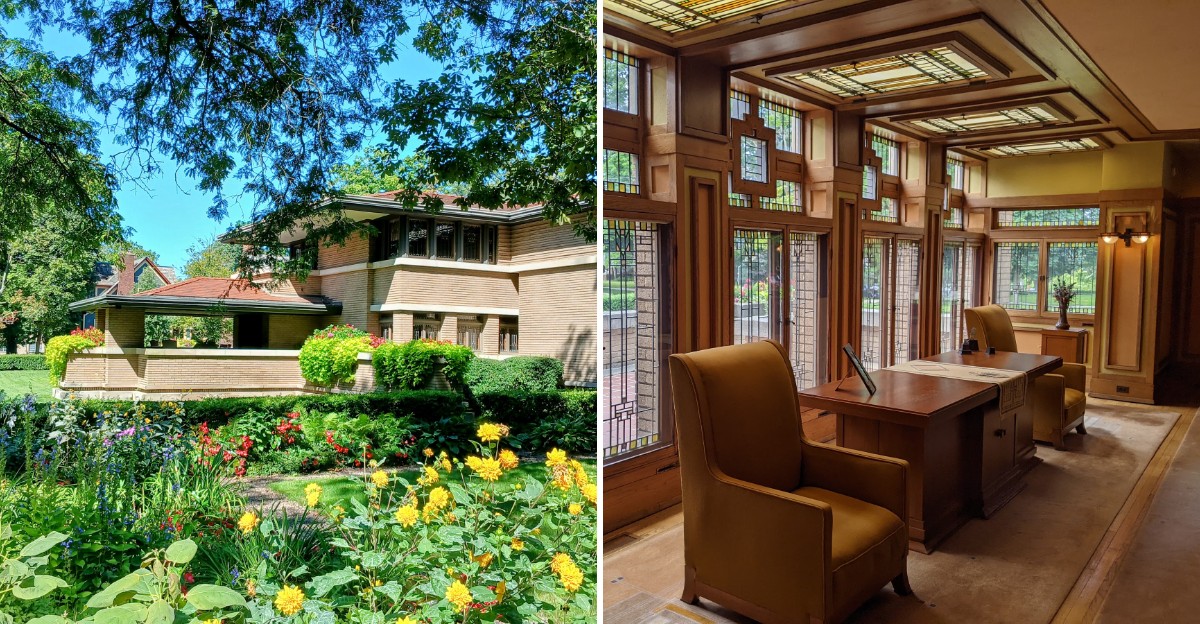
Some historic homes ask you to look through the windows, but this one invites you to walk through the front door. In Grand Rapids, the Meyer May House offers an intimate look at a Prairie-style home designed by Frank Lloyd Wright, where warm brick, art glass, low horizontal lines, and carefully arranged rooms reveal the architect’s ideas from the inside out.
Located at 450 Madison Ave SE, the house feels remarkably different from a typical historic residence. Natural light filters through patterned glass, built-in furnishings make clever use of space, and details that might seem subtle from outside become much easier to appreciate as you move from room to room.
The Meyer May House is more than a beautifully preserved building; it is a chance to experience how thoughtful architecture can shape everyday life. As you explore its rooms and distinctive details, each space offers another glimpse into Wright’s approach to comfortable, connected living.
A Low, Calm Shape That Surprises the Street
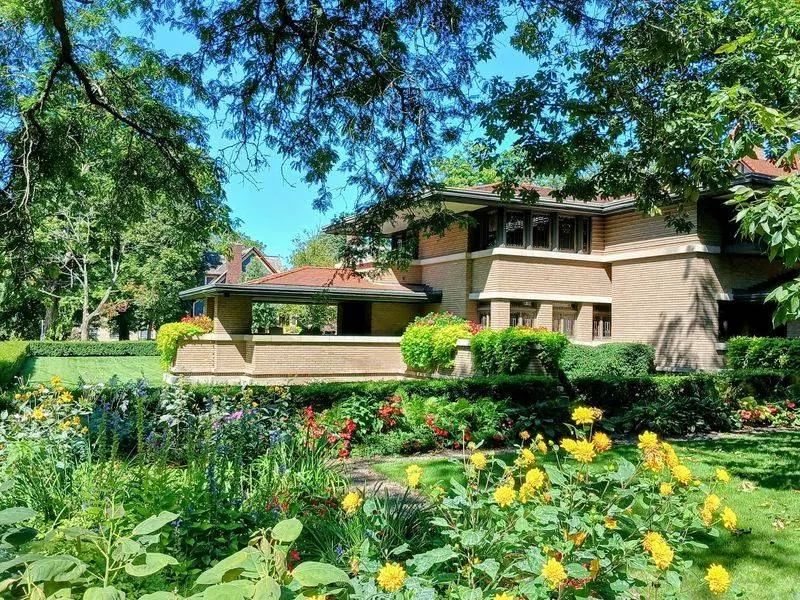
A quiet kind of drama waits on Madison Avenue, where one house seems to stretch sideways instead of reaching upward. Among taller historic homes in Grand Rapids, the Meyer May House feels grounded, calm, and a little bold.
Frank Lloyd Wright designed it in 1908 and 1909 for clothier Meyer S. May and his wife Sophie.
At 450 Madison Ave SE, its long rooflines, pale brick, and deep eaves show the Prairie Style at work.
Look closely before your tour begins. The horizontal mortar lines are emphasized, while the vertical joints nearly disappear, making the walls look longer and smoother.
Even the roof tiles help the home feel low and sheltered.
That first street view is part of the visit. It teaches you to slow down and notice shape, shadow, and balance.
For travelers who love architecture, history, or simply a beautiful neighborhood walk, the outside alone starts the story in a memorable way.
A Front Door That Makes You Pay Attention
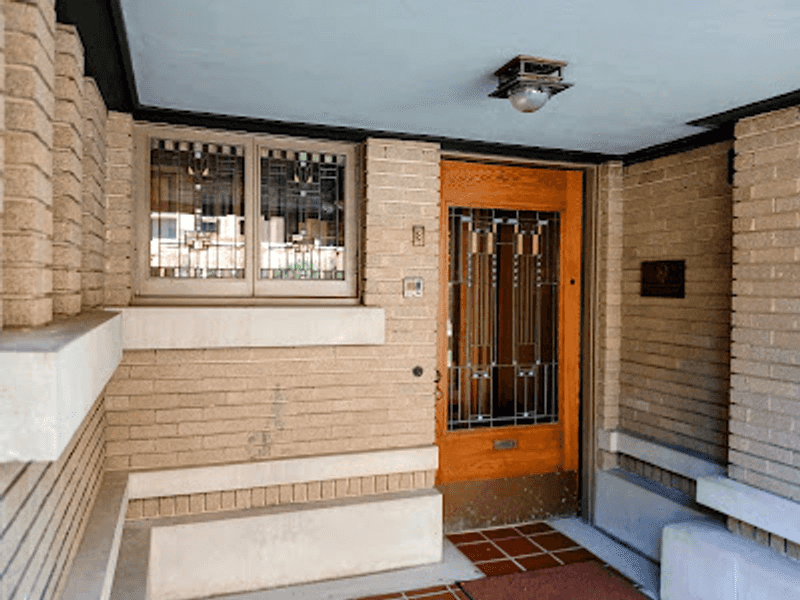
The entrance does not shout for attention, and that is what makes it fun. Visitors often pause for a second, wondering where the main door is hiding.
At the Meyer May House in Grand Rapids, Frank Lloyd Wright shaped arrival like a small journey. Instead of giving the home a tall, showy doorway, he guided people through a more private path.
That choice tells you a lot about his ideas. Wright wanted a home to feel protected from the busy world outside, then open up once you stepped in.
The movement from street to doorway feels careful and almost secret.
During a guided tour, notice how your body moves through the space. You turn, pass under shelter, and enter with a sense of discovery.
It is practical too, because the covered approach offers shade and protection from Michigan weather. The visit becomes more than looking at rooms.
It becomes a lesson in how a building can shape your feelings from the very first step.
Sunlight Turns the Rooms Into Living Art
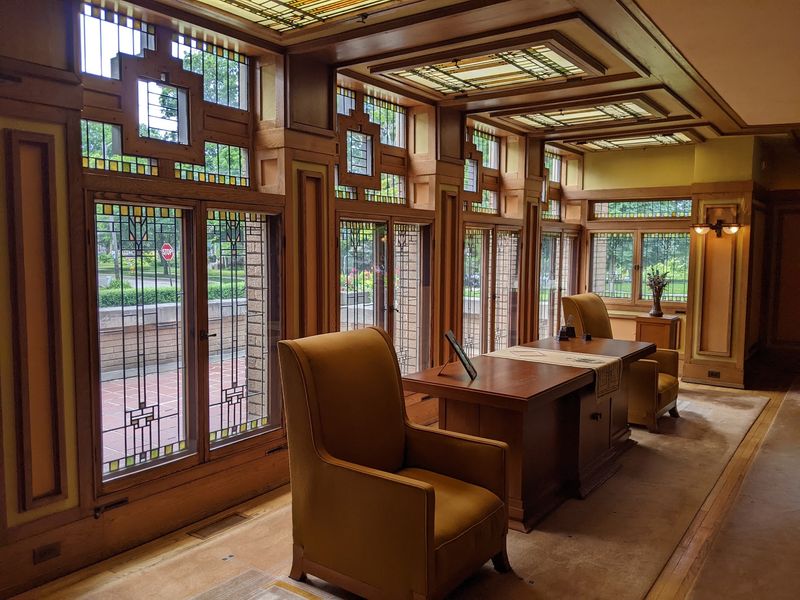
Morning light feels different here, softer and more thoughtful than ordinary sunshine through plain windows. It slips through patterned glass and lands on wood, brick, rugs, and walls.
The Meyer May House is famous for its art glass, with more than 100 windows and skylights helping shape the mood inside. At 450 Madison Ave SE, visitors can see how Wright used light almost like a building material.
The glass designs include strong geometric patterns that filter views while still welcoming brightness. In the living room, high windows and skylights help bring the sky indoors without making the home feel exposed to the street.
Pay attention to how the rooms change as clouds move or the sun shifts. The house rewards patient looking.
Instead of one big wow moment, it offers many small ones, like a colored glow on brick or a sharp line of light across a built-in cabinet. That quiet beauty is a major reason people remember the tour long after they leave.
The Fireplace Feels Like the Heartbeat of the Home
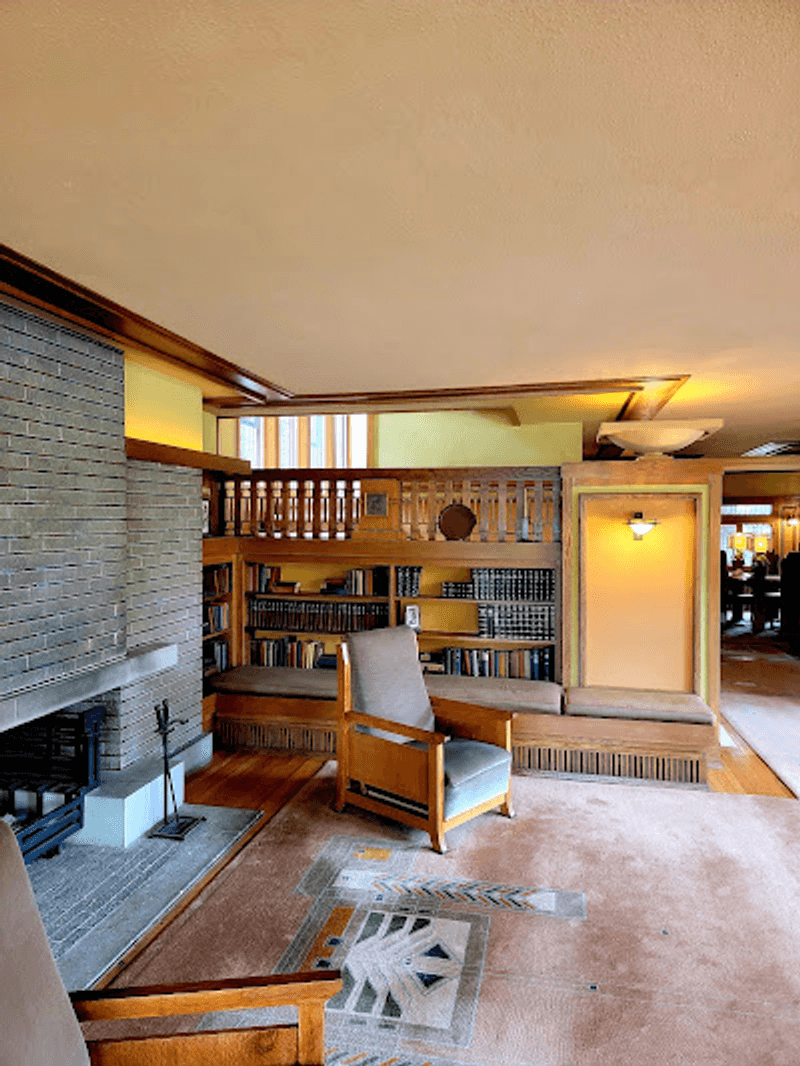
Every home has a spot where people naturally gather, and here your eyes find it almost at once. The fireplace does not just warm the room, it holds the room together.
Inside the Meyer May House, Wright made the hearth a strong center point. Its brickwork carries the same long, horizontal feeling as the outside walls, linking the interior to the whole design.
One detail feels especially surprising. Thin strips of gold art glass were set into the horizontal joints, catching light in a way that feels rich but not flashy.
It is the kind of feature you might miss if you rush.
Ask your docent to point out how the fireplace organizes the living area. It creates a place for conversation while the open plan still lets your eyes travel.
For visitors, the hearth gives the tour an emotional center. You are not just studying famous architecture.
You are standing where a family could sit, talk, read, and enjoy a quiet Grand Rapids evening.
Furniture That Seems Built From the Same Idea
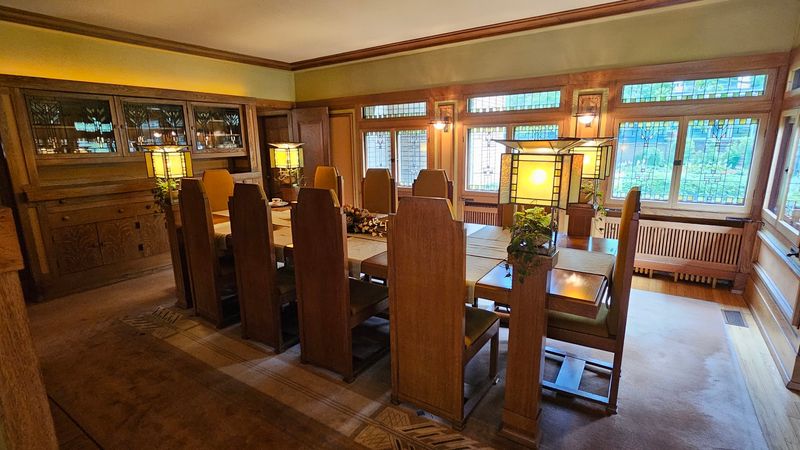
A chair can feel like an afterthought in many homes, but not here. At the Meyer May House, furniture seems to belong to the walls, windows, and floor.
Wright believed the house and its contents should work together. In Grand Rapids, that idea is easy to see in the custom furnishings, built-ins, patterned rugs, and carefully matched finishes.
The dining table is a favorite detail for many visitors. Its sturdy supports include lamps with glass shades, creating light right where people would gather for meals.
Patterns in the shades echo the art glass and other designs nearby.
George Mann Niedecken helped oversee many interior details, including textiles and decorative touches. Look for radiator covers, wood grilles, and storage pieces that hide function inside beauty.
The practical lesson is simple: good design can make everyday life smoother. The travel reward is even better.
Walking through these rooms feels like seeing one complete artwork, where even a small cabinet or lamp has a reason to be there.
Gardens That Pull the Outside Closer
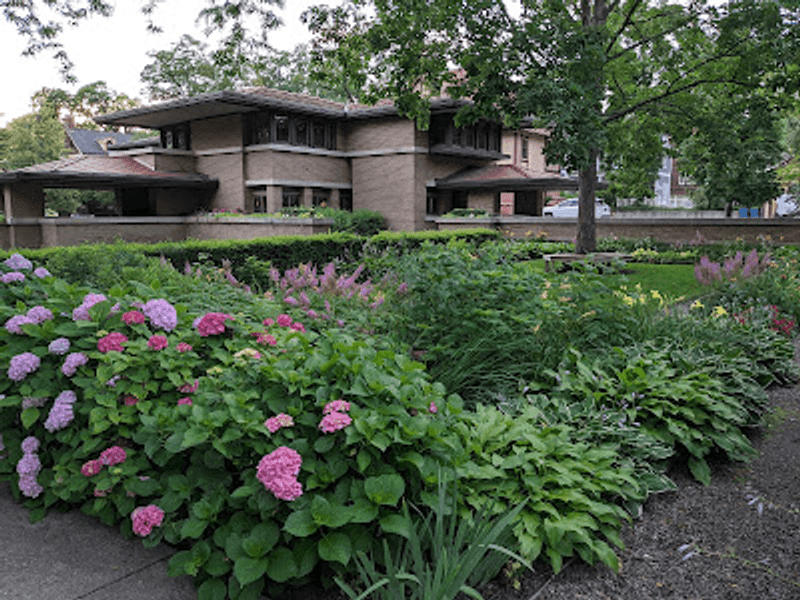
The garden does not feel like decoration added later. It feels like the house is reaching out, making room for plants, sunlight, and fresh air.
At the Meyer May House, Wright’s Prairie Style ideas continue outdoors. Terraces, low walls, planters, and views from the windows all help connect the home to its small Grand Rapids lot.
Southern light was especially important, and the living room windows and skylights were placed to welcome brightness. The outdoor areas also create privacy, which matters because the home sits in a real neighborhood, not on a wide country estate.
Before or after your guided tour, take time to notice the grounds from the sidewalk and permitted tour areas. The brick planters and careful landscaping make the building feel settled, not staged.
For travelers, that connection to nature gives the visit a peaceful pause. It reminds you that Wright was not only designing walls and roofs.
He was shaping how people could live with the changing seasons.
A Restoration Story With Real Detective Work
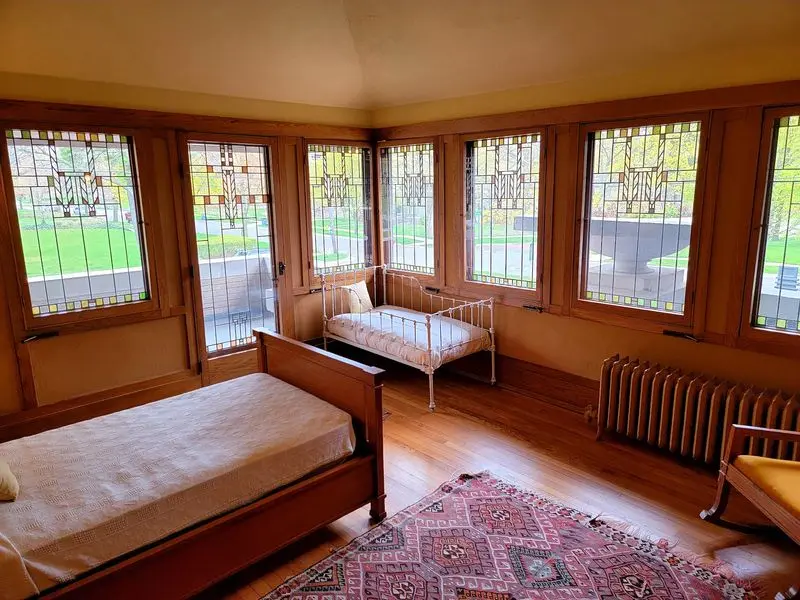
Some old homes are repaired. This one was investigated, studied, and brought back with remarkable care.
After years of changes, the Meyer May House had lost parts of Wright’s original design. In 1985, Steelcase purchased the Grand Rapids landmark and began a careful restoration to return it to its early appearance.
The project used historic photographs, drawings, documents, and interviews to guide decisions. A later addition was removed, original materials were saved when possible, and missing features were recreated with close attention to color, shape, and craft.
Visitors learn much of this story through the film shown before the tour. It helps you appreciate the rooms more deeply once you walk inside.
Carpets were rewoven, furniture was restored or reproduced, and details that could have been forgotten were treated as important clues. That backstory gives the visit a satisfying before-and-after feeling.
You are not only seeing a Frank Lloyd Wright house. You are seeing what dedicated preservation can rescue for everyone.
Prairie Style Ideas You Can Actually Walk Through
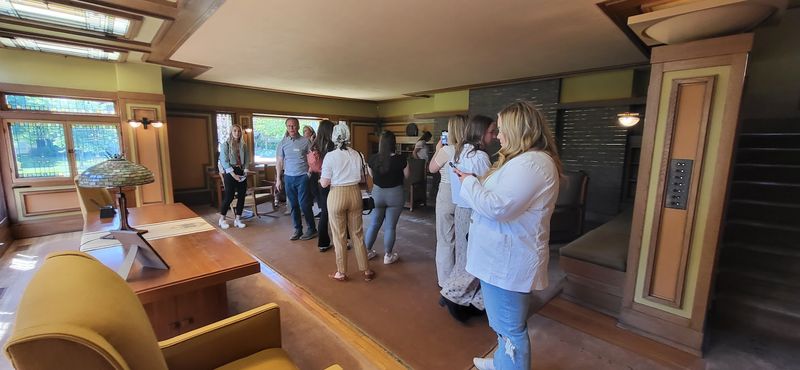
Architecture can sound complicated until you walk through a place that explains itself. Here, Prairie Style becomes something you can feel with your eyes and feet.
The Meyer May House shows many of Frank Lloyd Wright’s favorite ideas from this period. Low rooflines, broad eaves, open rooms, built-in features, and natural materials all work together.
Wright wanted American homes to feel different from older European styles. Instead of tall, fancy shapes, he used horizontal lines that suggested the wide Midwestern landscape.
The result feels calm, modern, and still surprisingly livable.
During the tour, listen for words like organic architecture and open plan, but do not worry if you are not an expert. The home makes the ideas clear.
You can see how one room flows into another and how windows connect indoor life to the garden. For a visitor, that is the real gift.
The house turns design history into an easy, walkable experience in the heart of Grand Rapids.
Heritage Hill Adds Another Layer to the Visit
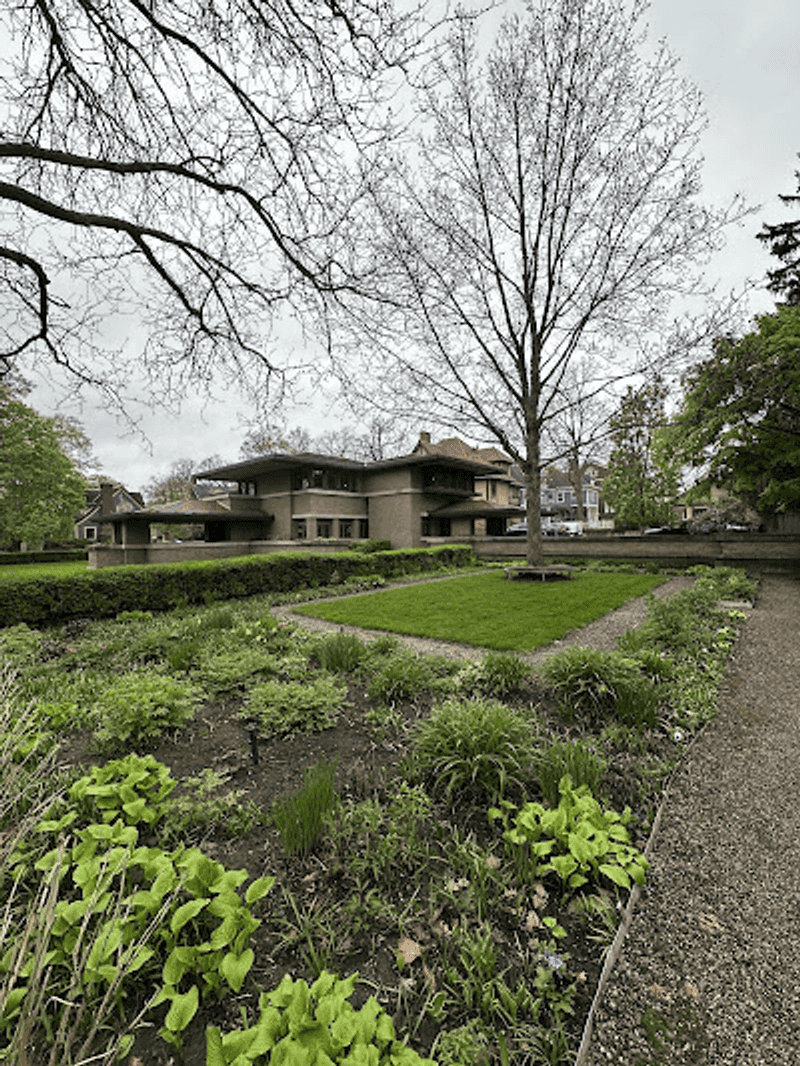
The neighborhood sets the stage before the tour even starts. Leafy sidewalks, older homes, and quiet streets make the walk feel like a step into another Grand Rapids chapter.
The Meyer May House sits in the Heritage Hill Historic District, an area known for impressive historic residences. That setting makes Wright’s design stand out even more, because many nearby homes follow different, more ornate styles.
Meyer S. May was a successful local clothier, and the home reflected a forward-looking taste.
Choosing Wright meant choosing something fresh and daring for its time, especially in a neighborhood filled with traditional forms.
If you arrive early, use the extra minutes well. Walk the block, look at the neighboring rooflines and porches, then return to the Wright house with fresh eyes.
The contrast helps explain why the design mattered in 1909. It was not only a private home.
It was a quiet statement about modern living, art, and confidence in a growing Michigan city.
A Free Guided Tour That Feels Like a Gift
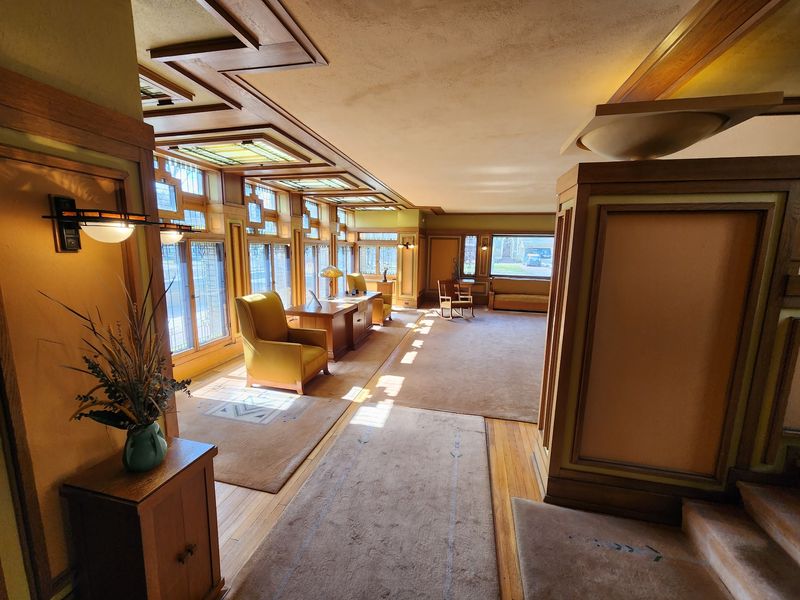
Free does not usually feel this special. Yet the Meyer May House offers guided visits without an admission charge, which makes the experience feel generous from the start.
Tours are typically offered on limited days, including Tuesday, Thursday, and Sunday hours, and reservations are strongly recommended. The visit usually begins at the visitor center with a film about the house and Steelcase restoration.
After that, a docent leads guests through the restored home and points out details you might miss alone. Reviewers often praise the guides for being warm, knowledgeable, and proud of the house.
Plan for about an hour or more, and check the official website before going because hours can change. The address is 450 Madison Ave SE in Grand Rapids, with street parking commonly found nearby.
For architecture fans, it is a must. For casual travelers, it is an easy way to turn an afternoon into something memorable.
You leave with a deeper sense of how one house can hold art, history, and civic care.