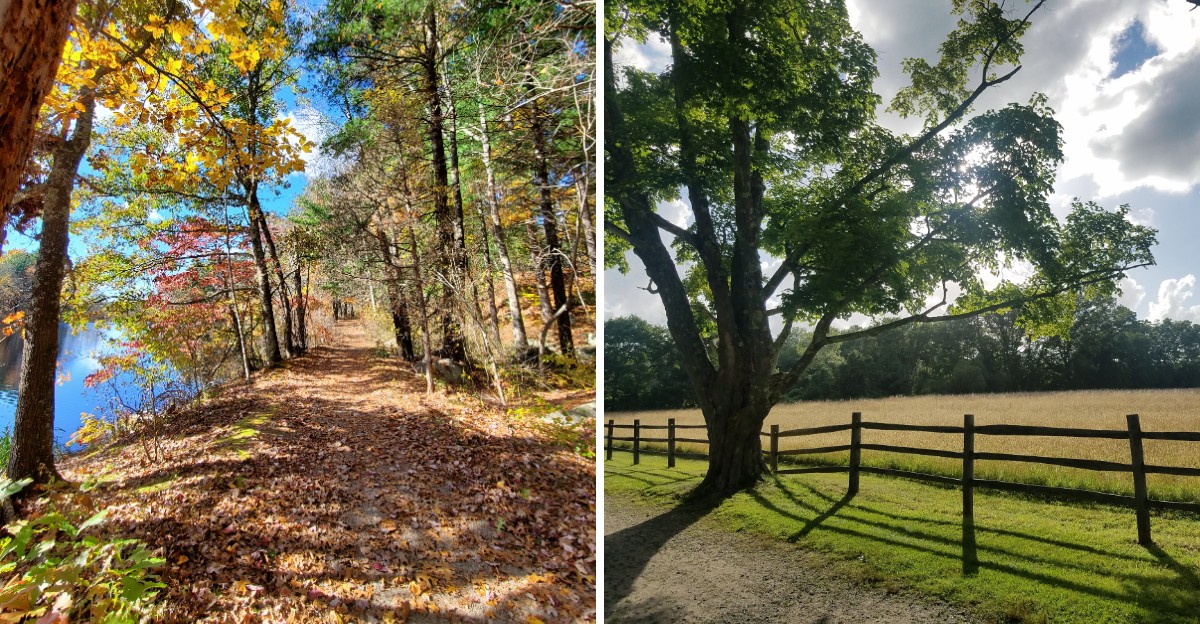
You don’t need to conquer a mountain to have an unforgettable day in nature.
Massachusetts is packed with peaceful trails where a gentle stroll can lead to quiet ponds, shady forests, coastal views, and unexpected wildlife encounters.
These walks prove that outdoor adventures don’t have to leave you exhausted.
Some paths are short enough for a quick morning escape, while others invite you to slow down and spend an entire afternoon wandering among trees, wetlands, and open fields.
There’s something wonderfully refreshing about trading busy roads and crowded spaces for the sound of birds and leaves underfoot.
Whether you’re easing into hiking or simply craving a slower day outside, these easy Massachusetts walks make it simple to get moving, breathe deeply, and enjoy the scenery without pushing your limits.
Walden Pond State Reservation – Concord
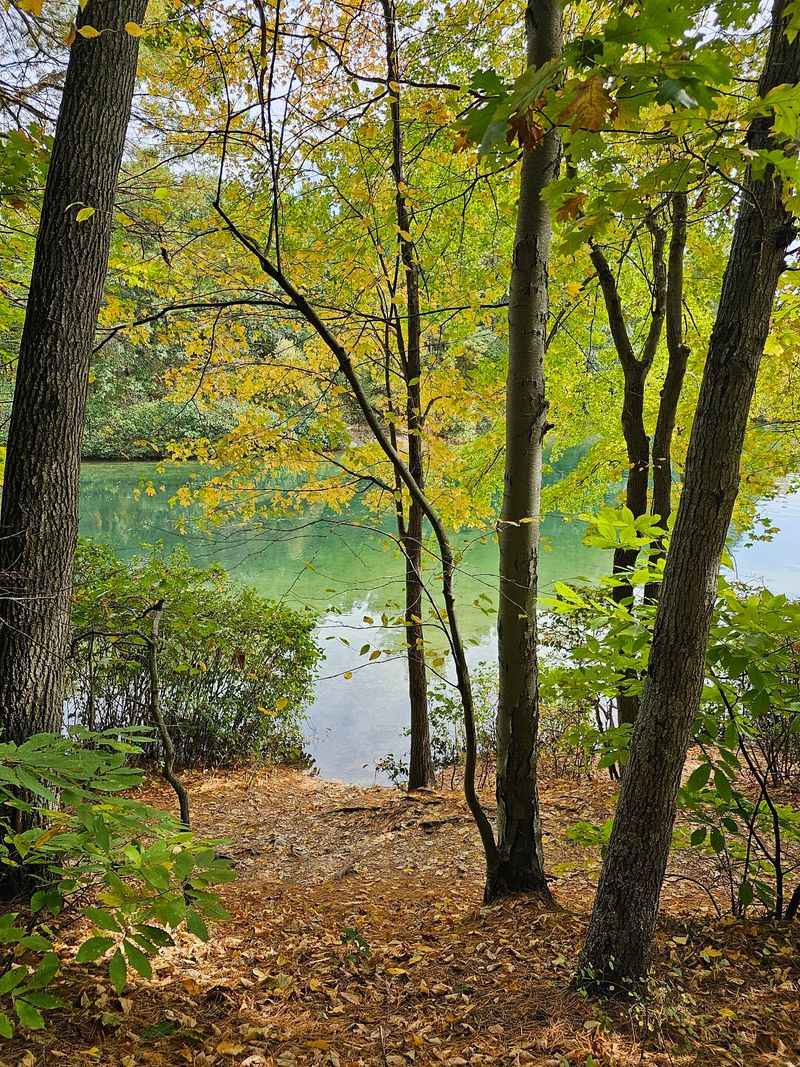
Henry David Thoreau made this place famous, and today visitors still find the same tranquility he wrote about in his cabin by the water. The main loop around Walden Pond stretches 1.7 miles and stays fairly level the entire way.
You’ll pass through quiet woods, catch glimpses of the sparkling water, and eventually reach the replica site of Thoreau’s historic home.
Looking for something even easier? The Woods Path offers a shorter alternative with crushed stone underfoot, making it accessible for wheelchairs and strollers.
This gentle route winds through Walden Woods without the full pond loop.
Early morning visits provide the most peaceful experience before crowds arrive. Swimming is popular here in summer, so expect more activity near the beach area.
Pack water and wear comfortable shoes since the trail can get rocky in spots. The parking lot fills quickly on weekends, so arriving early helps you snag a spot and enjoy the trail in peace.
Buttonbush Trail – Eastham
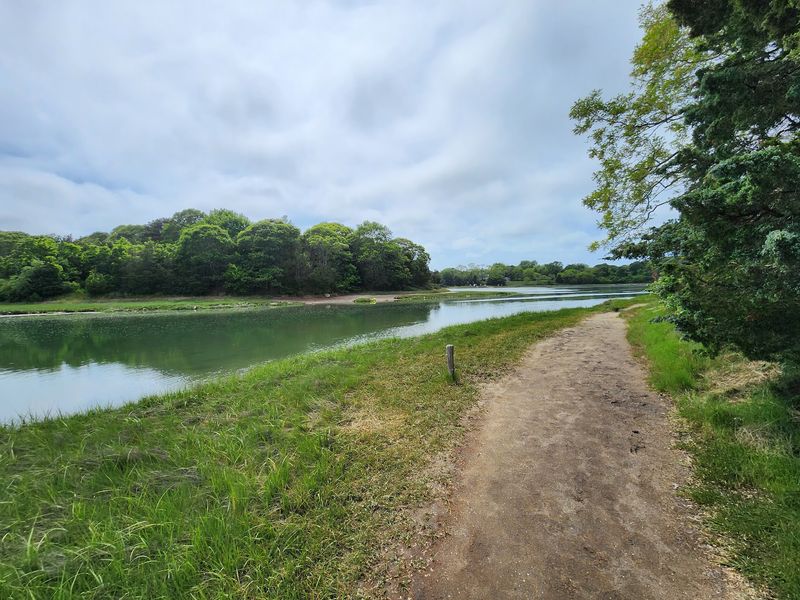
Sometimes you want nature without the time commitment, and that’s exactly what Buttonbush Trail delivers. This tiny 0.3-mile loop packs considerable charm into its short distance.
The path meanders through mixed forest before opening up to wetland views that feel worlds away from Cape Cod’s busy beaches.
What makes this trail special is its thoughtful design for all visitors. Sensory features along the route help people experience nature through touch and sound, not just sight.
Guide ropes assist those who need extra support, and the relatively flat terrain accommodates most mobility levels comfortably.
The highlight comes when you reach the boardwalk bridge stretching across the pond. Pause here to watch for turtles sunning themselves or listen to frogs calling from the reeds.
Birds frequently visit the wetland edges, so bring binoculars if you enjoy watching wildlife. The entire walk takes roughly 15 to 20 minutes at a leisurely pace, perfect for a quick nature break during your Cape Cod travels.
Beech Forest Trail – Provincetown
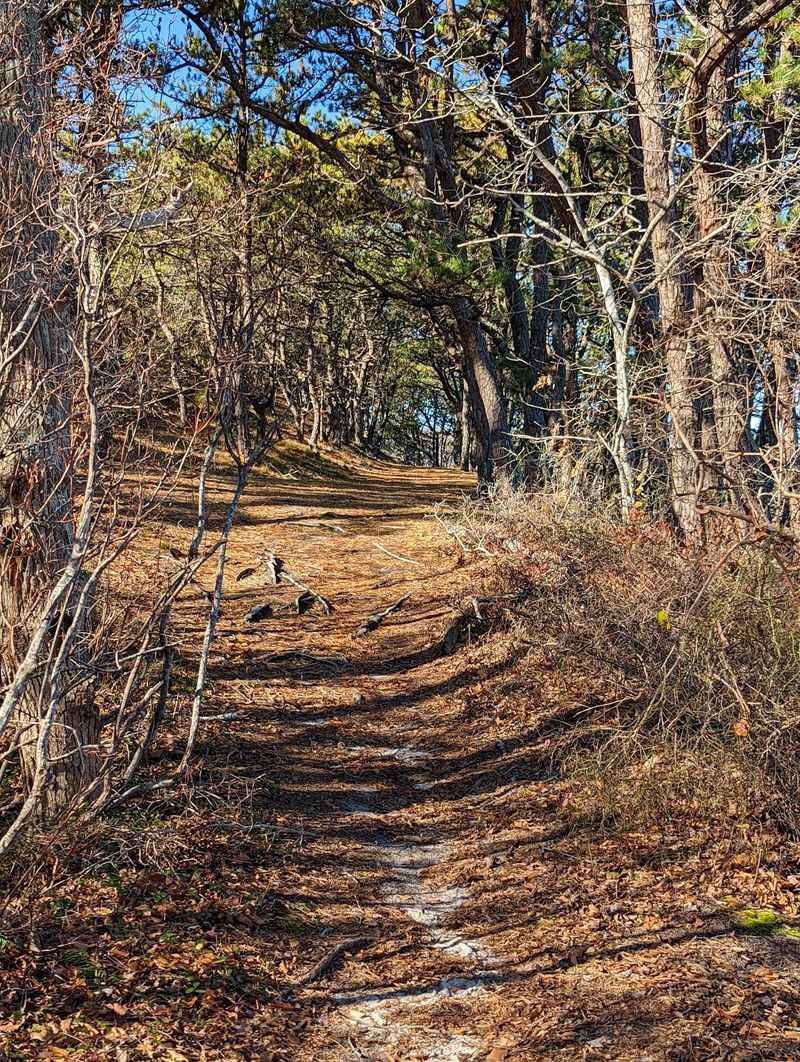
Provincetown’s natural side surprises many visitors who only know the town for its vibrant art scene and busy beaches. Tucked away from the crowds, this one-mile loop circles the shallow waters of Beech Forest Pond through stands of beautiful beech trees.
Birdwatchers flock here during spring and fall migrations when the pond becomes a stopover for traveling species. Bring your field guide because you might spot warblers, thrushes, or waterfowl depending on the season.
The trail’s easy rating makes it accessible for most fitness levels, though you’ll encounter some soft sandy patches and wooden boardwalk sections.
The boardwalk areas can get slippery when wet, so watch your footing after rain. Sturdy walking shoes work better than flip-flops given the mixed terrain.
Morning hours offer cooler temperatures and better chances of seeing wildlife before they retreat from midday heat. The pond itself creates beautiful reflections of surrounding trees, especially when the surface stays calm.
Pack bug spray during warmer months since wetland areas attract mosquitoes.
Stony Brook Wildlife Sanctuary – Norfolk
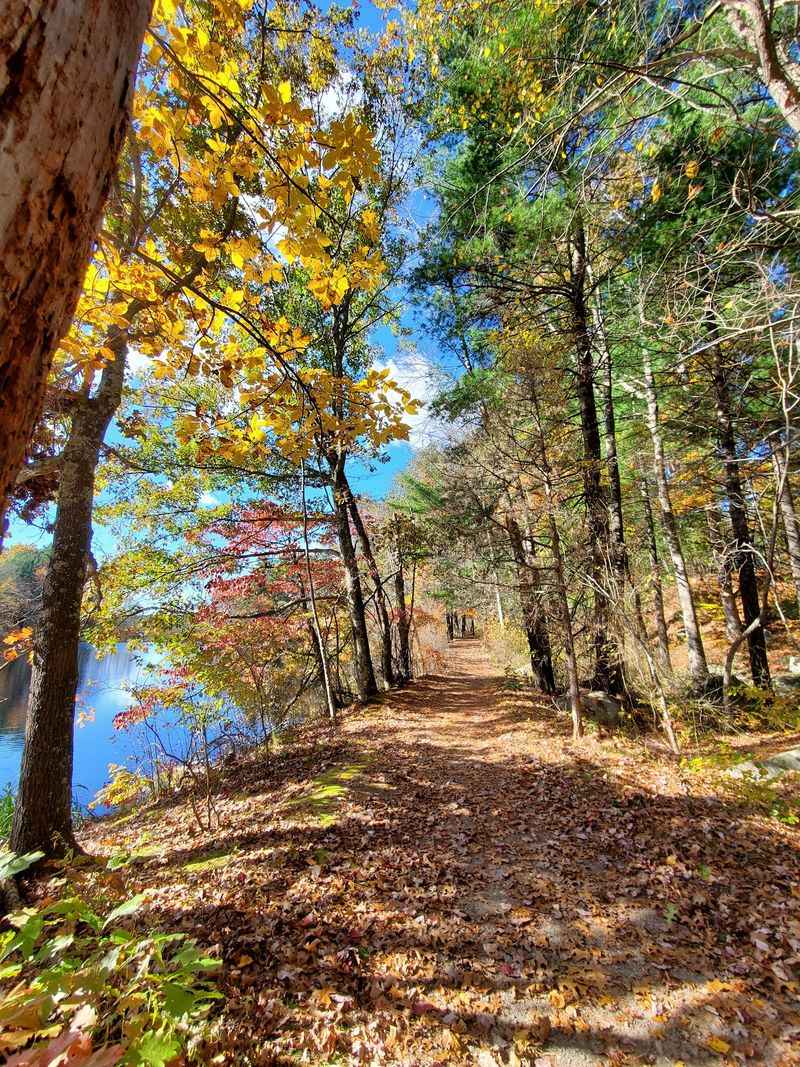
Nature sanctuaries excel at creating spaces where wildlife watching becomes the main attraction rather than an afterthought. Stony Brook spreads across diverse habitats with two miles of interconnected trails that wind through forests, cross bridges, traverse boardwalks, and skirt open meadows.
You’re not rushing anywhere here. The whole point is slowing down enough to notice the heron standing motionless at the water’s edge or the fox slipping between trees at dusk.
Different sections provide different experiences, from sun-drenched fields buzzing with insects to shaded woodland where chickadees call from overhead branches.
The sanctuary maintains its trails well, making navigation straightforward even for first-time visitors. Multiple access points to water make it easy to pause and scan for turtles or frogs.
Seasonal changes dramatically alter the landscape, so return visits reveal new details throughout the year. Families appreciate the manageable distances that don’t overwhelm young walkers.
Consider bringing a simple field guide to help identify the birds and plants you encounter along the way.
Turtle Pond Loop at Habitat Education Center – Belmont
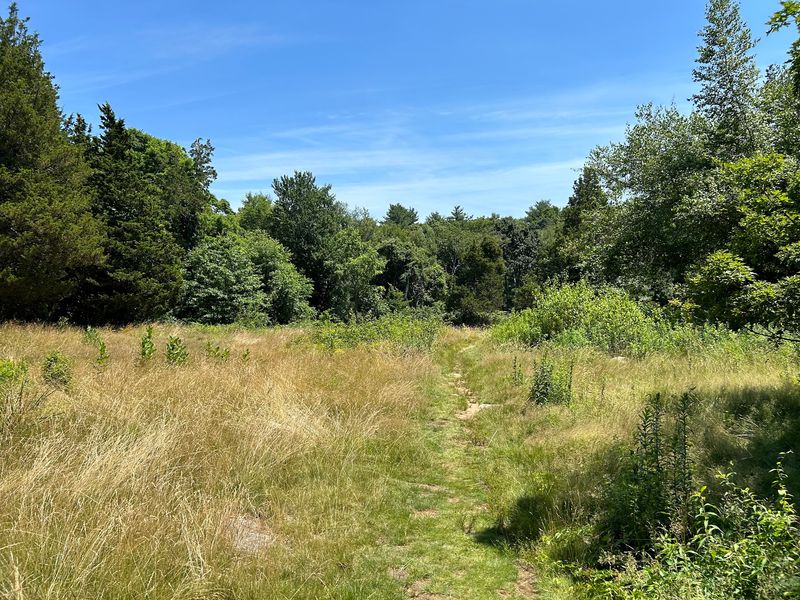
Finding truly accessible nature walks can be challenging, but Turtle Pond Loop removes all the usual obstacles. This half-mile All Persons Trail features a wide, packed surface that slopes gently enough for wheelchairs, walkers, and strollers to navigate without struggle.
The pond gives this trail its name and its main appeal. Turtles frequently bask on logs jutting from the water, creating excellent viewing opportunities for kids who love watching wildlife up close.
Waterfowl paddle across the surface while frogs croak from the reedy edges during warmer months.
Seasonal plant life changes the trail’s appearance throughout the year. Spring brings emerging flowers and fresh green leaves.
Summer offers full canopy shade. Fall transforms the surroundings into warm reds and yellows.
Even winter walks have their charm when ice patterns form at the pond’s edge.
The Habitat Education Center runs programs and events that teach visitors about local ecosystems. Check their schedule if you want guided experiences or educational activities.
The short distance makes this perfect for young children or anyone wanting a brief outdoor excursion without major time investment.
Boston Nature Center – Mattapan
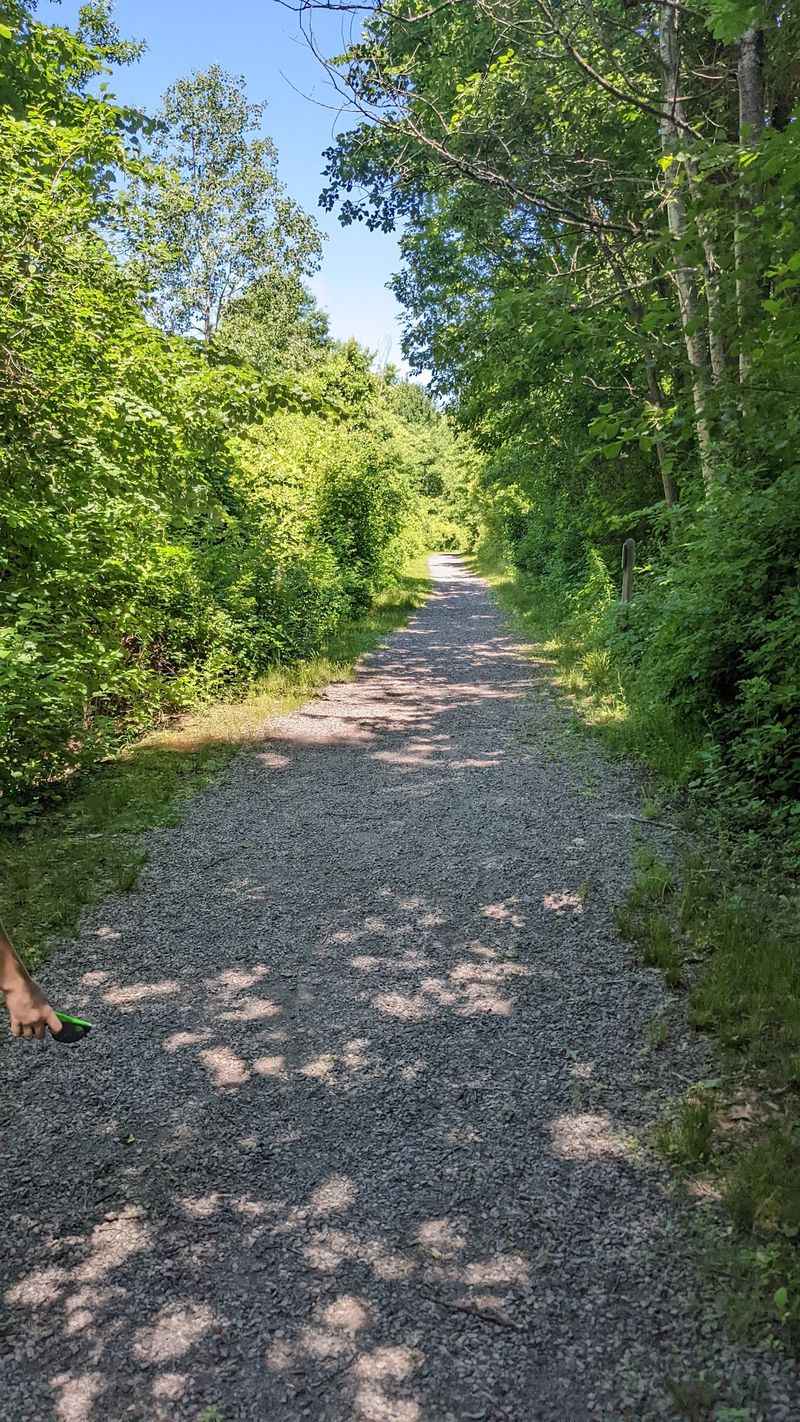
Urban nature centers prove you don’t need to travel far for quality outdoor experiences. Right in Greater Boston’s Mattapan neighborhood, this nature center offers two miles of trails and boardwalks that feel surprisingly remote despite the nearby city.
Meadows and wetlands dominate the landscape, creating habitat for dozens of bird species and countless butterflies. The one-mile universally accessible trail ensures everyone can experience these natural areas regardless of mobility challenges.
Boardwalk sections lift you above the wettest areas while providing excellent vantage points for observation.
Bird diversity here impresses even experienced watchers. Bring binoculars to spot species you wouldn’t expect so close to urban areas.
Butterflies become abundant in summer, especially near wildflower patches that provide nectar. The center staff often lead nature walks and educational programs worth checking out.
Free admission makes this accessible to everyone, removing financial barriers to outdoor recreation. Parking is available on site.
The trails stay open year-round, though hours vary seasonally. Consider visiting during weekday mornings for the quietest experience when wildlife activity peaks.
Broadmoor Wildlife Sanctuary – Natick
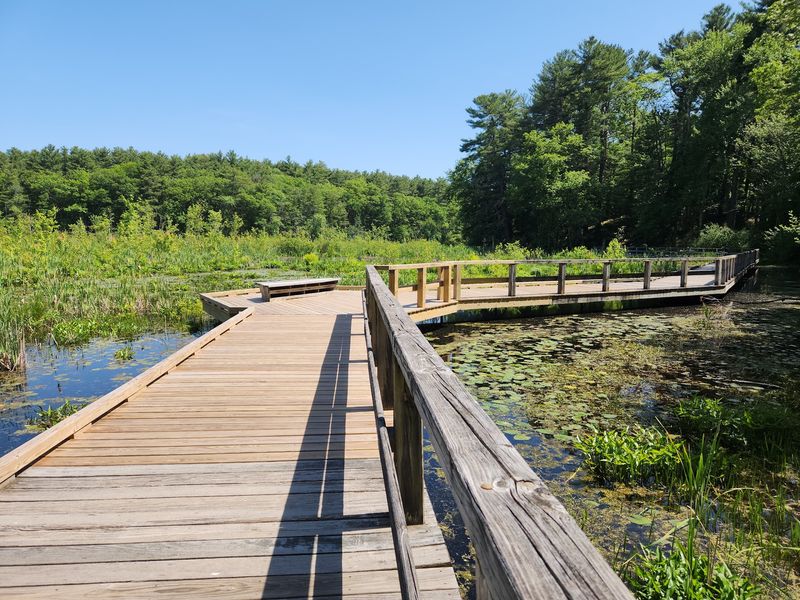
Mass Audubon sanctuaries understand how to create welcoming nature experiences, and Broadmoor demonstrates this expertise beautifully. The sanctuary spreads across wetlands, ponds, woodlands, and meadows without requiring visitors to climb mountains or tackle difficult terrain.
Trail flexibility stands out here. You can create a short 20-minute stroll or spend several hours exploring different paths depending on your schedule and energy level.
Well-marked trail maps posted at intersections help you plan your route. Wildlife viewing areas appear throughout, strategically placed near prime observation spots.
Walking programs run regularly if you want guided experiences with knowledgeable naturalists. These programs teach you what to look for and help identify the birds, plants, and animals you encounter.
Solo visitors appreciate the clear signage that makes independent exploration straightforward.
Seasonal changes bring different highlights. Spring migration draws impressive bird diversity.
Summer fills the meadows with wildflowers and butterflies. Fall foliage transforms the woodland sections.
Winter tracking reveals animal movements through fresh snow. Admission fees support sanctuary maintenance and conservation programs, money well spent for the experience you receive.
Borderland State Park Pond Walk – North Easton
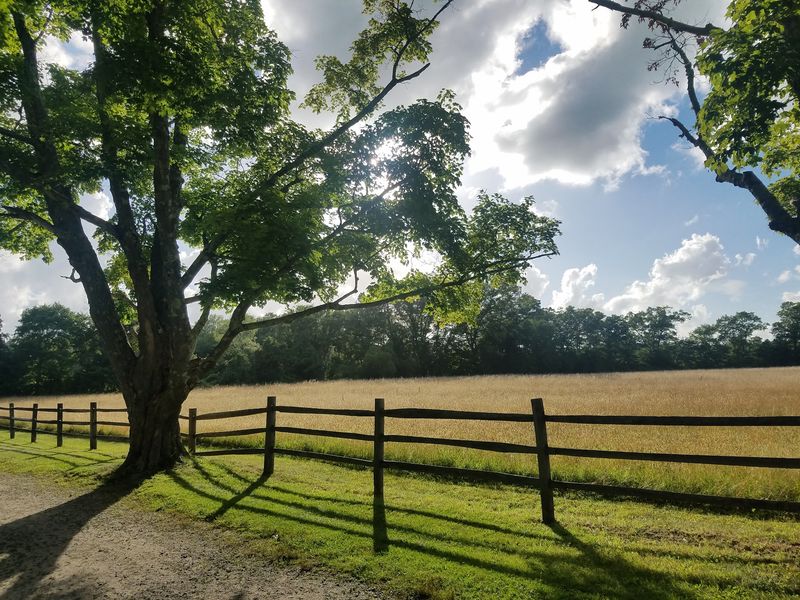
History and nature blend seamlessly at Borderland, where the Pond Walk circles peaceful water while passing through the wooded estate grounds. This 1.5-mile route maintains its easy rating throughout, making it suitable for families and anyone seeking a relaxed outdoor afternoon.
The historic Ames Estate adds architectural interest to your nature walk. You’ll catch glimpses of the mansion through trees and pass by historic structures that tell stories of the property’s past.
Interpretive signs explain the estate’s history without overwhelming the natural setting.
Water views provide the walk’s main appeal, changing with the seasons and weather conditions. Morning mist sometimes hangs over the surface, creating atmospheric scenes.
Afternoon light sparkles across the water. Wildlife visits the pond edges to drink or hunt, so keep your eyes open.
The maintained path rarely gets muddy except after heavy rain. Benches appear at intervals for resting or simply enjoying the scenery.
State park admission applies year-round. Parking areas accommodate weekend crowds, though early arrival ensures easier access.
The flat terrain and moderate distance suit most fitness levels comfortably.
Doane Trail – Cape Cod National Seashore

Pavement doesn’t diminish natural beauty, and Doane Trail proves this point perfectly. This 0.6-mile paved loop provides wheelchair accessibility while maintaining authentic natural surroundings through young pine and oak forest.
Cape Cod National Seashore protects incredible landscapes, and this trail offers an easy introduction to the area’s inland habitats. Unlike the dramatic beaches and dunes that draw most visitors, this woodland walk shows you the forest ecosystems that thrive just inland from the coast.
The smooth surface accommodates wheelchairs, walkers, strollers, and anyone who prefers sure footing.
The loop configuration means you end where you started, simplifying navigation completely. Young forest surrounds you with recovering pines and oaks that create dappled shade on sunny days.
Birds call from the canopy while smaller creatures rustle through underbrush.
Expect about 15 minutes to complete the loop at a comfortable pace, though you might linger longer if you enjoy peaceful forest settings. No steep grades or challenging sections interrupt the smooth path.
Parking is available at the trailhead. This works perfectly as a quick nature break during longer Cape Cod explorations.
Small’s Swamp Trail – Truro

Compact trails pack surprising appeal into small packages. Small’s Swamp demonstrates this with just 0.6 miles of easy walking through recovering pine and oak woodland.
The name might sound uninviting, but the actual trail delivers a pleasant woodland experience.
Forest recovery creates interesting landscapes where new growth fills in around older trees. You’ll notice this succession as you walk, seeing how nature reclaims and renews itself over time.
A short boardwalk section adds variety and keeps your feet dry through the dampest area.
Gentle slopes occasionally interrupt the mostly flat terrain, but nothing steep enough to cause difficulty. The trail’s brevity makes it perfect for visitors who want nature without long commitments.
Ten to fifteen minutes covers the distance comfortably, leaving time for other Cape Cod activities.
Birds enjoy the mixed woodland habitat, so listen for their songs overhead. Seasonal changes alter the forest appearance dramatically.
Spring brings fresh green growth. Summer provides full canopy shade.
Fall colors peak in October. The trail stays accessible year-round, though winter ice occasionally makes sections slippery.
Red Maple Swamp Trail – Eastham
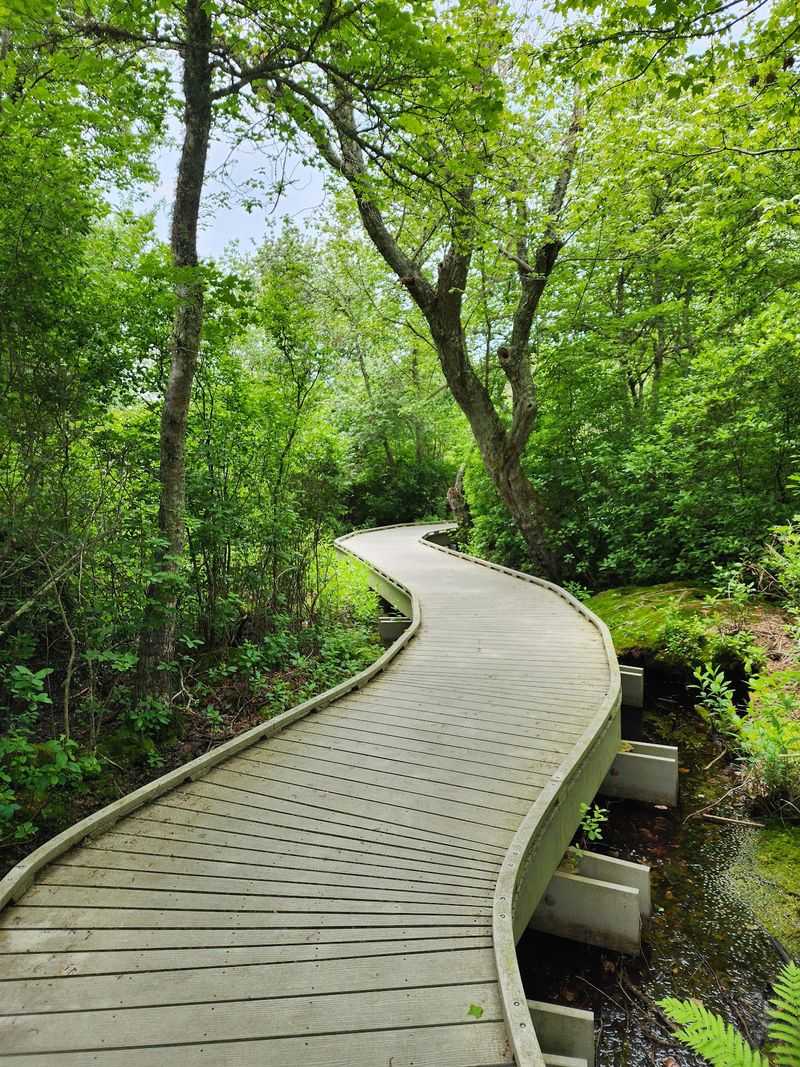
Wetland habitats create unique ecosystems completely different from typical forest or beach environments. Red Maple Swamp Trail takes you right into the heart of one, with 0.8 miles of easy walking that includes substantial boardwalk sections elevated above the soggy ground.
Red maple trees give the swamp its name and its character. These adaptable trees thrive in wet conditions where other species struggle.
Visit during fall and you’ll understand why people rave about New England foliage when these maples turn brilliant red and orange.
Boardwalk construction makes wetland exploration possible without getting soaked. The elevated path also provides excellent viewing angles for spotting frogs, turtles, and aquatic insects that inhabit swamp ecosystems.
Bird songs echo differently in these enclosed spaces, creating an almost musical quality.
This trail offers a completely different Cape Cod experience from the famous beaches and dunes. Shade keeps temperatures comfortable even on hot days.
The swamp environment stays cooler and damper than surrounding areas. Mosquitoes can be persistent during summer, so insect repellent becomes essential.
The relatively short distance makes this manageable for most visitors seeking wetland exploration.
Arcadia Wildlife Sanctuary – Easthampton & Northampton
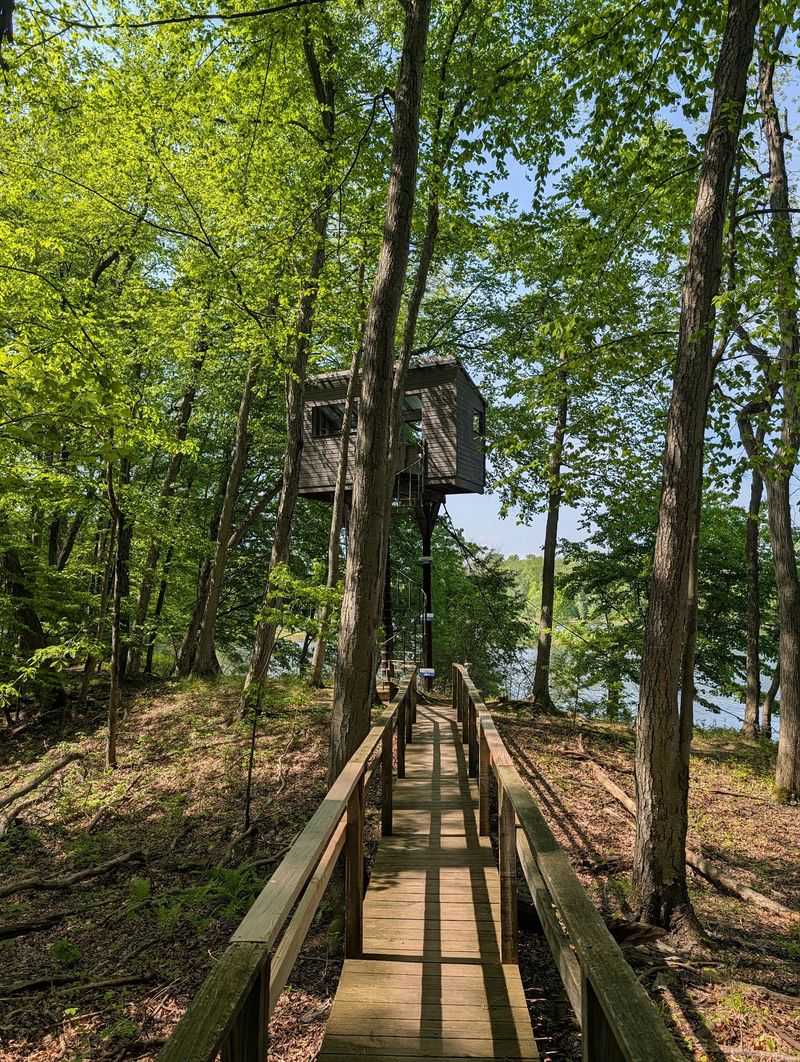
Connecticut River Valley landscapes possess a different character from coastal or mountain regions. Arcadia Wildlife Sanctuary protects prime river valley habitat where meadows meet wetlands and forests transition into wildlife-rich corridors.
Four miles of sanctuary trails might sound extensive, but you don’t need to walk them all. Choose shorter loops that match your time and energy.
The trail network’s flexibility lets you customize your visit, whether that means a quick 30-minute stroll or a longer afternoon exploration.
Meadow habitats here attract butterflies, grassland birds, and other species that need open areas. Wetland sections provide stopover spots for migrating waterfowl.
Forest edges create transition zones where different species overlap. This habitat diversity concentrates wildlife in relatively small areas.
The sanctuary’s location in the river valley means flatter terrain compared to nearby hill regions. Walking stays easy throughout most trails.
Mass Audubon staff maintain the property and offer regular programs for deeper learning. Admission fees apply.
Parking is available at the sanctuary entrance. The Connecticut River nearby influences weather patterns, sometimes creating cooler conditions near the water.
Canoe Meadows Wildlife Sanctuary – Pittsfield
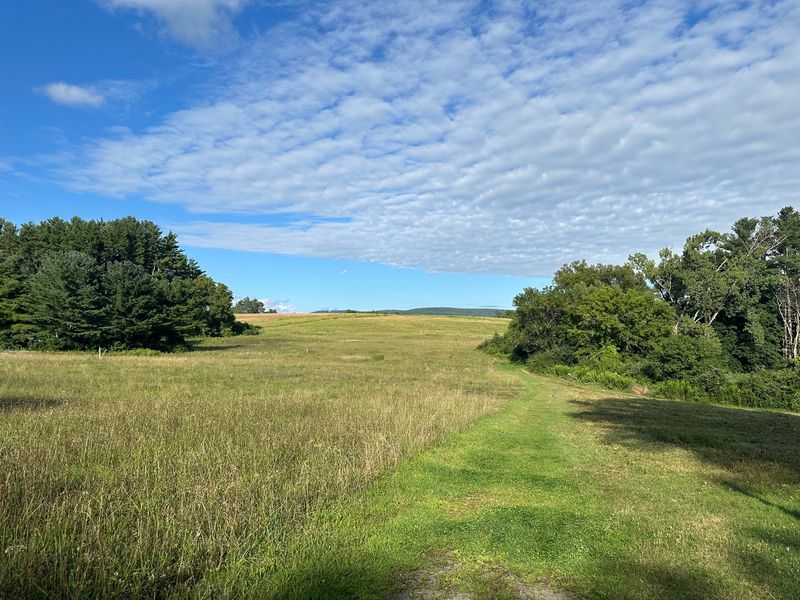
Western Massachusetts delivers stunning Berkshire scenery, and Canoe Meadows captures this regional beauty through its open fields and wetland habitats. The sanctuary feels more like a wildlife refuge than a typical hiking destination, which perfectly suits visitors seeking slower-paced nature observation.
Open habitat dominates here, creating long sight lines for spotting birds and other wildlife. Wetland areas attract waterfowl and wading birds.
Meadows support grassland species rarely seen in forested areas. The surrounding Berkshire landscape provides a dramatic backdrop, especially when mountain ridges emerge from morning fog.
Trail distances remain manageable throughout the sanctuary system. You choose your route based on what you want to see and how long you want to walk.
Flat terrain makes navigation easy without steep climbs typical of mountain trails.
Birdwatchers appreciate the diversity here, so binoculars enhance your visit significantly. The sanctuary’s western Massachusetts location means fewer crowds than eastern parks.
Seasonal changes bring different bird species through during migration. Mass Audubon manages this property with conservation as the priority.
Check their website for current conditions and any special events.
Allens Pond Wildlife Sanctuary – South Dartmouth
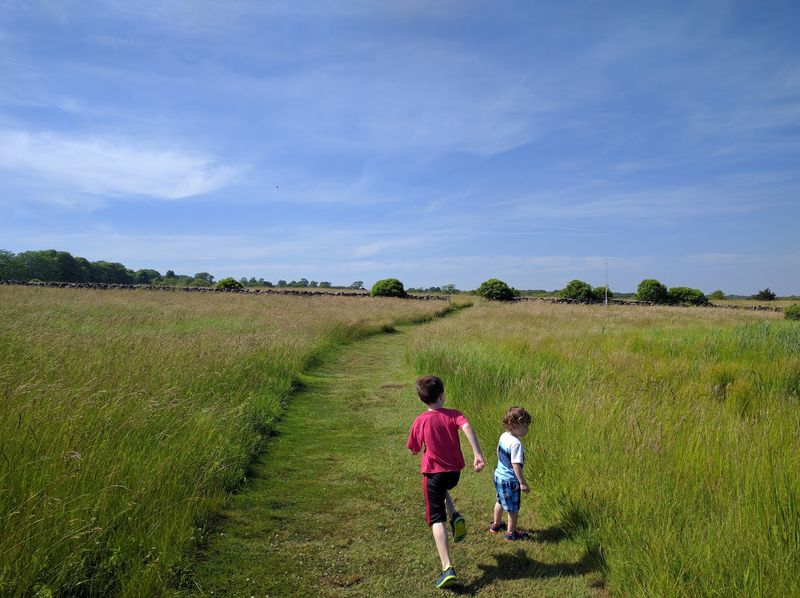
Coastal sanctuaries blend land and sea in ways that create exceptional wildlife habitat. Allens Pond combines fields, wetlands, woodland, and water views across a substantial trail network that provides peaceful alternatives to crowded beaches.
The sanctuary’s coastal location attracts both land birds and seabirds, creating unusual diversity. Shorebirds probe mudflats during low tide.
Raptors hunt over open fields. Songbirds inhabit woodland edges.
This variety keeps every walk interesting regardless of season.
Multiple habitats mean multiple trail options through different environments. You might walk through sunny meadows one moment and shaded woods the next.
Wetland boardwalks lift you above marsh areas where herons hunt. Water views appear throughout, reminding you of the nearby ocean.
Trail distances accommodate various fitness levels since you control your route. The sanctuary spreads across enough area that you rarely feel crowded even during busy seasons.
Wildlife observation opportunities justify frequent pauses, making the walk more about seeing nature than covering distance. Bring layers since coastal weather changes quickly.
The property provides quieter coastal access than popular beaches while delivering genuine natural experiences.
Atlantic White Cedar Swamp Trail – Wellfleet

Distinctive ecosystems deserve special appreciation, and Atlantic white cedar swamps rank among Cape Cod’s most unusual natural communities. This 1.2-mile loop takes you deep into one of these rare wetland habitats through a remarkable boardwalk that winds between towering cedars.
The trail journey builds anticipation as you walk through typical Cape woodland before reaching the swamp itself. Once you step onto the boardwalk, everything changes.
Tall cedars create cathedral-like spaces with filtered light and cool, moist air that feels refreshing on hot days.
The boardwalk construction makes this wetland accessible without damaging the fragile ecosystem. Elevated walkways let you observe swamp life up close while keeping your feet dry.
The winding path through cedar stands creates an almost otherworldly atmosphere, especially when morning mist hangs in the air.
This trail feels far removed from nearby Cape Cod beaches, offering a completely different natural experience. The shade and moisture keep temperatures comfortable even during summer heat.
The loop configuration means you end at your starting point. Plan about 30 to 45 minutes for the full walk at a relaxed pace with time for observation.