Step aboard and watch the rolling hills of Ohio’s Amish Country drift slowly past your window.
Horse-drawn buggies and neat farmsteads appear here and there along the quiet countryside.
A vintage steam locomotive pulls the train, its whistle echoing across open fields.
Passengers settle into comfortable cars built to evoke a much slower, simpler era of travel.
Volunteers who love railroad history keep the engines running and the stories flowing.
It’s a peaceful, nostalgic ride that families remember long after they step off the train.
A First Look That Feels Like Old Railroad Days
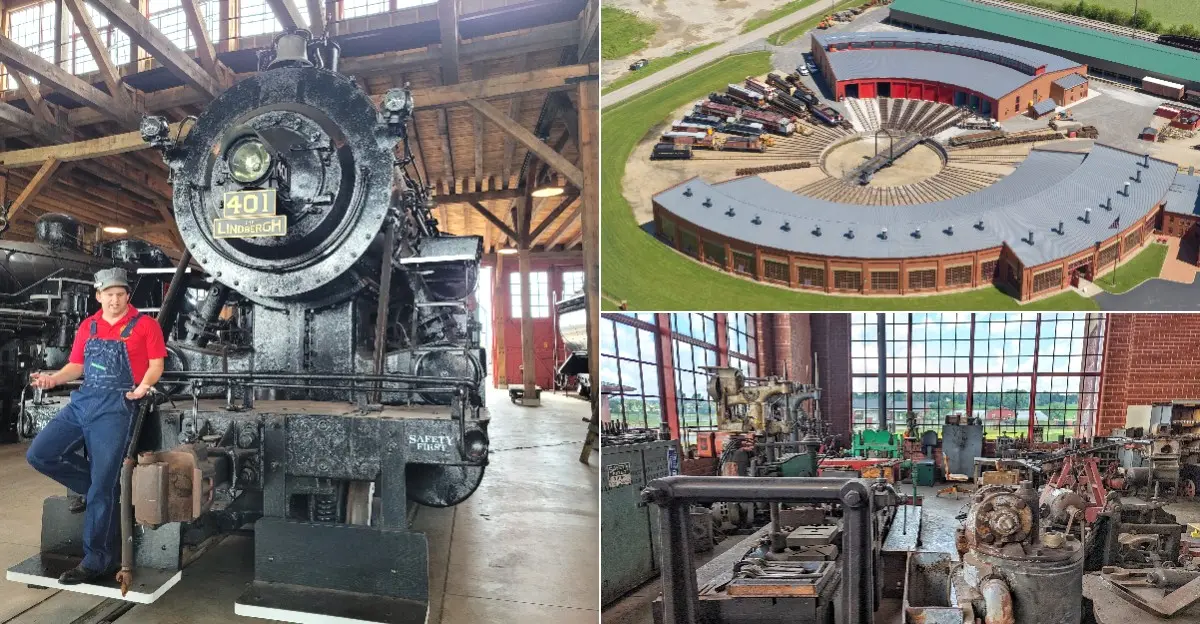
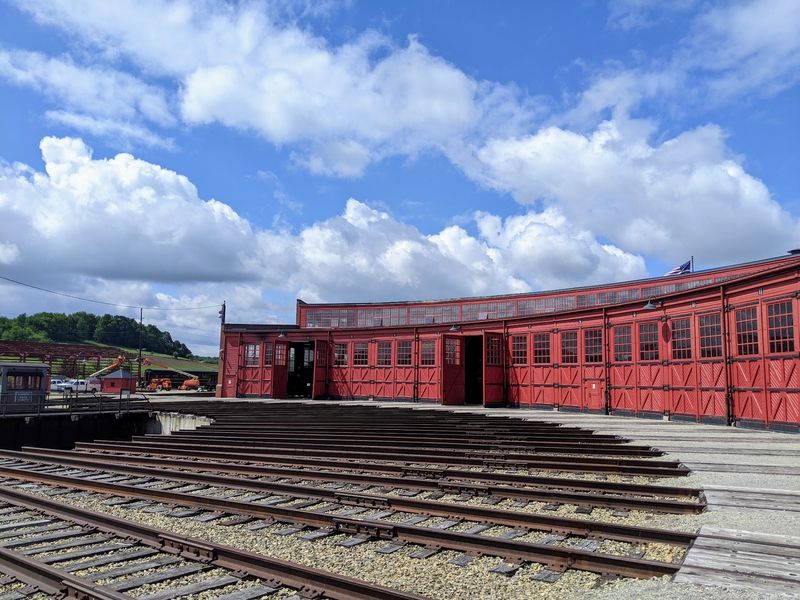
The first surprise is how peaceful the setting feels before the engines even appear. Quiet roads, open fields, and the slower pace of Amish Country help set the mood for a trip into rail history. Then the roundhouse comes into view, and the visit suddenly feels much bigger than expected.
Age of Steam Roundhouse is located at 213 Smokey Lane Rd SW, Sugarcreek, OH 44681, United States, and it fits the area beautifully. The building looks carefully planned, clean, and proud, like a working railroad site from another age. Visitors should know that tours are guided, so arriving on time matters.
Because public hours are limited, check the official website before driving out. The museum is usually open Thursday through Saturday from 9:30 am to 3:30 pm, while several other days are closed. Booking ahead is smart, especially during busy travel seasons or special events.
Bring comfortable shoes, a charged phone, and a little patience for the slower tour pace. Even before you step inside, the countryside, tracks, and roundhouse shape a strong sense of place.
Steam Engines That Tower Over Visitors
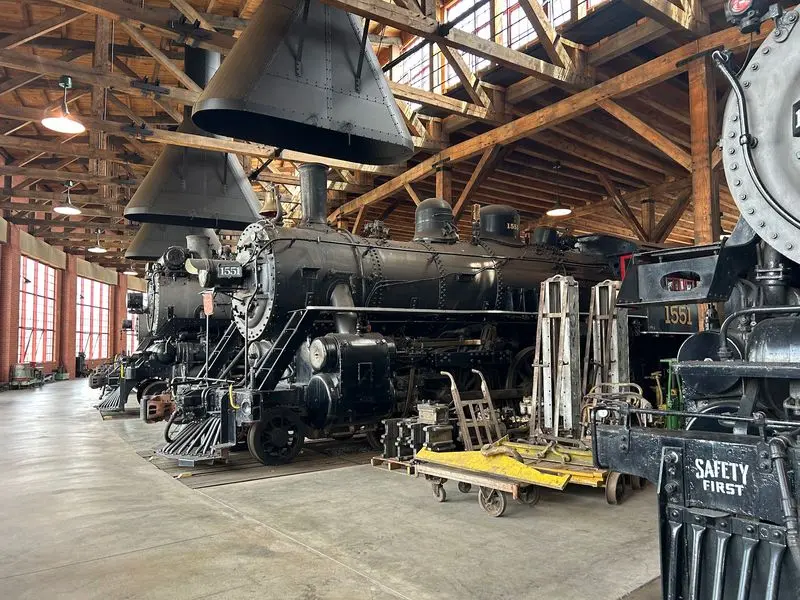
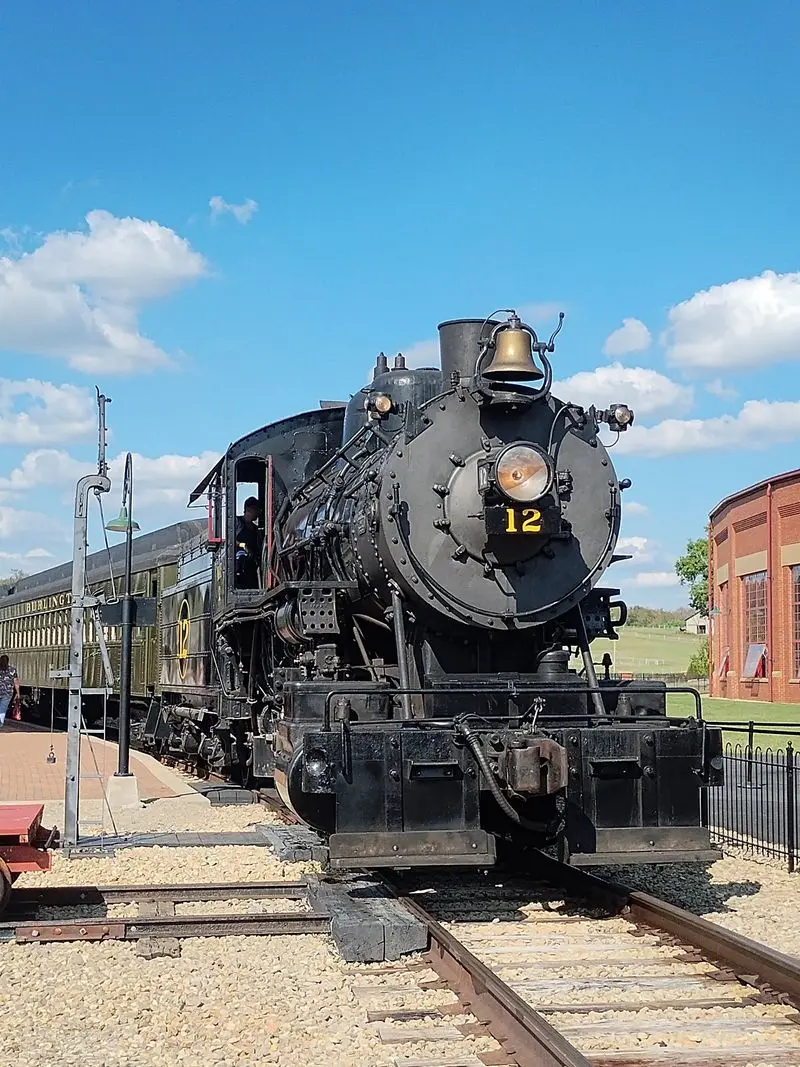
Standing beside a giant steam locomotive can make anyone feel small in the best way. The wheels, boilers, pipes, and metal parts show how bold railroad engineering once was. Photos do not fully prepare visitors for the size of these machines.
The collection is known for steam engines, and many guests say the display is one of the best parts of the tour. Some locomotives date from the early 1900s, when railroads moved people, mail, farm goods, and heavy freight across the country. Seeing them up close helps history feel solid instead of distant.
Guides often explain where different engines came from and how they were saved. Those stories add heart to the metal, because each locomotive had a working life before becoming part of the museum. Kids may enjoy spotting the biggest wheels or asking how steam made the train move.
For adults, the careful restoration is just as impressive. Look for small details, like numbers, lamps, handrails, and worn surfaces. They remind visitors that these engines were not toys, but powerful tools that helped build communities and connect faraway places.
Guided Tours With Stories Behind The Steel
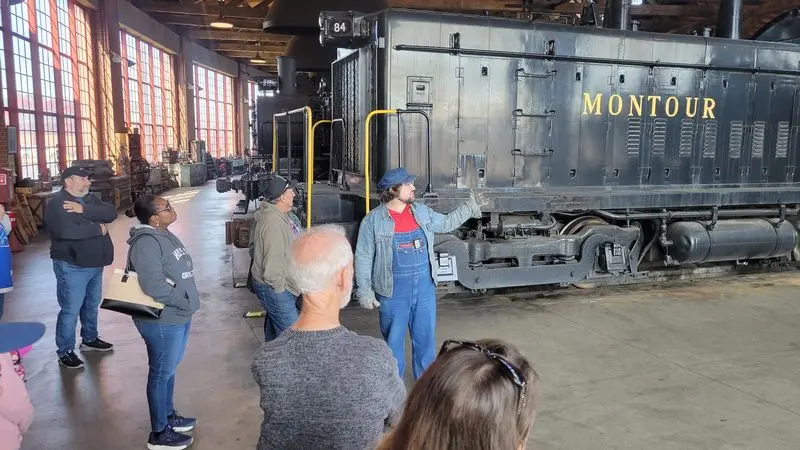
A good guide can turn old machinery into a story that moves. That is a big reason many visitors praise the tour experience here. Instead of wandering alone, guests follow staff who explain what they are seeing and why it matters.
The standard tour is often described as informative and around 90 minutes long. Some special tours may last longer, so read the details before choosing a ticket. If someone in your group likes trains only a little, knowing the tour length helps set fair expectations.
Guides may talk about railroad jobs, restoration work, famous engine builders, and the founder’s passion for saving locomotives. Many reviews mention knowledgeable staff, which matters because the collection includes many pieces that need clear explanation. Ask questions when allowed, but remember that tours may follow a planned route.
Since this is a guided visit, it is less hands-on than some family attractions. That does not make it dull, but it does mean younger children may need help staying focused. Bring curiosity, listen closely, and you may leave understanding steam power better than you expected.
The Roundhouse Building Is Part Of The Magic
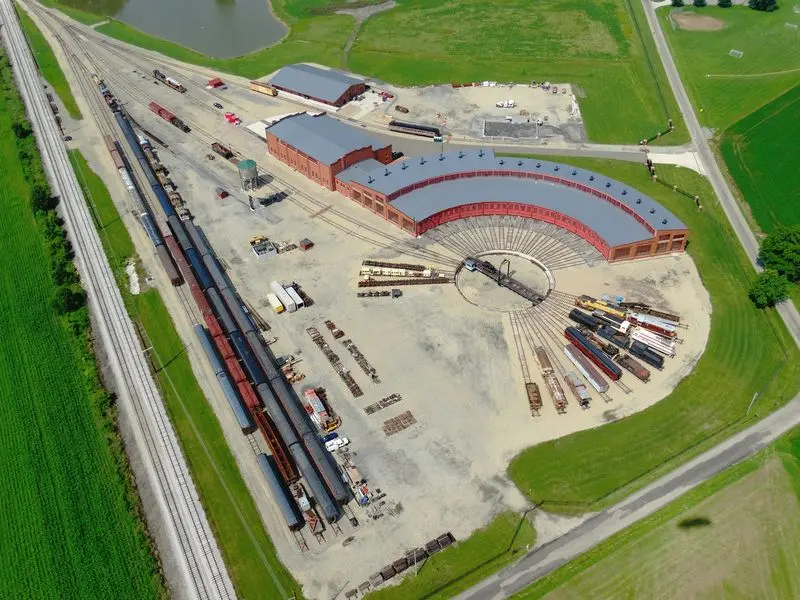
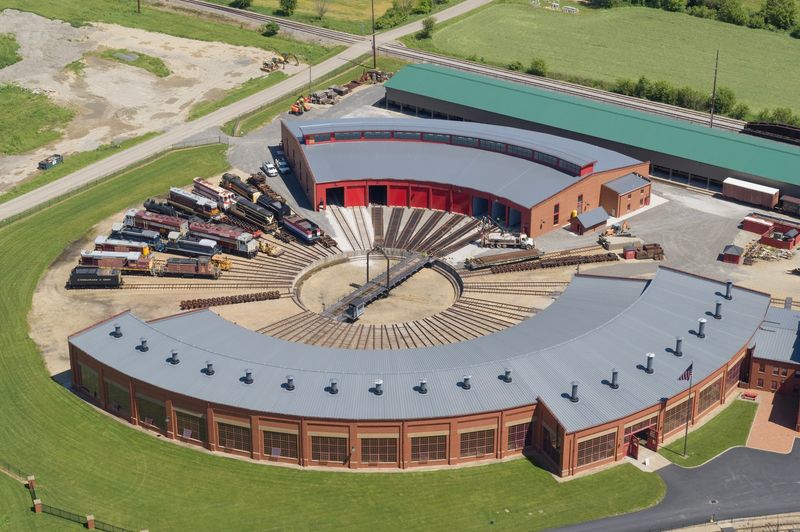
The building itself can steal attention before visitors study a single engine. A roundhouse is not shaped that way by accident. It was designed so locomotives could be moved, stored, repaired, and turned with help from a central turntable.
That shape gives the museum a special rhythm. Engines sit in bays like proud performers waiting for their cue. The curved layout also helps guests understand how rail yards once solved practical problems with smart design.
Architecture fans often enjoy the clean lines, open space, and careful lighting. Families may simply notice that the room feels huge, bright, and different from a normal museum gallery. Either way, the space helps make the collection feel organized instead of crowded.
During the tour, pay attention to how tracks lead into the stalls. Imagine workers guiding hot, heavy engines into place after long runs across Ohio and beyond. That simple picture can make the roundhouse feel alive.
Because access is controlled, stay with your group and follow posted rules. The building is beautiful, but it also reflects railroad work, where safety and order were always serious matters.
A Family Stop That Rewards Curious Kids
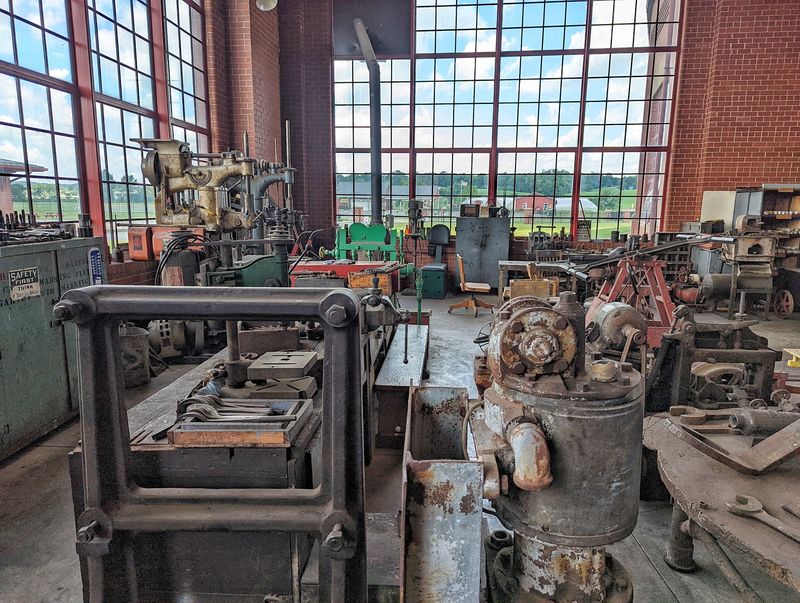
Kids who love trains may remember this stop for years. Huge wheels, shiny bells, tall smokestacks, and old passenger cars give them plenty to notice. Even children who are not train experts can be amazed by the scale.
Parents should plan the visit with the tour style in mind. The experience is guided, and guests often stand or walk slowly for much of the time. Benches may be available in places, but comfortable shoes are still a good idea.
Before going, explain that the museum is more about looking, listening, and learning than climbing aboard everything. That small talk can prevent disappointment for children expecting a playground-style train stop. For younger visitors, try giving them a simple mission, such as counting wheels or spotting engine numbers.
Some reviews mention youth tours or special programs, so families should check the schedule for kid-focused options. A guided visit can work well when children are ready for stories and rules. Afterward, the gift shop can be a fun reward, especially for train books, small souvenirs, or birthday trip memories.
A Collection Built From One Person’s Passion
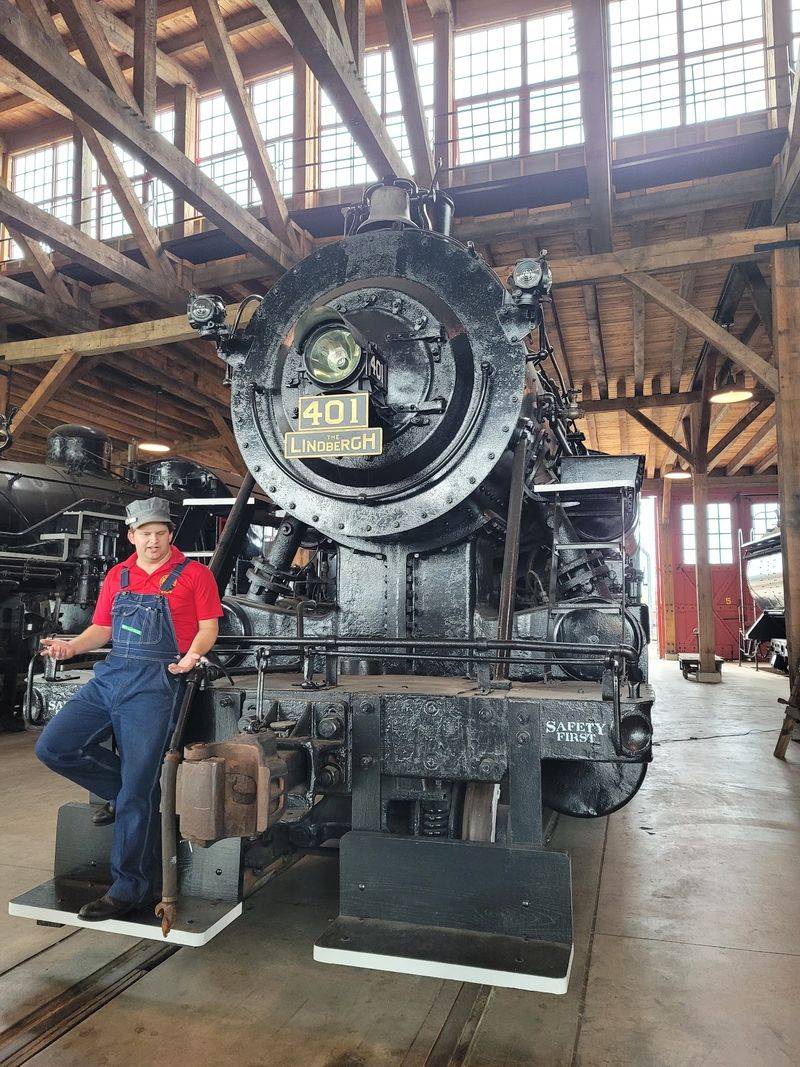
Every great collection starts with someone caring enough to save things others might forget. Here, that feeling comes through strongly. Visitors often hear how one man’s love for railroading helped create a place filled with rare engines and railroad history.
The collection includes steam locomotives, train cars, and other railroad equipment gathered and restored over time. Many guests are impressed by how well kept the engines look. The museum does not feel dusty or forgotten, because the displays are clean, bright, and carefully presented.
That care gives the tour a deeper meaning. Steam engines are expensive, heavy, and difficult to preserve, so keeping them safe takes planning and money. When a guide explains where an engine came from, it becomes easier to understand why preservation matters.
Travelers who enjoy local history will find more than train facts here. The museum shows how private passion can protect public memory. Without collectors, skilled workers, and supporters, many of these machines might have been scrapped long ago.
Look at each locomotive as both an artifact and a rescue story. That mindset makes the visit feel richer.
Planning Tips For A Smooth Visit
A little planning can make the day much easier. Because the museum has limited public hours, do not assume it is open whenever you are nearby. Check the official schedule, tour times, ticket rules, and special event dates before leaving home.
The phone number listed for visitor information is helpful if you have questions about accessibility, group visits, or current tour options. Calling ahead is especially wise for larger families, scout groups, school groups, or travelers making a long drive. Tours may fill, and policies can change for events.
Dress for slow walking and standing. Closed-toe shoes are a smart choice in any railroad setting, even inside a clean museum. If someone in your party gets tired easily, ask about seating, tour length, and available accommodations before booking.
Photography rules, restricted areas, and safety directions should be followed closely. Some visitors wish more areas were open, but the site protects historic equipment and operates with safety in mind. Staying with the guide helps keep the tour organized.
Also leave time for the gift shop. Many guests find the prices reasonable and the train-themed items fun.
Why It Belongs On An Amish Country Itinerary
Not every Amish Country stop has to be a bakery, cheese shop, or covered bridge. A railroad museum adds a different kind of old-fashioned wonder to the trip. It pairs well with the area’s quiet roads and slower pace.
Visitors can spend part of the day enjoying countryside views, then step indoors to see machines that once changed travel and trade. That mix makes the outing feel balanced. It is educational without feeling like a school lesson, especially when guides share clear stories.
The museum’s strong rating and many positive reviews suggest that train fans are not the only people who enjoy it. Several guests say they would recommend the tour even to people who are not deeply into trains. The size of the engines and the beauty of the roundhouse help make the experience interesting for a wide range of travelers.
For the best day, pair the tour with a meal or small-town stop nearby. Keep the schedule relaxed, since rushing through Amish Country misses half the charm. By the time you leave, the past may feel a little closer, louder, and more real.