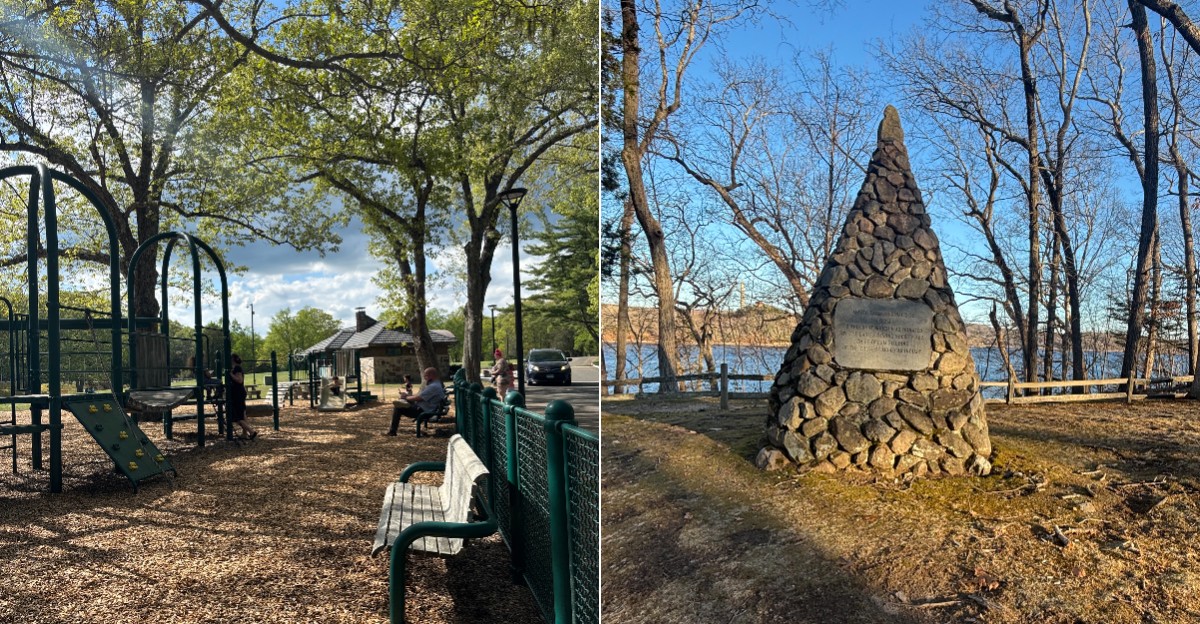
A quiet trail can lead to a place where the landscape itself becomes part of the story. In Uncasville, Connecticut, the Fort Shantok Archeological District preserves a significant landscape connected to Mohegan history, with wooded paths, river views, and archaeological remains that offer glimpses into generations of life along the Thames River.
Located at 75 Gallivan Ln., the district encompasses a landscape shaped by the Mohegan people and their long connection to this area. Rather than rows of museum displays, visitors encounter history among trees, open ground, and remnants of earlier settlements.
The setting invites a slower pace, allowing the surrounding landscape to provide context for the people and events connected to it.
Walking here can feel peaceful, but the history gives that quiet setting greater meaning. From archaeological traces to the river and surrounding woods, there are many details waiting to be noticed and understood as you explore this remarkable Connecticut landscape.
Where the Woods Still Hold Mohegan Beginnings
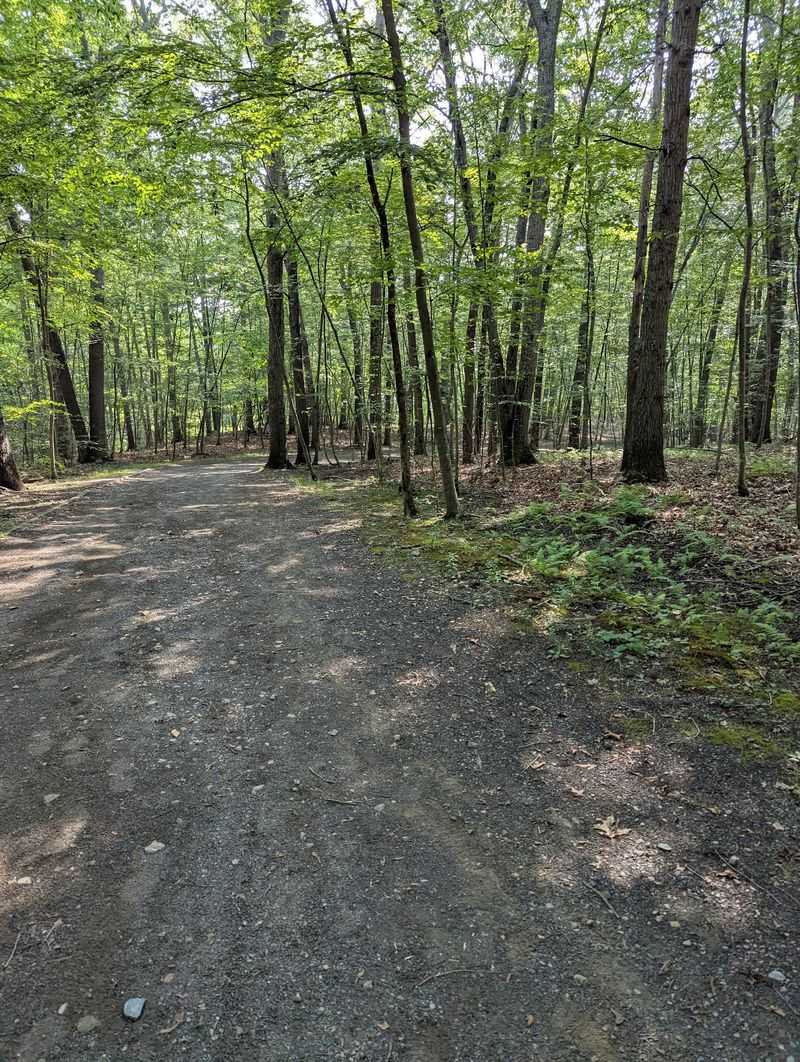
The first feeling here is quiet, almost like the forest is asking you to slow down before you step farther in. Leaves shift above the paths, and the land seems simple at first, but Fort Shantok Archeological District at 75 Gallivan Ln in Uncasville carries the early story of the Mohegan people.
This was the principal settlement connected with Sachem Uncas, who helped shape Mohegan identity in the 1600s. Long before picnic tables and walking paths, this ground was a center of daily life, leadership, family, and survival beside the Thames River.
Walk with care and give yourself time to notice the setting. The woods, open lawns, and high ground help explain why people lived here and protected this place.
A visit matters because it turns history from a page in a book into earth under your shoes, wind in the trees, and a quiet reminder that Connecticut has ancient stories still present today.
A Hallowed Ground Hidden Among the Trees
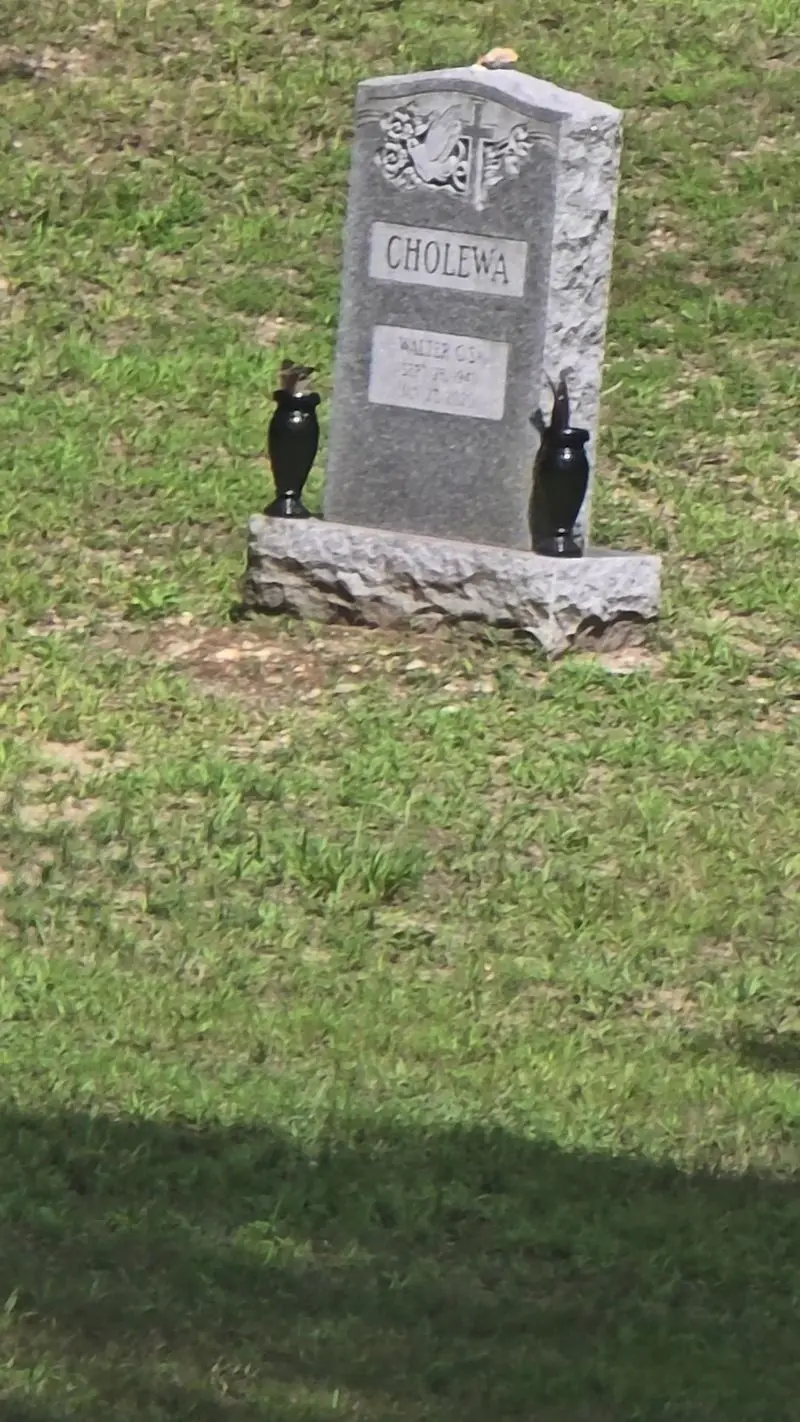
A hush settles differently in certain places, and here it feels natural to lower your voice. Among the trees at Fort Shantok Archeological District is a sacred ancestral burial ground, a place tied to generations of Mohegan families and memory.
Many graves are marked by plain fieldstones, some simple enough that a casual visitor might not understand their meaning. That is why respect matters so much here.
Stay on marked paths, avoid touching stones, and remember that this is not just a historic stop, but hallowed ground.
The Mohegan Tribe chose preservation over heavy development, which gives the area its deep calm. Gladys Tantaquidgeon, the respected Mohegan Medicine Woman and cultural keeper, is also connected with these grounds.
Visiting can be moving, especially if you come without rushing. Bring curiosity, but also humility.
The strongest reason to visit is not to see something flashy, but to feel how care and memory can protect a place for centuries.
The Bluff That Once Watched the Thames
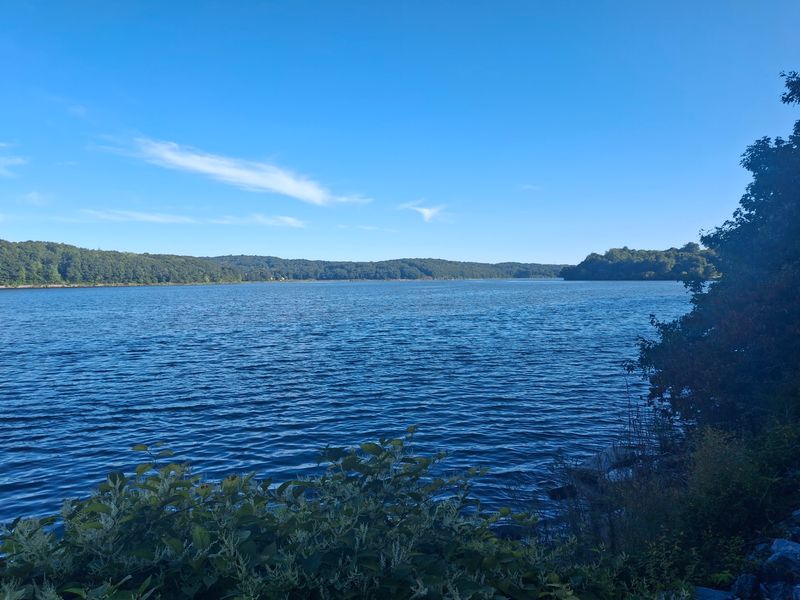
Stand near the high ground and the landscape suddenly makes sense. The bluff above the Thames River gave the Mohegan people a wide view, a stronger position, and a place that could be defended when danger came close.
In 1645, Fort Shantok became part of a dramatic siege involving the Narragansett and the Mohegan under Uncas. The fortified village was not a stone castle like in Europe, but a protected Native stronghold shaped by the land, wood, stone, and strategy.
From this height, people could watch movement along the river and surrounding area.
Today, the scene is peaceful, with trees, trails, and glimpses toward the water. Still, knowing what happened here changes the walk.
You may come for a quiet afternoon, but the bluff adds weight to the visit. It reminds travelers that beautiful views can also be tied to courage, fear, alliance, and survival in early Connecticut history.
The Wigwam-Shaped Marker With a Battle Story
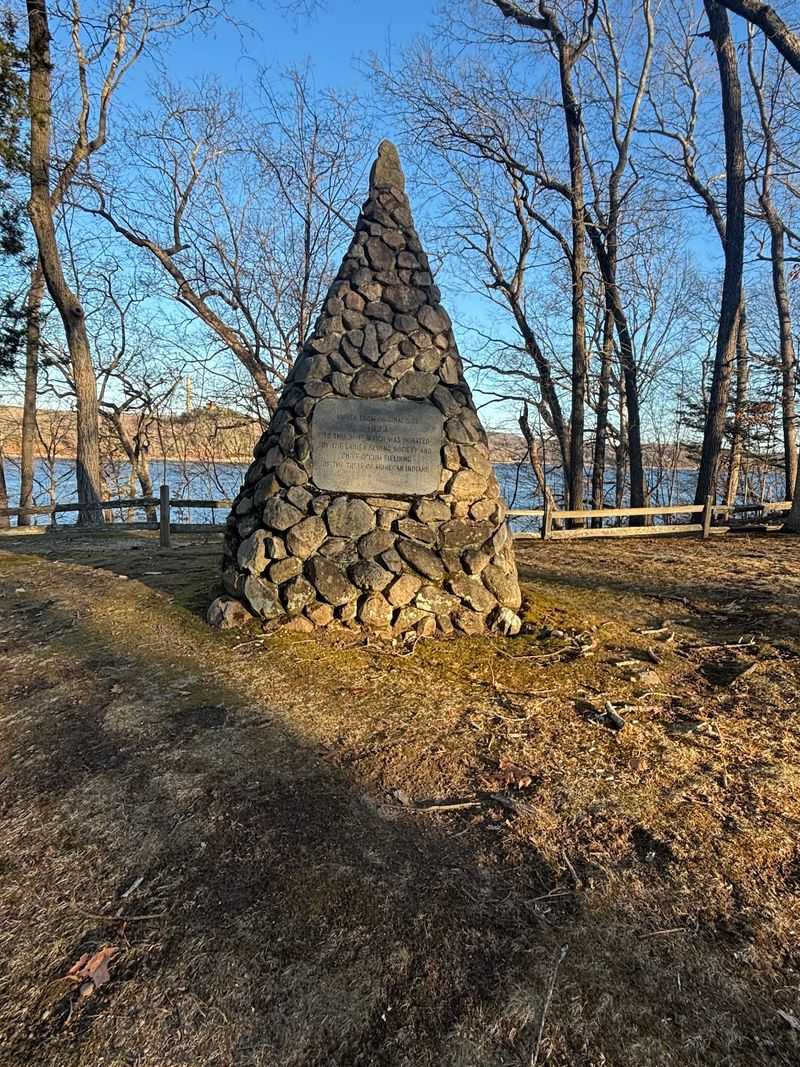
One unusual monument can stop you in your tracks, especially when it looks nothing like a standard roadside marker. At Fort Shantok Archeological District, the wigwam-shaped Leffingwell Memorial points visitors toward a tense chapter from 1645.
The marker honors Lieutenant Thomas Leffingwell, who brought supplies that helped Uncas and the Mohegan withstand the Narragansett siege. Its inscription tells of the fort of Uncas, the Mohegan sachem, and the relief that came during a dangerous moment.
The shape itself makes the memorial easy to remember, even for younger visitors.
Pause here before moving on to the trails or picnic areas. The memorial gives the open space a clear story, making the past easier to picture.
It also shows how Native and English histories became connected in complicated ways. For travelers who enjoy places with one strong visual landmark, this marker offers a simple, memorable place to reflect and take a respectful photo.
River Views That Explain Everything
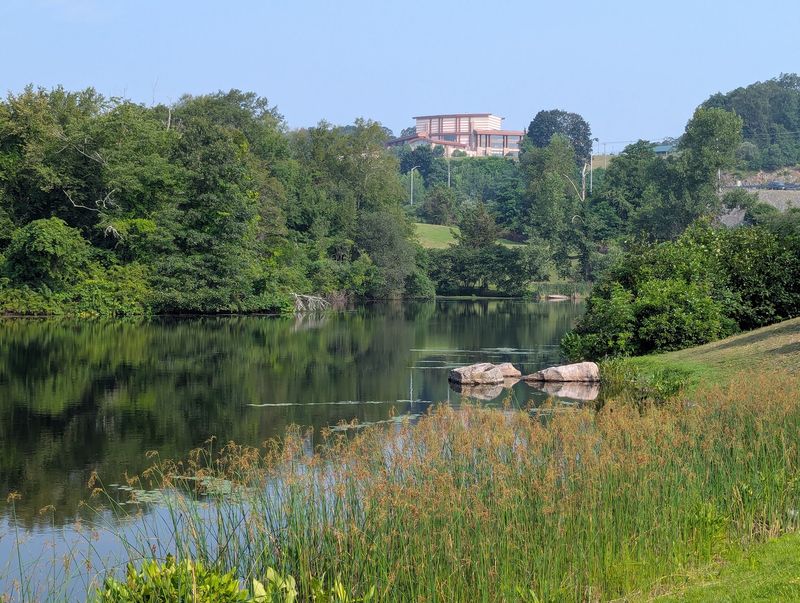
A river can be a road, a pantry, a boundary, and a prayer all at once. From Fort Shantok Archeological District, the Thames River is not just scenery, but one of the main reasons this land mattered so deeply.
The Mohegan people used the river and nearby land for fishing, hunting, farming, and travel. Standing near the overlook, it is easy to picture canoes on the water and village life connected to the rhythm of the seasons.
Modern views may include bridges and traffic in the distance, but the river still holds its old importance.
Bring a camera, but also take a few minutes without one. Watch the light move across the water, listen for birds, and notice how the high land meets the river below.
The view gives visitors a calm reward after learning the site history. It is one of those Connecticut scenes where beauty and meaning sit side by side.
A Pond Loop Made for Slow Strolling
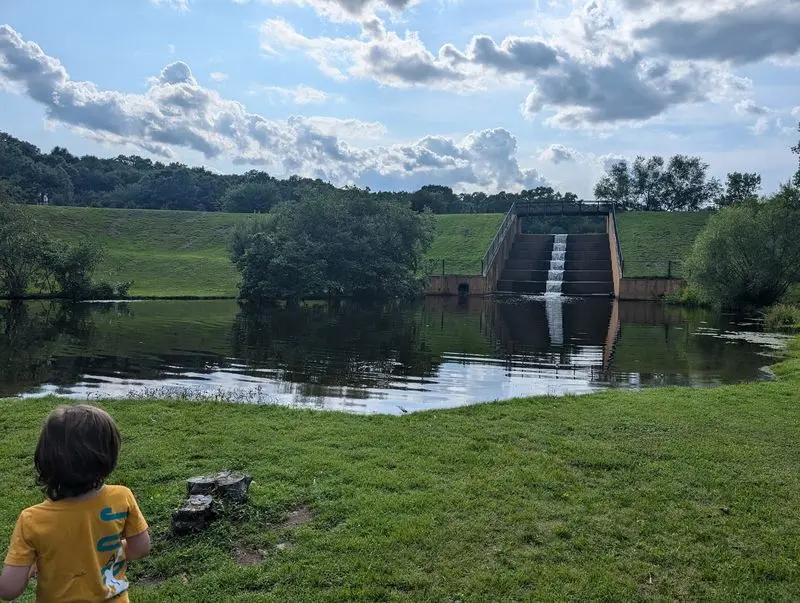
Some trails seem made for clearing your head rather than testing your legs. The pond loop at Fort Shantok Archeological District is short, pleasant, and often praised by visitors who want a quiet walk in a clean, well-kept park.
The loop is about 0.7 miles, with a mix of level ground and mild hills. Parts of the path are gravel or dirt, and a wooden bridge adds a sweet little moment along the water.
In warmer months, you may spot turtles, mallard ducks, dragonflies, frogs, or fish near the pond.
Wear shoes that can handle mud after rain, and remember that dogs are not allowed. Families often enjoy the easy pace, while solo visitors come to reset after a busy day.
The trail is not long, but that is part of its charm. It gives you enough woods, water, and fresh air to feel restored without needing a full hiking plan.
When the Quiet Park Becomes a Living Gathering Place

On an ordinary day, the park may feel calm enough for whispers. During Mohegan gatherings, the same grounds can fill with color, movement, food aromas, drumbeats, and the sound of people greeting one another like family.
Fort Shantok has hosted important tribal events such as Homecoming, Cultural Week, and the Wigwam Festival. These gatherings help keep traditions visible and strong, with dance, music, storytelling, crafts, and community connection.
For visitors, they offer a chance to learn from living culture rather than only reading signs about the past.
If you attend a public event, come as a respectful guest. Follow posted rules, ask before photographing people, and support vendors when available.
A snack from a food stand or a handmade item can become part of the memory. The reason to visit during a gathering is simple: the land feels alive.
History, family pride, and cultural joy all meet in the same woods.
Small Surprises Beyond the Ancient Stones

The best hidden places often reward people who wander a little longer. After learning about ancient settlement, sacred ground, and the Thames River, Fort Shantok still has everyday details that make the visit easy to enjoy.
Families will find picnic areas, open lawns, a playground, and public restrooms. Reviews often mention the clean grounds, peaceful atmosphere, and uncrowded feel.
Some visitors also enjoy fishing with children at the pond, where small bass and sunfish have been reported. Depending on the season and event schedule, food options may appear during gatherings or limited park activities.
Plan a simple outing rather than a rushed stop. Pack lunch, bring water, check rules before you go, and leave pets at home because dogs are not permitted.
The magic here comes from the mix: deep Mohegan history, shaded walking paths, river air, and small family comforts. It is a quiet Connecticut destination that can teach, calm, and surprise you in one afternoon.