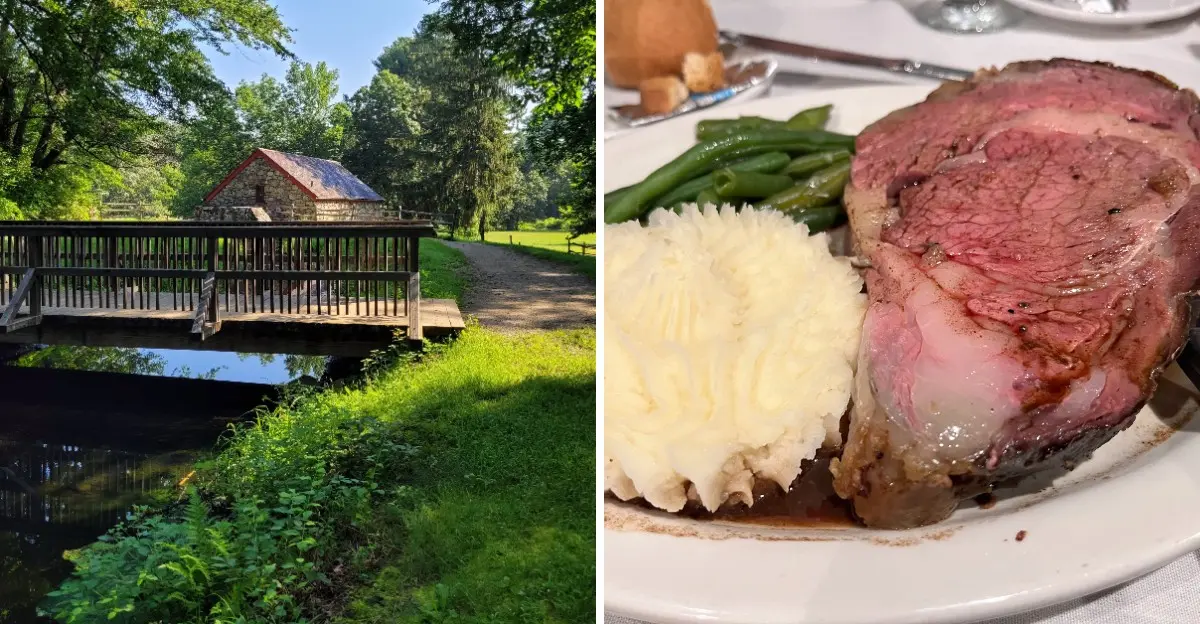
Dinner in Massachusetts can feel like a trip through time.
At the historic Wayside Inn in Sudbury, old-world charm meets hearty New England dining, with centuries of stories woven into the property’s colonial buildings, gardens, and wooded grounds.
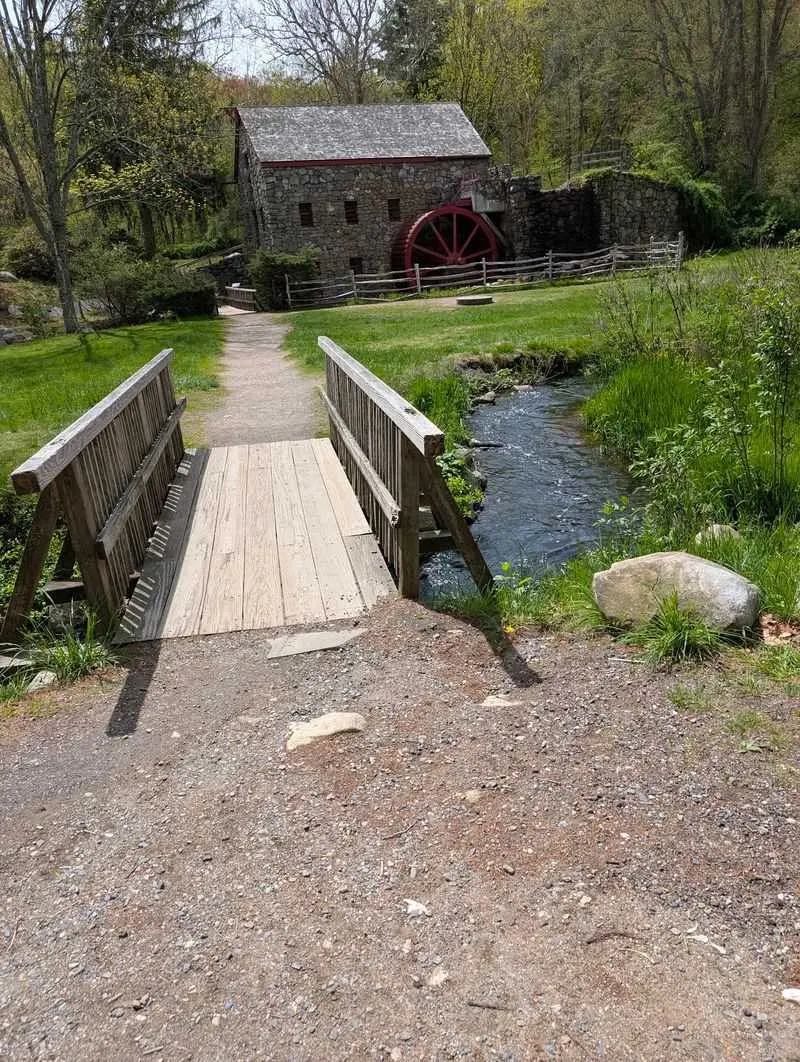
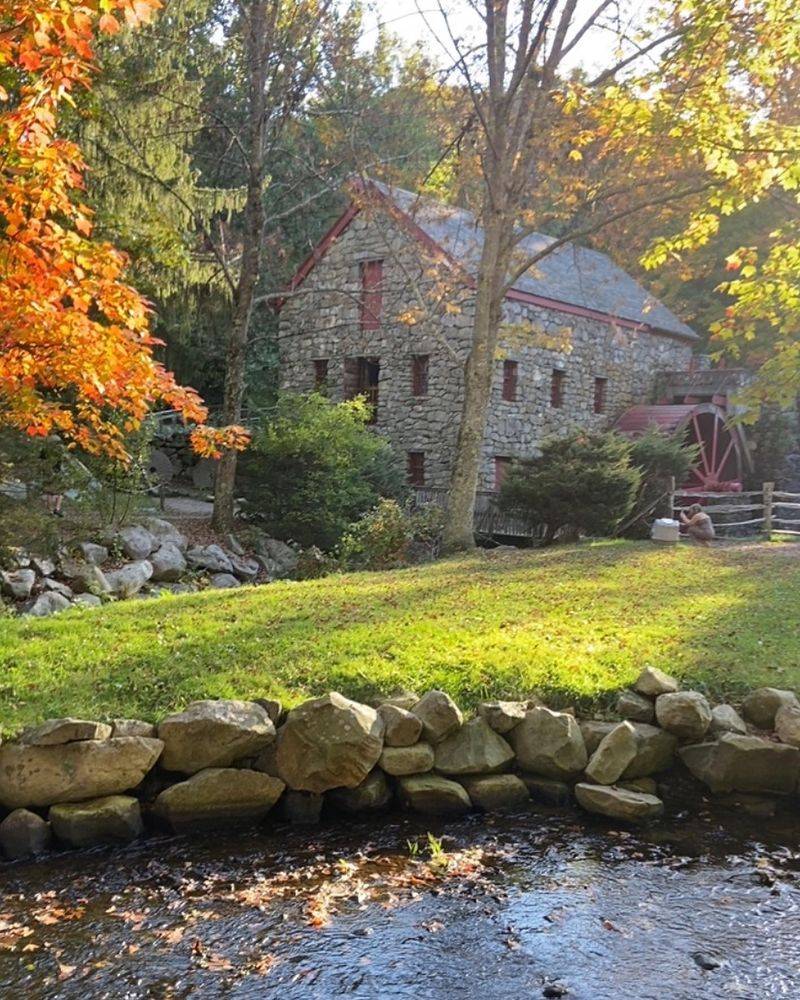
The famous Grist Mill adds another layer of character, standing beside Hop Brook with its stone walls, rushing water, and working mill machinery.
While the present mill dates to 1929, it was built on the site of an earlier mill, making the setting part of a much older local story.
Come hungry, because the Inn serves classic dishes that fit the setting beautifully.
Then wander the grounds, explore the historic buildings, and soak up the atmosphere.
It’s the kind of place where dinner feels less like an ordinary night out and more like stepping into another era.
The Grist Mill Has Deep Roots, But the Current Building Dates to 1929
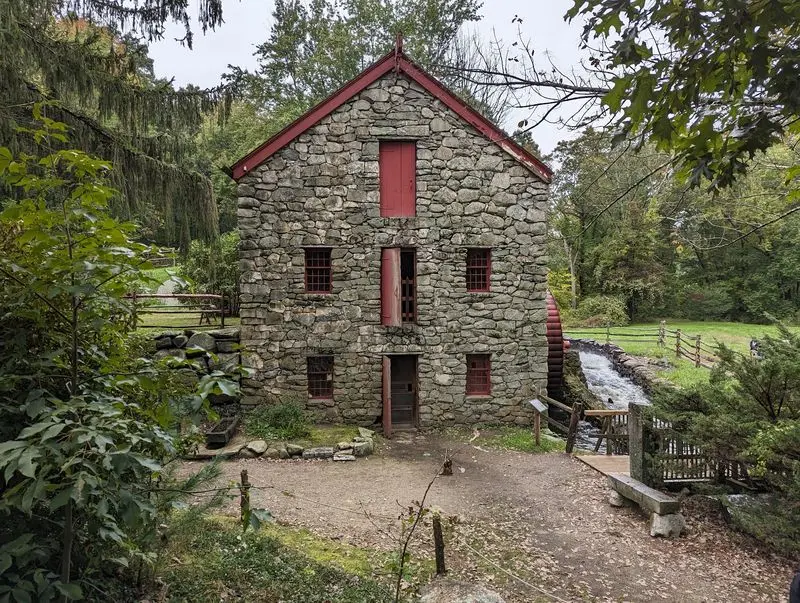
Walk past the picturesque stone mill beside Hop Brook and you might assume it dates back hundreds of years. Actually, Henry Ford built this particular structure in 1929 as part of his historic preservation project.
The building was carefully constructed on the site where an earlier Howe family mill once operated, linking the newer structure to Sudbury’s genuine milling heritage.
Ford’s attention to detail created a mill that looks authentically colonial despite its 20th-century construction. The stone exterior, waterfall, and traditional mill design blend seamlessly with the property’s older buildings.
Visitors often can’t tell the difference between the 1929 mill and structures that truly date to the 1700s.
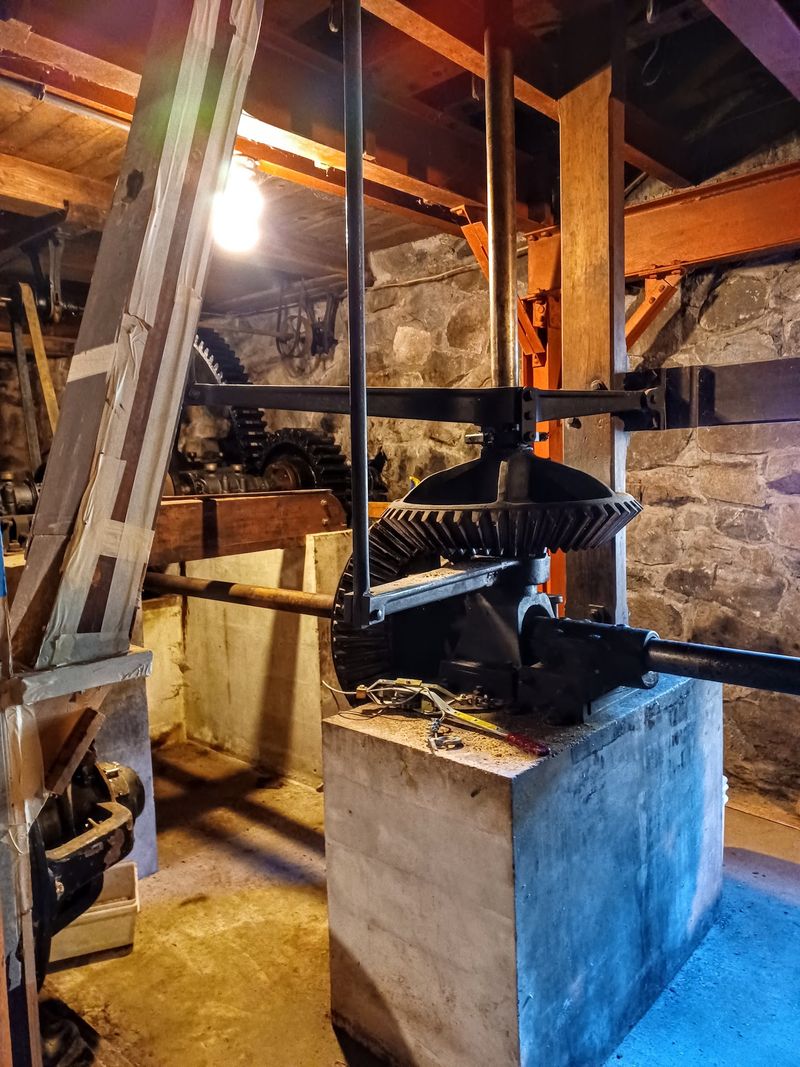
What makes this building special isn’t just its age but its continued purpose. The mill still operates today, grinding grain just as mills did centuries ago.
This working heritage site demonstrates traditional milling techniques while serving as a beautiful landmark on the Wayside Inn property.
The Wayside Inn Goes Back to the Early 1700s
While the mill gets plenty of attention, the real star of the property is Longfellow’s Wayside Inn itself. Original portions of this remarkable building were constructed in 1702, making it one of America’s oldest operating inns.
The How family began welcoming travelers and serving meals here in 1716, establishing a tradition of hospitality that continues more than three centuries later.
Famous poet Henry Wadsworth Longfellow immortalized the inn in his work “Tales of a Wayside Inn,” published in 1863. His poems brought national attention to this colonial treasure and helped preserve its legacy for future generations.
Today, visitors can walk through the same historic rooms where travelers rested centuries ago.
Dining at the Wayside Inn means becoming part of a story much older than the Grist Mill. The building’s thick beams, wide-plank floors, and colonial-era details create an atmosphere you simply can’t replicate.
Every meal here connects diners to hundreds of years of New England history.
Dinner Takes Place in Historic Rooms at the Inn
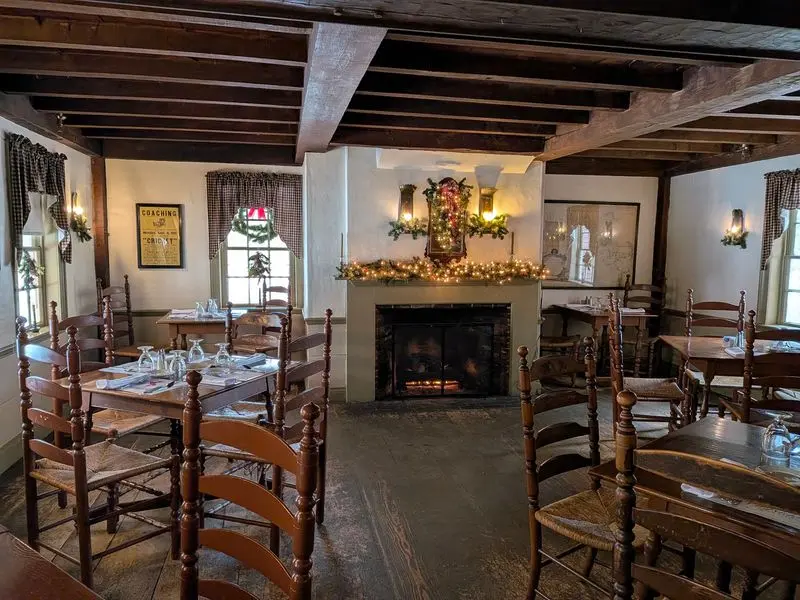
Forget any ideas about eating inside the actual mill building. The authentic dining experience happens within the historic walls of the Wayside Inn itself, where the Foundation has preserved the building’s colonial character.
Low ceilings with exposed beams, antique furnishings, and flickering candlelight transport guests back to an earlier era.
Each dining room tells its own story through original architectural details and period decorations. The Foundation describes these spaces as filled with old New England character, and they’re not exaggerating.
Diners sit where travelers have gathered for meals since the early 1700s, making the setting as important as the food itself.
The intimate scale of these historic rooms creates a cozy, welcoming atmosphere perfect for family dinners or special occasions. You might dine near a massive fireplace or beneath hand-hewn wooden beams crafted by colonial builders.
The authentic surroundings make every meal feel like a special event, whether you’re celebrating an anniversary or just enjoying a Wednesday evening out.
The Menu Leans Into Classic New England Comfort Food
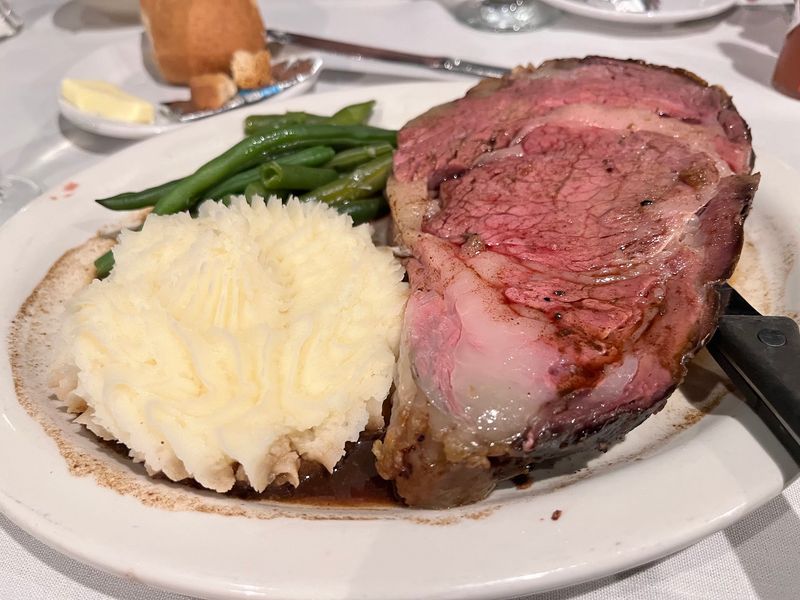
Once you’re settled into your historic dining room, the menu delivers exactly what the setting promises. Expect traditional New England favorites that grandmothers across Massachusetts have been perfecting for generations.
The kitchen serves creamy New England clam chowder, tender Boston schrod, fresh New England scallops, juicy prime rib, and succulent roast duckling.
Seafood lovers can indulge in rich lobster casserole, a classic preparation that showcases New England’s coastal bounty. Each dish connects to the region’s culinary heritage, offering the kind of honest, satisfying food that fits perfectly with the colonial atmosphere.
Nothing here feels trendy or experimental, just well-executed comfort classics.
The old-fashioned menu choices complement the historic surroundings beautifully. Imagine enjoying prime rib beneath centuries-old beams or savoring lobster casserole near a colonial-era fireplace.
The food tastes even better when you’re eating it in rooms where similar meals have been served for more than 300 years. It’s traditional New England dining at its most authentic.
The Grist Mill Still Produces Cornmeal and Flour
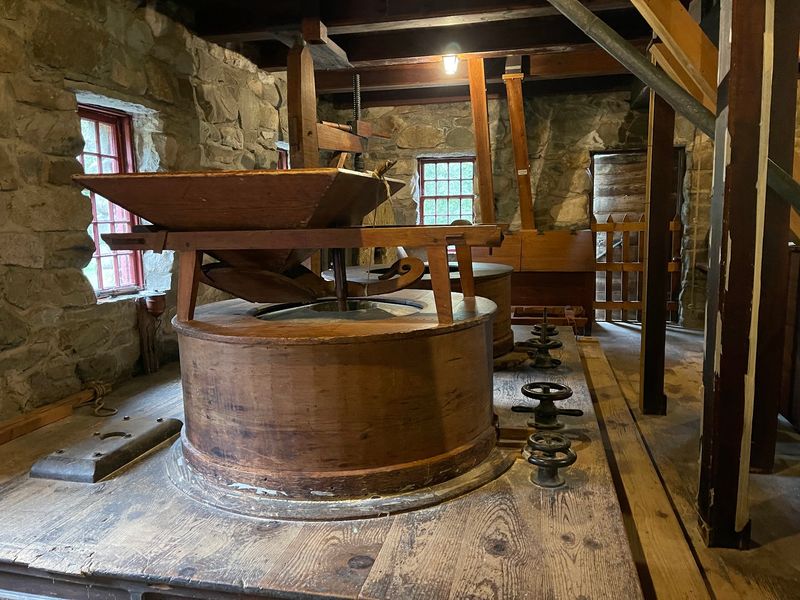
That beautiful stone mill beside Hop Brook isn’t just decorative. The Wayside Inn actually operates the mill regularly, grinding corn and wheat using traditional methods.
Watching the massive stones turn and hearing the grind of grain takes visitors back to a time when every community depended on its local mill.
The mill produces several products available for purchase right on the property. Whole cornmeal, whole wheat flour, and pancake mix are all ground fresh using heritage techniques.
Buying these products lets visitors take home a tangible piece of the property’s working history, and the flour tastes noticeably different from mass-produced alternatives.
This working mill creates a direct connection between the historic buildings and the Inn’s food traditions. Some ingredients used in the restaurant may even come from the mill itself, completing the circle from grain to table.
Visitors can tour the mill, watch it operate, and purchase fresh-ground products all in one stop, making the experience both educational and practical.
Henry Ford Turned the Property Into a Historic Village
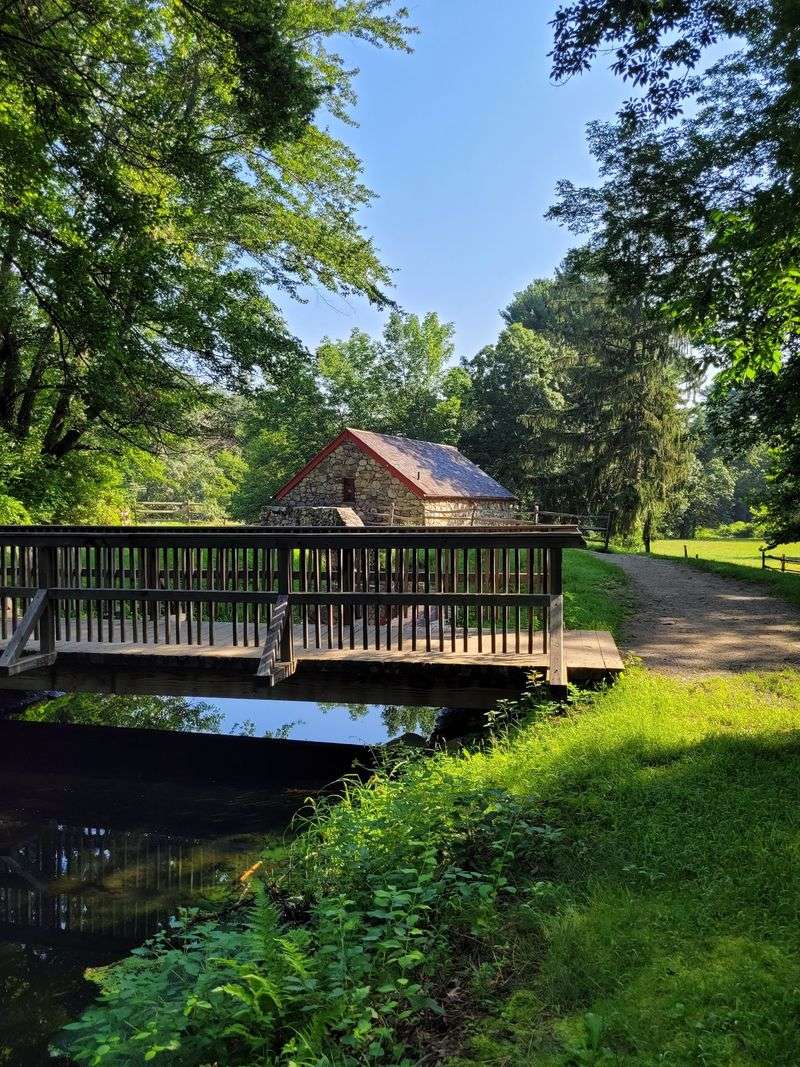
Automotive pioneer Henry Ford did more than build cars. In 1923, he purchased the Wayside Inn property and spent years developing it into a complete historic village.
His vision extended far beyond simply preserving the old inn, encompassing an entire landscape of historic and historically-inspired buildings.
Ford’s ambitious projects included constructing the Grist Mill in 1929, building the charming Martha-Mary Chapel, and even relocating the famous Redstone Schoolhouse to the property. He wanted to create a living museum where visitors could experience multiple aspects of colonial New England life.
His investments saved the Wayside Inn from potential ruin and created the attraction that exists today.
Without Ford’s intervention and financial resources, this property might have deteriorated or disappeared entirely. Instead, his preservation efforts created a layered historic landscape where visitors can explore various buildings and time periods in one location.
The entire village concept makes each visit richer, offering multiple points of interest beyond just the dining experience at the inn itself.
Explore More Than Just the Dinner Table
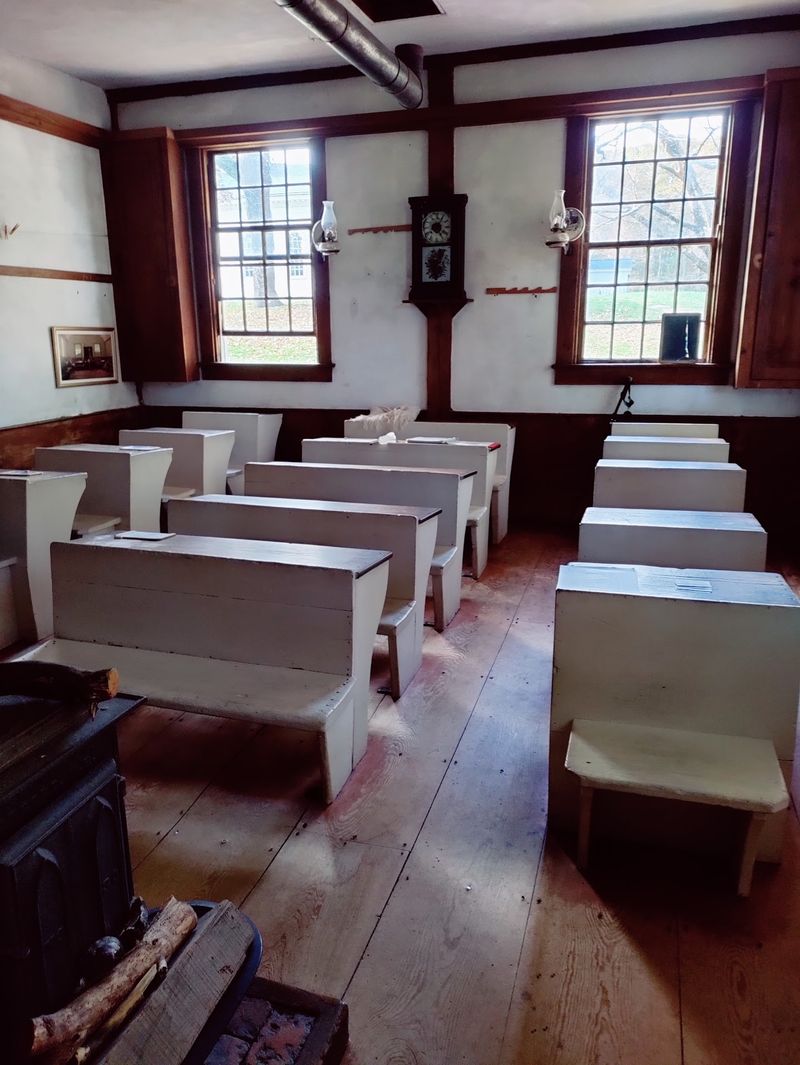
Smart visitors arrive early or linger after their meal because there’s so much to explore. The Wayside Inn property sprawls across more than 100 acres, offering nine historic buildings to discover.
You can wander between the Grist Mill and chapel, explore the grounds, or walk peaceful trails through meadows and woods.
Each building tells a different story about New England’s past. The Redstone Schoolhouse lets you peek into colonial education, while Martha-Mary Chapel provides a glimpse of simple early American worship spaces.
The grounds themselves feature ponds, gardens, and stone walls that create picture-perfect scenes in every direction.
Making dinner part of a broader visit transforms a simple meal into a full afternoon or evening experience. Families can let kids run off energy on the trails before settling down for dinner.
Couples might take a romantic stroll past the mill’s waterfall before their reservation. The extensive grounds mean you’ll never feel crowded, even during busy periods, and there’s always something new to discover around the next bend.
The Setting Changes With the Seasons
Visit in spring and you’ll see fresh green growth surrounding the historic buildings and wildflowers dotting the meadows. Return in summer and those same fields glow golden under bright sunshine, perfect for picnicking after your meal.
Each season paints the property in completely different colors and moods.
Autumn transforms the grounds into a postcard-perfect New England scene. The Grist Mill sits beside Hop Brook surrounded by brilliant reds, oranges, and yellows reflecting in the water.
The Foundation specifically highlights fall as an especially picturesque time to visit, and photographers flock here to capture the mill against autumn foliage.
Winter brings its own quiet beauty when snow blankets the property and icicles hang from the mill’s stone walls. The historic buildings look even more authentically colonial dusted with white, like stepping into a Currier and Ives print.
Gardens, woods, and ponds each reveal different characteristics as months pass, meaning repeat visitors always discover something new depending on when they arrive for dinner.
Plan Your Visit
Ready to experience this slice of New England history yourself? The Wayside Inn stands at 72 Wayside Inn Road in Sudbury, MA 01776, easily accessible from Boston and surrounding communities.
Making reservations helps ensure you get a table, especially during peak fall foliage season when demand runs high.
Dinner service runs Wednesday through Saturday from 4:30 to 7:30 p.m., with Sunday hours extending from noon until 7:30 p.m. If dinner doesn’t fit your schedule, lunch is served Wednesday through Saturday between 11:30 a.m. and 3 p.m.
The Inn closes its doors Mondays and Tuesdays, though occasional Tuesday evening events do occur, so checking ahead is wise.
Even if you’re not dining, the grounds welcome visitors from dawn to dusk daily at no charge. Call 978-443-1776 to make dining reservations or ask questions about the property.
Whether you’re planning a special celebration or casual weeknight meal, this historic destination offers an experience you simply can’t find at modern restaurants. Bring your appetite and sense of adventure.