Not many state parks let you take a piece of prehistory home with you, but this one does exactly that.
Layers of ancient shale here hold fossils dating back hundreds of millions of years.
Visitors bring hammers and buckets, breaking open rock in search of hidden treasures inside.
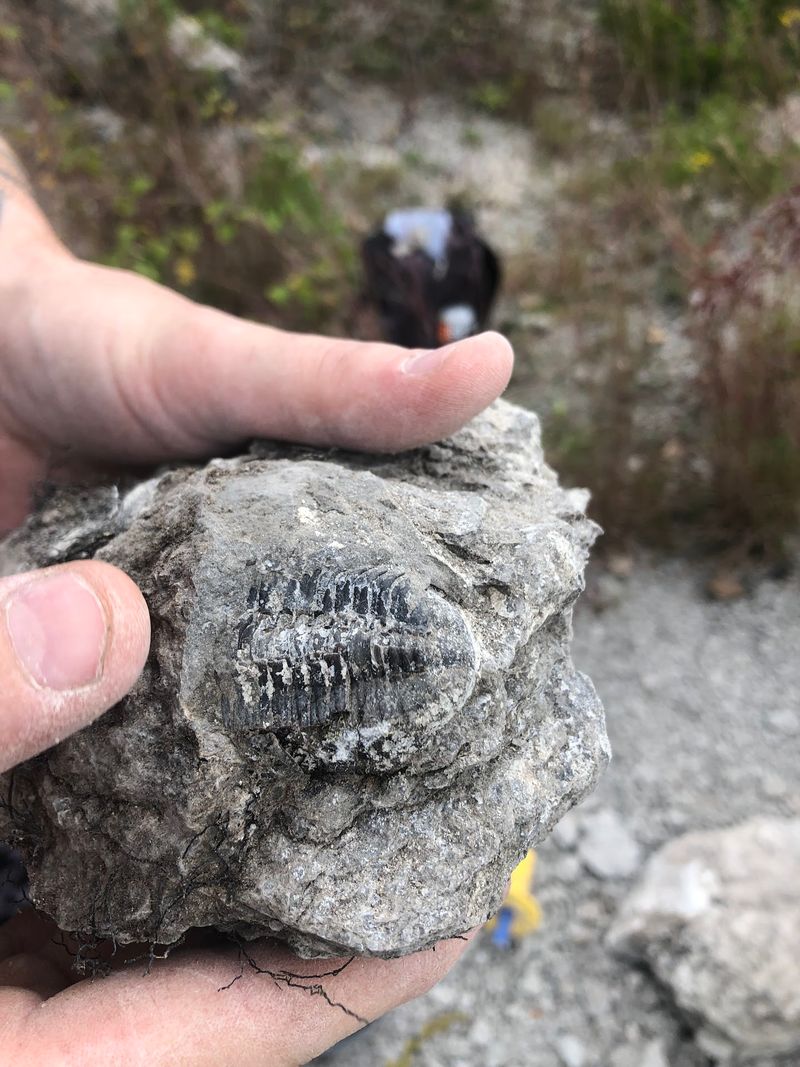
Trilobites, brachiopods, and other sea creatures turn up more often than you’d expect.
Staff on-site help identify finds and explain the fascinating geologic history of the area.
It’s a hands-on science lesson that turns an afternoon outdoors into a genuine treasure hunt.
A Hands-On Hunt Through Ohio’s Ancient Seafloor
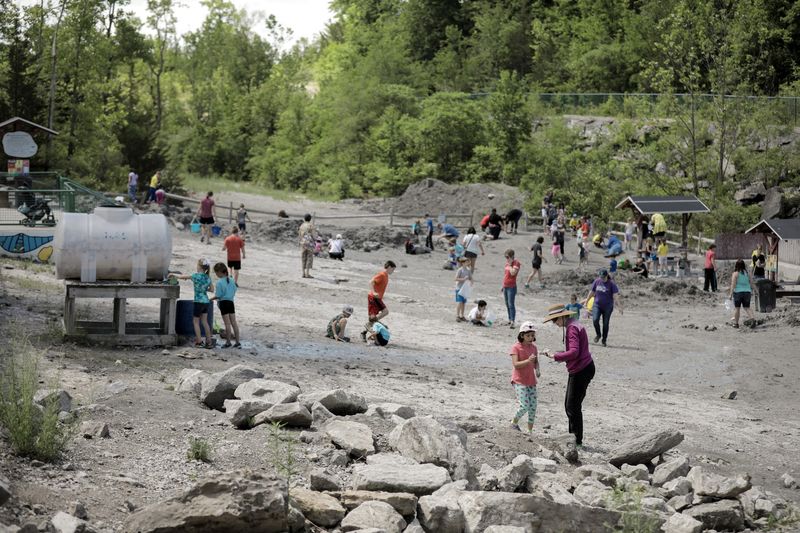
Long before kids carried buckets here, this part of Ohio sat under a warm, shallow sea filled with strange marine life. That old seafloor is the reason visitors can search for real fossils today at Fossil Park, located at 5705 Centennial Rd, Sylvania, OH 43560.
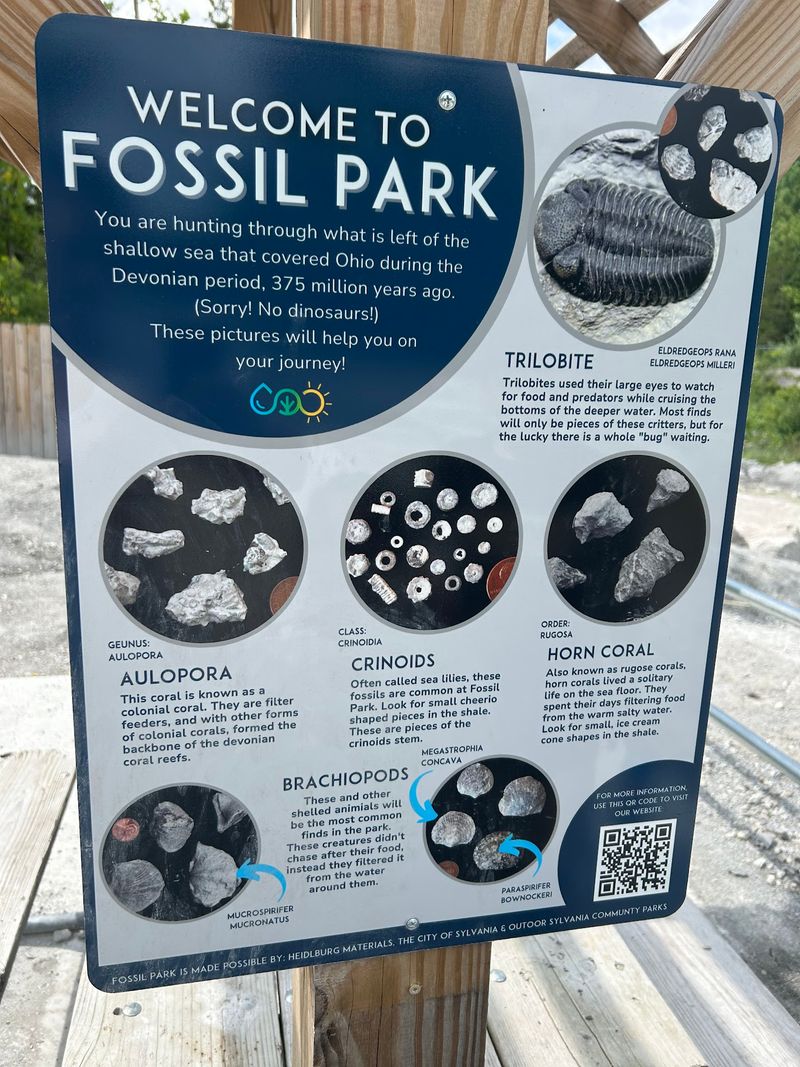
The rocks brought into the dig area often contain shells, corals, crinoid pieces, and sometimes harder-to-find trilobite parts. Visitors are not pretending to dig in a themed sandbox.
They are sorting through material connected to the Devonian Period, which makes every small discovery feel more meaningful.
For families, the best approach is to slow down and look closely instead of rushing from pile to pile. Many fossils are small, flat, or partly hidden in shale, so patient eyes matter more than big tools.
Children who love dinosaurs may need a quick reminder that these are not dinosaur bones.
They are older sea creatures, which is just as cool once you explain the ocean story. Bring a small container for finds, wear clothes that can get dusty, and expect dirty hands.
The reward is simple and memorable: a real piece of ancient Ohio history that you found yourself.
Small Fossils Can Be Big Discoveries
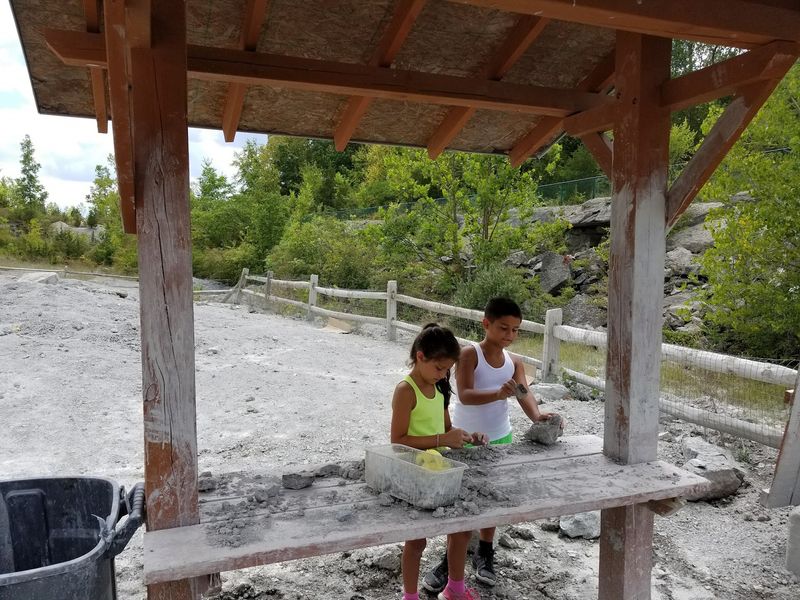
A tiny shell shape in a gray rock can stop a child in their tracks. At this park, many finds are not huge or shiny, but they can still be exciting once you know what to spot.
Common discoveries include brachiopods, which look a bit like clams, though they are a different kind of animal.
Visitors also report finding crinoid stem pieces, horn coral, small shell impressions, and occasional trilobite fragments. The trick is to study texture.
Look for ribs, curves, rings, fan shapes, or patterns that seem too neat to be random stone.
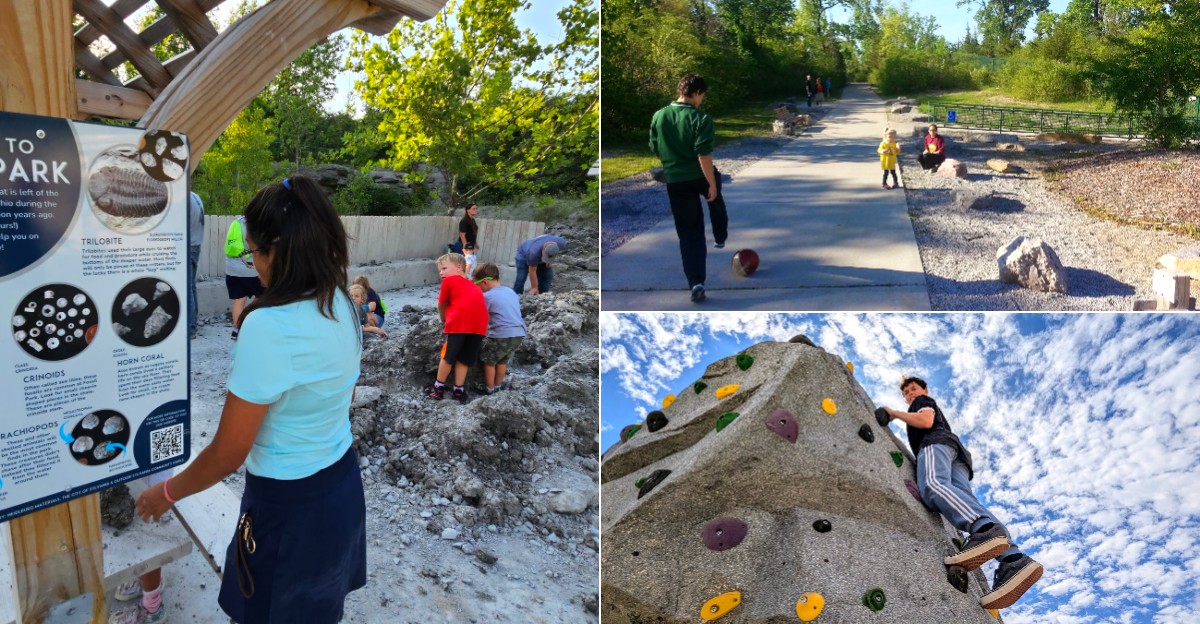
A toothbrush can help remove loose dirt from a possible fossil without damaging it. If signs or staff are available, compare your find to the identification guides around the park.
Kids often enjoy making a simple fossil scorecard in a notebook.
They can draw each piece, write where they found it, and guess what animal it came from. That turns collecting into a mini science project instead of just filling a bag with rocks.
Not every stone will hold a treasure, and that is part of the fun. The moment someone says they found one, everyone nearby usually starts looking closer.
Free Admission Makes It An Easy Family Outing
A family day out can get expensive fast, especially when tickets, snacks, and souvenirs all add up. One of the biggest reasons people love this park is that admission is free.
That makes it easier to say yes to a short visit, a return trip, or a casual afternoon of messy learning.
You do not need to plan it like a big vacation. A couple of hours can be enough for younger kids, while curious rock hunters may want to stay longer.
Free entry also makes the park helpful for grandparents, homeschool groups, scouts, and families testing whether their children enjoy fossil hunting.
Pack water, simple snacks, sunscreen, and a change of clothes if the weather has made the clay dusty or sticky. Because the dig area can keep kids focused for a surprisingly long time, it helps to set a meeting spot and break time.
The park has earned strong visitor reviews for being fun, educational, and simple to use.
Many guests mention clean restrooms, good parking, and picnic areas as welcome extras. Those details matter when kids get muddy or tired.
With no ticket booth to worry about, the whole visit feels relaxed, practical, and budget-friendly.
Timing Your Visit Can Change The Whole Trip
Hot sun and dry clay can turn fossil hunting from exciting to tiring faster than many visitors expect. The park is open daily from 8:30 am to 5:30 pm, which gives families a good window for planning.
Morning is often the smartest choice in warm months because the air is cooler and kids usually have more energy.
Several visitors say summer trips can be very hot, so sunscreen, hats, and cold drinks are not optional. Late spring can be a sweet spot, especially after the season has opened and before the hottest stretch of summer arrives.
Some guests suggest going after April but before July for a better experience.
Weather also affects the digging. Very dry ground can make rocks harder to work through, while slightly damp material may be easier to sort.
Still, avoid visiting during unsafe weather or muddy conditions that could make walking uncomfortable.
Families with small children may want to plan a shorter first trip, then come back if everyone enjoys it. Check the official park website or call ahead if you are traveling far.
A little timing can turn a dusty stop into a smooth, happy fossil hunt.
Smart Packing Helps Everyone Stay Comfortable
Muddy knees, dusty shoes, and excited pockets full of rocks are part of the charm. Still, a little preparation makes the day much easier for both kids and adults.
Start with water, sunscreen, hats, and closed-toe shoes, especially during warm weather.
The dig area has limited shade, so breaks under covered spots can make a big difference. Bring a small bucket, plastic container, or sturdy bag for fossils you plan to carry home.
A toothbrush is useful for gentle cleaning, and garden gloves can protect hands from rough stone edges.
Check current park rules before bringing tools, because metal tools are not allowed. Visitors sometimes mention improvised digging methods, but following posted rules keeps the park safer for everyone.
A notebook, pencil, and phone camera can help kids record their best finds before everything looks like gray rock again.
If children are likely to sit or kneel in clay, pack towels or a change of clothes. Wet wipes or hand sanitizer are helpful after digging and before snacks.
Think of the trip like a beach day without water. You are going home with memories, dirt, and maybe a pocket-sized fossil collection.
Rules Keep The Digging Safe And Fair
Treasure hunting is more fun when everyone has room to search and no one gets hurt. The park allows visitors to collect fossils they can carry out, which is one reason the experience feels so rewarding.
However, rules about tools and safe digging matter.
Metal tools are not allowed, and that can surprise people who imagine chisels and hammers. The rule helps reduce flying chips, sharp edges, and accidents in a busy family area.
Use hands, safe small items allowed by the park, and gentle brushing instead. If you find a large rock, remember that you should only take what you can physically carry and what rules permit.
Leaving extra material behind gives other visitors a chance to discover fossils too. Adults should remind children not to throw rocks, climb on loose piles, or swing sticks near others.
It is also smart to keep younger kids within sight because the excitement of finding fossils can make them wander.
Respecting boundaries, ropes, signs, and staff guidance protects the dig area for future guests. A careful visitor still gets dirty, still has fun, and often leaves with plenty of finds.
Good manners keep the adventure open for everyone.
Learning Happens Without Feeling Like School
Some of the best science lessons begin with a kid yelling that they found something strange. The park turns geology into an activity children can touch, question, and remember.
Instead of reading only about ancient seas, visitors can hold the remains of animals that lived hundreds of millions of years ago.
Educational signs and fossil identification posters help connect each rock to a real creature. When knowledgeable staff or volunteers are present, their tips can make the hunt even better.
Several guests have praised helpful people who explained what to look for and answered lots of children’s questions.
That kind of guidance can change a plain gray stone into a fossil with a story. Parents can add simple questions to keep kids thinking.
Ask why a sea fossil would be found in Ohio, what patterns appear again and again, or how soft animals leave marks in rock. No worksheet is needed.
The digging, guessing, comparing, and sorting do the teaching naturally. For older students, the visit can connect to Earth science, evolution, habitats, and local history.
For younger ones, it may simply become the day they learned rocks can hold secrets.
More Than A Dig Pit, With Trails And Picnic Spots
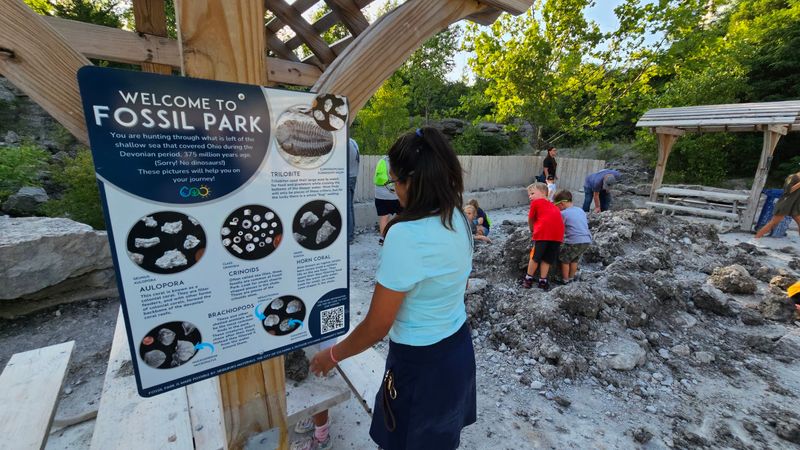
After the first round of digging, even the most excited fossil hunter may need a snack and a stretch. The park offers more than piles of shale and clay, which helps families turn the visit into a fuller outing.
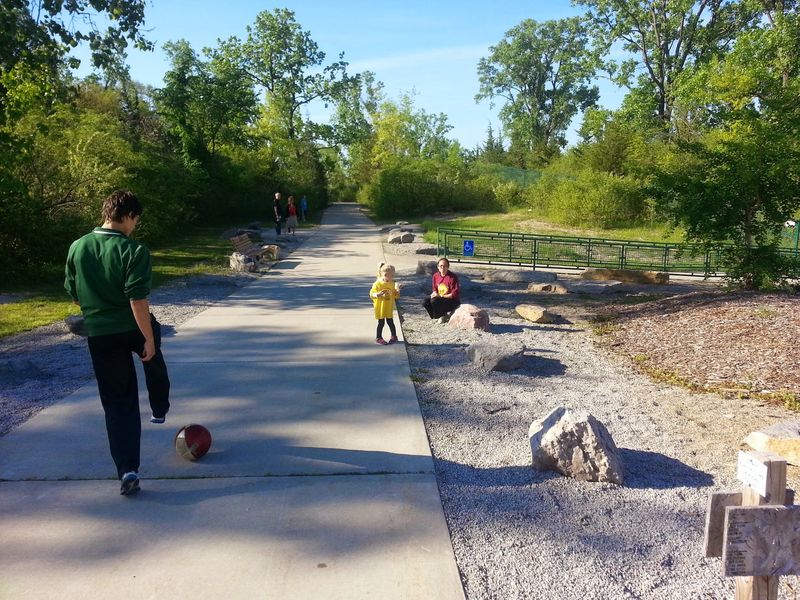
Visitors often mention shaded picnic shelters, clean bathrooms, a large parking area, and nearby paths for walking or biking.
Those features are simple, but they matter when you are traveling with children. A picnic table gives everyone a place to sort finds, drink water, and decide which fossils are worth carrying home.
The walking path can also help younger kids reset after focusing hard on the ground.
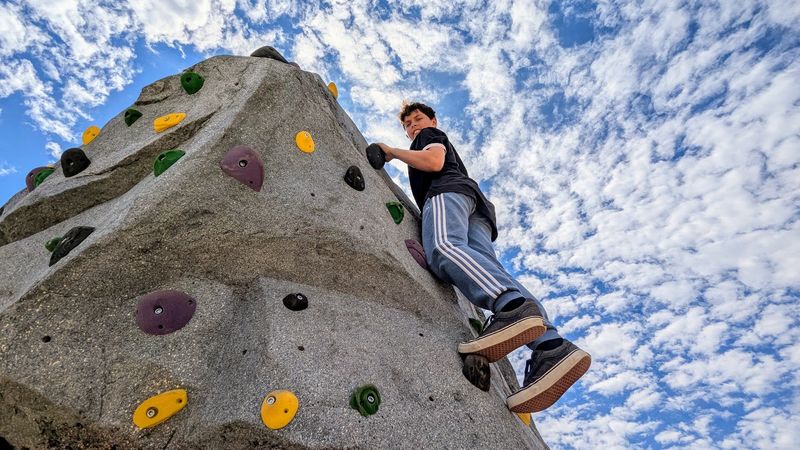
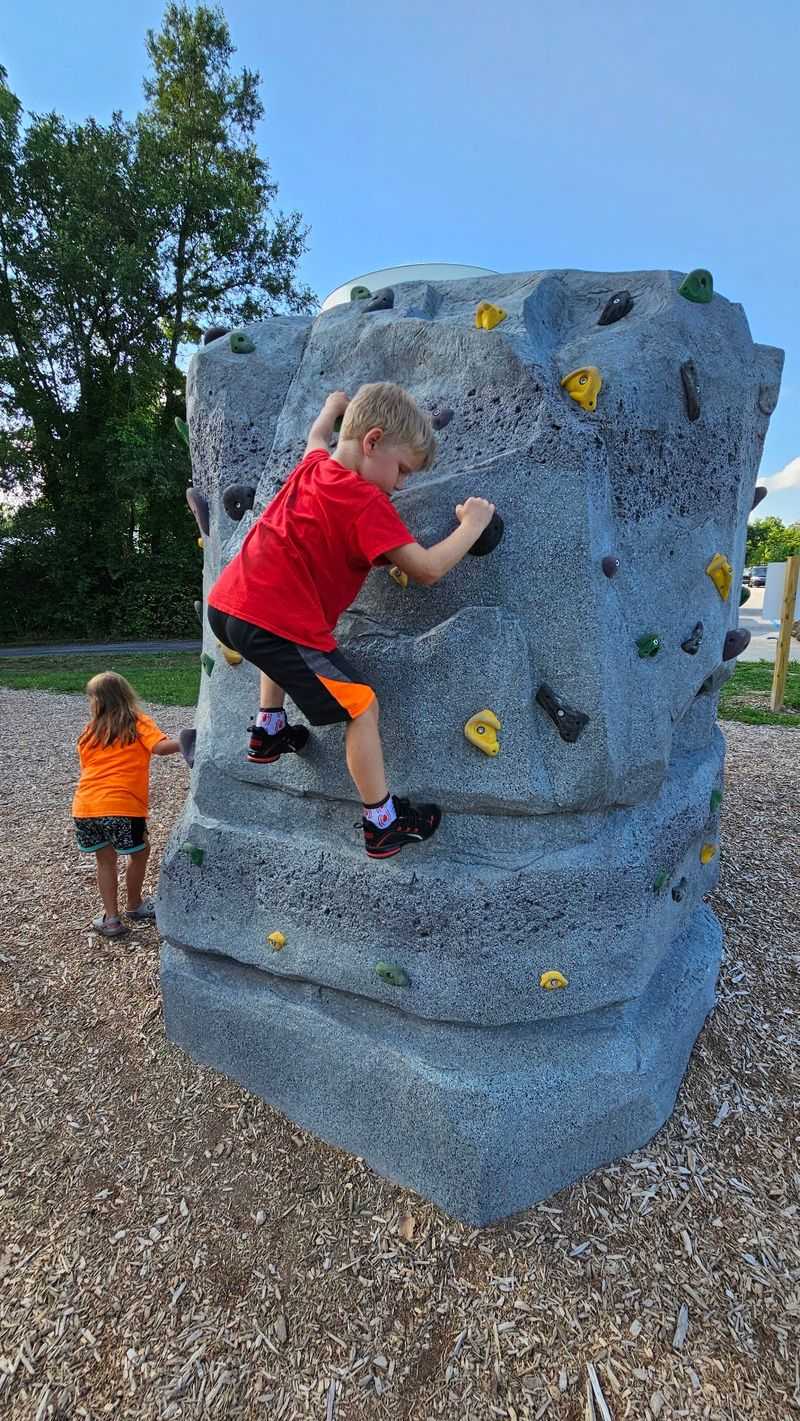
Some reviews mention climbing rocks, which can add another bit of play, though adults should watch children closely. Because the dig area itself may have limited shade, covered areas are good spots for breaks.
Plan your visit like a relaxed park day, not just a quick stop at a rock pile.
Bring lunch if you want to stay longer, or save snacks for after the messiest part. By mixing digging, resting, walking, and looking at finds, families can enjoy the park without wearing everyone out too soon.