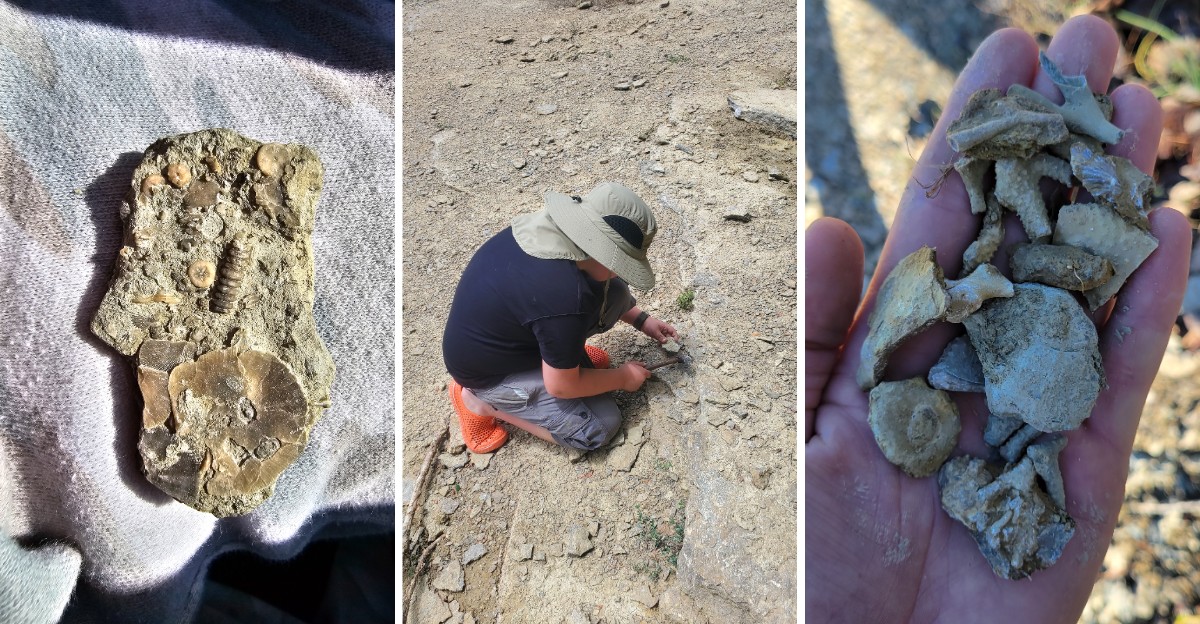
You can hunt for fossils that are hundreds of millions of years old—and take your discoveries home.
At Trammel Fossil Park in Sharonville, Ohio, the ground beneath your feet holds clues from a time long before dinosaurs appeared.
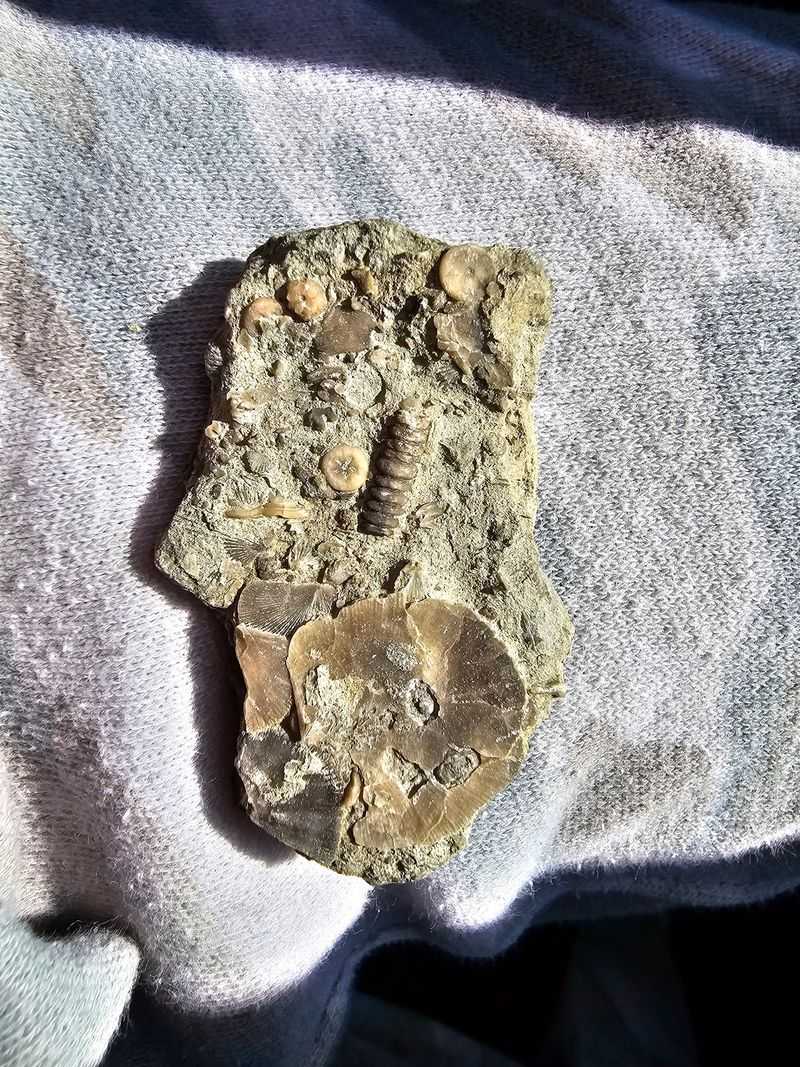
Search the exposed rock for trilobites, brachiopods, crinoids, and other fossils left behind by creatures that once lived in a warm, shallow sea.
The best part? There’s no admission fee.
Grab a few simple hand tools, scan the rocks, and see what turns up.
A tiny fossil hiding in the shale can feel like striking prehistoric gold.
Whether you’re bringing curious kids, planning a geology-themed outing, or simply love finding things most people walk right past, Trammel Fossil Park turns an ordinary afternoon into a hunt for the ancient past.
Trammel Fossil Park Is a Real Fossil-Hunting Playground
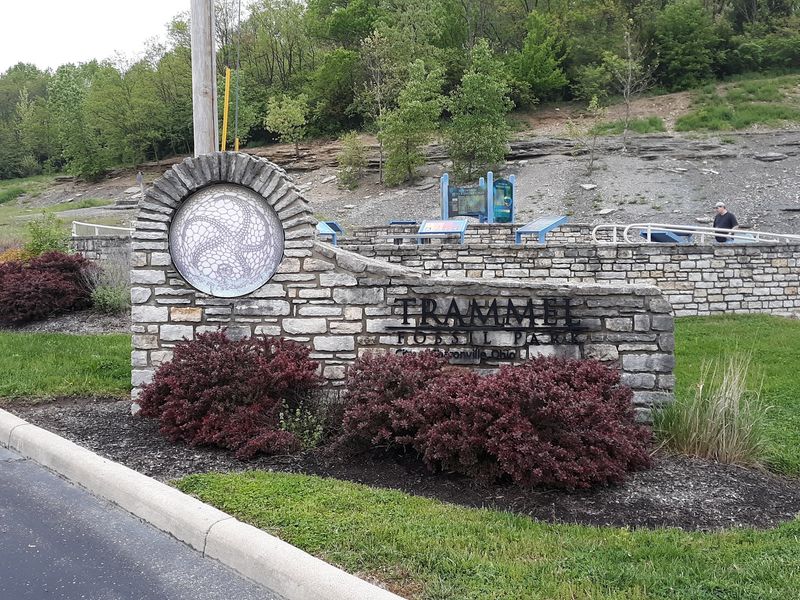
Most museums keep their best fossils locked away behind glass cases where you can look but never touch. Trammel Fossil Park flips that experience completely upside down by letting visitors walk directly on ancient rock formations and search for their own specimens.
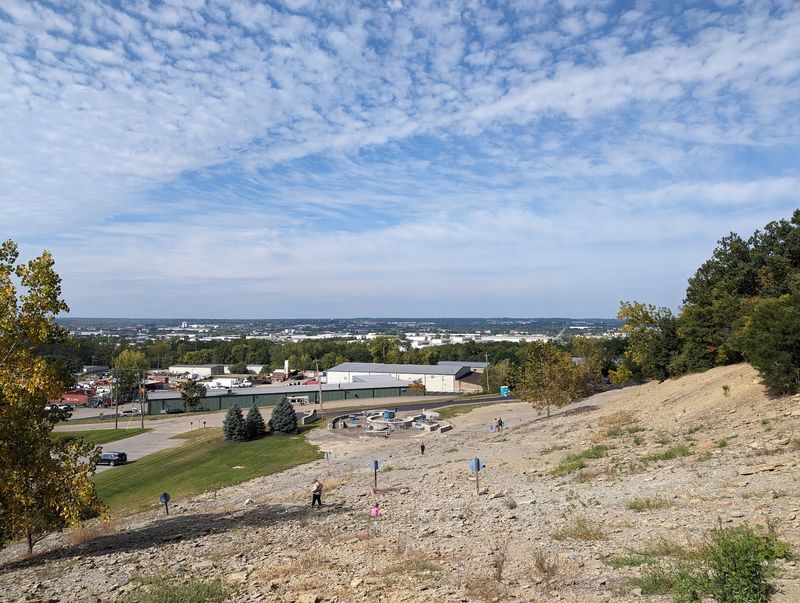
This 10-acre city park sits in Sharonville and features exposed layers of fossil-rich shale and limestone dating back hundreds of millions of years. Instead of admiring someone else’s collection, you become the fossil hunter, scanning the hillside for traces of creatures that lived when Ohio was underwater.
The city welcomes visitors without charging admission fees or requiring advance reservations. Park officials actively encourage people to explore the exposed rock and collect samples, making this one of the few places where touching and taking fossils is actually allowed.
Families, school groups, and amateur paleontologists regularly visit to experience geology firsthand. The park transforms science education from reading textbook pages into an outdoor treasure hunt where your next discovery could be millions of years old.
These Fossils Date Back More Than 440 Million Years
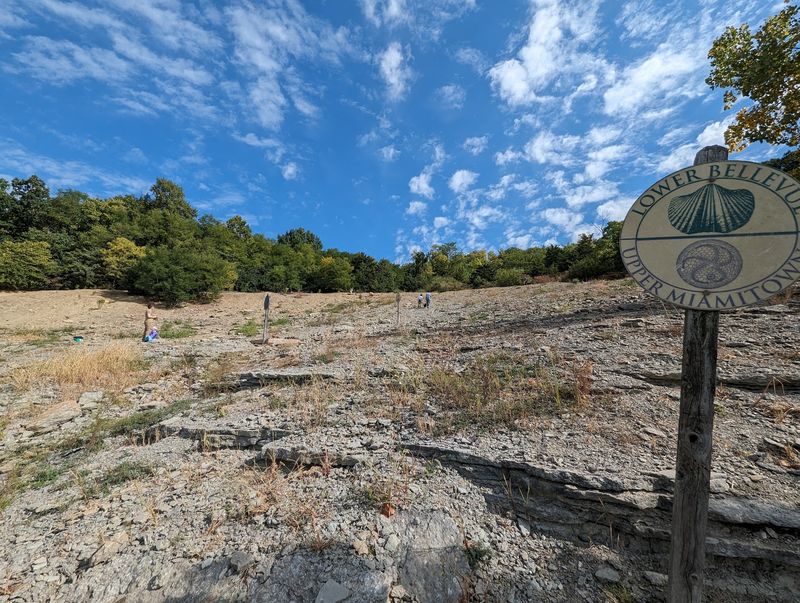
Long before the first dinosaur hatched or the first tree grew, a warm, shallow sea stretched across what we now call Ohio. Scientists call this time the Late Ordovician Period, and it ended roughly 440 million years ago.
During those ancient days, the Cincinnati area rested near the equator under tropical waters teeming with strange marine creatures. Corals built reefs, armored trilobites crawled across the seafloor, and countless other organisms lived out their lives in this vanished ocean.
When these creatures died, sediment slowly buried their remains. Over millions of years, the weight of additional layers pressed down, turning mud into shale and lime-rich sediment into limestone.
The shapes of ancient shells and skeletons became preserved as fossils within these rocks.
Trammel Fossil Park exposes these ancient deposits where modern visitors can see and touch them. The fossils you find here are older than the Appalachian Mountains and existed during an era when life hadn’t yet colonized dry land.
Each specimen connects you directly to an alien world that existed hundreds of millions of years before humans appeared.
Keep Your Eyes Open for Trilobites and Other Ancient Sea Life
Trilobites steal the show at Trammel Fossil Park, and for good reason. These armored creatures looked like prehistoric pill bugs and dominated ocean floors for nearly 300 million years before going extinct.
Finding a complete trilobite takes patience and luck, but fragments appear regularly throughout the exposed rock layers. Their distinctive segmented bodies make them easier to identify than many other fossils, and discovering even a piece of one feels like striking gold.
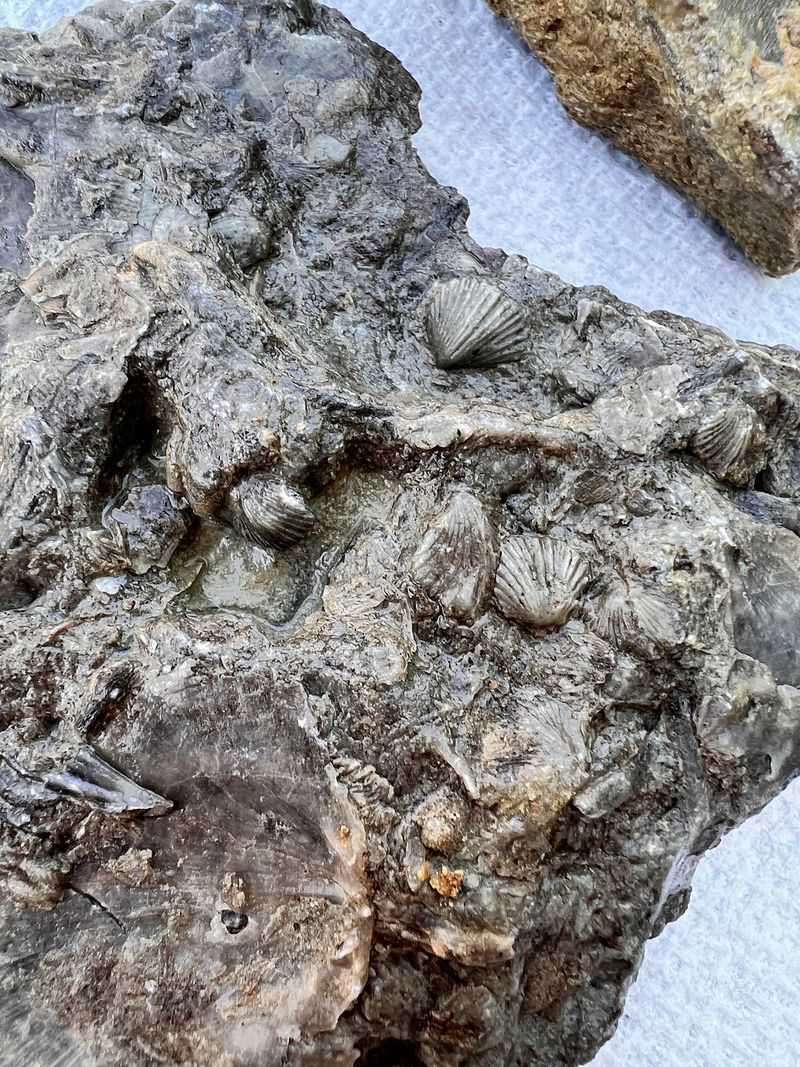
Brachiopods rank as the most common fossils in the park. These clam-like animals lived attached to the seafloor and their hinged shells preserved beautifully in the surrounding rock.
Some specimens show incredible detail, revealing the tiny ridges and growth lines that formed while the creature was alive.
Bryozoans and crinoid material also appear frequently in the shale. Bryozoans formed lacy colonies that resembled underwater gardens, while crinoids, often called sea lilies, left behind distinctive disc-shaped stem segments.
Educational signs posted around the property help visitors identify what they’ve found by showing pictures and descriptions of common fossils. These displays turn your collecting trip into a natural history lesson where the specimens you discover teach you about ancient ecosystems.
The Fossil-Rich Hillside Is Where the Hunting Happens
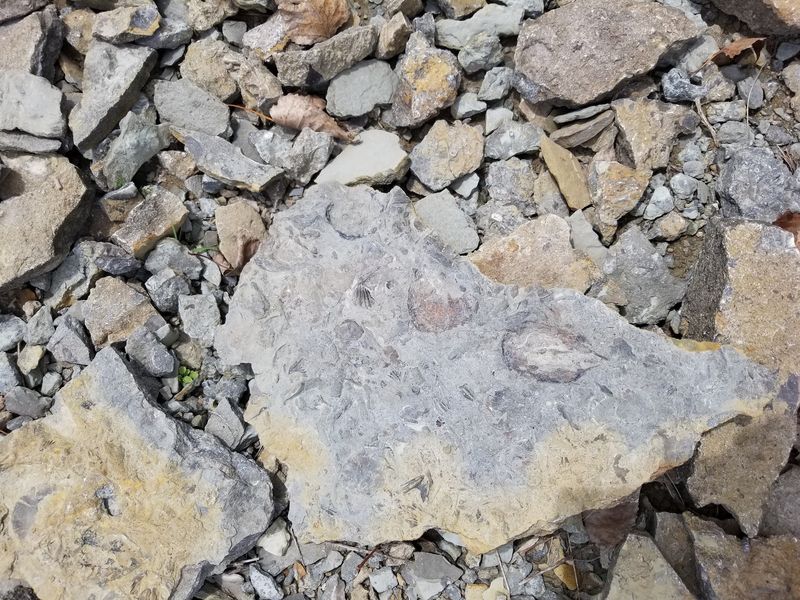
The main attraction at Trammel Fossil Park isn’t a building or exhibit hall. Your destination is an exposed hillside where millions of years of geology lie open for examination.
Multiple rock formations appear in distinct layers running horizontally across the slope. Darker shale bands alternate with lighter limestone sections, creating a natural timeline you can read with your eyes.
Each layer represents a different period when sediment settled on that ancient seafloor.
Geological markers identify specific formations by name and explain what conditions existed when each layer formed. Walking from the bottom of the exposure to the top literally means traveling upward through time, with younger rocks sitting above older deposits.
The weathered surface of the hillside constantly changes as rain and freeze-thaw cycles break down the rock. This natural erosion continually reveals fresh fossils that previous visitors never saw, ensuring the site remains productive year after year.
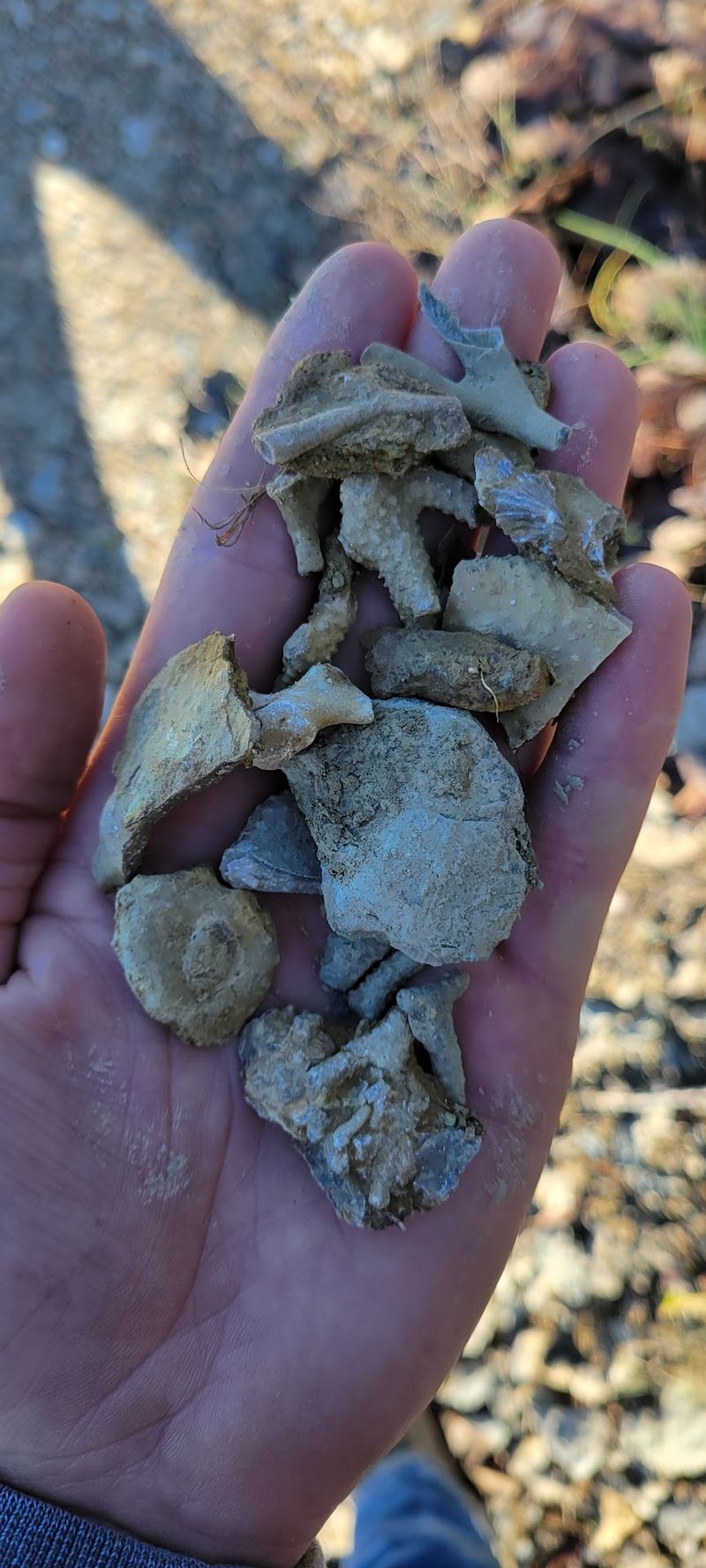
Loose fragments scattered at the base of the slope offer the easiest hunting ground for beginners. More experienced collectors carefully examine the exposed rock faces, looking for fossils weathering out from intact layers where preservation often surpasses specimens found in loose material.
Rain Can Reveal Fresh Fossils
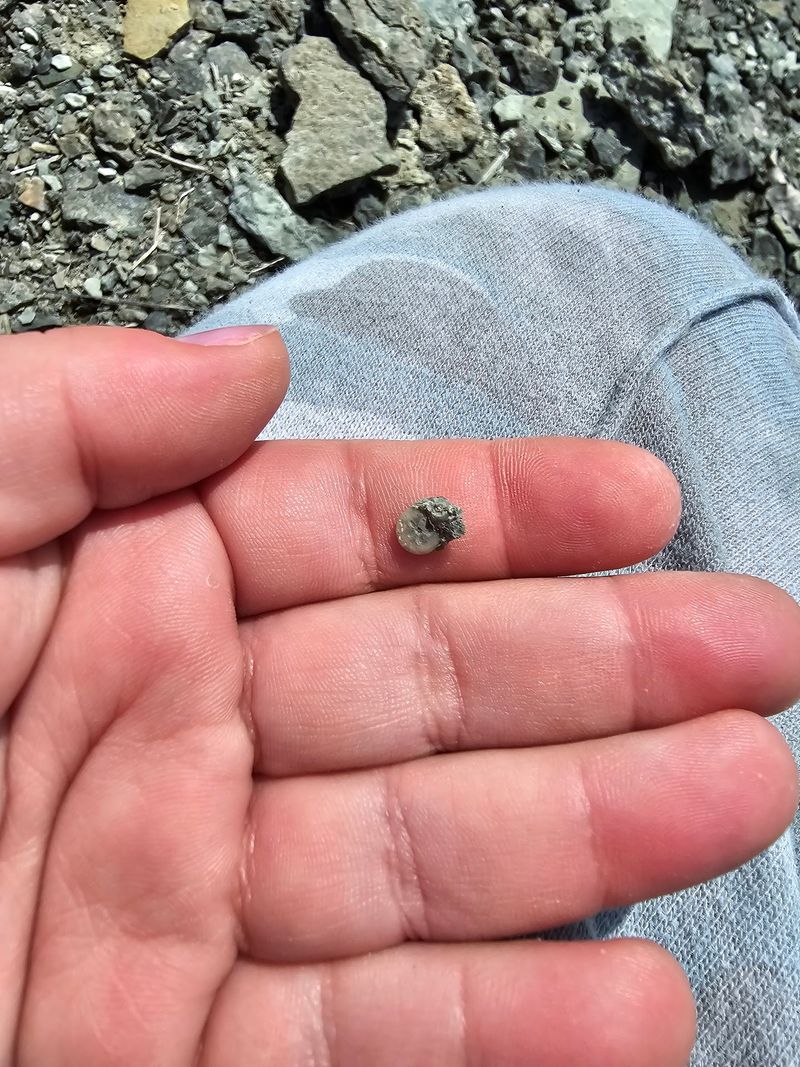
Experienced fossil hunters watch the weather forecast before planning their Trammel Fossil Park visits. A recent rainstorm often means fresh specimens waiting to be discovered.
Water works like nature’s cleaning crew, washing away loose dirt and exposing fossils that were previously hidden. Raindrops hitting the hillside dislodge small fragments, carrying them downslope where they settle in easier-to-search locations.
The moisture also darkens the rock, making light-colored fossils stand out more dramatically against wet surfaces.
Park officials specifically mention in their visitor guidelines that fossils appear most readily after weathering or washing out from the surrounding matrix. Checking the exposed areas a day or two after heavy rain can reveal specimens that weren’t visible during your previous visit.
Morning visits following overnight rain offer particularly good hunting conditions. The rock remains damp enough to highlight fossils clearly, but the surface has dried just enough to prevent excessive mud.
Winter freeze-thaw cycles produce similar effects, with ice expansion cracking rock and freeing fossils from their ancient prison. Early spring visits often yield excellent results as winter’s work becomes visible on warming days.
You Can Take Your Finds Home
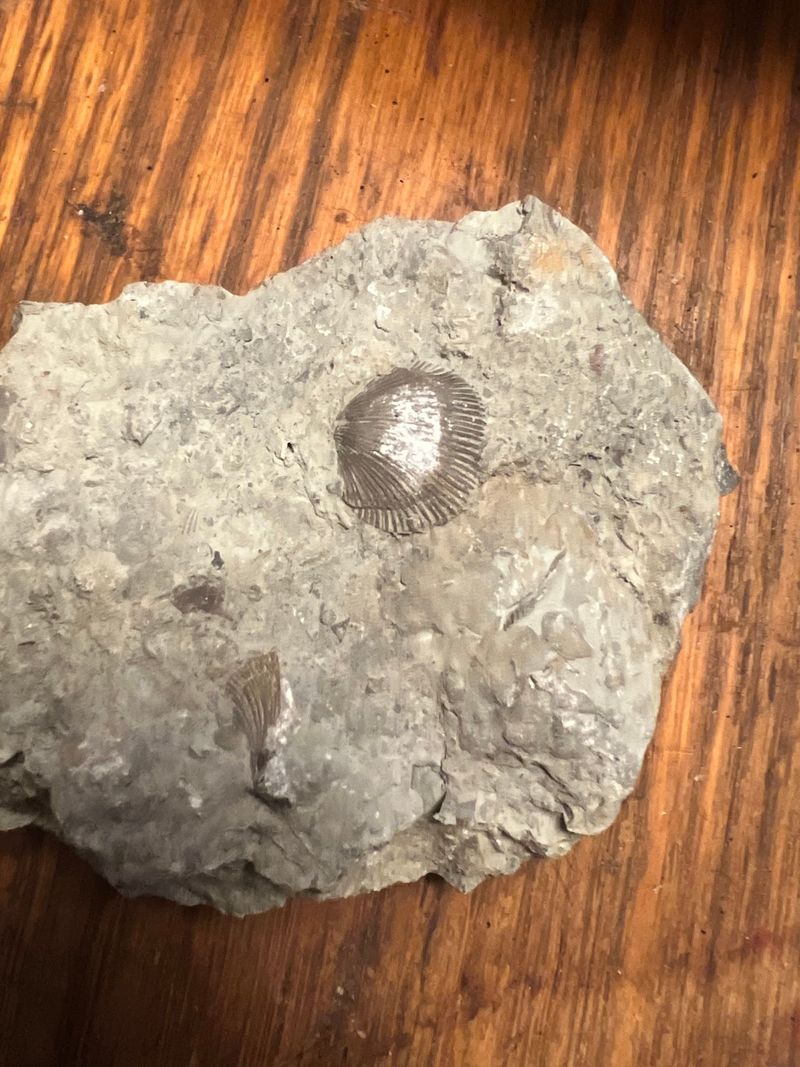
Here’s what makes Trammel Fossil Park truly special compared to most paleontological sites: the city allows you to keep what you find. This generous policy transforms casual visitors into active collectors building their own personal fossil collections.
Most fossil-bearing locations strictly prohibit removing specimens, and commercial collecting can land you in serious legal trouble. National parks and many state sites require leaving everything exactly where you found it.
Trammel Fossil Park breaks this pattern by inviting people to take home a piece of ancient history.
The city asks collectors to practice responsible harvesting by taking only a representative sample rather than filling buckets indiscriminately. This guideline ensures fossils remain available for future visitors and preserves the site’s educational value for school groups and families yet to visit.
Taking a few choice specimens home extends the learning experience beyond your park visit. Kids can show their discoveries at school, research what they found, and build genuine interest in paleontology and Earth science.
Adults often display their best finds or donate exceptional specimens to local schools and nature centers, sharing their discoveries with entire communities.
Bring Hand Tools, But Leave the Shovels at Home
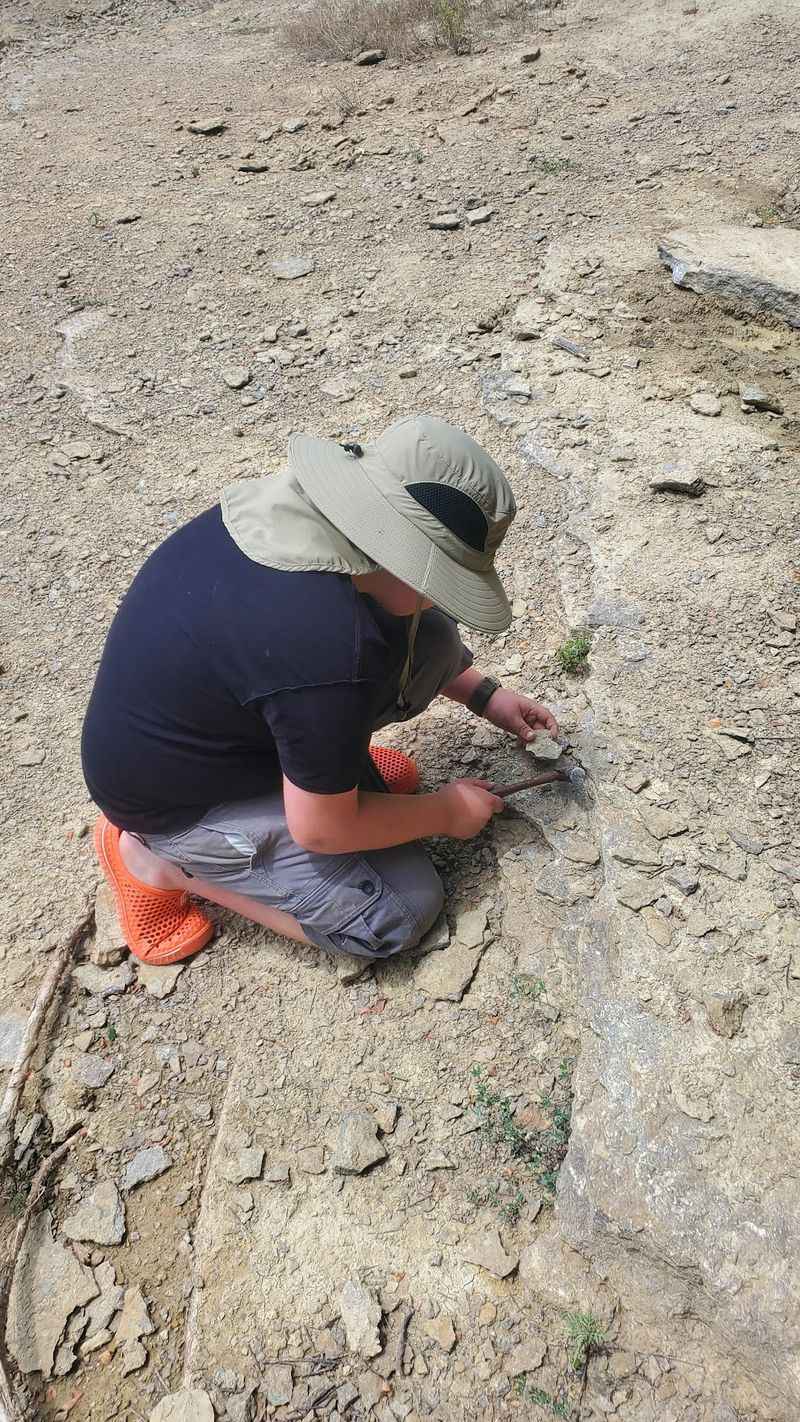
Understanding the collecting rules prevents accidental rule-breaking and keeps the park safe for everyone. Trammel Fossil Park welcomes fossil hunters but sets clear boundaries about acceptable methods.
Small hand tools work perfectly for examining loose material and gently separating fossils from surrounding rock. Geologist hammers, brushes, and similar implements help you collect specimens without damaging the site.
Screwdrivers, old butter knives, and small pry bars can carefully separate shale layers where fossils hide between thin sheets of rock.
The city specifically prohibits digging into the hillside itself. Creating holes and excavations destabilizes the slope, potentially causing dangerous collapses or rockfalls that could injure other visitors.
Loose material scattered at the slope’s base provides plenty of collecting opportunities without requiring destructive digging.
Search surface exposures and recently weathered areas where fossils have already separated from solid rock. This approach matches how professional paleontologists often work, targeting specimens nature has already begun freeing rather than excavating deeply into formations.
Shovels, picks, and power tools stay home entirely. Focus on careful observation and gentle collection rather than aggressive excavation, and you’ll find the park rewards patience with beautiful specimens while preserving the site for future visitors.
Follow the Signs to Understand What You’re Finding
Trammel Fossil Park functions as an outdoor classroom where informational displays transform your fossil hunt into a comprehensive geology lesson. Strategically placed signs throughout the property identify rock formations and explain the ancient environment preserved in the stone beneath your feet.
Detailed panels illustrate the types of fossils visitors commonly discover, showing clear pictures that help you identify your finds. Comparing your specimens to these reference images turns mysterious rock fragments into recognizable ancient organisms with names and ecological roles.
The displays explain how the different rock layers formed and what conditions existed in the Ordovician sea when each formation was deposited. Learning that darker shales represent deeper, quieter water while limestones formed in shallower, more energetic conditions adds context to your discoveries and helps you understand why certain fossils appear in specific layers.
Many visitors photograph the educational signs with their phones, creating a field guide they can reference while hunting or later at home when examining their collection. The information helps families discuss their finds meaningfully, turning the outing into a shared learning adventure rather than simply random rock collecting.
Make Time for the Hilltop View and Picnic Area
Fossil hunting provides the main attraction, but Trammel Fossil Park offers more than just ancient rocks. Taking breaks from your search lets you enjoy additional features that make the visit more comfortable and memorable.
Picnic tables scattered around the property invite visitors to rest, have lunch, and examine their finds in comfort. Families often pack meals and make a full day of their visit, alternating between fossil hunting sessions and relaxing at the tables.
A drinking fountain provides fresh water, particularly welcome during warm weather when hillside scrambling builds up a thirst.
A hiking trail winds upward from the fossil beds toward higher ground where views open across the surrounding landscape. The path leads to an overlook offering sightlines toward Cincinnati’s skyline, providing a dramatic contrast between the ancient world preserved in the rocks and the modern city visible in the distance.
Walking the trail after successful fossil hunting gives your eyes a rest from scrutinizing rock surfaces while letting you appreciate the park’s natural setting. The elevation change provides exercise, and reaching the viewpoint creates a satisfying conclusion to your visit before heading home with your prehistoric treasures safely packed away.
What to Know Before You Go
Planning ahead ensures your Trammel Fossil Park adventure goes smoothly from start to finish. The park sits at 12000 Tramway Drive in Sharonville, accessible from the end of Tramway Drive off Hauck Road and Route 42.
Official hours run from dawn to dusk daily, with no admission fees or reservation requirements. Simply show up during daylight hours ready to explore.
Free parking makes accessing the site straightforward.
Sturdy, closed-toe shoes with good traction are absolutely essential. The hillside becomes dangerously slippery when wet, and loose rocks create unstable footing even in dry conditions.
Sneakers with aggressive tread patterns or hiking boots work best. Avoid smooth-soled shoes or sandals entirely.
Dress appropriately for outdoor conditions, checking weather forecasts before departing. The exposed hillside offers minimal shade during summer, while winter visits can feel surprisingly cold when wind sweeps across the open slope.
Portable restrooms and a hand-washing station operate seasonally during warmer months. Picnic tables and the drinking fountain remain available year-round.
Bring small containers or bags for collecting fossils, along with basic hand tools for careful specimen recovery. Pack water, snacks, and sun protection for comfortable extended visits to this remarkable window into Ohio’s ancient past.