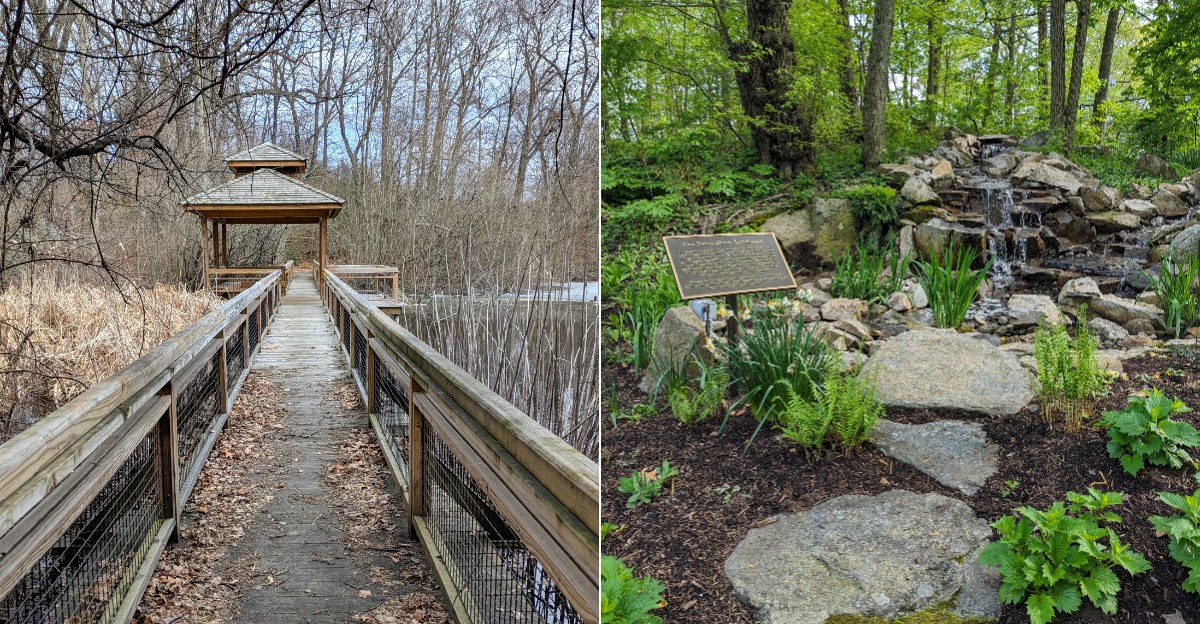
Long before songbird conservation became a national movement, one small Connecticut sanctuary was already leading the way.
Winding paths thread through woodland and meadow, offering a peaceful escape just steps from a busy Fairfield street.
Birders of every skill level come to spot warblers, thrushes, and other migratory visitors passing through.
A historic museum building anchors the property, filled with exhibits on bird conservation and natural history.
Educational programs introduce children and adults alike to the basics of birdwatching and habitat protection.
The CT Audubon Birdcraft Museum in Fairfield has been protecting songbirds since it first opened its gates.
A Hidden Sanctuary With a Big Place in Bird History
Quiet places sometimes carry the biggest stories, and this small preserve proves it. The CT Audubon Birdcraft Museum at 314 Unquowa Rd, Fairfield, CT 06824, United States is often described as the nation’s oldest private songbird sanctuary.
It began in the late 1800s, when people were just starting to understand that birds needed safe spaces.
At that time, many wild birds were being harmed for fashion, hunting, and trade. Saving land for songbirds was a bold idea, and this sanctuary helped show why it mattered.
Today, visitors can still feel that early conservation spirit while walking the grounds.
The site is not huge, but its size makes the history easier to notice. Bring a curious eye, not a rushed schedule.
Read signs, look toward shrubs, and listen for calls from hidden branches. Families can use the visit to talk about how small choices protect wildlife.
A short stop here can teach a lesson bigger than any classroom poster: nature survives when people care enough to make room.
Trails Made for Slow Walks and Sharp Eyes
A path does not need to be long to feel like an adventure. The trails here are short, simple, and easy to enjoy without special gear.
Many visitors mention taking a gentle stroll, which makes sense because the grounds invite slow steps. Instead of racing to finish a loop, pause near bushes, tree trunks, and open patches.
Birds often reveal themselves through movement before they show clear colors. A flick of a tail, a flash of wings, or leaves shaking for no reason can lead your eyes to something interesting.
Comfortable shoes are still a smart choice because natural paths can be uneven after rain. Children may enjoy turning the walk into a quiet search game.
Count bird sounds, spot different leaf shapes, or watch for chipmunks near the trail edges. Adults may appreciate the calm break from errands, screens, and traffic.
Since the route is manageable, it works well for a quick nature visit, a family outing, or a peaceful reset. Pack patience, and the smallest trail can feel full of life.
A Small Museum That Turns Bird Watching Into Learning
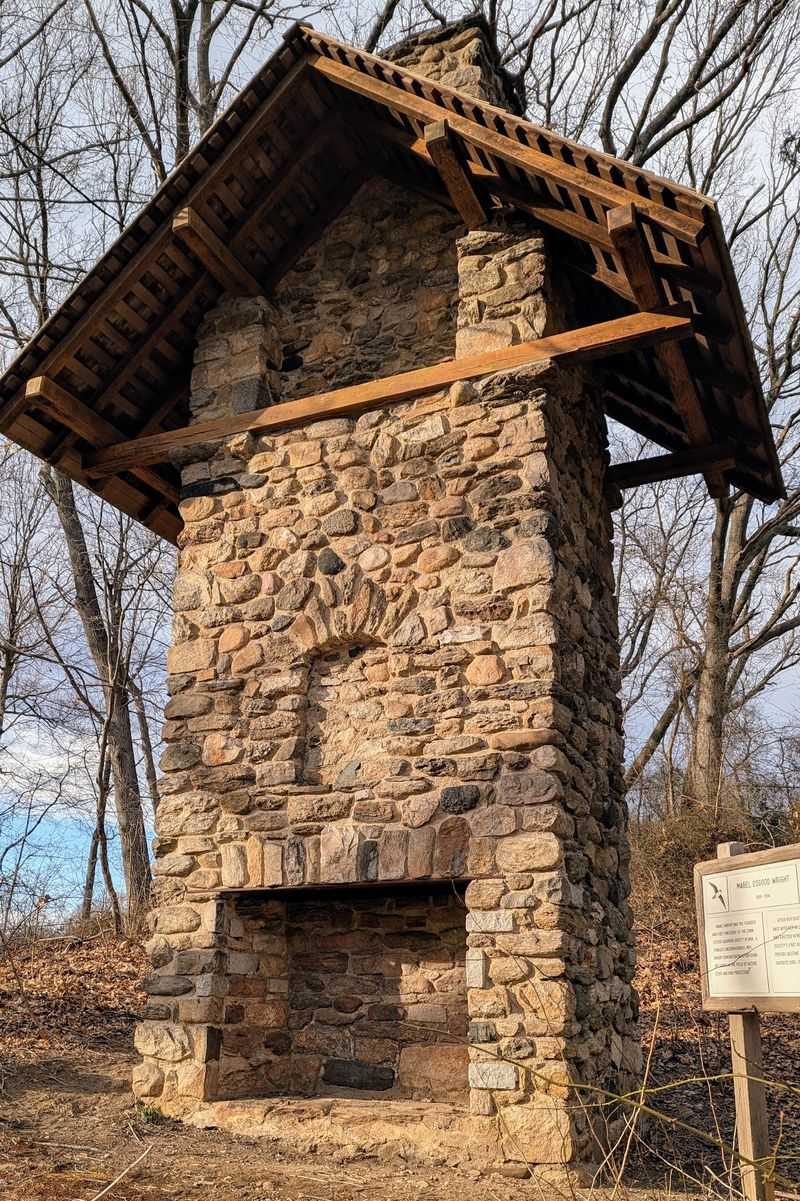
Inside a good nature museum, even a feather can feel like a clue. The museum adds helpful context to the sanctuary around it by showing visitors how birds live, migrate, nest, and survive.
Reviews mention sweet touches such as scavenger hunt guides and coloring pages, which can make the visit easier for children. Those small activities matter because they turn looking into noticing.
A child who searches for a bird shape or colors a wing may later pay closer attention outside. Adults can benefit too, especially if they are new to birding.
Exhibits help explain what you might hear or see on the trails. Before walking outside, spend a few minutes learning common features like beak shapes, habitat needs, and seasonal behavior.
After your walk, return to the displays and connect them with real sightings. That simple before-and-after plan can make a short visit feel richer.
Because hours and access can change, call ahead or check the official site before planning around the museum building. When open, it gives the sanctuary a thoughtful indoor anchor.
Gardens That Reward People Who Notice Details
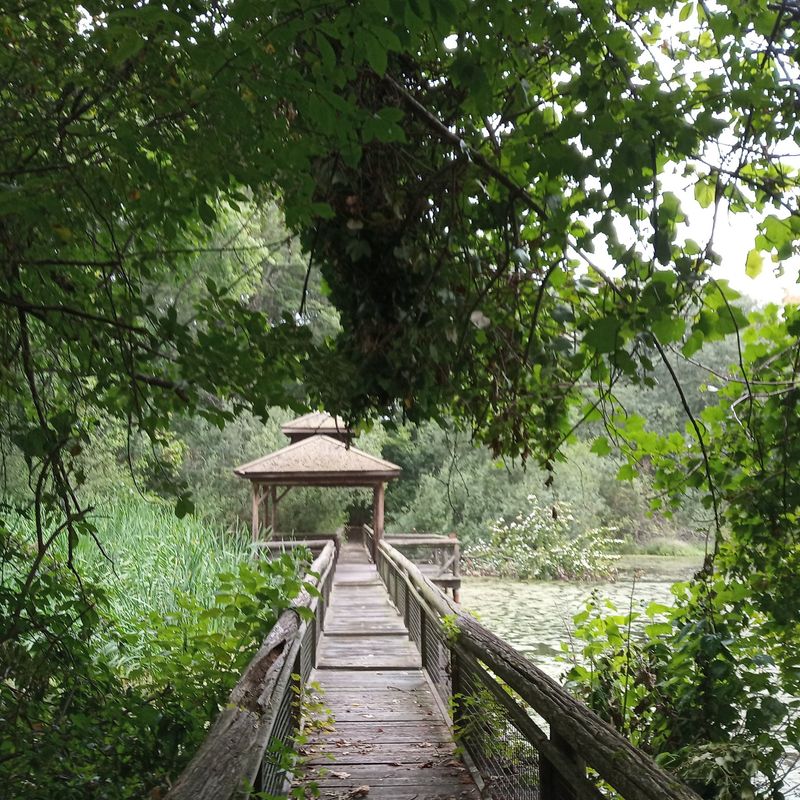
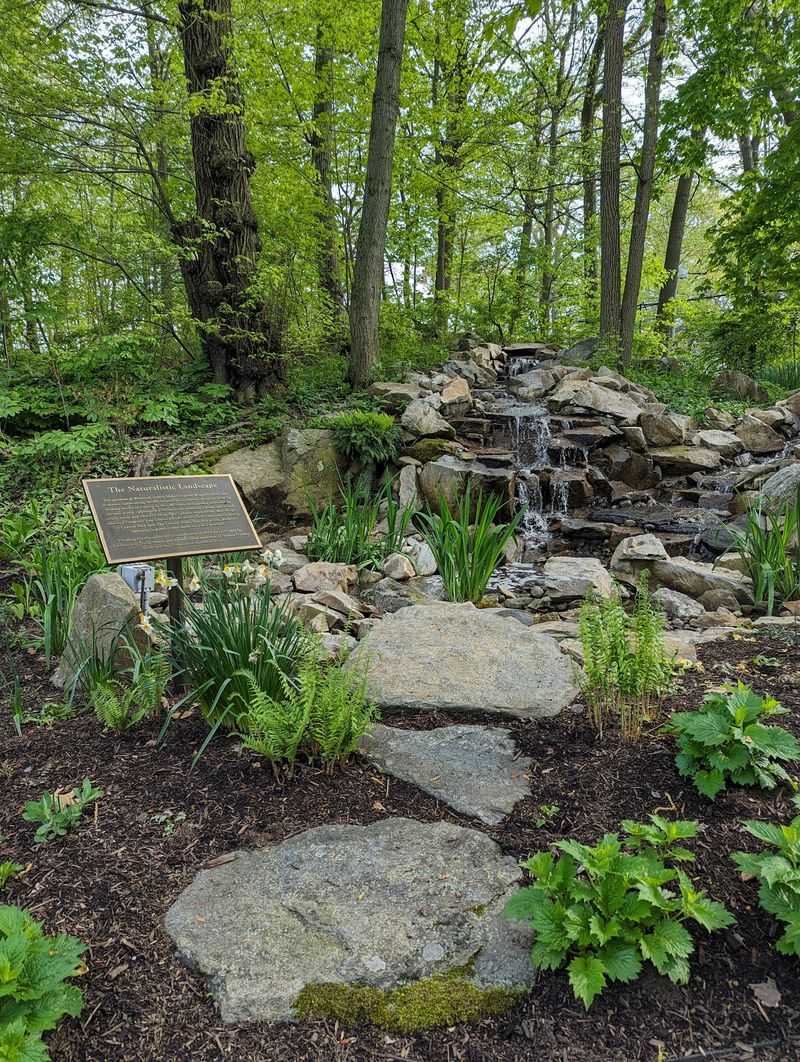
Some gardens shout with bright displays, while others whisper little discoveries. The garden areas here seem to belong to the second kind.
Visitors often describe them as lovely, peaceful, and full of small things worth noticing. That makes sense in a bird sanctuary, where plants are not just decoration.
Shrubs can offer shelter, flowers can support insects, and seeds can feed visiting birds. When you walk through, try looking at different levels.
Check the ground for fallen seeds, the middle branches for perching birds, and the treetops for quick movement. Bring a phone camera or small notebook if you enjoy remembering details.
You do not need to know every plant name to enjoy the space. Notice shapes, colors, and how birds use each area.
A garden like this can also teach homeowners a practical lesson. Even a small yard can help wildlife if it includes cover, food, and fewer harsh chemicals.
The best visits happen when you slow down enough to see the tiny parts working together.
A Peaceful Pause Near Busy Roads

It feels almost surprising when birdsong rises near the noise of daily life. Visitors often point out that the sanctuary sits close to busy roads, including highway traffic nearby.
That can mean some road sound, so arriving with realistic expectations helps. Do not expect deep wilderness silence.
Expect something more unusual: a pocket of habitat holding its ground inside a busy area. That contrast is part of the story.
Birds moving along the coast and through towns need small safe stops, not only giant forests. People need them too.
A short walk here can refresh you before errands, after work, or during a drive.
If sound bothers you, visit at calmer times, such as a weekend morning, and focus on close details like water, leaves, and bird calls. Binoculars can help your attention settle on wildlife instead of traffic.
The setting also offers a useful lesson for young visitors. Conservation is not only about faraway parks.
It can happen right beside the roads we use every day.
Family Friendly Nature Without a Long Hike
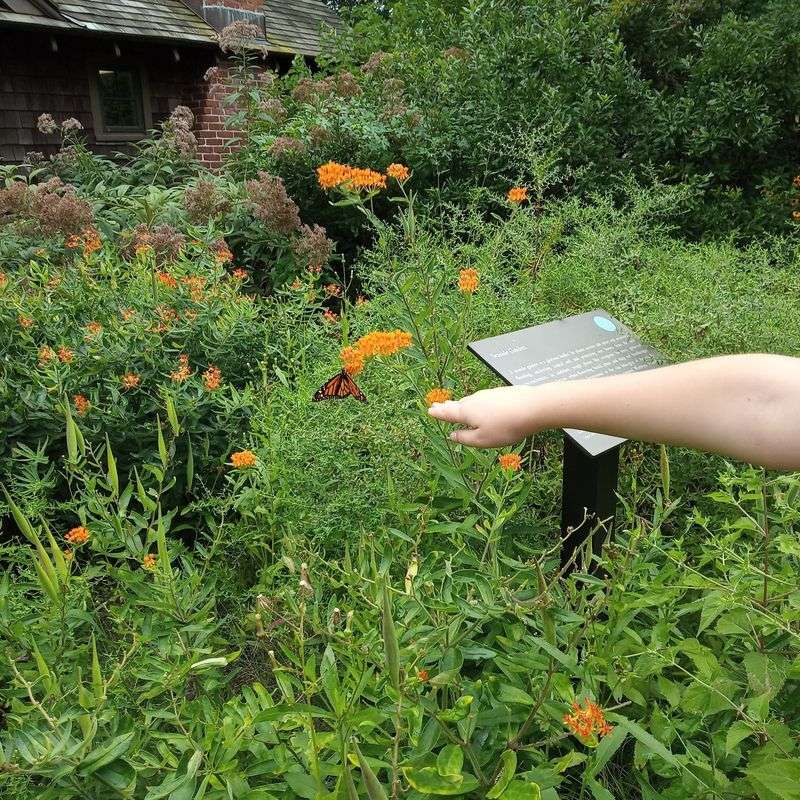
Not every family nature trip has to include backpacks, steep hills, or tired complaints. This sanctuary is often praised as a good stop for families with small children because it is compact and easy to explore.
Short trails let kids feel successful without wearing everyone out. The museum activities, when available, can add another layer of fun through simple guides or coloring pages.
Parents can keep the visit low pressure. Ask children to listen for three bird sounds, find a curved leaf, or watch quietly for one minute.
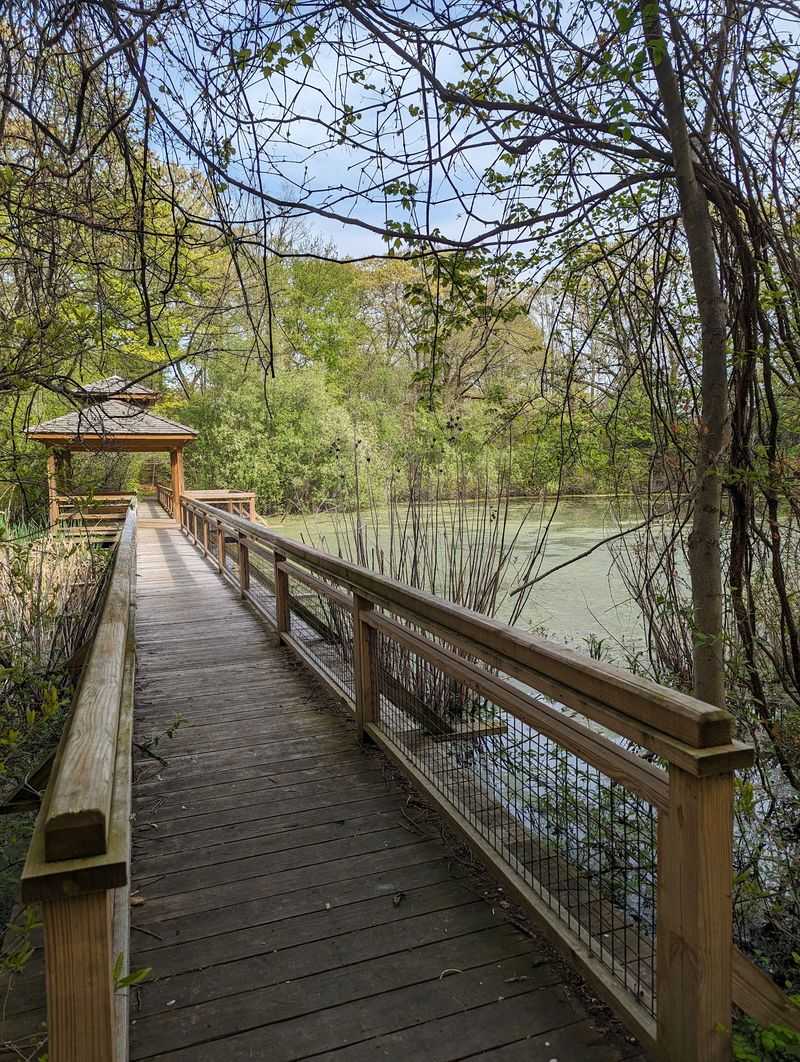
Small goals work better than long lectures. A pond, boardwalk area, woods, and garden features can give kids several scenes in one visit.
Bring water, use bug spray in warm months, and remind children to stay on paths. Because birds scare easily, practicing soft voices becomes part of the adventure.
Families should also check open days before going, since hours are limited. With a little planning, this small spot can become a gentle first lesson in birding, patience, and outdoor respect.
Bird Watching That Welcomes Beginners
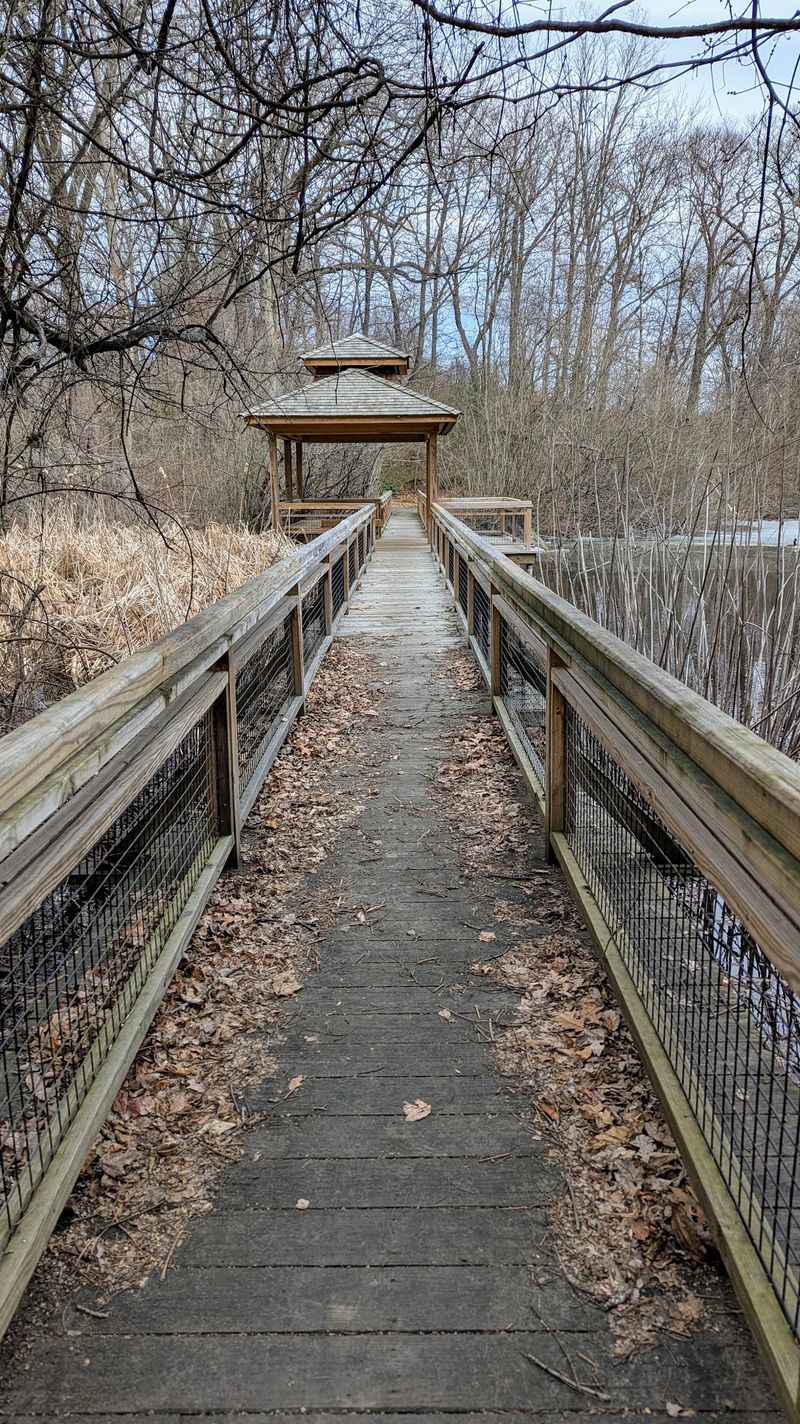
Your first birding trip does not need a rare sighting to be a success. The sanctuary is a welcoming place to practice because the grounds are small enough to explore without feeling lost.
Start with common birds, since they teach useful skills. Watch how they perch, hop, feed, and react to sounds.
Learning those habits makes unusual birds easier to notice later. Bring binoculars if you have them, but do not worry if you do not.
Your ears are just as helpful. Stand still for a few minutes and separate sounds into layers: chirps, rustling leaves, distant traffic, and moving water.
A free bird identification app can help, but keep your eyes up as much as possible.
Early day visits are often best because birds tend to be more active. Move slowly, avoid sudden gestures, and wear colors that do not stand out too much.
If you see nothing at first, wait. Bird watching rewards calm people, and this historic sanctuary gives beginners a kind place to learn that skill.
Plan Ahead So the Visit Feels Easy
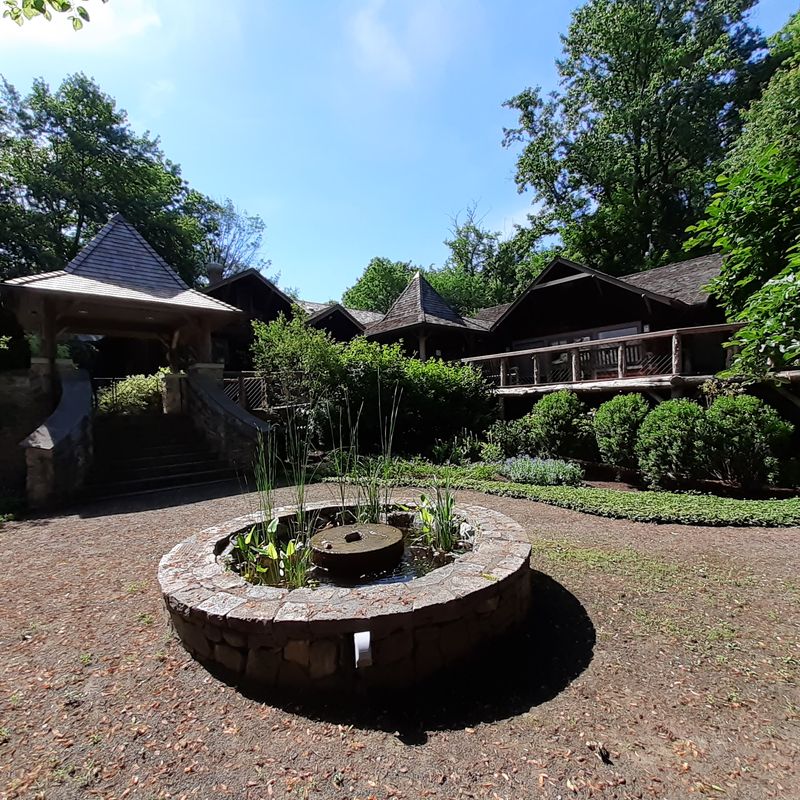
A little planning can turn a quick stop into a smooth, happy visit. Current listed hours show the site open on Thursday, Saturday, and Sunday from 10 AM to 3 PM, with other weekdays closed.
Because past visitors have reported changes, closures, or renovation periods, check the official website or call before you go. That simple step can prevent disappointment, especially if you are driving from far away.
Admission details may vary, and donations are often appreciated at small conservation sites. Carry a few dollars if you want to support care for the museum, trails, gardens, and bird habitat.
Plan for a short visit rather than an all-day outing. The sanctuary works well as a peaceful break, a weekend stop, or part of a Fairfield day trip.
Wear comfortable shoes, bring water, and consider binoculars or a camera.
Stay on marked paths and respect quiet areas, since the land exists first for wildlife. Before leaving, take one last slow look around.
Small sanctuaries often save their best moments for patient visitors.