Few places let you swim just yards away from a wild manatee, but this spring park makes it an everyday possibility.
Blue Spring State Park sits along the St. Johns River and becomes a winter refuge for hundreds of manatees seeking warmer water.
The spring itself stays a constant 73 degrees year-round, drawing snorkelers and swimmers eager to see straight down to the sandy bottom.
A wooden boardwalk winds along the run, giving visitors an easy vantage point to spot fish, turtles, and the gentle giants themselves.
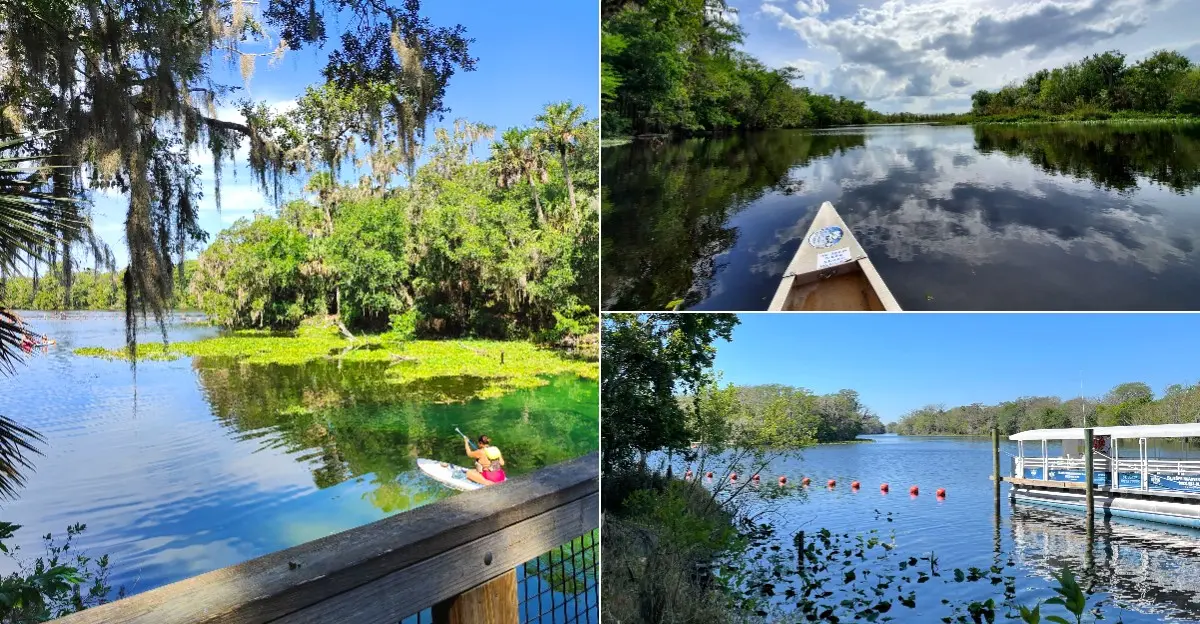
Paddlers can rent kayaks and canoes to explore the spring run before it empties into the wider river.
Between the wildlife, the water, and the shady riverside campground, this park makes for an easy escape into old Florida.
A Spring That Looks Almost Too Clear To Be Real
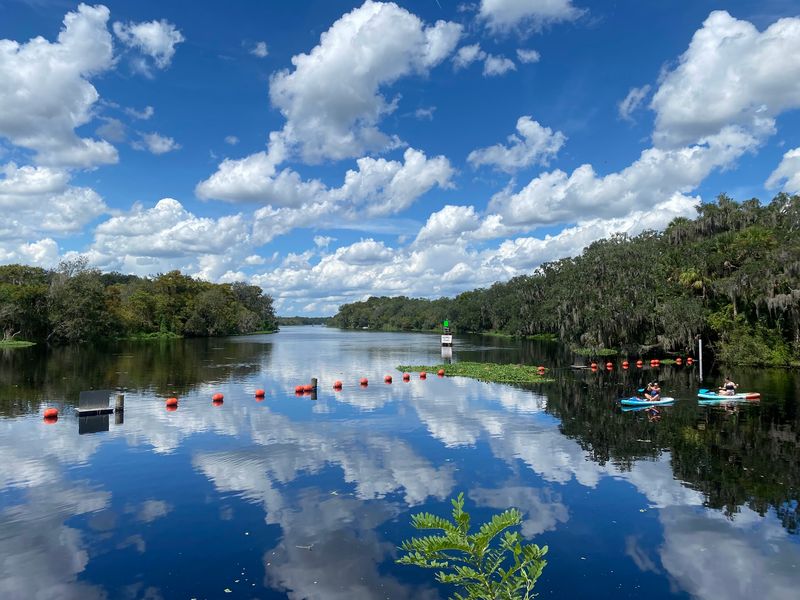
The first look at the spring often stops people in their tracks. The water is so clear that fish, sand, rocks, and waving plants can be seen from the boardwalk above. At Blue Spring State Park · Florida, United States, that clear view is the big reason many visitors plan a full day here.
The spring stays cool, around 72 degrees, which feels refreshing during warm months. Swimming is popular when the spring run is open, and the stairs make getting into the water easier for many guests. Water shoes can help because some surfaces may feel slippery or uneven.
Arrive early if swimming is your main goal, especially on weekends or during school breaks. The park can reach capacity, and summer entry may require a reservation through the official state park website. Bring towels, sunscreen, drinking water, and a dry bag for phones or keys.
For the best view, walk the boardwalk before getting wet. From there, the spring looks like a living window into Florida nature, with gar, turtles, and shadows moving below.
Manatees Turn Winter Visits Into Something Magical
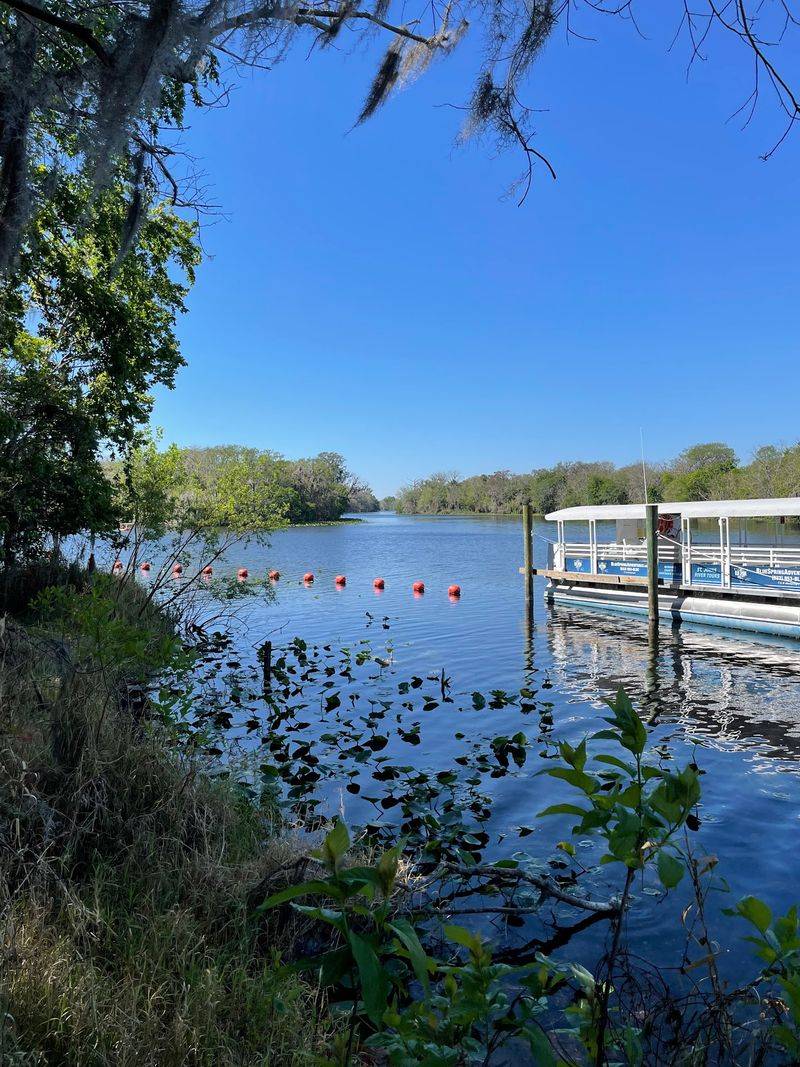
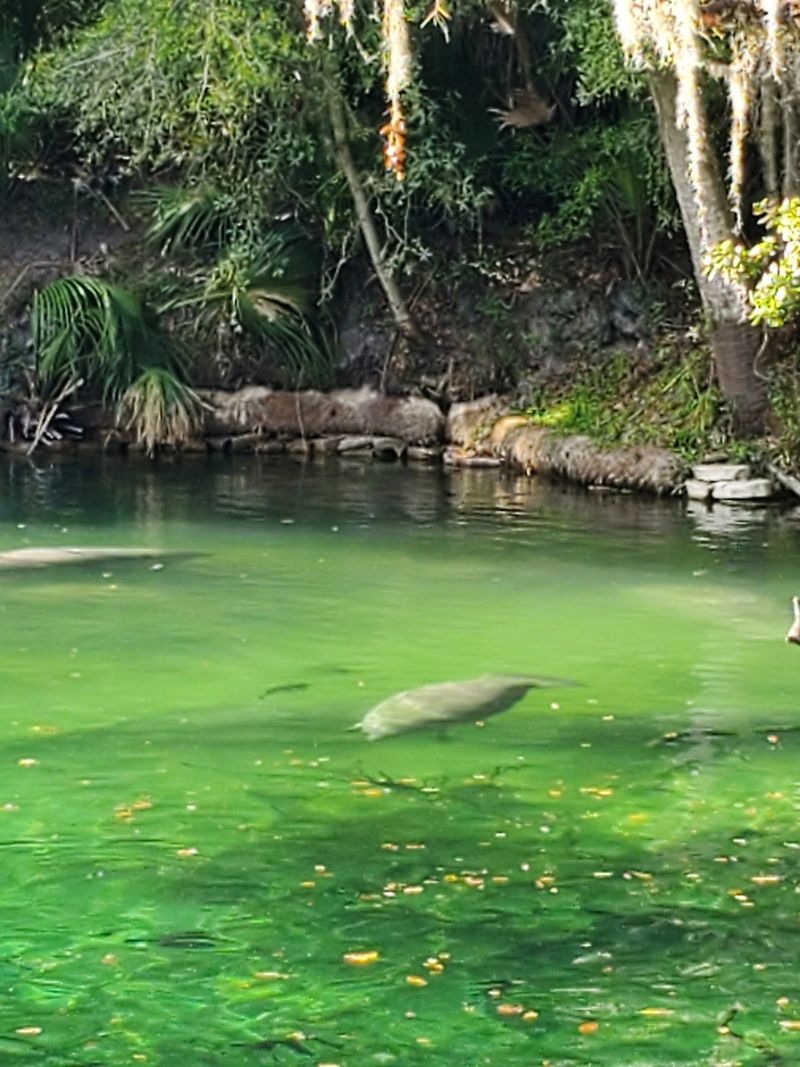
Cold mornings can bring the park its most famous guests. When river water drops in temperature, manatees move into the warm spring run to rest, nurse calves, and save energy. Seeing their round backs rise and sink slowly can feel calm, quiet, and unforgettable.
Winter is the best season for manatee viewing, often from mid-November through March. During this time, swimming, snorkeling, tubing, and paddling in the spring run may be closed to protect the animals. That rule may disappoint swimmers, but it gives manatees the safe space they need.
Use the viewing platforms and boardwalk for the clearest looks. Bring binoculars if you have them, though many manatees come close enough to see without help. A jacket is smart on chilly days because visitors may stand still for a while.
Check the daily manatee count posted by the park when available. Some days bring only a few animals, while strong cold snaps can bring hundreds. Keep voices low, stay behind railings, and let the slow show unfold.
Snorkeling Feels Like Floating Through A Fish Tank
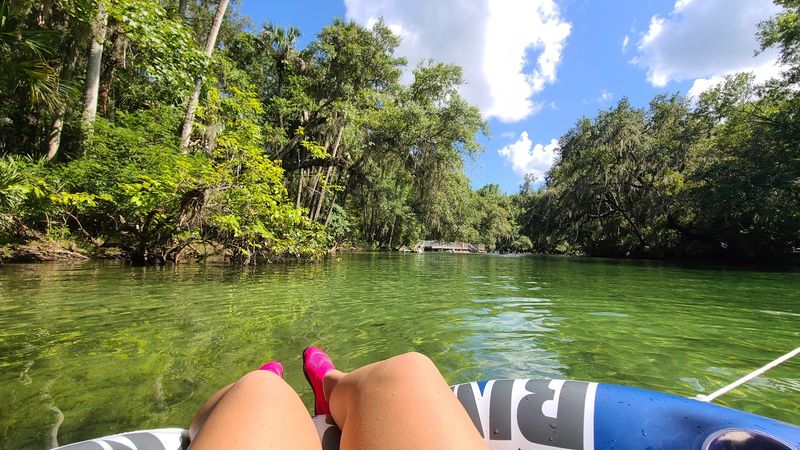
Few swimming spots make snorkeling feel so easy for beginners. Clear water lets you see fish before you even put your face below the surface. Once your mask is on, the spring run can feel like a giant outdoor aquarium.
Snorkeling is usually a warm-weather activity here, because winter closures protect manatees. Before packing gear, check the park website for current water access rules. Conditions can change because of wildlife, weather, high water, or safety concerns.
A simple mask, snorkel, and fins are enough for most visitors. Keep fins under control near other swimmers, and avoid standing on plants or stirring up the bottom. The clearer the water stays, the better everyone can enjoy the view.
Large gar often glide through the run, looking prehistoric but minding their own business. Smaller fish gather near the edges, and turtles may appear when the area is quiet. Move slowly, give wildlife room, and never try to touch or feed anything.
For comfort, take breaks on land between swims. The cool water feels wonderful, but long sessions can chill you.
Kayaks And Canoes Add A Wider View Of The River
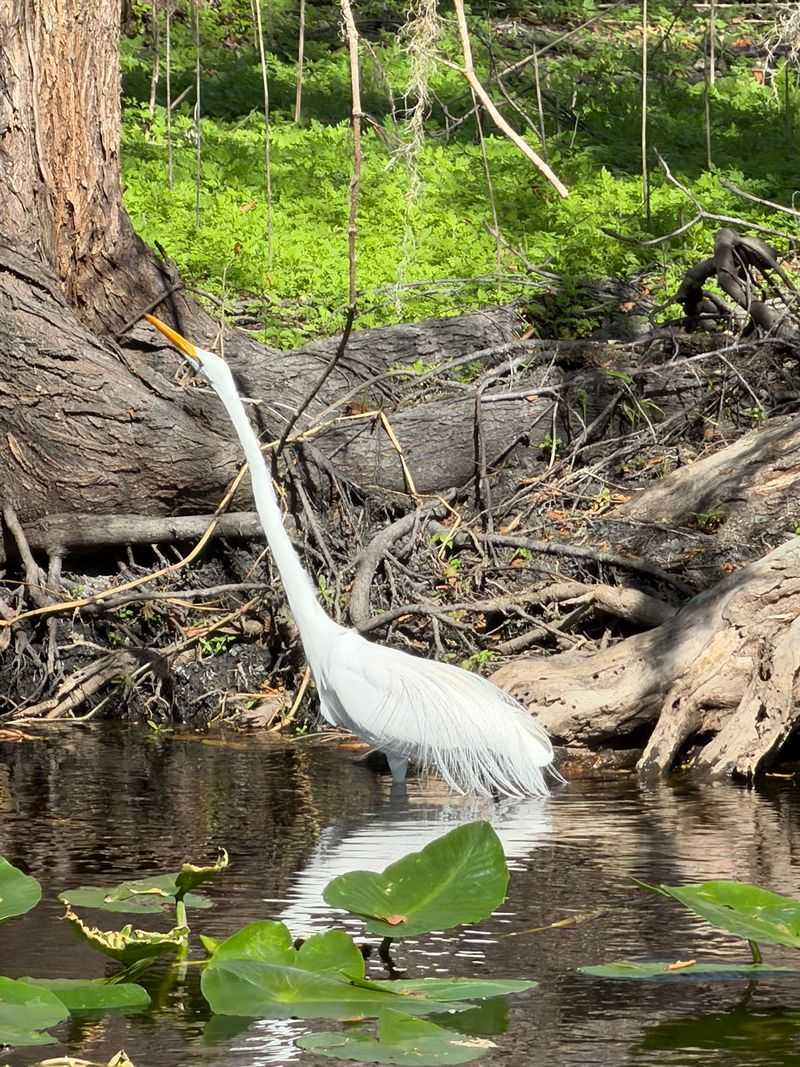
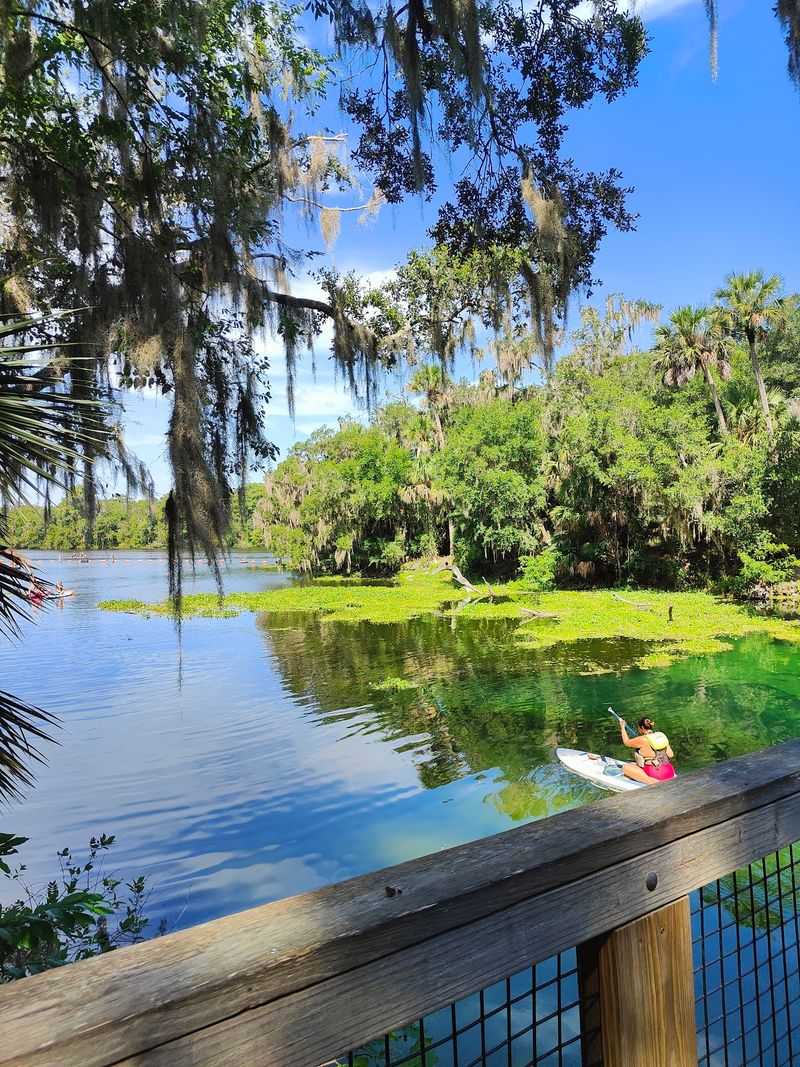
Paddling changes the whole pace of a visit. Instead of watching the water from shore, you move with it, passing cypress trees, birds, and quiet bends along the river. The trip feels active, but not rushed.
Kayak, canoe, and paddleboard rentals are often available through the park concession, though hours and choices can vary. Visitors may also bring their own approved craft and launch from allowed areas. Always confirm launch rules before arrival, especially during manatee season.
The St. Johns River gives paddlers a chance to spot wildlife that may be missed from land. Look for turtles on logs, anhingas drying their wings, herons stalking the shallows, and alligators resting at a distance. Keep space between your boat and every animal you see.
Beginners should choose calm times of day and stay aware of wind, current, and boat traffic. A life jacket is not just a rule, it is smart protection. Bring water, sun protection, and a waterproof pouch.
If paddling with kids, set simple goals. A short trip with wildlife sightings can be better than a long, tiring route.
The Boardwalk Offers Big Views Without Getting Wet
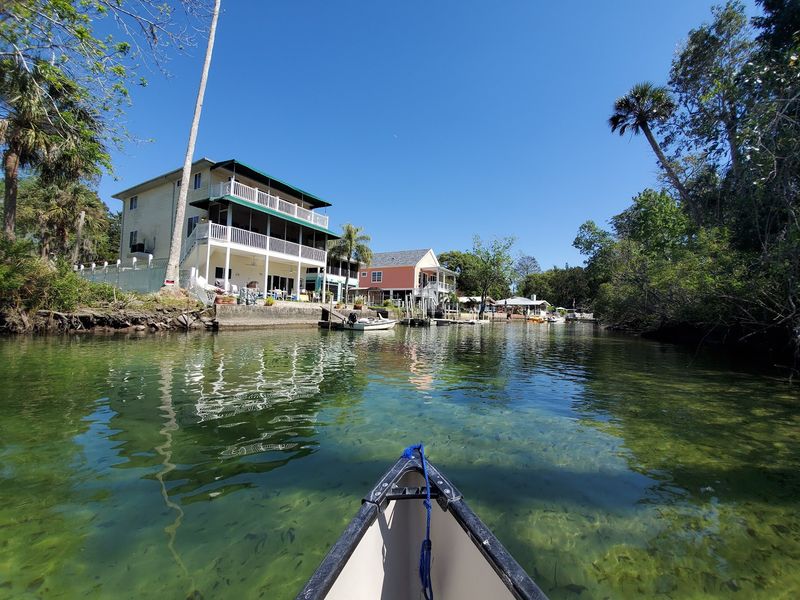
Not every great moment here requires a swimsuit. The boardwalk gives visitors a front-row view of the spring run while keeping feet dry and wildlife undisturbed. It is one of the easiest ways to enjoy the park at any age.
The path follows the water, with overlooks that are helpful for photos and animal watching. From above, the spring shifts from deep blue to pale aqua, and shadows move across the sandy bottom. Manatees, fish, turtles, and birds can all be seen from different spots.
Families like the boardwalk because it gives kids something to search for at every stop. Try turning the walk into a simple nature hunt, with points for spotting a gar, a bird, a turtle, or a swirl in the water. Remind children to use quiet voices near viewing areas.
The boardwalk can be sunny in places, so hats and water are useful. Move aside when stopping, because crowds build quickly during manatee season. Morning and late afternoon often feel calmer.
For visitors who cannot swim or paddle, this path still delivers the park’s best scenery.
Wildlife Watching Rewards Slow And Patient Visitors
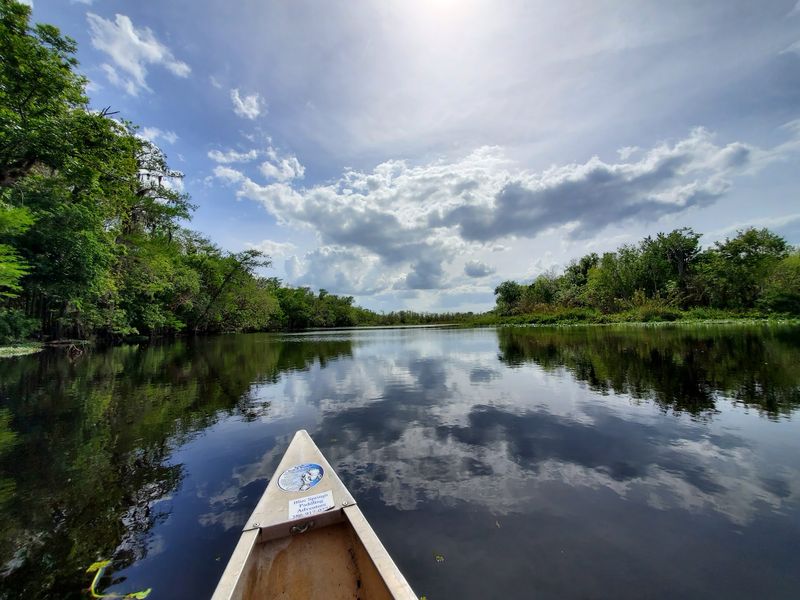
A quick glance may show pretty water, but patience reveals the real show. Wildlife appears in layers here, from tiny fish flashing near the bank to large birds hunting in the shallows. The longer you watch, the more the park seems to move.
Alligators live in the area, so treat every shoreline with care. Never swim outside marked areas, never feed wildlife, and keep children close near water. Alligators are part of the habitat, not attractions to approach.
Bird lovers can look for herons, egrets, anhingas, ospreys, and sometimes bald eagles. Turtles often line up on logs when the sun is bright. Gar and other fish are easy to see because the water acts like glass.
A phone camera works well for casual photos, but a zoom lens or binoculars makes distant wildlife easier to enjoy. Stand still for a minute before moving on, because animals often appear after noise settles. Early morning usually brings better activity and cooler air.
Respect makes every sighting better. Give animals room, leave plants alone, and take every bit of trash with you.
Picnics, Cabins, And Family Breaks Make The Day Easy
After swimming or walking, a shaded picnic table can feel like the best seat in the park. The grounds offer places to rest, eat, and reset before the next activity. That makes the visit easier for families, especially with kids who need breaks.
Picnic areas and grills are useful for a budget-friendly day outside. Pack simple foods that handle heat well, such as sandwiches, fruit, crackers, and plenty of cold drinks. A small cooler, reusable bottles, and extra napkins can save several trips back to the car.
Visitors who want more time can look into cabins or camping options when available. Reviews often praise the cabins for being clean, comfortable, and helpful for longer stays. Reservations can fill, so planning ahead is wise.
There are restrooms, a gift shop, and food options, though services may change by season. Do not count on buying everything after arrival. Bring basics like sunscreen, bug spray, towels, and dry clothes.
Between swims, kids can enjoy open space and nearby play areas. Adults get something just as useful, a peaceful pause under the trees.
Smart Planning Helps You Avoid The Biggest Hassles
A smooth visit often starts before you reach the gate. Because the park is popular, parking and entry can become the hardest parts of the day. A little planning helps you spend more time enjoying the spring and less time waiting.
Always check the official state park website before leaving home. Summer access may require reservations, and water activities can close because of manatees, weather, high water, or maintenance. Rules can change, so fresh information matters more than old travel posts.
Weekdays are usually easier than weekends, especially during warm months and winter manatee season. Arriving early gives you better parking choices and a calmer first look at the water. If you book a boat tour, keep confirmation details handy.
The entrance fee is usually reasonable, but bring a backup payment method just in case. Veterans, seniors, and frequent visitors should review Florida State Parks pass options before going. Phone service may not be perfect, so screenshots can help.
Pack like you are visiting nature, not a water park. Comfortable shoes, patience, and respect for posted signs will make the day far better.