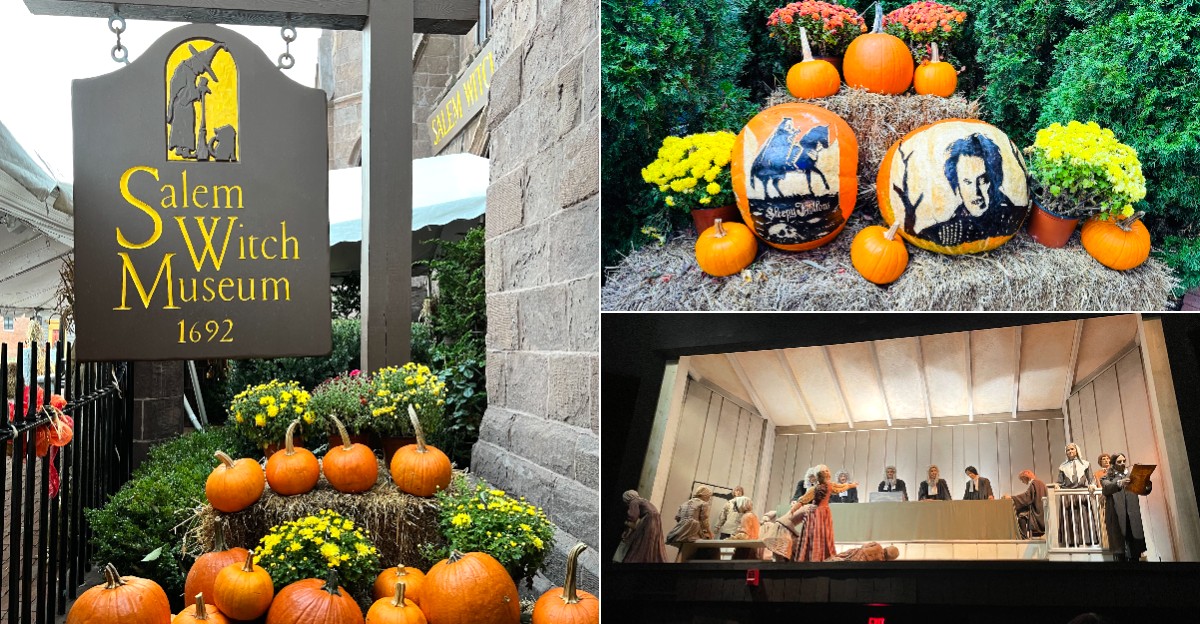
Nothing captures the eerie spirit of autumn in New England quite like a walk through Salem’s most infamous chapter of history.
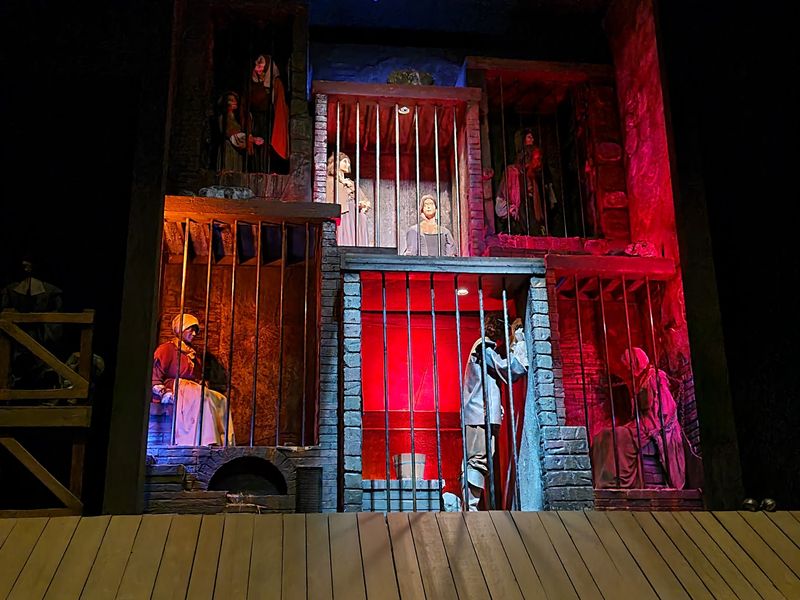
The Salem Witch Museum brings the hysteria of 1692 to life through dramatic stage sets, narrated scenes, and haunting lighting.
Visitors move through a series of life-size displays that recreate the accusations, trials, and fear that gripped the small colonial town.
A second exhibit traces how the image of witches has evolved over the centuries, from feared outcasts to modern pop culture icons.
The museum sits right on Salem’s Washington Square, making it an easy stop alongside the city’s many other historic sites.
Whether you’re a history buff or just love a good fall outing, this stop offers a chilling reminder of how quickly fear can spread.
Begin With The Mood Of Old Salem
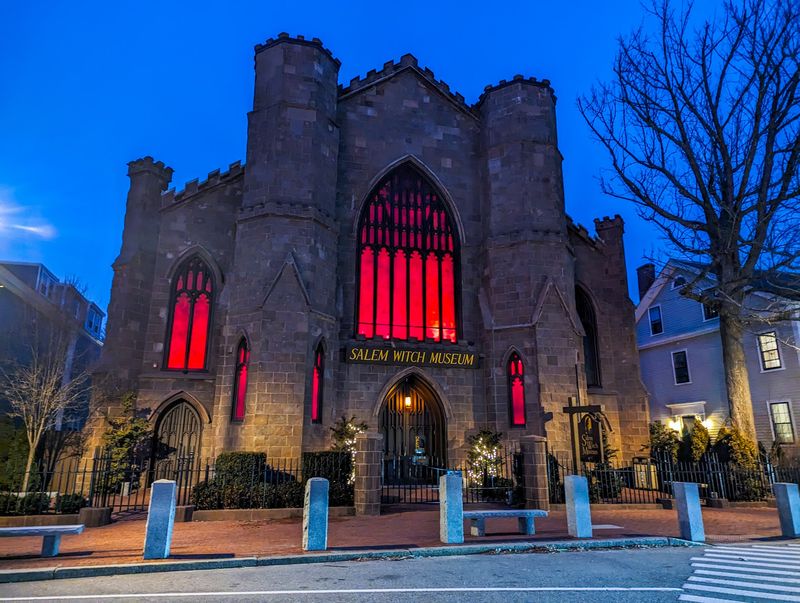
Cool wind, brick sidewalks, and turning leaves make Salem feel ready for a story before you even step indoors. The museum uses that seasonal mood well, especially for visitors arriving in September or October. Its dark presentation room, spoken narration, and glowing scenes create a serious tone without feeling too frightening for most families.
The Salem Witch Museum sits at 19 1/2 N Washington Square, Salem, MA 01970, United States, near the edge of Salem Common. That location makes it easy to pair with a walk through the historic downtown area. Plan to arrive early, because fall crowds can build fast, especially on weekends and near Halloween.
Think of this stop as a gateway to the larger story of Salem. It gives a clear overview of the 1692 trials, the accusations, and the fear that spread through the community. Even if you later visit cemeteries, memorials, or walking tours, starting here can help names and events feel less confusing. Bring curiosity, patience, and a willingness to listen closely to a sad chapter of American history.
Watch The 1692 Story Unfold Around You
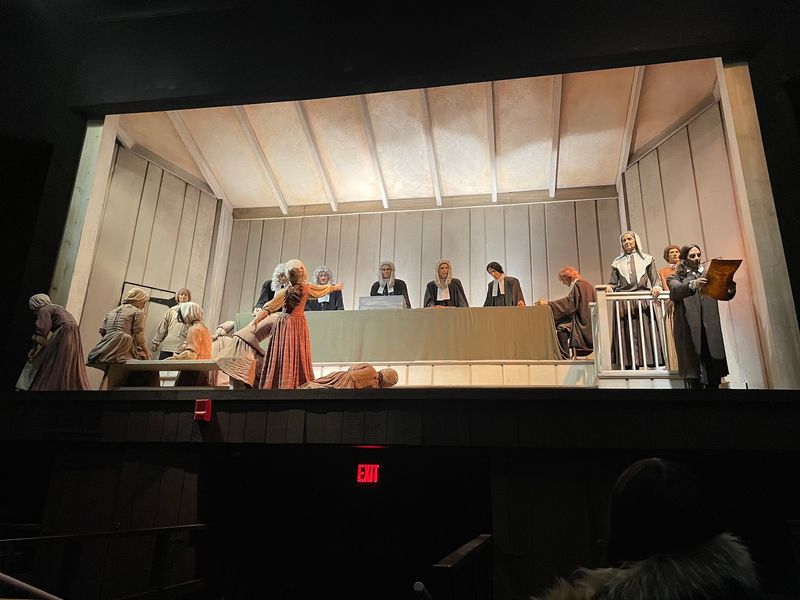
A circle of scenes lights up one by one, almost like a shadowy picture book coming to life. Visitors sit in the center while recorded narration explains how accusations grew in 1692. The setup is old-fashioned, but that is part of what many guests remember.
Life-size figures, staged rooms, and dramatic lighting help younger visitors picture the fear that moved through the village. The show is not a courtroom reenactment with actors walking around. Instead, it is a seated presentation that turns attention from scene to scene as the story continues.
For first-time visitors, this format can be helpful because it keeps the timeline simple. You hear about suspicion, pressure, testimony, and punishment in a short span. Some reviewers say the show feels dated, so set expectations for a classic museum attraction rather than a high-tech movie experience.
Choose a seat near the middle if you can, since displays are placed around the room. Kids who handle dim rooms and serious stories usually do fine. Afterward, talk together about how fear can make people believe harmful things.
Learn Why Fear Spread So Quickly
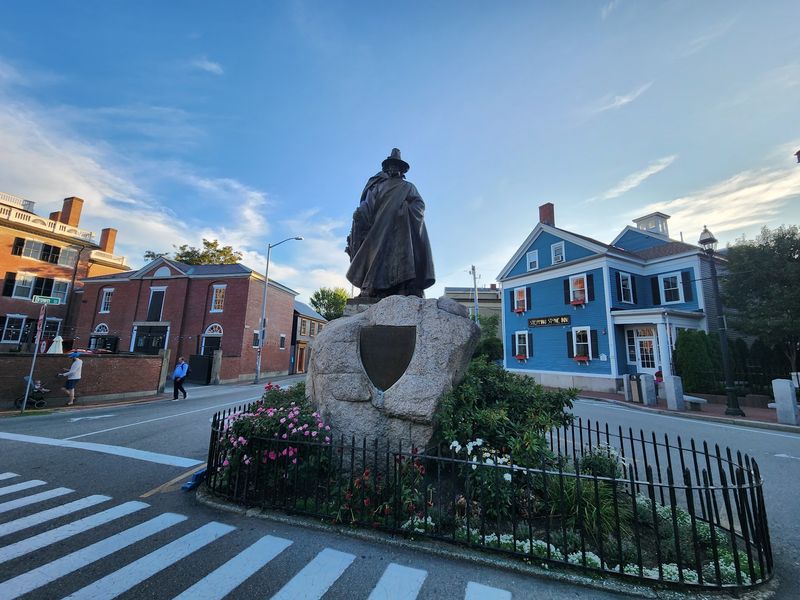
Rumors can move faster than facts, and the trials show how dangerous that can become. The museum explains how ordinary people began to suspect neighbors, friends, and even church members. Small claims grew into serious charges when fear took control of the community.
One helpful lesson here is that the trials were not only about witchcraft beliefs. They were also about stress, religion, social pressure, family conflict, and a legal system that accepted weak evidence. That mix made it hard for accused people to defend themselves fairly.
Visitors may leave with questions, and that is not a bad thing. The presentation gives a broad overview rather than every detail from the court records. If you love history, use the museum as a starting point, then read more about the people named in the trials.
For students, families, and casual travelers, the biggest takeaway is simple but powerful. Communities can hurt people when fear is treated as proof. That message still matters today, which makes the museum more than a spooky fall stop.
Meet The Accused As Real People
Names on a wall can feel quiet, but they carry heavy stories. The museum encourages visitors to think about the accused as real people, not Halloween characters. They were parents, neighbors, workers, and churchgoers caught in a frightening moment.
The presentation moves through the events that led to arrests, trials, and executions. It helps explain how little evidence was sometimes needed to damage a life. That part can feel upsetting, but it is handled in a way most older children can understand.
A good tip is to listen for names you may hear again around town. Salem has memorials and historic markers connected to the same tragedy. Recognizing those names later makes the whole visit feel more connected and meaningful.
Remind younger visitors that the museum is about injustice, not just witches. The word witch is everywhere in Salem, but the human story matters most. When you slow down and think about the people involved, the attraction becomes less like a spooky show and more like a lesson in fairness.
Expect A Classic Tourist Attraction Feel
Not every museum feels modern, and that is useful to know before buying tickets. This attraction has a classic style, with mannequins, staged scenes, and recorded voiceover. Some visitors love the theatrical mood, while others wish the displays had newer technology.
The average rating is mixed enough to show that expectations matter. People often praise the staff, the quick history lesson, and the moody setting. Other guests mention that the building looks larger than the actual tour space feels.
If you enjoy polished digital screens and hands-on exhibits, you may find the experience simple. If you like narrated storytelling and old-school roadside charm, it may be exactly your kind of stop. Either way, knowing the style ahead of time helps prevent disappointment.
Most visits are fairly short compared with a large art or science museum. That can be a plus if your day includes several Salem stops. Treat it as a focused introduction to the trials, not a full academic deep study, and the visit will make more sense.
Use The Second Exhibit To Connect Past And Present
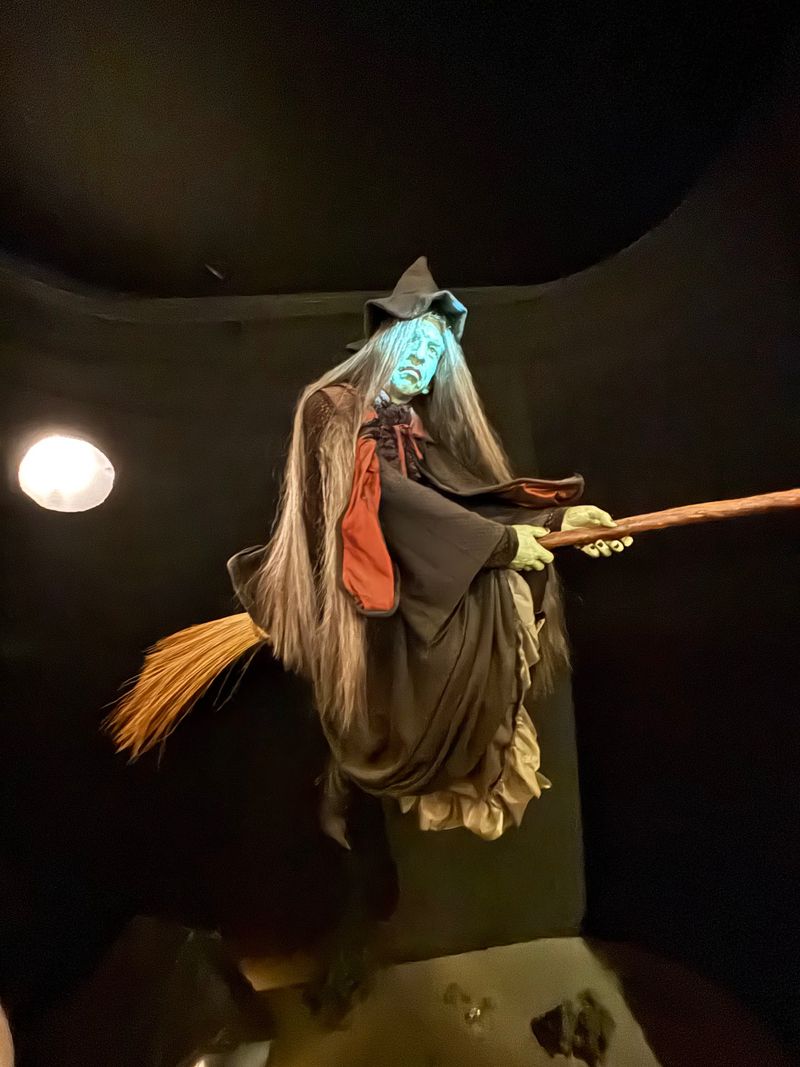
After the seated show, the visit usually continues into a smaller exhibit space with a guide. This part shifts from the trials to the changing image of witches over time. It helps visitors see how history, fear, stories, and pop culture became mixed together.
The guide may explain how the idea of a witch changed from a feared figure into the green-faced character seen in movies. The exhibit also touches on modern witchcraft and Wiccan beliefs. That contrast can surprise people who only know witches from costumes and cartoons.
This section is useful because it separates real history from later imagination. A person accused in 1692 was not the same as a movie villain with a pointed hat. Understanding that difference makes the tragedy of the trials easier to respect.
Listen carefully here, because the room is smaller and group noise can make details harder to hear. If someone in your group has questions, save them for staff when there is a quiet moment. Friendly guides are often one of the museum’s strongest features.
Plan Smart For Fall Crowds
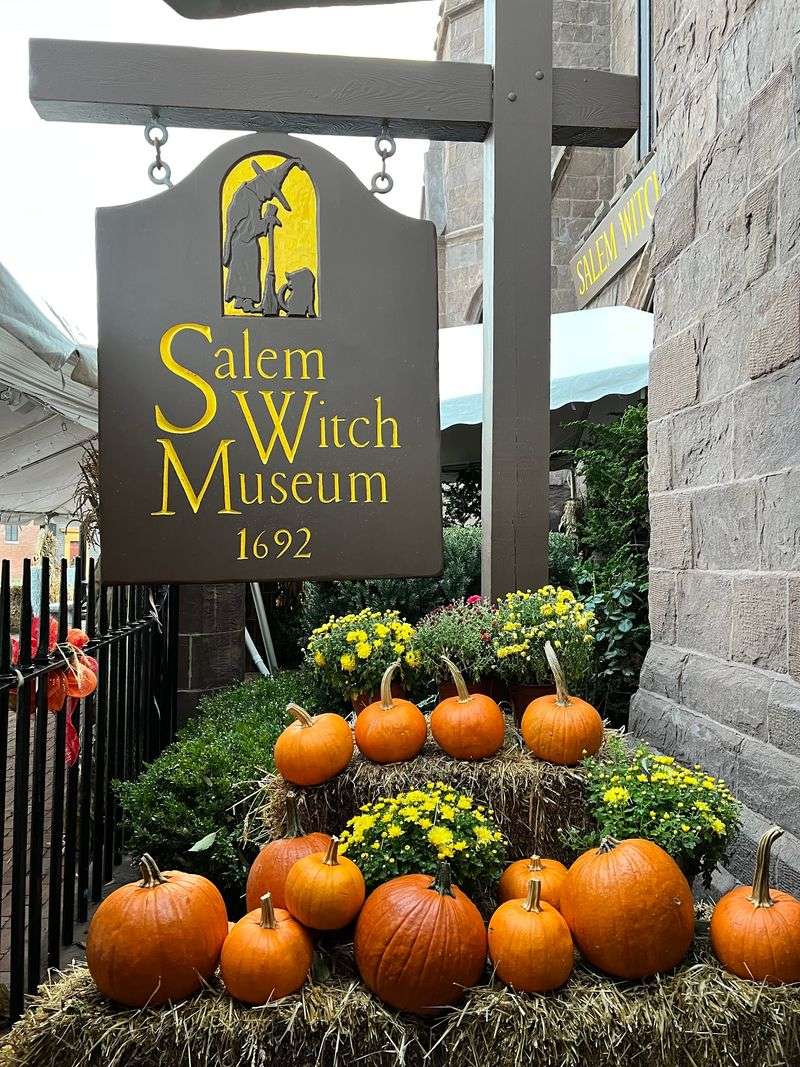
October in Salem can feel like a festival that took over a whole city. That energy is exciting, but it also means lines, full sidewalks, and sold-out time slots. A little planning can make the museum visit much smoother.
Buying tickets ahead of time is a smart choice during busy fall weeks. The museum commonly operates from 10 AM to 5 PM, but hours can change, so check the official website before you go. Arrive before your scheduled time because entry can involve checking in, receiving a tour sticker, and waiting near the correct door.
Weekdays are often calmer than Saturdays or Sundays. Some visitors recommend Tuesday through Thursday for a less crowded Salem trip. Morning tours can also leave more time for walking, lunch, and nearby historic stops.
Keep your group together and explain the plan to kids before entering. The process may feel confusing when crowds are moving in different directions. Staff members are usually helpful, so ask questions if you are unsure where to wait.
Save Time For The Gift Shop And Reflection
The gift shop is more than a quick exit path for many visitors. It is packed with shirts, books, witch-themed gifts, ornaments, and small souvenirs. Fans of Salem history may enjoy browsing after hearing the story, especially if they want something to remember the trip.
Prices can feel high to some families, so set a budget before children start choosing items. Books are often the most useful purchase because they can help answer questions the tour raises. A small keepsake is fine, but the history should remain the main reason for visiting.
After shopping, take a few minutes outside or nearby to talk about what you learned. Ask simple questions, such as why people believed the accusations or how courts should protect the innocent. Those conversations turn a tourist stop into a stronger memory.
Fall makes the experience feel extra atmospheric, but the subject is serious. Balance the fun of Salem’s seasonal charm with respect for the people who suffered. That thoughtful approach is the best souvenir you can carry home.