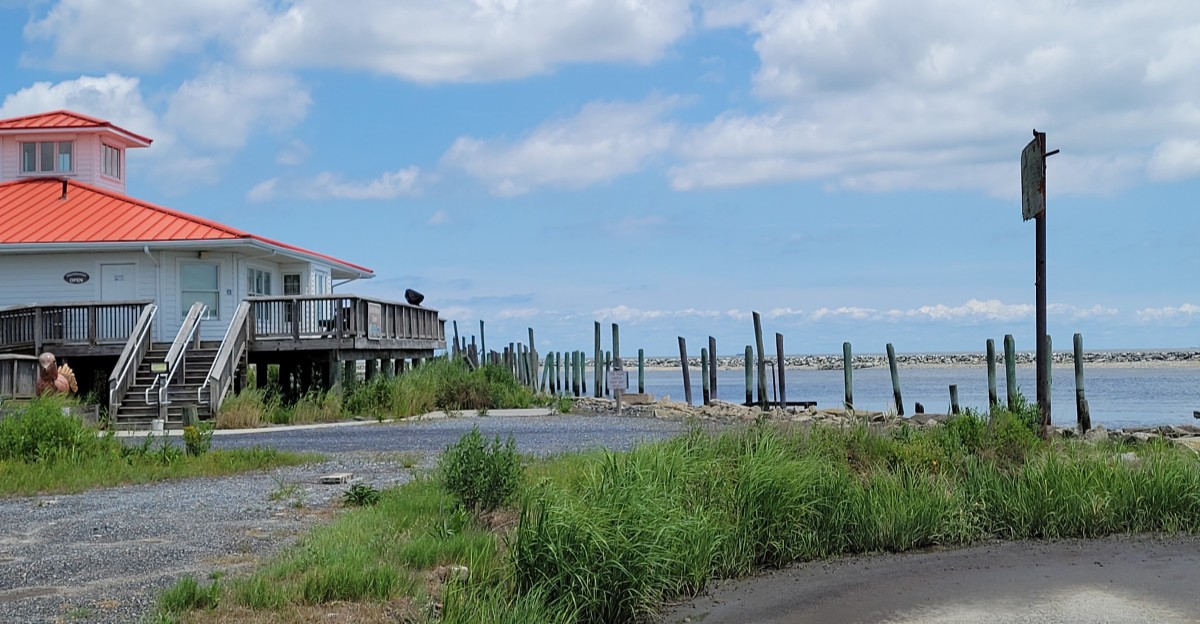
Salt air, quiet water, and wild wings meet at DuPont Nature Center, a small Delaware treasure with a big story to tell.
Here, the marsh is not just scenery, it is a living classroom where horseshoe crabs, shorebirds, fish, and curious visitors all play a part.
Families, bird lovers, and road trip explorers can slow down, look closely, and learn why Delaware Bay is one of the most special wildlife spots on the East Coast.
If you have ever wanted a nature stop that feels peaceful, fun, and a little surprising, this is the kind of place that rewards wandering.
Bring your camera, wear comfy shoes, and give yourself time to watch the water.
The boardwalk views, friendly staff, indoor exhibits, and seasonal wildlife moments can turn a simple visit into a memory worth talking about on the ride home.
A Boardwalk View Over a Marsh That Never Sits Still
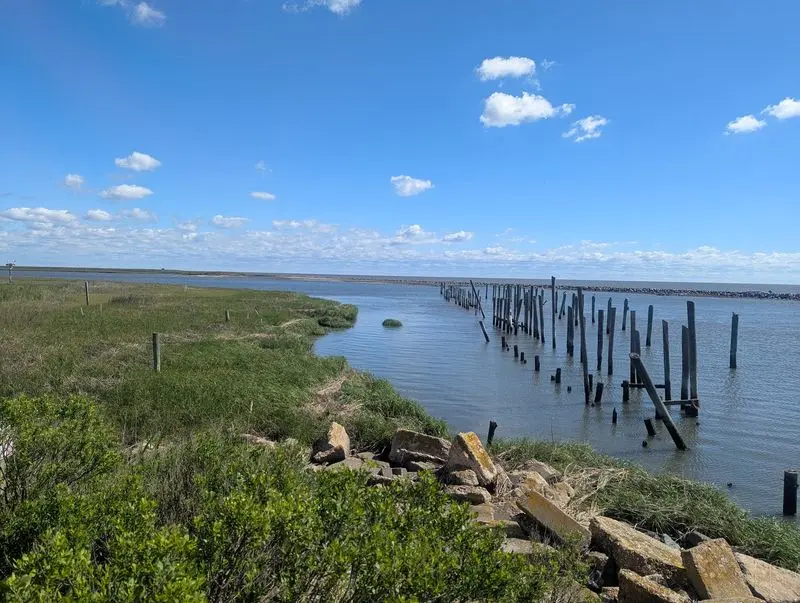
Rustling marsh grass can make a quiet walk feel like a front-row seat at a nature show.
At DuPont Nature Center, the boardwalk-style viewing areas let visitors look across tidal wetlands where water, mud, birds, and wind keep changing the scene.
One minute you may notice ripples near the shore.
A few moments later, a bird may skim low over the water or perch where you almost missed it.
The marsh matters because it gives wildlife food, shelter, and a safe stop during long travels.
It also helps protect the coast by soaking up water and supporting plants that hold the shoreline together.
That makes every look from the rail more meaningful than a simple pretty view.
Take your time here.
Move slowly, pause often, and scan the edges where land meets water.
Kids can turn it into a spotting game, while adults may enjoy the calm.
Bring binoculars if you have them, but do not worry if you forget.
The center has viewing tools and staff who can point out what is active that day.
The best reward is noticing something small, then realizing the whole marsh is full of life.
Horseshoe Crabs Steal the Show in the Best Way
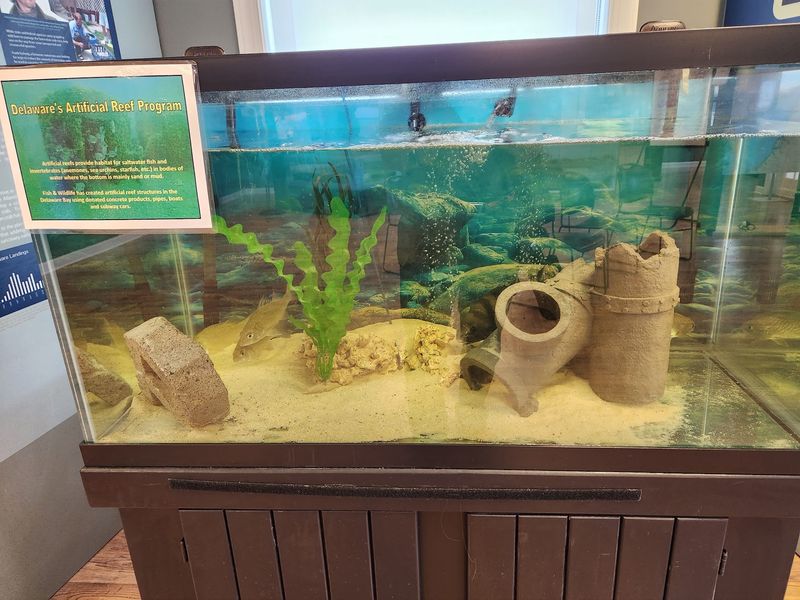
Alien helmet, ancient creature, beach celebrity, the horseshoe crab wears all three titles well.
DuPont Nature Center is known for helping visitors understand these strange and amazing animals.
Horseshoe crabs have been around for hundreds of millions of years, which means they were here long before dinosaurs disappeared.
Their hard shells and spiky tails may look scary, but they are not out to hurt people.
During the right season, especially around late spring, Delaware Bay becomes an important spawning area.
Horseshoe crab eggs help feed migrating shorebirds that need energy for long journeys.
That connection is one reason the center talks so much about them, and why visitors leave with a new respect for muddy beaches.
Inside, exhibits and programs often explain their role in nature and medicine.
Reviews often mention hands-on learning, feeding talks, and staff who make the topic fun instead of dry.
If you see a live horseshoe crab flipped upside down on a beach and it is safe to help, turn it over by the sides of the shell, not the tail.
That small action can save a very old traveler.
Shorebird Migration Turns the Sky Into a Travel Map
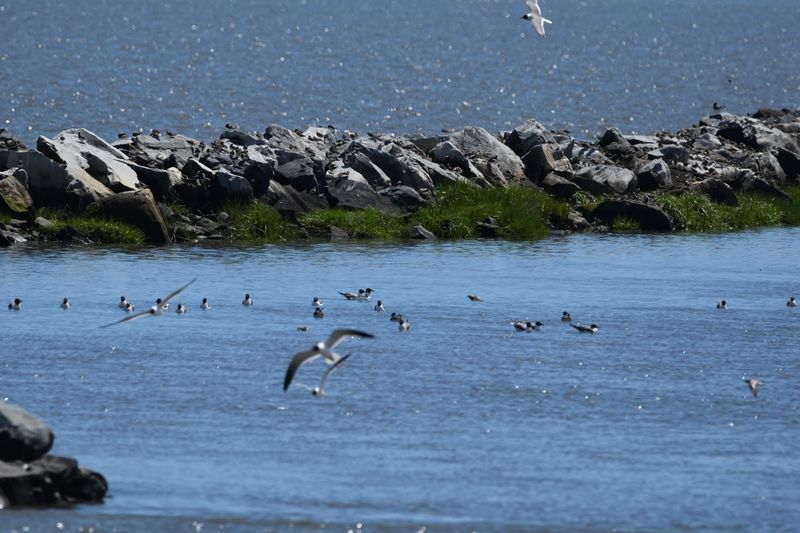
A tiny bird can fly farther than many people drive on vacation, and some stop right here to refuel.
The area around DuPont Nature Center is famous for shorebird migration.
Birds traveling from faraway winter homes toward northern nesting grounds depend on Delaware Bay as a rest stop.
For some species, horseshoe crab eggs are like trail mix for a marathon, packed with the energy needed to keep moving.
Visitors do not need to be expert birders to enjoy the action.
Watch for flocks lifting together, quick movements along the flats, and different beak shapes that hint at how each bird finds food.
Staff members and signs can help explain what you are seeing, which makes the view easier to understand.
Spring is especially exciting, but bird watching can be rewarding at other times too.
Bring binoculars, stay patient, and avoid loud sudden movements near viewing areas.
A field guide app can help, but so can simple curiosity.
Count how many types you notice, compare sizes, or listen for calls.
The magic comes from realizing that this quiet Delaware spot connects South America, the Arctic, and the bay in one sweeping journey.
Indoor Exhibits Make the Bay Feel Close Enough to Touch
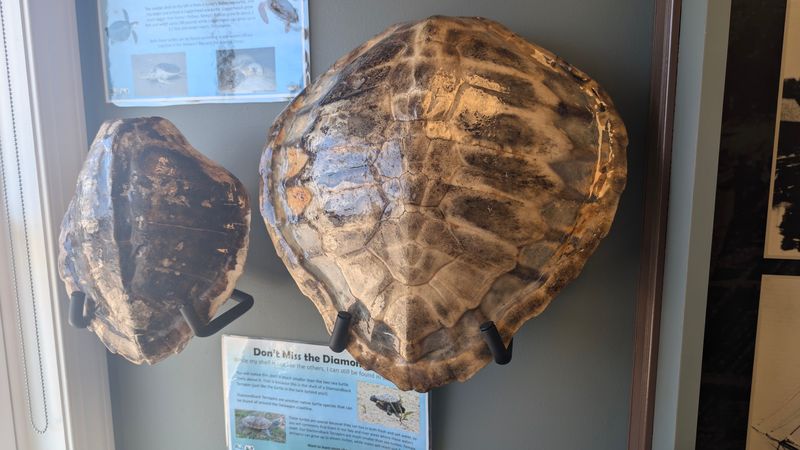
Rainy day?
Hot afternoon?
The learning does not have to stop when you step inside.
The indoor area at DuPont Nature Center may be small, but visitors often say the space is used well.
Exhibits explain Delaware Bay wildlife, fish, birds, mammals, and marsh life in ways that are easy for kids and adults to follow.
It is the kind of place where a quick stop can turn into a long string of questions.
Live critters and tank displays are a favorite when available.
Past visitors have described learning about whelks, hermit crabs, oysters, and horseshoe crabs, with staff guiding children from tank to tank.
That style of learning works because seeing an animal up close can make facts stick.
The building also offers practical comforts like restrooms and air conditioning, which families appreciate after a drive or outdoor viewing time.
Plan to spend about an hour if you want a relaxed visit, more if there is a program happening.
The center is free to visit, according to recent reviewers, but checking the official site before going is smart.
Hours can be limited, and special events may change the day.
Friendly Naturalists Bring the Marsh Stories to Life
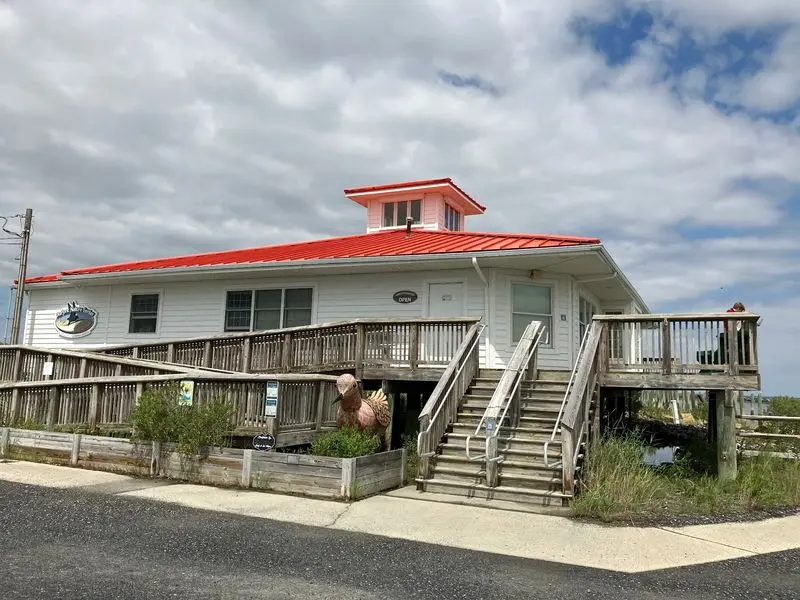
A good guide can turn a shell, feather, or muddy footprint into a story you remember.
Many visitors praise the knowledgeable staff at DuPont Nature Center, and that matters more than people may think.
Nature centers are most fun when someone can answer the question you did not even know you had.
Why do shorebirds arrive when horseshoe crabs spawn?
What fish live in the bay?
How does an osprey build a nest?
Staff and naturalists can help connect those dots.
Reviews mention welcoming workers, engaging presentations, and conversations that made the visit feel personal.
For children, that friendly style can make science feel less like school and more like discovery.
If you visit during a feeding time, talk, or story program, stay for it if your schedule allows.
A 30-minute presentation can give you a much richer view of what is outside the window.
Do not be shy about asking simple questions.
Naturalists hear them all the time, and the best ones enjoy curious visitors.
Before leaving, ask what wildlife has been active lately.
That tip may point you toward an osprey, a flock of unusual birds, or a marsh moment you would have missed.
Observation Spots Reward Patient Bird Watchers
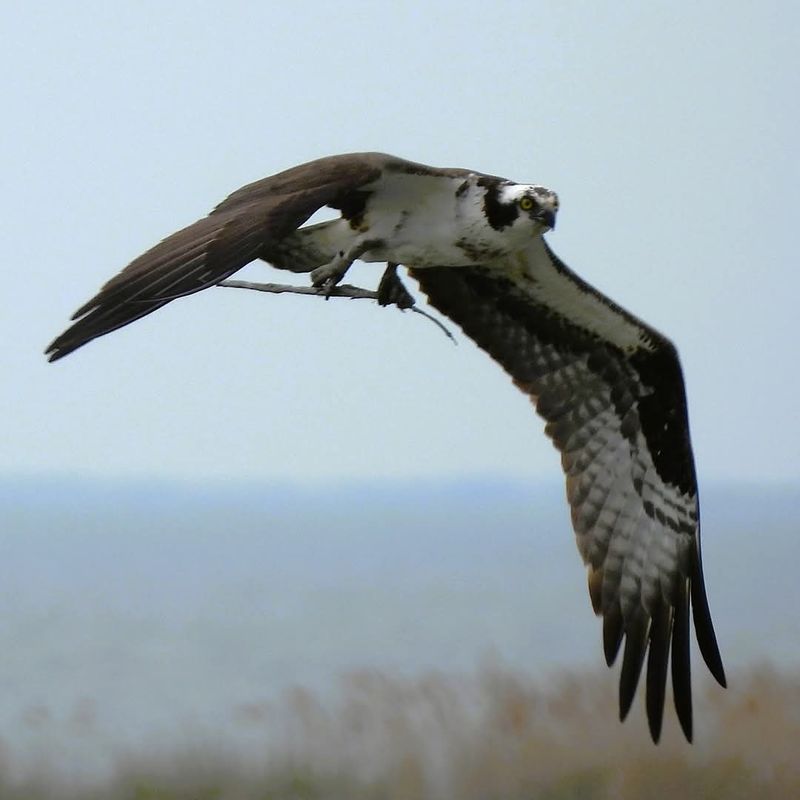
Sometimes the best wildlife moment begins with standing still and letting the landscape move first.
DuPont Nature Center offers views across water and marsh habitat that are especially appealing to bird watchers.
Visitors have mentioned telescopes and viewing equipment that help bring distant birds closer.
That is helpful because shorebirds, osprey, and water birds may be far enough away that bare eyes miss the details.
Observation areas also make the visit easier for beginners.
Instead of wandering without a plan, you can start from a set viewpoint and slowly scan the scene.
Look high for raptors, low near the mud for feeding birds, and along posts or nest platforms for osprey activity.
The center has had sightings of osprey, including young birds learning nesting behavior, according to past visitors.
Bring a small notebook if you like keeping track of what you see.
Even a simple list can make the trip feel like a personal nature record.
Morning light may be softer, while changing tides can shift where birds gather.
If the center is not crowded, take extra time at the scopes.
Wildlife rarely follows a schedule, but patient visitors often get the better show.
The Off-the-Beaten-Path Drive Feels Like Part of the Adventure
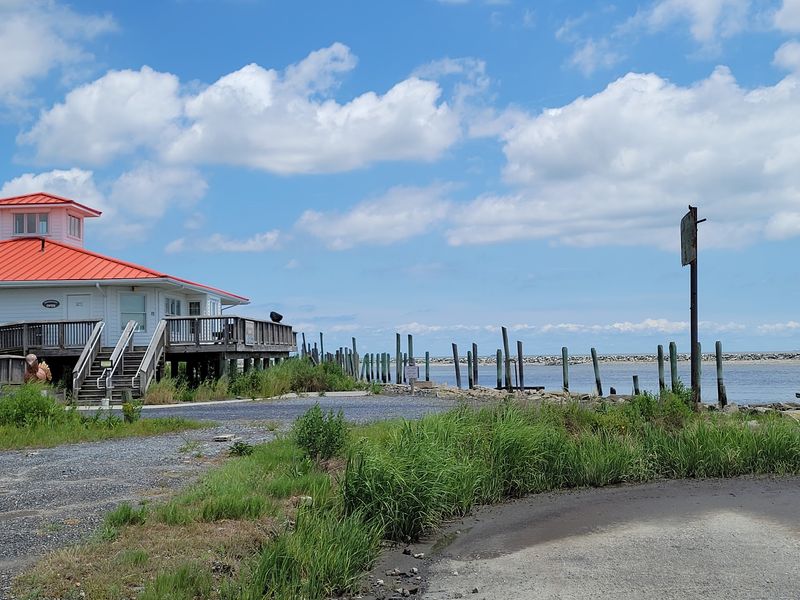
The road out feels like Delaware is quietly sharing a secret.
DuPont Nature Center sits at 2992 Lighthouse Rd, Milford, DE 19963, United States, near the meeting of Delaware Bay and the Mispillion River area.
Visitors often describe the drive as beautiful and a little out of the way.
That is part of the charm, especially if you enjoy finding places beyond busy beaches and crowded boardwalk towns.
Because the center has limited operating days, planning ahead matters.
Google listing details show it is closed on several weekdays and open 9 am to 4 pm on select days, including Wednesday and Saturday at the time provided.
Before you go, check the official Delaware DNREC website or call +1 302-422-1329 for current hours, programs, and seasonal updates.
The peaceful location makes it a good fit for families who want a non-beach activity, birders chasing migration views, or travelers who like quiet stops with strong local character.
Pack water, snacks, sunscreen, and patience for the drive.
Once you arrive, the slower pace feels right.
Instead of rushing attraction to attraction, you get marsh, sky, wildlife, and room to breathe.
A Small Free Stop Can Fill a Whole Hour With Wonder
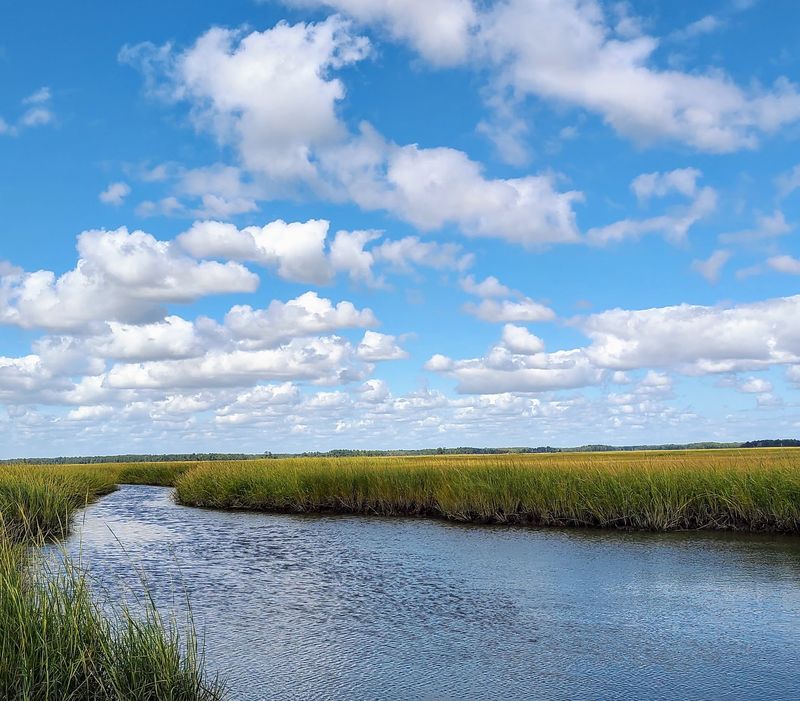
Not every memorable outing needs a giant parking lot, a ticket booth, or a full-day plan.
DuPont Nature Center proves that a smaller place can still feel rich.
Recent visitors mention that it is free, not usually super busy, and packed with interesting things to see.
That makes it especially useful for families, grandparents, homeschool groups, road trippers, and anyone who wants a calmer Delaware activity.
A one-hour visit can include indoor exhibits, staff questions, telescope viewing, restrooms, outdoor seating, and time watching the water.
If a program is running, you may want to stay longer.
Kids often connect with the hands-on details, while adults may appreciate the quiet views and science behind the bay ecosystem.
To make the most of it, arrive with flexible expectations.
Nature changes by season, weather, tide, and luck.
You might see many birds, learn about horseshoe crabs, spot osprey, or simply enjoy a breezy marsh view.
Check hours first, bring binoculars if possible, and leave extra time for the drive.
The center is not flashy, and that is exactly why people love it.
It feels real, welcoming, and tied closely to the living bay outside its doors.