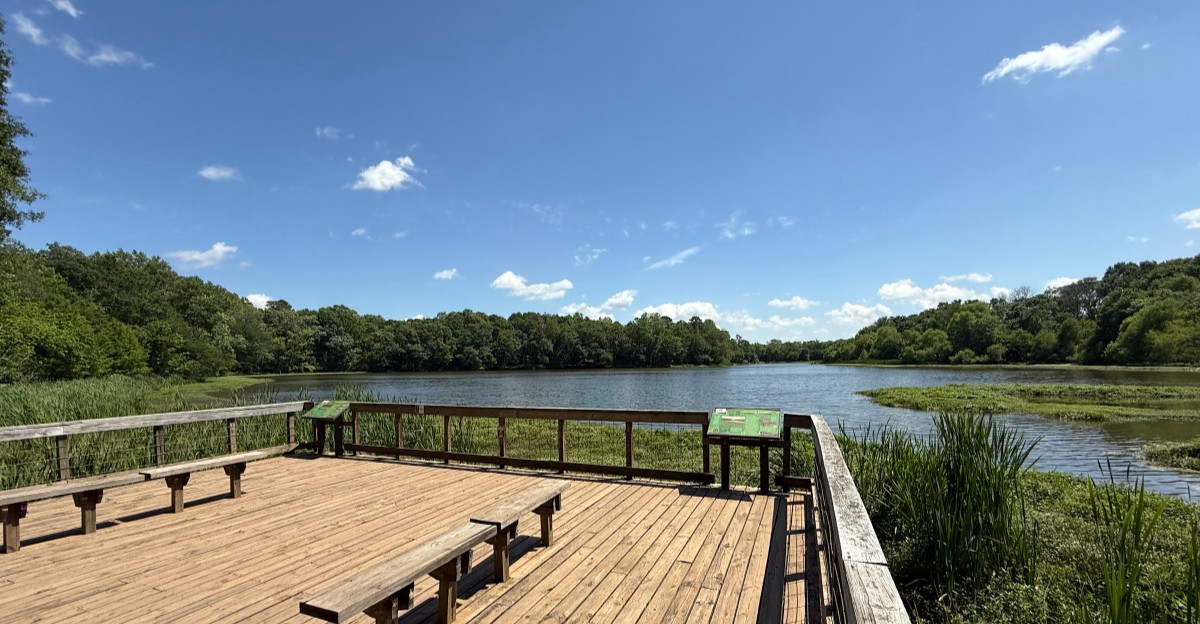
A boardwalk changes the way you see a lake: instead of stopping at the shore, you can walk out among the reeds and watch the water from a new angle.
At Conestee Nature Preserve, paths and boardwalks bring visitors close to birds, turtles, and the quiet corners of a large wetland, making it an exciting place to explore without needing a boat or special gear.
The preserve matters because it gives wildlife room to live while giving people a chance to slow down, look closely, and learn what a healthy wetland can hold.
Bring your walking shoes and a little patience, then see what appears beside the trail; even a short visit can turn into a search for a heron, a close look at tracks in the mud, or a peaceful break from a busy day, and the view may change each time you return as the light shifts across the water and different birds move through the trees.
Walk the Boardwalks at Conestee Nature Preserve
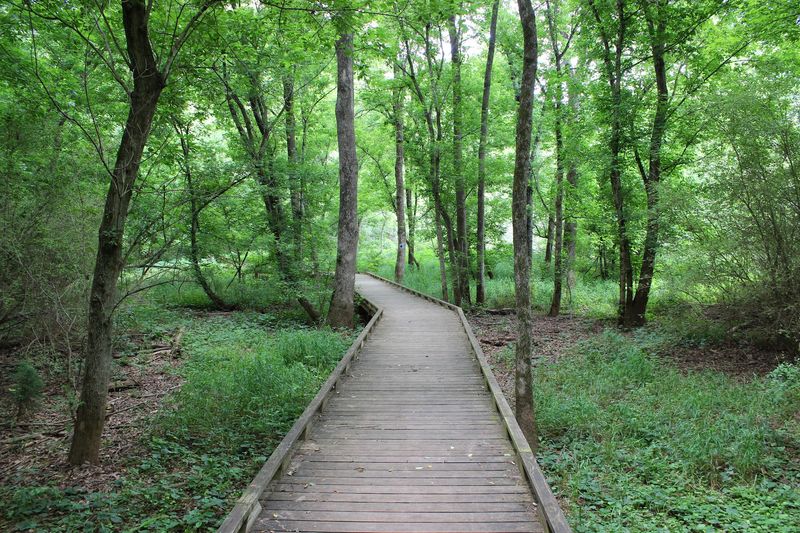
The best part of a boardwalk?
It lets you cross wet ground while keeping your shoes dry.
At Conestee, slow down and look over both sides.
From the planks, watch for turtles near the surface and birds among the reeds.
Keep your voice low so you can hear calls from the trees.
Start your visit at 840 Mauldin Rd, Greenville, SC 29607.
Conestee has multiple entrances, so check the preserve map before choosing where to park.
A heron can stand so still that it looks like part of the shore.
Give wildlife space, and use binoculars instead of trying to move closer.
Beyond the boardwalks, paved and unpaved trails offer different ways to explore.
Choose a shorter route if you are visiting with young children or have limited time.
Bring water, comfortable shoes, and sun protection.
Some paths have shade, but open stretches near the water can feel warm on a bright afternoon.
Rain may leave trails muddy, and weather can affect access.
Check current conditions and hours on the preserve website before you head out.
Finally, pause somewhere with a clear water view.
You might spot a bird you missed while walking, and you will leave the wetland just as you found it.
Watch for Birds at Lake Conestee
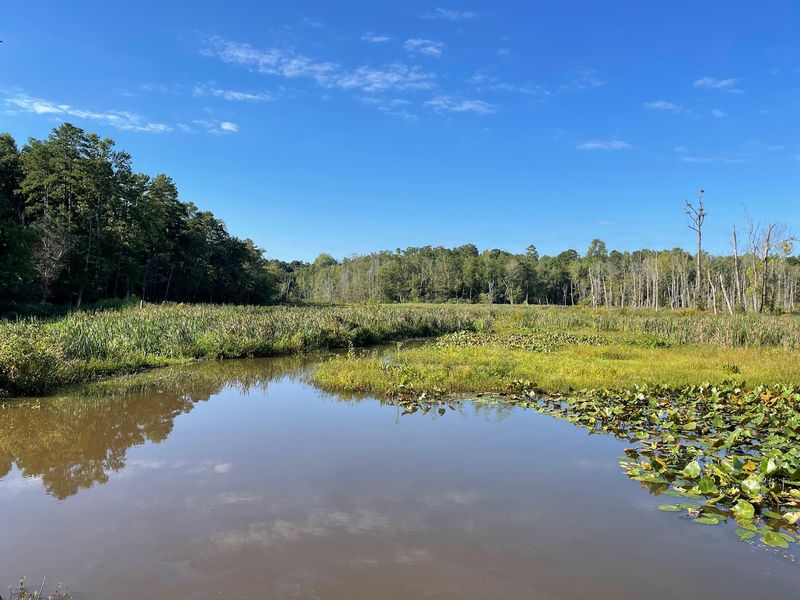
A bird can turn a quiet walk into a small adventure, especially when the path carries you across a wetland where something interesting can appear between one step and the next.
Around Lake Conestee, look toward the water’s edge, tree branches, and patches of reeds for movement.
Herons may stand almost perfectly still near shallow water, while smaller birds dart through the brush and disappear before you can point them out.
You may hear birds before you see them, which makes the preserve a rewarding place to slow down and listen.
Bring binoculars if you have them, but you can spot plenty with your own eyes.
Early mornings can be especially enjoyable for birdwatching, although activity changes with the seasons and time of day.
Pay attention to the different sounds around you and see whether you can connect a call to a bird in the trees.
If you are visiting with children, turn the walk into a simple scavenger hunt by asking them to look for different colors, shapes, or bird calls.
You do not need to identify every species to make the experience interesting.
Sometimes watching a bird move through the reeds or hearing a call from somewhere above the trail is enough.
The changing wetland scenery adds another layer to the walk, with open water in some places and dense greenery in others.
Bring a little patience, and the preserve can reward you with small moments that would be easy to miss if you hurried through.
Look for Turtles Along the Water
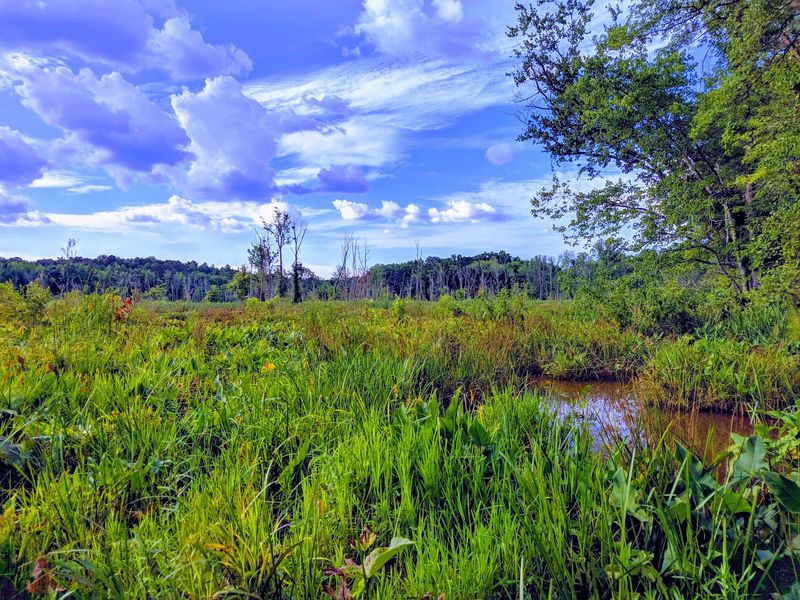
That log might have a passenger, so take a second look before walking past it.
Turtles often rest on sunny logs and other spots near the water, and spotting one can feel like finding a hidden detail in a picture.
Scan the shoreline, fallen branches, and still patches of water as you walk beside Lake Conestee.
Sunny areas are particularly worth checking because they can attract turtles looking for warmth.
Move at an unhurried pace and watch the water as well as the land around it.
A turtle may disappear beneath the surface quickly, so a sighting can be brief.
That is part of what makes finding one exciting.
If you are walking with children, give them the job of checking the logs and watching for little ripples in the water.
You can also make a game of counting how many basking spots you find, even when they turn out to be empty.
Never feed or pick up wild turtles.
Instead, enjoy the sighting as it is and let the animal continue on its way.
A quick photo from a comfortable viewing distance makes a better souvenir than trying to get closer.
Use your phone’s zoom if necessary.
Not every visit will produce a turtle sighting, but the possibility gives the walk an extra element of surprise.
Between the water, reeds, trees, and shifting reflections, there are plenty of details to notice even when the turtles decide to stay hidden.
Follow the Trails Beyond the Boardwalk
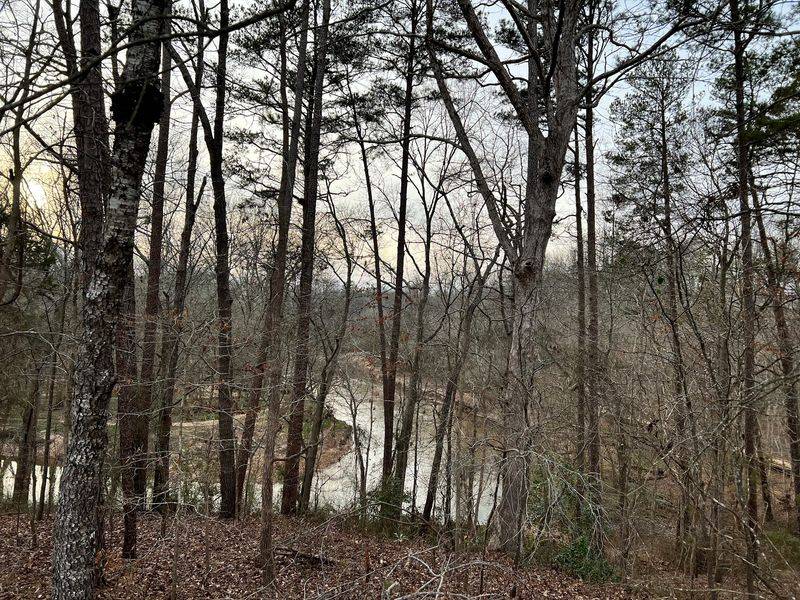
Don’t turn back the moment the planks end.
The boardwalk may be the feature that first catches your attention, but Conestee Nature Preserve has trails that lead through other parts of the landscape and give your walk a welcome change of scenery.
One stretch may feel shady and wooded, while another can open toward wetland views.
Walking farther also gives you a better sense of how the preserve changes from one habitat to another.
Check a current trail map before you set out so you know which routes fit your schedule.
There is no need to turn the outing into a race.
A slower pace gives you more opportunities to notice textures, plants, insects, changing light, and small details along the trail.
Trail conditions can change after rain, so a route that feels easy on one visit may be muddy on another.
Carry water and wear shoes that can handle dirt as comfortably as boardwalk planks.
If you are exploring with family, choose a route that leaves enough time for stops and wandering without making the return feel rushed.
Pay attention to trail intersections as you go, especially if you are exploring an unfamiliar section.
The variety is part of the appeal.
After spending time above the wetland, walking beneath trees or along a different stretch of the preserve can make the same outing feel like a second adventure.
The boardwalk is memorable, but the surrounding trails show how much more there is to explore beyond those wooden planks.
Visit Lake Conestee After a Rain
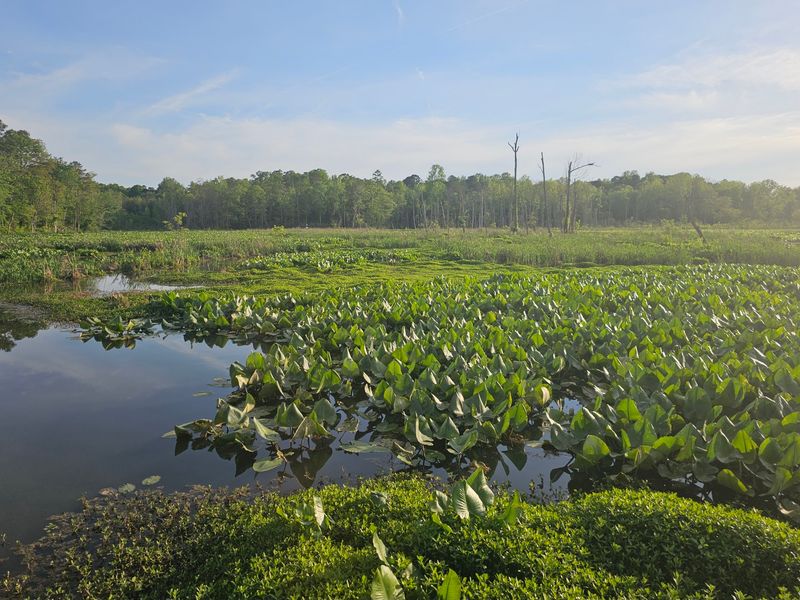
Rain can make the wetland feel like a new place, changing the colors, sounds, and reflections along the way.
Leaves shine, water gathers below the boardwalk, and small sounds seem sharper in the damp air.
Clouds can soften the landscape and create a quieter atmosphere than you might find on a bright afternoon.
A cooler, cloudy day can also be comfortable for a longer walk.
Before leaving home, check the forecast and avoid visiting during storms or unsafe conditions.
After rainfall, the boardwalk may be slick, so take your time around turns and wetter sections.
Good walking shoes can make a noticeable difference.
Heavy rain can also affect trail conditions, with muddy stretches or temporary closures possible.
Pay attention to posted notices and adjust your route if needed.
The extra moisture can bring out details that are easy to overlook on a dry day.
Water droplets cling to leaves, reflections become more pronounced, and puddles create little mirrors beneath the trees.
The sky itself can become part of the scenery, especially when clouds break and patches of light reach the wetland.
Photographers may find plenty to work with without needing dramatic weather or specialized equipment.
Even if photography is not your thing, the atmosphere can make a post-rain walk feel different from a typical sunny visit.
There is something satisfying about seeing the landscape freshly washed and listening to water move through the preserve.
Just allow extra time for careful footing and changing trail conditions, then enjoy the quieter side of Lake Conestee.
Take Photos from the Boardwalk
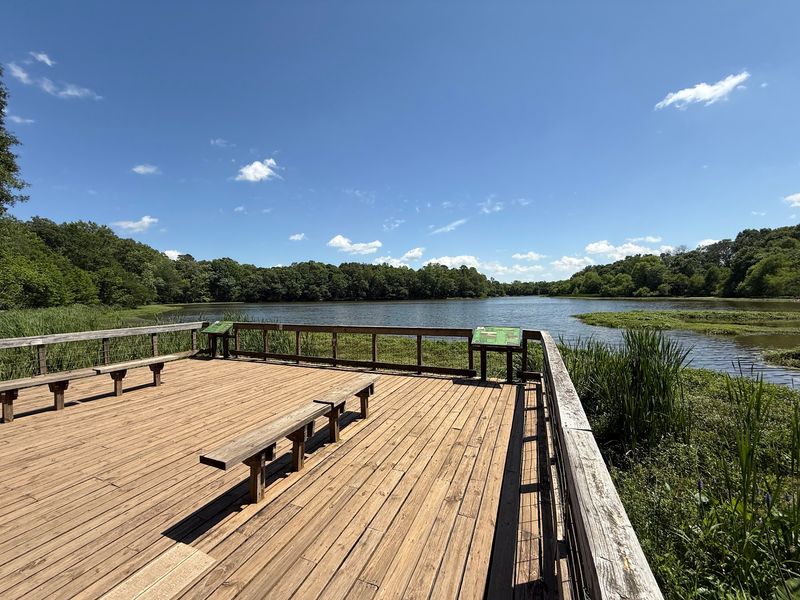
A good photo here does not need fancy gear, expensive lenses, or elaborate planning.
The boardwalk itself gives you an easy visual element, especially when it stretches toward the water and disappears into the surrounding landscape.
Try placing the boardwalk in the corner of your frame, then let your eye follow it toward the wetland.
Reeds, reflections, tree branches, and passing clouds can make simple pictures surprisingly interesting.
Instead of photographing everything from the same height, look for different perspectives while remaining comfortably on the walkway.
Morning light can be softer than the stronger midday sun, which may help create gentler landscape images.
The water also offers plenty of opportunities for close-up shots.
Look for reflections, ripples, leaves floating near the edge, or patterns created by reeds.
You do not have to wait for a major wildlife sighting to take an interesting photograph.
The structure of the boardwalk can become the subject itself, especially when the path curves or seems to disappear into the greenery.
Try taking a few wide shots that capture the surroundings, then switch to smaller details.
If you are visiting with family, let everyone choose a favorite scene or texture to photograph.
That can turn an ordinary walk into a small creative challenge.
Later, those pictures can remind you how the entire wetland looked rather than preserving only one particular moment.
The best souvenir may be a collection of simple details that together capture the atmosphere of Lake Conestee.
Bring the Family to Conestee Nature Preserve
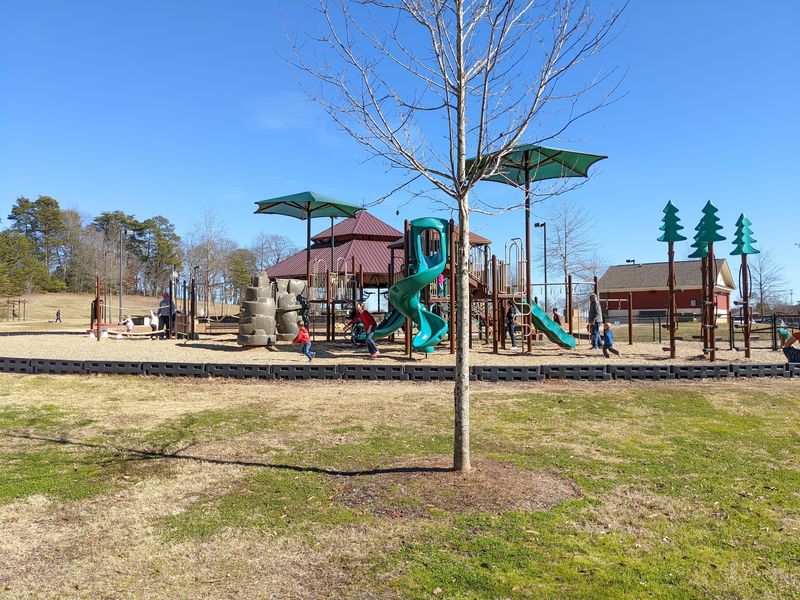
For kids, a boardwalk can feel like a bridge into another world, especially when it crosses water and wetlands instead of following an ordinary sidewalk.
That sense of exploration can make a nature outing more engaging without requiring a complicated itinerary.
Ask children to count different bird calls, spot shapes in the water, or look for interesting leaves and plants.
Small discoveries can keep a walk fun without rushing from one end to the other.
You can also turn the outing into an observation game by asking each child to choose a color, sound, or natural detail to watch for.
Pack water, sunscreen, and a snack for afterward.
Younger children may enjoy a shorter outing with plenty of breaks rather than a long walk with no stopping points.
The boardwalk itself can provide plenty of opportunities for conversation.
Ask what they think lives beneath the water, why certain areas are wetter than others, or which part of the landscape they would explore next.
You do not need to turn the visit into a formal lesson.
Simple questions can encourage curiosity while keeping the mood relaxed.
Let each person choose one thing to remember from the walk, whether it is a sound, reflection, unusual plant, or surprising discovery.
Older children might enjoy taking photographs or keeping track of the different scenery along the route.
A snack afterward can become part of the tradition, giving everyone something to look forward to at the end.
The biggest advantage is that the preserve allows families to slow down and explore together without needing a packed schedule.
Sometimes a simple walk is exactly what makes a family outing memorable.
Help Protect the Lake Conestee Wetland
The water and reeds do more than make a pretty view.
Wetlands provide habitat for wildlife and play an important role in how water moves through the landscape.
Walking through Lake Conestee offers a chance to see that environment up close rather than treating it as scenery alone.
A few simple habits can help keep the preserve enjoyable for future visitors.
Carry out everything you bring in, including snack wrappers, bottles, and other small pieces of trash.
Stay on designated routes rather than creating shortcuts through vegetation.
Those little choices can make a meaningful difference in places where plants and soil are easily disturbed.
Pay attention to posted information when you arrive because access, trail conditions, and preserve rules can vary.
If you are visiting with children, explain the basics before the walk so everyone knows what to expect.
The goal is not to make the outing feel restrictive.
It is to enjoy the landscape without leaving unnecessary traces behind.
You can also take the opportunity to notice how the wetland functions.
Look at areas where water collects, observe how reeds grow along the shoreline, and notice how the landscape changes as the trail moves through different sections.
Those details can make the preserve feel more like a living environment than a scenic backdrop.
Before leaving, take one last look across the water and think about how much there was to notice during the walk.
The boardwalk makes the wetland easier to experience, while thoughtful visitors help preserve the setting that makes the journey worthwhile.