What if your next big treasure find was hiding in a bucket of dirt?
At Cherokee Ruby & Sapphire Mine in Franklin, North Carolina, you can search for genuine gemstones and keep the treasures you uncover.
This isn’t a hunt filled with planted souvenirs.
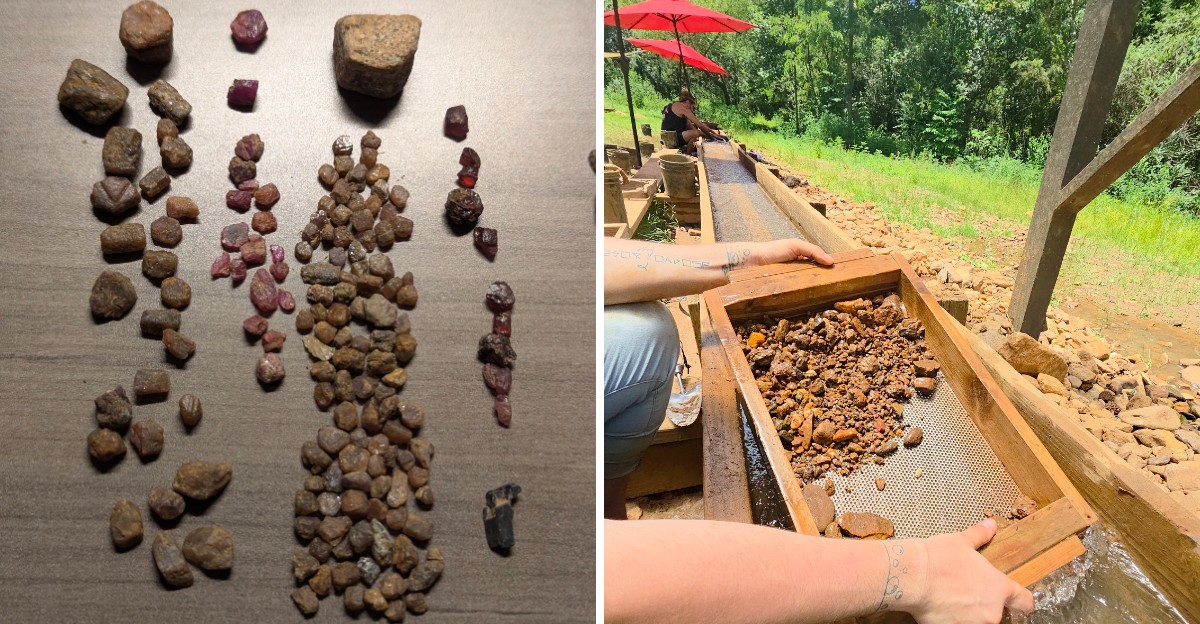
The mine uses native Cowee Valley gem ore, giving visitors a chance to discover rubies, sapphires, star rubies, star sapphires, garnets, quartz, and other minerals.
You’ll wash, sift, inspect, and search through your bucket like a true prospector.
Every flash of color could have you reaching for a closer look, wondering if you’ve struck something special.
The real thrill comes when you find a stone worth keeping.
Your gem hunt can end with a genuine piece of North Carolina treasure in your hands.
Mine For Genuine Cowee Valley Gemstones
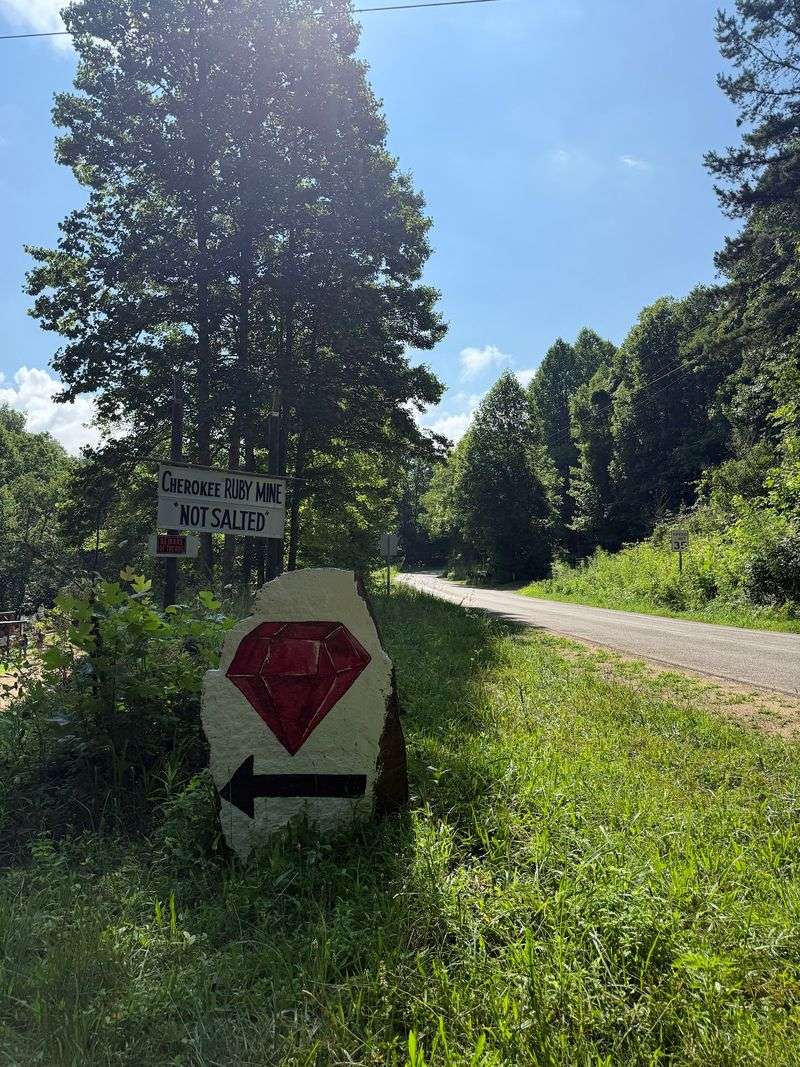
What sets this mine apart from roadside attractions is the real deal factor. Every bucket of ore comes straight from excavations in the Cowee Valley itself, not from warehouses full of imported stones.
Many gem-mining tourist spots secretly salt their dirt with gems from other countries to guarantee finds.
Cherokee Ruby & Sapphire Mine skips that gimmick entirely. The gravel you sift through is authentic native material pulled from the ground right there in Franklin.
This means your discoveries are genuine North Carolina gemstones with real geological history behind them.
Finding a ruby in material that actually formed in these mountains creates a connection to the landscape you cannot get from planted specimens. The fee-dig experience lets you work through honest-to-goodness Cowee Valley deposits.
Whether you find a tiny garnet or a spectacular corundum crystal, you are handling stones that nature created in this specific location.
That authenticity transforms a simple activity into legitimate mineral prospecting, making every find meaningful regardless of size or quality.
Look For Real Rubies And Sapphires
Corundum is the star of the show here. Both ruby and sapphire belong to this mineral family, with rubies displaying red hues while sapphires come in blue, pink, yellow, and other colors.
The Cowee Valley has produced gem-quality specimens of both for generations, and the tradition continues today for recreational miners.
Don’t expect polished jewelry-store stones when you first spot them. Rough corundum often looks dull, waxy, or even ugly straight from the gravel.
The crystals might be barrel-shaped, hexagonal, or broken fragments covered in dirt and other minerals.
Learning to recognize these unpolished treasures takes practice and guidance from staff members. A cloudy pink pebble could be a raw ruby worth cutting.
That grayish-blue chunk might polish into a beautiful sapphire. The mine specifically lists both rubies and sapphires among the potential finds in their native ore, along with several other minerals.
Finding either variety means you’ve discovered one of Earth’s hardest natural substances, second only to diamond on the toughness scale.
You Could Find A Rare Star Ruby Or Star Sapphire
Asterism creates magic inside certain corundum crystals. When tiny needle-like inclusions of rutile align perfectly within the stone, they reflect light in a six-rayed star pattern that seems to float on the surface.
Star rubies and star sapphires rank among the most prized finds at any mine because this optical phenomenon is relatively uncommon.
Cherokee specifically identifies star varieties among the treasures visitors might encounter. The tricky part is recognizing them in rough form.
That ordinary-looking pebble in your screen might hide a spectacular star waiting to be revealed through cutting and polishing.
The inclusions that create the star effect often make the rough stone look cloudy or silky rather than clear and gemmy. Many beginners toss aside these stones as low-quality material without realizing their potential.
Mine staff can help identify possible star stones using special lighting techniques.
Even a small star ruby or sapphire represents a significant find because the asterism dramatically increases the value and beauty of the finished gem compared to non-star varieties.
Start With A Bucket Of Native Gem Ore
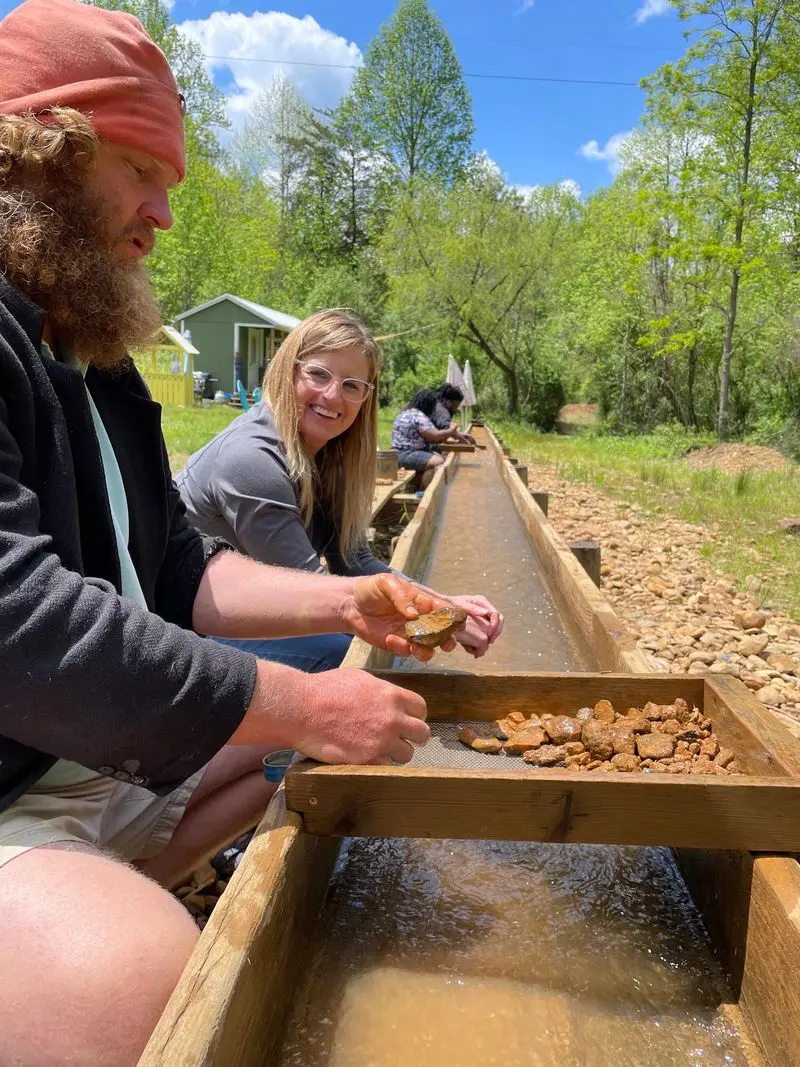
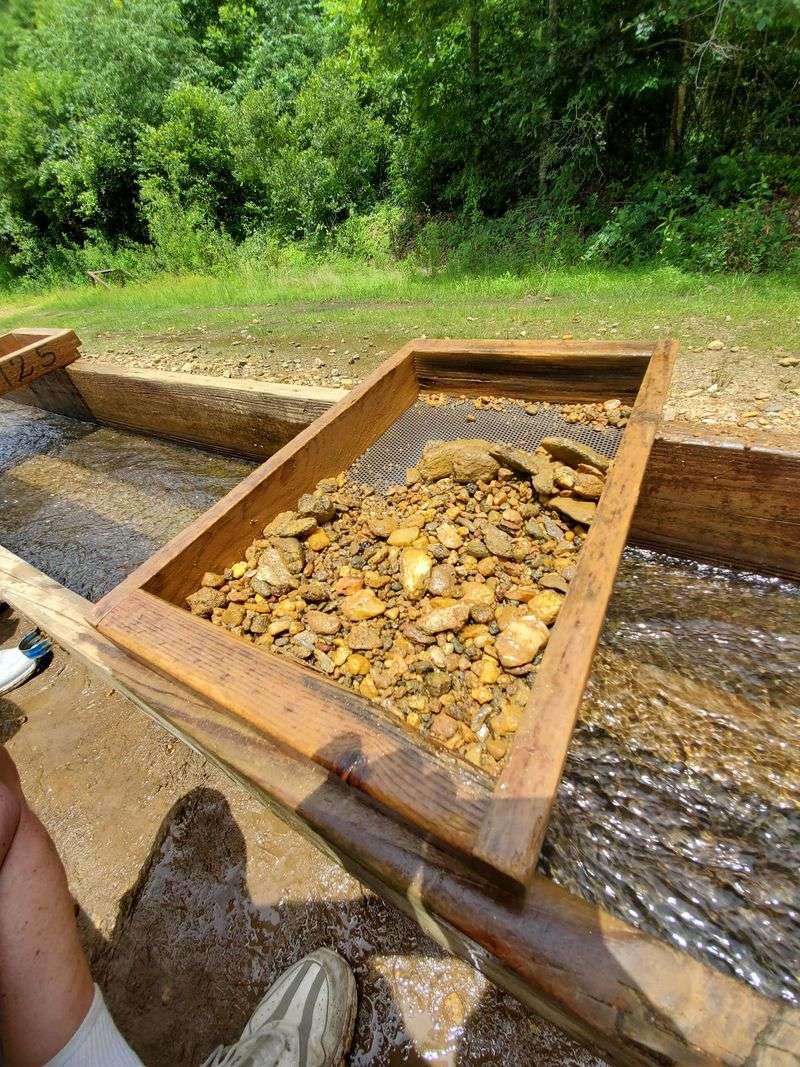
Your mining adventure begins with equipment and a promise. Each participant receives a two-gallon bucket packed with gem-bearing ore, plus a screen box for washing and a seat cushion for comfort during the process.
The bucket’s contents represent a concentrated sample from the mine’s own excavations rather than enhanced material from outside sources.
Two gallons might not sound like much until you start working through it. The gravel contains a mix of different rock types, minerals, soil, and hopefully some gemstones waiting to be discovered.
Every bucketful offers unique possibilities since the composition varies depending on which part of the deposit it came from.
Some miners find multiple rubies or sapphires in a single bucket, while others discover different treasures like garnets or moonstone instead. The uncertainty is part of the appeal.
You genuinely do not know what your particular bucket holds until you wash away the dirt and examine every stone carefully.
This element of surprise keeps the experience exciting from start to finish, making each bucket a personal mystery to solve through patient sifting.
Wash Your Gravel At The Flume Line
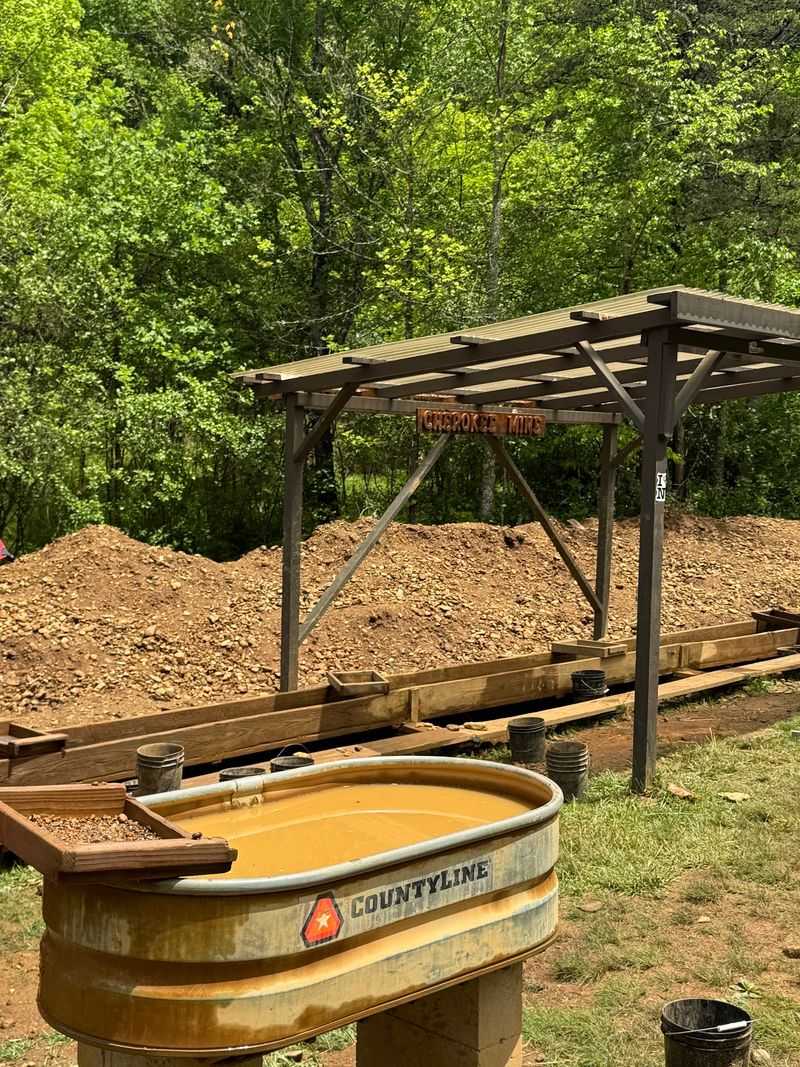
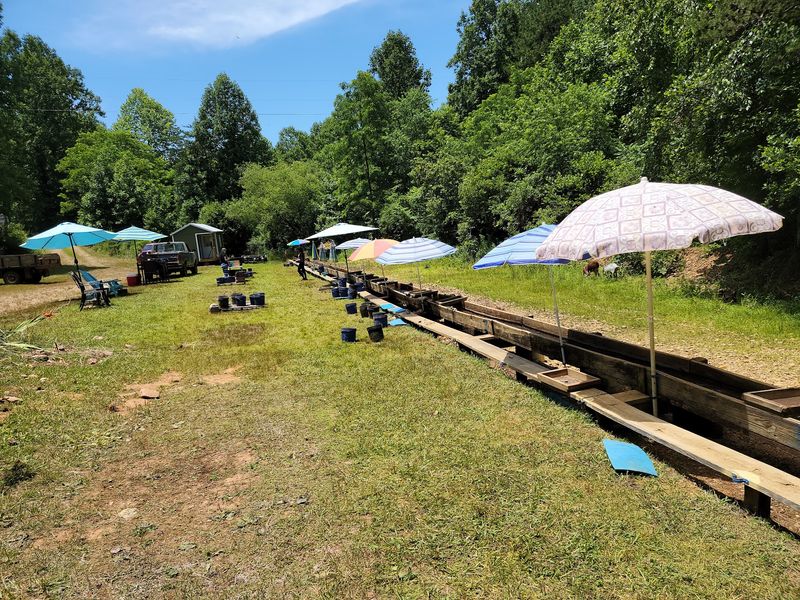
The real treasure hunt happens at the flume. Running water becomes your tool for separating worthless material from potential gems, using simple principles of density and weight.
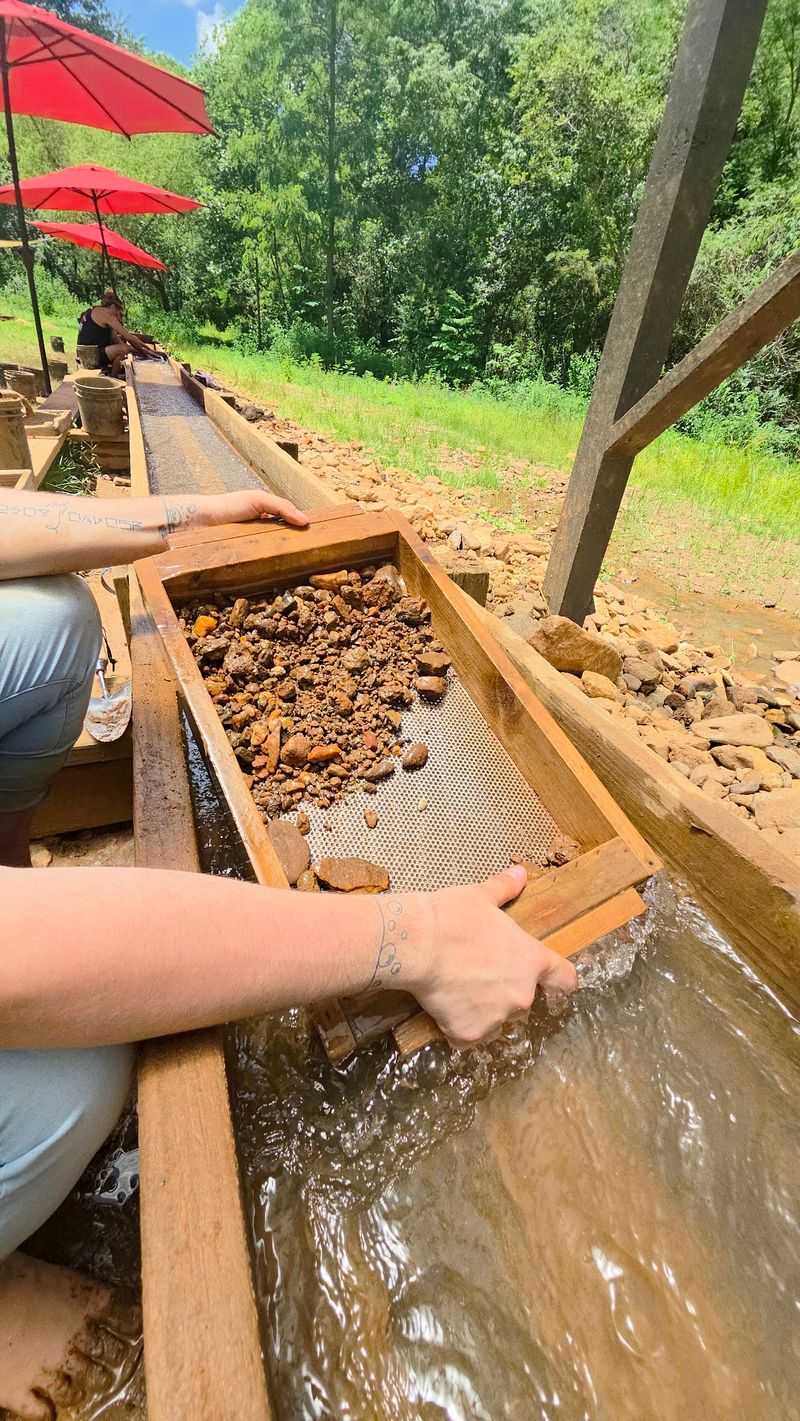
You pour your ore into the screen box and submerge it in the flowing water, then use a gentle rocking motion to wash away lighter soil and clay.
Heavier minerals and stones gradually work their way to the screen’s surface as the dirt disappears. This concentration process reveals what your bucket actually contains.
The technique takes practice to master without losing small stones through the screen.
Staff members patrol the flume area to offer guidance and answer questions. They can demonstrate proper washing techniques and help beginners learn what to look for among the stones.
The washing station becomes a social space where miners share discoveries and compare finds. Taking your time at the flume pays off because rushing means you might overlook a small but valuable gem hiding among ordinary pebbles.
Plan to spend considerable time at this stage, methodically examining each stone that remains after the lighter material washes away.
Learn How To Tell A Gem From Ordinary Gravel
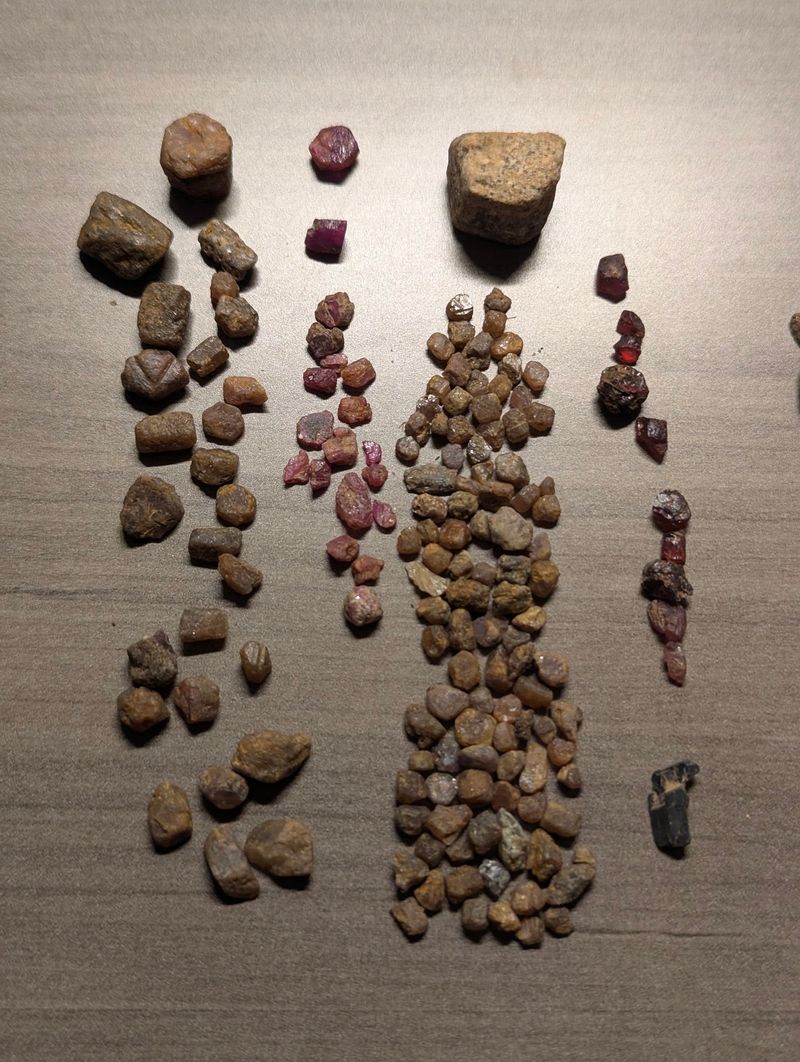
Spotting a gemstone in rough form requires education and a trained eye. Before you begin mining, the facility shows visitors actual examples of what different gems look like before cutting and polishing.
These reference samples become crucial when you start questioning whether that red stone is a ruby or just colored quartz.
Visual identification forms only part of the puzzle. Gemstones have different hardness levels, crystal structures, and other physical properties that help distinguish them from look-alikes.
Ruby and sapphire feel heavier than similarly-sized quartz. They also have specific shapes and surface textures when you know what to examine.
The mine provides access to a UV room where certain minerals fluoresce under ultraviolet light, revealing their true identity. This technological assist helps confirm questionable finds.
Mine staff share tips about color, transparency, luster, and other clues that separate gems from common rocks. Building these identification skills takes the guessing out of your haul and ensures you don’t accidentally discard something valuable.
The learning process itself becomes part of the adventure, turning casual visitors into amateur gemologists by the end of the day.
Your Finds Can Include More Than Rubies And Sapphires
Corundum gets the headline billing, but Cowee Valley deposits hold geological diversity worth celebrating. Depending on what turns up in your particular bucket, you might encounter rhodolite garnets with their distinctive purplish-red color or pyrope garnets in deeper red tones.
Both garnet varieties are attractive semi-precious stones popular in jewelry.
Moonstone adds an ethereal option to the possible finds. This feldspar mineral displays a floating glow called adularescence that creates an almost magical appearance.
Rutile needles, sillimanite crystals, and blue kyanite blades represent less common but fascinating mineral specimens that collectors appreciate.
Even simple quartz in clear or smoky varieties has appeal as natural crystals. The geological processes that formed rubies and sapphires also created these companion minerals in the same deposits.
Some miners actually prefer the variety, enjoying the discovery of multiple mineral types in a single bucket. A day of mining might yield several different species rather than focusing exclusively on corundum.
This diversity means everyone tends to find something interesting regardless of luck, making the experience rewarding even without that perfect ruby.
Keep The Gemstones You Discover
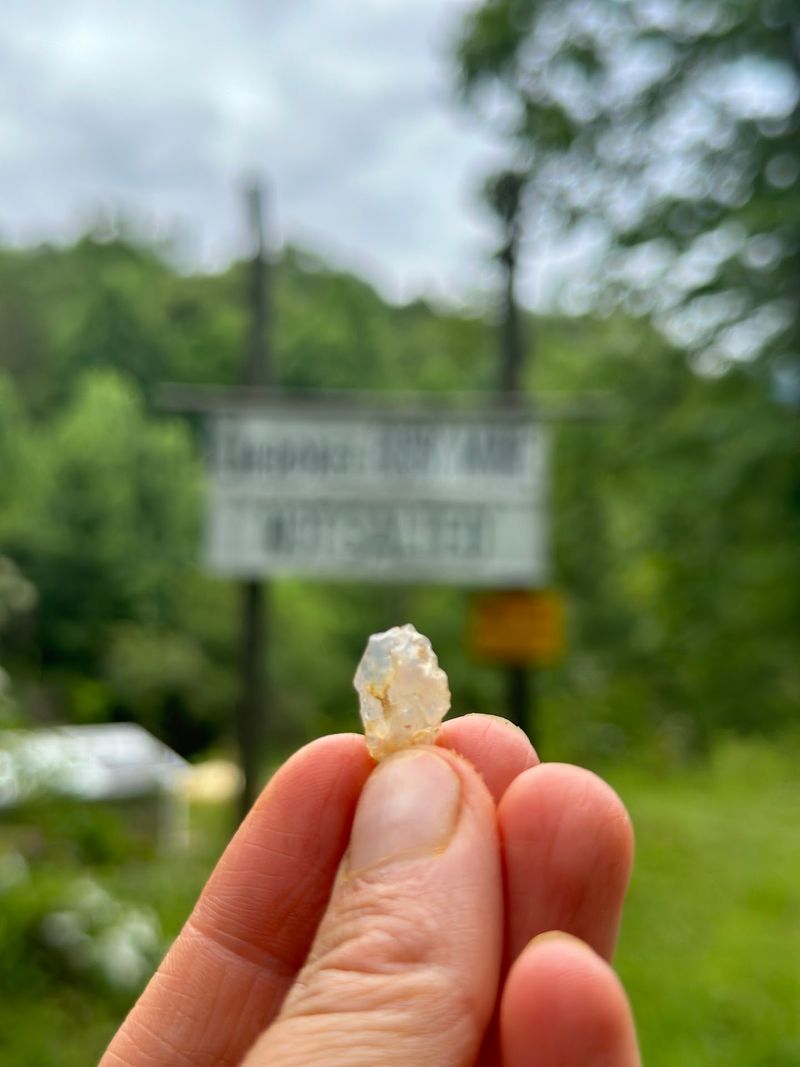
Here is the payoff that makes Cherokee special compared to many attractions. Every stone you uncover becomes your personal property to take home.
The appeal extends beyond simply finding something colorful or shiny. You are claiming actual geological specimens from the famous Cowee Valley locality, a region known in mineralogical circles for producing quality corundum.
Your rough finds carry potential for future projects. Many visitors later choose to have attractive stones faceted or cabbed by professional lapidaries in the Franklin area, which hosts numerous gem-cutting services.
A decent-sized ruby or sapphire rough can become a custom jewelry piece with genuine sentimental and monetary value.
Even stones too small or included for cutting make wonderful display specimens or teaching tools for children interested in Earth science. Some families return annually to build collections over time.
The mine places no restrictions on keeping your discoveries, whether you’ve found a single small garnet or multiple gemstones worth hundreds of dollars in rough form.
This keep-what-you-find policy turns the activity from simple entertainment into genuine treasure hunting with real stakes and rewards.
Be Ready For A Real Hands-On Mining Experience
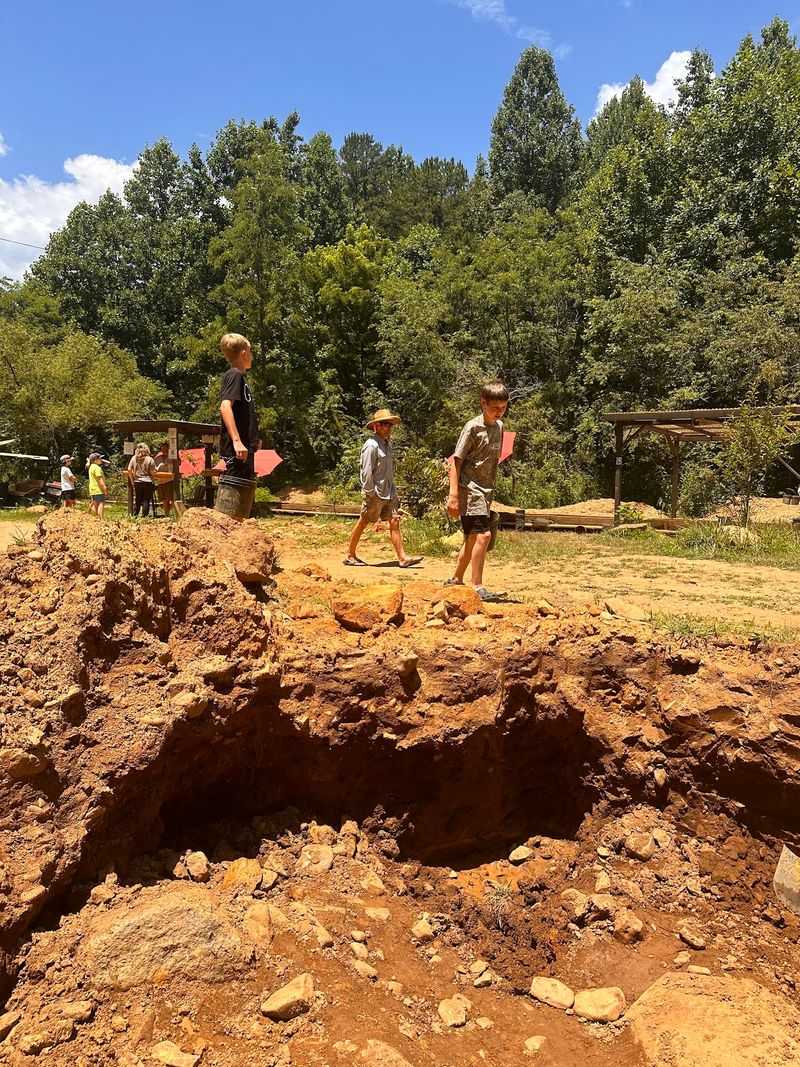
Romantic notions about gem mining meet physical reality at the flume. The mine frankly describes the activity as strenuous and time-consuming, involving repeated bending, lifting buckets, grasping tools, maintaining balance on potentially slippery surfaces, and having the stamina to work through your ore methodically.
This is outdoor manual labor, not a casual observation activity.
Weather adds another dimension to the challenge. Summer heat and humidity can drain your energy quickly.
Spring and fall might bring temperature swings from chilly mornings to warm afternoons. Rain makes everything muddy and uncomfortable despite covered flume areas.
Proper preparation makes the difference between enjoyment and misery. The mine requires sturdy footwear like work boots or tennis shoes with good tread.
Long pants protect your legs from scrapes and sun. Gloves are recommended to prevent blisters from repeated scrubbing and handling rough stones.
Sunscreen, insect repellent, and weather-appropriate layers should be standard equipment. Bringing extra socks proves wise since wet feet become uncomfortable fast.
This isn’t a sanitized theme park experience but rather authentic prospecting that demands appropriate expectations and gear from participants.
Plan Your Visit
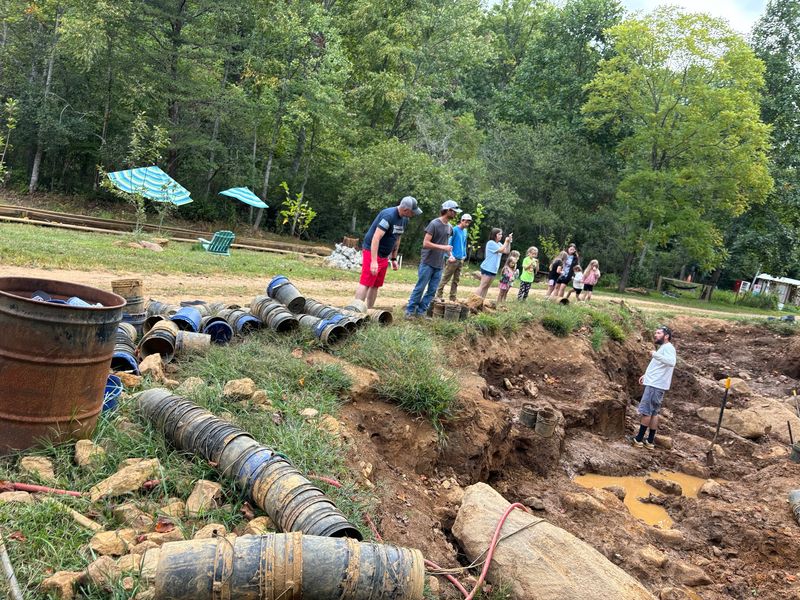
Successful trips require advance planning and attention to logistics. Cherokee Ruby & Sapphire Mine sits at 41 Cherokee Mine Road in Franklin, NC 28734.
Reaching them by phone at (828) 349-2941 before visiting proves essential because operations depend on weather conditions. Heavy rain, thunderstorms, or extreme temperatures can force closures at the manager’s discretion.
The current admission runs $30 per person, with children six and under entering free alongside a paying adult but not receiving their own bucket. Operating hours typically span 10 a.m. to 4 p.m., expanding to 9 a.m. openings during summer months.
Allow several hours for the complete experience since the process takes time, and admission may end before posted closing if conditions or capacity require it.
Important restrictions apply: children under 11 cannot enter the dig-your-own mining area. Specific route warnings exist too.
Do not use Coon Creek Road, Flowers Gap Road, or Ruby Knoll Road when approaching the property, as GPS sometimes suggests problematic routes. Pack water, food, sunscreen, bug spray, foul-weather gear, and extra socks.
Wear clothes you don’t mind ruining because mud and mineral stains are inevitable outcomes of a successful mining day.