Few museums in North Carolina can take you through more than 12,000 years of history quite like this one.
In Cherokee, the Museum of the Cherokee People brings centuries of Cherokee stories to life through historic objects, photographs, artwork, and carefully presented exhibitions.
This is not a story that ends in the distant past.
The museum explores Cherokee culture, struggles, traditions, and achievements while showing how the people and their communities continue to shape their own future.
Walking through its galleries, visitors encounter a deeper story of a nation that survived enormous challenges without losing its identity.
From ancient roots to contemporary Cherokee life, every exhibit adds another piece to a much bigger picture.
If you want to understand the people, history, and culture behind Cherokee, North Carolina, this museum is a fascinating place to begin.
A Museum That Tells the Cherokee Story Through Cherokee Perspectives
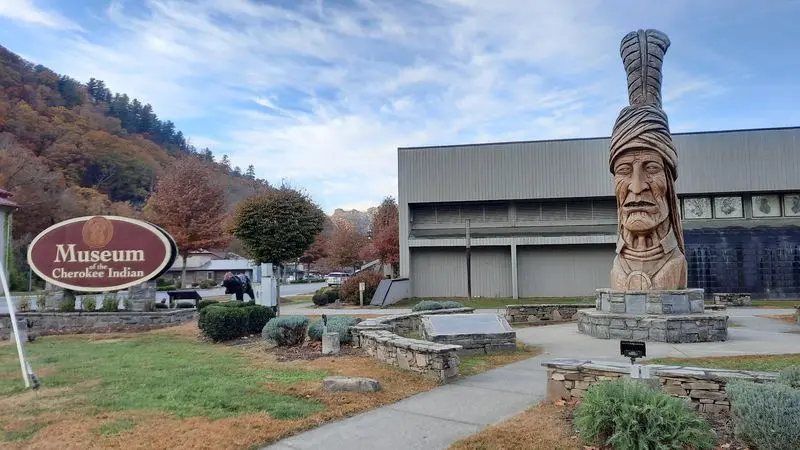
Most history museums tell stories about Native peoples, but this one works differently. Cherokee voices, perspectives, and experiences shape every exhibition and program at the Museum of the Cherokee People.
The museum’s mission centers on preserving and perpetuating Cherokee history and culture through authentic representation.
Visitors quickly notice something unique here. Rather than outsiders interpreting Cherokee life, the Cherokee Nation controls how its story unfolds.
This approach creates a more honest, complete understanding of Cherokee history and culture.
The museum emphasizes an important truth many people miss. Cherokee history isn’t a finished story locked in the distant past.
It continues evolving today as Cherokee people carry their traditions, language, and sovereignty forward into new generations.
This living approach transforms the museum experience. Guests leave understanding that Cherokee culture remains vibrant, dynamic, and actively shaping the future while honoring thousands of years of tradition and resilience.
More Than 12,000 Years of Cherokee History in One Place
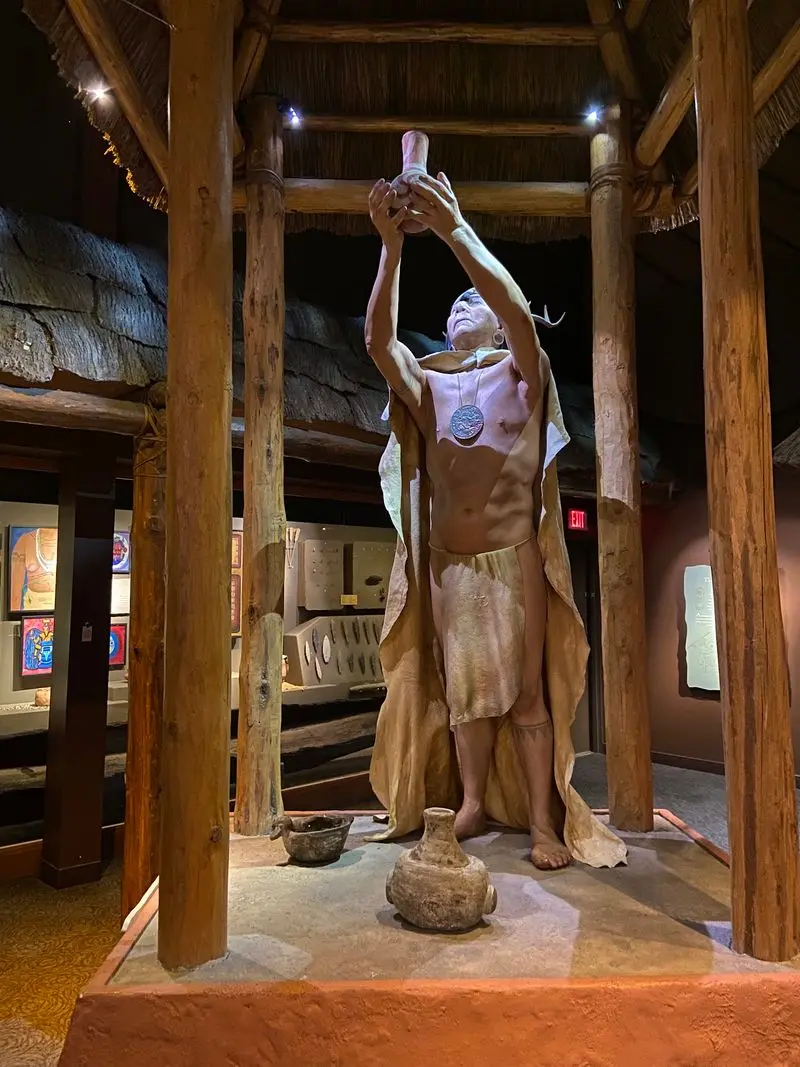
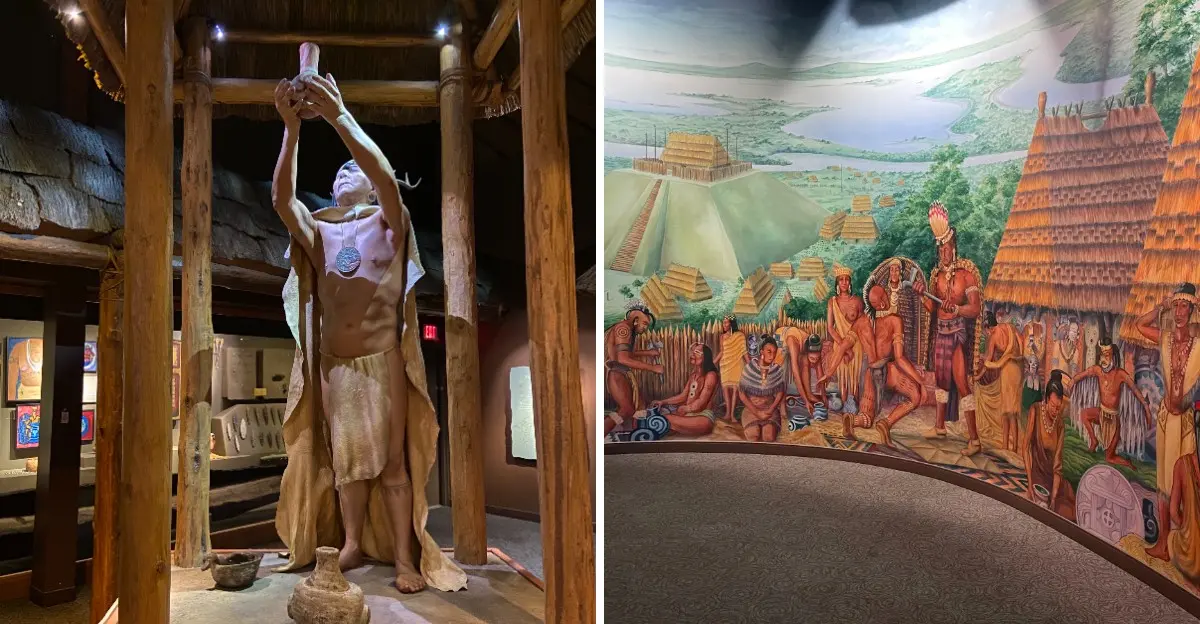
Imagine trying to understand 12,000 years of history in a single afternoon. The Museum of the Cherokee People makes this incredible journey possible through carefully organized exhibitions and collections.
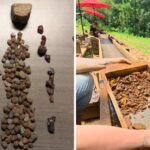
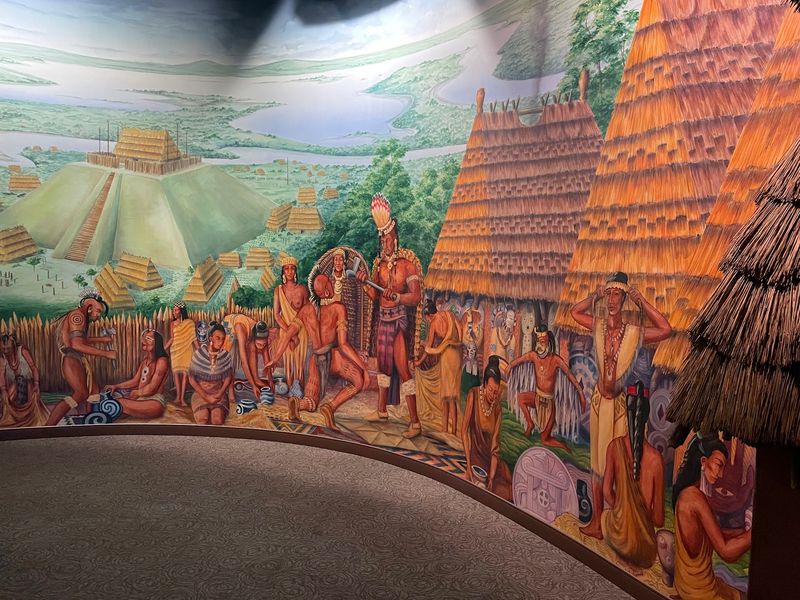
Archaeological evidence reveals ancient Cherokee lifeways that stretch back thousands of years before European contact.
The museum guides visitors through enormous spans of time. Early periods showcase how Cherokee ancestors lived, hunted, built communities, and developed sophisticated cultural practices.
Later sections explore how Cherokee society adapted through major historical changes while maintaining core cultural values.
Each era receives thoughtful attention and context. Visitors see how Cherokee people built complex governments, farming systems, and trade networks.
They learn about spiritual beliefs, family structures, and artistic traditions that evolved over millennia.
This comprehensive approach helps people grasp something remarkable. A single museum visit connects ancient pottery fragments with contemporary Cherokee artwork, creating understanding that spans human history from prehistoric times to today’s thriving Cherokee communities.
The Story of Cherokee Sovereignty and Nationhood
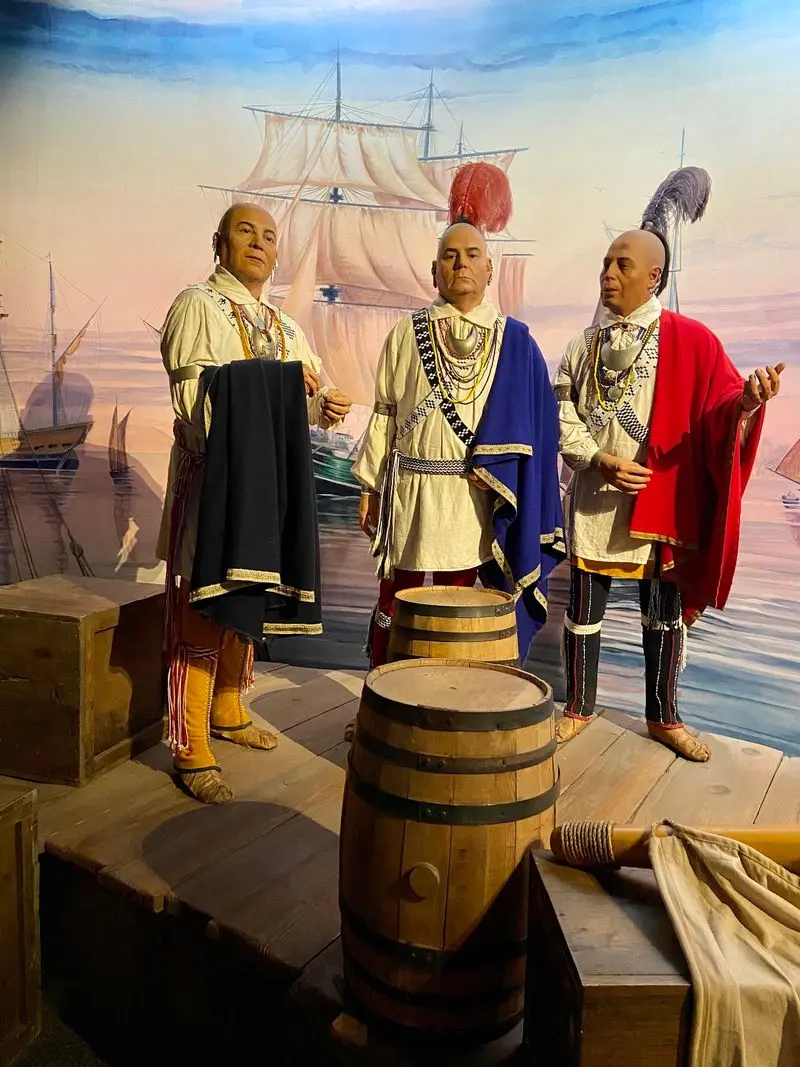
Cherokee people have governed themselves as a sovereign nation for thousands of years. The museum explores this crucial aspect of Cherokee identity through exhibitions on government, land, community structures, and family life.
Understanding Cherokee sovereignty helps visitors see the Cherokee experience accurately rather than through incomplete historical narratives.
The museum’s location carries special meaning. It sits on the Qualla Boundary, the sovereign land of the Eastern Band of Cherokee Indians.
This physical setting reinforces the ongoing reality of Cherokee nationhood and self-governance.
Exhibitions trace how Cherokee government evolved over time. Visitors learn about traditional leadership structures, the development of written laws, and adaptations Cherokee people made while protecting their sovereignty.
These stories reveal resilience, political sophistication, and determination.
The sovereignty story connects past and present powerfully. Modern Cherokee government continues traditions of self-determination while addressing contemporary challenges.
This museum helps visitors understand that Cherokee sovereignty isn’t historical curiosity but living political reality.
Historic Objects That Bring the Past Into Focus
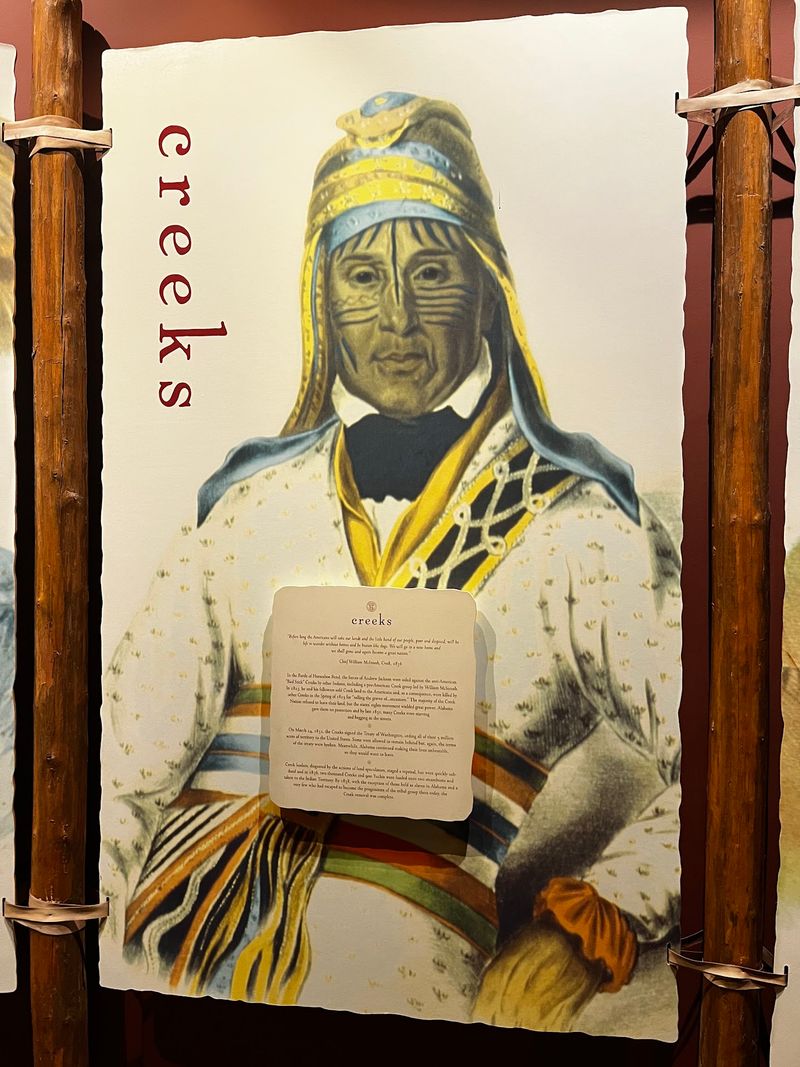
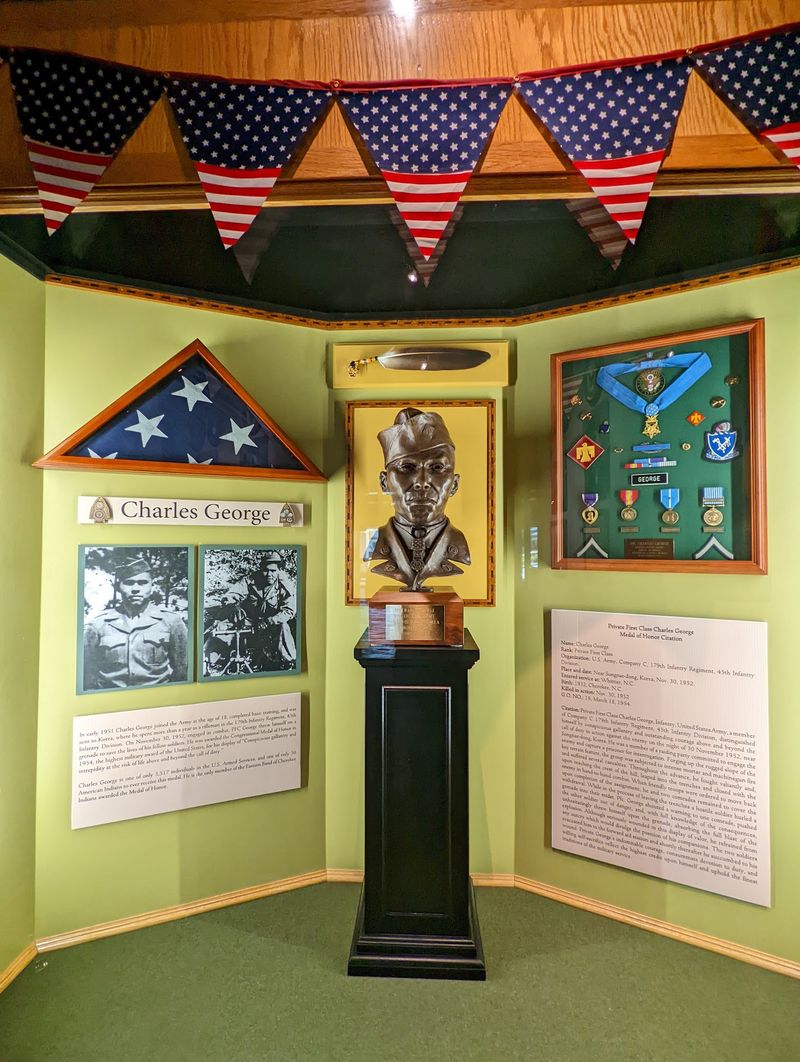
Walking through rooms filled with Cherokee belongings changes how history feels. The museum preserves thousands of cultural artifacts, documents, manuscripts, photographs, maps, books, journals, and audiovisual materials.
These physical objects create powerful connections between visitors and real Cherokee lives across centuries.
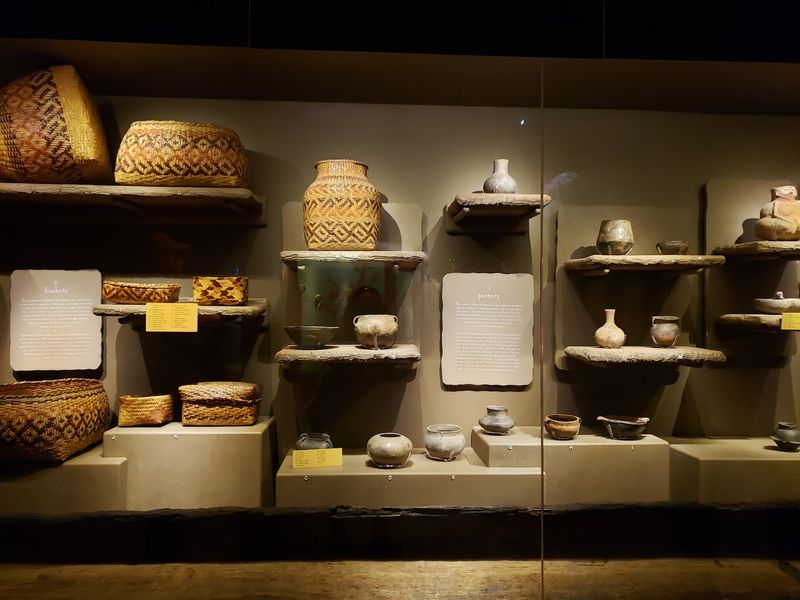
Every item tells multiple stories. A basket reveals weaving techniques passed through generations.
Photographs show faces, families, and communities. Documents preserve Cherokee voices speaking directly about their experiences and perspectives.
The collection helps people move beyond dates and events. Instead of abstract historical facts, visitors encounter evidence of daily life, celebrations, struggles, creativity, and survival.
They see children’s toys, cooking tools, ceremonial objects, and personal letters.
This tangible approach to history builds empathy and understanding. Objects make individual Cherokee people visible across time.
Visitors realize they’re learning about real families, artists, leaders, and communities rather than distant historical figures without faces or personalities.
The Cherokee Story During the American Revolution
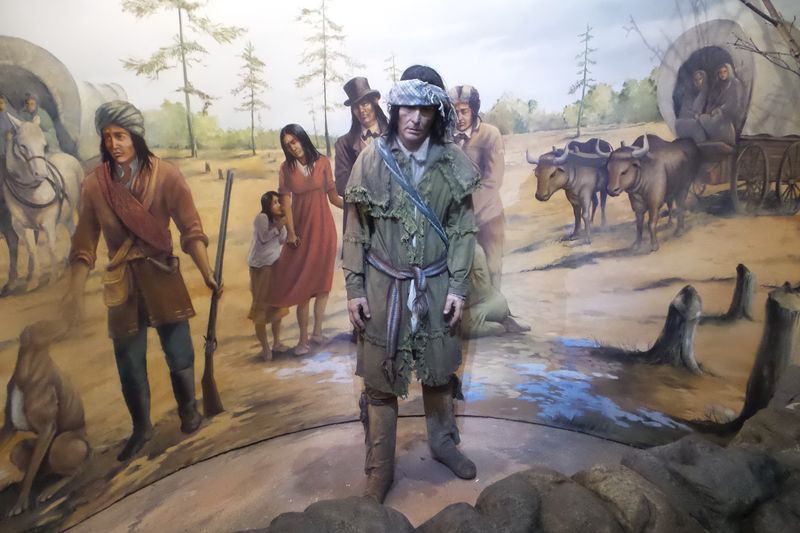
A special exhibition running through December 30, 2026, examines a pivotal but often misunderstood period. Unrelenting: Cherokee People and the American Revolution presents this era from Cherokee perspectives rather than standard American history textbook versions.
The exhibition combines historic objects with contemporary Cherokee artwork.
The American Revolution profoundly affected Cherokee communities. While colonial powers fought for independence, Cherokee people defended their own sovereignty, lands, and ways of life.
The museum shows how Cherokee leaders made complex decisions during this turbulent period.
Contemporary Cherokee artists contribute powerful works to this exhibition. Their creative responses connect past events with present understanding, showing how Revolutionary War period continues shaping Cherokee identity and memory.
This blend of historic artifacts and modern artistic interpretation creates layered, meaningful experiences.
Visitors leave with deeper knowledge about this complicated time. They understand that multiple nations and perspectives existed during America’s founding period, with Cherokee people actively defending their interests and sovereignty throughout.
A Museum With a History of Its Own
The museum building itself carries stories worth discovering. Founded in 1948, the institution originally occupied a small log-cabin-style structure designed to house Cherokee collections and welcome visitors.
Those early years established the museum’s important mission despite limited space and resources.
Tragedy struck in 1958 when fire destroyed the original building. This devastating loss threatened irreplaceable artifacts and the institution’s future.
However, Cherokee determination to preserve and share their history proved stronger than disaster.
Reconstruction took time and community commitment. The present building finally opened in 1976, providing proper space for growing collections and modern exhibition techniques.
This new facility allowed the museum to expand its educational programs and reach more visitors.
Understanding the museum’s own journey adds another layer to visiting. The building represents Cherokee resilience and commitment to cultural preservation.
Physical structures may burn, but the determination to tell Cherokee stories and maintain Cherokee heritage endures through challenges.
Contemporary Cherokee Artists Keep the Story Moving Forward
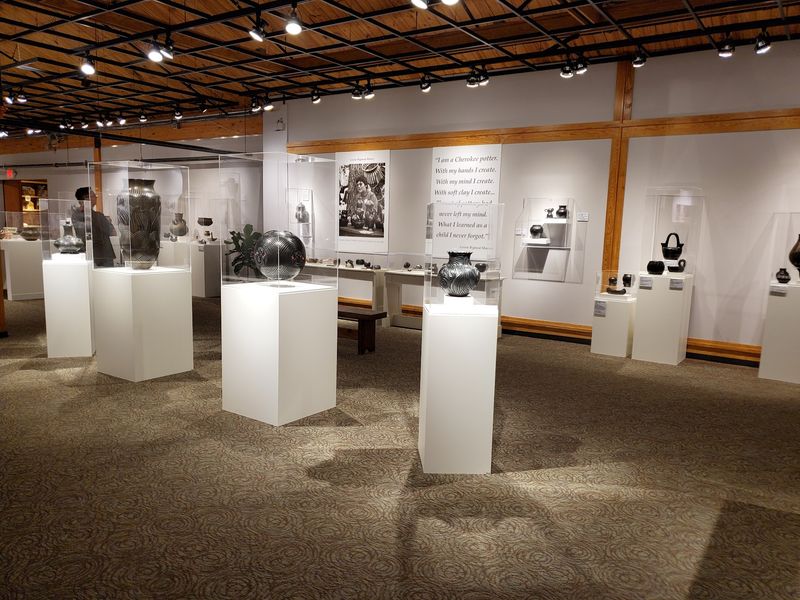
History museums sometimes feel stuck in the past, but not this one. The Museum of the Cherokee People regularly features contemporary Cherokee artists through changing exhibitions and special programs.
These living connections show Cherokee creativity thriving in the 21st century.
Artists work in diverse mediums and styles. Some create traditional baskets, pottery, and beadwork using techniques passed through families for generations.
Others paint, sculpt, photograph, or use digital media to express Cherokee experiences and perspectives today.
The museum also hosts cultural learning opportunities beyond exhibitions. Programs can include storytelling sessions, lectures, hands-on demonstrations, song performances, dance presentations, and other events.
These experiences let visitors engage directly with Cherokee culture as it exists now.
This emphasis on contemporary creativity makes an important statement. Cherokee culture isn’t frozen at some historical moment or preserved only in museum cases.
It continues growing, adapting, and expressing itself through talented Cherokee people creating meaningful work today.
The Cherokee Story Isn’t Frozen in the Past
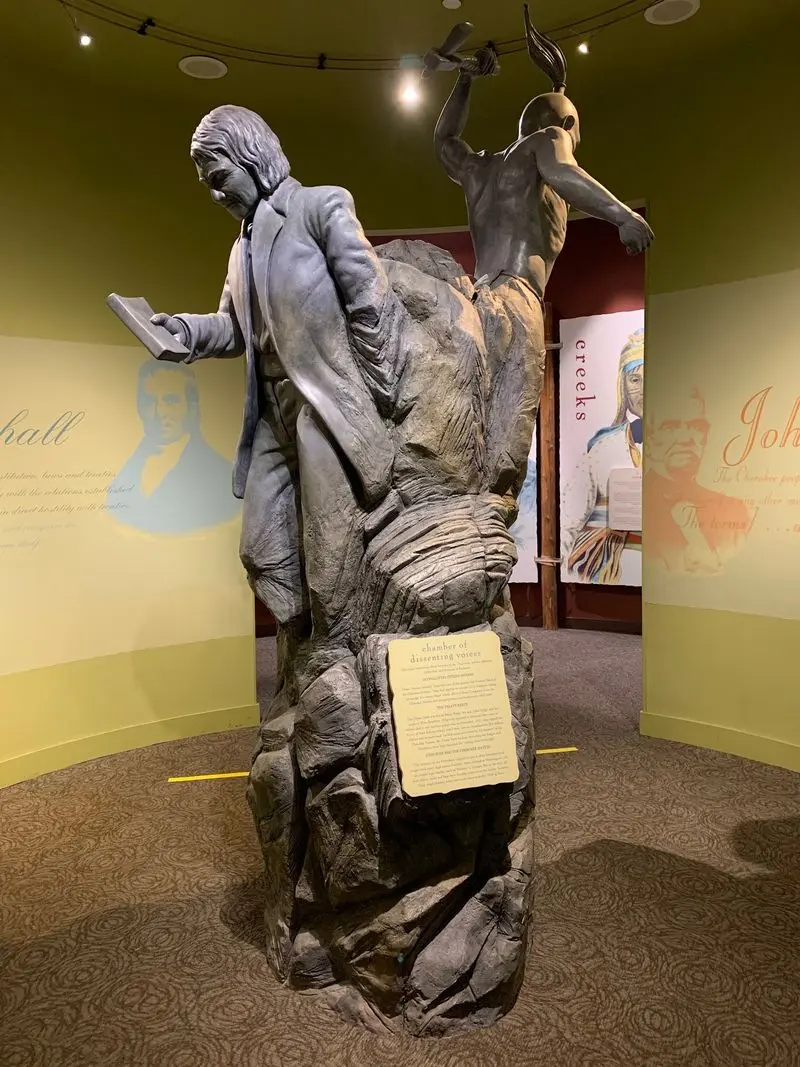
Many museums present cultures as if they stopped changing decades or centuries ago. The Museum of the Cherokee People actively challenges this outdated approach through ongoing exhibition evolution and Cherokee community involvement.
The institution emphasizes self-representation and authentic Cherokee voices.
Museum staff regularly rethink how they present Cherokee history. Traditional museum practices often reflected outside perspectives rather than Cherokee understanding.
Current work focuses on greater Cherokee control over storytelling, interpretation, and what visitors learn.
This commitment to evolution means exhibitions change over time. The museum adds new materials, updates interpretations based on Cherokee community input, and incorporates emerging scholarship.
Returning visitors often discover fresh perspectives and additional stories.
The underlying message transforms the museum experience. Cherokee people aren’t vanished historical subjects to be studied like ancient civilizations.
They’re living communities actively interpreting their own histories, maintaining their cultures, exercising sovereignty, and shaping how their stories reach the world. This museum reflects that continuing reality.
Why This Museum Matters Beyond a Typical Cherokee Tourist Stop
Cherokee attracts many tourists seeking mountain scenery and roadside attractions. The Museum of the Cherokee People offers something more substantial and meaningful.
It provides essential historical context for understanding Cherokee life, culture, sovereignty, resilience, and continuing traditions often missing from casual tourism experiences.
The museum anchors Cherokee’s broader Cultural District. Nearby attractions include Qualla Arts and Crafts Mutual, where visitors can purchase authentic Cherokee artwork directly from artists.
Oconaluftee Indian Village offers immersive experiences of 1760s Cherokee life. Mountainside Theatre presents outdoor drama about Cherokee history.
Visiting the museum first enriches these other experiences. Background knowledge from museum exhibitions helps visitors understand cultural demonstrations, artwork, and performances more deeply.
Context transforms entertainment into education.
The museum also challenges stereotypes many people unconsciously carry. Rather than generic or romanticized
Plan Your Visit
Ready to explore Cherokee history yourself? The Museum of the Cherokee People is located at 589 Tsali Boulevard, Cherokee, North Carolina 28719.
Call (828) 497-3481 for current information before your trip.
The museum currently opens daily from 9 a.m. to 5 p.m. Staff sell the last tickets at 4 p.m., so arrive with enough time to explore.
Most self-guided visits take approximately one hour, though history enthusiasts often spend longer.
Current admission prices are $15 for adults and $8 for children ages 6-12. Children 5 and under enter free.
Other reduced admission or free admission categories may be available, so ask when purchasing tickets.
Check the museum website or call ahead for holiday closures and special events. Photography rules and visitor guidelines help protect collections while allowing guests to capture memories.
Current exhibitions change periodically, so verifying what’s on display ensures you don’t miss temporary shows like the Unrelenting exhibition running through 2026.