Imagine walking across a bridge where flowers have completely taken over.
In Shelburne Falls, Massachusetts, an old trolley bridge now carries visitors through a garden suspended above the Deerfield River.
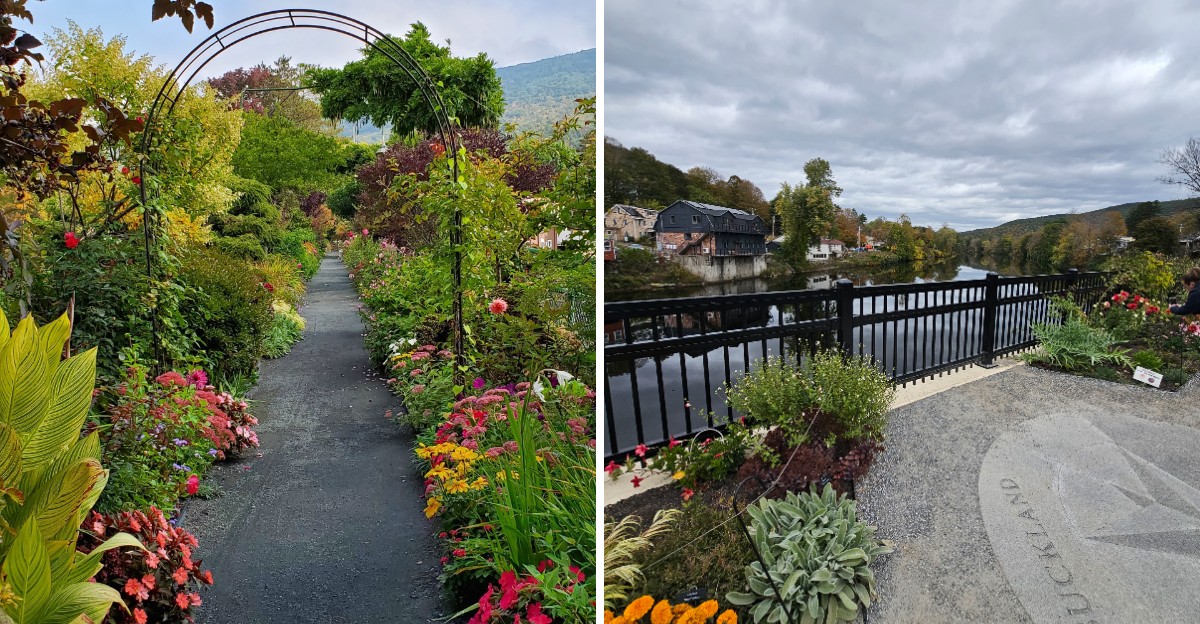
Instead of tracks and streetcars, you’ll find layers of flowers, shrubs, trees, and winding greenery filling the historic structure.
And this isn’t some brand-new attraction built for tourists.
The Bridge of Flowers began in 1929, when a local group saw potential in an abandoned bridge and turned it into a public garden.
Nearly a century later, people still travel long distances to stroll across it.
With river views, small-town charm, and a history as unusual as the garden itself, this western Massachusetts landmark makes a surprisingly strong case for going out of your way.
A Former Trolley Bridge With A Completely Different Second Life
Picture a sturdy concrete bridge built back when trolley cars ruled public transportation. The Bridge of Flowers started its life in 1908 carrying streetcars and freight across the Deerfield River, serving a practical purpose during the early days of electrified transit.
Nobody back then could have imagined what would happen to this utilitarian structure.
After the trolley era faded into history, the bridge sat abandoned and overgrown with weeds. Local residents refused to let this eyesore remain in their village center.
In 1929, they hatched an ambitious plan to transform the unused concrete structure into something completely unexpected.
Today, where trolley tracks once ran, flowering plants now grow in carefully tended beds. The transformation represents one of the most creative examples of adaptive reuse in American small-town history.
What was once purely functional infrastructure became a destination that draws garden lovers and curious travelers from hundreds of miles away, proving that with imagination and community effort, even the most unlikely spaces can bloom.
The Bridge Stretches Right Over The Deerfield River
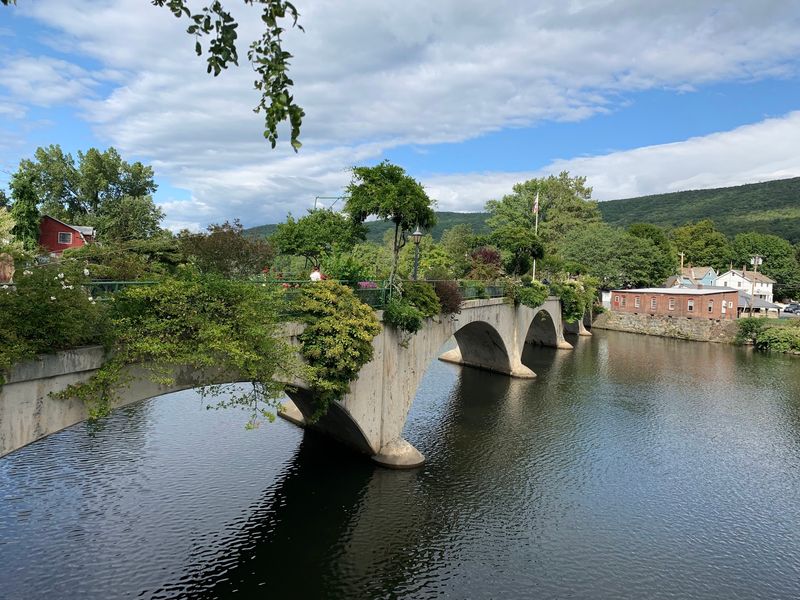
Walking through a garden is one thing. Walking through a garden suspended above flowing water creates an entirely different experience.
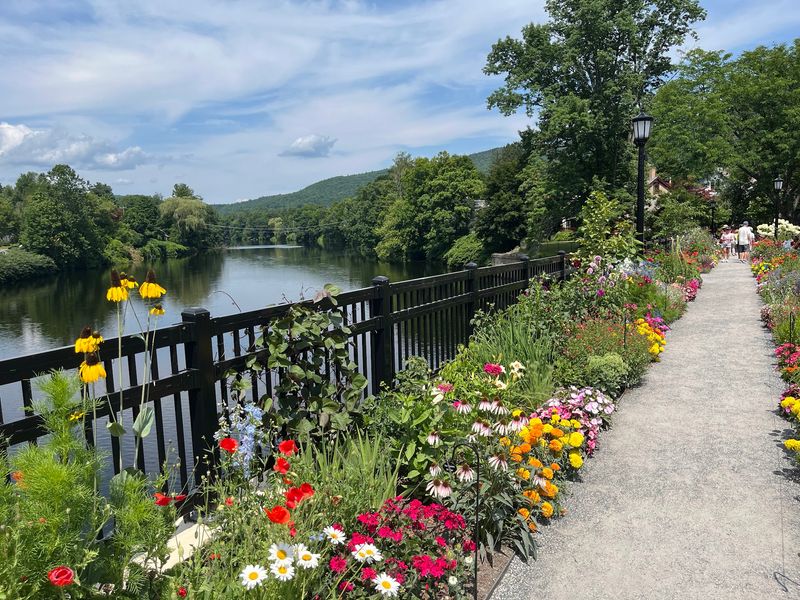
The bridge connects the Shelburne and Buckland sides of Shelburne Falls while offering constant views down toward the Deerfield River below.
Most gardens keep your feet firmly planted on solid ground. This one gives you the sensation of floating between earth and water, surrounded by blooms on all sides.
The river adds movement and sound to the experience, with its current providing a natural soundtrack to your garden stroll.
From the bridge, you can watch the Deerfield River continue its journey through western Massachusetts. The water reflects changing light throughout the day, creating different moods for your visit.
Some people come early in the morning when mist rises from the river surface, while others prefer late afternoon when sunlight catches the water at just the right angle, making the whole scene glow with golden light beneath the flowers overhead.
Hundreds Of Plants Turn A Simple Walk Into A Garden Tour
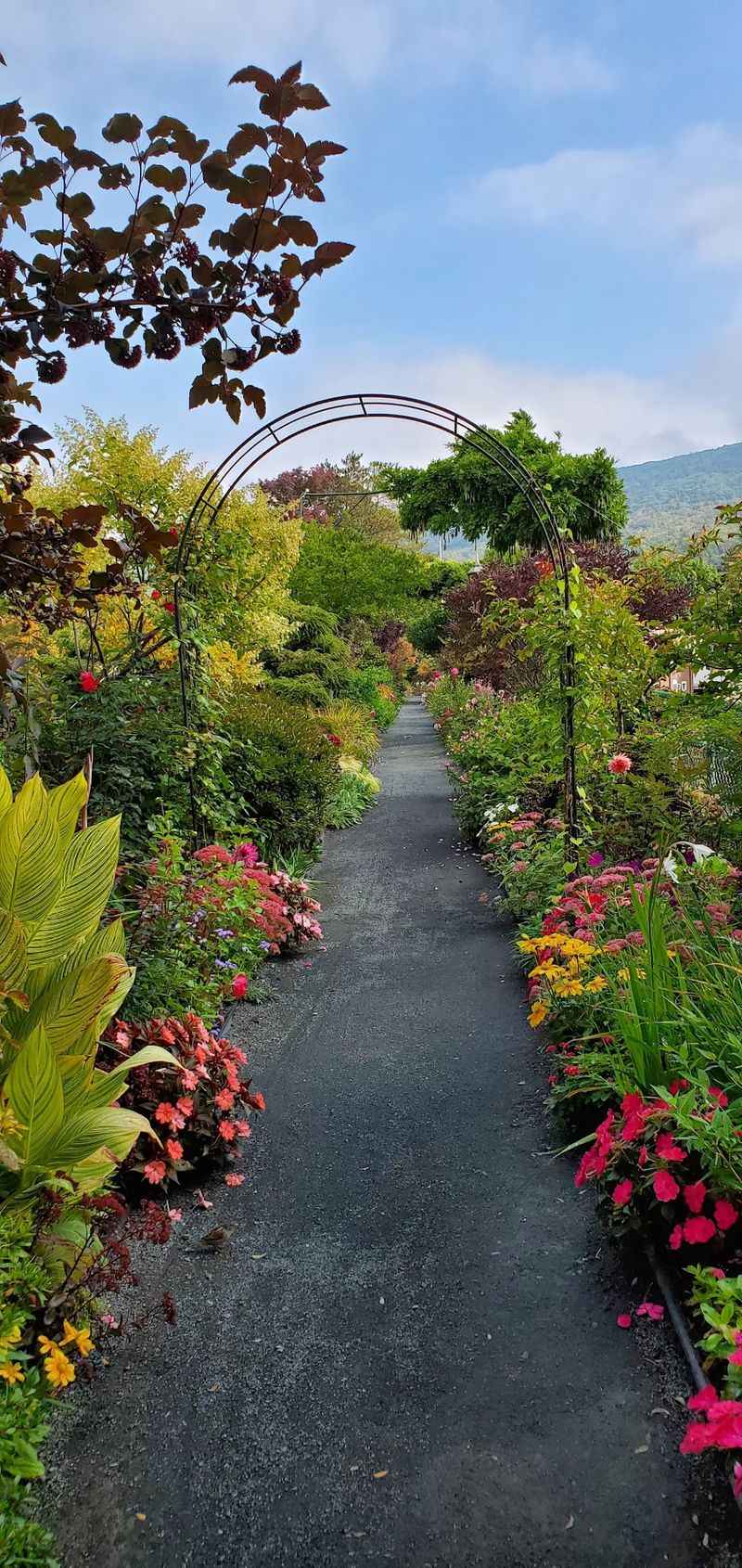
Forget the image of a few token planters decorating a walkway. The Bridge of Flowers goes far beyond basic beautification efforts.
The gardens showcase an impressive collection that includes flowering trees, climbing vines, colorful shrubs, reliable perennials, and rotating displays of annual flowers.
Each type of plant serves a specific purpose in creating layers of interest and color. Trees provide structure and shade, while vines soften the concrete edges and create living archways.
Shrubs add middle-level fullness, and perennials offer reliable returning displays year after year.
Annual flowers fill in gaps with concentrated bursts of color that can be changed seasonally. The variety means there is always something new to discover, even for repeat visitors.
Garden enthusiasts can spend considerable time identifying different species and noting planting combinations. Casual visitors simply enjoy walking through what feels like multiple gardens squeezed into a compact but stunning linear space that somehow contains more botanical diversity than many traditional parks.
Every Season Brings Something Different To See
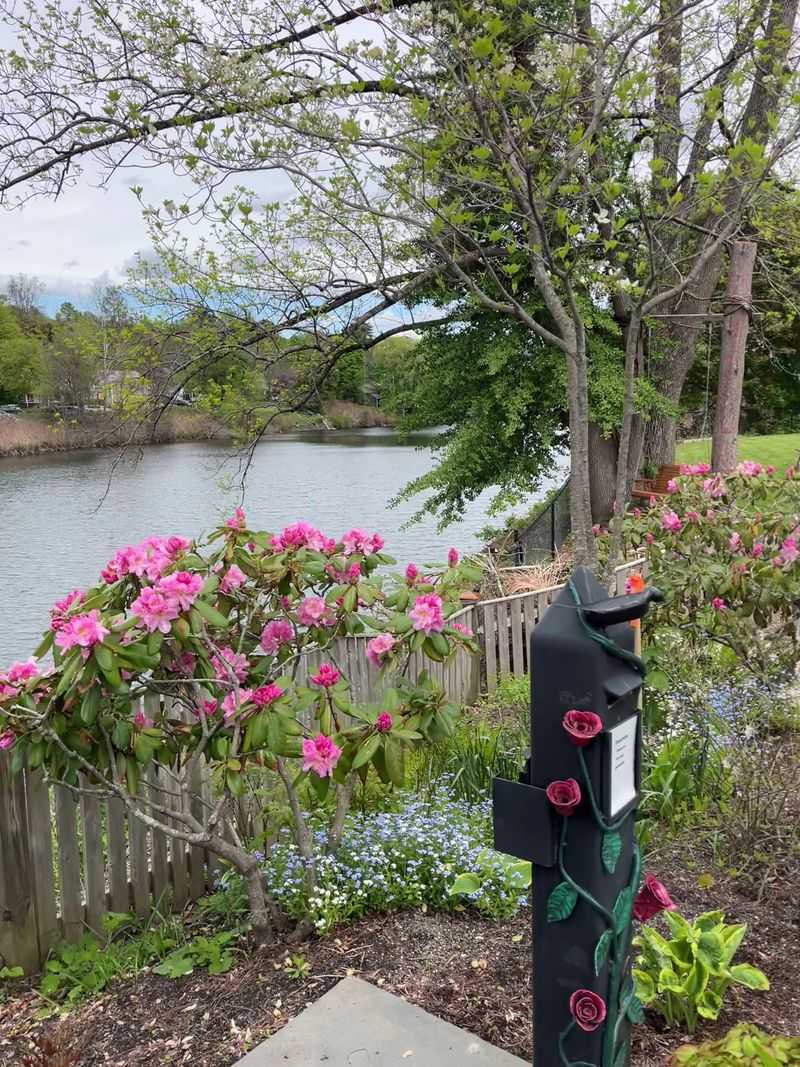
Spring visitors catch the earliest bloomers pushing through warming soil. Bulbs like tulips and daffodils announce that winter has finally released its grip on western Massachusetts.
The plantings look fresh and hopeful, with that distinctive early-season green that seems brighter than any other time of year.
Summer transforms the bridge into peak performance mode. Everything reaches maximum fullness, with colors competing for attention and fragrances mixing in the warm air.
This is when the gardens look most abundant, practically bursting with life.
Fall brings a different but equally compelling display. Later-blooming flowers share space with changing foliage as the season shifts.
The light changes too, becoming more golden and dramatic as autumn progresses. Many visitors actually prefer the shoulder seasons over peak summer, finding the slightly quieter bridge and softer colors more appealing.
The changing displays mean you could visit multiple times in a single year and have distinctly different experiences each time you walk across.
A Nearly Century-Old Community Project Still Depends On Local Care
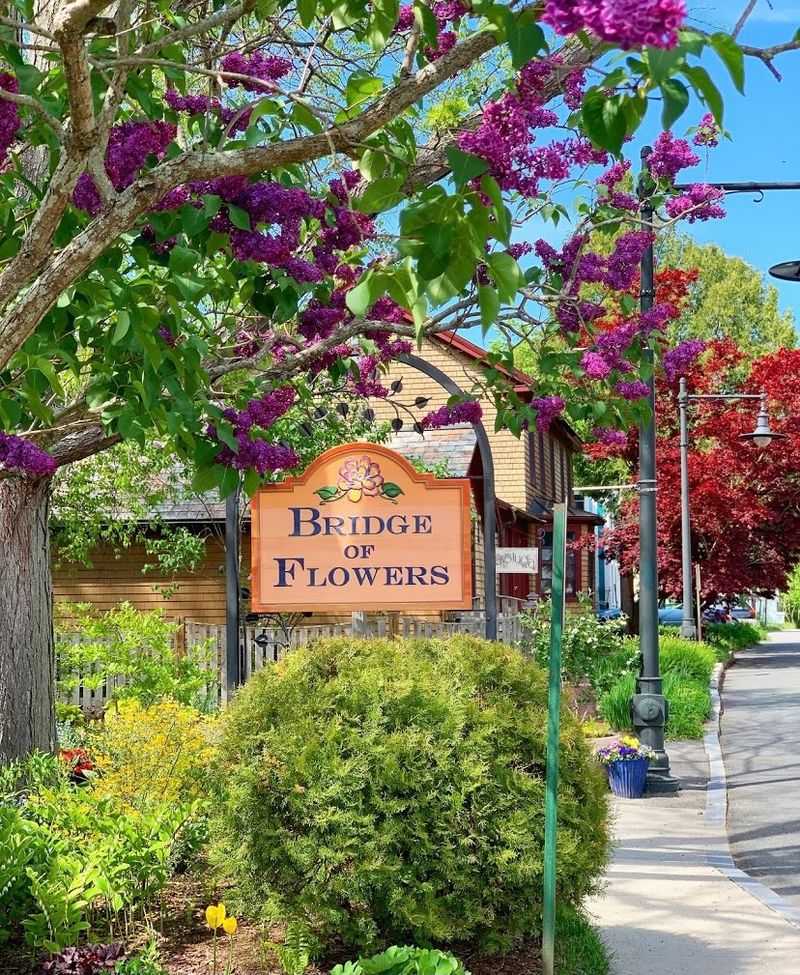
Back in 1929, the Shelburne Falls Area Women’s Club looked at an abandoned trolley bridge and saw potential where others saw only a problem. They organized the effort that transformed the concrete structure into a public garden, establishing a tradition of community involvement that continues nearly a century later.
The bridge never became a government-funded park with professional staff and unlimited budgets. Instead, it remains a grassroots project maintained through volunteer hours, donations, and dedicated gardeners who take pride in their village centerpiece.
This community ownership gives the place a special character that purely commercial attractions lack.
Local residents still feel personally invested in keeping the gardens beautiful. They understand that the Bridge of Flowers represents their town to thousands of visitors who might otherwise never stop in Shelburne Falls.
The ongoing care connects current residents to the original vision from decades ago, creating living history that grows and blooms rather than gathering dust in a museum.
The Story Behind The Flowers Makes The Visit Even More Memorable
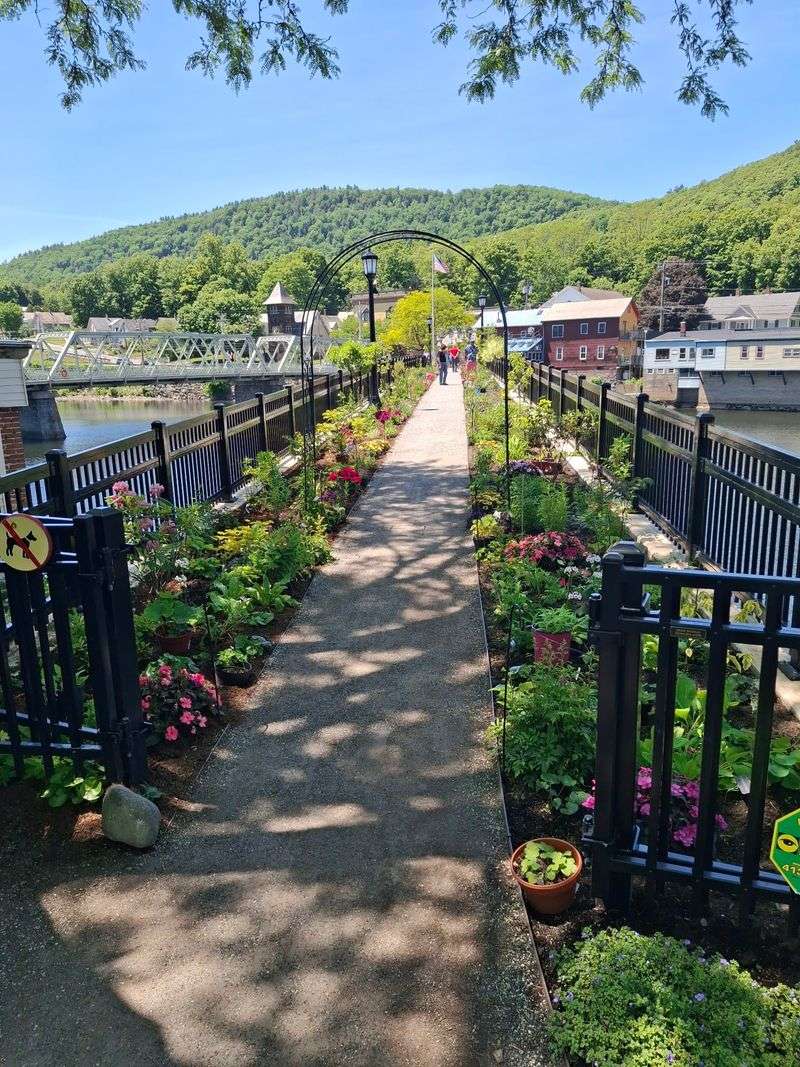
Every great project starts with someone willing to imagine something different. Antoinette Burnham reportedly looked at the weed-choked abandoned bridge and asked a simple but powerful question: why not flowers?
That moment of creative thinking launched a project that would define Shelburne Falls for generations.
Turning vision into reality required serious effort. The community hauled more than 80 loads of loam and fertilizer onto the concrete structure, creating growing conditions where none existed before.
Think about that commitment for a moment, loading and carrying soil by hand onto a bridge in an era before modern equipment made such tasks easier.
They planted the first gardens with hope and determination, not knowing whether their experiment would succeed or how long it might last. Nearly a hundred years later, their creative solution to an eyesore continues attracting admirers.
Knowing this history adds depth to your visit, transforming a pleasant walk through flowers into a connection with community spirit and imaginative problem-solving.
It Is More Than A Garden – It Is A Walk Through Shelburne Falls
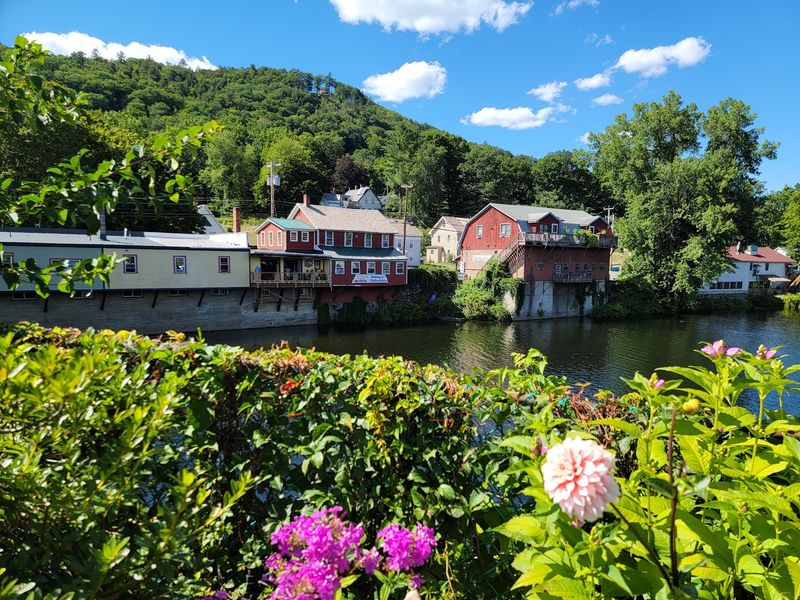
Location matters when planning a destination worth traveling to see. The Bridge of Flowers sits right in the village center rather than isolated in some remote location requiring additional driving to reach.
This central placement makes it easy to combine your bridge visit with exploring other local attractions and supporting village businesses.
The nearby Glacial Potholes provide another unusual natural feature worth seeing. These geological formations carved by rushing water during the ice age create their own fascinating display just a short walk away.
The Shelburne Falls Trolley Museum offers yet another connection to the area’s transportation history, helping visitors understand the region’s past.
Local shops and restaurants benefit from the steady stream of bridge visitors, creating a symbiotic relationship between the landmark and the village economy. You can easily spend several hours exploring Shelburne Falls, making the trip feel more substantial than just a quick photo stop.
The bridge becomes an anchor attraction that introduces people to everything else this charming western Massachusetts village offers.
The Views And Slow Pace Are Part Of The Experience
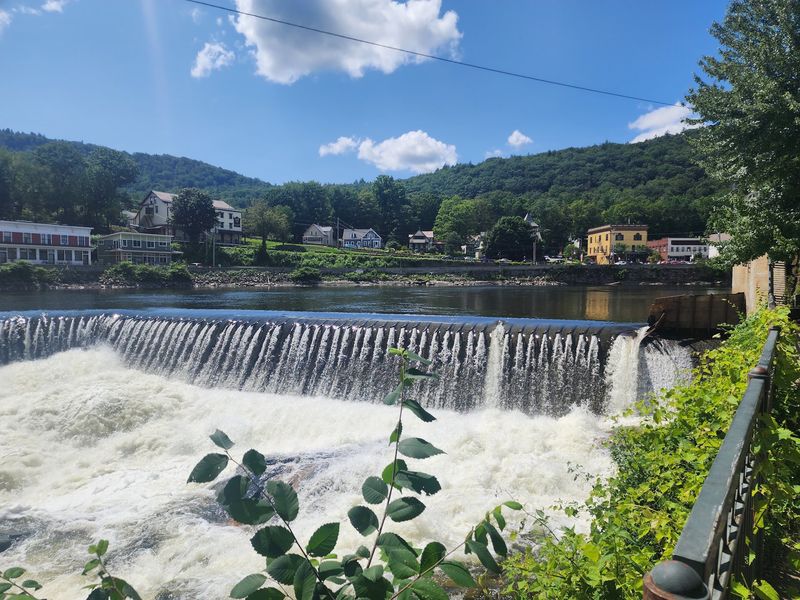
Modern life moves fast, but the Bridge of Flowers encourages you to slow down and actually look at what surrounds you. Nobody rushes across this bridge the way they might hurry across a regular street crossing.
The gardens deserve your attention, and most visitors instinctively understand this upon arrival.
People naturally pause among the plantings, examining flowers up close or reading plant markers. Others lean on the railings to watch the Deerfield River flow beneath them.
Photographers find countless angles worth capturing, from wide shots showing the entire garden-bridge concept to tight close-ups of individual blooms catching perfect light.
The experience feels almost meditative, offering a brief escape from whatever stress brought you to western Massachusetts seeking relief. Some visitors describe the walk as surprisingly calming despite the public setting.
The combination of natural beauty, historical significance, and unusual setting creates something more meaningful than just another garden or just another bridge. It becomes a moment of peaceful connection with both nature and creative human achievement that lingers in memory.
Plan Your Visit
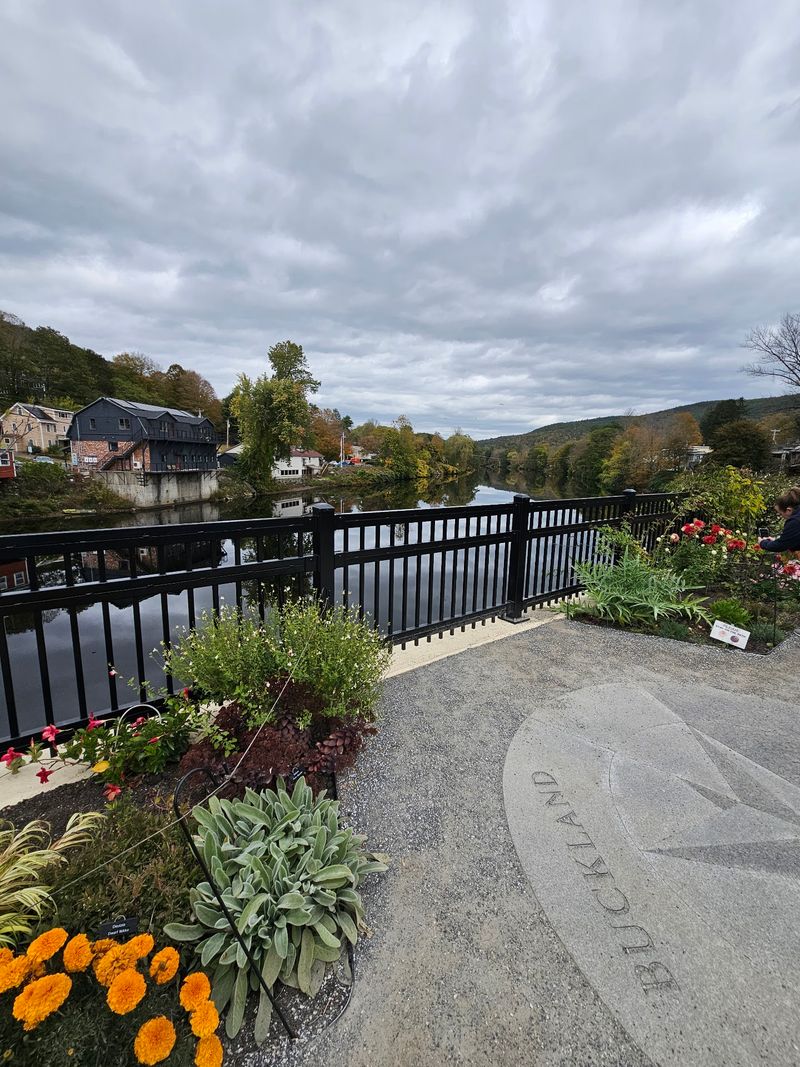
Practical details help ensure your visit goes smoothly. The Bridge of Flowers is located at 22 Water Street in Shelburne Falls and welcomes visitors seasonally from April 1 through October 31, weather permitting.
The gardens remain accessible 24 hours a day during the open season, allowing early birds and evening visitors alike to experience the plantings.
Admission is completely free, though donations are welcome and help support ongoing maintenance. Free two-hour parking is available throughout the village, with a public parking lot on Water Street right beside the bridge providing convenient access.
The bridge accommodates wheelchairs and walkers, with the Water Street entrance on the Shelburne side recommended for passenger drop-off.
Only service dogs are permitted on the bridge. Before traveling, check the official website for any updates, as garden work, weather events, or maintenance projects can occasionally affect access.
Planning ahead ensures you arrive ready to enjoy this unique attraction without unexpected surprises disrupting your western Massachusetts adventure.