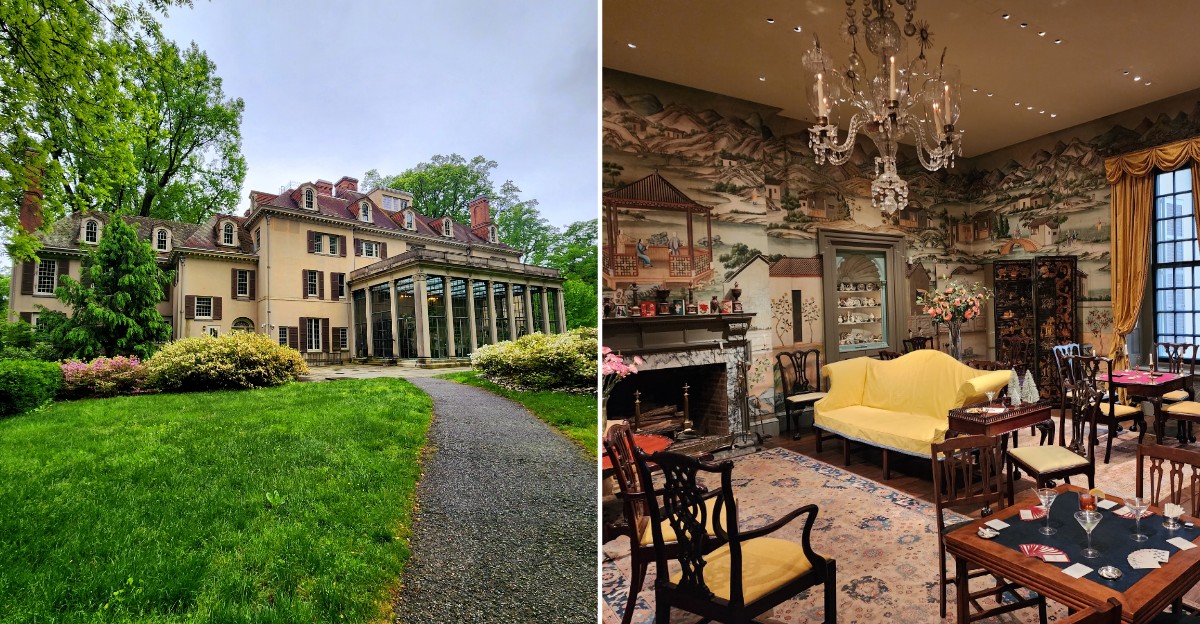
One moment you can be admiring a carefully furnished room, and the next you are standing among flowers with nothing but birdsong around you. At Winterthur Museum, Garden & Library in Delaware, more than 60 rooms open onto a vast estate where American art, family history, and changing gardens come together.
The experience feels less like moving from one attraction to another and more like slowly wandering through a place built for noticing details.
Inside the mansion, polished wood, antiques, artwork, and personal objects offer glimpses into another era. Outside, winding paths lead through acres of gardens, where blooms, mature trees, and quiet corners invite you to linger.
At 5105 Kennett Pike, Winterthur offers plenty to see without rushing from one room or garden to the next. Around every turn, another piece of the estate’s story is waiting to come into view.
The First Glimpse of the Estate
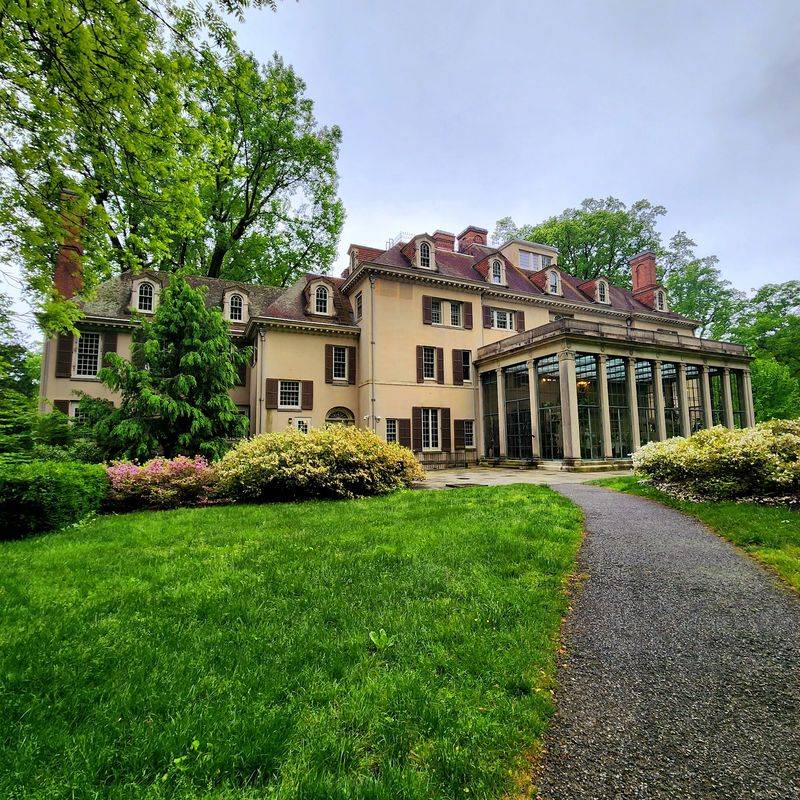
The road seems to grow quieter as lawns and tall trees replace the everyday rush. At Winterthur Museum, Garden & Library, that change is part of the welcome.
The mansion sits within a much larger estate of meadows, woods, and planted gardens, so the first view feels more like entering the countryside than arriving at a single building.
Give yourself a moment to take in the setting before heading indoors. Henry Francis du Pont shaped Winterthur as a country home where the landscape mattered as much as the rooms.
Look for open views, curved paths, and trees that frame the house. Together, they make the grounds feel thoughtfully arranged without losing their sense of space.
If you have limited time, ask about garden tram options when you arrive. A ride can help you understand the estate’s size and choose where to walk afterward.
Comfortable shoes still make a difference, since even a short outing may tempt you farther along a path. That first stretch is worth savoring: it sets a calm pace for everything you will see later.
Rooms That Still Feel Like a Home
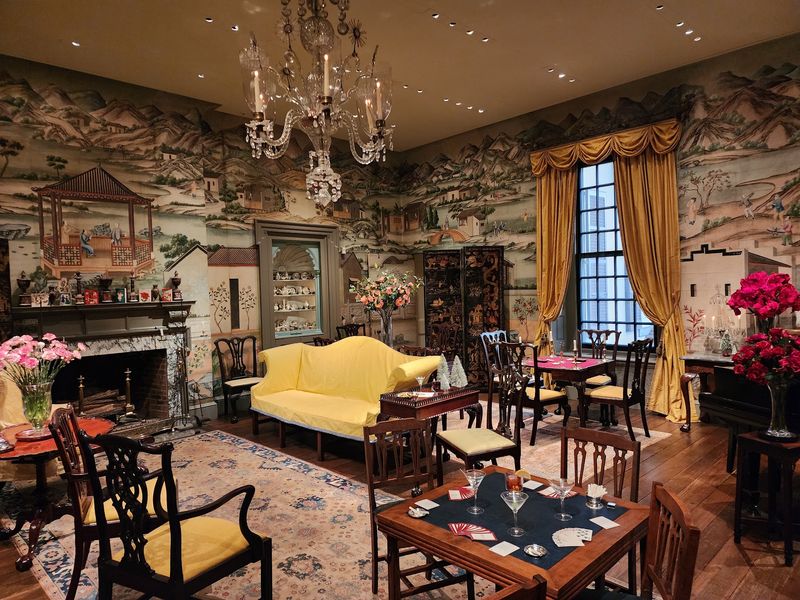
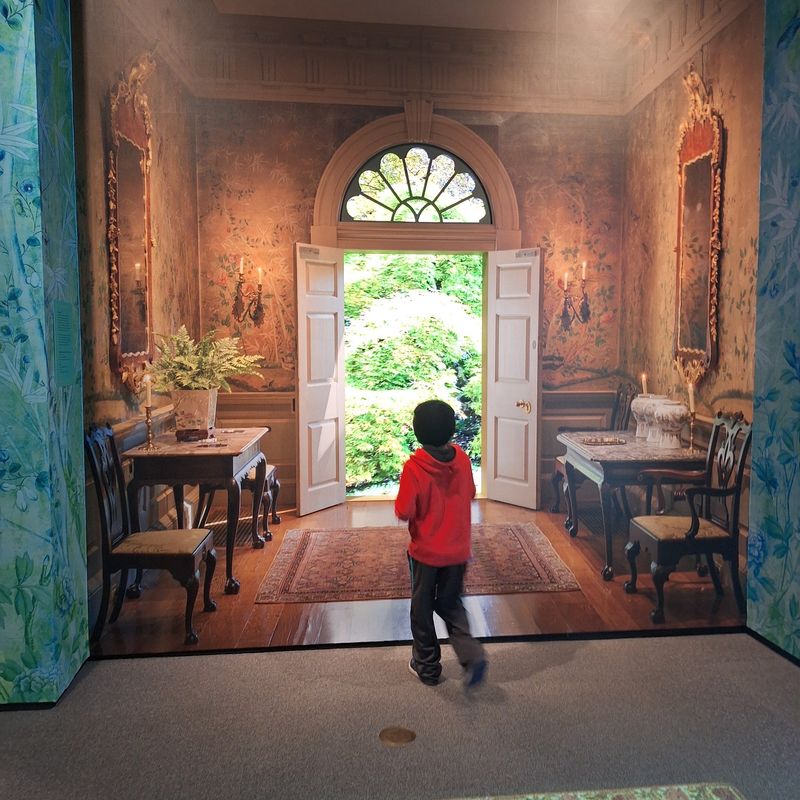
Step through a doorway and the outdoors gives way to a different kind of detail. Winterthur’s mansion was once the home of Henry Francis du Pont and his family.
It has 175 rooms in all, although visitors do not simply roam through every one. Tour routes and access can vary, so check current options before planning your day around a particular room count.
Inside, furniture, textiles, and table settings help you picture how people used these spaces. Try choosing one room to study slowly rather than rushing past them all.
A chair’s shape, the color of a wall, or the arrangement of dishes can say something about the tastes of the people who lived here.
Guides and room information can add context that is easy to miss at first glance. Ask about a detail that surprises you, then notice how it connects to another space on your route.
The reward is not just seeing a large house. It is getting a closer, more personal look at how a collector turned his home into a place for sharing American history.
Small Objects, Big Stories
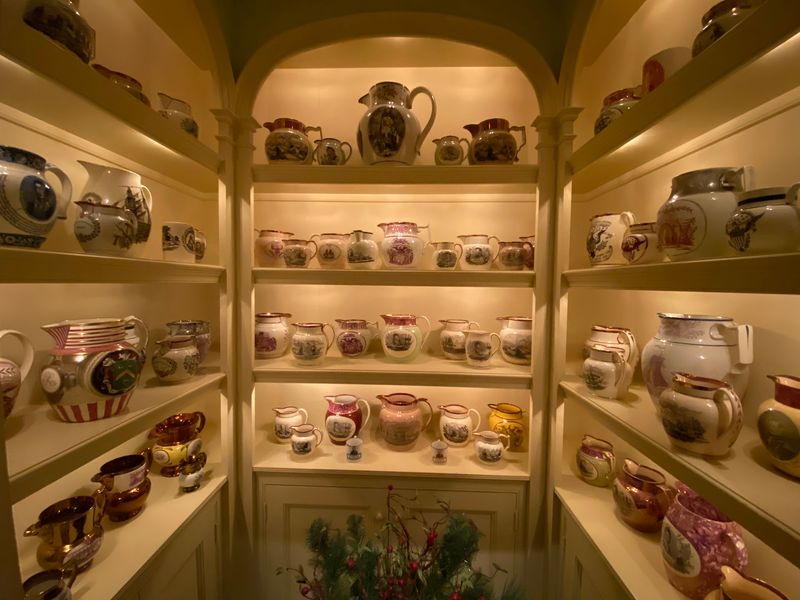
A spoon or a painted bowl may seem ordinary until you stop to wonder who made it. Winterthur holds a major collection of American decorative arts, including furniture, ceramics, metalwork, and textiles.
Many pieces date from the 1600s through the 1800s. They offer a way to learn about work, trade, fashion, and daily life through things people once used.
Start with an object that appeals to you, even if you know nothing about art. Look at its materials and any marks left by hand tools.
Was it made to be useful, impressive, or both? Questions like these turn a display into a story.
They also help younger visitors find their own reason to pay attention.
Exhibitions and gallery arrangements can change, making the museum rewarding on a return trip. If you are visiting with family, check whether hands-on activities are available that day.
Afterward, compare a museum piece with something you use at home. You may find that an old object feels less distant once you imagine the hands that made and held it.
Spring Starts on the March Bank

After a long winter, the smallest flowers can feel like the biggest news. On Winterthur’s March Bank, early blooms appear beneath the trees as the garden wakes up.
Snowdrops, winter aconites, and crocuses bring color close to the ground. Later, daffodils brighten parts of the landscape with broad sweeps of yellow and white.
The display is a reminder that the garden does not bloom all at once. Weather shifts the timing from year to year, so check Winterthur’s garden updates before making a trip for a certain flower.
Even if your favorite blooms are not at their peak, look closely along the path. New growth, tree buds, and changing light give the hillside its own quiet energy.
For photos, try including the slope and surrounding trees instead of aiming only at individual blossoms. You will capture how the flowers belong to the larger setting.
Stay on marked routes, too, since stepping off a path can damage plants that have not opened yet. A patient walk here makes spring feel less like a date on a calendar and more like a discovery.
A Colorful Turn Through Azalea Woods

A woodland path can change character almost overnight when azaleas begin to flower. In Winterthur’s Azalea Woods, spring color spreads beneath tall trees, with pink, white, red, and lavender blooms appearing along the way.
The eight-acre garden began as a nursery area and became one of the estate’s most memorable seasonal sights.
Walk slowly enough to notice that the colors do not arrive as one flat blanket. Different plants bloom at different moments, and the shade changes how each cluster looks.
A cloudy day may bring out soft tones, while sunlight catches bright petals between branches. If you hope to see a strong display, check current bloom reports before you leave home.
Bring a camera, but make room for a stretch without it. Listen to footsteps on the path and look for the next patch of color around a bend.
Children can make a game of spotting how many shades they see without touching the plants. The woods are beautiful in photographs, yet the best reason to visit is the feeling of moving through the colors yourself.
A Longer Walk Beyond the Flowers
Not every rewarding view comes with a flower bed. Beyond Winterthur’s showier garden areas, paths lead through meadows and wooded parts of the estate.
The open ground lets you watch clouds and changing light, while tree cover offers a different pace. It is a pleasant shift after looking closely at objects inside the mansion.
Pick a walk that suits your energy and the time you have left. Ask for a current map, follow posted signs, and pay attention to any trail closures.
Rain can make outdoor routes muddy, so shoes with a steady grip are a smart choice. Water is useful on warm days, especially when a short stroll becomes a longer one.
Try pausing where a meadow meets the woods. That edge can reveal birds, moving grasses, and patterns you might miss while hurrying.
The landscape changes through the year, offering more than spring flowers alone. In cooler months, bare branches open up views that summer leaves can hide.
A walk here gives the house a wider setting and leaves space to think about everything you have seen.
Make-Believe in Enchanted Woods

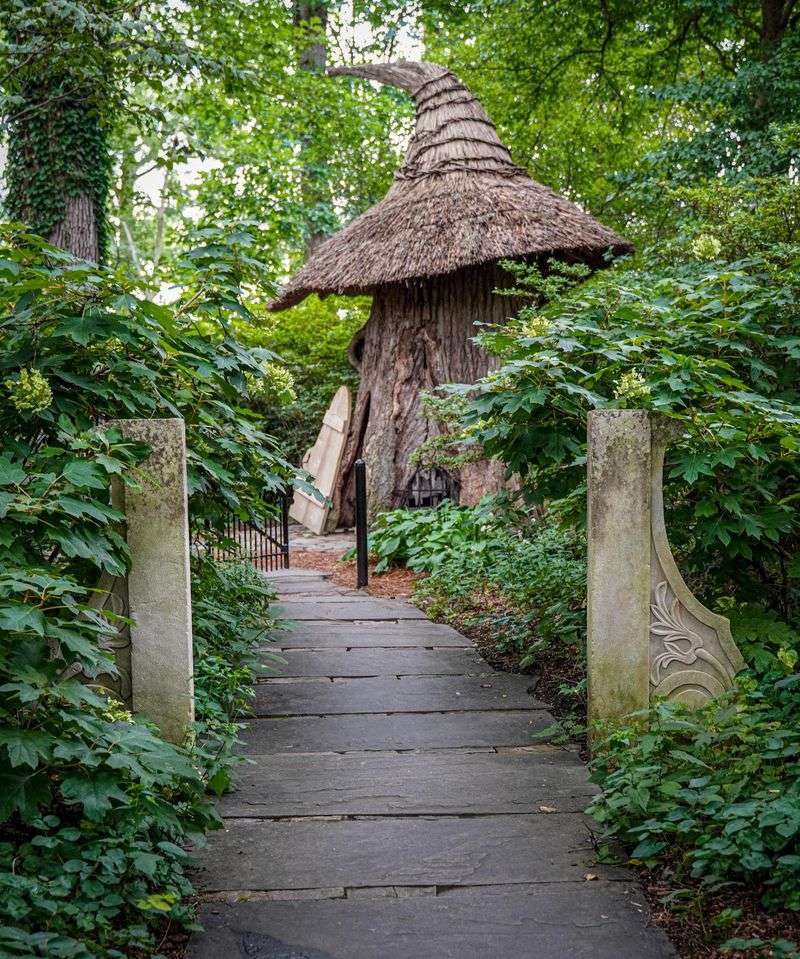
Some garden paths seem made for people who like to pretend. Enchanted Woods at Winterthur is a children’s garden with playful spaces set among the trees.
Instead of asking young visitors to admire every plant from a distance, it gives them room to explore and use their imaginations. That change of pace can be a welcome break during a museum day.
Let children lead for a while and see what draws their attention. They may be more interested in a hidden corner or an unusual structure than in reaching the next stop quickly.
Keep an eye on posted guidance, and check the day’s schedule if you are hoping for a special family program. Activities and availability may change with the season.
Adults can enjoy the setting, too, without pretending they came only for the kids. Shade, winding paths, and small surprises make it easy to linger.
Before heading back to the mansion or main gardens, invite everyone to name a favorite discovery. It is a simple way to turn playtime into a shared memory of Winterthur.
A Fresh Reason to Return
One visit may introduce you to the mansion, while another might center on a concert or a garden walk. Winterthur hosts changing programs throughout the year, adding new ways to experience the same estate.
Talks, family activities, seasonal celebrations, and special tours can bring a different focus to rooms or landscapes you thought you already knew.
Before choosing a date, look at the official event calendar rather than assuming an activity runs every week. Some programs need separate tickets or advance reservations.
It also helps to compare event times with house and garden hours, especially if you want to fit several experiences into one day. A little planning can keep the visit relaxed.
Seasonal events can be especially fun when you have been before. A winter program may draw your eye to decorations and interior details; a spring outing may take you straight toward fresh blooms.
Choose something that matches your interests, not just the busiest date. The best event is one that gives you a new story to bring home.
Follow a Question to the Library
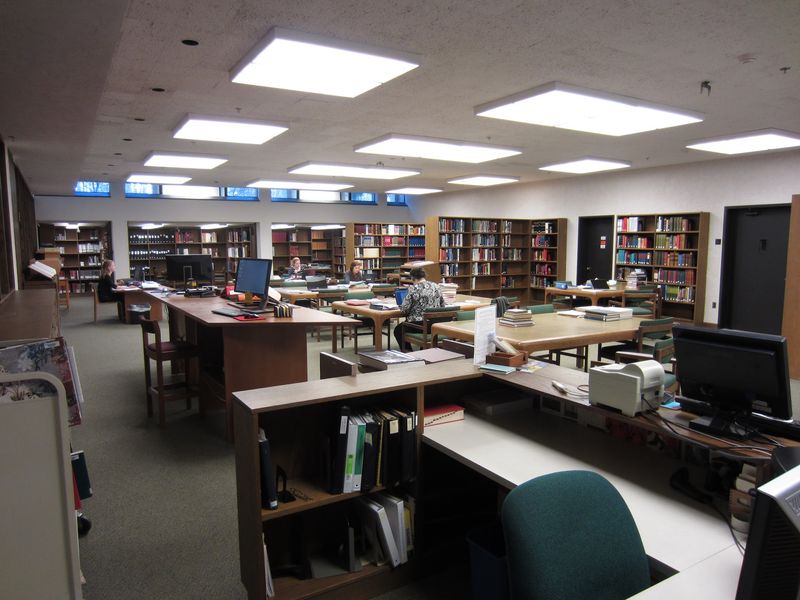
A room full of old books holds a different kind of suspense: what might you find if you follow one question? Winterthur’s library supports research into American art, design, and history.
Its collections include books, manuscripts, and images that help people study the lives and objects represented throughout the museum.
The library is not the same as a casual stop on every house tour. If you want to use its materials, check current public access rules and contact the library before your visit.
Some collections may require an appointment or a specific request. Coming with a focused topic, such as a type of furniture or a family craft, can help you make good use of your time.
Even if you do not plan to do formal research, knowing the library exists adds another layer to the estate. The objects in the mansion did not lose their stories when they entered a museum; people continue asking questions about them.
For curious visitors, that is an inviting thought. A single detail noticed in a room could become the start of a much longer search.