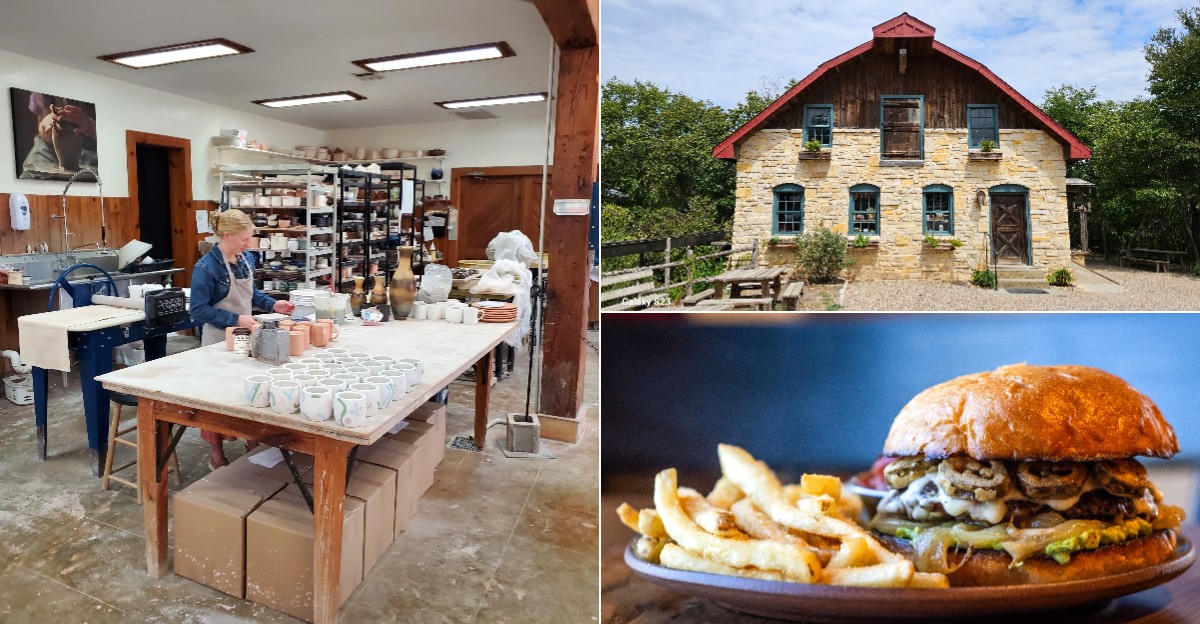
Wandering into this Waco craft village feels a bit like stepping into another century.
Rows of small wooden shops sit close together, each one run by a different maker or family.
Handwoven baskets, quilts, and carved wood pieces line the shelves, all made without shortcuts.
The unhurried, Amish-inspired pace here is part of the appeal, not an inconvenience.
Fresh baked goods and homemade jams add another reason to slow down and browse a little longer.
It’s a refreshing stop for anyone in Central Texas looking for something handmade and genuinely local.
Hand-Forged Iron With Old-School Strength
Sparks, ringing hammers, and dark iron make the blacksmith shop feel like a working page from history. Visitors often stop here first because the tools and pans look strong enough to serve a family for generations. The most interesting part is seeing how heat, timing, and steady hands turn plain metal into useful art.
Hand-forged items can cost more than factory goods, but the reason is easy to understand once you watch the process. A skillet, hook, or fire tool is shaped slowly, checked often, and finished with care. Ask the artisan how to season iron cookware, store it safely, and keep rust away, especially if you plan to cook with it at home.
Kids usually enjoy the sound and motion, while adults notice the patience behind each piece. If you want a practical Texas treasure, look for smaller items like bottle openers, wall hooks, or cooking tools. They fit in a suitcase, make memorable gifts, and carry the story of the village with them.
Leather Goods That Feel Personal
The smell of real leather has a way of slowing people down before they even touch a shelf. Belts, wallets, bags, and small cases here are not rushed through a machine line. They show cuts, stitches, edges, and finishes that help shoppers understand why handmade leather can last so long.
Many visitors say the leather building is one of the easiest places to ask questions. You might learn why full-grain leather ages well, how stitching is chosen, or what conditioner keeps a wallet from drying out. That kind of advice makes a purchase feel less like shopping and more like learning a useful skill.
For a smart buy, check the seams, feel the thickness, and think about how the item will be used every day. A simple key fob or card holder can be a budget-friendly souvenir, while a belt or bag may become a long-term favorite. The best part is that scratches and color changes often add character instead of ruining the piece.
Woodworking Shelves Full Of Heirloom Pieces
A smooth chair arm or polished cutting board can tell you a lot before anyone says a word. Woodworking at the village stands out because visitors can see both beauty and purpose in the finished pieces. Rocking chairs, tables, bowls, and boards invite people to imagine them in real kitchens and living rooms.
Good woodwork rewards close looking. Check how joints meet, whether a chair feels steady, and how the grain moves across the surface. Artisans may explain the wood type, the finish, and the care needed to keep the piece from drying, cracking, or staining.
Not every handmade wooden item has to be large or costly. A spoon, ornament, small box, or cutting board can bring the same warm feeling home without needing much space. If you love practical gifts, choose something the receiver can use often instead of storing away. That daily use is what makes hand-built work special, because each breakfast, dinner, or family gathering adds another layer to its story.
Glass Blowing With Color And Fire
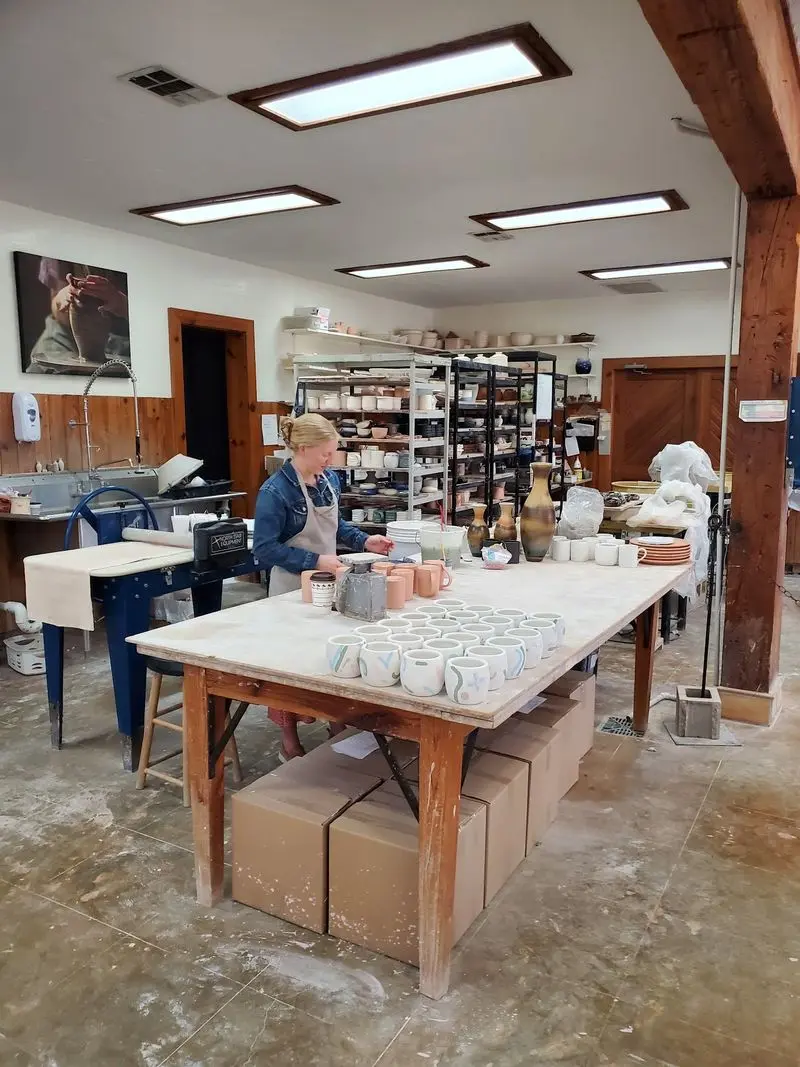
Molten glass looks almost magical when it glows like honey at the end of a long pipe. The glass blowing area gives visitors a safe look at a craft that depends on breath, speed, and careful turning. One small mistake can change the shape, so every movement matters.
Finished glass pieces often make bright gifts because they catch light in a window or on a shelf. Look for ornaments, bowls, cups, or decorative pieces that match the colors of the room where they will live. Before buying, ask how fragile the item is, how to clean it, and whether it should stay away from sudden temperature changes.
This stop is especially fun for people who like watching a process from start to finish. Children may enjoy the colors, while adults often notice the control it takes to keep glass balanced and smooth. If you want something small, an ornament is easy to carry and still feels special. A handmade glass piece can remind you that art sometimes begins as heat, air, and a brave idea.
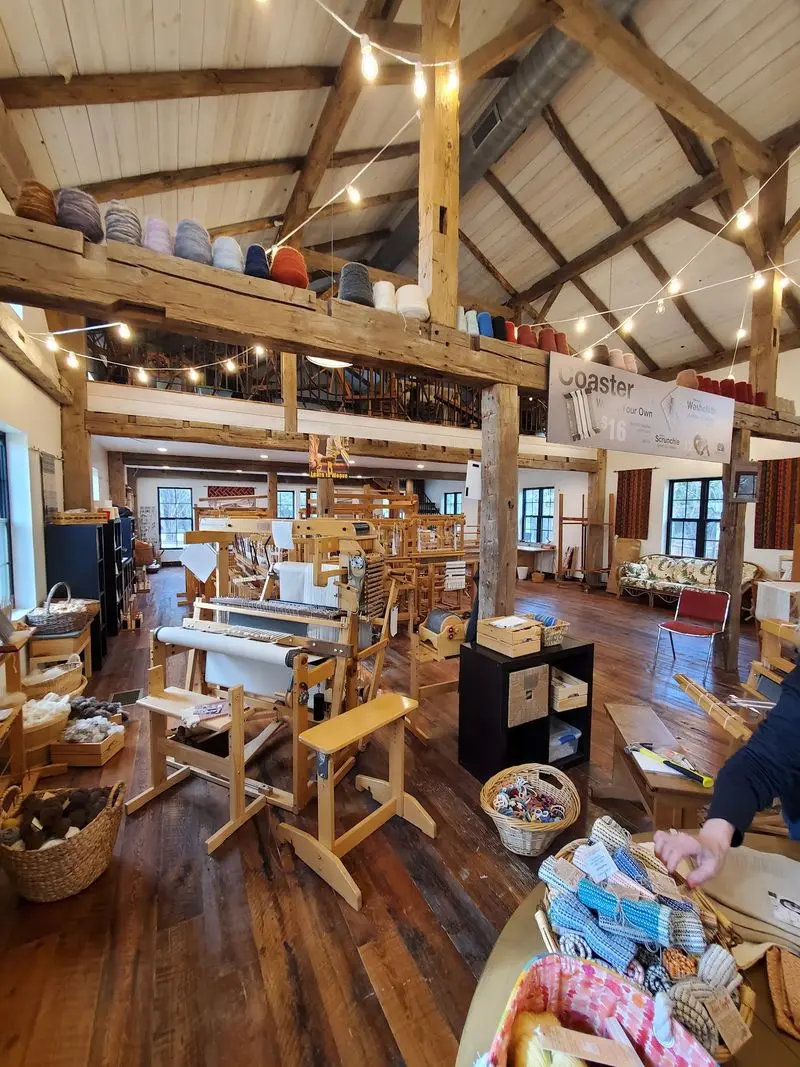
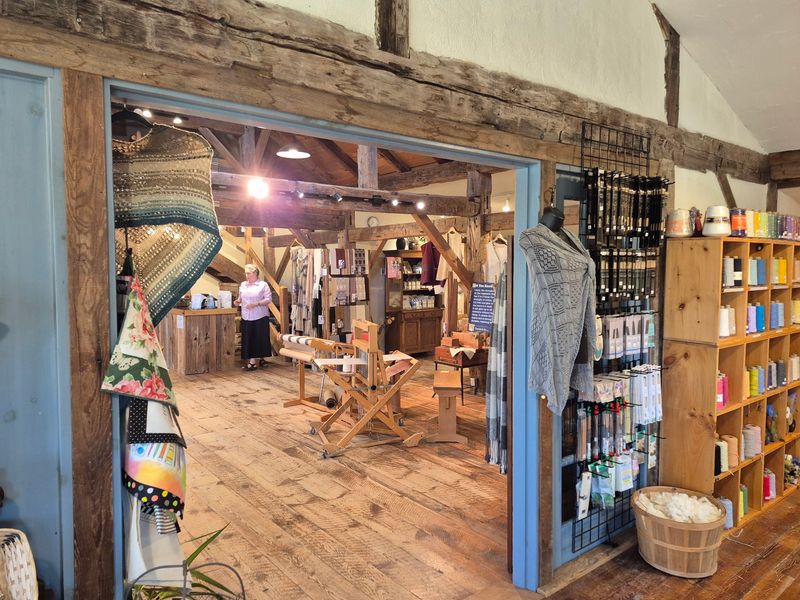
Woven Textiles With Quiet Beauty
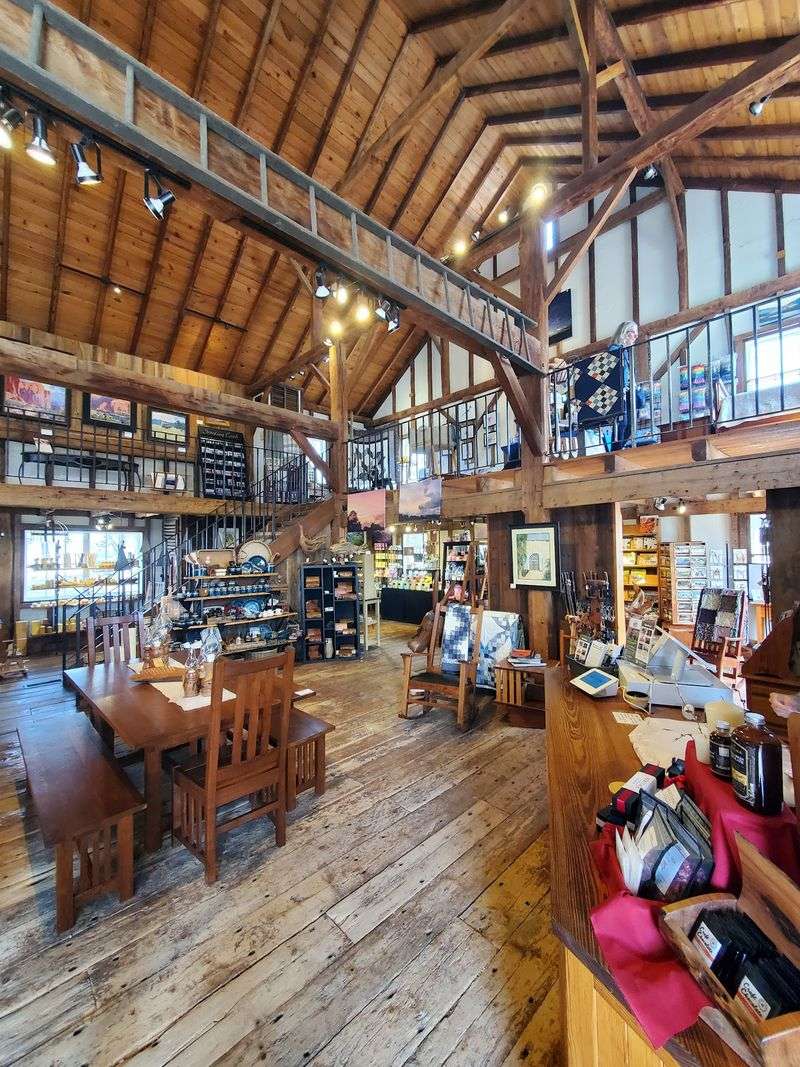
Soft scarves, yarn, and woven pieces bring a quieter kind of wonder to the shopping shelves. Instead of sparks or flames, this craft uses rhythm, pattern, and patient hands. Watching threads cross on a loom can make even a simple scarf feel surprisingly complex.
Textiles are helpful souvenirs because they are light, packable, and easy to enjoy right away. Feel the fabric before choosing, and notice whether it is warm, smooth, sturdy, or delicate. Ask about the fiber, washing instructions, and whether the colors come from natural or commercial dyes.
Visitors who enjoy making things may also be interested in classes or demonstrations when available. A weaving workshop can help you understand how much planning goes into width, pattern, color, and texture. For gifts, scarves and small woven goods work well because they feel personal without needing an exact size. If you are shopping for yourself, pick a color you will actually wear, not just one that looks pretty on the shelf. Handwoven items shine most when they become part of ordinary days.
Cheese, Coffee, And Pantry Finds

Not every treasure in the village is meant to sit on a shelf forever. Some are meant to be sliced, brewed, shared, and talked about at the table. The cheese shop, coffee options, and local food goods give visitors a tasty break between craft buildings.
Reviews often mention amazing cheeses, strong coffee, and food worth planning around. If samples are offered, taste slowly and think about what you would pair with the cheese at home. Ask which varieties travel best, need a cooler, or should be eaten soon after purchase.
Coffee lovers can look for beans or drinks that make the visit feel even more relaxed. Pantry goods also make easy gifts because they do not require guessing someone’s clothing size or home style. For a simple picnic feeling, choose cheese, bread or crackers if available, and a drink, then enjoy the peaceful grounds. Food is part of the handmade story here too, because careful recipes and local ingredients can carry as much craft as wood, iron, or leather.
Homestead Cafe As Part Of The Trip

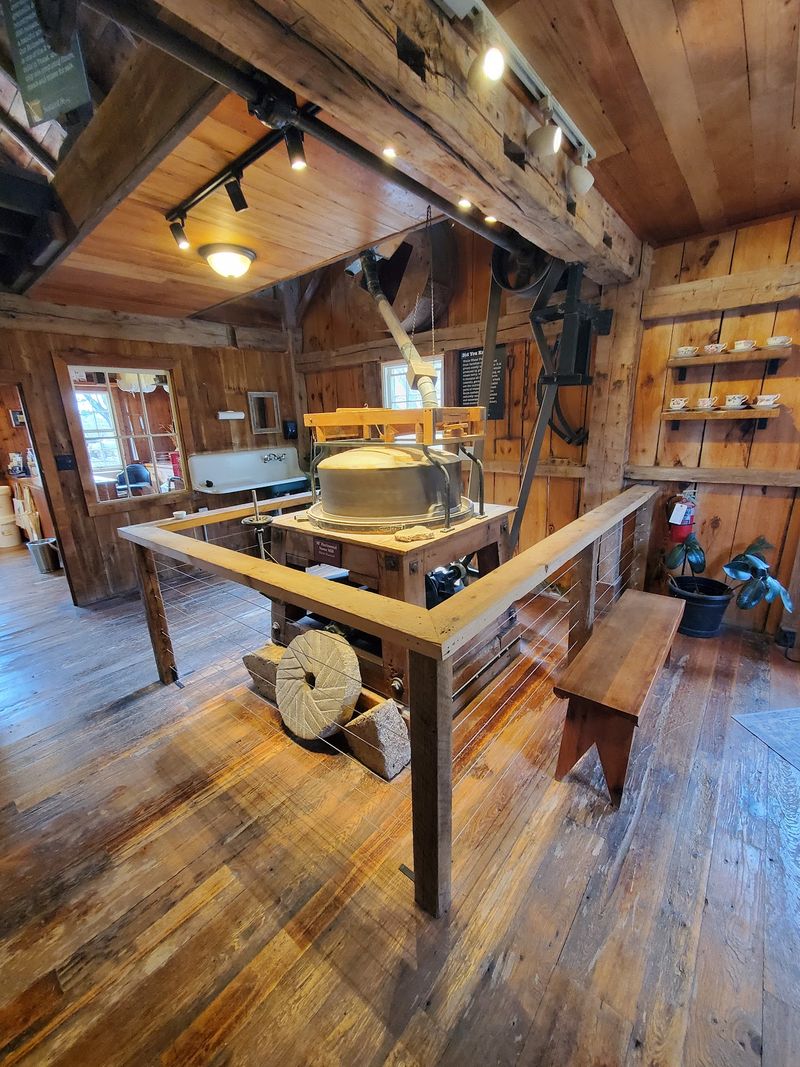
A day of browsing feels even better when lunch becomes part of the adventure. The cafe earns strong praise from visitors for its warm wood setting, friendly service, and hearty meals. Many people say the building itself is worth seeing because of its reclaimed wood floors, walls, and welcoming farmhouse feel.
Popular review mentions include green chile brisket enchiladas, jalapeño sweet potato soup, meatloaf, burgers, corn fritters, and steak specials. Menus can change, so check the website or call ahead if you have your heart set on something. Reservations are a smart move, especially around busy meal times, because several visitors recommend planning ahead.
The cafe is useful for families because it gives everyone a chance to rest before visiting more shops. If you are traveling with kids, eat before they get too tired, not after. Couples may enjoy making the meal the center of the outing, then walking the grounds afterward. Good food makes the handmade setting feel complete, turning a shopping stop into a slower, fuller Waco experience.
Planning A Calm Visit With The Whole Family
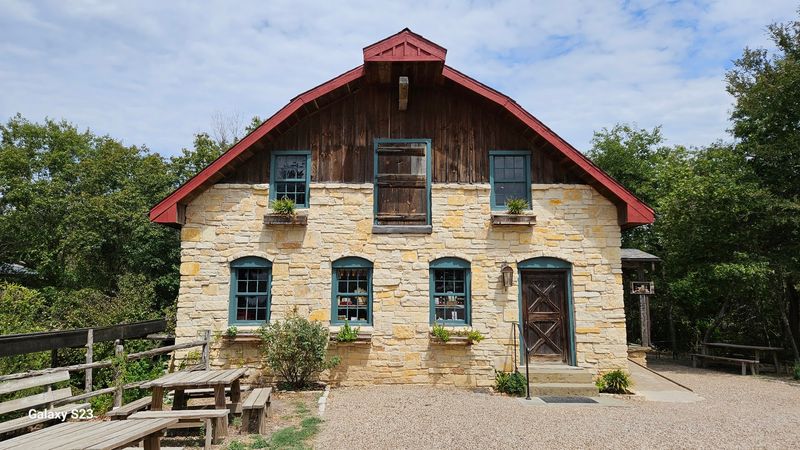
Peaceful paths, small shops, and hands-on demonstrations make the village feel more like a slow outing than a rushed shopping trip. Homestead Craft Village is located at 608 Dry Creek Rd Suite A, Waco, TX 76705, United States, and is rated 4.9 stars from 119 Google reviews. It is generally open Monday through Saturday from 10 AM to 5 PM and closed on Sunday.
Call (254) 754-9600 or check homesteadcraftvillage.com before you go, since hours, classes, and cafe reservations can change. Plan at least a few hours if you want to watch artisans, browse shops, eat, and let kids explore without feeling hurried. Comfortable shoes help because the best visit includes walking between different buildings.
Families should start with the most active demonstrations, then save quieter shops for later. Bring a small notebook if children like drawing tools, colors, or ideas they see. Prices may be higher than big-box stores, but visitors often say the quality and skill explain the cost. Come ready to ask questions, support makers, and enjoy a calmer side of Waco.