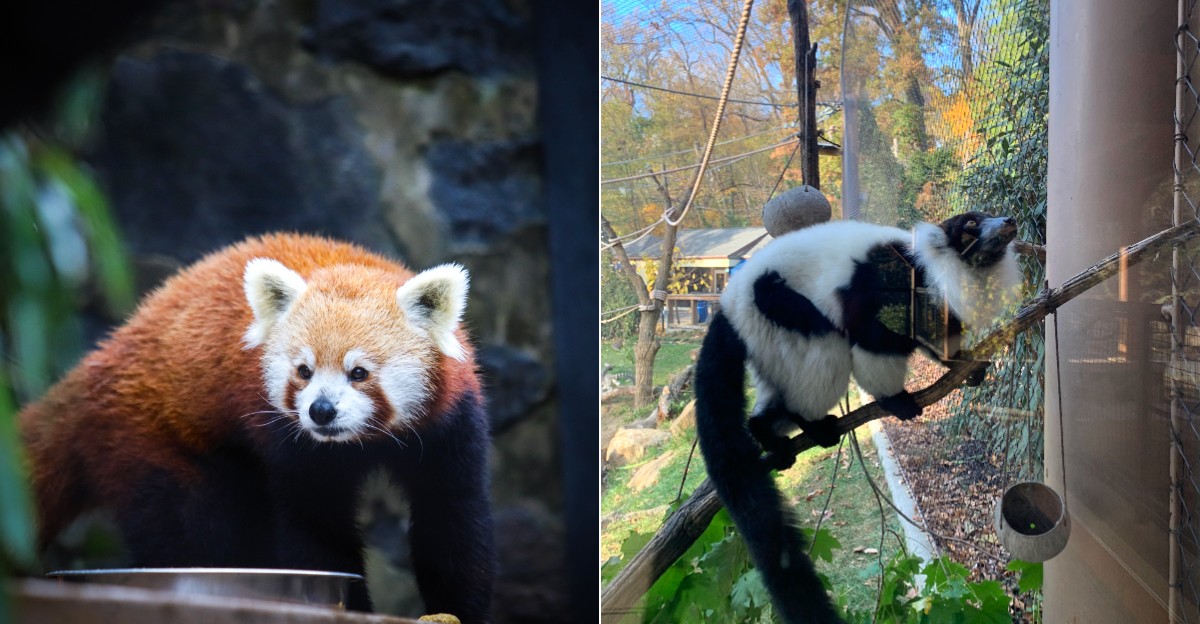
A trip to Wilmington’s riverside park just got a lot more exciting for animal lovers of every age.
Tucked among shady trees, this compact zoo packs in far more personality than its modest footprint suggests.
Big cats prowl their enclosures with a quiet intensity that never fails to draw a crowd.
Playful monkeys swing and chatter overhead, often stealing the show from the zoo’s larger residents.
A hands-on petting barn lets kids get up close with gentle farm animals in a way screens simply can’t replicate.
Whether you’re visiting for an hour or making a whole day of it, Brandywine Zoo delivers plenty of memorable moments.
Start With the Wild Stare of the Caracal
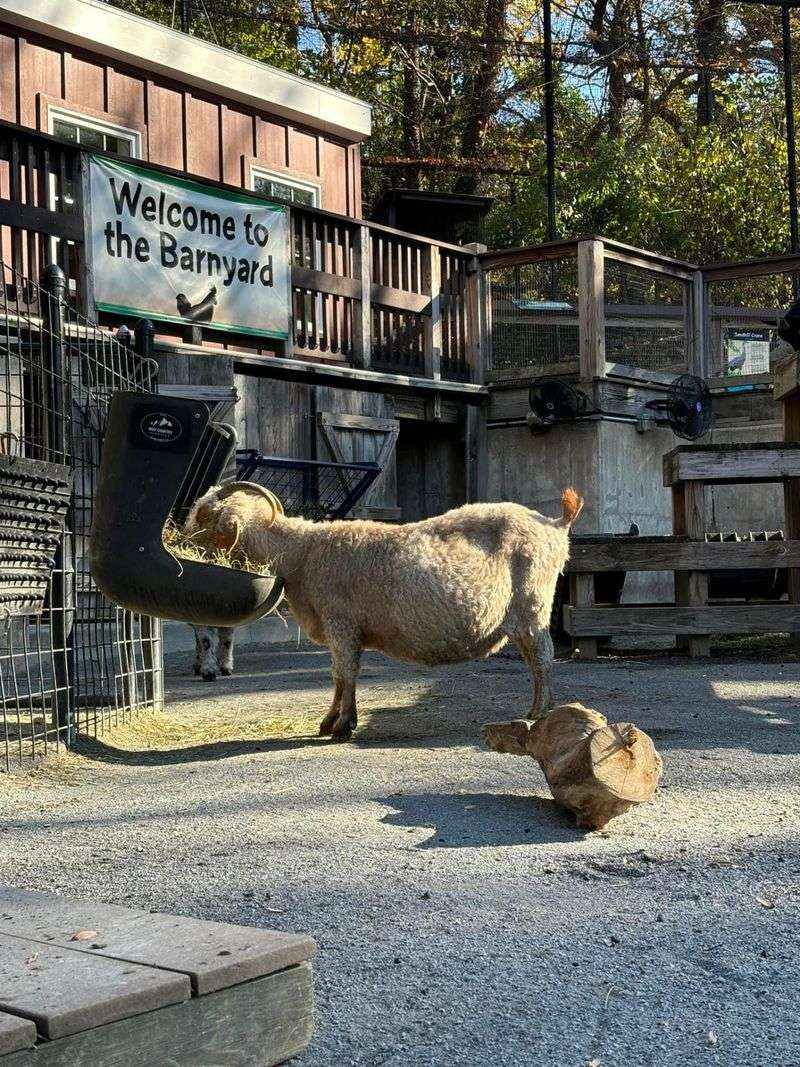
Sharp ears, quiet paws, and a focused stare make the caracal one of the most exciting animals to spot during a visit. Many guests remember this cat because it feels close enough to study its face, ears, and smooth movements without needing binoculars. That close view is part of the charm at Brandywine Zoo, where smaller paths can make animal watching feel personal.
Caracals are medium-sized wild cats known for their tall black ear tufts and strong jumping skills. In the wild, they can leap high to catch birds, which makes them powerful hunters even though they are not as large as lions or tigers. Watching one rest, pace, or look around gives kids a simple way to compare house cats with wild cats.
For the best experience, stop quietly near the exhibit and give the animal time to move naturally. Bring a camera, but avoid tapping glass or calling loudly for attention. Caregivers may be nearby, and they are often a great source for facts about behavior, food, and daily care. This exhibit is a smart first stop because it sets an exciting tone for the whole trip and reminds visitors that small zoos can still offer memorable wildlife moments.
Watch Lemurs Bring Energy to the Path
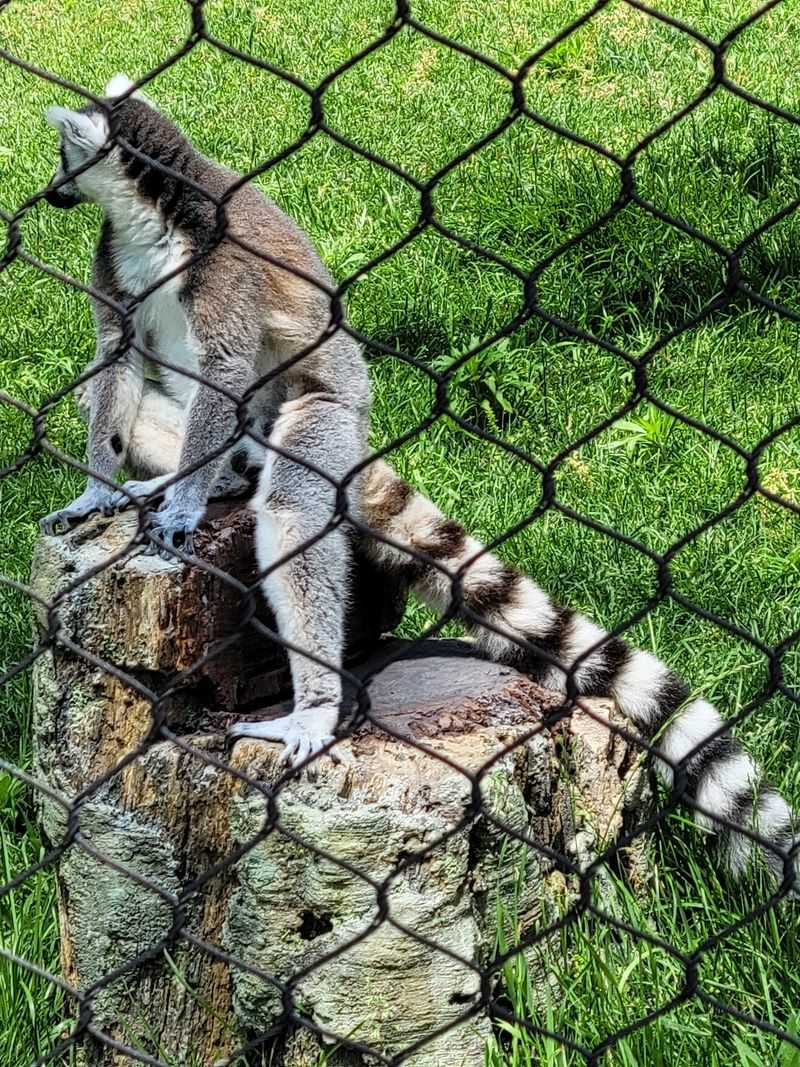
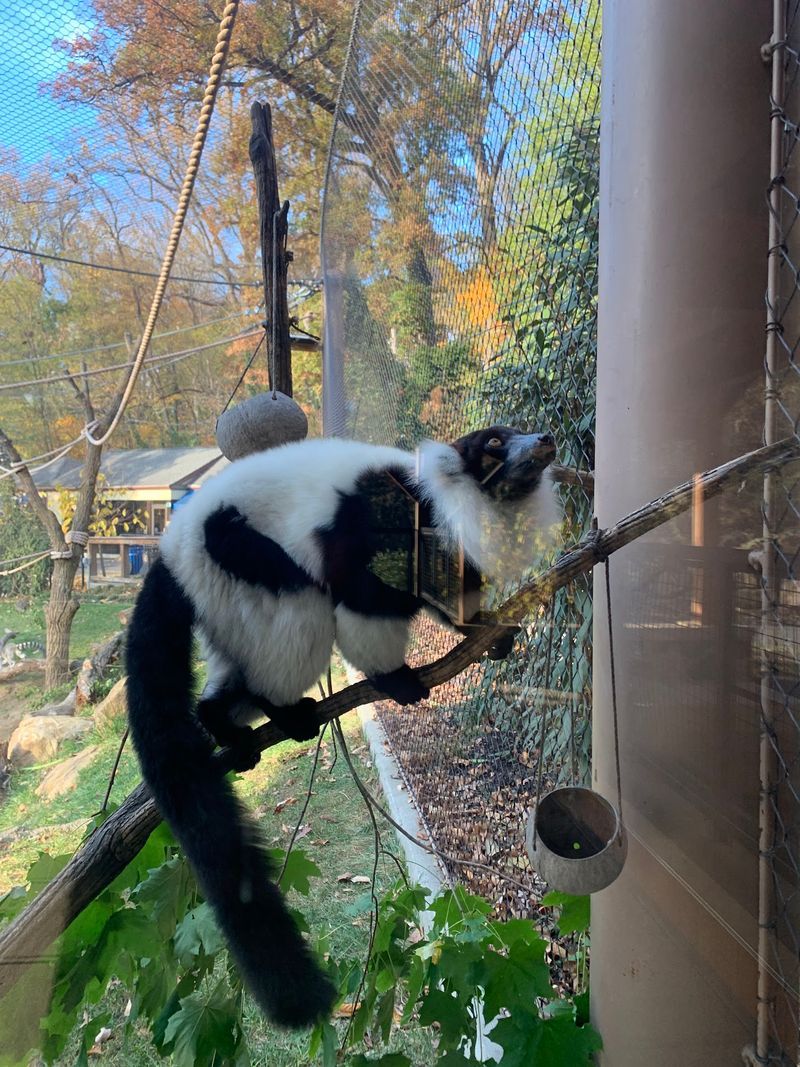
A flash of striped tails can turn a quiet walk into a lively moment. Lemurs are often visitor favorites because they are active, social, and easy to watch for more than just a few seconds. Their quick movements, bright eyes, and group behavior give families plenty to notice and talk about together.
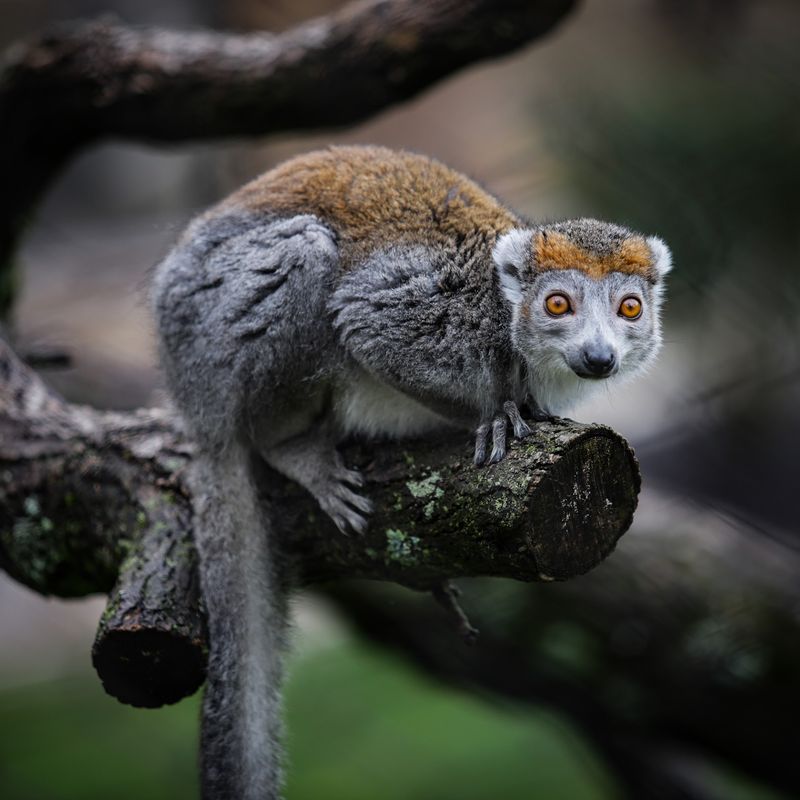
At Brandywine Zoo, lemurs help fill the primate part of the visit with personality. They may climb, sit together, groom, or stretch in the sun, depending on the time of day and weather. Kids can learn that lemurs come from Madagascar, an island famous for animals found nowhere else on Earth.
A good tip is to pause for a full minute before moving on, because lemurs sometimes become more interesting after you stop rushing. Look for body language, tail position, and how they react to each other. If staff members are nearby, ask what the lemurs eat or how keepers keep them busy. Questions like that can turn a simple viewing stop into a mini science lesson. Because the zoo is compact, families do not have to choose between seeing primates and seeing other animals. You can enjoy the lemurs, then keep walking toward birds, cats, and barnyard animals without wearing everyone out.
Slow Down for the Red Panda Moment
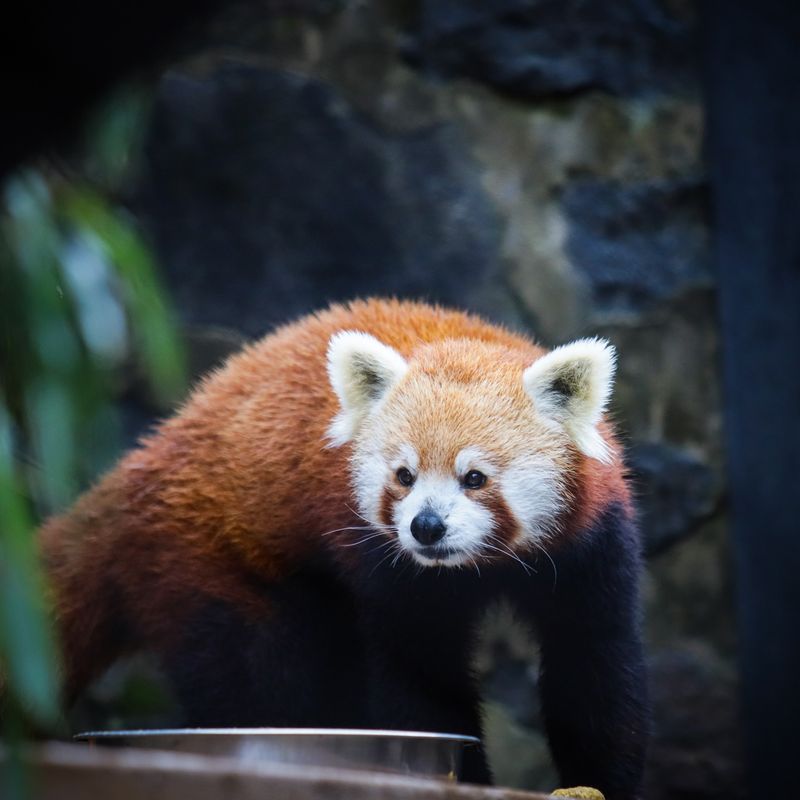
Few animals cause a softer reaction than a red panda curled on a branch. Its rust-colored coat, ringed tail, and masked face make it look almost storybook, yet it is a real animal with special needs and habits. Visitors often list the red panda as a highlight because it rewards patient watchers.
Red pandas are not closely related to giant pandas, even though they share part of a name. They are tree-loving mammals from mountain forests in Asia, and they use their tails for balance and warmth. At Brandywine Zoo, seeing one in a calm setting can help children understand why forest habitats matter.
Plan to visit this exhibit when the day is not too hot, since red pandas may be more active in cooler weather. If the animal is resting, do not feel disappointed, because rest is part of normal behavior. Use the pause to point out climbing branches, shaded spots, and enrichment items that keep the animal comfortable. A quiet voice helps everyone nearby enjoy the scene too. This stop is especially good for families who like cute animals but also want a chance to talk about conservation. One small, sleepy-looking red panda can open a big conversation about protecting forests and respecting wildlife.
Meet the Giant Anteater Up Close
Every zoo has an animal that makes people stop and say they have never seen anything like it. Here, the giant anteater often earns that reaction with its long snout, huge tail, and unusual walk. It looks almost prehistoric, which makes it a fun surprise for visitors who expect only common zoo animals.
Giant anteaters use long tongues to eat ants and termites, and their claws help them open insect nests. They do not have teeth, which is a fun fact kids usually remember. At Brandywine Zoo, guests have praised the chance to see an anteater from a close viewing point, making its features easy to notice.
Take time to compare the anteater with animals your family already knows. Its nose works differently from a dog nose, its claws are not like a cat’s, and its tail can look like a blanket. Those comparisons help younger visitors understand animal adaptations in simple terms. If the anteater is moving, watch how carefully it places its front feet. If it is resting, look for the way its body colors blend together. This exhibit is a reminder that wildlife is full of odd designs that make perfect sense once you learn how each animal survives.
Give Kids Time at the Petting Barn
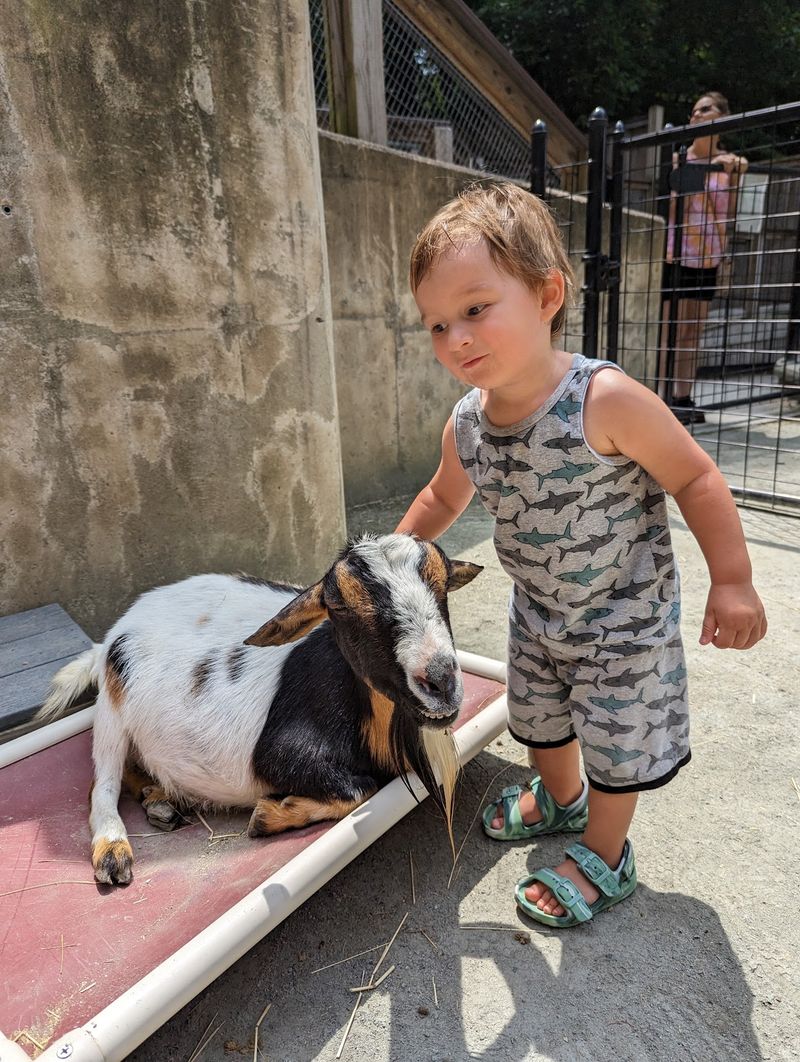
Little hands often remember a zoo by what they were allowed to touch. The petting barn gives children a safe, cheerful place to meet goats and feel more connected to the animal world. For many families, this stop adds a playful break between viewing exhibits from behind barriers.
Goats are curious animals, and their friendly behavior can make kids laugh while teaching them how to act around living creatures. At Brandywine Zoo, visitors have described the goat area as a memorable part of the trip, especially when staff are nearby to guide the experience. Good supervision helps children learn to be calm, kind, and respectful.
Before entering, remind kids to use gentle touches and keep fingers away from mouths. After leaving, hand washing is a must, even if everyone only petted an animal for a few seconds. Parents may want to take photos here because faces tend to light up quickly around the goats. The barn area is also a nice place to slow the pace, since young visitors can become tired after walking and looking. If your child is shy, let them watch first from a short distance. Animal confidence grows at different speeds, and a quiet first visit can still be a success.
Look Up for Eagles, Condors, and Other Birds
Wings add a different kind of drama to a zoo visit. Large birds can look calm on a perch, but their size, beaks, and eyes tell a story of strength. The bird exhibits at Brandywine Zoo give visitors a chance to notice details that are easy to miss in the wild.
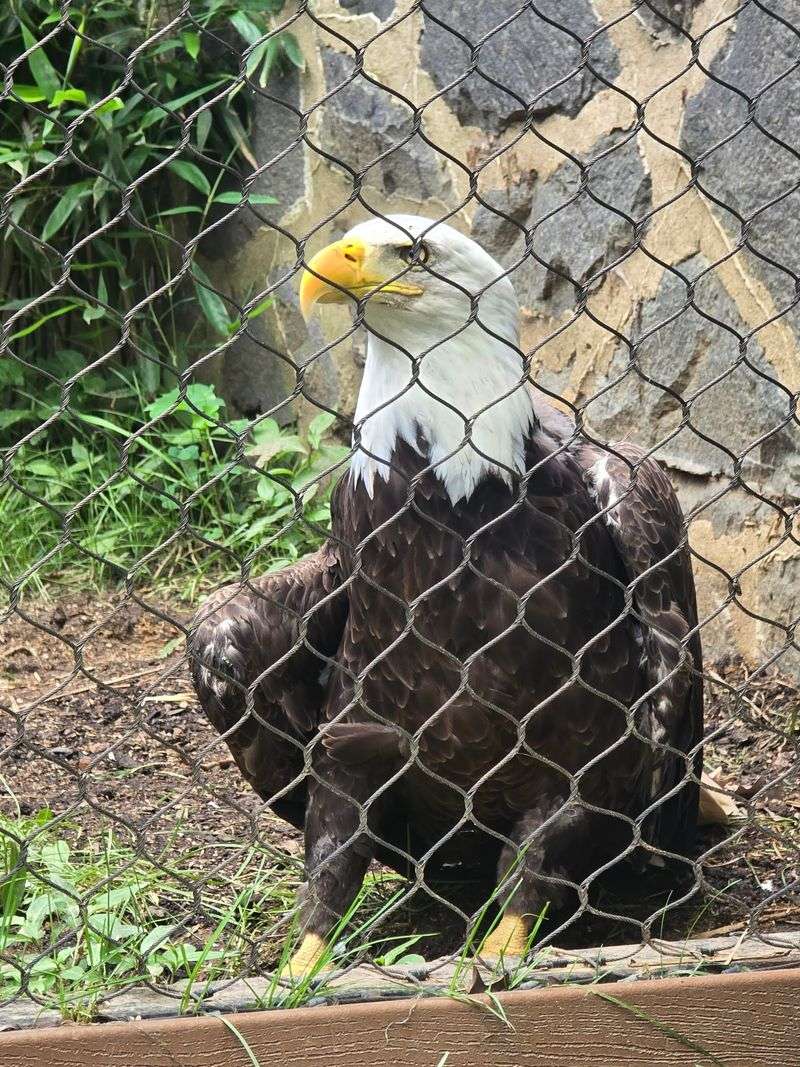
Bald eagles, condors, and other birds have been part of the zoo experience, giving families a break from mammals while keeping the trip exciting. Raptors are especially useful for teaching kids about food chains, flight, eyesight, and conservation. Even when a bird is still, it may be watching everything around it.
Encourage children to compare wing shapes, claws, and beak sizes. Ask them why a meat-eating bird might need sharp talons or why a large bird needs strong feathers. Simple questions can turn looking into learning without making the visit feel like school. Because birds may be sensitive to noise, this is a good place to practice quiet observation. If you want better photos, stand back and let the bird settle instead of crowding the viewing area. The reward is a closer appreciation for animals that often fly above our heads unnoticed. A few peaceful minutes here can make the whole visit feel richer.
Plan an Easy Visit for Toddlers and Families
Not every family wants a huge zoo day with miles of walking. A smaller layout can be a gift when you have toddlers, grandparents, or anyone who needs a simple outing. Brandywine Zoo is often described by visitors as easy to enjoy in about 45 minutes to two hours, depending on your pace.
The zoo is open daily from 10 AM to 4 PM, which makes morning or early afternoon visits simple to plan. It sits at 1001 N Park Dr, Wilmington, DE 19802, inside the green setting of Brandywine Park. The official phone number is 302-571-7788, and checking the website before you go is wise because exhibits, construction, programs, and prices can change.
Families mention free parking in the park area, but the lot can feel small during busy times. Saturday mornings may be harder when nearby market activity draws extra visitors, so arriving early can reduce stress. Bring water, snacks, or a picnic if you want to relax afterward, especially since food options may vary by day. Strollers can help younger kids, but the short route also works well for children who want to walk. The best plan is simple, see favorite animals first, take breaks, and leave while everyone is still smiling.
Enjoy the Park Setting After the Animals
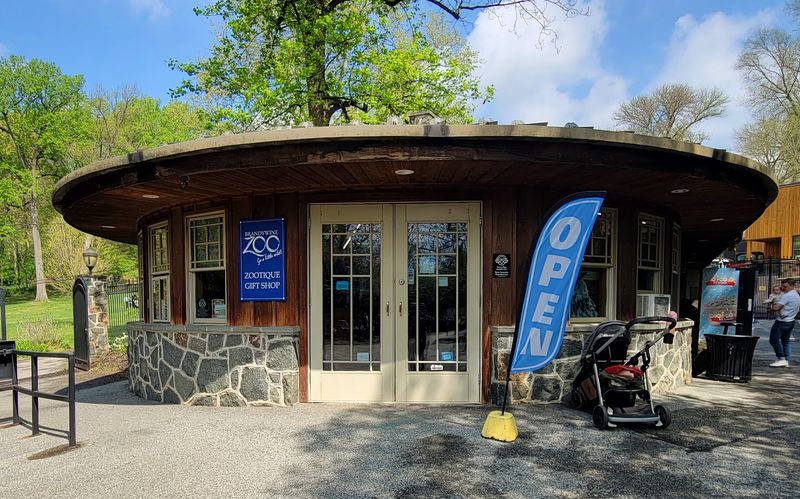
A zoo trip feels even better when the fun does not end at the exit. The surrounding park setting gives visitors room to breathe, eat, and let kids reset after meeting animals. That extra space is one reason many people see this zoo as more than a quick stop.
Several guests enjoy pairing their animal visit with a picnic or a quiet walk nearby. The green scenery, river area, and peaceful paths can make the day feel relaxed instead of rushed. After seeing caracals, lemurs, red pandas, goats, and birds, sitting outside gives everyone time to talk about favorite moments.
Pack a simple lunch if you are unsure whether snacks will be available during your visit. A blanket, reusable water bottles, wipes, and a small bag for trash can make the picnic easier. If children still have energy, nearby open areas and park features can stretch the outing without adding another paid activity. Adults may appreciate the calmer pace too, especially after guiding kids through exhibits. Before leaving, stop by the gift shop if it is open and your family likes a small souvenir. A postcard, plush animal, or nature-themed toy can help children remember what they learned. The park setting turns a compact zoo visit into a fuller, sweeter day outdoors.