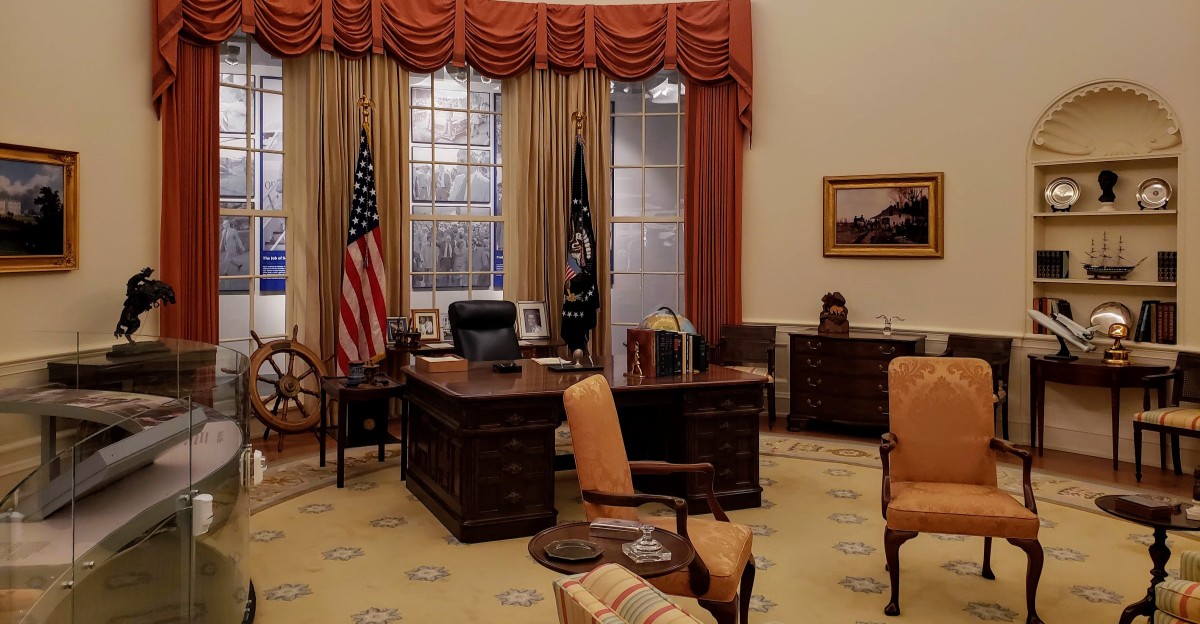
A presidential office sounds like something you would need a special pass to see, but a museum visit can bring that world much closer.
At The Gerald R. Ford Presidential Museum, you can explore the story of a Michigan man who became president during a difficult time, then see exhibits that make his daily work feel surprisingly real.
There is plenty here to catch your eye, from rooms that show where big decisions were made to displays about the people and events behind them.
You do not need to know a thing about presidential history to enjoy the visit.
Bring your curiosity, leave room for a few surprises, and use these eight stops to make the most of your time.
Meet Ford Before the White House
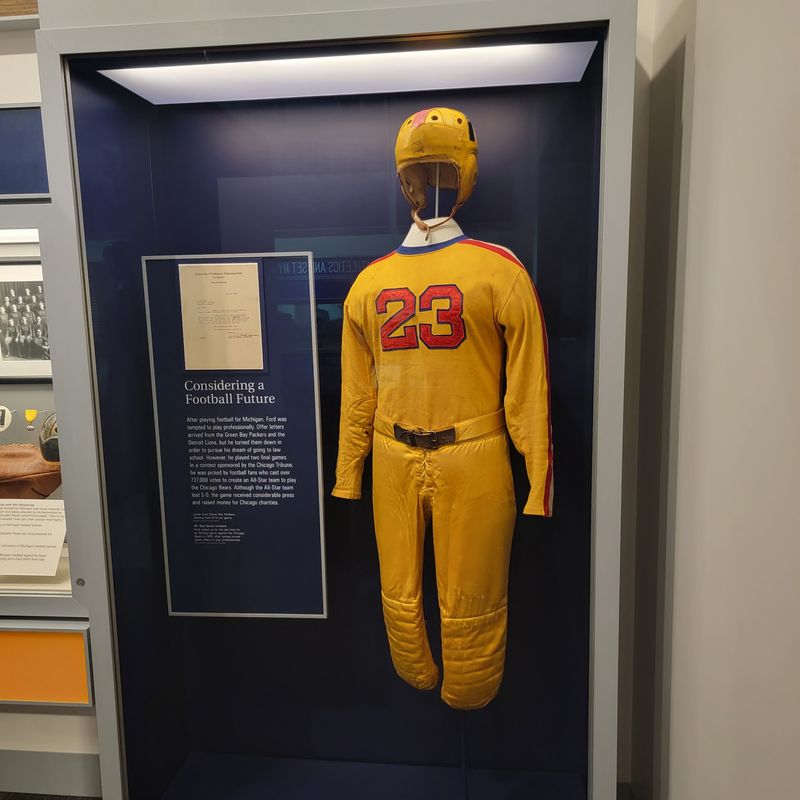
A football jersey can tell you something a formal presidential portrait cannot. Ford had a life filled with school, sports, military service, and public work before he became president. As you follow the museum’s story, look for ordinary details that help you picture him as a person rather than a name in a textbook.
Try starting with the earliest displays and moving forward in order. That path makes later events easier to understand because you already know what shaped his choices. Photos and personal objects offer quick stops for younger visitors who may not want to read every panel.
For a simple family game, ask everyone to choose one object they would put in a small exhibit about their own life. Would it be a team shirt, a favorite book, or a picture of a pet? Comparing your picks with Ford’s keeps the history close to home.
Remember that a museum chooses which stories to tell and which objects to show. It is fine to wonder what else you would like to know about him. Those questions make you an active visitor, not someone just following arrows through a building.
Step Into an Oval Office Replica
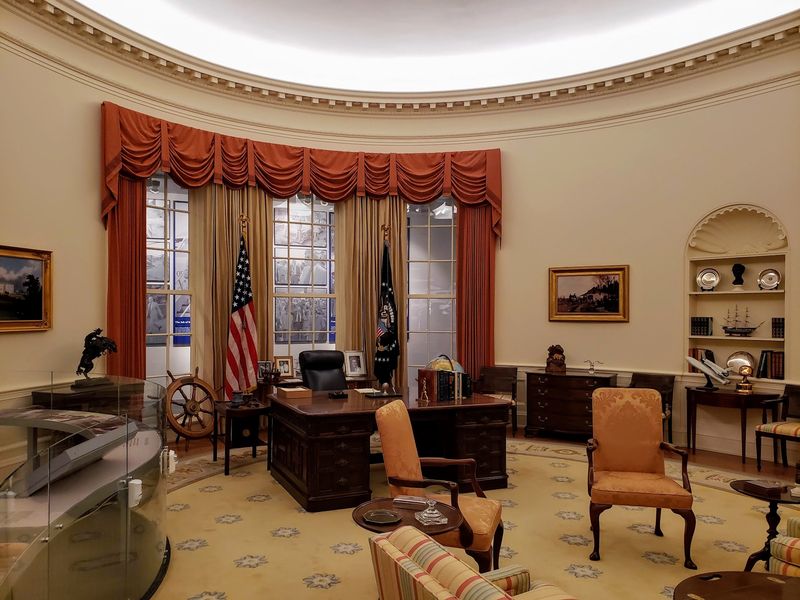
Imagine facing a hard choice while the whole country waits for an answer. The museum’s Oval Office replica gives that big idea a room you can actually picture. It recreates a presidential workspace, but it is not the original Oval Office in Washington.
Pause outside the display and notice how furniture, pictures, and the desk shape the room. Which parts seem welcoming, and which remind you that serious work happened there? A replica helps you understand the setting without pretending that every object is an original.
Ford became president in 1974 after Richard Nixon resigned. He took office at a moment when many Americans had lost trust in their government. Knowing that background changes the way you see a desk that might otherwise look like fancy office furniture.
Give younger visitors a job: have them spot three details and explain what each might tell a guest entering the room. There is no need to turn the stop into a long lesson. A few minutes of careful looking can lead to a better conversation than rushing past for a photo.
Before leaving, read the nearby labels to separate historical facts from the choices made to build the replica. That habit will help at every exhibit that recreates a famous place.
See Where a Cabinet Meets
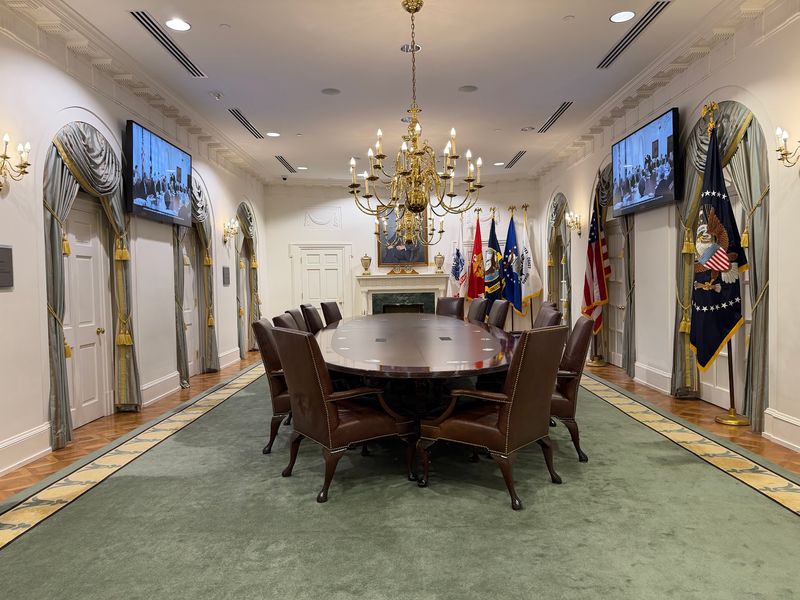
One person may sit at the top of the table, but a president does not run the country alone. The museum’s Cabinet Room replica offers a useful picture of group decision making. It shows a meeting space where you can imagine advisers bringing different ideas to a difficult problem.
Look at the chairs and ask yourself how a discussion might change when everyone has a place at the table. Who would speak first? Who might bring facts that others have missed? The display is a good reminder that leadership also means listening.
Ford faced major issues at home and abroad during his presidency. An exhibit about meetings becomes more meaningful when you connect it with those larger events. Read one nearby explanation, then return your eyes to the room and picture the people behind the titles.
Families can try a quiet challenge without disturbing other visitors. Pick a problem, such as planning a school fundraiser, and name three people whose advice would help. It is a small example, but it makes the idea of a cabinet easier to grasp.
Take your time here if you enjoy details. Even a recreated room can show how a formal setting affects the way people share ideas and make choices together.
Follow an Unexpected Path to the Presidency
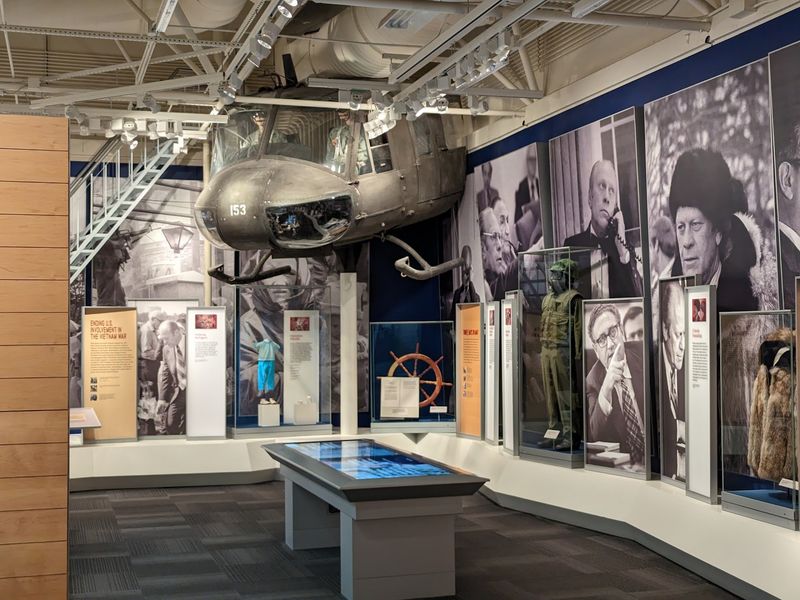
Gerald Ford did not follow the usual path into the White House. He served in Congress, became vice president, and then became president when Richard Nixon resigned in 1974. That sequence is easier to understand when you follow the museum’s displays in order rather than skipping straight to the famous rooms.
Watch for dates as you walk. A timeline can help you connect Ford’s personal story with the events happening across the country. If a new name appears, read the label beside it before moving on. Small bits of context keep the story from turning into an alphabet soup of officials.
Ford remains the only person to serve as both vice president and president without being elected to either office. That fact often surprises visitors, and it opens a useful question about how the government keeps working when leaders leave their jobs. You do not need to memorize every step to get the main idea.
Before heading onward, explain Ford’s path in your own words to someone with you. Keep it to three sentences if you can. If you get stuck, return to the display and look for the missing link. A quick retelling can turn a complicated chapter into a story that sticks.
Think Through the Nixon Pardon
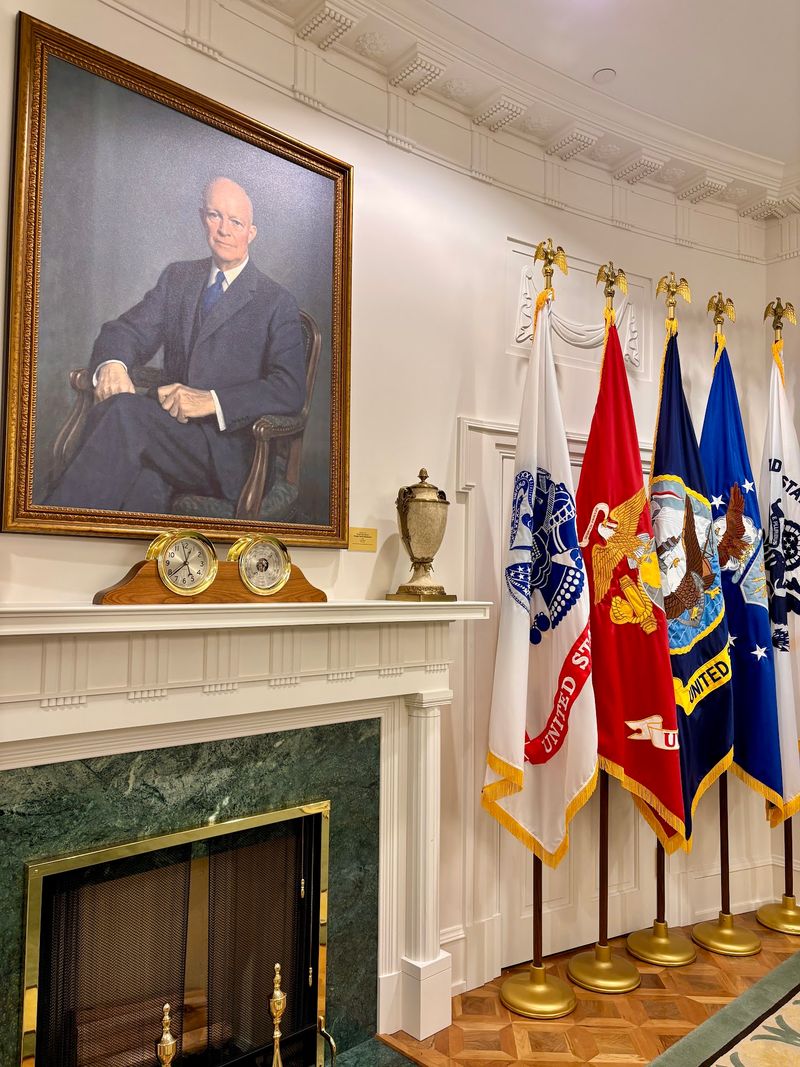
A decision made in 1974 still sparks debate today. Ford pardoned former President Richard Nixon after Nixon left office during the Watergate scandal. At the museum, give this part of the story more than a quick glance, because it shows how a single choice can shape public trust.
Start by finding out what a pardon does. Then look for Ford’s reasons and for the concerns people raised at the time. Understanding both sides does not mean you must agree with both of them. It means you are taking the question seriously.
If you visit with a child, keep the conversation simple. Ask what a leader should do when people disagree about what is fair. Listen before sharing your view, and make room for someone to change their mind after reading more.
Museum exhibits offer a helpful starting point, but they also reflect choices about what to include. Notice the documents, dates, and direct statements used to support the story. Those details matter more than a dramatic headline or a strong first reaction.
Ford’s pardon was controversial when he announced it. Seeing it alongside the rest of his presidency helps explain why visitors still discuss it. You may leave with an opinion, a question, or both, and that is a worthwhile result.
Get to Know Betty Ford

Betty Ford has a story worth stopping for, not just a place beside the president in a photograph. As first lady, she spoke openly about subjects that many public figures avoided. The museum’s displays about her can add another voice to the history you have been following.
Look for the ways photographs, objects, and written accounts show her public role. Pay attention to what she chose to share and why that openness mattered to other people. Her life reminds visitors that families in the White House face public pressure while handling private challenges.
Here is a useful question for older kids and adults: when can speaking honestly help someone else feel less alone? You can discuss that idea without asking anyone to share personal experiences. Sometimes a thoughtful museum conversation starts with respect and a little quiet.
Do not rush this section just because the presidential displays seem more familiar. Betty Ford worked on issues that reached beyond her husband’s time in office. Reading about her separately can change how you understand the couple’s public lives.
Afterward, compare the different ways the museum presents Gerald and Betty Ford. Whose words do you see? Which objects tell a story without many words at all? Those details can reveal how an exhibit turns real lives into history visitors can follow.
Leave Time for the Grounds
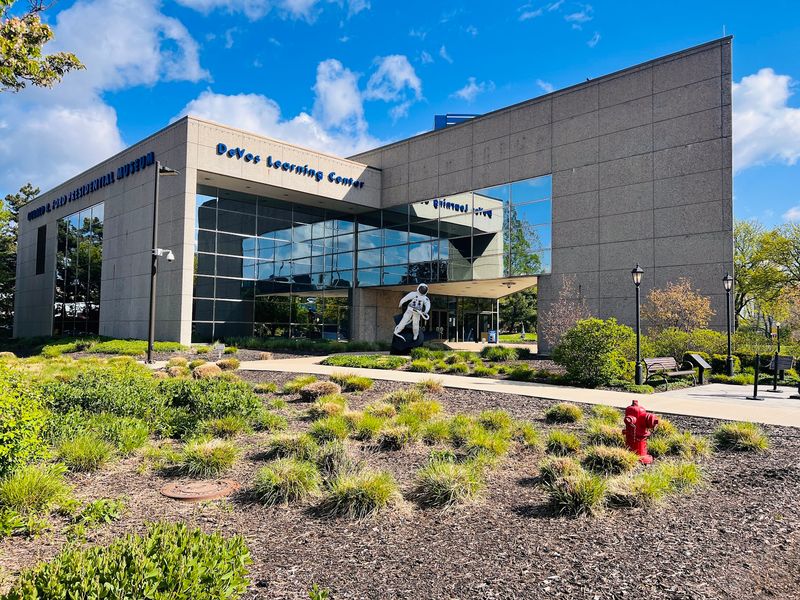
Fresh air can give your brain a break after a room full of dates and decisions.
The Gerald R. Ford Presidential Museum stands at 303 Pearl St NW in Grand Rapids, Michigan, near the Grand River. Its grounds offer a chance to slow down before you head back into the city.
Gerald and Betty Ford are buried on the museum grounds. If you visit their resting place, speak softly and give other visitors room for a quiet moment. It is a memorial, not another spot to hurry through with a camera.
For trip planning, check the official museum website before leaving home. Hours, admission details, special exhibits, and access to particular displays may change. The museum lists its phone number as 616-254-0400, which is useful if you need a direct answer about the airplane claim or accessibility.
Many visitors find an hour or two helpful for a first look, but readers and history fans may want longer. Wear shoes that feel good for standing, and let each person choose one must-see display. That simple plan can prevent the classic museum debate about whether it is time to go.
As you leave, pick one fact you did not know when you arrived. A memorable visit need not end with a perfect quiz score, just a better question for the ride home.