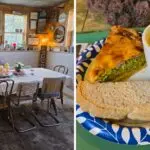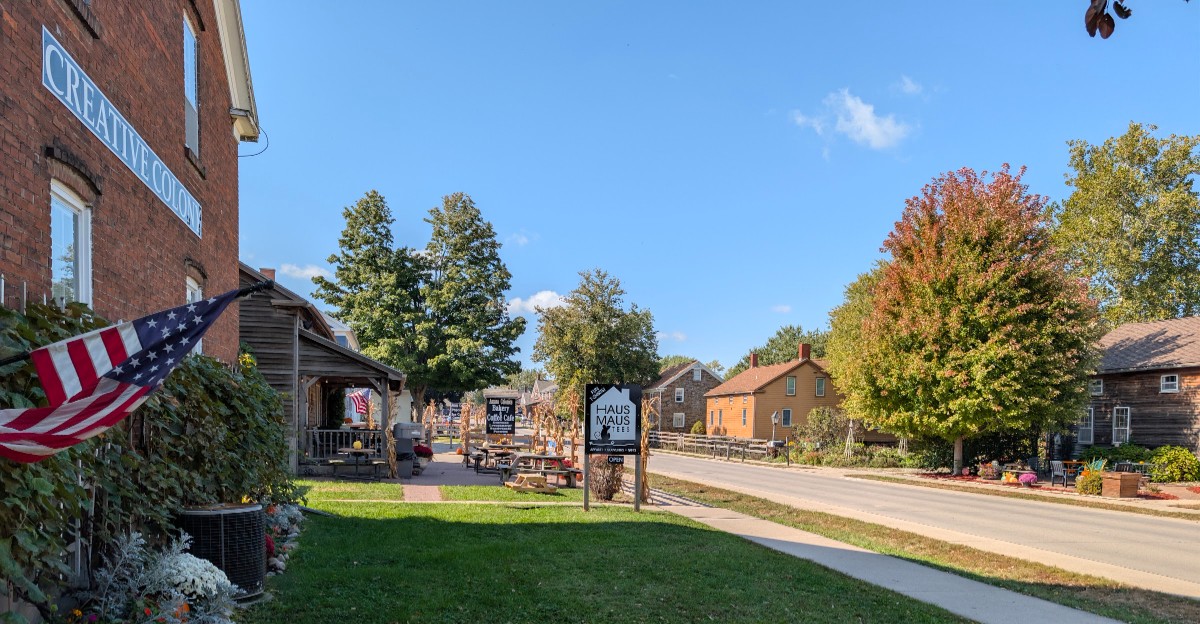
A walk through the Amana Colonies can begin with the smell of fresh bread, a row of old buildings, and a shopkeeper ready to share a story.
Here in Iowa, seven villages keep parts of a German immigrant community in view, from the places where neighbors once worked together to the food and crafts people still enjoy today.
The past is not locked behind a gate: families live here, businesses fill historic spaces, and visitors can choose between a museum visit, a quiet walk, a meal, or a lively festival.
Bring your curiosity, leave room for a treat, and use these eight stops and ideas to plan a day that feels like more than a quick shopping trip.
You will see how a community shaped by shared work changed over time, and why its buildings, recipes, and traditions still matter to the people who call the villages home today.
Start With a Map and a Story
A good map can turn a pleasant stroll into a real discovery. Begin at the Amana Colonies Visitors Center, where you can ask what is open, pick up a village map, and choose a route that fits your time.
Find it at 622 46th Ave in Amana, Iowa, near shops and other stops in the main village. The seven colonies spread beyond one street, so a map helps you decide whether to walk, drive, or do both.
Start with one question: what did these buildings do before they became visitor spots? A former workplace or shared space means more when you know why it mattered to the people who used it.
Ask about museum hours before planning your day around an exhibit. Shops, tours, and seasonal activities can follow different schedules, and an early start gives you more choices.
Children can help mark three places they want to see, while adults can note where to stop for a meal. That simple plan leaves room for surprises without making the day feel rushed.
Before heading out, check the current events calendar and ask which villages suit your interests. The best first stop is not the busiest one; it is the one that helps you see the whole community more clearly.
See How Seven Villages Became One Community
Seven villages, one shared story: that is the small twist that makes a trip here different. The Amana Colonies were founded by German-speaking immigrants who built a close community shaped by their religious beliefs.
Amana, East Amana, West Amana, South Amana, High Amana, Middle Amana, and Homestead sit in east-central Iowa. Driving between them lets you see more than the busiest blocks of the main village.
For many years, residents worked for the community rather than running separate businesses for themselves. They shared resources and organized daily jobs, including farming, cooking, and making goods.
That way of life changed in 1932, when the community reorganized its economy. The villages remained, and people continued to live, work, and care for their homes there.
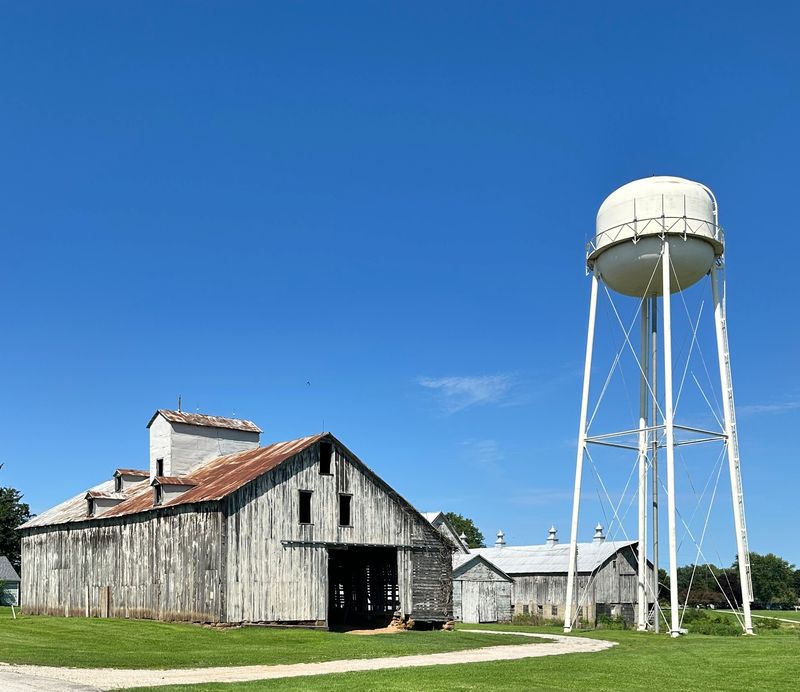
Notice how open fields, older buildings, and active businesses appear together along the way. They offer clues about both the planned community of the past and the neighborhoods of today.
Give yourself enough time to pause in a village instead of treating each one as a sign beside the road. A slower trip makes their shared history easier to understand and their differences more fun to spot.
Let the Heritage Museum Fill in the Gaps
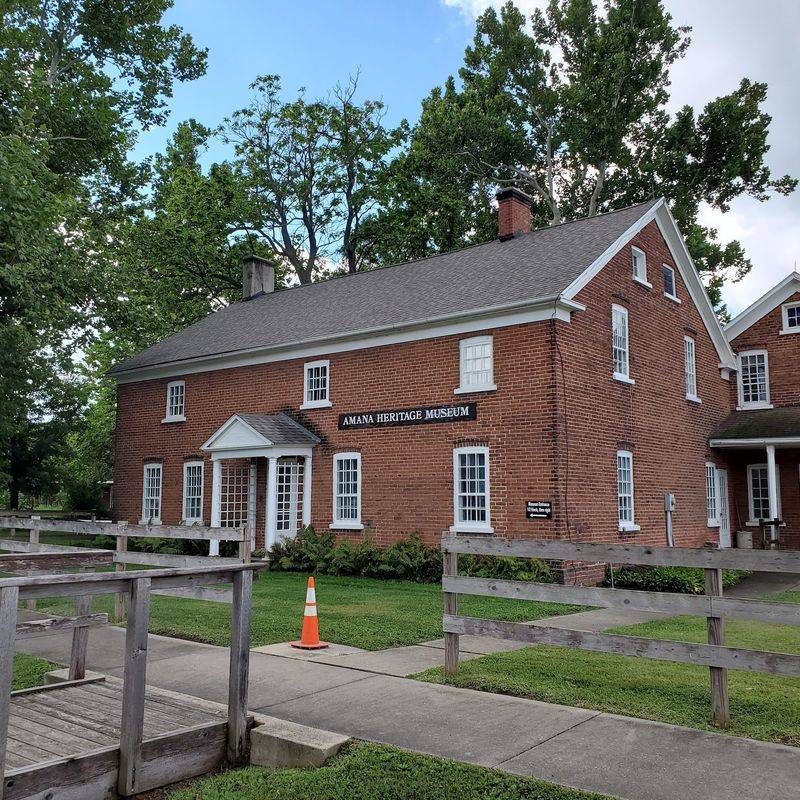
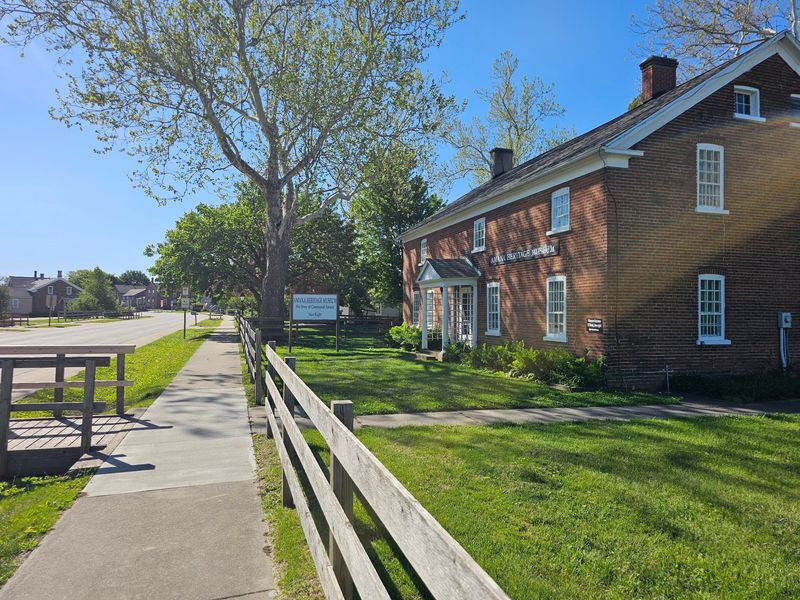
Old walls cannot tell every story on their own. At the Amana Heritage Museum, exhibits help explain who founded the colonies, how neighbors shared work, and why their way of life changed.
The museum is in the village of Amana, making it a useful history stop before you explore more buildings nearby. Check its current hours and admission details before leaving home, since schedules can vary.
Look for everyday objects as well as major dates. A tool, photograph, or piece of clothing can show what a normal day was like more clearly than a long timeline.
Young visitors might enjoy choosing one object and guessing how someone used it. Read the label together afterward, then look for a related building or craft during your walk.
The community’s religious roots are part of the story, but so are meals, jobs, families, and hard choices. Those details make the residents feel like people rather than figures from a distant textbook.
If you have limited time, visit the museum before filling your afternoon with shops. It gives the streets a new meaning: a building you might have passed without noticing can suddenly become the most interesting stop on your route.
Follow the Clues on Historic Buildings
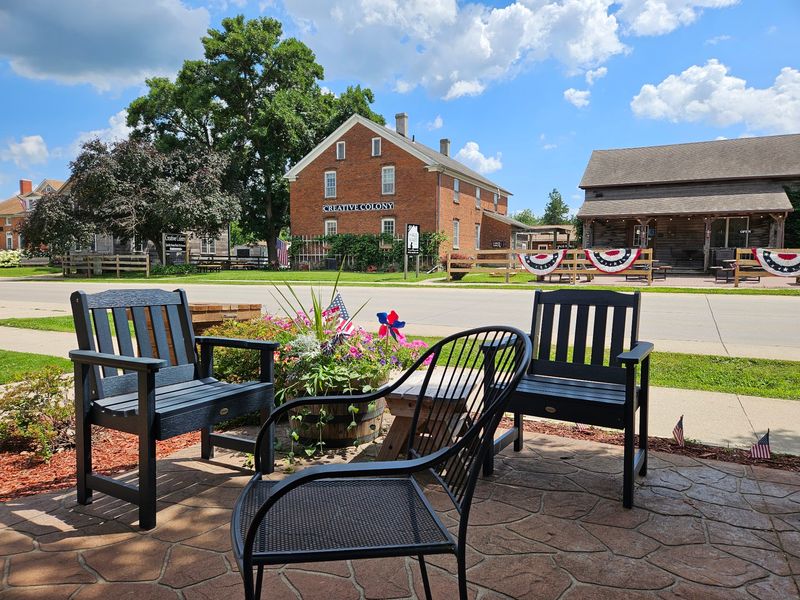
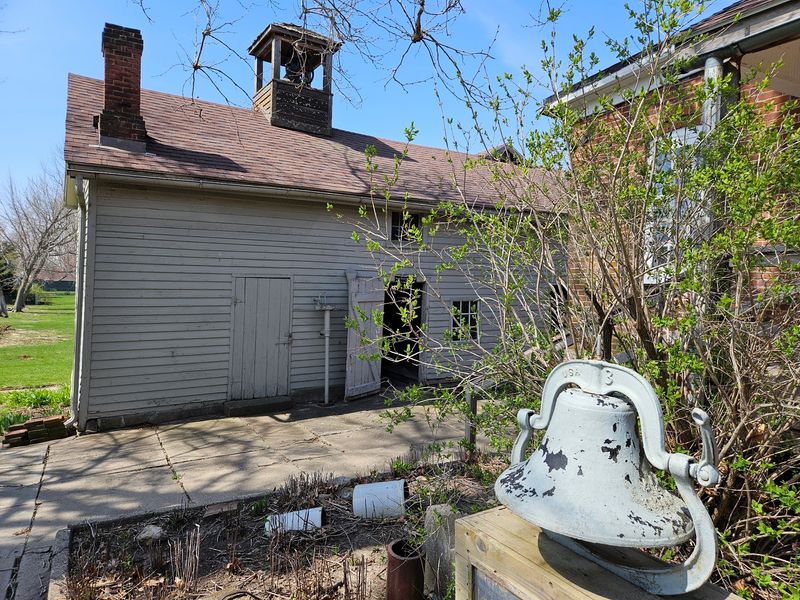
A shop window may catch your eye, but look at the building around it. Across the colonies, older structures still hint at the work, worship, and shared routines that once filled these streets.
In the villages of the Amana Colonies, historic buildings often stand beside homes and present-day businesses. Stay on public paths, respect private property, and use posted markers to learn what a place once held.
Check the shape of a doorway, the size of a building, or the materials used in its walls. Those details can raise good questions, even when you do not know the answers yet.
Many spaces have new uses, so do not expect every doorway to lead to a historic exhibit. If learning comes first for you, pair a walk with a museum visit or an available guided tour.
Try a simple game with your group: each person picks one building and shares a detail everyone else missed. It costs nothing and helps younger visitors pay attention without feeling stuck in a lesson.
Take photographs from the sidewalk when appropriate, then give the street another look before moving on. The pleasure here comes from noticing how a working village keeps its past visible while daily life continues.
Make Time for a German-Style Meal
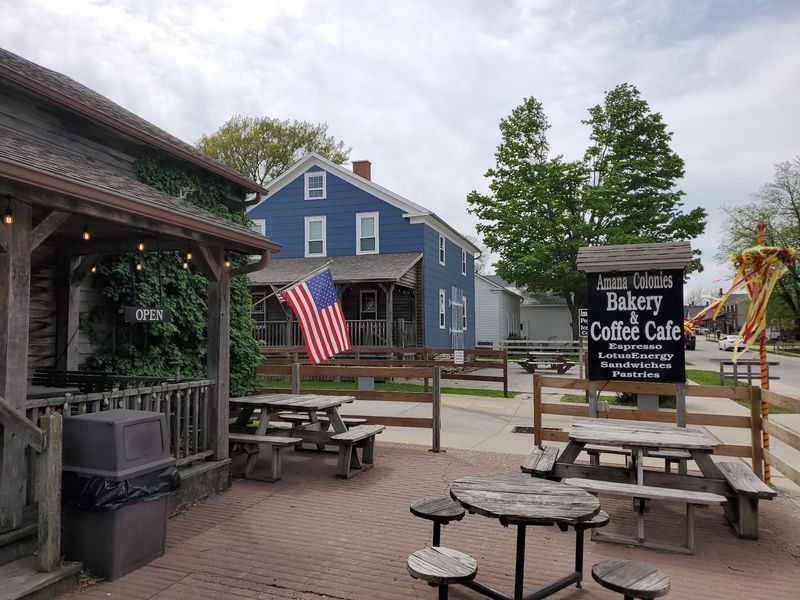
The smell of a hot meal can be as memorable as any museum display. Restaurants in the Amana Colonies offer a chance to taste foods connected to the area’s German heritage and long dining traditions.
Most visitors find several dining choices in the main village of Amana, though options and hours change with the day and season. Check menus ahead of time, especially if someone in your group has food allergies.
You may see hearty dishes, breads, and baked treats that invite you to slow down. Ask a server about portion sizes or how a dish is served before ordering for the whole table.
Families with different tastes can split a treat after lunch instead of trying to fit every food stop into one meal. That leaves time to explore without feeling too full to walk.
Food also opens an easy door to history. The early community used shared kitchens, so eating together was once part of everyday life in a way visitors might not expect.
Today’s restaurant meals are not a replay of those kitchens, and that difference is worth remembering. Enjoy the flavors for what they are now, then ask what old food customs reveal about neighbors who planned, cooked, and worked together.
Watch Skilled Hands at Work

Listen for a tool at work before you reach for a souvenir. Craft shops and workshops can show how making useful goods remains part of the colonies’ identity, even though jobs have changed over time.
In and around the village of Amana, you can look for local makers and shops that connect to the area’s craft traditions. Confirm any demonstrations before your visit, since a working shop may not offer one every day.
Textiles have a special place in the community’s history. The Amana Woolen Mill traces its roots to the early colonies, linking a present-day product to generations of skilled work.
When you browse, read labels rather than assuming every item on a shelf was made nearby. If local production matters to you, ask where a piece was made and who made it.
Kids can compare the time it takes to make something by hand with the speed of buying it online. That small conversation can turn a shopping break into a lesson about care and skill.
Choose an item because its story, quality, or use means something to you, not because you feel pressed to buy. Watching and asking thoughtful questions can be just as rewarding as carrying home a bag.
Catch the Villages in Celebration
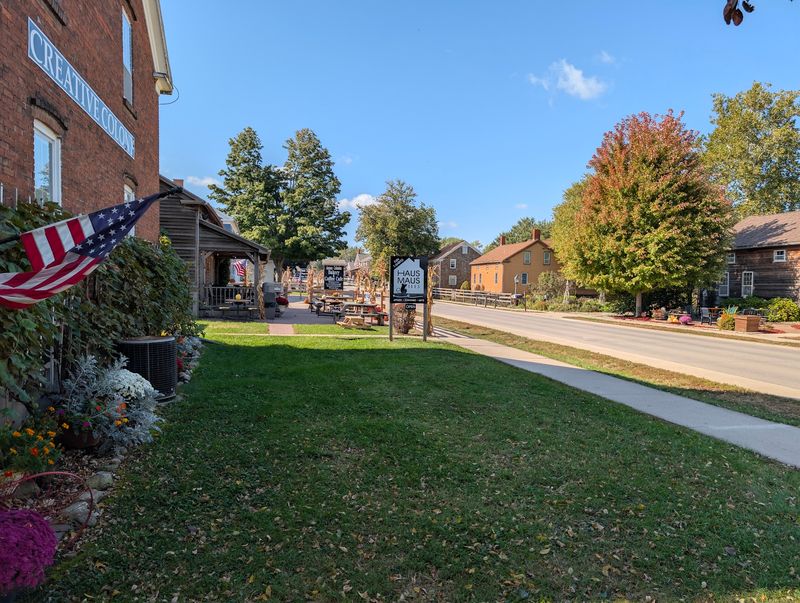
Some days, the village streets come with a soundtrack. Seasonal celebrations add music, food, and shared traditions to the historic setting, giving visitors another way to meet the community.
Events take place at different sites across the Amana Colonies in Iowa, so check the official calendar for dates, locations, and tickets. A festival can change parking plans and make popular dining spots busier.
Oktoberfest is one well-known reason people plan a fall visit. Holiday events bring a different mood, with decorations and activities that suit shorter days and colder weather.
Leave time to hear a performance or watch what is happening instead of hurrying between stalls. A favorite memory might be a song you did not expect or a conversation with someone nearby.
Traveling with children? Pick one event activity as your main goal, then make room for a snack and a break if crowds get tiring.
A quiet weekday visit has its own rewards, so do not feel that a festival is the only way to see the colonies. Choose the lively version or the slower one that fits your group, and check the schedule before you go.
Take the Long Way Home
After the busiest street, a quieter road can show you another side of the colonies. A relaxed drive or walk gives you space to notice fields, homes, and the distance between village centers.
The seven Amana Colonies sit close enough to explore by car, but they are not all one walkable town. Use a visitor map to choose a sensible route and watch for places where stopping is allowed.
That wider view helps explain why farming mattered to the original community. Food and work had to connect across villages, not just along a single row of shops.
Keep your plans light if you have only half a day. Visit one history stop, enjoy a meal, and save the other villages for a return trip rather than racing through them.
For a fuller day, build in pauses to read signs and enjoy the changing scenery. Remember that the buildings you pass may be homes or active workplaces, so give residents their privacy.
Before you leave, think back on what surprised you most: the shared past, a craft, a recipe, or a quiet street. That detail is often what turns a short visit into a story you will want to tell.