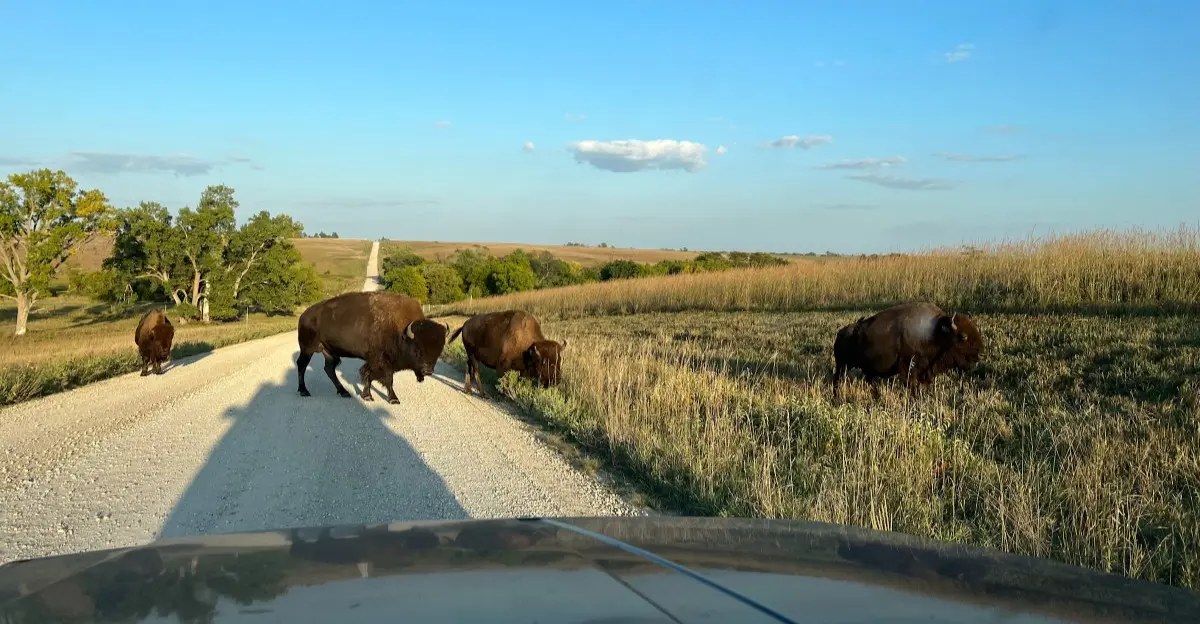
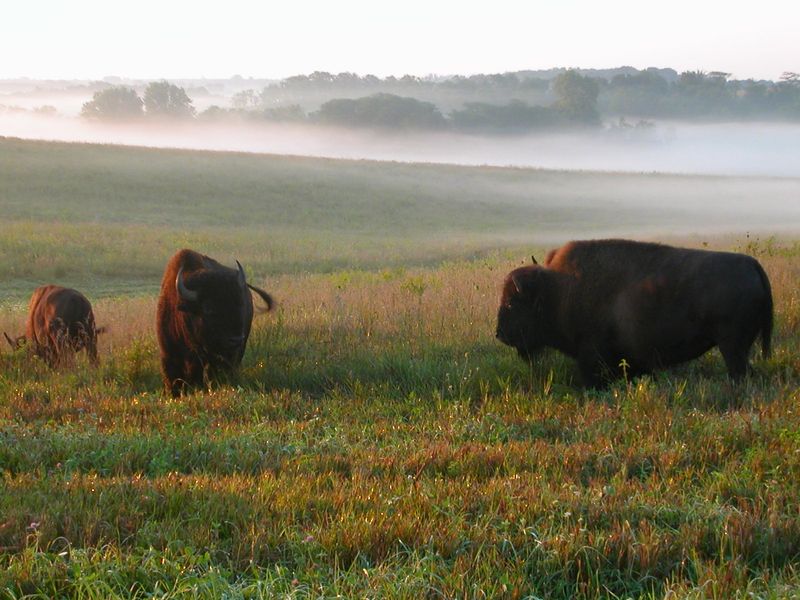
Massive bison still roam the Iowa prairie, and you can watch them graze just south of Prairie City.
At Neal Smith National Wildlife Refuge, thousands of acres of tallgrass stretch across a place built to bring Iowa’s original prairie back to life.
Herds of bison and elk move through the grass, creating an unforgettable sight that feels worlds away from the state’s busy roads and farmland.
Walk the trails and you’ll find wildflowers, birds, butterflies, and sweeping prairie views at every turn.
The deeper you explore, the easier it becomes to picture what Iowa looked like long before modern development reshaped the state.
This is more than a quick stop for wildlife lovers.
It’s a chance to see conservation in action while getting remarkably close to one of America’s most iconic animals.
A Rare Look At Iowa’s Tallgrass Prairie
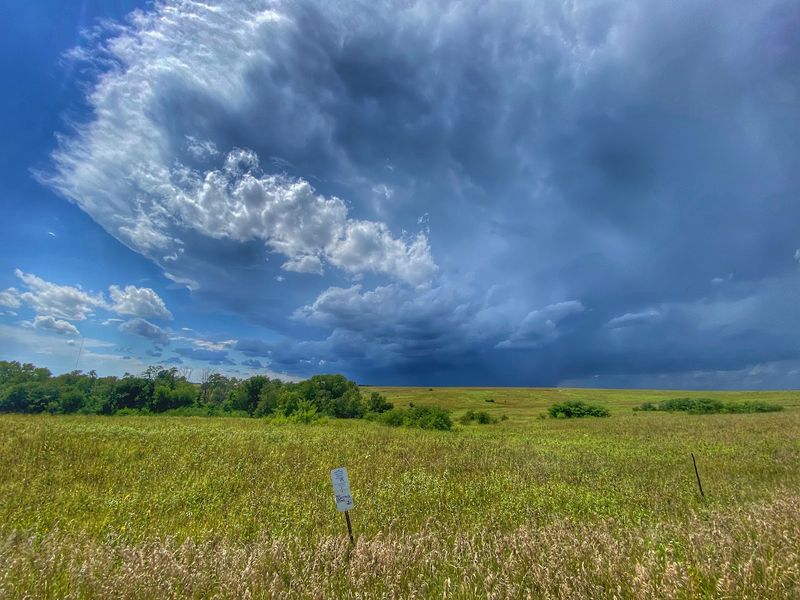
Most people don’t realize that Iowa once looked completely different. Before settlers arrived with plows, tallgrass prairies covered about 85 percent of the state, creating an ocean of grass that could grow taller than a horse.
Neal Smith National Wildlife Refuge protects 6,000 acres dedicated to bringing back this lost landscape. More than 4,000 acres have already been restored to tallgrass prairie and oak savanna, giving visitors a rare glimpse into Iowa’s past.
Walking through these restored areas feels like stepping back in time.
The refuge works hard to recreate native prairie ecosystems that disappeared over 150 years ago. Scientists and volunteers plant native seeds, control invasive species, and use fire to maintain the grasslands.
This massive restoration project shows what Iowa looked like before widespread farming changed everything.
Visiting the refuge means experiencing something most Iowans have never seen. You’ll understand why early travelers called the prairie an endless sea of grass that moved like waves in the wind.
Bison Roam The Prairie Again
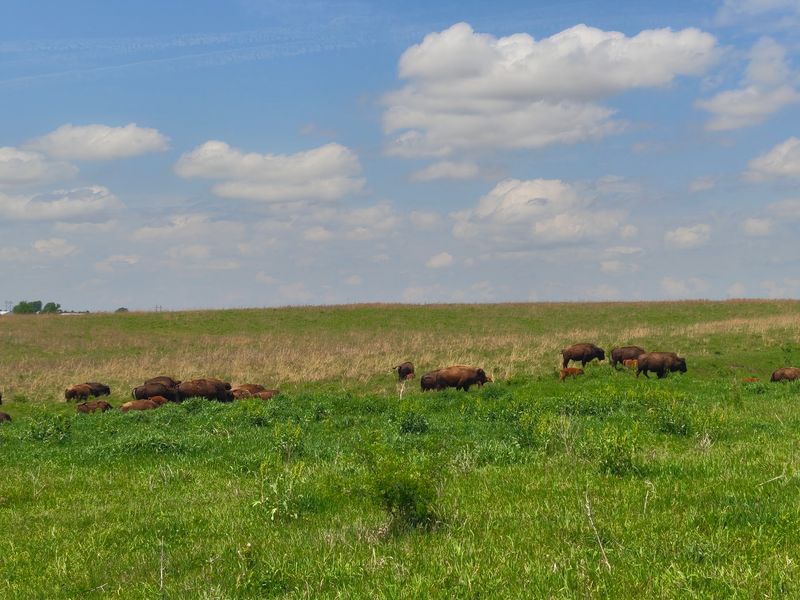
Picture a massive, shaggy animal weighing up to 2,000 pounds munching grass where cornfields once stood. That’s the reality at Neal Smith, where American bison have returned after being gone from Iowa for more than a century.
The refuge brought bison back as part of its prairie restoration work. These powerful animals now graze within an 800-acre enclosure shared with elk.
Bison aren’t just here to look impressive – they actually help rebuild the prairie ecosystem through their eating habits.
When bison graze, they favor certain grasses and create bare patches of soil by rolling and wallowing. Their hooves disturb the ground, and their droppings spread seeds across the landscape.
This natural disturbance helps prairie plants thrive and prevents any single species from taking over.
Watching bison roam freely feels like witnessing history come alive. These animals once numbered in the millions across North America.
Now they’re helping restore Iowa’s prairie one bite at a time, doing the same job their ancestors did centuries ago.
Elk Add Another Wild Dimension
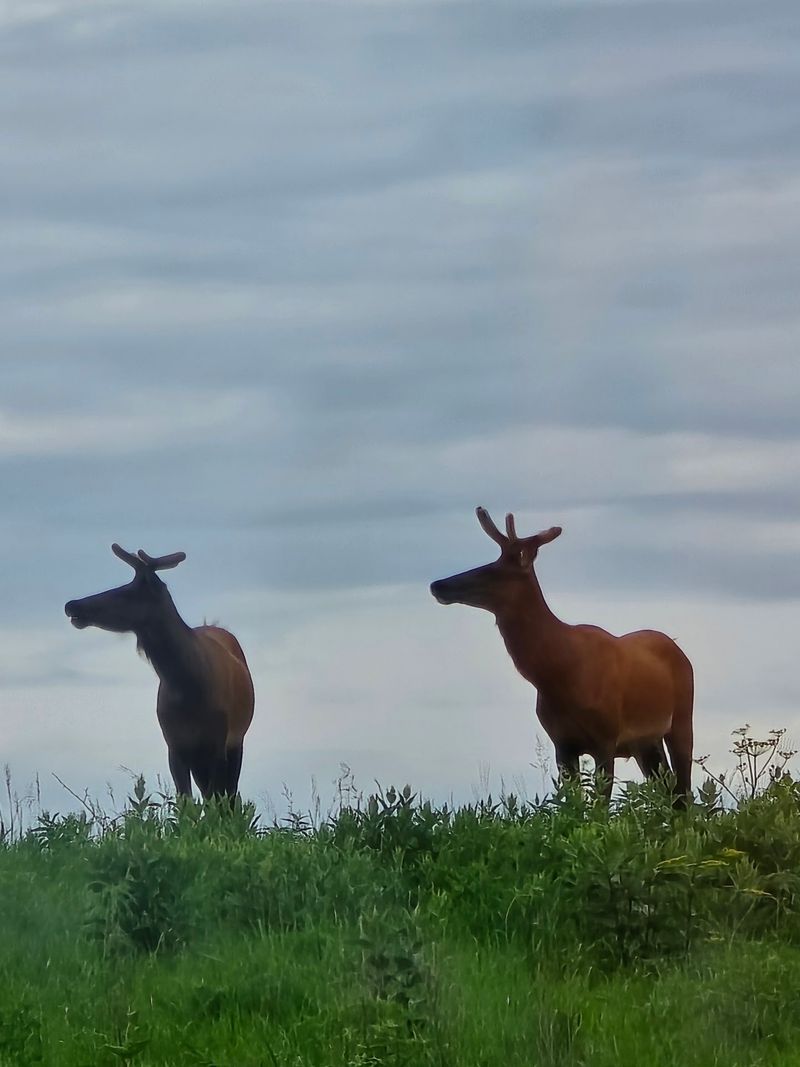
Few sights compare to a bull elk bugling across the prairie during autumn. The refuge’s elk herd adds another layer of wildness to this reconstructed ecosystem, and these majestic animals serve an important purpose beyond their beauty.
Elk browse on woody plants, shrubs, and tree saplings that try to invade the grassland. Without this browsing pressure, trees and bushes would gradually take over the open prairie.
Elk keep the landscape open, maintaining the savanna habitat that many prairie species need to survive.
The refuge’s elk population shares the 800-acre enclosure with bison. You might spot them grazing in the morning or resting in tall grass during hot afternoons.
Bull elk grow impressive antlers each year, making fall an especially exciting time for wildlife watching.
Elk disappeared from Iowa long ago, just like the tallgrass prairie itself. Bringing them back wasn’t just about adding an attraction.
These animals fill an ecological role that’s been empty for generations, helping restore balance to a landscape that once supported vast numbers of grazing and browsing wildlife.
The Prairie Wildlife Drive
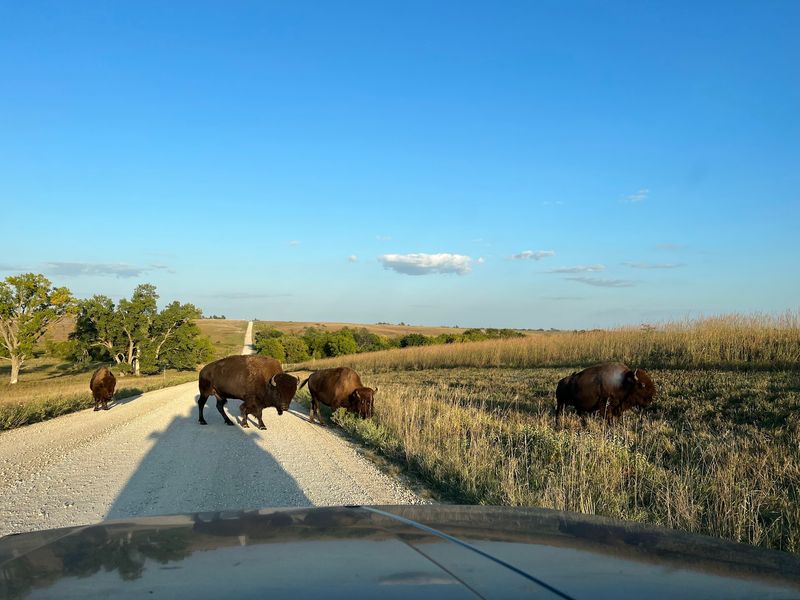
Want to see bison and elk without leaving your car? The refuge’s five-mile auto tour route makes wildlife watching easy and accessible for everyone, including people with mobility challenges or young children.
This driving loop passes directly through the bison and elk enclosure under normal conditions. You’ll travel slowly along the gravel road, scanning the prairie for wildlife.
Besides the headliner species, you might spot white-tailed deer, ground squirrels, snakes, or various prairie birds.
Safety rules are strict but simple. Stay inside your vehicle while in the enclosure and keep to the designated road.
Bison and elk are wild animals, not pets, and they can be dangerous despite their calm appearance.
Currently, the bison enclosure road is closed for construction, so check for updates before visiting. When it reopens, plan to drive slowly with windows down and cameras ready.
Early morning and late afternoon offer the best wildlife viewing opportunities when animals are most active and the light creates perfect photography conditions.
Wildflowers And Native Prairie Plants
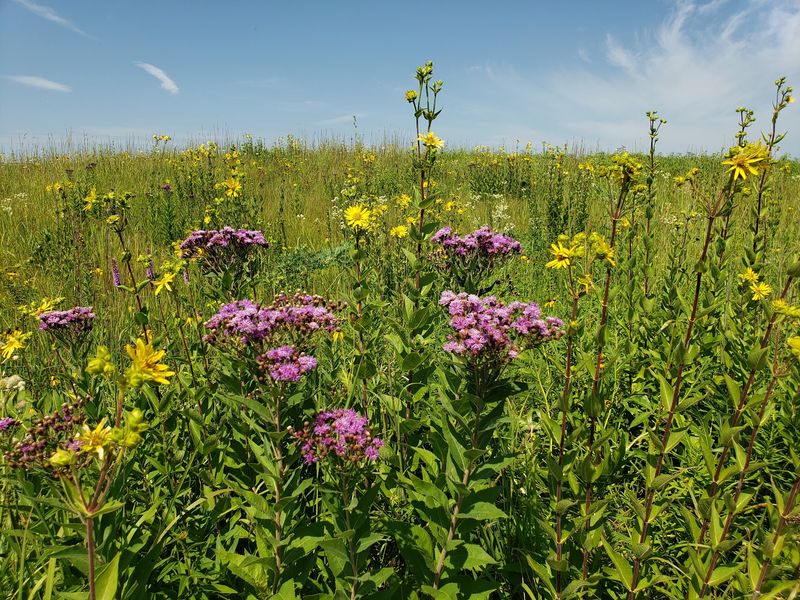
Bison and elk get plenty of attention, but the real stars of this refuge grow from the ground up. More than 200 species of native prairie plants have been carefully restored, creating a living carpet that changes color and texture throughout the growing season.
Spring brings early bloomers like pasque flowers pushing through last year’s dried grass. Summer explodes with color from purple coneflowers, blazing stars, black-eyed Susans, and dozens of other species.
Fall turns the prairie into shades of gold, rust, and deep purple as grasses mature and asters bloom.
Each plant plays a specific role in the prairie community. Deep roots hold soil in place and create pathways for water to soak deep underground.
Flowers feed hundreds of pollinator species, from tiny native bees to monarch butterflies passing through on migration.
Take time to look closely at the plants around you. The prairie might look like just grass from a distance, but up close it’s a complex community where every species matters.
Trails Through The Tallgrass
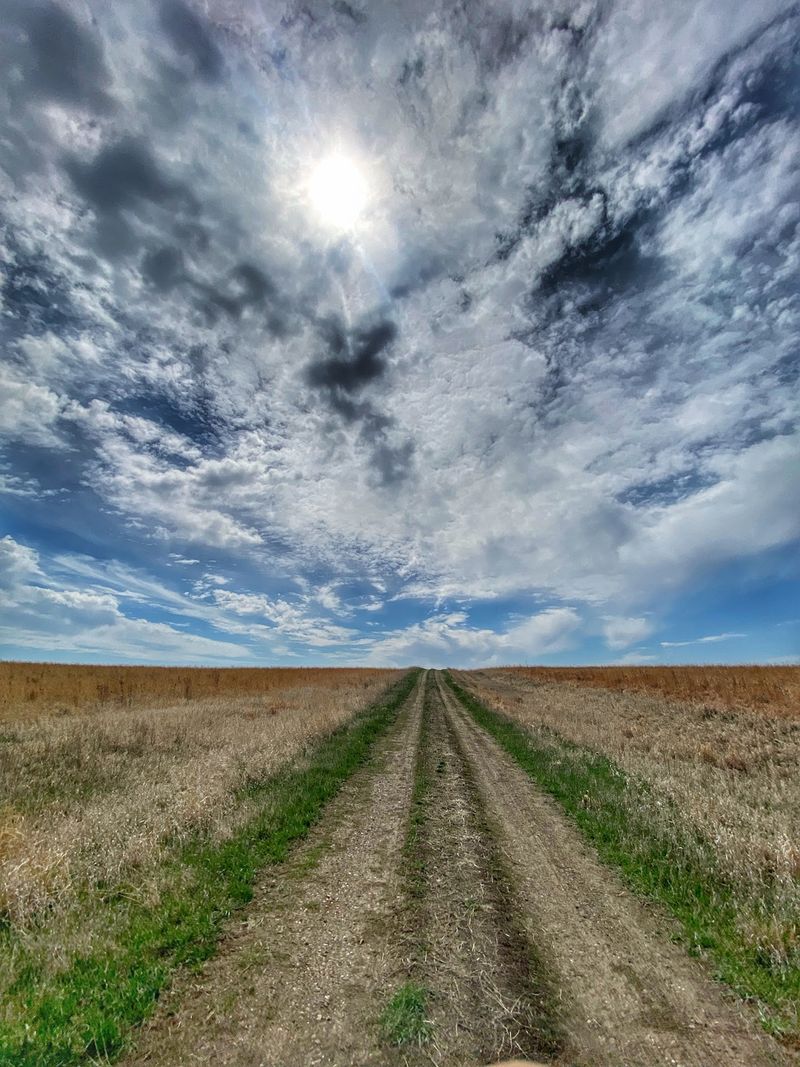
Getting out of your car and onto your feet transforms the refuge experience completely. Two main trails let visitors walk through the prairie and experience the landscape at ground level where smells, sounds, and small details come into focus.
The Tallgrass Trail stretches for two miles through both restored and remnant prairie. This unpaved path takes you deep into grasslands where you’ll be surrounded by vegetation that can reach over your head by midsummer.
Listen for grassland birds singing from hidden perches and watch for butterflies moving between flowers.
Prefer something shorter and easier? The half-mile Overlook Trail is paved and accessible, making it perfect for wheelchairs, strollers, or anyone wanting a gentler walk.
This trail provides excellent views toward the prairie and the bison-elk enclosure in the distance.
Both trails are open year-round, though conditions vary with seasons. Summer hiking means heat and tall vegetation, while winter offers quiet solitude and easier wildlife spotting against brown grass.
Bring water, wear sturdy shoes, and check for ticks after walking through tall grass during warm months.
More Than Bison And Elk
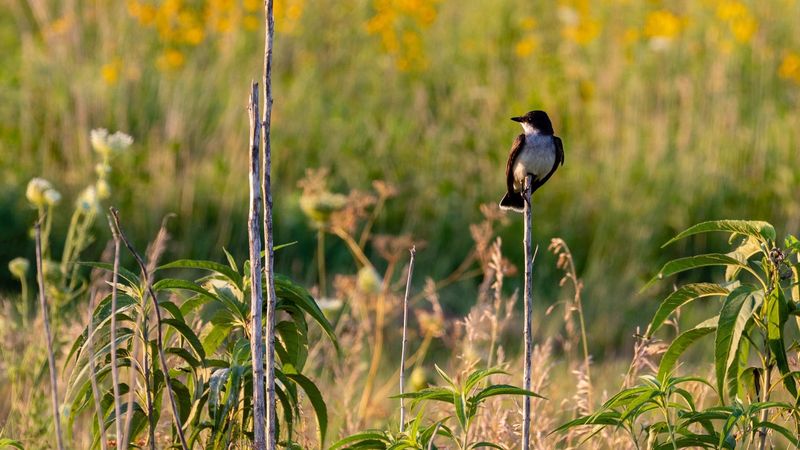
Bison and elk steal the spotlight, but hundreds of other species call this refuge home. Birds especially have benefited from prairie restoration, with grassland species finding habitat that’s increasingly rare across agricultural Iowa.
Keep your eyes and ears open for bobolinks, dickcissels, eastern meadowlarks, and sedge wrens singing from grass stems. These birds nest on the ground in tall prairie vegetation, making places like Neal Smith crucial for their survival.
Hawks and harriers hunt over the grasslands, while woodpeckers and songbirds use scattered oak trees.
Mammals beyond the big grazers include white-tailed deer, coyotes, badgers, and plenty of smaller creatures like voles and ground squirrels. Reptiles and amphibians find homes in the prairie too, from bullsnakes to chorus frogs.
Thousands of insect species complete the community, including over a dozen butterfly species.
Bring binoculars and a field guide to identify what you see. Photography enthusiasts find endless subjects, from tiny wildflowers to dramatic sky-meets-prairie landscapes.
Patient observers are always rewarded with surprises.
A Refuge Worth Exploring In Every Season
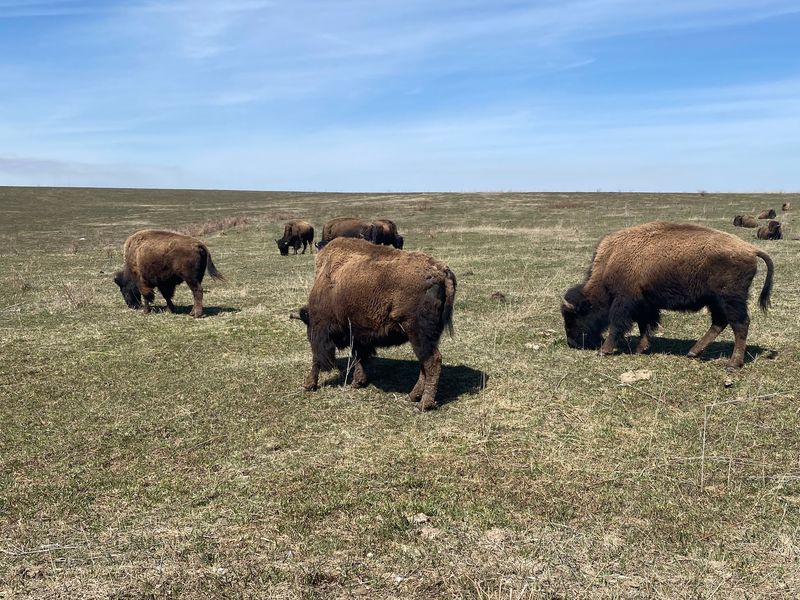
Spring arrives with a riot of early wildflowers and the sounds of returning birds establishing territories. Baby bison and elk calves appear in late spring, adding cuteness to the powerful adults.
New grass turns the prairie bright green after prescribed burns clear away winter’s brown vegetation.
Summer brings peak wildflower displays and the tallest grass growth. Heat makes midday visits challenging, but early morning and evening hours offer comfortable temperatures and active wildlife.
Butterflies float between blooms, and grassland birds sing constantly from hidden perches.
Fall transforms the prairie into gold, rust, and purple hues as grasses mature and late-season flowers bloom. Elk bugling echoes across the landscape during their mating season.
Cooler temperatures make hiking pleasant, and monarch butterflies pass through on their incredible migration to Mexico.
Winter strips away vegetation, making wildlife easier to spot against snow or brown grass. Bison grow thick winter coats and dig through snow to find food.
The landscape takes on a stark beauty, and fewer visitors mean you might have the refuge mostly to yourself for quiet contemplation.
Plan Your Visit
Neal Smith National Wildlife Refuge is located at 9981 Pacific Street, Prairie City, IA 50228, about 20 miles east of Des Moines and 9 miles south of Interstate 80. The refuge charges no admission fee, and its lands and trails are open daily from dawn to dusk year-round.
Important current information: The Visitor Center remains closed due to storm damage. The bison enclosure road and some nearby roads are currently closed for construction.
Always check the refuge’s official website or call ahead for the latest updates before traveling.
Use the Pacific Street entrance when visiting. Remember to stay in your vehicle when the bison-elk enclosure road reopens.
Dogs must be leashed at all times on refuge trails. Pack water, weather-appropriate clothing, and binoculars for the best experience.
Contact the refuge at +1 515-994-3400 with questions. Spring through fall offer the most comfortable weather and peak wildlife activity, but winter visits provide unique opportunities for solitude and easier animal spotting.
Allow at least two to three hours to drive the auto tour and walk a trail.