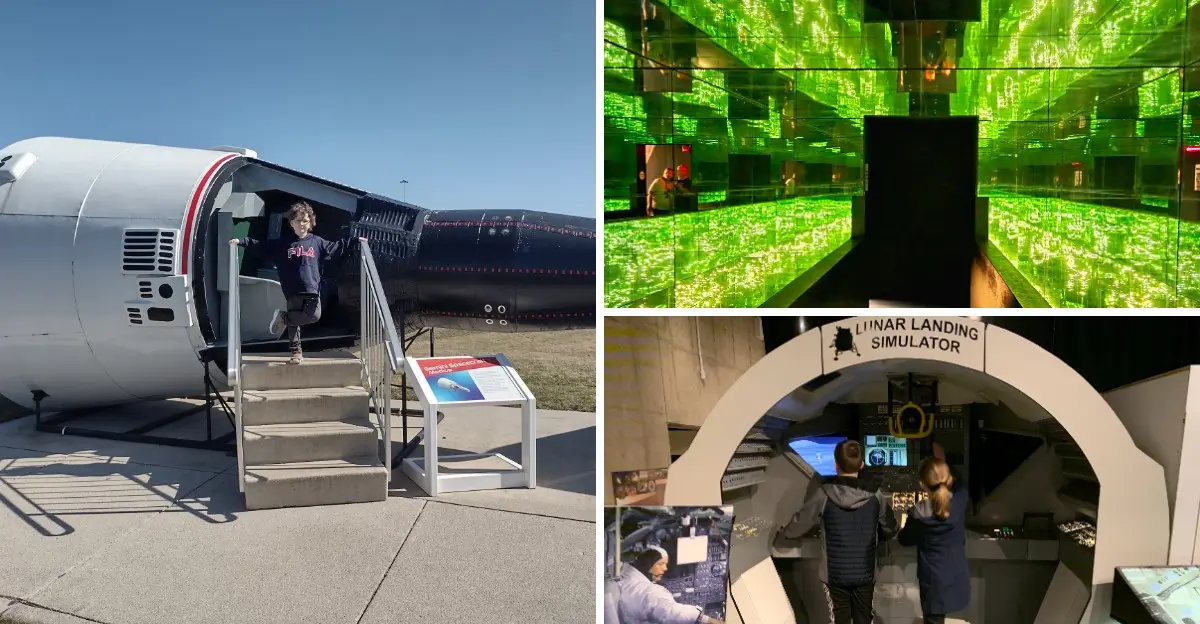
You can climb inside a space capsule in Ohio without spending a dime.
At the Armstrong Air & Space Museum in Wapakoneta, you can get surprisingly close to the machines that carried astronauts beyond Earth.
Full-scale spacecraft displays let you picture what those early missions were really like, right down to the cramped quarters where astronauts strapped in for launch.
This museum also celebrates hometown hero Neil Armstrong, who grew up in Wapakoneta before becoming the first person to walk on the Moon.
Inside, you’ll find his Gemini VIII spacecraft, spacesuits, aviation artifacts, and a lunar sample collected during Apollo 11.
Step outside and climb into a Gemini capsule mockup, then wander among aircraft and spacecraft displays.
For anyone fascinated by spaceflight, this Ohio stop packs a serious wow factor into one unforgettable visit.
Climb Inside A Full-Scale Gemini Capsule Mockup
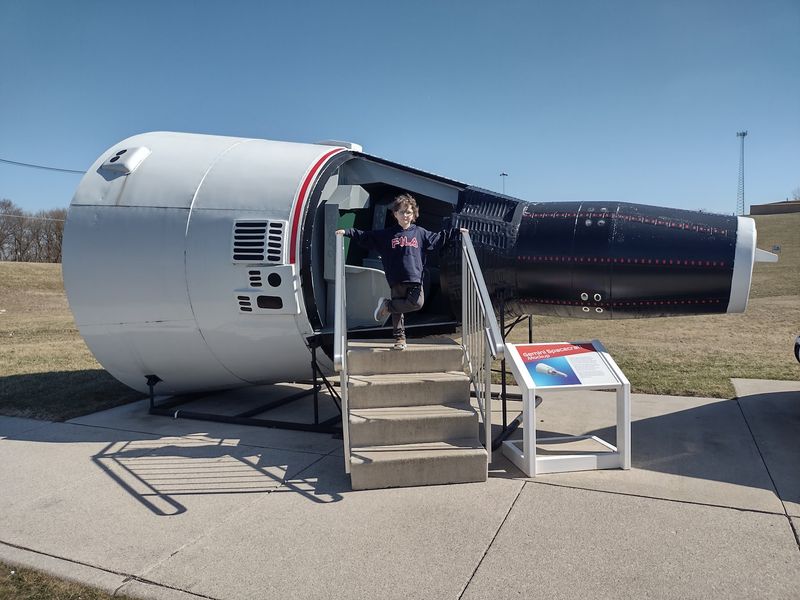
Imagine squeezing yourself into a space barely bigger than a closet, where two astronauts once spent days orbiting Earth. The outdoor Gemini mockup gives you that exact experience without any glass barriers or ropes holding you back.
You can actually sit in the seats, touch the controls, and understand why early space travelers needed nerves of steel.
This hands-on exhibit stands apart from traditional museum displays. Instead of reading about cramped quarters, you feel them yourself.
Kids especially love pretending they’re launching into orbit while parents snap photos from outside.
The mockup serves as the perfect introduction to your museum visit. After experiencing the tight fit firsthand, you’ll appreciate the real spacecraft inside even more.
Bring your camera because this photo opportunity ranks among the museum’s most popular attractions, and everyone wants proof they sat where astronauts once trained.
See The Actual Gemini VIII Spacecraft Flown By Neil Armstrong
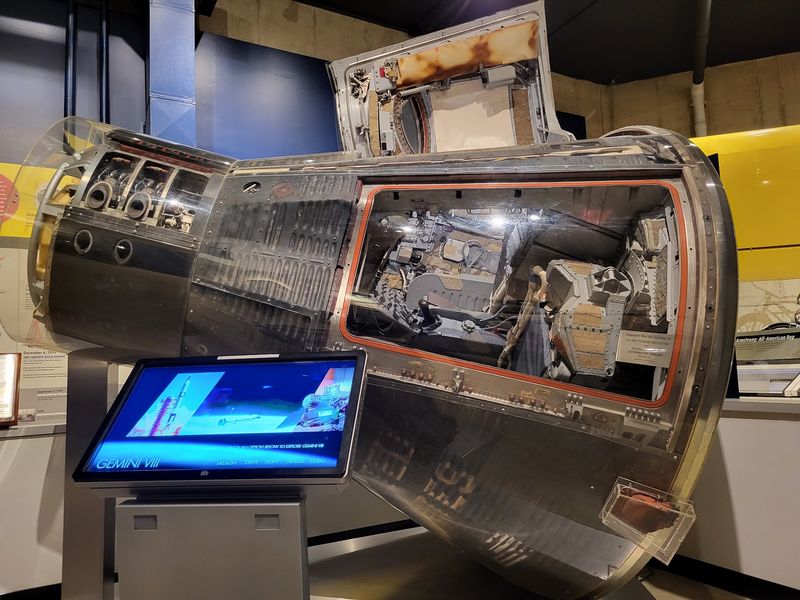
Standing before the genuine Gemini VIII spacecraft feels like meeting a celebrity from history class. This isn’t a replica or a model.
Neil Armstrong and David Scott actually flew this exact vehicle during their groundbreaking 1966 mission when they performed the first successful docking of two spacecraft in orbit.
The spacecraft shows its age proudly. Scorch marks from reentry still mark the heat shield, and every dent tells a story about the harsh conditions of spaceflight.
You can see the small window Armstrong peered through and the equipment he used to control the docking procedure.
What makes this exhibit particularly special is its historical significance. The mission nearly ended in disaster when the spacecraft began spinning out of control, but Armstrong’s quick thinking saved both astronauts.
Looking at this capsule reminds visitors that space exploration involved real danger and required incredible bravery from everyone involved.
Stand Next To A Full-Scale Apollo Spacecraft
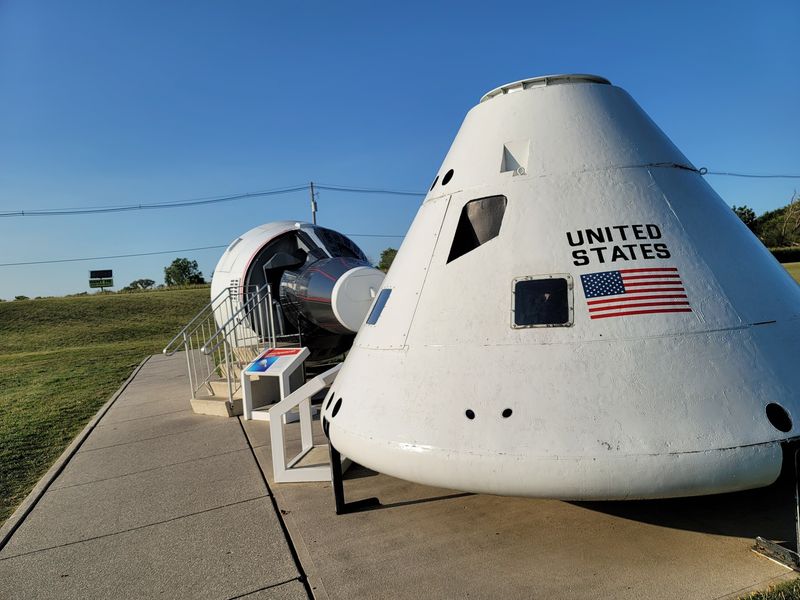
Apollo capsules look surprisingly small when you stand next to one, even though they carried three astronauts to the Moon and back. The full-scale mockup outside lets you walk completely around it, examining every angle and appreciating the engineering that made lunar missions possible.
It’s one thing to see pictures in textbooks, but quite another to realize three people spent days inside something barely bigger than a car.
The outdoor placement means you can take your time studying details without feeling rushed. Compare it to the Gemini mockup nearby and notice how spacecraft evolved during the Space Race.
The Apollo’s conical shape looks different from Gemini’s bell design, showing how NASA improved technology between programs.
Together, these full-scale models create a timeline you can walk through. Start with Gemini, move to Apollo, and suddenly the progression of America’s space program makes perfect sense through size, shape, and capability.
Explore The Museum Designed Like A Moon Base
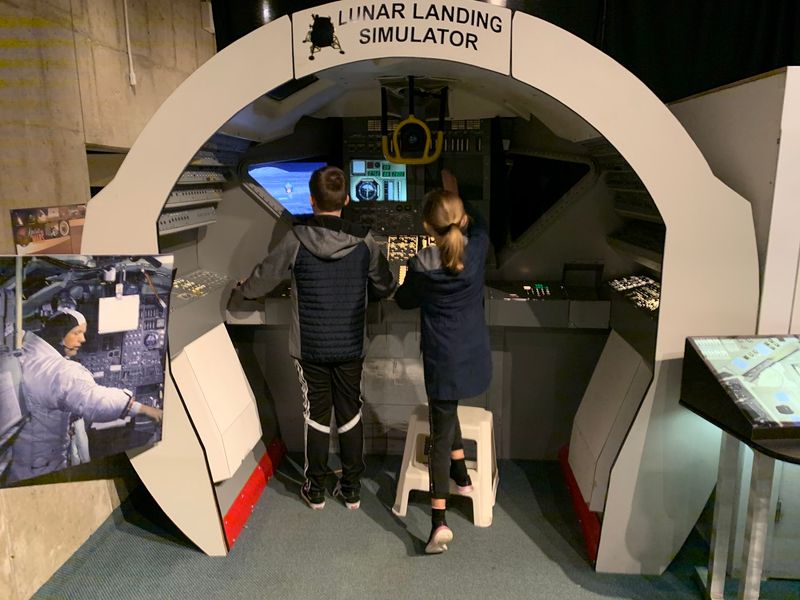
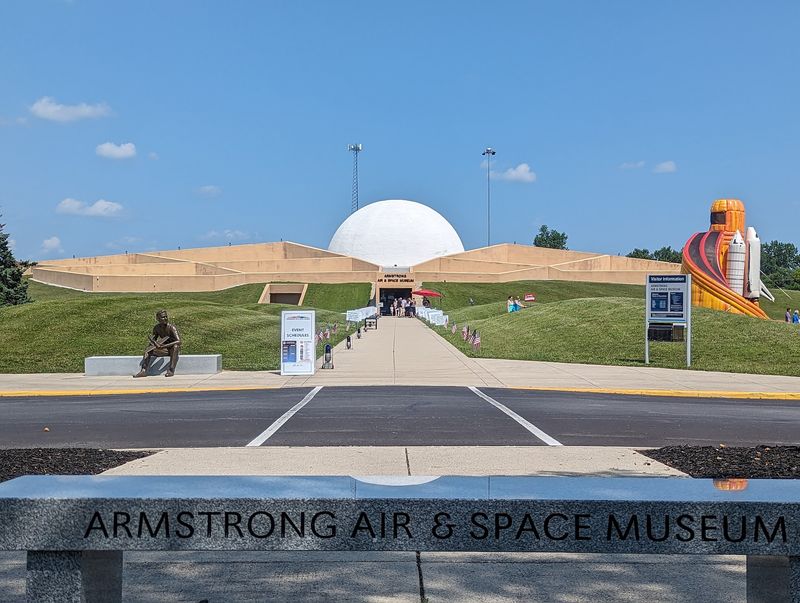
Before you even enter the exhibits, the building itself tells a story. Architects designed the museum to look like a futuristic moon base, complete with distinctive domes and modern lines that wouldn’t look out of place in a science fiction movie.
Spread across 16 acres, the facility creates an otherworldly atmosphere that makes your visit feel like stepping onto another planet.
The unusual architecture wasn’t just for show. It reflects Ohio’s important role in aviation and space exploration, honoring the state that produced Neil Armstrong and many other pioneering astronauts.
Walking around the campus, you’ll find both indoor galleries and outdoor exhibits arranged thoughtfully across the property.
This setting enhances every artifact you encounter. Instead of cramming everything into a traditional museum building, the moon base design creates distinct areas for different types of exhibits.
The layout encourages exploration and discovery, much like astronauts experienced during their missions beyond Earth’s atmosphere.
Get Close To An Apollo 11 Moon Rock
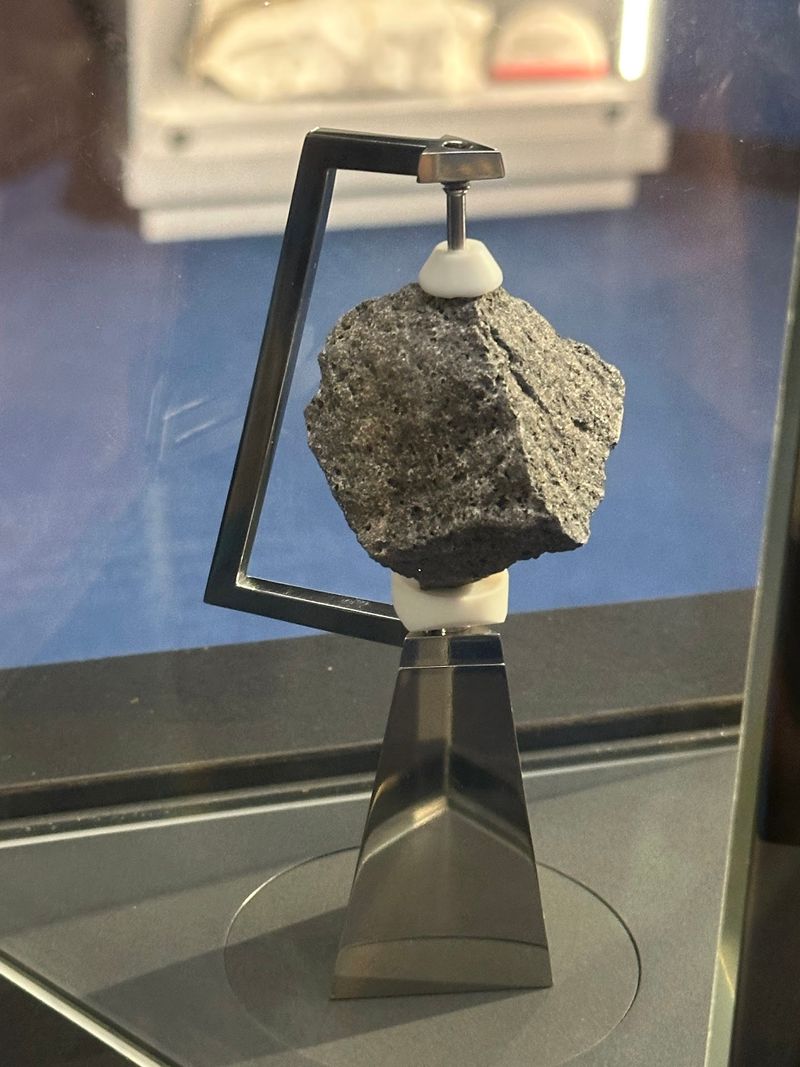
Few museum artifacts can match the pure wonder of seeing an actual piece of the Moon. Collected during the Apollo 11 mission, this lunar sample represents one of humanity’s greatest achievements brought home to Ohio.
The rock sits protected behind glass, yet close enough that you can study its unusual texture and color.
What strikes most visitors is how ordinary yet extraordinary it looks. The sample resembles volcanic rock from Earth, reminding us that the Moon formed from the same cosmic materials as our planet.
Yet knowing Armstrong himself walked on the surface where this came from makes it priceless beyond measure.
This exhibit connects your visit to world history in a tangible way. Armstrong’s famous words about one small step echo differently when you’re staring at physical proof of that journey.
Kids often stand mesmerized, realizing they’re looking at something no human had touched until 1969, when three brave astronauts made the impossible real.
See Neil Armstrong’s Gemini And Apollo Spacesuits
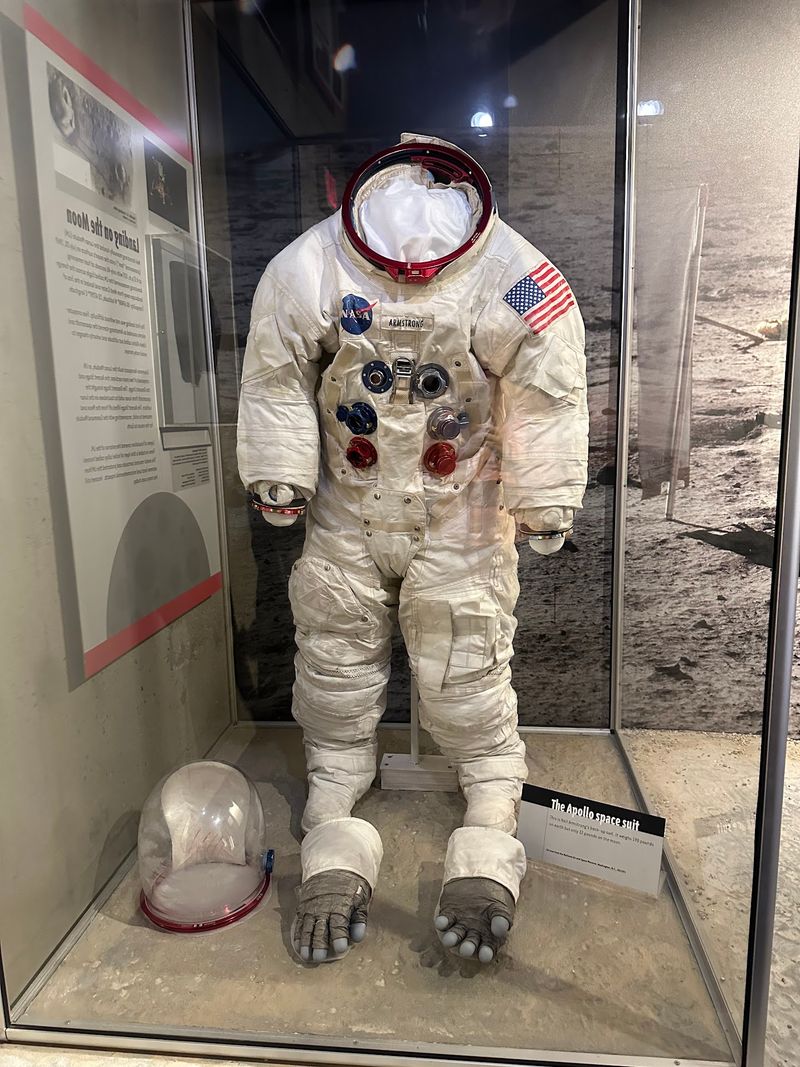
Nothing brings Armstrong’s achievements to life quite like seeing the actual suits he wore during missions. The museum preserves both his Gemini G4C suit and Apollo-era spacesuits, complete with helmets, gloves, and life support equipment.
Each suit represents incredible engineering designed to keep astronauts alive in the most hostile environment imaginable.
Looking closely at these artifacts reveals fascinating details. You’ll notice the multiple layers of material, the complex joints that allowed movement, and the various ports and connections for oxygen and communication.
The suits aren’t just clothing but portable spacecraft protecting fragile human bodies from vacuum, radiation, and extreme temperatures.
What really impresses visitors is the weight and bulk astronauts managed despite these restrictions. Armstrong performed delicate docking maneuvers and walked on the Moon while wearing equipment that looks impossibly cumbersome.
Seeing the suits in person helps you understand the physical demands space travel placed on these pioneers beyond the mental challenges everyone discusses.
Walk Through The Infinity Room

Sometimes the best museum experiences transport you somewhere completely unexpected. The Infinity Room does exactly that, surrounding you with twinkling lights that seem to stretch forever in every direction.
Mirrors and careful lighting create an illusion of endless space, offering a welcome change from the historical artifacts elsewhere in the building.
This atmospheric exhibit has remained popular for decades because it engages your senses differently. Instead of reading about space, you experience a representation of it through light and reflection.
Children often move through slowly, mesmerized by the seemingly infinite stars around them.
The room serves another purpose beyond entertainment. After absorbing lots of factual information about missions, spacecraft, and equipment, your brain needs a break.
The Infinity Room provides that pause while keeping you immersed in the theme. It reminds visitors that space isn’t just about technology and history but also wonder, beauty, and the vastness that inspired humanity to explore beyond Earth.
See Aircraft Actually Flown By Neil Armstrong

Armstrong’s fame rests on his Moon landing, but his aviation career stretched much further. Outside the museum, you’ll find two aircraft he personally piloted, including the sleek F5D Skylancer and the remarkable Learjet 28 Longhorn.
These aren’t random planes chosen for display but specific vehicles connected directly to Armstrong’s flying career.
The Learjet deserves special attention because Armstrong flew it during a record-breaking flight in 1979. The aircraft set five world aviation records during that mission, proving Armstrong’s skills extended far beyond his astronaut days.
Standing next to it, you can imagine him in the cockpit, pushing the limits of what planes could achieve.
These exhibits remind visitors that Armstrong spent most of his professional life as a test pilot and aviator. His Moon walk lasted only a few hours, but he flew aircraft for decades before and after.
Seeing these planes helps you understand the complete person behind the famous footprint on lunar soil.
Plan Your Visit
Getting to the museum couldn’t be easier if you’re traveling through Ohio. Located at 500 Apollo Drive in Wapakoneta, the facility sits conveniently off Interstate 75 at Exit 111, making it a perfect road trip stop.
Free parking includes spaces designed for RVs and large trucks, so you won’t struggle finding a spot regardless of your vehicle size.
Budget at least one to two hours for your visit, though space enthusiasts often stay longer exploring every detail. Admission runs $14 for adults, $13 for seniors, $12 for veterans, and $8 for children ages 6-12.
Kids under five enter free, making this an affordable family outing. The museum designed everything with accessibility in mind, offering ramps, accessible parking, adapted seating, and a wheelchair available first-come, first-served.
Before visiting, check the official calendar at the museum’s website or call 419-738-8811 for information about special programs and temporary exhibitions. These events can significantly enhance your experience beyond the permanent collection.