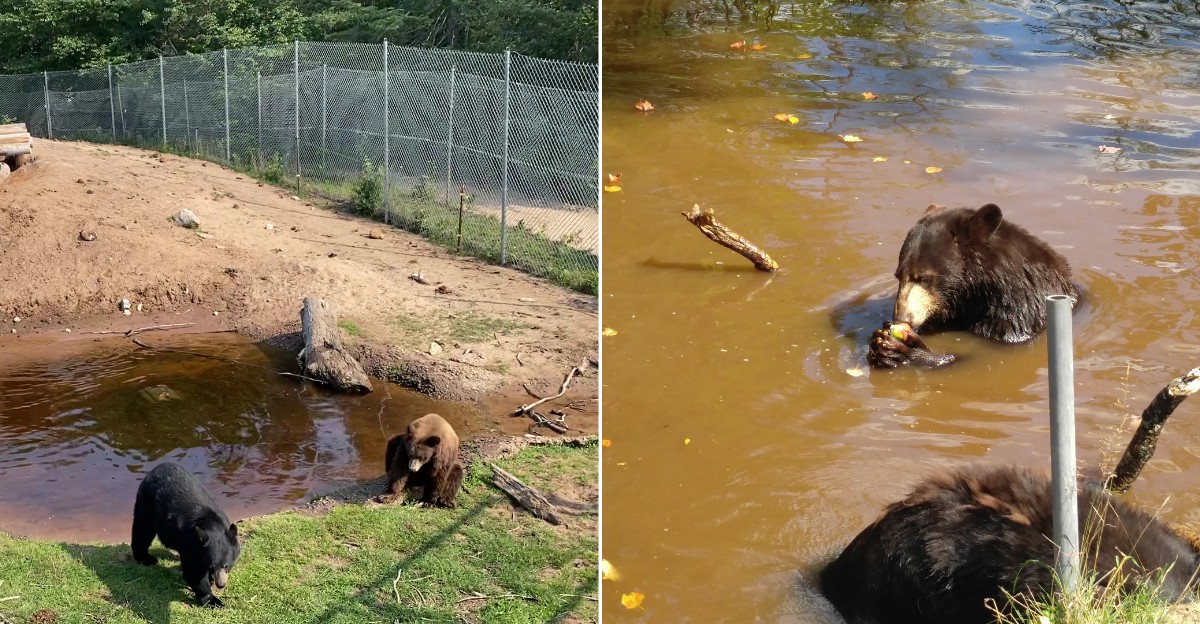
A quiet woodland path can feel entirely different when a pair of dark eyes appears just beyond the fence. At Oswald’s Bear Ranch in Michigan’s Upper Peninsula, visitors can walk along trails surrounding large habitats and watch rescued black bears climb, wander, and settle into their daily routines.
Located at 13814 Co Rd 407 in Newberry, the ranch offers families an unusual chance to observe these powerful animals from a safe distance while learning more about their lives and care.
The experience is filled with memorable details, from bears moving through wooded spaces to the sounds and activity around the habitats. It is both an outdoor outing and an opportunity to see rescued animals in a setting designed around their needs.
As you make your way along the paths, there are plenty of moments that invite a closer look. Up ahead are the ranch’s bears, trails, viewing areas, and details worth knowing before you arrive.
A Big Surprise Beyond the Pines
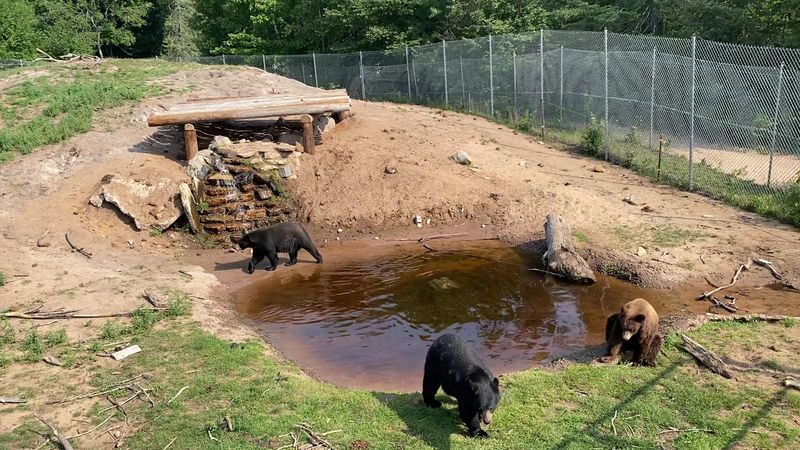
The road feels quiet, and then a place full of bears appears among the trees. That surprise is part of the fun of reaching Oswald’s Bear Ranch, a family-run rescue facility north of Newberry in Michigan’s Upper Peninsula.
Its setting makes the first few minutes feel more like the start of a woodland walk than a stop at a busy attraction.
The ranch covers about 240 acres, though visitors explore designated paths rather than roaming the whole property. Large enclosed habitats give the black bears room to move, rest, and retreat from view.
You might spot one right away or need to pause and look carefully between the trees. Either way, the search adds a little adventure to the visit.
Before setting off, take a moment to get your bearings and ask staff about the walking route. Comfortable shoes make the gravel paths easier, especially after rain.
Tell younger children that bears may be napping or hiding; they are living animals, not performers. When a dark shape finally moves through the grass, the patient wait feels well spent.
Room to Roam, Places to Watch
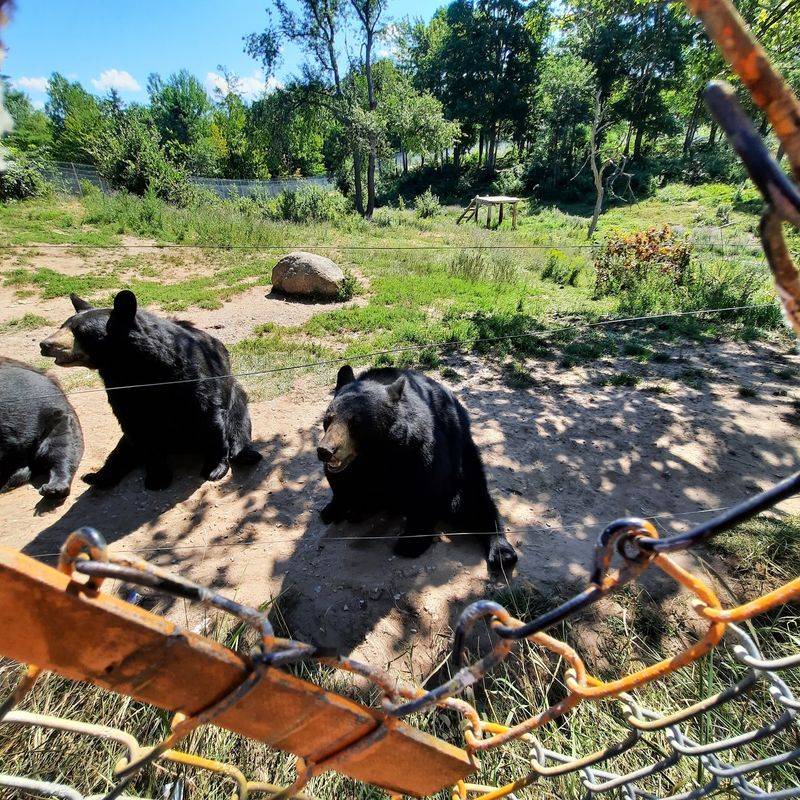
A bear can vanish behind a tree even when you know exactly where to look. At Oswald’s Bear Ranch, wooded enclosures make watching feel like a small game of hide-and-seek.
Visitors stay outside the barriers and use paths and viewing areas to look into the habitats, where the animals have space to wander away from a crowd.
Try standing still at a platform for a few minutes instead of hurrying to the next one. A bear that seemed invisible may step into a clearing, cross a patch of grass, or settle near water.
The different viewing angles can reveal details you missed at first, from the way a bear walks to how it uses its paws.
For children, turn the search into a quiet observation challenge: count the bears you can see, then describe what each one is doing. Keep voices low enough for other visitors to enjoy the moment, and never lean across a fence for a better photo.
The enclosures are the bears’ homes, so an occasional empty view is part of respecting their space.
The Apple Toss Everyone Remembers
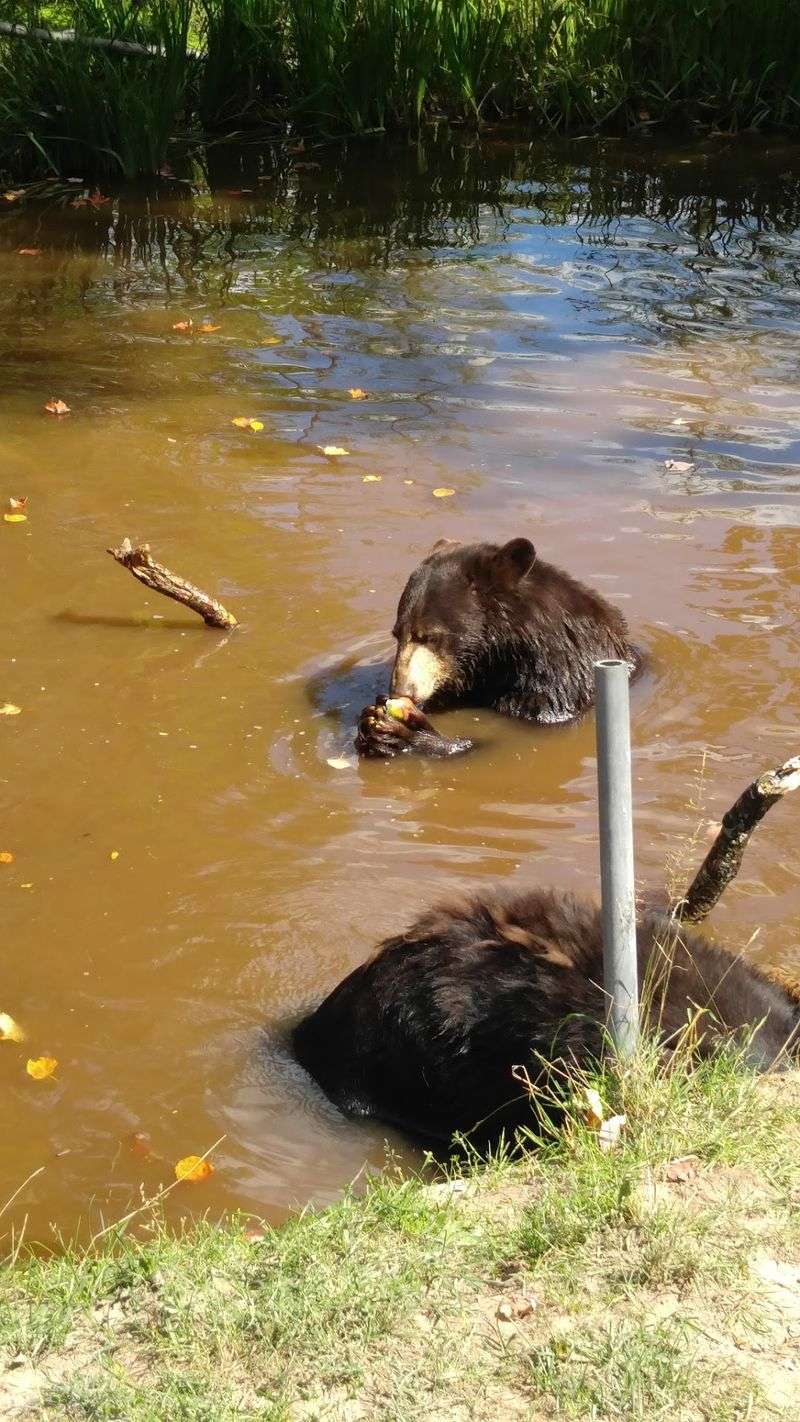
One apple slice can turn a quiet lookout into the loudest moment of a child’s afternoon. Visitors at Oswald’s Bear Ranch may be able to buy prepared apple pieces to toss to the bears from approved spots.
Watching a bear locate a slice, scoop it up, and eat it can be surprisingly funny, especially when those big paws move with such care.
Ask staff where feeding is allowed before opening a bag. Toss only the food the ranch provides, follow the posted directions, and keep your hands and feet on the visitor side of every barrier.
Outside snacks are not a treat for these animals. Buying one bag for the family to share also gives everyone a turn without making the activity the whole focus of the walk.
Some bears may be interested in apples, while others might keep resting or exploring. Let children know that no animal has to come over on cue.
After the last slice, stay a little longer and watch what the bear chooses to do next. That unscripted moment often becomes the story everyone tells on the ride home.
A Small Cub, a Careful Moment
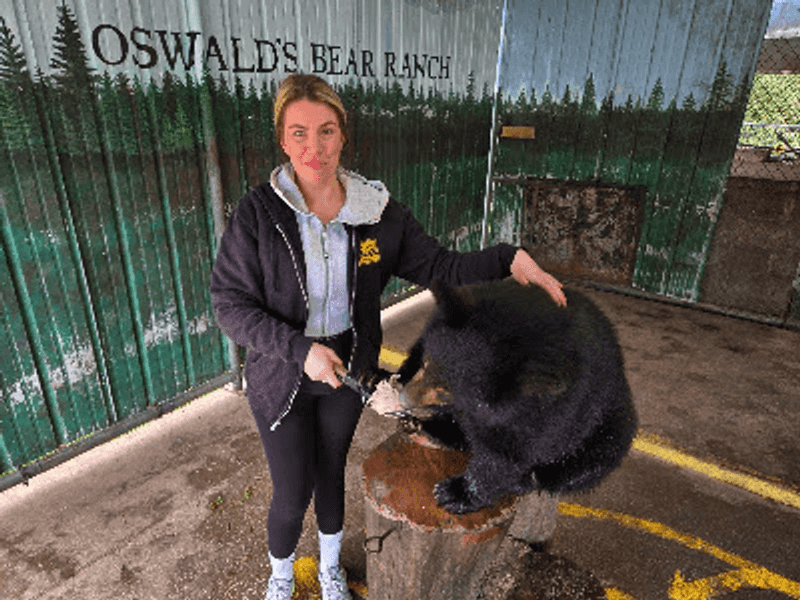
Tiny paws tend to steal the show, but a cub photo should never feel rushed. At Oswald’s Bear Ranch, a supervised photo opportunity with a young bear may be offered for an extra charge when cubs are available.
For many families, it is a chance to see just how small a black bear begins before growing into the powerful animals along the trail.
Check the current rules and price with staff rather than promising children a photo ahead of time. Cubs need breaks, and availability can change.
If your family takes part, listen closely to the handler, move calmly, and have your camera ready so the session can stay brief. A child who would rather watch from a little farther away can still enjoy the experience.
Even without a photo, watching young bears play in their habitat can be a highlight. They may climb, explore, or tumble around while visitors look on from a safe spot.
Let the cubs set the pace of the memory. The sweetest part is seeing their curiosity, not getting every face pointed toward the camera.
The Rescue Story Behind the Visit
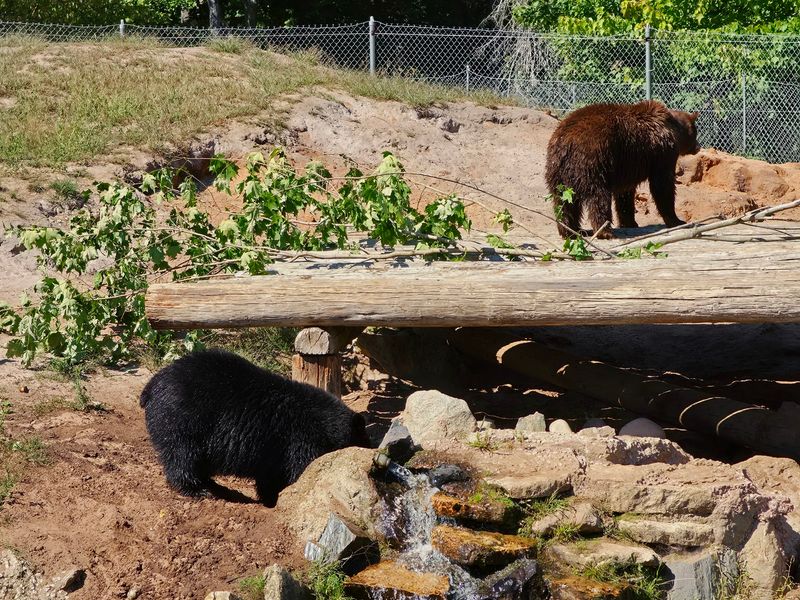
A bear resting in the shade may look perfectly at home, yet its path to safety can be complicated. Oswald’s Bear Ranch began in 1997, building on Dean Oswald’s earlier work with bears.
The ranch provides a home for rescued black bears and gives visitors a chance to think about what happens when wildlife cannot safely return to the wild.
Spend a few minutes reading the information displayed on site, and ask staff a question if they have time to talk. Children often want to know why a cub might need help or what bears eat each day.
Those questions can lead to a useful conversation: wild bears need suitable habitat and distance from human food, while bears in a rescue setting depend on people for care.
Watching from behind the fence makes that difference clear. You can admire a bear’s strength without treating it like a pet.
The admission you pay helps support the ranch’s work, but the lesson can travel home, too. Keep food secured outdoors, give wild animals space, and remember that caring for bears sometimes means leaving them alone.
A Trail Made for Taking Your Time
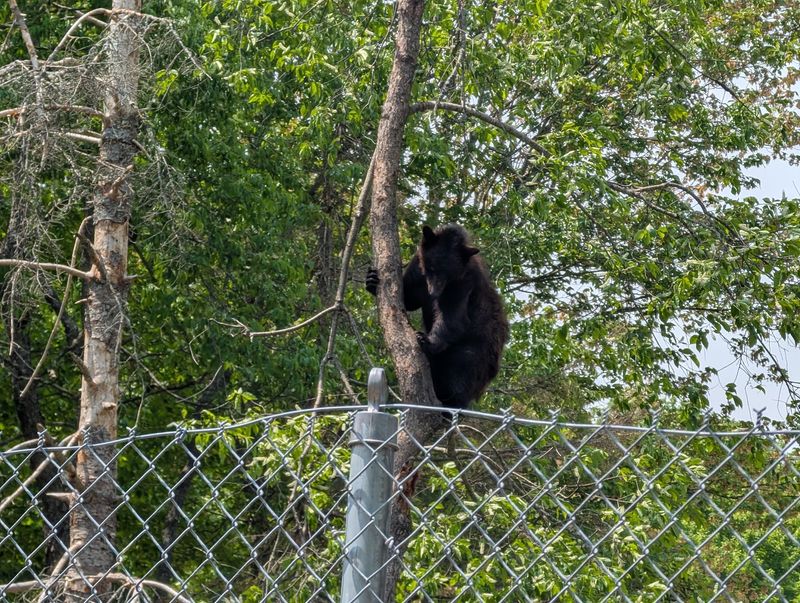
Little legs often set the best pace for a bear walk. The visitor paths at Oswald’s Bear Ranch connect viewing areas around the habitats, giving families reasons to stop again and again.
Instead of racing toward a finish line, children can scan the trees, point out movement, and wait for a bear to come into view.
The paths are gravel, so closed-toe shoes are a smart choice, and a sturdy stroller may be easier to manage than one with tiny wheels. Ask staff about the best route if someone in your group has trouble with uneven ground.
Bring water and leave enough time for breaks; a short walk can stretch out when a bear starts climbing or settling into a pool.
For a simple game, let each child choose one behavior to watch for, such as walking, resting, or eating. It keeps attention on the animals without making noise or crowding the fence.
Parents get a chance to slow down, too. A path lined with trees, fresh air, and the possibility of a bear around the bend is plenty of entertainment.
A Front-Row Seat to Bear Behavior
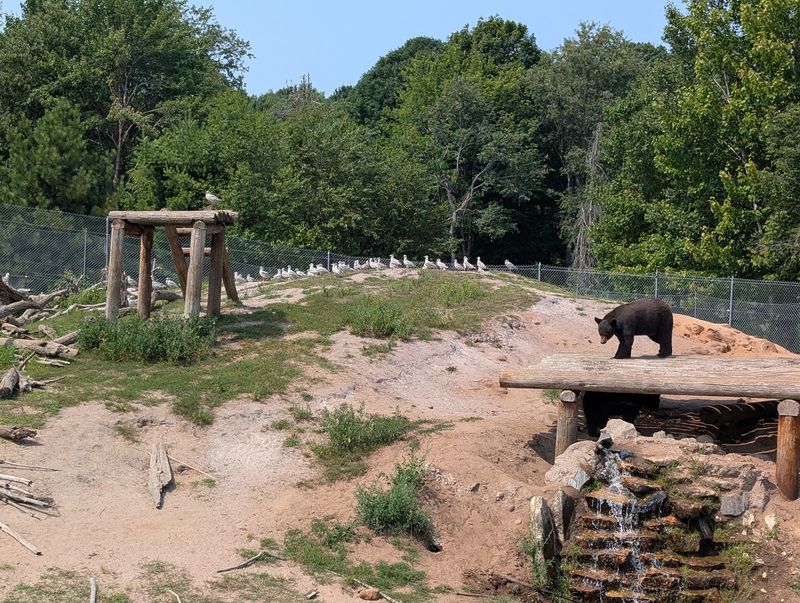
Some of the best action happens when nobody is trying to make it happen. A bear may wade into water, climb a tree, wrestle with another bear, or simply find a comfortable place to nap.
At Oswald’s Bear Ranch, watching those ordinary choices is often more interesting than trying to catch a single perfect photo.
Give each viewing spot a little time. Look near pools and tree trunks, then check the edges of the habitat where a bear might be moving through shade.
If you see two animals together, notice whether they play, keep their distance, or ignore each other. Avoid guessing that every movement means the same thing it would for a person.
Photos are fun, but put the phone down for a minute and follow one bear with your eyes. Its size, speed, and careful movements are easier to appreciate that way.
If a bear goes out of sight, move on without trying to attract its attention. The animals have room to choose where they spend their time, and that freedom is part of what makes each sighting special.
More Colors Than You Might Expect
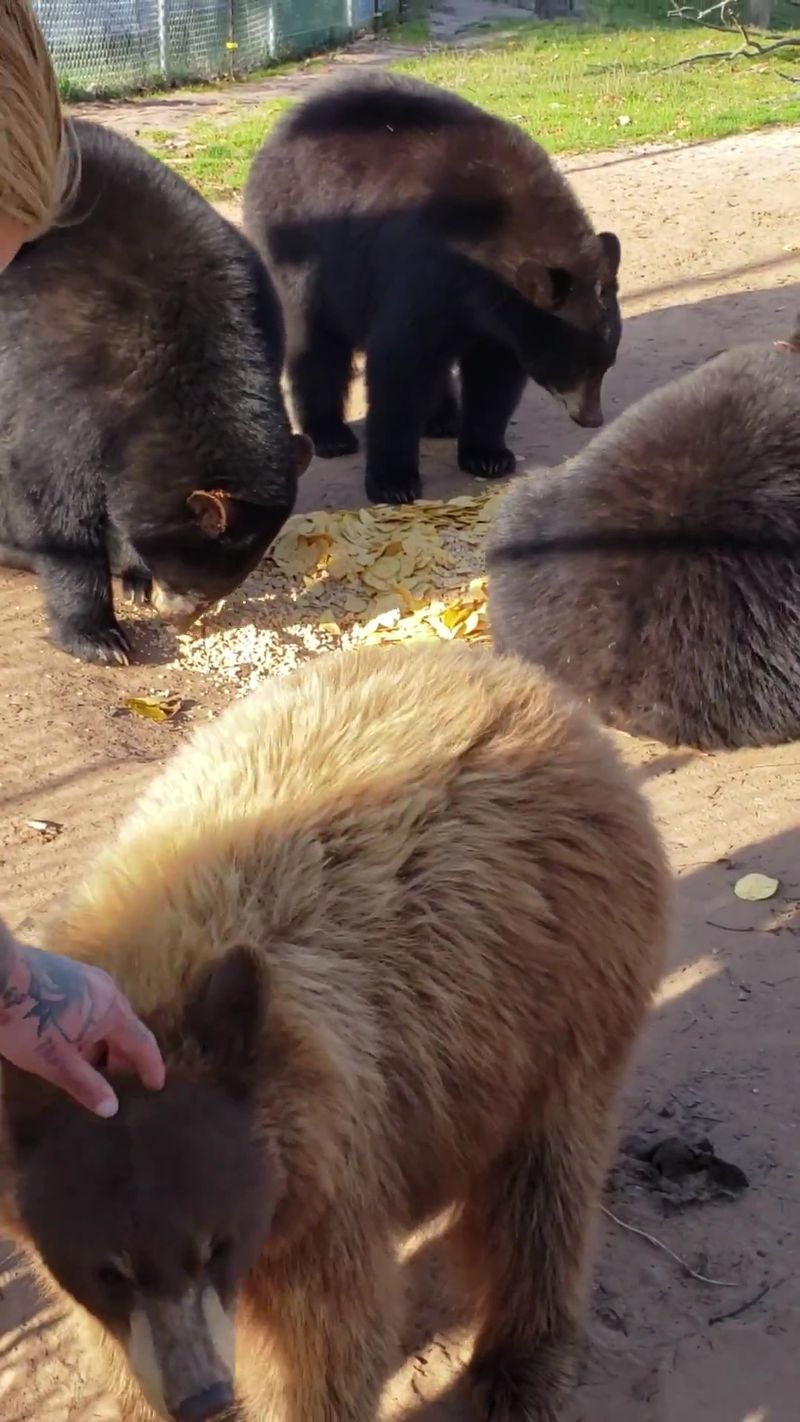
Not every black bear looks black, which can make a walk around the ranch feel like a color hunt. American black bears can have coats in other shades, including brown or cinnamon.
If you notice a lighter bear at Oswald’s Bear Ranch, you are not necessarily looking at a different kind of bear.
Ask children to describe what they see before naming a color. Is the coat dark in the shade but warmer in sunlight?
Does a smaller bear look different from an adult nearby? This easy game encourages careful observation without needing a worksheet.
It also reminds everyone that animals of the same species do not have to look exactly alike.
Take pictures from the marked viewing areas if a bear steps into good light, but keep expectations loose. Trees, weather, and the animals’ own choices affect what you can see.
A family might spend the whole visit talking about one surprising coat, while another remembers a bear’s enormous paws. Either way, looking closely turns a simple stroll into a chance to notice more.
Small Discoveries Between the Viewing Areas
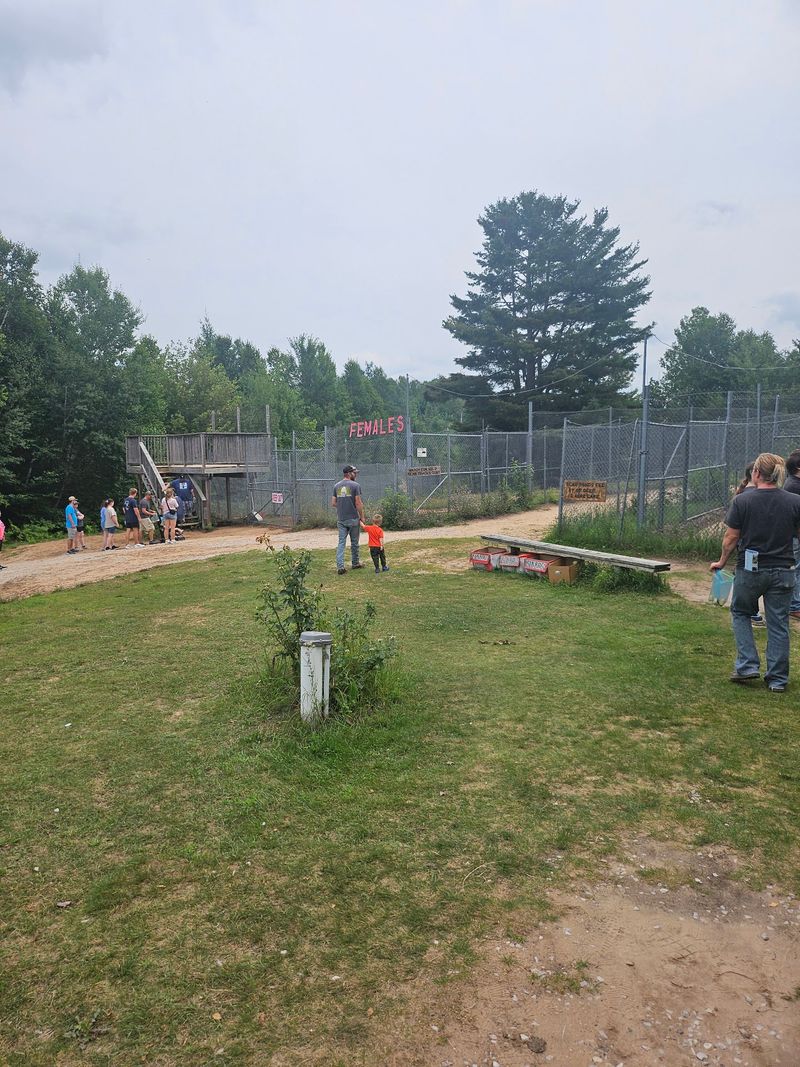
Sometimes the pause between bear sightings becomes its own favorite memory. Along the paths at Oswald’s Bear Ranch, families can hear birds, notice the changing light under the trees, and wonder what might appear around the next enclosure.
The walk has enough space to feel outdoorsy without asking everyone to tackle a long wilderness hike.
Pack for a summer visit in the Upper Peninsula, not just for a quick stop beside the car. Bug spray can make a real difference near the woods, and a light layer helps when the air feels cool.
Keep water handy, especially if children want to revisit a platform. Respect posted rules about food and stay on the visitor paths throughout the ranch.
Try leaving a few minutes free at the end rather than heading straight for the exit. Someone may want one last look at the yearlings or a second chance to spot a resting adult.
There is no need to see every bear to have a full visit. Often, one quiet sighting and an unhurried walk are enough to make the day stick.
Plan Ahead, Then Follow the Bears
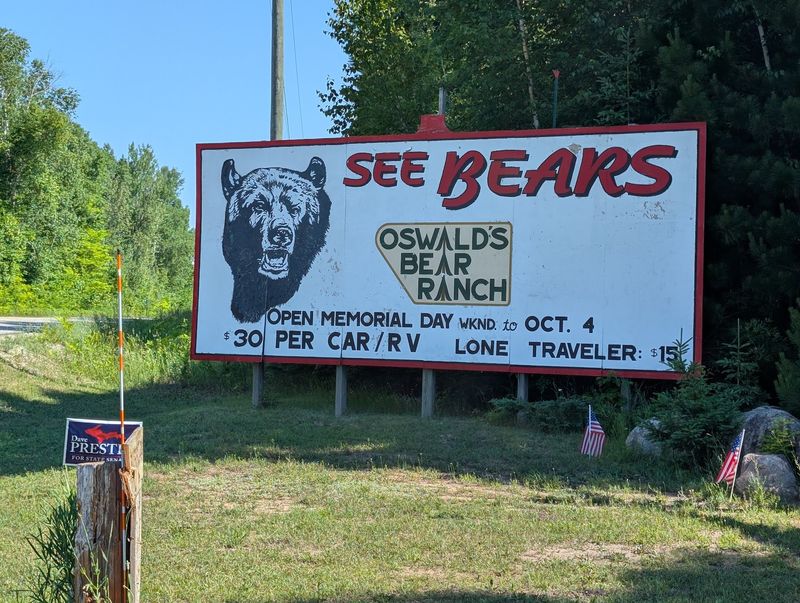
The smoothest bear adventure begins before anyone gets out of the car. Oswald’s Bear Ranch is at 13814 County Road 407 in Newberry, Michigan, and it operates seasonally.
Check its official website or call 906-293-3147 for current opening dates, hours, admission, feeding options, and cub photo details before you drive there.
Plan for time on the paths rather than treating the ranch as a five-minute roadside stop. A comfortable pair of shoes, water, and bug spray will make it easier to linger when the bears are active.
Bringing a camera is worthwhile, but keep it behind the barriers with you. If you hope to buy apples or take a cub photo, ask staff what is available that day and how to pay.
Before leaving, the gift shop offers a chance to choose a small reminder of the visit. A postcard or bear-themed keepsake can help children tell the story later: where they walked, what they noticed, and which bear made them laugh.
Good planning handles the basics, leaving the best part of the day open to surprise.