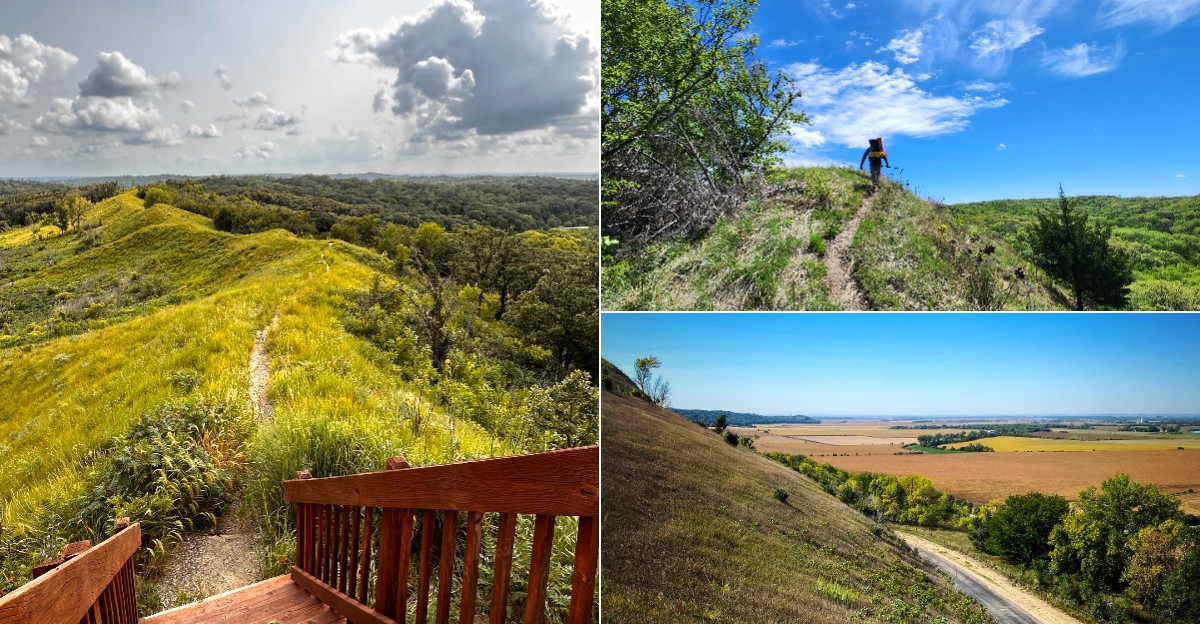
Wind-sculpted ridges rise out of the western Iowa farmland like waves frozen in time.
Loess Hills State Forest, based in the small town of Pisgah, protects a stretch of one of the most unusual landscapes in the country.
These hills formed from fine windblown soil that piled up over thousands of years, and deposits this deep exist in very few places on Earth.
Hiking trails climb through prairie and oak woodland to ridgetops with sweeping views over the Missouri River valley.
Sunsets up here are the kind that make you stop mid-step and simply stare for a while.
Bring water, sturdy shoes, and a camera, because Iowa has a wilder side than most people expect.
A First Look From the Ridge
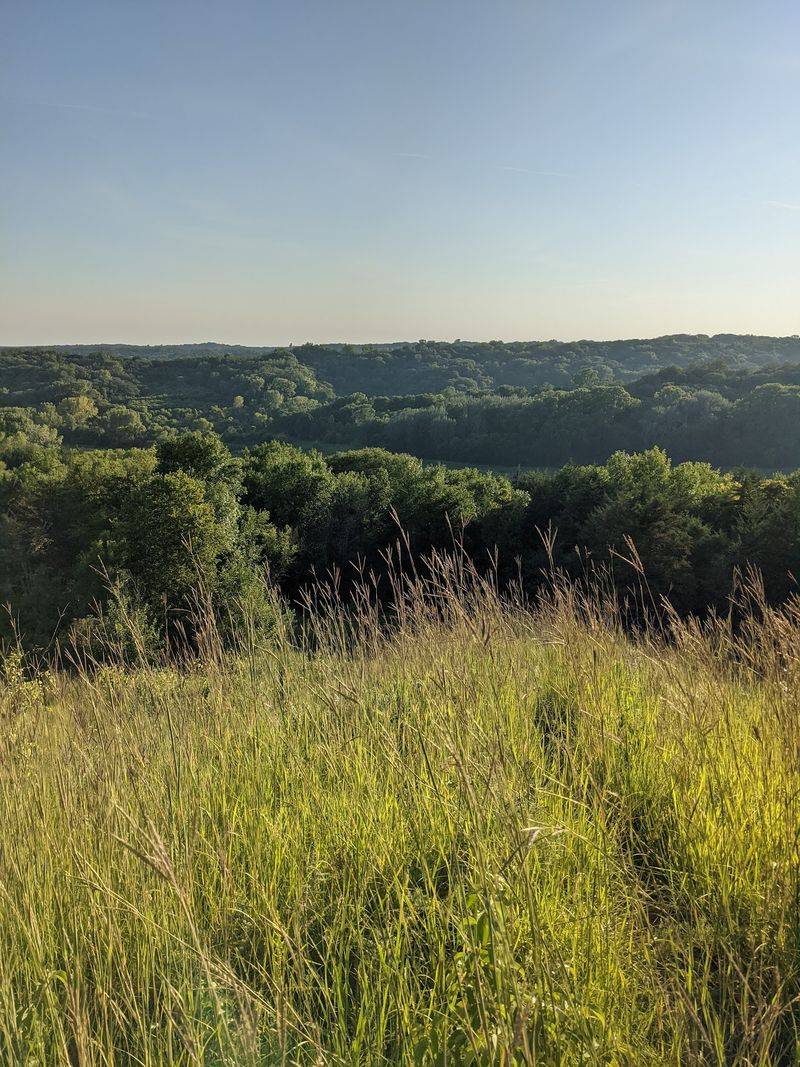
The ground seems to fall away on both sides when you reach a narrow ridge. That sudden feeling of height is part of what makes Loess Hills State Forest, 206 Polk St, Pisgah, IA 51564, such a memorable place to explore. Its wooded valleys and open hilltops can make a short walk feel much farther from everyday life.
Start by looking across the slopes rather than rushing toward the highest point. Notice how one ridge leads to another, with shadows marking the valleys between them. The view changes as you move, so stop often and look back along the route you just traveled. Even a small shift in position can reveal another layer of hills.
Before visiting, check current forest information for access, trail conditions, and any seasonal restrictions. Bring water, wear shoes with dependable grip, and plan more time than a flat walk of the same length would take. Steep ground can make the return trip tiring, especially on a warm day.
Keep to established routes and give the edge of each ridge plenty of room. Loose soil can crumble underfoot, and plants help hold these slopes together. A careful visit protects the view that brought you here in the first place.
Hills Built by the Wind
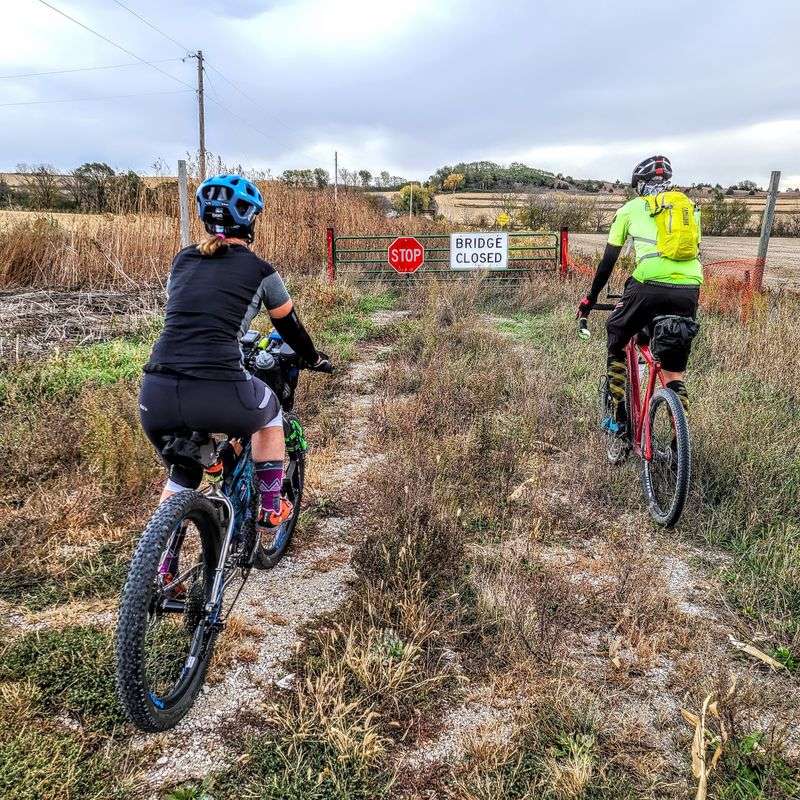
What looks like an ordinary hill has a remarkable backstory. These ridges are made largely of loess, a fine soil carried by wind long ago. As glaciers melted, winds picked up dust from broad, exposed river valleys and dropped it across this part of western Iowa. Over time, water cut steep hollows into those deep deposits.
Knowing that story makes the scenery easier to read. Rounded hilltops and sharp slopes are not random bumps in the ground. They show how wind built the land and how rain shaped it afterward. Try comparing a grassy slope with a wooded hollow during your walk. The difference in light, plants, and shape can be striking.
Fine soil also calls for gentle footsteps. A shortcut down a steep bank may leave a scar that rain can widen. Stay on established paths, and avoid climbing exposed soil faces for a closer photo. You can often see the landforms better from a safe distance anyway.
For young visitors, turn the walk into a simple guessing game. Ask which force built the hills and which force carved their valleys. The answer connects a beautiful view to a story that took thousands of years to unfold.
Views That Change With the Seasons
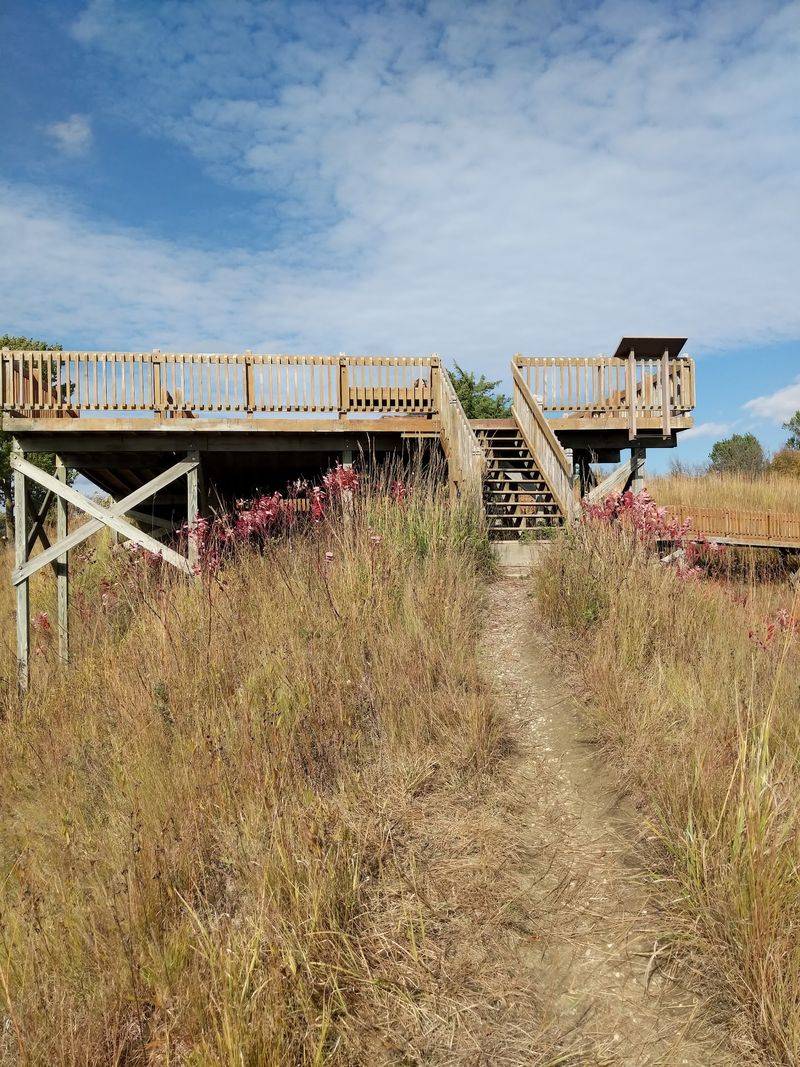
Come back in another season, and the same ridge may seem like a new place. Spring brings fresh leaves and a softer green to the valleys. Summer fills the slopes with thick growth, while autumn can set the wooded hills against bright patches of grass. In winter, bare branches may reveal land shapes hidden during warmer months.
Each season also changes how you should prepare. Warm weather calls for extra water, sun protection, and checks for ticks after a walk. Cold days call for layers and an early start, since daylight ends sooner. After heavy rain or snow, steep paths may be slick or difficult to follow.
Pick a familiar viewpoint and photograph it more than once during the year. Use the same general direction each time, then compare how far you can see and which slopes catch the light. You do not need a special camera; a phone and a few patient minutes will do.
Seasonal changes are more than a photo opportunity. They show how trees, grasses, weather, and sunlight shape what visitors experience. Check current access conditions before every trip, even if you have walked the area before. A favorite route can demand a different plan when the ground or weather changes.
The Quiet Below the Crest
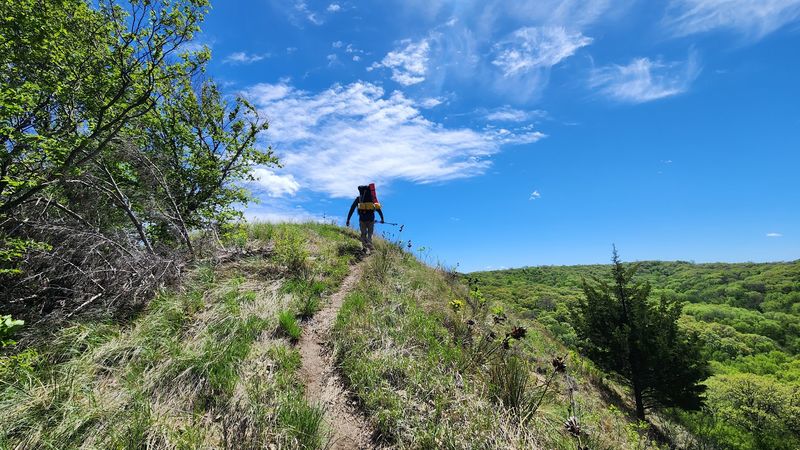
A hilltop may grab your attention, but the hollows deserve a pause too. Wooded valleys can feel cooler and quieter than the open crests above them. That contrast is part of the pleasure of exploring a landscape with so many changes in height. Listen for birds, moving leaves, and the sound of your own footsteps.
Use the shade as a chance to slow down, not as a reason to wander off route. A valley can hide the next turn and make distances hard to judge. Carry a reliable map or downloaded route, since phone service may not always meet your needs. Tell someone your plans before a longer walk.
Look upward from a safe spot and notice the shape of the ridge against the sky. From below, slopes that seemed gentle on top can appear surprisingly steep. That change in viewpoint helps explain why these hills feel so dramatic without towering like mountains.
Give wildlife room, keep noise low, and leave fallen branches where they lie. They provide shelter for small living things and help return nutrients to the soil. If a path becomes muddy, walk through its middle rather than widening it along the edges. The quiet stays more inviting when visitors treat the hollow with care.
Light That Picks Out Every Fold
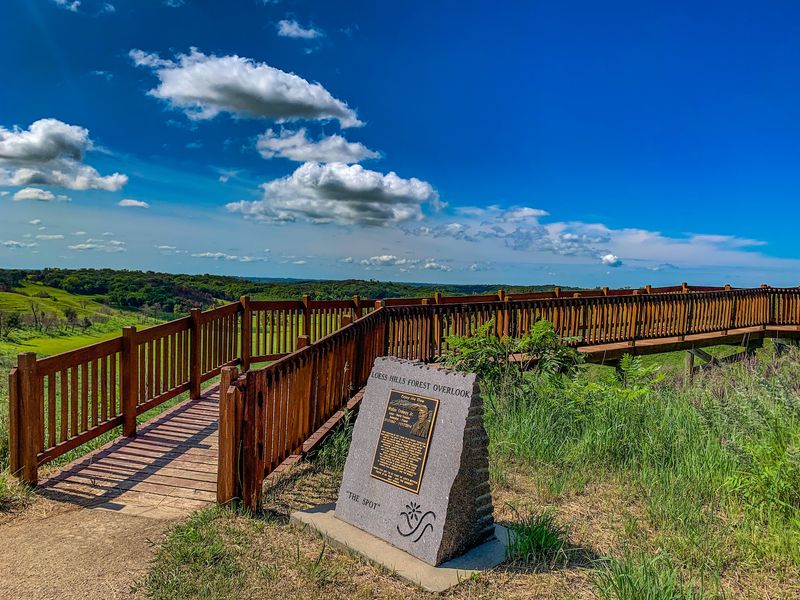
Low sunlight can turn a pleasant overlook into a lesson in land shapes. As shadows stretch across the slopes, shallow folds stand out and deep valleys look darker. The effect is especially clear when sunlight reaches one side of a ridge while the other remains shaded. You may notice details that disappeared under brighter midday light.
For a thoughtful photo, look for a line of hills that leads your eye into the distance. Include a little foreground grass or a nearby tree to show scale. Then take one wide image and one closer image of the shadow patterns. Neither requires stepping past a safe trail edge.
Good light is not worth getting caught out after dark. Check sunset time before you start, allow for a slower walk back, and carry a light if your plans run late. Clouds can also change the scene quickly, so be ready to enjoy the view without waiting for a perfect sky.
Put the camera away for a minute as well. Watch how the shadows move while you stand still, and compare the colors of sunny grass and shaded trees. The hills offer a view, but they also reward the simple act of paying attention.
A Walk That Rewards a Slower Pace
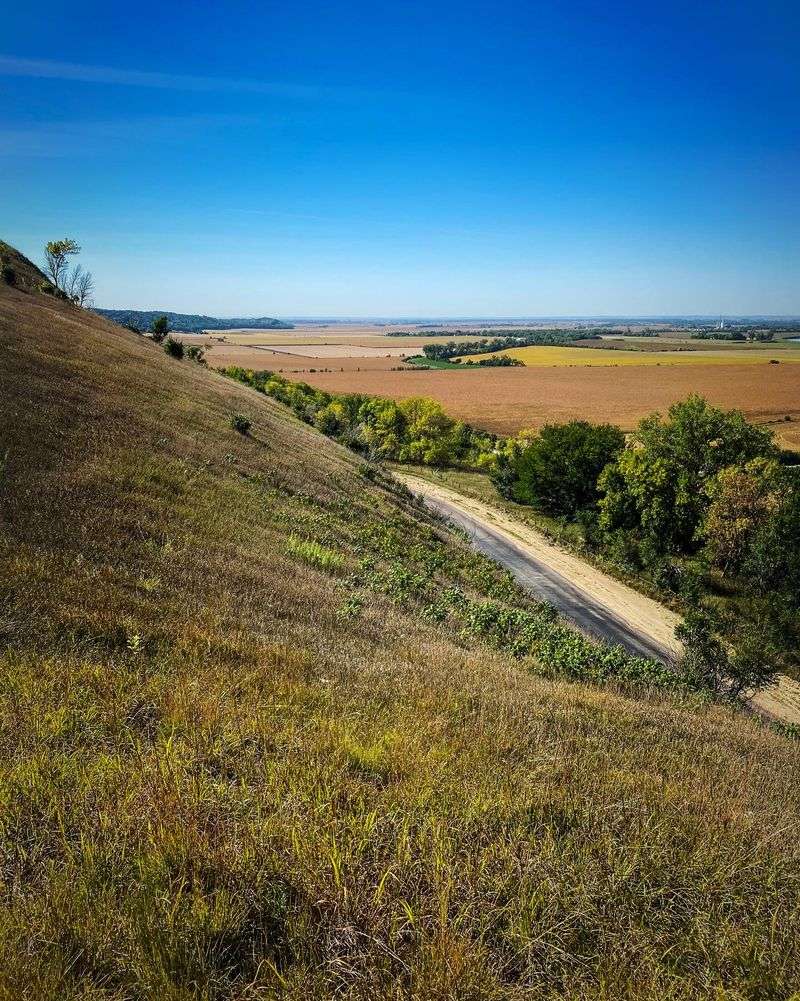
A map can make a ridge walk look simple until the trail begins to climb. Steep slopes ask more of your legs than their short distance suggests. Instead of racing to a viewpoint, set a pace that lets everyone in your group talk comfortably. The best part of the walk may appear between planned stops.
Choose a route that fits the least experienced person with you. Check current trail details before leaving home, and do not assume every path is marked or maintained in the same way. Pack water, a snack, and footwear that grips on loose or wet ground. If the weather turns, it is fine to shorten the outing.
On a narrow section, pause in a wider spot to let other visitors pass. Avoid stepping onto fragile plants just to make room for a photograph. When walking downhill, take smaller steps and keep your eyes on the trail rather than the far view. You can stop safely when you want to look around.
A slower pace leaves time to notice the little changes: wind on an open crest, shade below trees, and new ridges appearing ahead. You do not have to cover a great distance to understand why this terrain feels different from a flat walk.
Wildlife at the Edge of the View
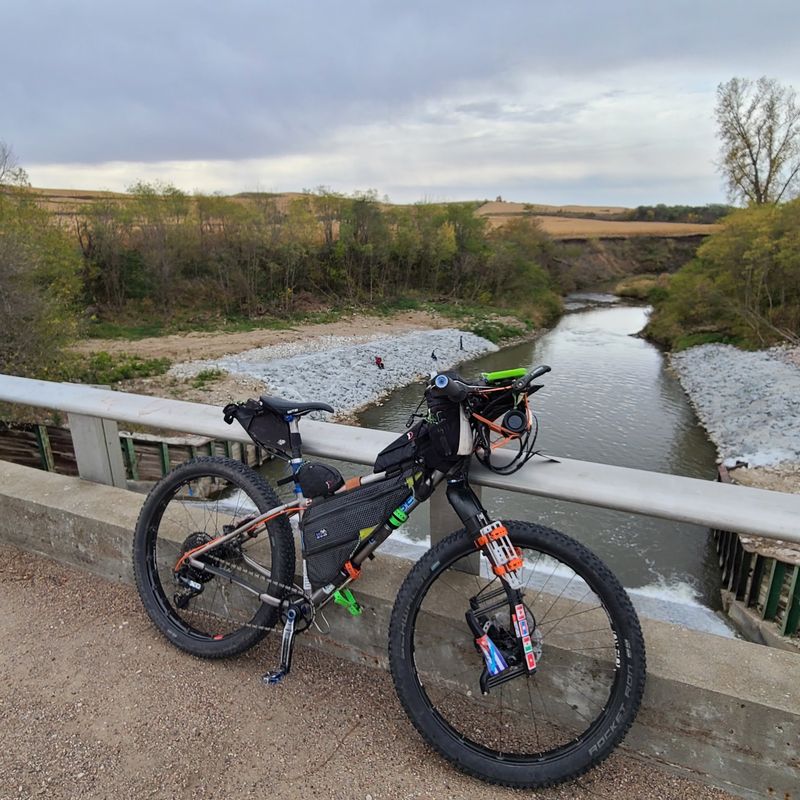
A flash of movement in the grass can be as exciting as the widest view. Open slopes, wooded draws, and the edges between them offer different kinds of shelter and food for wildlife. Birds may use the trees and grass in different ways, so a patient stop can reveal more than a hurried search.
Bring binoculars if you have them, but leave room for surprises. Watch from an established route and let animals continue their normal behavior. If a bird flies away each time you move closer, give it more space. Never feed wildlife, even when an animal seems bold or curious.
A small notebook can make the outing more fun for children. Record a color, a sound, or the place where an animal appeared instead of worrying about its exact name. Later, a field guide may help you identify what you saw. That approach turns careful watching into a skill rather than a contest.
Remember that plants are part of the scene too. Grasses help hold the fine soil, while trees provide cover in the valleys. Staying on paths protects both the habitat and the slopes beneath it. The best wildlife encounter leaves the animal undisturbed and the hillside just as you found it.
Keeping the Ridgelines Worth Seeing
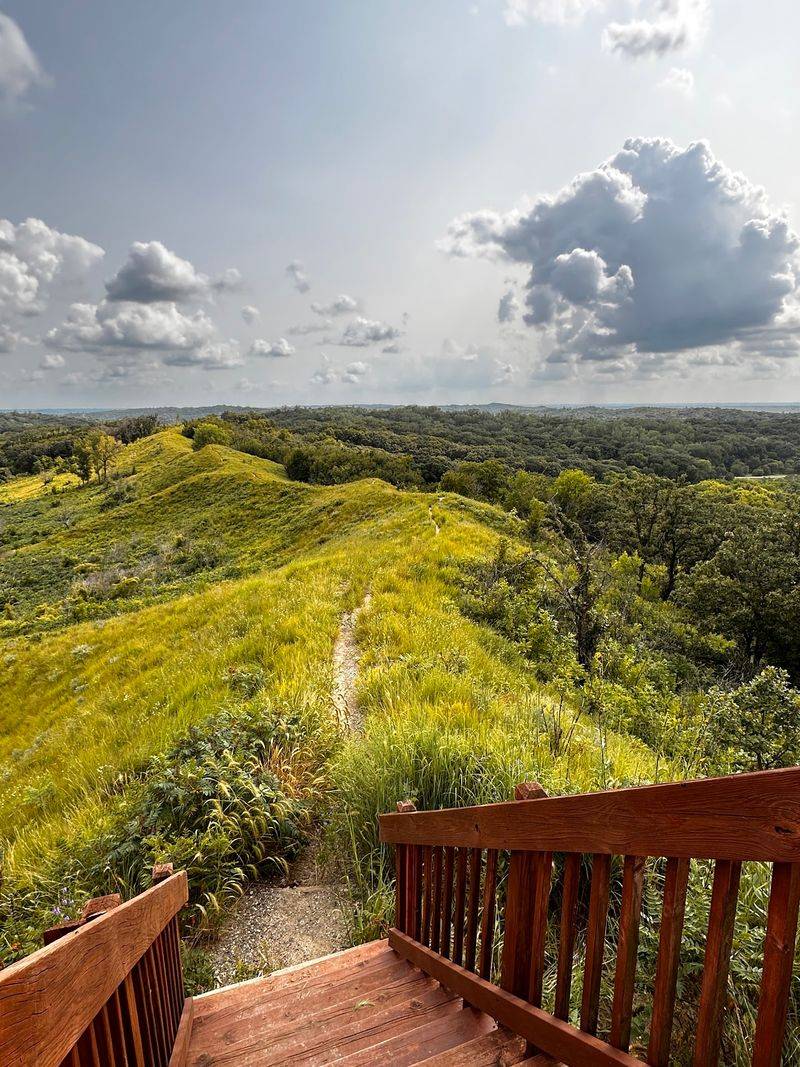
One footprint off a path may seem harmless on a broad hill. On a steep slope made of fine soil, repeated shortcuts can wear away plants and give rain an easy route downhill. Small choices by many visitors can change the very ridgeline they came to admire. Protecting the view begins with staying on established routes.
Pack out wrappers, tissues, and every other piece of trash you bring. Keep pets under control and follow posted rules, which may vary by area or season. Leave flowers, rocks, and fallen wood in place so the next visitor sees a living landscape, not a picked-over one. If you notice a damaged trail, report it through the proper management contact rather than trying to create a detour.
It also helps to plan with care. Check current notices before traveling, respect signs and closures, and turn around when a route looks unsafe. Those limits may protect visitors, wildlife, or ground that needs time to recover. They are part of caring for public land.
The reward is simple: future walkers can find the same surprising layers of hills. A responsible visit is not less adventurous. It gives this uncommon Iowa landscape a better chance to keep telling its story.