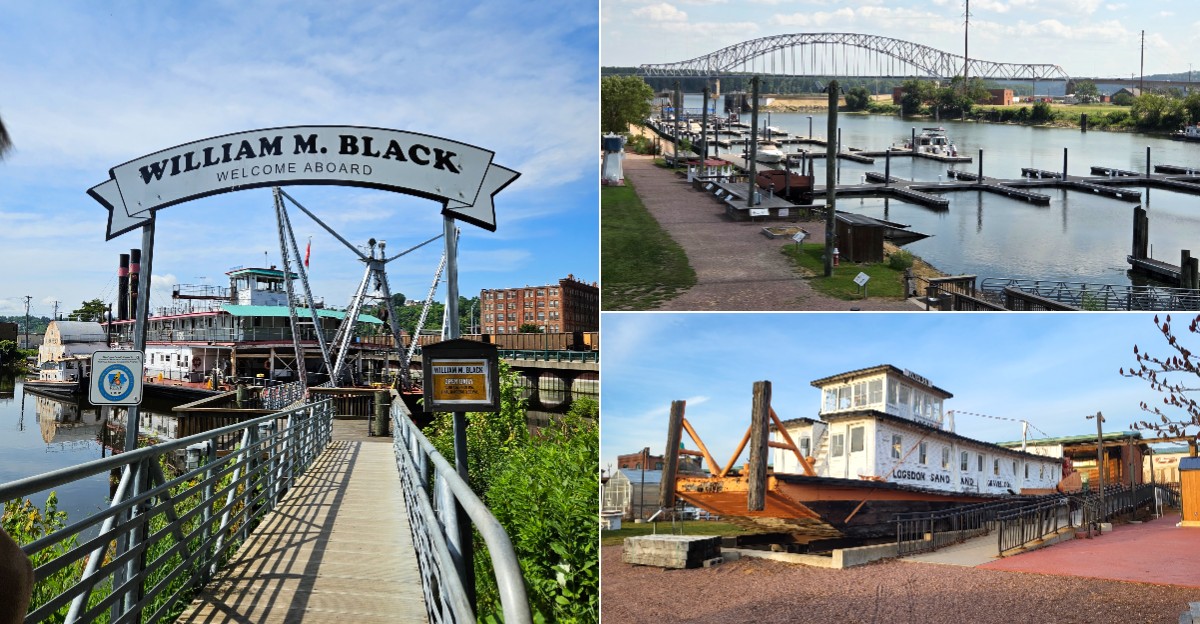
Big river towns have a way of telling stories, and few tell them better than Dubuque on the banks of the Mississippi.
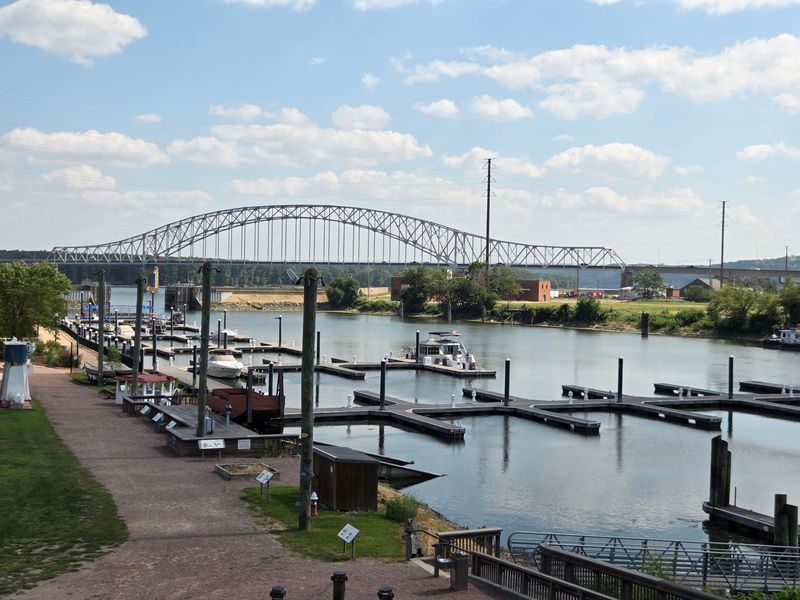
The National Mississippi River Museum & Aquarium sits right on the riverfront at the Port of Dubuque, Iowa.
Inside, hands-on exhibits trace the river’s long history, from early Native American cultures to steamboats and modern barges.
Aquariums bring the river’s wildlife up close, with playful river otters, giant catfish, and plenty of other creatures to spot.
It is an affiliate of the Smithsonian Institution, yet it still flies under the radar for many travelers.
Plan on at least half a day, because there is far more to see here than most first-time visitors expect.
A Museum That Keeps Going
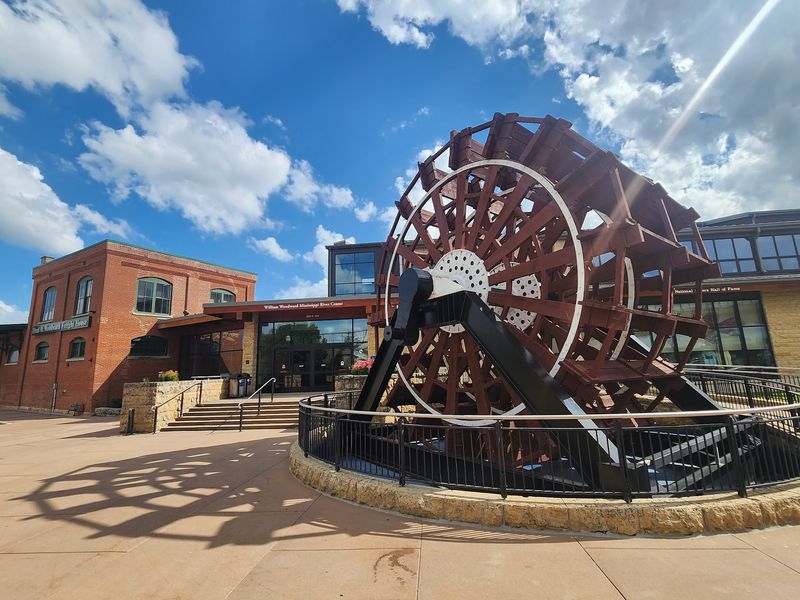
The first surprise is how much ground there is to cover. A quick look around the entrance does not show the full museum, so give yourself time to explore beyond the first exhibits. The National Mississippi River Museum & Aquarium is at 350 E 3rd St, Dubuque, IA 52001, and its displays spread across two buildings and outdoor areas.
Visitors report finding exhibits on both floors of both buildings. That layout makes a simple plan useful, especially if you are visiting with children or anyone who needs regular breaks. Before you move on, check a map or ask a staff member what you might miss.
Aquariums, boats, local history, and hands-on displays can each hold your attention longer than expected. Pick one or two things your group most wants to see, then leave room for a surprise. The cafe and restrooms can help make a longer visit more comfortable.
Some visitors say their admission covered two consecutive days, which gave them time to return for anything they missed. Ticket terms can change, so confirm the current policy before making plans. A slower pace pays off here: river history makes more sense when you can stop, look closely, and follow your curiosity from one area to the next.
Boats Tell Working Stories
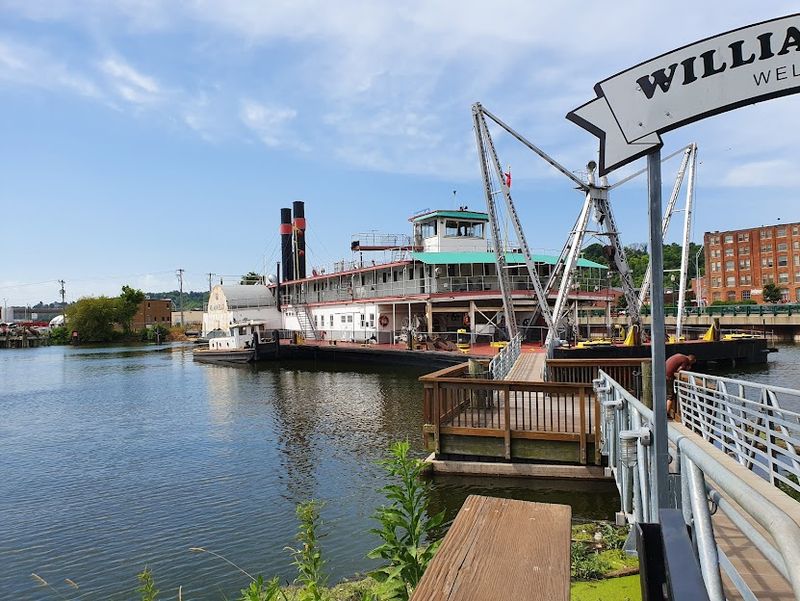
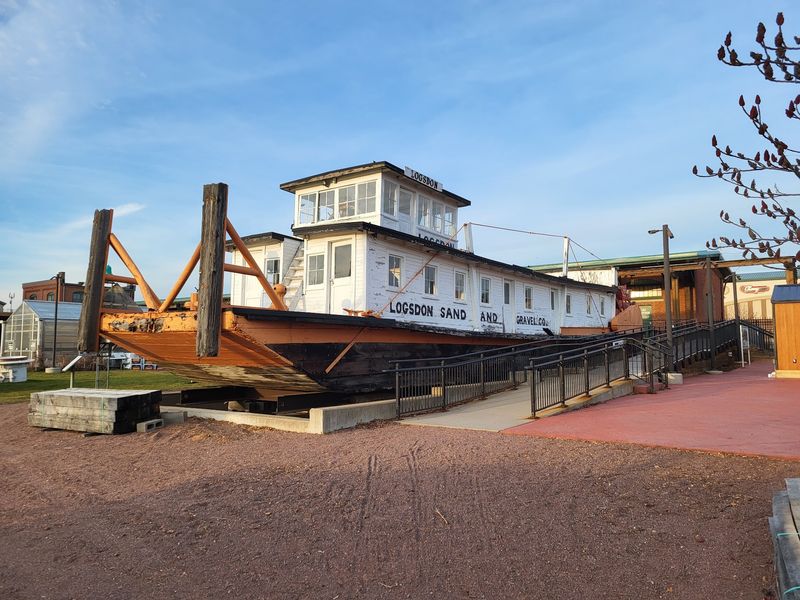
Imagine watching a heavy boat work its way along a busy river. Long before many goods moved by truck, river travel helped people carry supplies, reach other communities, and make a living. The museum’s boatyard and vessel displays give that history a shape you can walk around and study.
Look past the size of a boat and notice its practical parts. Ropes, engines, decks, and working spaces can tell you what a crew needed to do each day. Think about how people would load cargo, handle changing water, or keep a vessel running.
Children can choose one detail to sketch or describe, while adults may enjoy comparing older river work with travel today. A boat was not just a way to get somewhere; for many workers, it was also a demanding workplace. That idea makes the exhibits feel closer to everyday life.
Take time with the signs rather than rushing toward the next tank. Even a small tool or machine part can open a conversation about skill, safety, and teamwork. If a volunteer is nearby, ask what the object was used for. A good question can turn a quiet display into a story about the people who kept traffic moving on the water. That human side is easy to remember long after the visit.
A River You Can Test
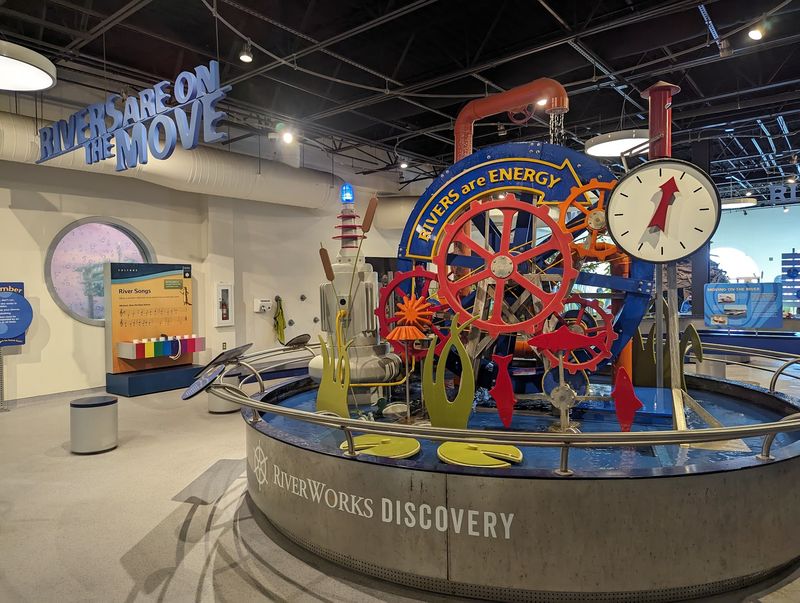
Water looks simple until you try to control where it goes. Interactive displays, including dam models mentioned by visitors, let you test ideas with your hands instead of only reading about them. Move a control, watch what changes, and think about why a river might behave differently after people build along it.
These activities make a big topic easier to grasp. Dams and other river structures can affect travel, nearby communities, and the places where animals live. A model cannot show every result, but it can help you see that one change in the water can lead to another.
Try making a prediction before touching the controls. Will the water rise, slow down, or take a new path? Afterward, compare what happened with your guess and talk about what surprised you.
For younger visitors, this can feel like play, which is part of its value. For older visitors, it is a chance to ask harder questions about how people use a powerful river. Give everyone a turn, and read the nearby labels so the activity connects to real river history. Hands-on exhibits work best when you pause long enough to notice the result, rather than simply pressing every button and moving on. That small pause can make a lesson stick.
History Has a Local Side
A river’s history is also the history of people living beside it. Along with its animals and boats, the museum presents local stories through exhibits that visitors describe as informative and well kept. Paintings, objects, and written displays can help you picture lives shaped by the water nearby.
Start by looking for ordinary details, not just major events. What work did people do? How might travel, trade, or changing river conditions have affected a family? Questions like these can make an unfamiliar time feel easier to understand.
One visitor praised the local history area even while feeling less excited about other parts of the attraction. That is a useful reminder: you do not need to love every exhibit to find something meaningful here. If you came mainly for the aquarium, leave time for the history galleries too.
Read one label closely and find a detail you can share with someone else. A young visitor might notice a tool or a boat; an older visitor might connect a display to stories heard at home. It also helps to ask how the past connects with the river you know today. The most memorable history is not always dramatic. Sometimes it is a clear glimpse of how neighbors worked, traveled, and built daily routines around the Mississippi.
Freshwater Life Makes History Visible
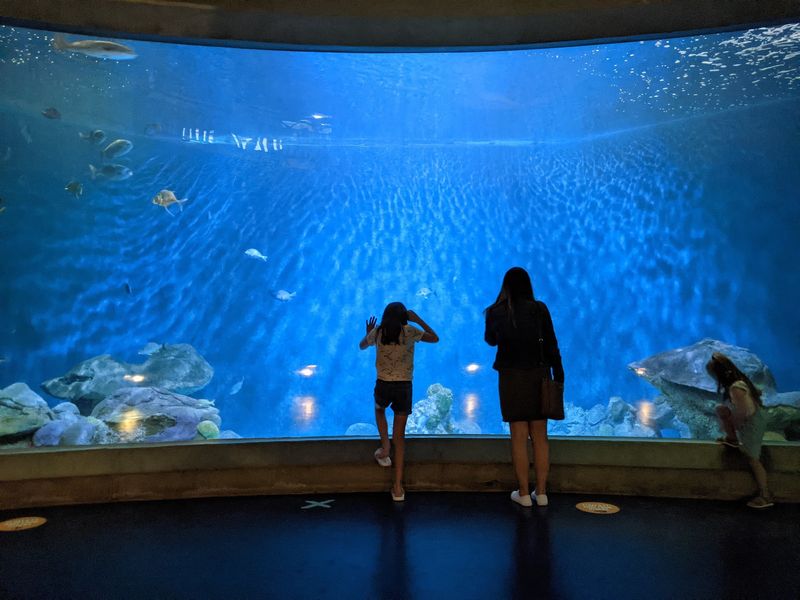
Fish moving behind the glass can pull your attention away from every sign in the room. That is fine; watching closely is a good way to begin learning about a river. The aquarium exhibits show aquatic life up close, adding living examples to the museum’s displays about the Mississippi and other waterways.
Pick one animal and follow it for a minute. Notice where it swims, whether it hides, and how its body helps it move. Then read the exhibit label to see what you learned by watching and what you could not have guessed.
These tanks can also lead to questions about clean water and healthy habitats. A river is not just a route for boats or a line on a map. It is a home where changes in water and surroundings can affect the creatures that depend on it.
Visitors often mention the range of fish and other aquatic animals as a highlight. If you are with children, let each person choose a favorite and explain why. That simple task keeps the group interested without turning the visit into a test. Before moving along, take another look at the habitat around the animal. The rocks, plants, and water tell part of the story too, connecting a living creature to the wider river world.
Otters Reward a Patient Watch
An otter can turn a quiet stop into a lively one in seconds. Visitors often name the otters among their favorite animals, and it is easy to see why when one swims past or changes direction without warning. The trick is to stay for a while rather than expecting a show on your schedule.
Watch how an otter moves through water compared with how it moves on land. Ask a child what its shape and feet might help it do. Looking for clues before reading a label makes the information more fun to discover.
Otters also offer a simple way to talk about habitats. They need more than water alone; the places around a river matter as well. That thought connects the animal exhibit with the museum’s larger story about life near waterways.
If the otters are resting, do not rush past in disappointment. Read the signs, look at the habitat, and come back later if your route allows it. Animal activity changes during the day, and patient watching is often part of the reward. Keep voices calm near the viewing area so other guests can enjoy it too. A favorite animal may be what draws your group over, but careful observation can leave everyone with a better sense of the river world it represents.
Touch Tanks Add a New Point of View
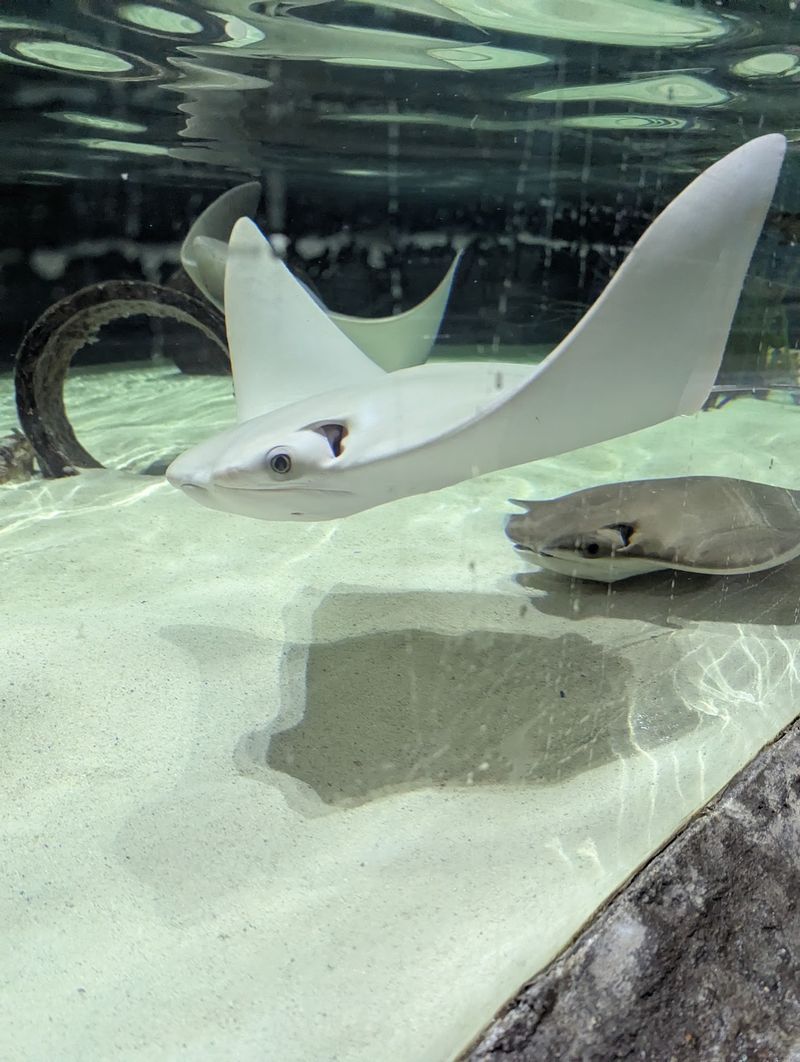
A stingray gliding under your hand is hard to forget. The touch tank is a popular part of the visit, but it can also be a chance to practice careful, respectful contact with an animal. Follow staff instructions, use a gentle touch, and let the animal move on its own.
Before reaching into the water, watch how the stingrays swim. Their broad bodies and smooth movement give you plenty to notice without touching them at all. Ask what helps them travel through the water, then look for answers in the exhibit information.
Visitors have also described other touch experiences and optional stingray feeding. Availability and added costs may vary, so check current details if an encounter is a key reason for your trip. Feeding spots can be limited, making advance planning helpful.
For families, this is a good moment to talk about the difference between meeting wildlife and treating it like a toy. Taking turns and listening to the people caring for the animals helps keep the experience comfortable for everyone. Bring a little patience if the area is busy. The real reward is not just saying you touched a stingray. It is leaving with a closer look at an animal whose life is very different from your own.
Save Time for the Outdoor Exhibits
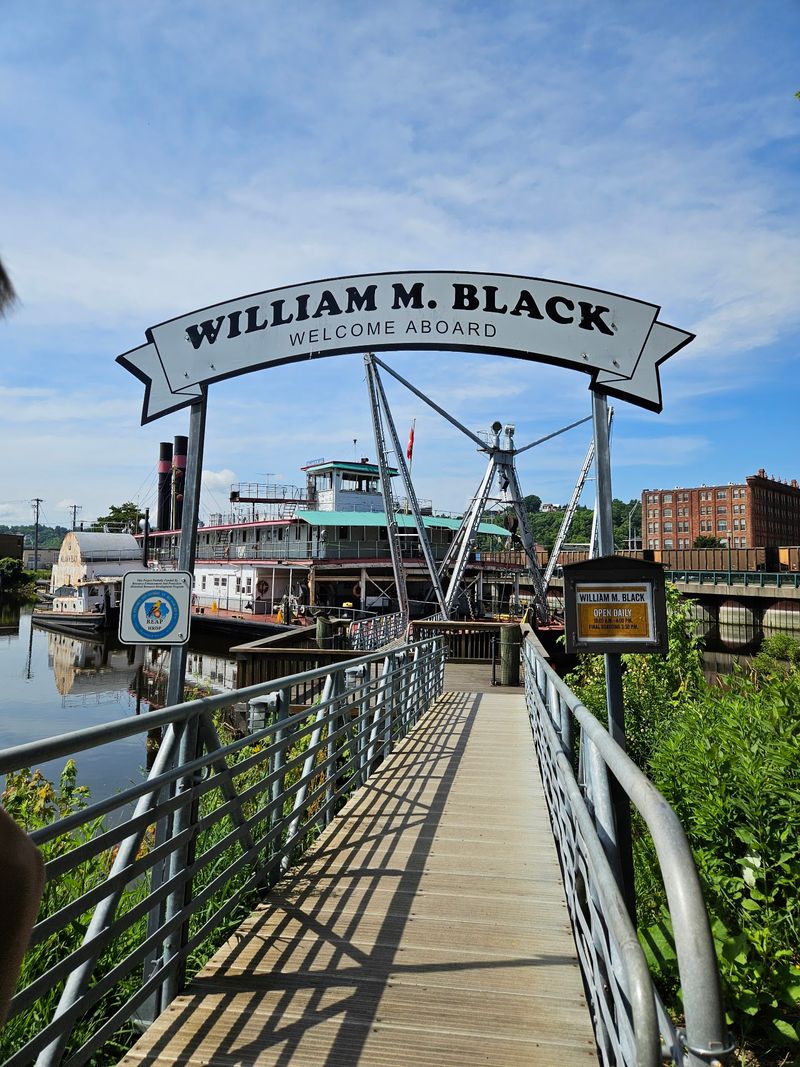
Fresh air can feel like a welcome break after a long stretch indoors. The outdoor exhibits and boatyard are easy to overlook if you assume the visit ends at the doors. Visitors have pointed out that there is more to explore outside, with river-related displays adding another layer to the museum experience.
Weather can shape what you see. One family reported that outdoor attractions were closed during a cold visit, even though the indoor exhibits kept them busy for hours. If an outdoor stop matters to you, check current access before you go and dress for the conditions.
Think of this area as part of the history story, not simply a place to walk between buildings. Look closely at the scale of the boats and the equipment around them. Details that seem small in a photograph can feel very different when you stand nearby.
A little planning can keep the day pleasant. Save enough energy for the walk outside, especially if you have already spent time on two indoor floors. You might visit the outdoor displays between gallery stops rather than leaving them until everyone is tired. When you head back inside, compare what you saw outdoors with the models and stories in the exhibits. That connection helps bring the river’s working past into focus.