
The first thing you may notice in Guilford is how easy it feels to stop walking and simply look around.
On the Connecticut coast, this town offers a broad green, old buildings, wooded trails, and places to watch the water without checking the time every few minutes, which makes it a welcome break when your week has felt like one long race from one task to the next.
You can spend a morning learning local history, take an afternoon walk under the trees, or settle near the shore with a snack and absolutely no plan beyond enjoying it, though checking opening hours and beach rules before you go will keep that easy day easy.
Whether you live nearby or are making a special trip, Guilford shows that slowing down does not mean running out of things to do; sometimes it means noticing the places you would have rushed past, and finding that they were the best part.
Take Your Time on the Guilford Green

Some town centers seem built for traffic, but the Guilford Green makes a better case for walking. Its broad lawn sits among streets lined with old buildings, giving you room to look around instead of watching a clock. Start with a slow lap and notice how the view changes from each corner.
Benches and shade make a pause feel like part of the visit, not a delay. Bring a drink, sit for a while, and watch neighbors cross the green on their way through town. If you enjoy architecture, take a closer look at the buildings around its edges without blocking sidewalks or private entrances.
The green also gives first time visitors an easy place to get their bearings. You can decide where to go next after you arrive, rather than planning every minute before leaving home. Check the town calendar if you hope to catch a public event, since dates and activities change through the year.
Early morning tends to offer a quieter stroll, while later hours bring more everyday bustle. Either way, leave yourself enough time to do nothing in particular for a few minutes. In Guilford, that can feel like the main event rather than a gap between stops.
Meet a Very Old House
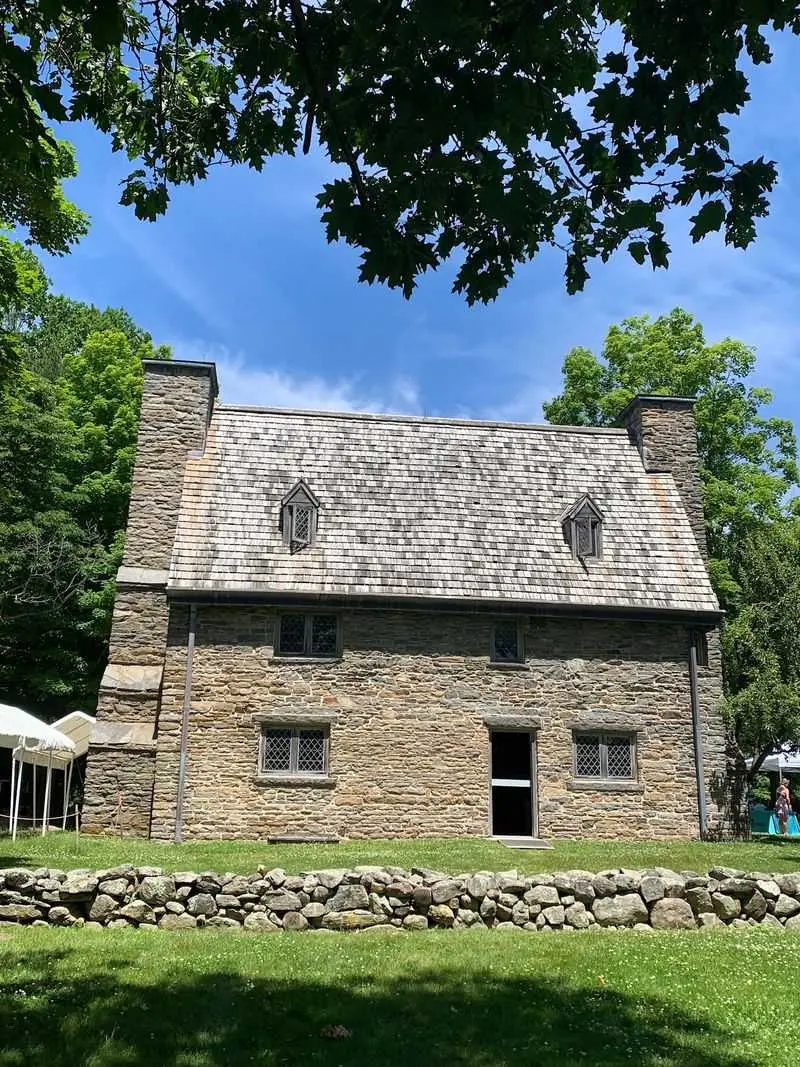
A stone house from the 1600s can make your packed schedule seem wonderfully small. The Henry Whitfield State Museum centers on a house built in 1639, and its sturdy walls offer a close look at Guilford’s early history. Even from outside, the building invites you to wonder how people lived when every ordinary chore took much more effort.
Plan ahead if you want to explore the museum, because hours and tour options can change. Checking the official museum information before you leave is far less exciting than time travel, but much more useful. Once there, give yourself space to read the exhibits instead of trying to race through them.
History feels more real when you focus on daily details. Think about heating a home, storing food, or sharing rooms without the comforts most of us take for granted. Children can join in by spotting building materials and asking what they would miss most from home.
Be respectful of signs and any areas that are closed to visitors. Afterward, take a quiet moment to look back at the house and compare it with the town around it. Guilford has changed greatly since its founding, yet this building helps you see how long its story has been unfolding.
Let Jacobs Beach Set the Pace
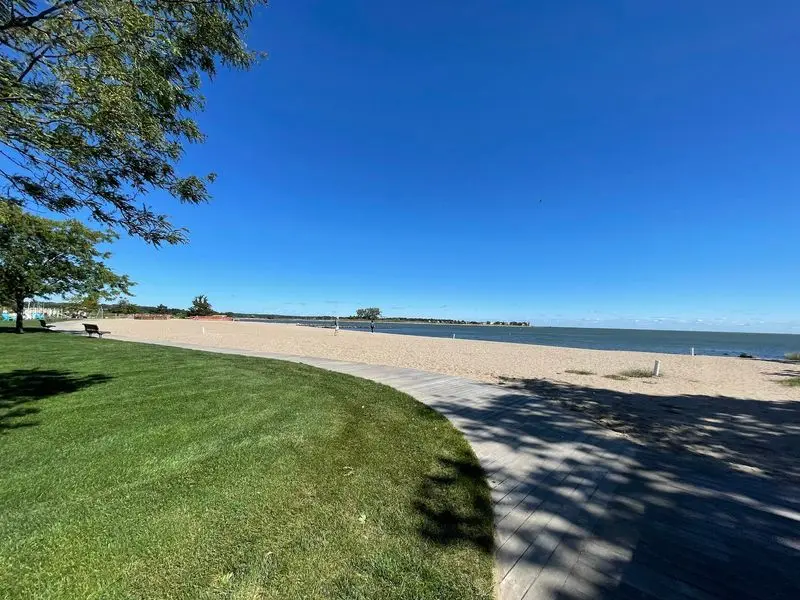
Salt air has a sneaky way of making a busy day feel less urgent. At Jacobs Beach, Guilford’s town beach, you can trade a screen full of reminders for views across Long Island Sound. A short shoreline visit is enough to change your mood, even if swimming is not on your plan.
Beach access rules, parking fees, and seasonal services can change, so check current town information first. That small step helps you avoid arriving with a towel and nowhere to park. Pack water, sun protection, and shoes that work for both sand and nearby paved areas.
Walk slowly and watch how the light moves across the water. If you bring children, agree on a meeting spot and keep a close eye on them near the shore. Swimming conditions and lifeguard schedules vary, so follow posted guidance rather than guessing that calm looking water is safe.
A picnic can stretch the visit without making it complicated. Bring food you can carry easily, take your trash with you, and leave room for other beachgoers to spread out. When it is time to go, you may find that doing very little beside the water gave the whole day a fresh start.
Follow the Trails at Westwoods
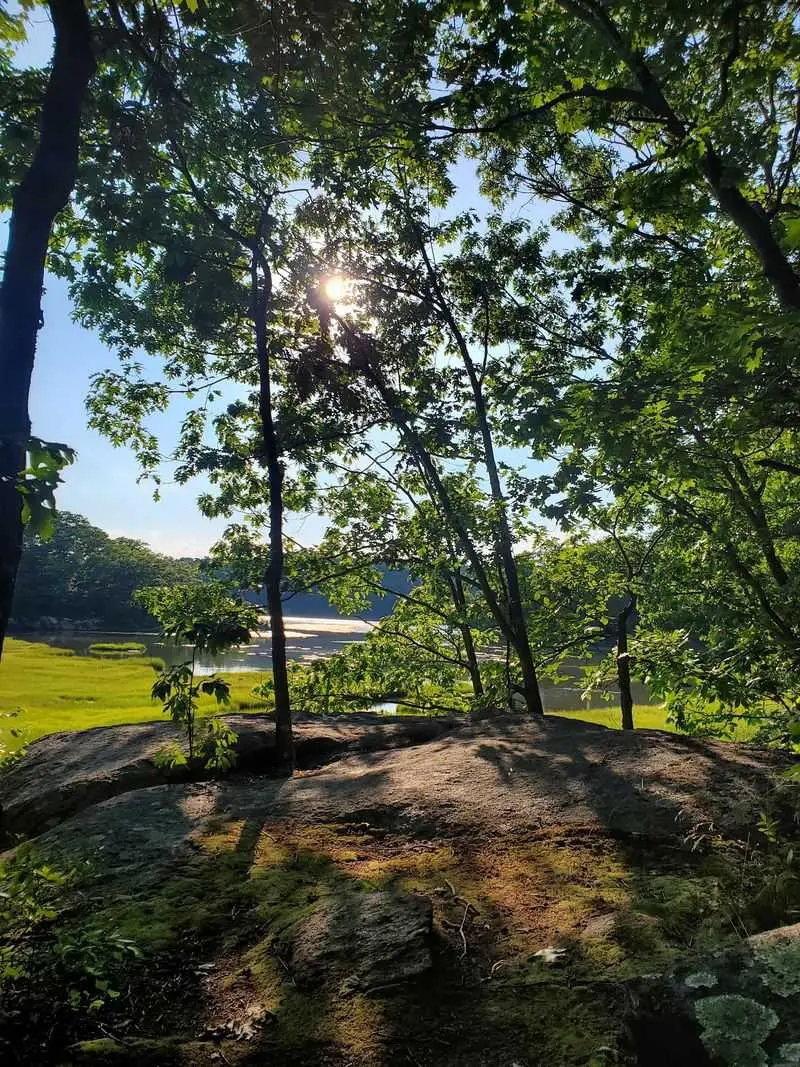
Roots, rocks, and winding paths have no interest in your to do list. Westwoods offers wooded trails where a walk can feel like a small adventure without leaving Guilford. The ground can be uneven, so sturdy shoes matter more here than a fast walking pace.
Before setting off, find a current trail map and choose a route that suits your time and ability. Trail markings help, but it is smart to keep track of your starting point and bring a charged phone. Carry water, especially on warm days, and allow extra time if you like stopping to look at plants.
The forest rewards people who move quietly. Listen for birds, notice changes in the trees, and watch your footing when the path crosses damp or rocky spots. If you hike with a friend, take turns choosing when to pause; neither of you needs to win the walk.
Stay on marked routes to protect the area and avoid getting turned around. Check local guidance about dogs and other trail rules before visiting, and carry out anything you bring in. You do not need to cover every trail for the outing to count. Sometimes reaching a pleasant spot, breathing deeply, and heading back is exactly enough.
Watch the East River Change
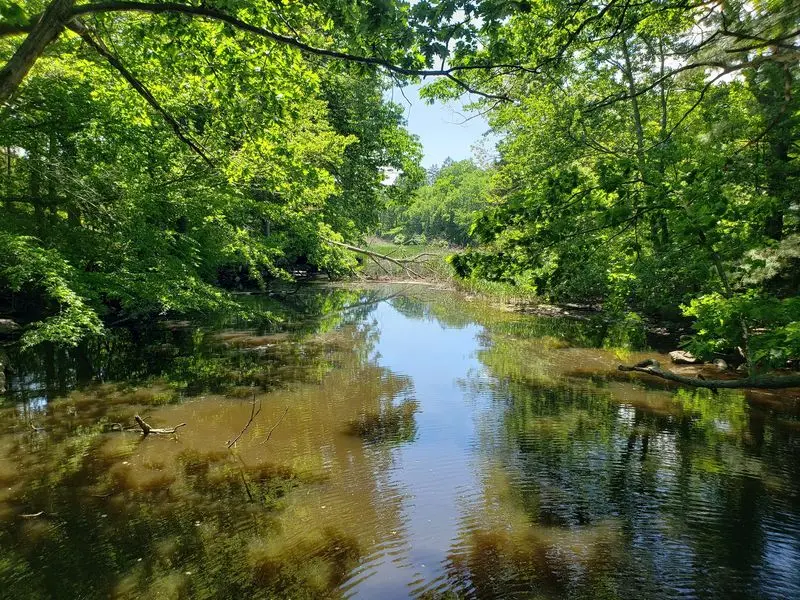
Marsh grass does not look the same for long when the tide is moving. At Guilford’s East River Preserve, trails offer a chance to notice water, woods, and open spaces at a slower speed. Bring binoculars if you have them, but your eyes and a little patience work fine too.
Start by checking a preserve map so you know which paths fit your outing. Wear shoes that can handle mud after rain, and turn back before you feel tired rather than pushing for one more bend. Wildlife watching works best when you stay quiet and give animals plenty of space.
Pause where you can safely step aside from the trail. Look for changes in the waterline, the shapes of grasses, or birds moving between feeding spots. You may see something new on a return visit because the season and tide keep changing the scene.
Keep children close near water and follow posted rules throughout the preserve. Taking photos is fun, but try putting your phone away for part of the walk so you can hear what is around you. There is no prize for finishing quickly here. The best part may be realizing how much happens when you stand still.
Find Everyday History at Dudley Farm
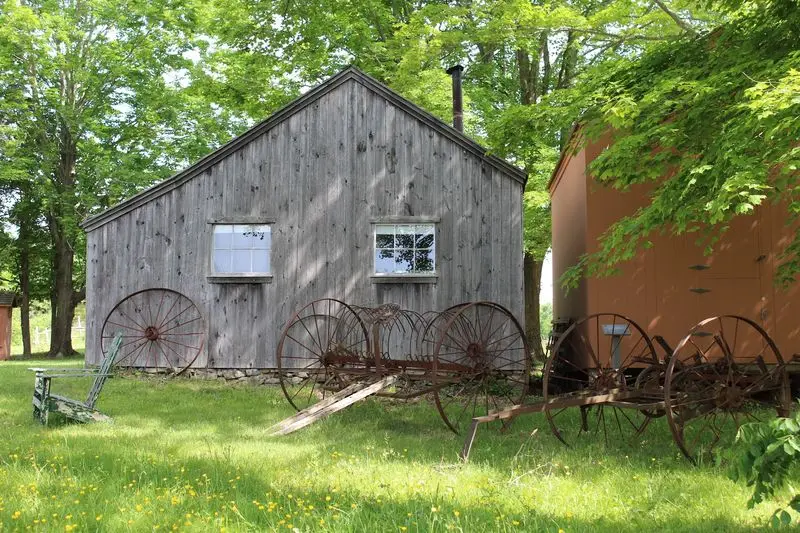
Not every history lesson needs a battle or a famous speech. At the Dudley Farm Museum, the focus falls on farm life and the work that helped shape Guilford over generations. Its historic setting makes it easier to picture a day organized around gardens, animals, weather, and chores.
Look up visiting hours and events before making the trip, since museum access may be seasonal. A guided visit or public program can add useful stories that a quick look at the grounds might miss. Ask what tools were used for ordinary tasks, and imagine trying to finish those jobs before dark.
Families can turn the visit into a simple game of observation. Count the different buildings you can see, compare old farm spaces with a modern yard, or pick one object to learn more about. Questions often lead to better memories than trying to memorize every date.
Give the site the care you would give someone’s home. Follow signs, stay in visitor areas, and check whether photography is allowed inside before taking pictures. When you leave, a regular grocery trip may suddenly feel surprisingly easy. That little change in view is one of the quiet pleasures of spending time with Guilford’s past.
Linger by the Town Dock

Boats make even a short pause feel like the start of a story. Around the Guilford Town Dock, you can watch activity on the water and enjoy another side of this coastal town. No boat is required; standing back and taking in the harbor can be its own outing.
Public access and parking arrangements can vary, so read signs carefully when you arrive. Working waterfront areas need room for people handling boats and equipment, even when the view makes you want to wander everywhere. Keep clear of ramps and give anyone moving gear the space they need.
Try visiting when you have no other stop immediately afterward. Notice the sounds of lines, gulls, and water against the dock, then see how many minutes pass before you reach for your phone. If you bring a younger child, hold hands close to the edge and explain why docks require careful steps.
Weather matters more by the water than it may seem from your car. Take a light layer on a breezy day and leave if conditions turn rough. A harbor visit does not need a big plan or a long stay. Sometimes the simple sight of boats coming and going is enough to make your own afternoon feel less crowded.
Make Room for an Unplanned Main Street Stop

A good small town stroll has one rule: leave space for a surprise. Near the Guilford Green, streets and storefronts invite you to browse at a pace that would drive a stopwatch wild. You might stop for a snack, notice an old building, or find a window display that makes you double back.
Check business hours if you have a particular shop or meal in mind. Otherwise, give yourself permission to follow whatever catches your eye, while using marked crossings and respecting private property. Walking rather than driving between nearby stops lets you see details you would miss through a windshield.
A relaxed visit can still be thoughtful. Bring a reusable bag for purchases, save room in your schedule for a break, and ask staff about an item if you are curious. Local businesses have their own hours and busy times, so a little patience goes a long way.
Before you leave, sit near the green again and think about your favorite unexpected moment. It may not be the stop you planned or the photo you took. Guilford is especially good at reminding visitors that a day does not have to be packed to feel full. For once, the detour can be the destination.