A quilt can hold more than warmth: its colors, scraps, and stitches can carry memories of the people who made it.
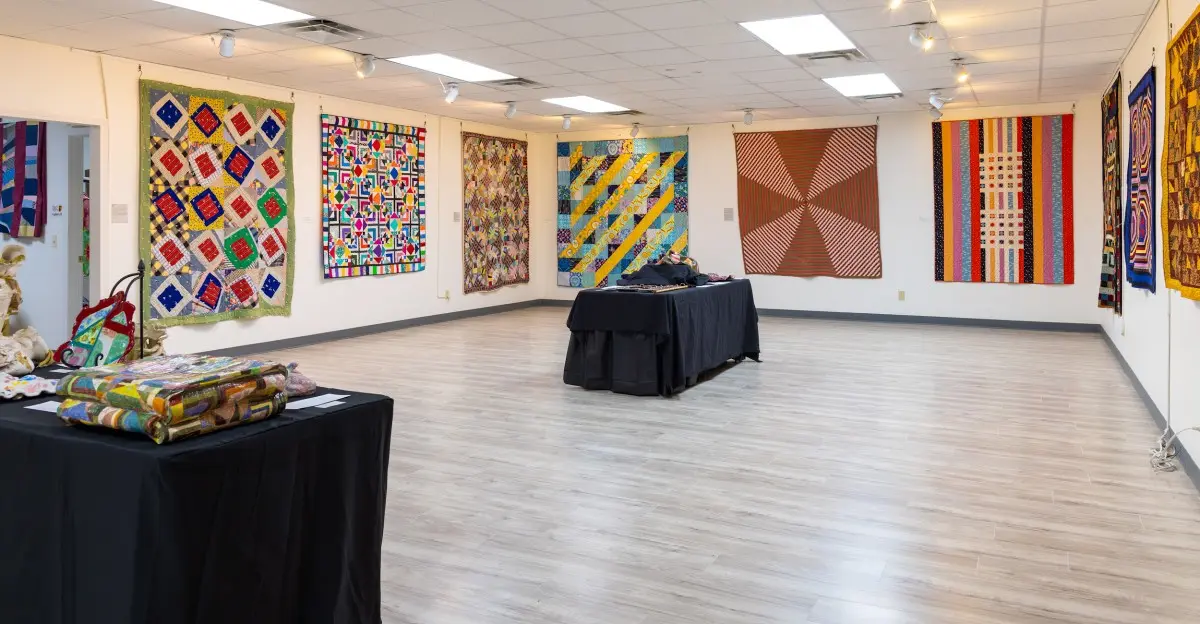
At the Southeastern Quilt & Textile Museum, visitors can look closely at quilts and textile art while learning how these skills connect families, artists, and communities across generations.
The museum is small enough to explore at your own pace, yet its changing exhibits give you a reason to return and discover a different story.
Come ready to notice the details, read the labels, and imagine the hands that turned ordinary fabric into something worth keeping.
Scraps With Stories
A tiny square of fabric can bring back a whole afternoon.
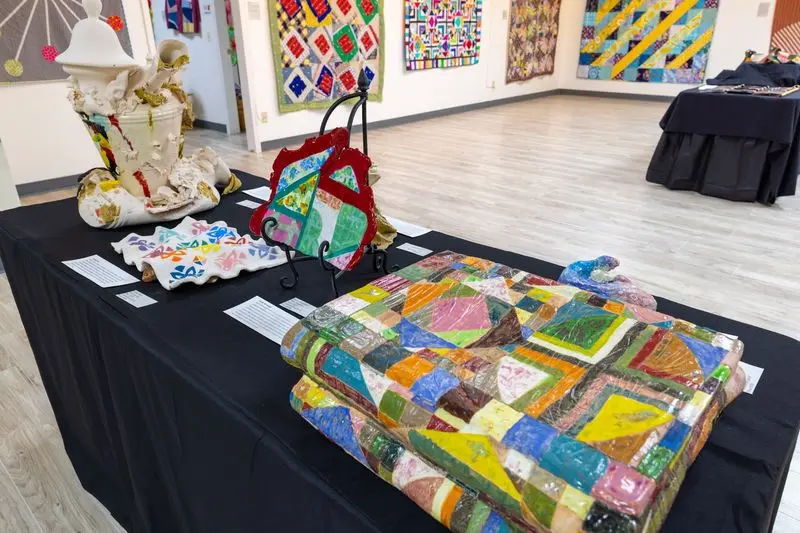
Visitors have praised scrap quilts displayed at the Southeastern Quilt & Textile Museum, and it is easy to see why.
Pieces with different colors and patterns invite you to wonder where each one began.
A scrap quilt might use leftover cloth rather than brand-new fabric, giving small pieces another purpose.
Look for prints that seem to clash at first.
Then step back and notice how their colors work together across the quilt.
Some pieces may appear carefully planned, while others create a lively surprise.
That mix makes scrap quilts especially fun to study, even if you have never held a needle.
Bring a younger visitor into the game by asking them to pick a favorite patch.
You can talk about the clothes or curtains your family has kept over the years.
The quilt on display does not have to be made from those things to start a useful conversation about saving and reusing fabric.
Take time with any information posted beside the work.
A label may tell you more than a quick glance can reveal.
If you are curious about a technique or maker, ask a staff member.
One little patch can lead to a much bigger story.
Patterns Passed Along
Rows of shapes can feel almost like a song.
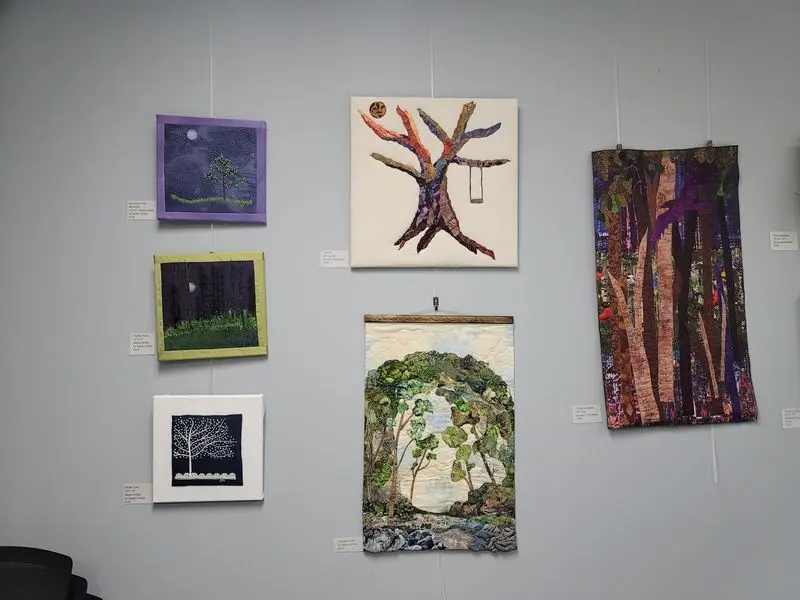
Traditional quilts at the museum give visitors a chance to spot repeated blocks, borders, and color choices.
Follow one shape with your eyes as it crosses the fabric.
Soon, you may notice how a maker built a larger design from simple parts.
Quilting skills often travel from one person to another through teaching and practice.
A pattern can connect makers across different times, even when each person chooses their own colors.
The finished work reflects both a shared method and an individual hand.
That is part of what makes an older style worth looking at closely.
Try comparing two quilts instead of rushing past them.
Do their pieces have similar shapes but different arrangements?
Does one feel calm while another seems busy?
There is no test to pass here.
Noticing a difference is enough to begin understanding how design works.
If a label shares a maker’s background, read it before you move on.
Names and dates help place the fabric within a life, not just a display.
You can also ask the staff what to watch for in a certain pattern.
Their answer may change the way you see every block in the room.
The Art in Every Stitch
Not every quilt is meant to look like the one on a bed.
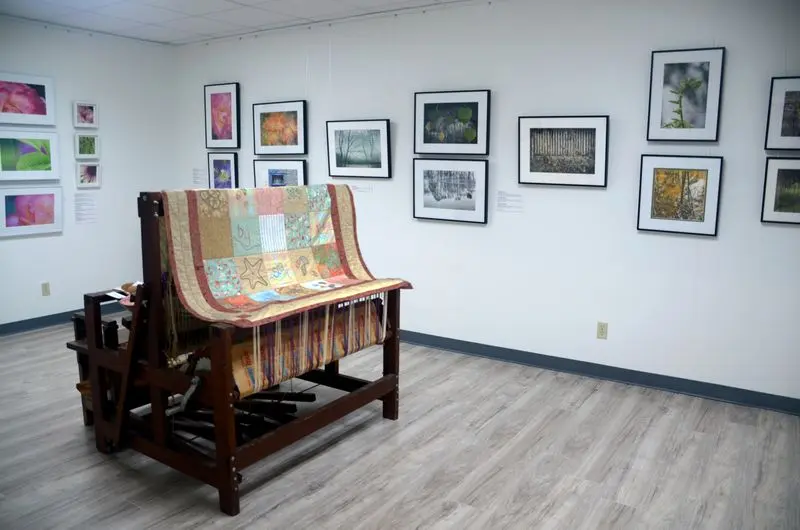
The museum has shown art quilts as well as traditional pieces, giving visitors another way to think about fabric.
In an art quilt, a maker may use cloth, color, and stitching to explore an idea or create an image.
The result can feel like a painting made with thread.
Begin by looking from across the room.
What catches your eye first: a bold shape, a bright color, or a surprising line?
Move closer if the display allows it, and notice the smaller decisions behind that first impression.
Layers and stitches can add details that are easy to miss from far away.
You do not need to guess what the artist intended.
Read the label when one is available, then compare its message with what you noticed yourself.
Two visitors can respond to the same work in different ways.
Talking about those differences makes the visit more interesting.
If you enjoy drawing, try sketching a simple fabric-inspired design after you leave.
Use squares, curves, or colors that stayed in your mind.
The exercise shows how many choices fit into one quilt and why textile art deserves a slow, thoughtful look.
A Signature From the Past
A name written on fabric can make history feel close.
A visitor has described learning about an old signature quilt connected to their family, including details they had not known before.
Their experience shows why the stories around a quilt can matter as much as its pattern.
A name, a date, or a note may offer a clue about the people who valued it.
When you see a quilt with writing, pause before studying the colors.
Look for how the names are placed and whether the text forms part of the design.
Do not assume that every signature means the same thing.
The museum’s label or staff may explain what is known about that particular piece.
Have an older quilt at home?
Write down what your family remembers about it, including who made it and how it was used.
Mark clearly which details are certain and which are guesses.
Keep that record with a photograph so the story does not disappear as years pass.
At the museum, give these personal details time to sink in.
They can turn a beautiful object into a record of real lives.
Even when a quilt’s full past is unknown, asking careful questions is a respectful way to begin listening.
Fresh Work on the Walls
The gallery does not tell just one story forever.
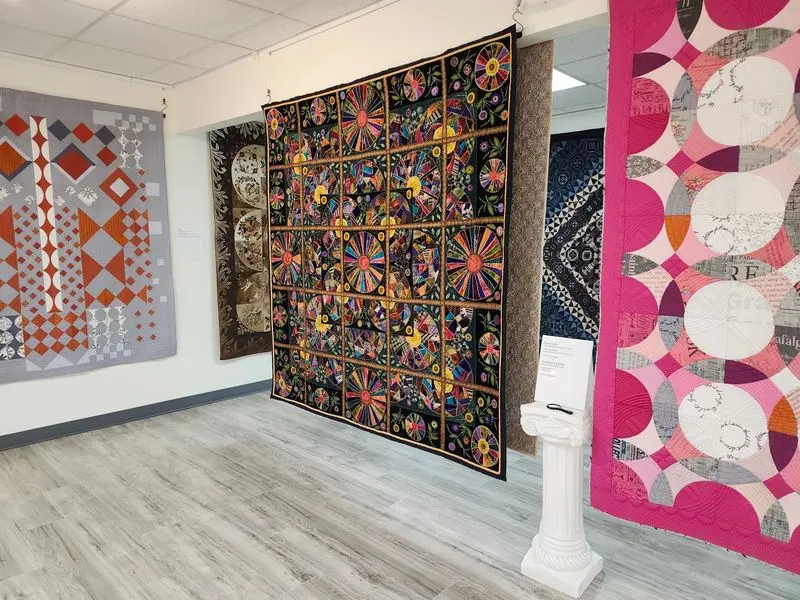
The Southeastern Quilt & Textile Museum changes its exhibits, and its responses to visitors have described a schedule of about every three months.
Past visitor accounts mention displays ranging from scrap quilts to art quilts and work by artists from Japan.
Treat those as examples of earlier shows, not a promise about what will be hanging when you arrive.
Before planning your visit, check the museum’s website or call to learn what is currently on view.
That quick step is especially helpful if you hope to see a certain type of quilt.
It can also tell you whether a new show is about to open.
Changing displays reward return trips.
You might notice familiar techniques used in a completely different way, or meet artists whose work is new to you.
Keep a short note about your favorite piece after each visit.
A few words about its colors, subject, or stitching can help you remember it later.
There is a lesson in that variety.
Quilting is not frozen in the past.
Makers keep testing ideas while drawing on skills that others learned before them, giving visitors new stories to consider each time.
Georgia’s Textile Thread
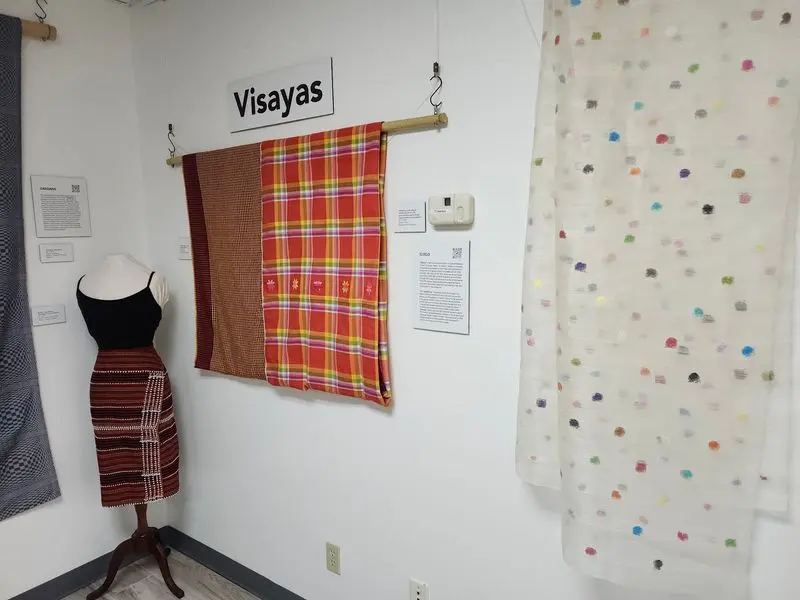
Fabric has a history before it becomes a quilt.
Visitors have reported learning about quilting and textile manufacturing in Georgia at the museum.
That wider view helps connect a finished piece to the cloth, labor, and skills behind it.
A beautiful design may catch your attention first, but the information on the walls can add another layer to what you see.
Read a history panel, then look back at a nearby quilt.
Think about how cloth is made, how pieces are cut, and how stitches hold everything together.
Those steps take time and knowledge.
Seeing them as part of the work can deepen your respect for the maker.
For a school-age visitor, this can be a way to connect art with history.
Ask what jobs or tools might be needed before someone could sew the first patch.
Let the exhibit provide facts, and keep any guesses separate from what the museum actually says.
That habit makes exploring more rewarding.
You can carry the idea home without special equipment.
Look at the tag on a shirt or feel two different fabrics.
Notice how much ordinary life depends on textiles.
The museum offers a place to start asking where those materials come from and whose hands shaped them.
Young Hands, New Ideas
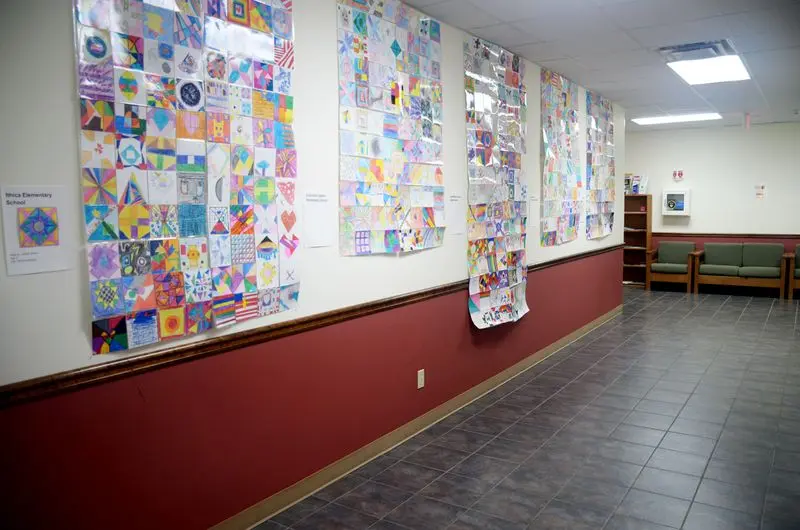
A young maker’s bold color choice can stop you in your tracks.
Visitors have mentioned seeing youth projects among the quilts at the museum, a reminder that textile skills do not belong only to adults.
Young people can learn to plan, measure, choose colors, and solve problems while making something they can show others.
If you visit with a child, let them lead part of the walk.
Ask which piece they would hang at home and what detail made them choose it.
Avoid rushing to explain why one quilt seems more difficult than another.
Their first reaction may draw your attention to something you missed.
Look closely at how different makers express themselves.
One person might favor neat rows; another might reach for a striking mix of shapes.
The museum setting gives each piece room to be considered as work made by a person with ideas.
That can encourage young visitors to take their own creative efforts seriously.
After the visit, try a small paper version of a quilt block.
Cut colored squares from scrap paper and arrange them in several patterns before gluing anything down.
It is a simple way to practice design without needing fabric or a sewing machine.
A Small Museum Worth Taking Slowly
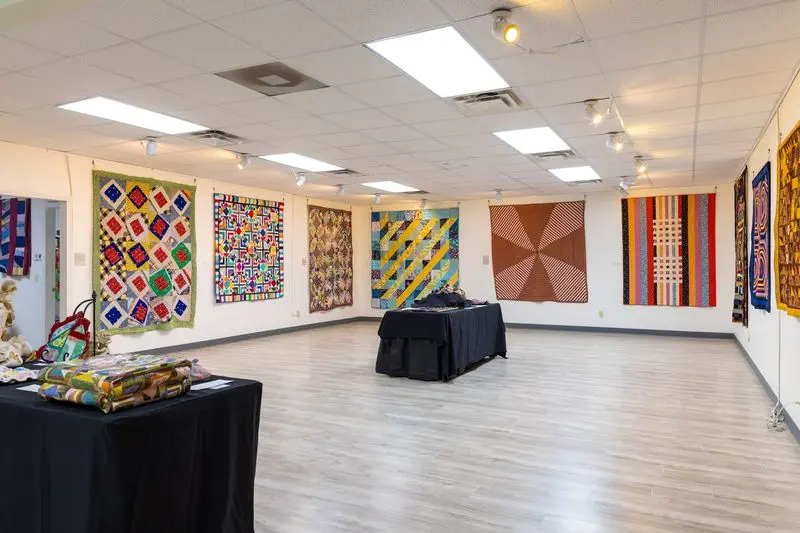
Big stories can fit inside a small gallery.
Visitors often describe the Southeastern Quilt & Textile Museum as compact, with friendly staff and a gift shop.
That size can work in your favor: you can slow down, revisit a piece, and spend time reading instead of trying to cover a huge building.
Give yourself room to notice what a quick walk might miss.
For directions, the museum is at 306 Bradley St Ste C, Carrollton, GA 30117.
Its listed hours are 10 AM to 4 PM Tuesday through Saturday, with Sunday and Monday closed.
Hours and exhibits can change, so check sqtmuseum.org or call 770-301-2187 before setting out.
That is useful if your trip depends on a particular show or event.
Once inside, ask staff about a quilt that interests you.
Visitor reviews often praise their welcome, and a conversation may help you understand a technique or find a detail you overlooked.
Keep questions tied to the work on display rather than expecting every quilt to have a complete recorded history.
Leave a few minutes for the shop, where a visitor has reported seeing items made by local artists.
Whether you buy anything or not, take one last look through the gallery.
Your favorite stitch may be the one you notice on the way out.