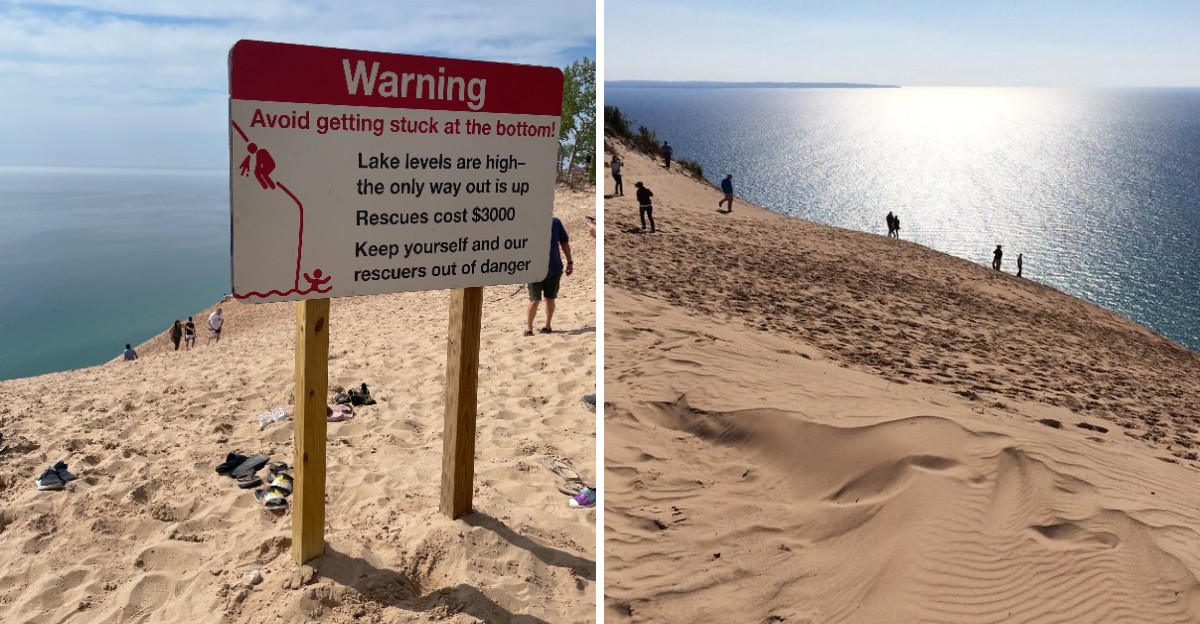
One step onto this Michigan sand dune, and your legs are in for a serious workout.
At Sleeping Bear Dunes National Lakeshore, towering waves of sand stretch along the Lake Michigan shore, creating one of the state’s most unforgettable outdoor adventures.
The famous Dune Climb dares visitors to scramble upward through soft, shifting sand, with wide-open views of Glen Lake and rolling dunes waiting above.
Every step feels harder than the last, but the scenery makes stopping difficult.
And if reaching the top leaves you wanting more, the adventure can keep going.
A demanding trail crosses several towering dunes before reaching Lake Michigan itself, turning a quick climb into a memorable hike.
Bring water, prepare for the heat, and get ready to earn those views.
This is Michigan hiking with plenty of sand, sweat, and spectacular scenery.
The Dune Climb Is Sleeping Bear Dunes’ Most Famous Sand Adventure
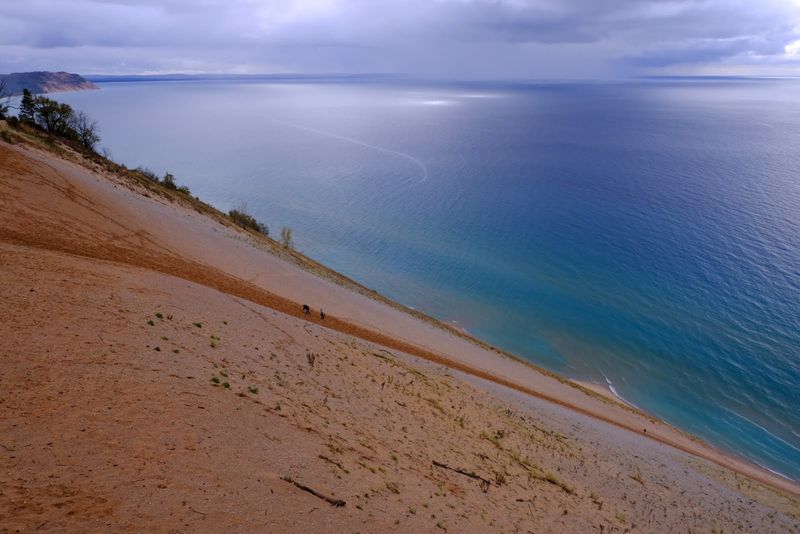
Picture a mountain of sand rising 284 feet straight up from a parking lot, and you’ve got the Dune Climb. Unlike traditional hiking trails with packed dirt and switchbacks, this attraction puts you right on open sand where the climb itself becomes the whole point.
Thousands of visitors every summer tackle this sandy slope, turning a simple walk into a memorable workout.
What makes this spot so special is its accessibility and instant challenge. You don’t need special gear or hours of driving down backcountry roads.
The parking area sits right at the base, and within seconds of stepping out of your car, you’re sinking your feet into soft sand and starting your ascent.
Families, fitness enthusiasts, and curious travelers all mix together on these dunes. Kids race up and roll down while adults pause to catch their breath and snap photos.
The Dune Climb has become Sleeping Bear’s signature experience because it delivers adventure without requiring extensive planning or outdoor experience.
Start With the First Big Push Up the Sand
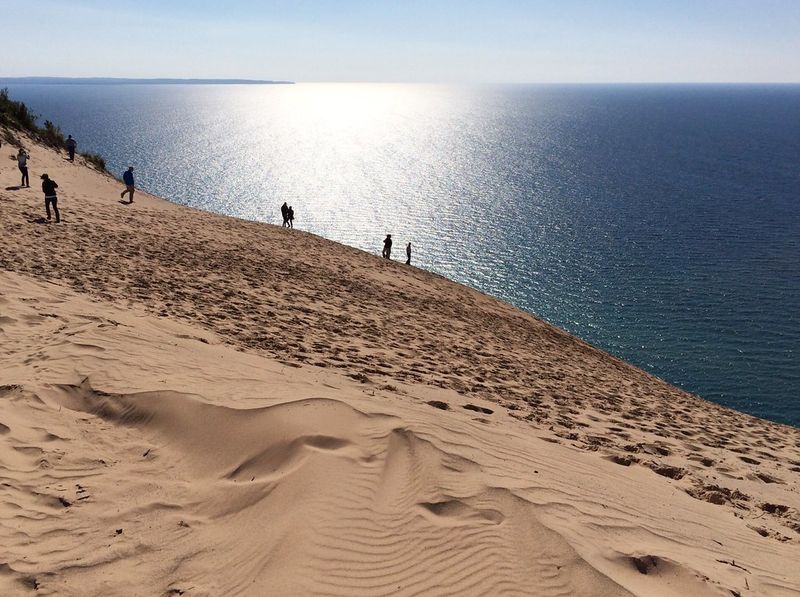
Your first steps onto the dune reveal just how different sand hiking feels compared to regular trails. Each footfall sinks several inches, forcing your leg muscles to work harder just to move forward.
What looks like a quick 10-minute climb from the parking lot often stretches to 20 or 30 minutes for first-timers who underestimate loose sand’s resistance.
About halfway up this initial slope, you’ll earn your first reward. Little Glen Lake appears below, its turquoise water contrasting beautifully against golden sand and green forests.
Many visitors stop here to rest, realizing they’ve already gotten a decent workout and a pretty view.
Some people turn around at this point, satisfied with their effort and the scenery. Others catch their breath and keep pushing upward.
The sand gets firmer in some spots and looser in others, creating an unpredictable surface. Your calves and thighs will definitely feel the burn, but the changing perspective makes each step worthwhile as the landscape opens up around you.
Reach the Higher Dune For a Bigger View
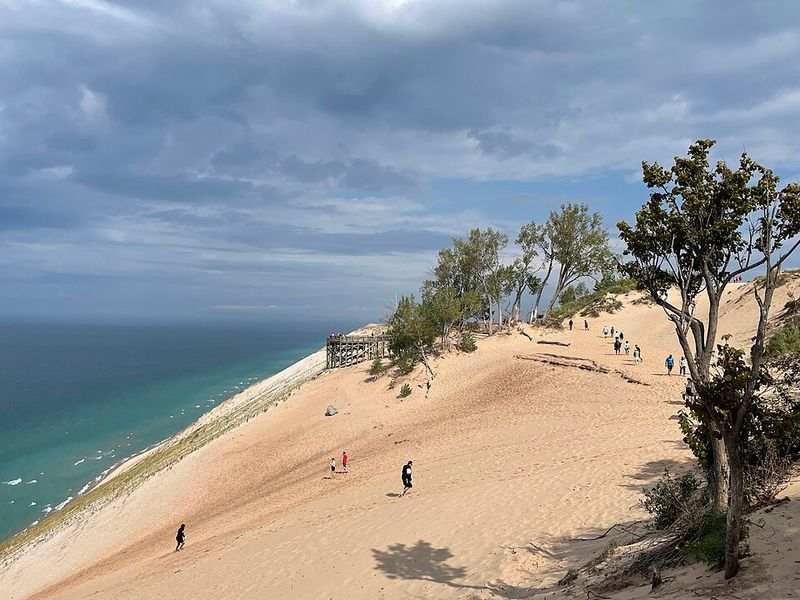
Climbing beyond the first dune reveals an entirely different landscape. The second rise offers a broader perspective across the dune field, with Glen Lake stretching out to one side and waves of sand extending toward the horizon.
You’ll notice the scale of this place better from up here.
Here’s where many visitors expect to see Lake Michigan spread out directly ahead. The reality surprises them.
The big lake sits roughly 1.5 miles away across several more large dunes, completely hidden from this vantage point. Getting there requires committing to the Dunes Trail, a much longer and harder journey than the Dune Climb itself.
Still, the view from this second hill impresses plenty of people. The dune ecosystem looks almost otherworldly from above, with patches of dune grass creating patterns in the sand.
Wind constantly reshapes these formations, meaning the exact contours you see today will shift slightly by next season. Take time to appreciate how the elevation changes your entire sense of the park’s size and complexity.
Understand Why the Dune Keeps Moving
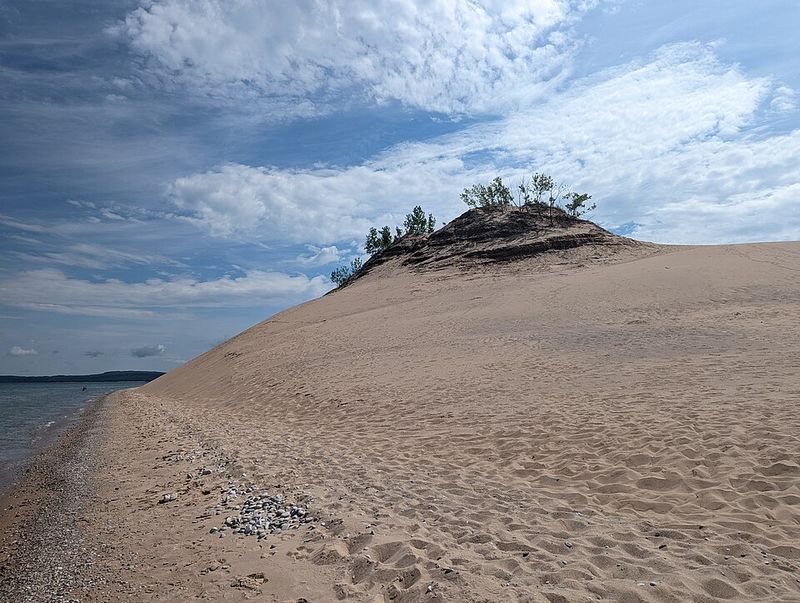
Here’s something wild: the dune you’re standing on moves about 2 to 4 feet closer to the parking lot every single year. That’s right, this massive pile of sand actively shifts, pushed along by prevailing winds that never stop reshaping the landscape.
Park rangers have tracked this movement for decades.
The sand’s origin story adds another fascinating layer. National Park Service research shows this sand didn’t blow inland from Lake Michigan’s beach.
Instead, it started higher up on the Sleeping Bear Plateau and got carried downward by wind over thousands of years. This makes the Dune Climb part of a much larger geological story about how glaciers, lakes, and wind work together to build dunes.
Understanding this movement helps explain why the park doesn’t build permanent structures near the dunes. Eventually, that sand would bury or damage anything in its path.
The parking lot might need relocating someday if the dune keeps marching forward. Nature owns this place, and humans just visit temporarily.
Expect the Sand to Be Harder Than It Looks
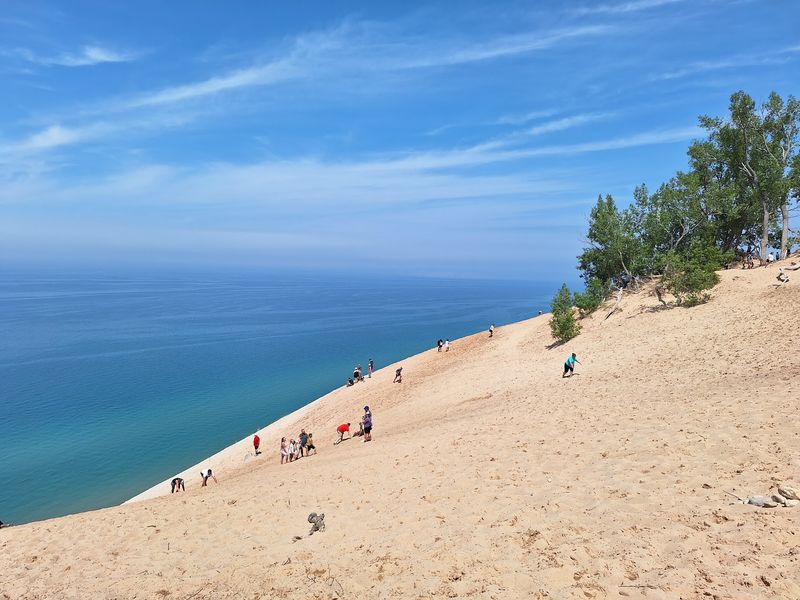
Don’t let the playful appearance fool you. Loose sand creates one of the toughest hiking surfaces you’ll encounter.
Your body works much harder here than on regular trails because every step requires extra muscle engagement just to push through the shifting ground. Add steep slopes to that equation, and you’ve got a genuine physical challenge.
Intense sun exposure makes everything harder. The sand reflects heat and light, turning the dunes into a bright, hot environment even on moderately warm days.
Without shade anywhere on the open dunes, you’ll feel the sun’s full strength. The sand itself can get scorching hot, sometimes too hot for bare feet or paws.
National Park Service rangers specifically recommend bringing water, sunscreen, sun protection, snacks, and appropriate footwear before attempting the Dune Climb. Many visitors arrive unprepared and struggle as a result.
Some shoes work better than others in sand. Dehydration happens quickly in this exposed environment.
Smart planning turns a potential ordeal into an enjoyable adventure you’ll remember fondly instead of regretting.
Take in the Dune Landscape Around You
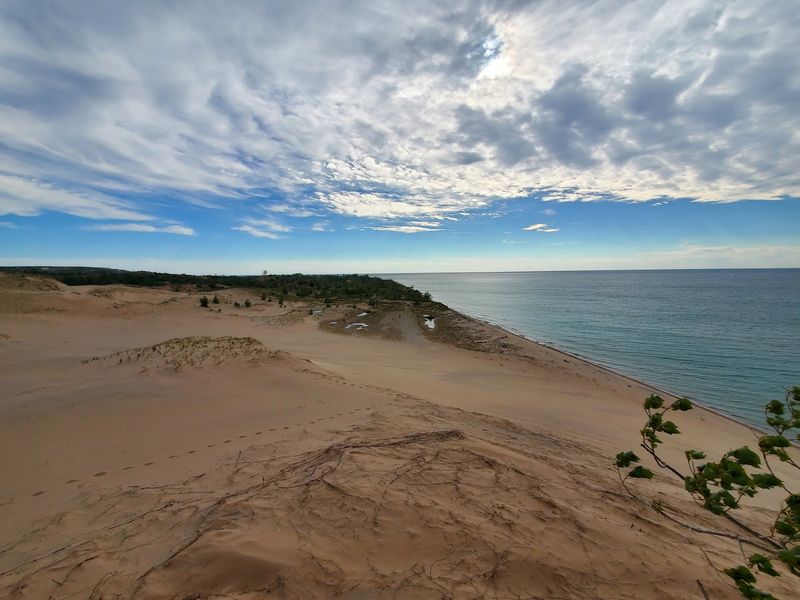
Once you pause from the physical effort, the scenery truly sinks in. Rolling sand formations stretch in every direction, creating patterns that look almost like ocean waves frozen in place.
Patches of dune grass dot the landscape, their roots holding small areas of sand in place while wind sculpts everything around them.
This open environment shows you how wind constantly reshapes the dunes. You might spot ripple patterns in the sand, ridges that formed from recent breezes.
The distant water adds color contrast, whether you’re viewing Glen Lake’s turquoise or catching glimpses of Lake Michigan’s deeper blue. The combination of sand, grass, water, and sky creates a surprisingly beautiful palette.
Staying on designated routes matters here, especially where marked trails exist. Dune vegetation grows slowly and fragilely in this harsh environment.
Walking off-trail can damage plants that help stabilize the sand and provide habitat for wildlife. Your footsteps might seem small, but thousands of visitors making the same choice would destroy important ecosystems.
Stick to worn paths and protect this unique landscape for future visitors.
Make the Dune Climb Part of a Bigger Sleeping Bear Dunes Day
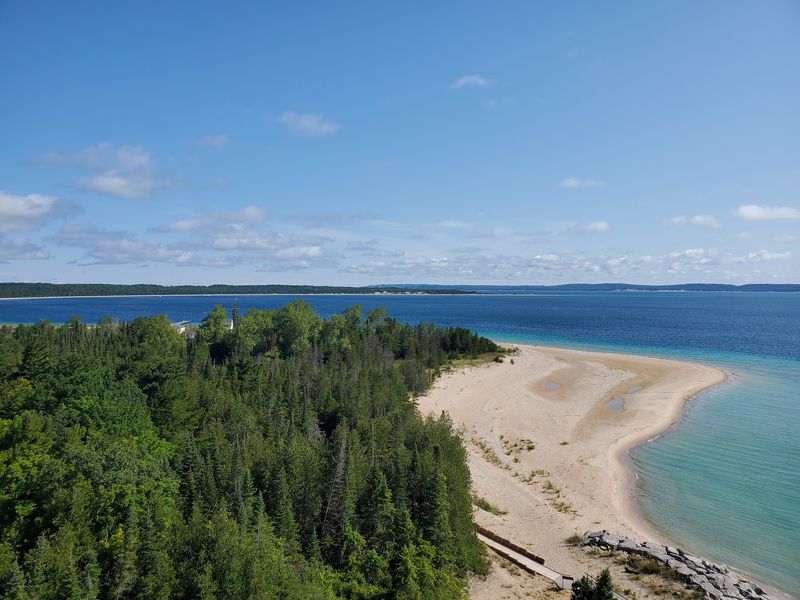
Smart visitors treat the Dune Climb as one stop on a fuller park exploration. Sleeping Bear Dunes National Lakeshore stretches along northwestern Michigan’s Lake Michigan shoreline, offering way more than just sand climbing.
Highway M-109 connects several major attractions, making it easy to visit multiple spots in a single day.
Pierce Stocking Scenic Drive gives you spectacular overlooks without the workout, perfect for after you’ve tired your legs on the dunes. Lake Michigan beaches provide spots to cool off and relax on gentler sand.
The Sleeping Bear Point area offers different trails and perspectives. Glen Haven presents historic buildings and a glimpse into the region’s past as a shipping and logging hub.
Planning a full day lets you experience the park’s variety. You might climb dunes in the morning when temperatures stay cooler, then drive the scenic route during midday heat, and finish with a sunset beach walk.
This approach keeps things interesting and prevents the Dune Climb from completely wearing you out. You’ll leave with a richer understanding of what makes this national lakeshore special beyond its famous sand piles.
Time Your Climb Around Heat and Crowds
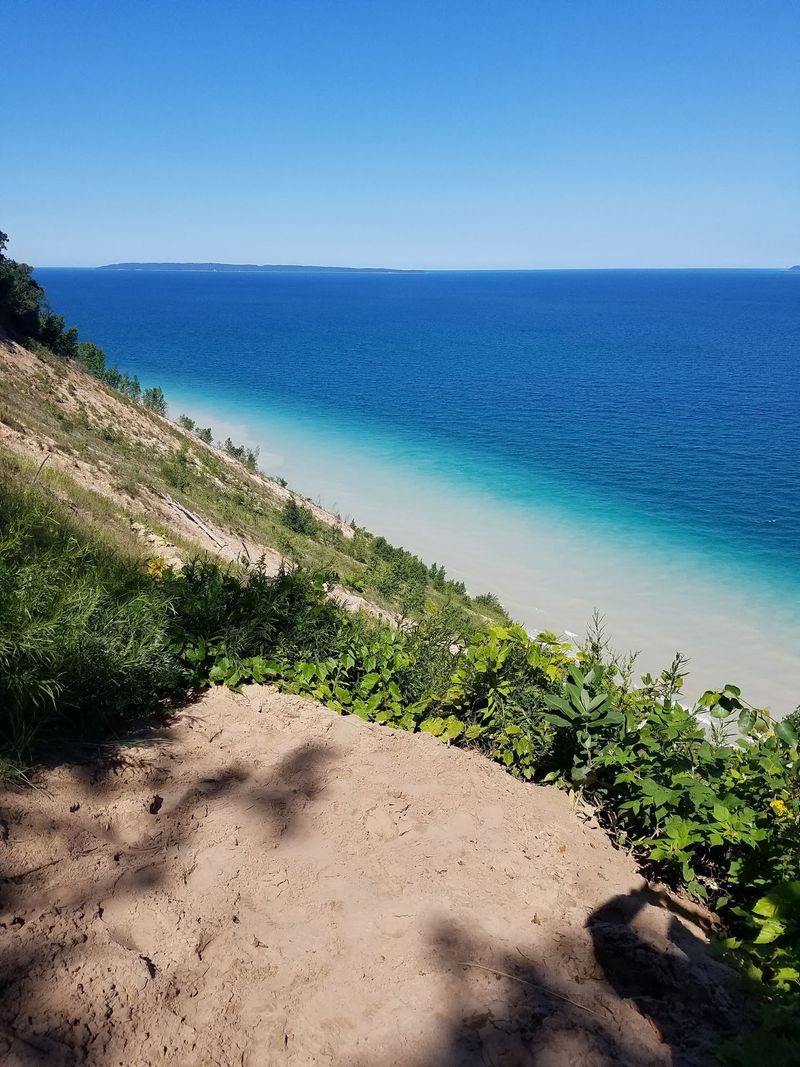
Summer weekends transform the Dune Climb into a busy scene, with the parking lot filling up and dozens of people dotting the sand at any given moment. National Park Service rangers recommend visiting before 10 a.m. or after 4 p.m. to avoid the worst crowds and score easier parking.
These timing windows also help you deal with summer heat more comfortably.
Early morning visits offer special advantages beyond just fewer people. The sand stays cooler, making bare feet or light shoes more practical.
Morning light creates better photo conditions with softer shadows and warmer tones. You’ll have more space to enjoy the climb at your own pace without constantly navigating around other groups.
Late afternoon visits work well too, especially if you can stay for sunset views. The exposed sand becomes more comfortable as temperatures drop.
Evening light makes the dunes glow golden and creates dramatic shadows across the landscape. You might share the experience with fewer families and more couples or solo travelers.
Either timing choice beats showing up at noon in July when heat and crowds peak simultaneously.
What To Know Before You Go
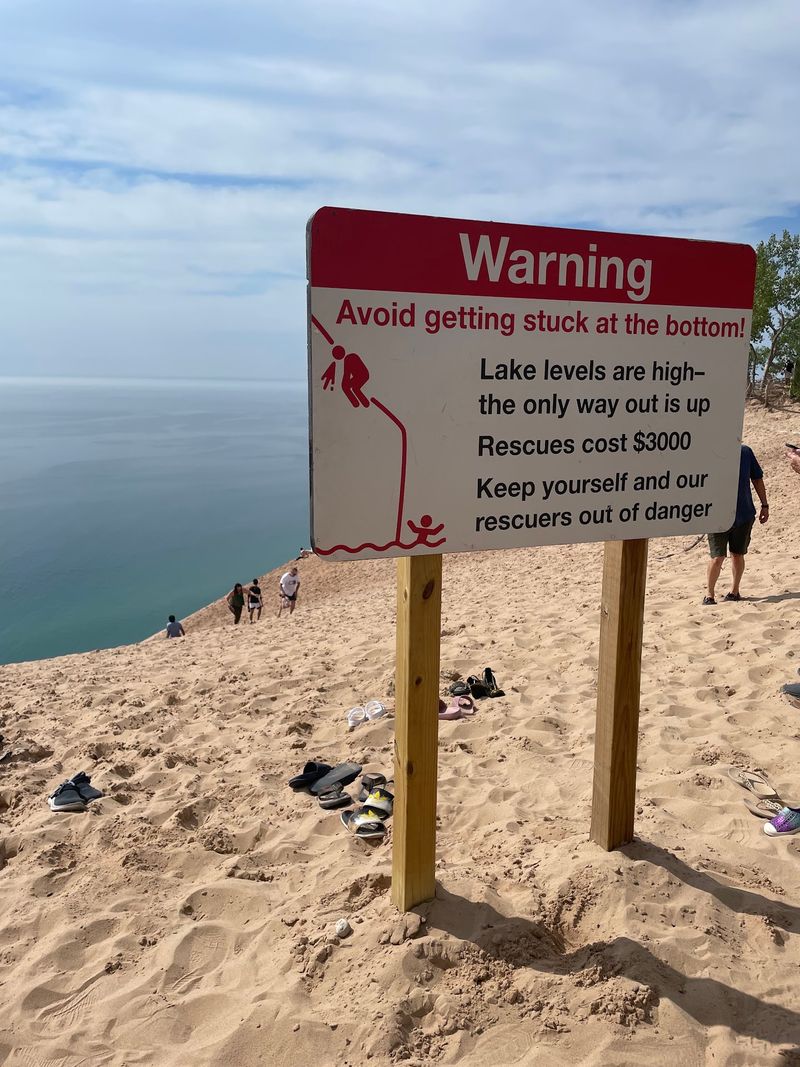
Planning ahead makes your Dune Climb visit smoother and more enjoyable. The site sits at 6748 S Dune Hwy, Glen Arbor, MI 49636, easily accessible from nearby towns.
You’ll need an entrance pass for Sleeping Bear Dunes National Lakeshore. Parking, restrooms, and a picnic area await at the base, providing basic conveniences before and after your climb.
Important restrictions apply. Pets aren’t permitted at the Dune Climb, so plan accordingly if you’re traveling with dogs.
Bring plenty of water because you’ll need more than you think in this exposed environment. Sun protection matters tremendously.
Pack sunscreen, hats, and sunglasses. Snacks help maintain energy during longer efforts.
Appropriate footwear ranges from sturdy sandals to hiking boots depending on your plans.
One critical clarification: the Dune Climb itself doesn’t put you at Lake Michigan. Standing at the top of the second dune still leaves you about 1.5 miles from the big lake.
Reaching actual Lake Michigan requires continuing on the Dunes Trail, a considerably more strenuous undertaking. Know your limits and plan accordingly before committing to the full hike.