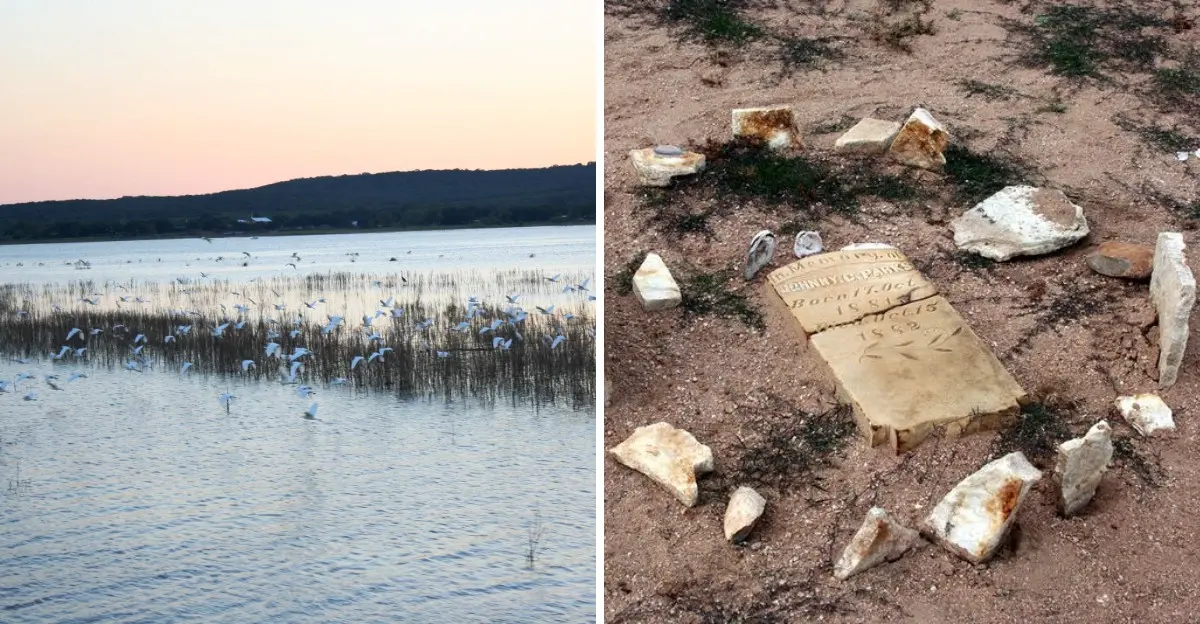
There’s a forgotten Texas town hiding beneath the waters of Lake Buchanan.
Long before the reservoir covered this stretch of the Colorado River, Bluffton was a lively community filled with homes, farms, businesses, and families.
People built their lives here, never imagining their town would one day vanish beneath a massive lake.
That changed in the 1930s when Buchanan Dam was built and the river valley began filling with water.
Families packed up and left, while the old townsite slowly disappeared beneath the rising reservoir.
Today, Old Bluffton remains hidden underwater, but drought can reveal pieces of what was lost.
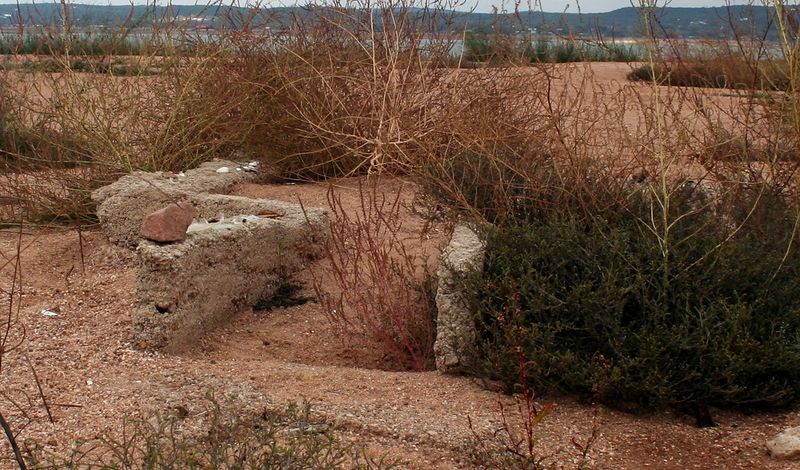
Foundations, roads, and other remnants have surfaced when Lake Buchanan drops low enough, giving visitors a rare peek at the Texas town beneath the lake.
Bluffton Began Along The Colorado River In The 1850s
Pioneers carved out a new life in the rugged Texas wilderness when Billy Davis arrived in 1852, followed by I. B.
Maxwell just a year later. These brave settlers chose a spot along the Colorado River that would soon become Bluffton, one of the earliest communities in what we now call Llano County.
The location wasn’t picked by accident.
River crossings gave travelers a safe place to ford the water, and a nearby saltworks brought economic opportunity to the growing settlement. Salt was valuable in those days for preserving food and feeding livestock.
The natural resources and strategic position along the river made this area perfect for establishing a town.
Within a few years, more families moved to the area, drawn by the promise of farmland and community. Bluffton quickly grew from a handful of homesteads into a recognized settlement.
The town’s early success laid the foundation for decades of growth and prosperity along the Colorado River’s banks in central Texas.
The Little Texas Town Eventually Became A Busy Regional Stop
Picture a dusty main street lined with wooden buildings where stagecoaches kicked up clouds as they rolled into town. That was Bluffton during its heyday in the 1870s and 1880s.
The post office opened, giving residents official recognition and reliable mail service. Soon, travelers knew Bluffton as an important stop between larger cities.
Local businesses sprouted up to serve the community and passing visitors. A blacksmith hammered horseshoes and repaired wagons.
The cotton gin processed harvests from surrounding farms. Hotel guests could rest in real beds after long journeys, while saloons offered refreshment and entertainment.
Disaster struck in 1883 when fire swept through the original settlement, destroying buildings and businesses. Many towns never recovered from such catastrophes, but Bluffton’s residents refused to give up.
They rebuilt their community nearby, demonstrating the determination that defined frontier Texas. This new location would serve them well until an even bigger challenge arrived decades later with plans for a massive dam project.
Bluffton Had Farms, Orchards, Homes, And A Community Before The Lake
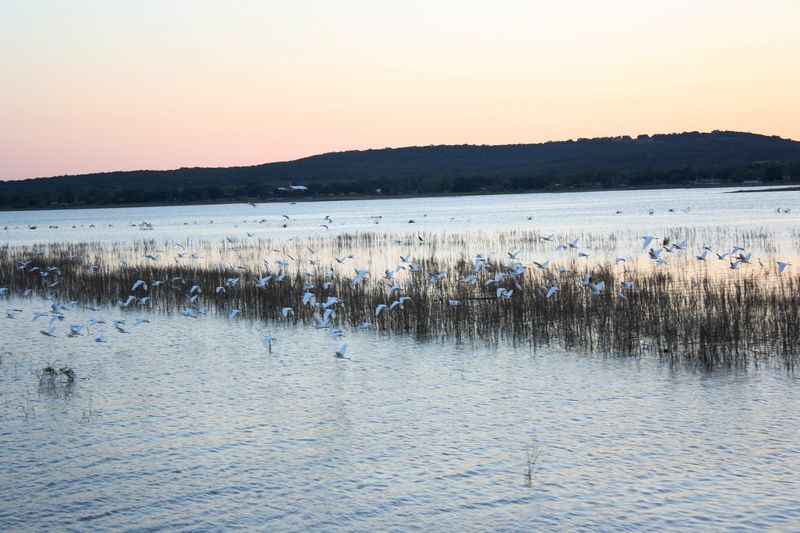
Old Bluffton wasn’t just a collection of buildings. It was a living, breathing community where roughly 50 families built their entire lives.
Rich soil near the river produced abundant crops, with cornfields stretching across the landscape and magnificent pecan orchards providing both food and income for residents.
Ranchers raised cattle and other livestock on the surrounding lands. Farmers worked from sunrise to sunset, tending their fields and orchards through every season.
Children attended school, played along the riverbanks, and grew up knowing every neighbor by name.
Houses ranged from simple structures to more substantial homes built by families who had prospered over the years. Each property represented years of hard work, dreams fulfilled, and memories made.
People gathered for church services, celebrated weddings, mourned losses together, and created the tight-knit bonds that define small-town Texas life. Nobody imagined that within a few short years, every bit of this peaceful agricultural community would be deliberately flooded and lost beneath an enormous reservoir.
The Buchanan Dam Project Put The Town In The Path Of Rising Water
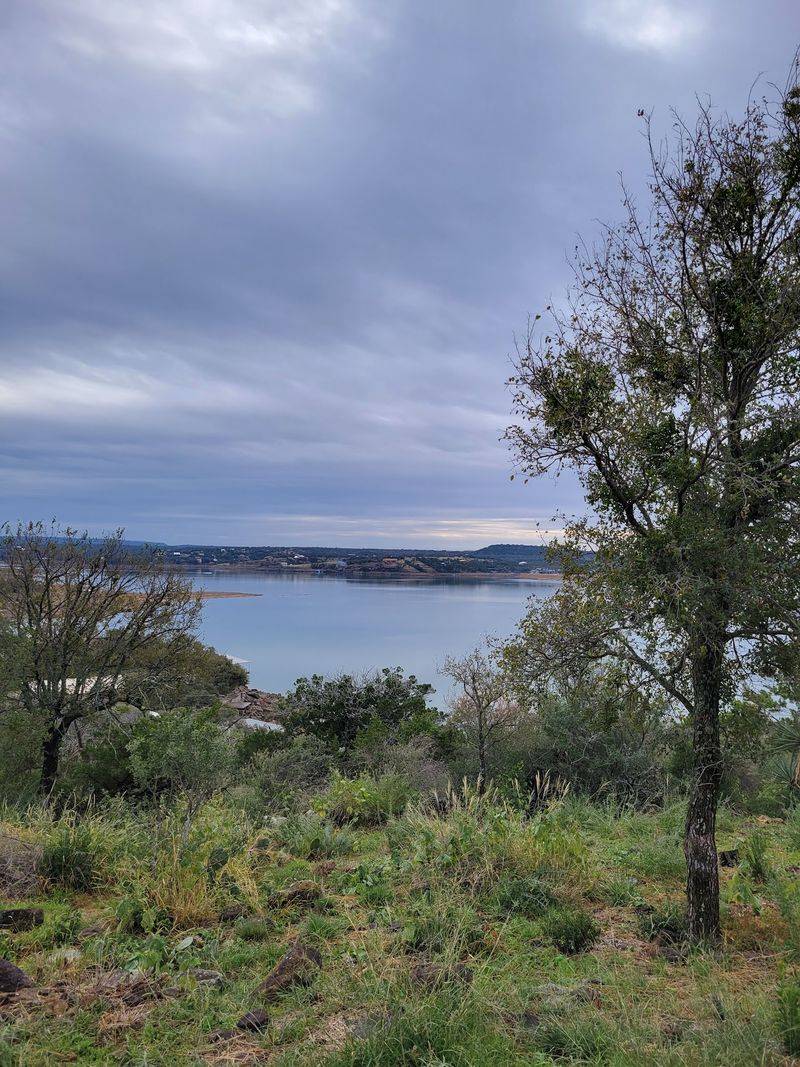
Everything changed when construction crews arrived in 1931 to begin work on what was originally called Hamilton Dam. This wasn’t some small project.
Engineers planned a massive concrete barrier across the Colorado River that would create one of the largest reservoirs in Texas, providing hydroelectric power, reliable water supply, and flood control for communities downstream.
The ambitious private venture quickly ran into financial trouble. By 1932, the project went bankrupt and sat abandoned.
Construction equipment stood silent, and partially completed sections of dam waited for someone to finish the job.
Hope returned in 1935 when the Lower Colorado River Authority took control and restarted construction. Workers returned, and the dam began rising again from the riverbed.
For Bluffton residents watching from upstream, the implications became terrifyingly clear. Once completed, this dam would hold back the Colorado River and create a reservoir stretching for miles.
Their town, their farms, their entire way of life sat directly in the path of the water that would soon fill the valley.
Families Had To Leave As The Reservoir Took Over Their Land
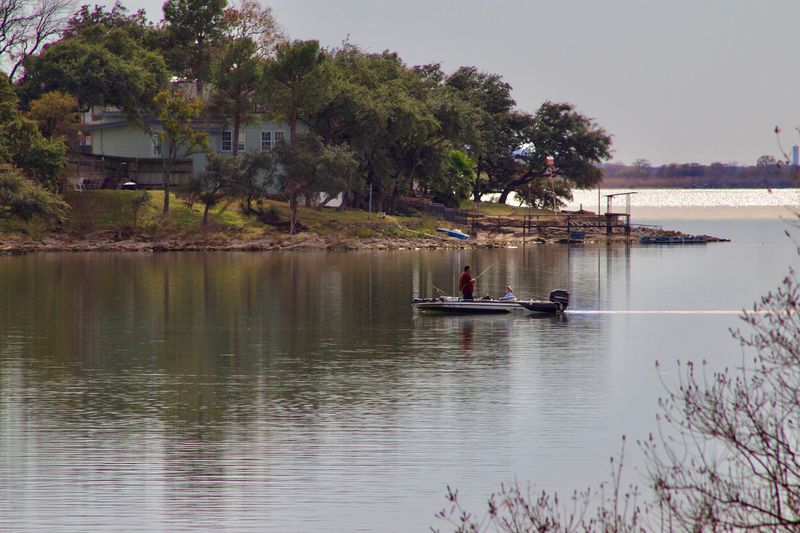
Imagine being told you must abandon everything your family built over generations. That crushing reality faced every resident of Old Bluffton as the dam project moved forward.
Creating Lake Buchanan required acquiring thousands of acres of land that would soon lie beneath water, and that meant entire communities had to disappear.
Families received offers to purchase their properties. Some negotiated, some felt cheated, but ultimately everyone understood the project wouldn’t stop.
They sold their land, packed their possessions, and prepared for heartbreaking goodbyes to homes where children were born and grandparents were buried.
Most Bluffton families relocated several miles west to establish what became known as New Bluffton. They tried to recreate their community in this new location, but it could never truly replace what was lost.
Others scattered to different towns across Texas. Within a remarkably short time, the bustling agricultural community that had existed for nearly 80 years became a ghost town, with empty buildings waiting for the inevitable flood that would erase them forever.
The Cemetery Had To Be Moved Before Old Bluffton Disappeared
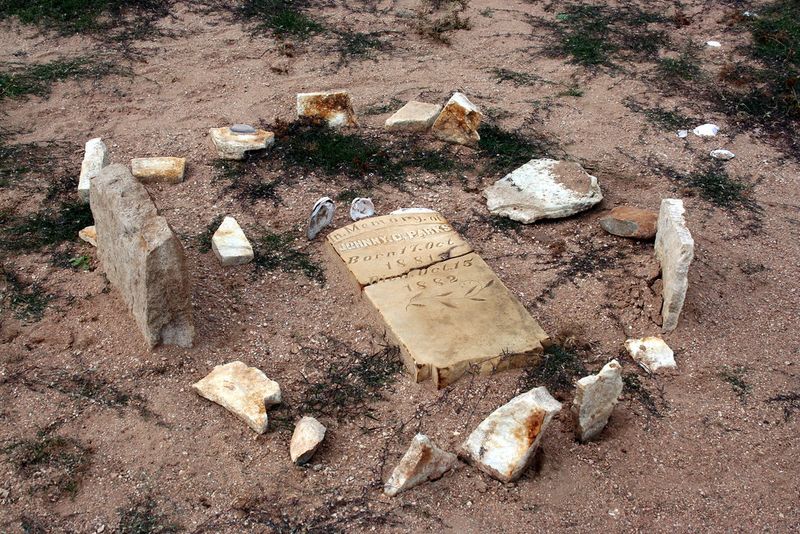
Perhaps nothing demonstrates the project’s profound impact more than what happened to the cemetery. Around 60 graves rested in Old Bluffton Cemetery, representing generations of residents who had lived, loved, and died in this community.
Grandparents, children lost too young, pioneers from the earliest settlement days, all lay at rest in the town they helped build.
Authorities couldn’t simply flood the graveyard. Families and workers undertook the difficult, emotional task of exhuming bodies and relocating them to New Bluffton.
Imagine the heartbreak of moving your loved ones from their final resting place.
Each grave required careful excavation. Coffins were transported to the new cemetery location several miles away.
Headstones were moved and reset. The process took considerable time and caused tremendous emotional pain for families who thought their relatives had been laid to rest permanently.
This cemetery relocation showed how completely the reservoir project transformed not just the physical landscape, but the very ground where memories and history had been buried for decades.
Lake Buchanan Covered The Original Townsite
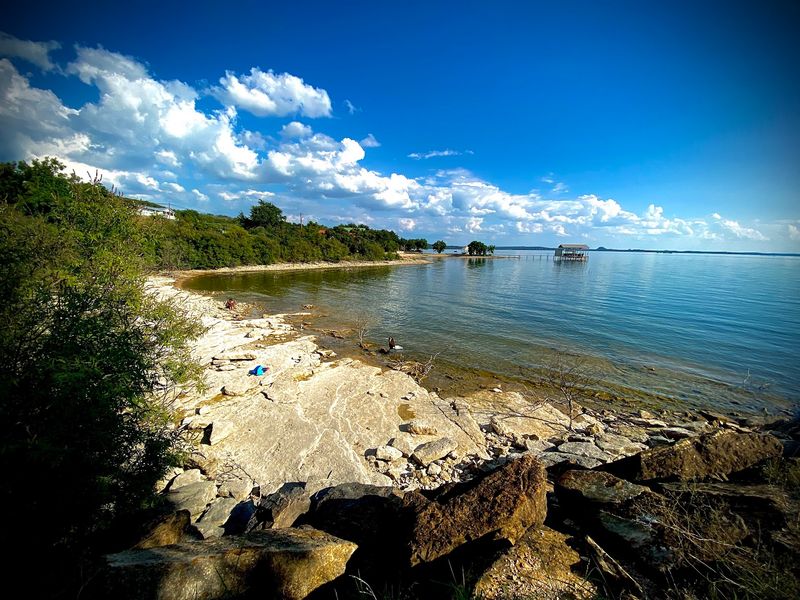
The moment everyone feared finally arrived in 1937. Buchanan Dam was complete, and authorities began deliberately impounding water behind the massive concrete barrier.
Day by day, the Colorado River backed up and spread across the valley. Fields disappeared first, then roads, and finally the abandoned buildings of Old Bluffton itself.
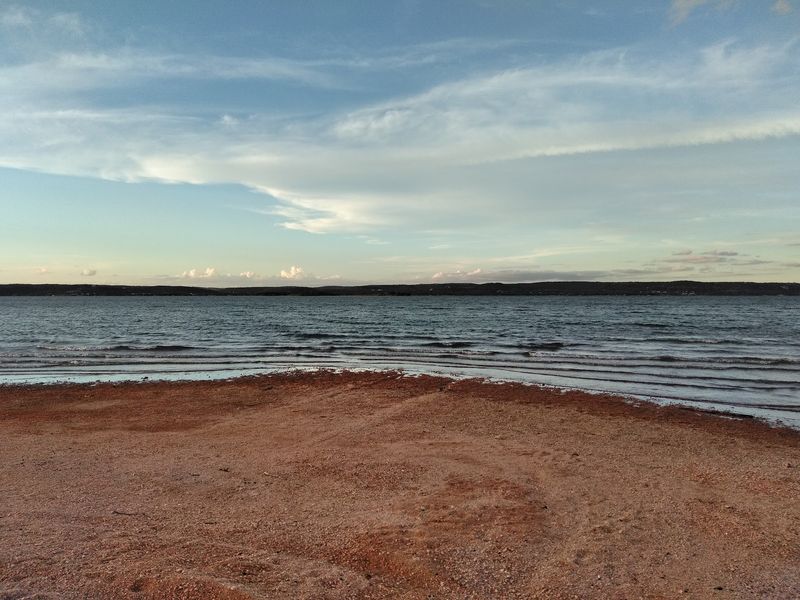
Buchanan Dam became the first major structure in what would eventually be the Highland Lakes chain, a series of reservoirs along the Colorado River. The resulting lake stretched for miles, creating one of Texas’s largest bodies of water.
Underneath its surface, an entire town now rested in watery silence.
Everything that once defined Bluffton vanished beneath the expanding reservoir. The hotel where travelers once rested, the schoolyard where children played, the foundations of homes built by pioneer families, all became part of the lake bottom.
Within months, Lake Buchanan looked like it had always been there, a natural feature of the landscape. Only older residents remembered the thriving community that now lay drowned and forgotten far below the surface.
Foundations And Other Remains Offer A Glimpse Of What Was Lost
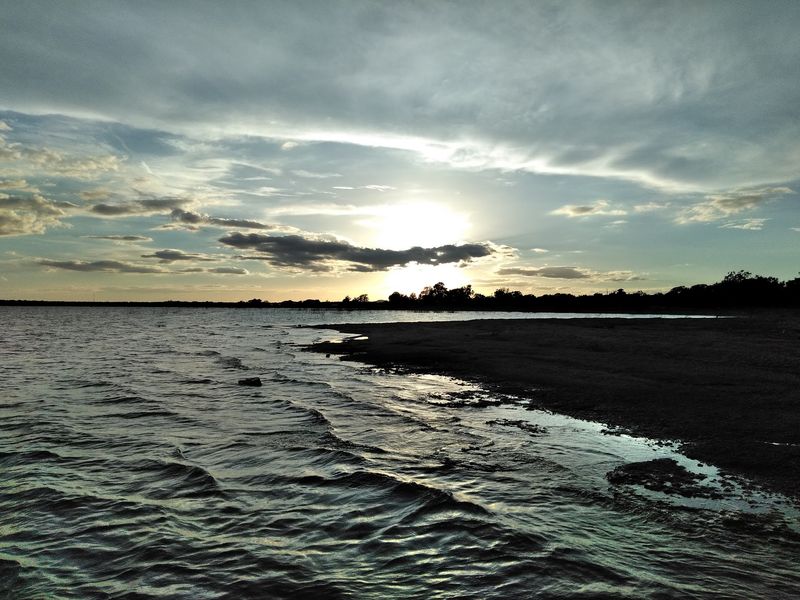
When drought lowers the lake sufficiently, the remnants that emerge tell fascinating stories. Concrete foundations mark where buildings once stood.
Stone walls outline structures that housed businesses and families. These physical traces help historians and visitors understand the town’s layout and how people lived before the flood.
Reports from periods of extremely low water have documented features associated with key community structures. The old hotel’s foundation becomes visible.
The schoolyard’s location can be identified. Remnants of the gristmill, where farmers once brought grain to be ground into flour, occasionally appear.
Even parts of the cemetery location have been identified during major droughts, though the actual graves were relocated in the 1930s. Each exposed feature provides another piece of the puzzle, helping modern Texans visualize Old Bluffton as it existed before Lake Buchanan covered everything.
Photographers document these rare appearances, creating visual records before rising water inevitably reclaims the ruins. These glimpses offer powerful reminders of the real community and real lives that were erased to create the reservoir we enjoy today.
Plan Your Visit To Lake Buchanan And The Bluffton Area
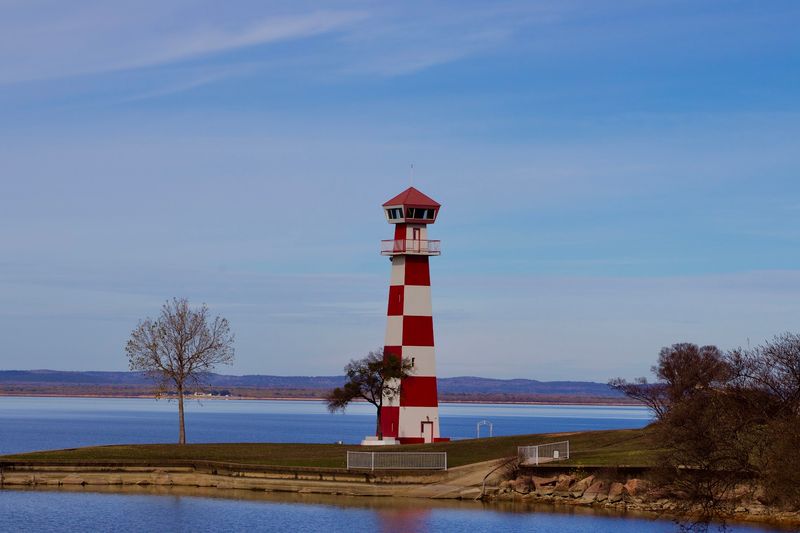
Want to experience this fascinating piece of Texas history yourself? Lake Buchanan sits in the Highland Lakes region of central Texas, roughly 60 miles northwest of Austin.
New Bluffton, the relocated community, remains a small settlement on the western shore. Getting there requires a scenic drive through beautiful Hill Country terrain.
Multiple public boat ramps and shoreline access points surround the reservoir. The Texas Parks and Wildlife Department lists both public and private access locations where you can launch boats or explore the shoreline.
Nearby parks offer camping, fishing, and other recreational activities.
Here’s the important part about Old Bluffton itself: you cannot simply visit the submerged townsite whenever you want. Water levels determine everything.
The ruins only become visible during severe drought conditions. Check current lake levels before planning a trip specifically to see Old Bluffton remains.
The Texas Historical Commission provides detailed historical information about the relocated community and cemetery. Whether you see exposed ruins or just imagine what lies beneath, visiting Lake Buchanan connects you to an important chapter of Texas history that deserves to be remembered.