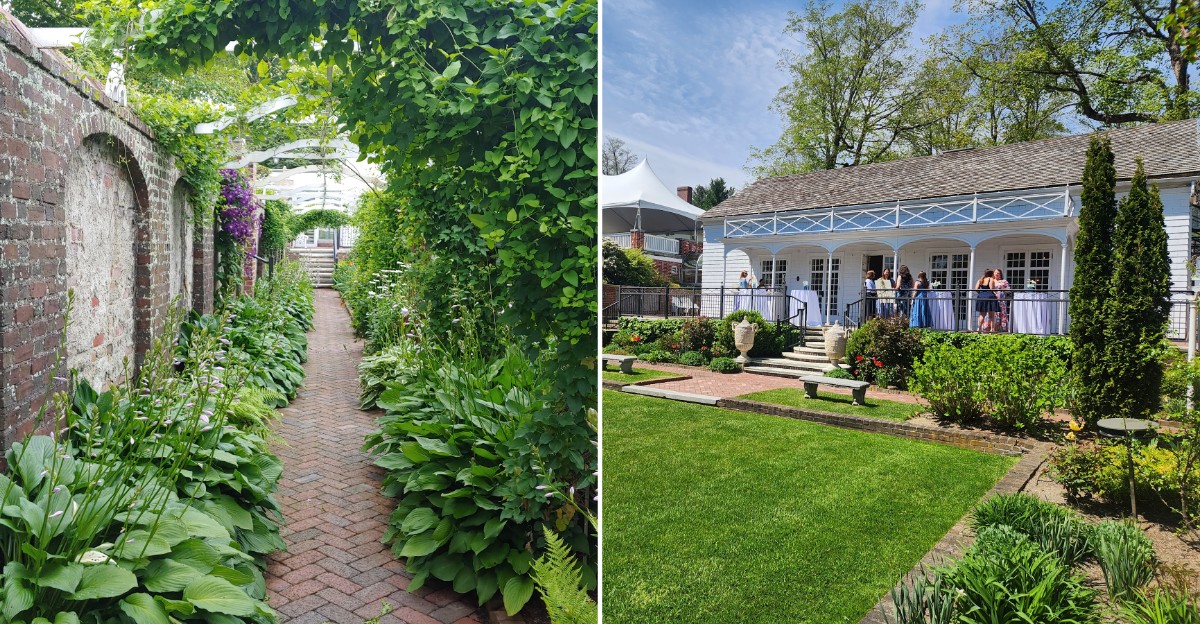
A quiet garden tucked behind a historic house can change the pace of an entire afternoon. Just off Ridgefield’s Main Street, the Keeler Tavern Museum & History Center opens onto a garden where brick walls, flowers, and the small Garden House create a peaceful setting layered with more than a century of history.
Located at 152 Main St, this historic property offers visitors a chance to see a softer, more intimate side of Ridgefield’s past.
The garden invites you to linger rather than rush through. You might pause beside the flower beds, study the old brickwork, or look toward the Garden House and imagine the people who once used these grounds.
After exploring the museum, the outdoor space provides a natural place to slow down and take in the details.
Come along to discover the history, architecture, and garden features that make this quiet corner of the Keeler Tavern so memorable.
The Surprise Behind Main Street
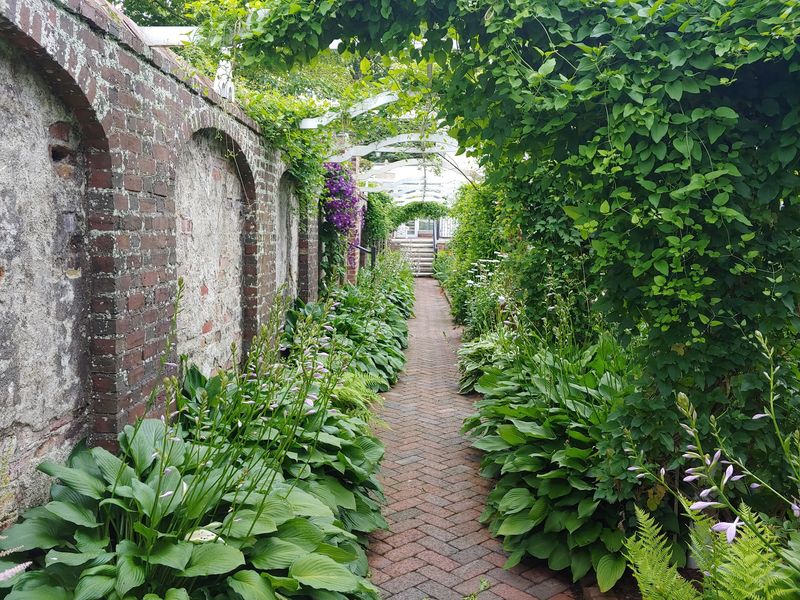
One minute, you are looking at the buildings along Main Street. The next, brick walls and greenery seem to draw you into a much quieter world.
That change of pace is part of the fun at Keeler Tavern Museum & History Center, where the garden sits behind the historic property rather than announcing itself from the road.
Visitors may come for a tour of the old tavern and discover the outdoor space afterward. Give yourself extra time instead of treating the garden as a quick stop on the way out.
Notice how the walls frame the plants and make the space feel separate from the town around it. Even a short walk can become a welcome pause in a busy day.
There is no need to know every chapter of the site’s history to enjoy this first impression. Look around, choose a detail that catches your eye, and follow it.
For a curious traveler, finding something lovely where it was not expected can be the best part of a museum visit. Check the museum’s current access information before planning a trip just for the garden.
Brick Walls With a Story
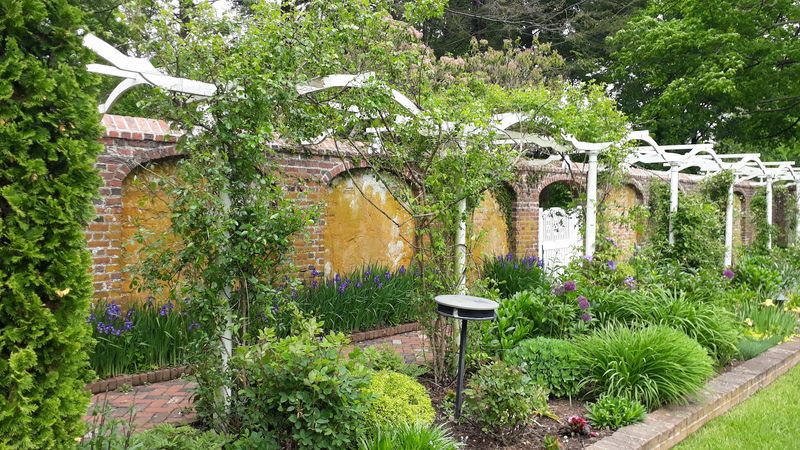
Old brick has a way of making a place feel settled. In the walled garden at Keeler Tavern Museum & History Center, it does more than mark the edge of a flower bed.
The walls give the outdoor space its shape, creating a small world where visitors can notice the care behind the design.
Architect Cass Gilbert and his wife, Julia, shaped this part of the property in the early twentieth century. As you walk, look at how firm lines of brick meet softer leaves and blooms.
That contrast helps explain why a garden can be planned as carefully as a building while still changing every season. Move slowly enough to see how one view gives way to another.
The walls also invite a different kind of museum visit. Instead of reading a label and moving on, you can study a corner, then imagine how it looked when the Gilberts spent summers here.
Stay on the available paths and leave the plantings untouched so others can enjoy them too. The reward is a closer look at history without having to step indoors.
The Garden House That Hosted a Crowd
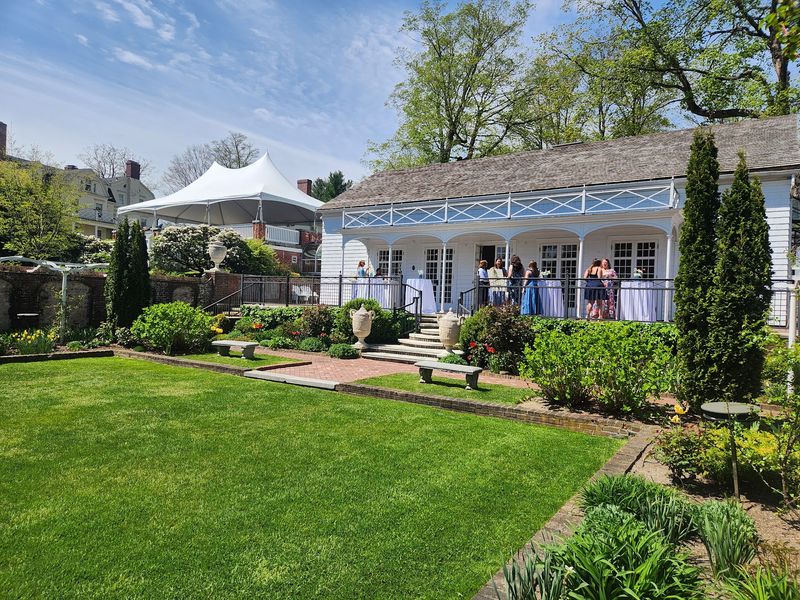
A white building beyond the flowers hints that this garden was made for company. The Garden House at Keeler Tavern Museum & History Center dates to the Gilbert family’s time here, when the grounds served as a setting for entertaining.
From outside, its doors connect the room to the garden in a way that makes the two feel like parts of one gathering place.
Pause before walking past it. Imagine guests arriving, talking near the terrace, and looking out toward the planted beds.
The building adds a human story to the scene: this was not simply a space to admire from a window, but somewhere people spent time together. Today, the museum uses the property for programs and events, carrying that welcoming purpose forward.
Access to the Garden House may depend on what is happening on the day you visit, so do not assume it will be open for a casual look inside. Check the museum’s schedule if the building especially interests you.
Even from the garden, it offers a clear reason to linger and picture another era of Ridgefield life.
Flowers That Change the View
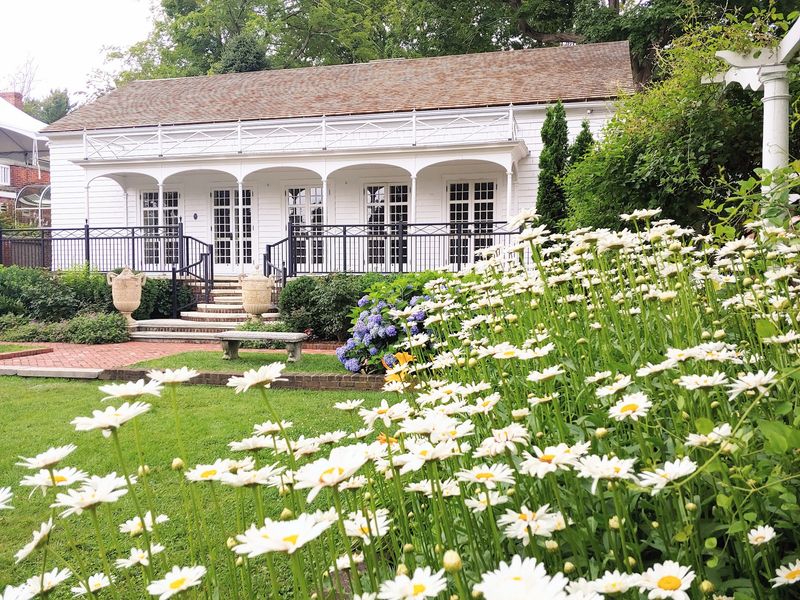
Come back a few months later, and the same corner may look new. Flowers bring their own calendar to the historic garden at Keeler Tavern Museum & History Center.
Spring growth gives way to fuller summer beds, while cooler weather changes the colors around the brick walls. The design remains, but the living parts never hold still.
That makes the garden especially rewarding for repeat visitors. Spend a moment noticing what is in bloom rather than searching for one must-see flower.
Roses, day lilies, and other seasonal plantings have been part of the garden’s story, though what you find depends on timing and upkeep. A rainy spring or a hot summer can affect the display, which is part of what makes a real garden interesting.
If photographs matter to you, try a wider view that includes both flowers and walls. It will show how the plantings fit into the historic setting.
Keep your feet on the paths, even when a bloom looks close enough to touch. The best memory may be watching a familiar place change naturally with the year.
A Small Pocket of Quiet
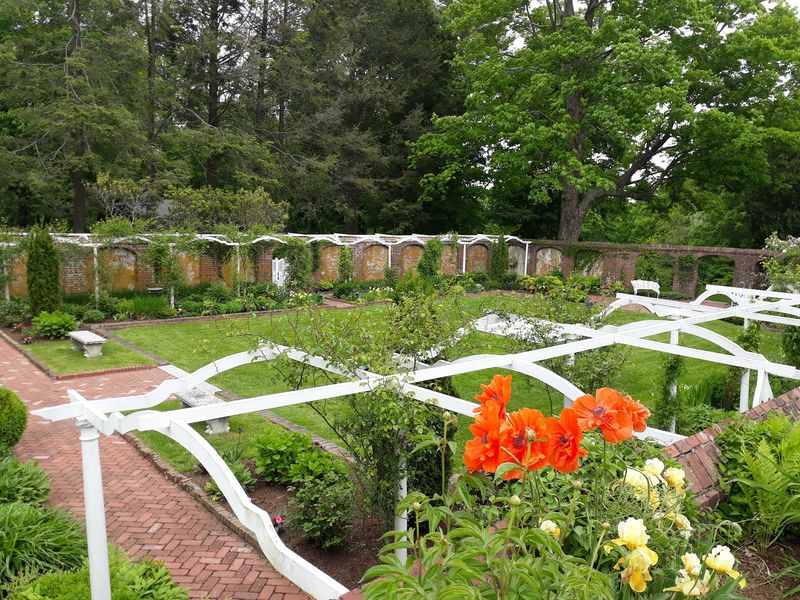
Sometimes the best part of a museum trip is the moment you stop trying to see everything. Behind Keeler Tavern Museum & History Center, the garden offers room for exactly that kind of pause.
Its enclosed layout can make the busy world outside feel farther away, even though Ridgefield’s Main Street is nearby.
Walk at an easy pace and give yourself a minute to listen. On a quiet day, you might hear leaves moving or birds somewhere beyond the wall.
On an event day, the mood could be livelier, with voices filling the grounds instead. Neither experience is wrong; each shows a different way people use and care about this place.
For a more peaceful visit, check the museum’s calendar before you go. A weekday or a time without a scheduled gathering may suit someone hoping to reflect after a history tour.
There is also value in sharing the space politely when others are there. Put your phone away for a moment, look up at the brick and plants, and let the visit feel unhurried.
Cass and Julia Gilbert’s Outdoor Vision
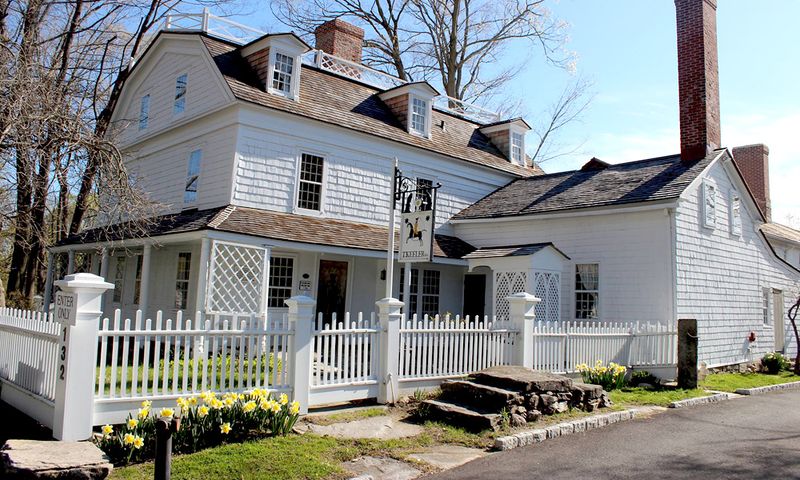
There is a reason the garden feels arranged rather than accidental. Architect Cass Gilbert purchased the property in 1907 as a summer home with his wife, Julia.
Around 1915, the couple’s plans brought the walled garden and Garden House into the landscape now cared for by Keeler Tavern Museum & History Center.
Think of the grounds as an outdoor room. Brick defines its edges, paths guide your steps, and flowers soften the formal lines.
Julia’s connection to the garden and its social life adds another layer: the place was meant to be lived in, not merely shown off. Looking at the grounds this way can make even a brief visit feel more personal.
You do not need an architect’s eye to spot the balance. Stand where you can see the Garden House and surrounding plantings together, then notice how the building helps organize the view.
If you take a museum tour, ask whether the guide can share more about the Gilbert years. Their story links the older tavern to a later chapter of design, family life, and hospitality.
Details Worth Slowing Down For
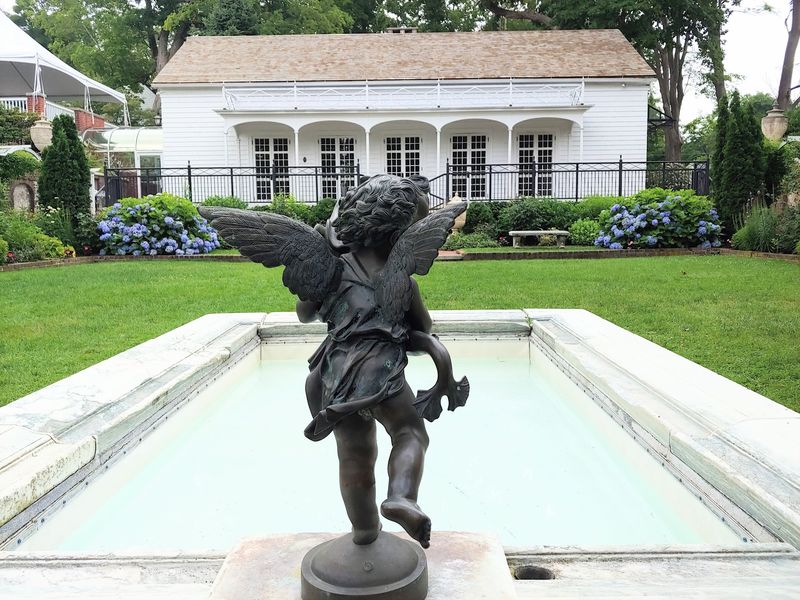
A wide garden view is lovely, but a small detail can hold your attention longer. At Keeler Tavern Museum & History Center, visitors can look for the reflecting pool, fountain, and other designed touches within the walled garden.
Together, they show how the Gilberts made room for both plants and moments of stillness.
Try a simple game as you walk: pick one feature, then see how many different ways it changes from one spot to another. Light may catch the water, while nearby greenery shifts what you see behind it.
Brick can look warm in sun and darker in shade. You will notice more by moving slowly than by trying to photograph every corner at once.
Water features and plant displays can vary with the season, maintenance, and weather, so enjoy what is there on the day rather than expecting a fixed scene. Keep a respectful distance from delicate features and follow any posted guidance.
That little bit of care helps protect the garden’s details. It also leaves you free to pay attention to what makes the place memorable.
Where Ridgefield Still Gathers
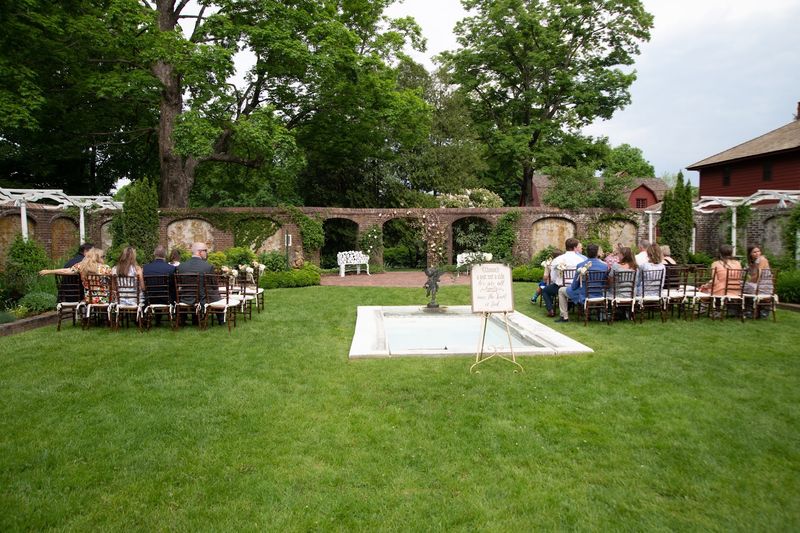
Flowers may draw you in, but the signs of shared life make this garden feel especially warm. The Gilbert family used the grounds for entertaining, and Keeler Tavern Museum & History Center still welcomes gatherings and programs on the property.
Weddings and other celebrations have given many guests their own memories of the garden.
A visit during a public event can show the space in a different light. Music, conversation, or a reading may fill the area that feels so quiet on an ordinary afternoon.
The Garden House and outdoor setting make an easy connection between the site’s past and its present. Check the museum’s event listings if you would like to experience that side of the grounds.
If your goal is to wander without a crowd, the same calendar is useful for a different reason. Private events may affect access, and plans can change.
Ask ahead rather than arriving with one picture of the day in mind. Whether you find a peaceful path or a community gathering, the garden’s role as a place for people remains easy to understand.
A Garden With More Than One Past
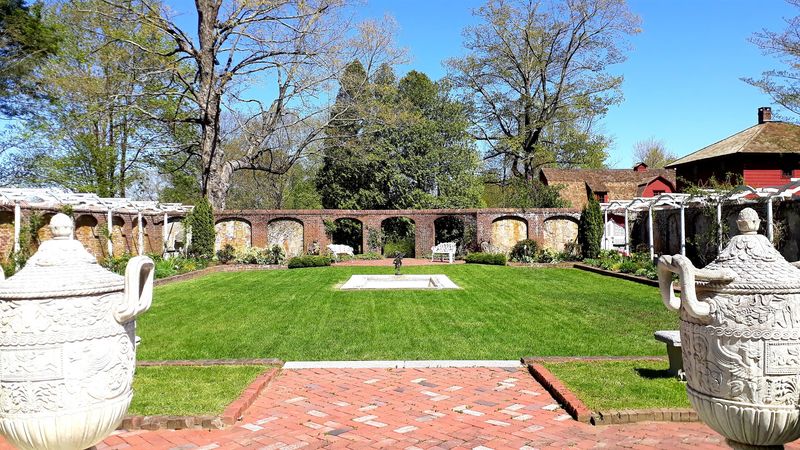
The garden feels old, but it tells a different chapter from the tavern beside it. Keeler Tavern Museum & History Center connects visitors with stories reaching back to the eighteenth century.
Its walled garden, however, grew from the early twentieth-century plans of Cass and Julia Gilbert. Seeing both in one visit makes the property more interesting than either part alone.
Start with a museum tour if one is available, then step outside with those earlier stories in mind. The shift from tavern rooms to a formal garden shows how the site changed as new people made it their home.
You do not have to memorize dates to grasp the idea. Places carry layers, and those layers can sit only a short walk apart.
Notice which details seem built for daily use and which seem made for guests. That question can help younger visitors connect buildings and gardens with real people rather than distant names.
Check tour times and admission details before you leave home, since museum visits and garden access may have different arrangements. A little planning makes it easier to enjoy the whole story.
One Last Look Before You Leave
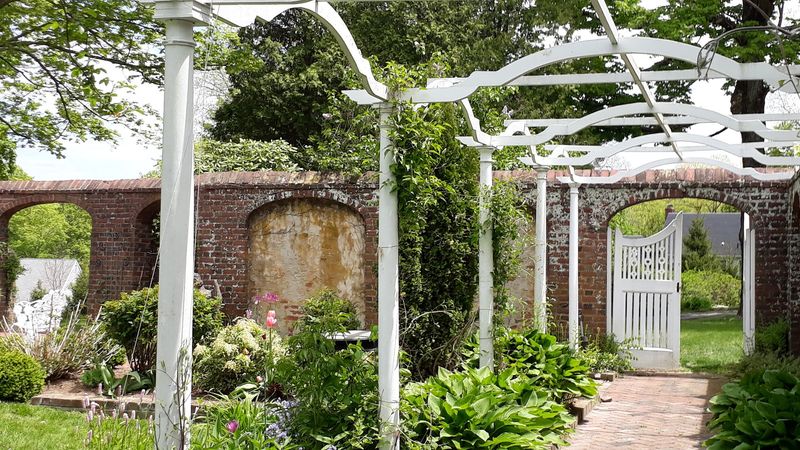
Leaving can take longer than you planned when every turn offers one more view. Before you head back toward Main Street, look once more at the Garden House, the brick walls, and whatever is growing between them.
At Keeler Tavern Museum & History Center, those details work together to make the garden feel like a place with its own story.
Choose a final spot and think about what surprised you. Maybe it was finding such a carefully planned space behind a historic tavern.
Maybe it was learning that the garden belongs to a later chapter of the property’s life. Or perhaps you simply liked having a quiet place to stand after taking in a tour.
There is no single right way to remember a visit.
If you hope to return, consider another season. Different blooms and changing light can make familiar paths worth walking again.
Before leaving, check whether the museum has upcoming garden programs that interest you. Then take that last look without rushing to your next stop.
A hidden gem often earns its name through the time you give it.