
Beneath the calm surface of Smith Mountain Lake, an older Virginia landscape lies out of sight. When the Smith Mountain Dam was completed in the 1960s, rising water covered farms, roads, and places where families had lived, transforming the valley into the sprawling lake visitors know today.
At Smith Mountain Lake State Park in Huddleston, that history remains part of the landscape.
Located at 1235 Rd 888, the park offers an inviting way to experience the lake, with wooded trails, shoreline views, and quiet places to pause beside the water. The scenery can feel peaceful, but knowing what was here before the reservoir changes how you see those broad stretches of water and distant hills.
A visit can therefore be both recreational and reflective, connecting the lake’s present-day beauty with the landscape that came before it. Here’s what to see at the park and the history worth knowing as you explore its shores.
The Stories Under the Water
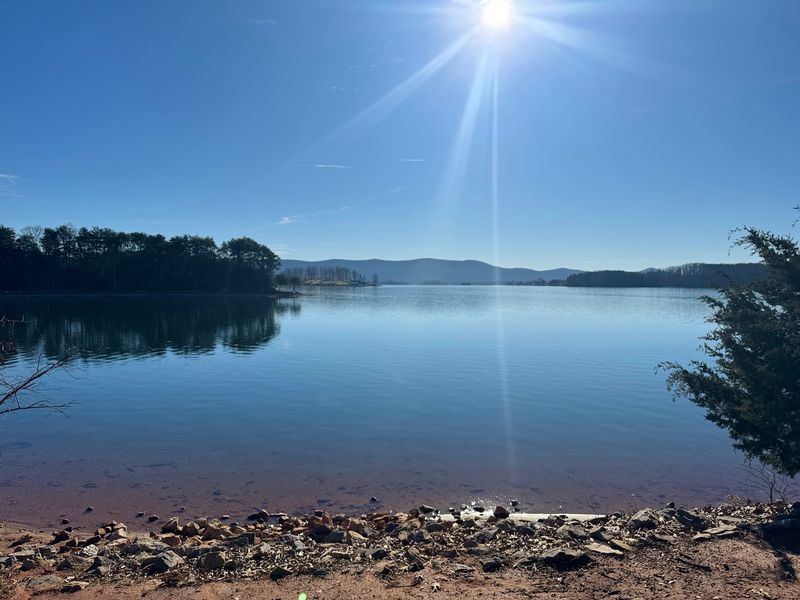
Look across the bright water, and it is hard to picture a road or a field where the waves now roll. Before Smith Mountain Lake existed, families lived and worked in the river valley.
The water changed the map, but it did not erase the fact that people called this land home.
Smith Mountain Lake State Park offers a comfortable place to think about that change. From the shore, you can watch boats cross a broad stretch of water while trees rise along the coves.
Try asking someone in your group what they think the valley looked like before the dam. It is a simple question that can turn a pretty view into a conversation about history.
The title’s idea of flooded towns calls for care: farms, homes, roads, and small communities were affected, but stories of a complete town standing intact underwater should not be treated as proven fact. Enjoy the scenery without forgetting the families who had to leave.
A quiet pause beside the lake gives their story room alongside your own day of fun.
How a River Valley Became a Lake
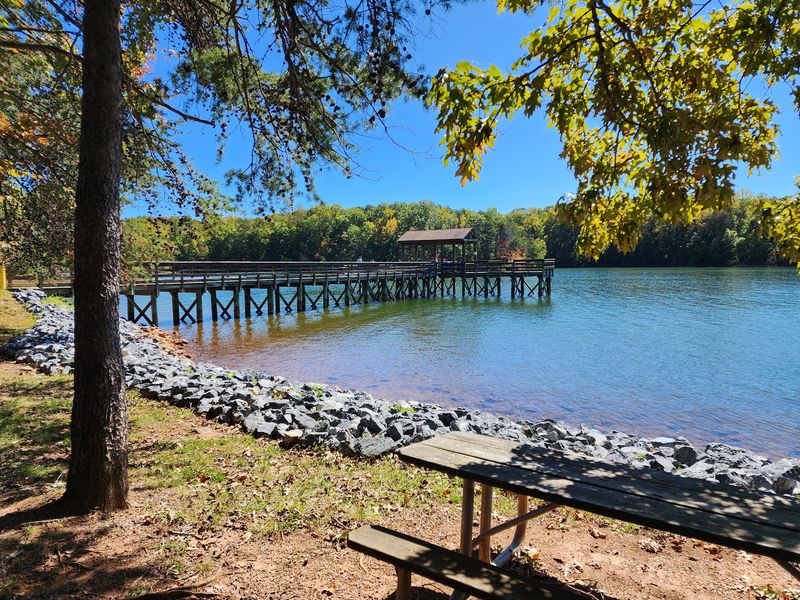
A lake this wide might seem as if it has always been here. Yet its winding shape gives away part of the story: the water follows valleys once cut by rivers and streams.
The lake began filling after Smith Mountain Dam was built for a power project.
At Smith Mountain Lake State Park, look for coves that bend out of sight between wooded slopes. Those curves help you imagine the lower ground that filled with water.
The Roanoke and Blackwater rivers feed the lake, and its many arms make the shoreline feel much longer than a straight crossing might suggest. A park map can help younger visitors connect what they see with the shape of the land.
The lake reached its planned full level in 1966, after years of construction and rising water. That did not happen overnight for the people nearby.
Take time to notice the difference between the water’s smooth surface and the steep banks around it. The view makes a big engineering project easier to understand without needing to stand beside a turbine or read a technical chart.
Remembering the Families Who Moved
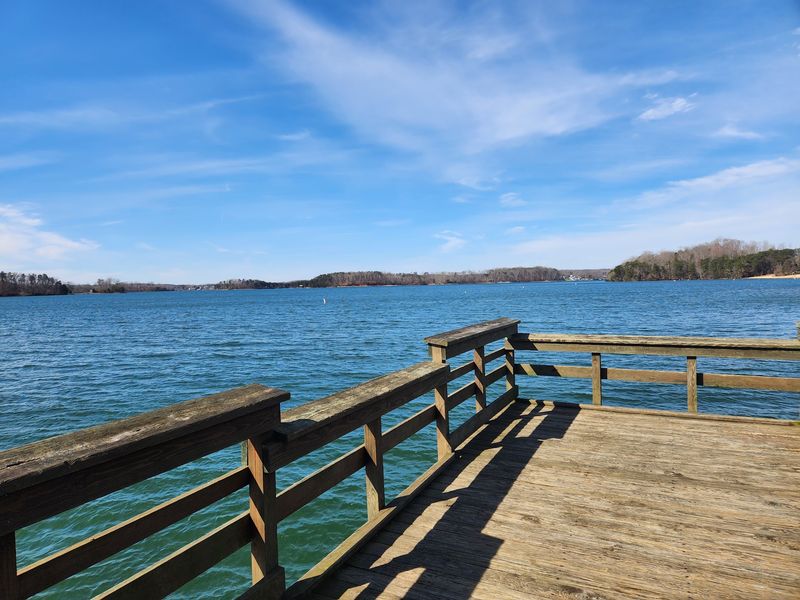
Leaving a familiar porch behind is a bigger story than any postcard can tell. As the lake project moved forward, people in the future flood area faced changes to their homes, farms, and daily routes.
Some families had long ties to land that would become part of the lakebed.
A visit to Smith Mountain Lake State Park can include more than swimming and photographs. During a walk, imagine having to pack up a kitchen, move animals, or say goodbye to neighbors because the water was coming.
That thought does not spoil a good vacation. It helps explain why the lake’s history matters to people who remember the valley through family stories.
Graves were also moved from land expected to flood, showing how carefully the past had to be handled. If you want to learn more, seek out local history accounts before repeating dramatic stories about buildings underwater.
Share what you discover in a respectful way, especially with children. The lake is a place for play today, but its beginnings included real loss as well as new opportunities.
A Power Project With a Public View
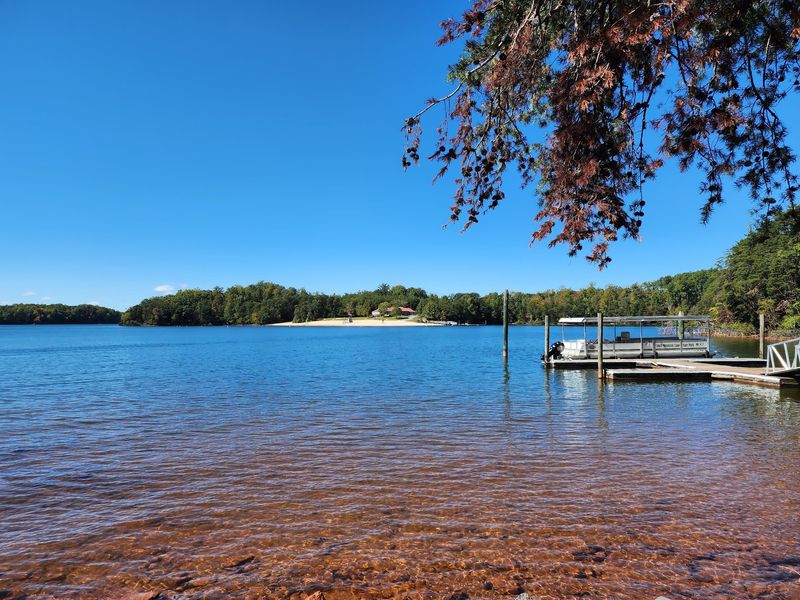
The surprise is that this favorite vacation spot began with a job to do. Smith Mountain Lake was created as part of a hydroelectric project, not simply to give people a place to boat.
Water stored behind the dam helps produce electricity when it is needed.
From Smith Mountain Lake State Park, you can enjoy the result without seeing the machinery. Watch the open water, then consider how the lake connects recreation with a working power system.
A paired reservoir, Leesville Lake, plays a role in the pumped-storage operation. Water can move through the system to help meet changing demand for electricity.
It is a useful example of how one landscape can serve more than one purpose.
Before visiting, explain to children that a reservoir is a lake whose level is managed. Shorelines can look different as water levels change, so pay attention to posted signs and keep your plans flexible.
The park turns an idea that sounds complicated in a textbook into something visible: a huge store of water, surrounded by places where people now gather.
A Beach Day With a Bigger Backstory
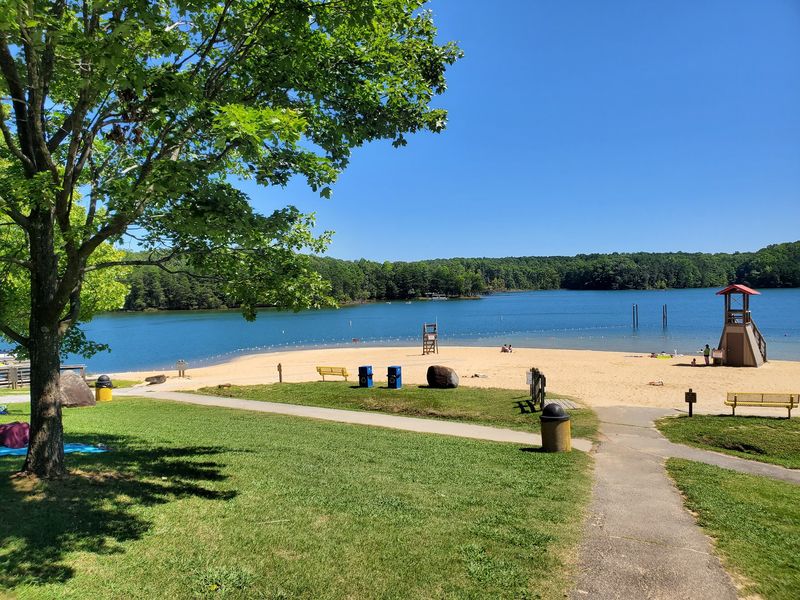
Warm sand under your feet can make a history lesson feel very far away. At the park’s swimming beach, the lake is easy to enjoy in the simplest way: find a spot, set down a towel, and look out across the water.
The view invites a slower pace.
Smith Mountain Lake State Park has a designated beach area that draws visitors during swimming season. Check current park hours, swim rules, and any lifeguard schedule before you go, since services can change.
Pack water, sunscreen, and shoes for walking between the beach and other park areas. If you bring children, keep them within reach near the water even when the shore feels calm.
After a swim, sit for a few minutes and picture the river valley before it filled. That small pause gives the day another layer without taking away its fun.
A picnic lunch tastes especially good after time in the water, and the surrounding trees offer a pleasant change of scenery. Come for the beach, but leave with a clearer sense of where you spent the afternoon.
A Paddle Through Quiet Coves

One turn around a wooded point can change the whole mood of a lake. Busy open water gives way to a tucked-away cove, where the sound of a paddle seems surprisingly loud.
Exploring near the shore lets you notice details that disappear from a faster boat.
Smith Mountain Lake State Park has access to the water, making it a useful starting point for a paddling day when conditions are right. Ask the park about current rental options rather than assuming a boat will be available.
Wear a properly fitted life jacket, check the weather, and plan a short route you can finish before you get tired. Remember that motorboats also use the lake, so stay alert and visible.
As you paddle, the wooded slopes show how the old valley shaped today’s coves. You will not need to imagine houses beneath every stretch of water to appreciate that history.
Just look at the rising banks and think about the ground below the surface. The reward is a close-up view of the lake and a quieter way to understand its scale.
Fishing Where the Valley Once Stood

For some visitors, the best part of the morning is waiting for a tug on the line. A fishing trip makes the lake feel different from a beach day: you watch the water closely, notice the wind, and begin to wonder what is moving below.
At Smith Mountain Lake State Park, anglers can look for a place to cast from shore or use the park’s fishing pier. The lake is known for fish such as bass, crappie, and catfish.
Check Virginia fishing license rules and current catch limits before setting out. Bring a small bag for discarded line, since loose fishing line can harm birds and other animals.
Beginners can keep the outing simple with a short session and a few basic supplies.
The same water that supports fish now covers parts of an older landscape. That contrast gives you something to talk about during the quiet stretches between bites.
Even without a catch, time at the pier offers a good look at the wooded banks and passing boats. Fishing here is as much about paying attention as bringing something home.
Trails Above the Changing Shore
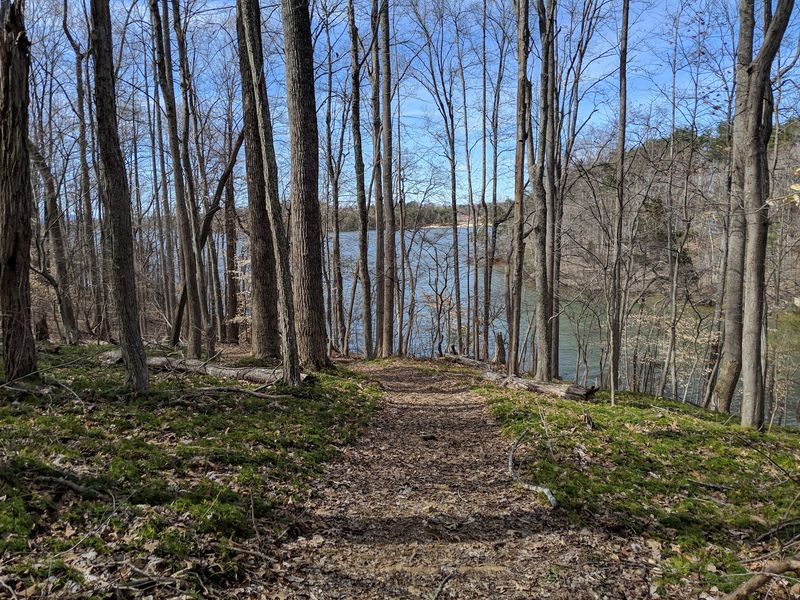
Not every lake memory needs wet shoes. A trail above the shore gives you a chance to see the water through trunks and leaves, then lose sight of it as the path bends inland.
That back-and-forth makes even a short walk feel like an outing.
Smith Mountain Lake State Park has trails through forested areas, with routes that offer different lengths and views. Choose one that fits your group, carry water, and check a current trail map before leaving the trailhead.
Sturdy shoes help on roots and uneven ground. On a hot day, an earlier walk can feel much more comfortable than a midday climb.
Listen for birds, and watch how the light changes when the trees open toward the lake.
The higher ground also offers a useful way to picture the past. People once crossed and used parts of the lower valley that are now underwater.
From a trail, you can see why the shoreline has so many bends and inlets. A walk adds context to a beach visit and leaves room for a little quiet curiosity.
Staying Until the Light Fades

The lake changes character when day visitors begin to leave. Boats become fewer, the air cools, and evening light settles across the coves.
Staying overnight gives you time to notice a side of Smith Mountain Lake that a quick stop might miss.
Smith Mountain Lake State Park offers overnight options that can include campsites and cabins, depending on availability and season. Reserve ahead, read the rules for your chosen site, and check what you need to bring.
Campers may want a flashlight, layers for cooler nights, and food stored as the park directs. If you are traveling with children, a simple evening walk can be more memorable than a packed schedule of activities.
At sunset, talk about how different the same view would have been before the valley filled. Then let the conversation drift toward what you saw during the day: a bird near the trail, a fish at the pier, or a quiet stretch of water.
An overnight visit makes space for both the lake’s difficult history and its present calm.
Leaving With More Than a Lake Photo
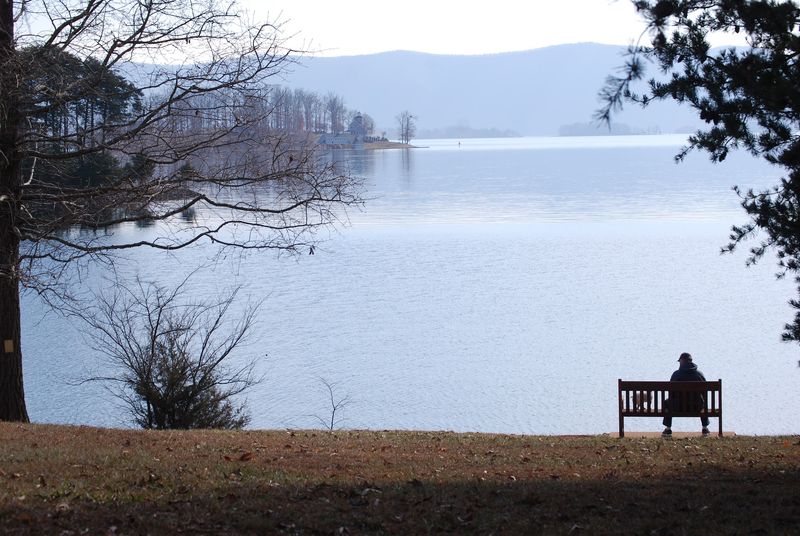
One last look over the water can hold two feelings at once. The lake is beautiful, and creating it brought hard changes to people who lived in the valley.
Neither part of the story needs to push the other aside.
Before leaving Smith Mountain Lake State Park, choose a favorite view and spend a moment taking it in without a camera. Think back on what you learned about the dam, the families who moved, and the ways people use the water today.
If you want to explore the history further, look for local accounts and reliable records after your trip. They can help you separate real experiences from tales that have grown larger over time.
The park at 1235 Rd 888 in Huddleston offers many reasons to return, from a swim to a trail walk or an afternoon of fishing. On a later visit, try an activity you skipped the first time.
You may notice a different corner of the shoreline, but the larger story remains: this place was deliberately transformed, and people still live with its legacy.