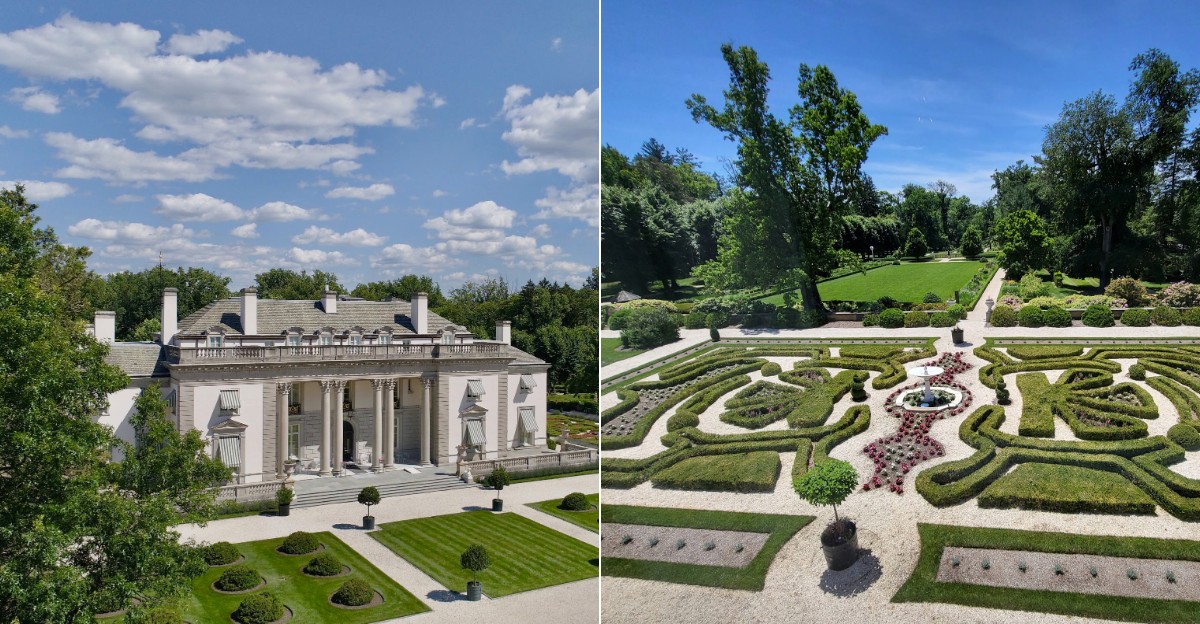
A grand French-inspired mansion is not the kind of sight you expect just beyond Wilmington, but Nemours Estate makes the surprise part of the experience. Set at 1600 Rockland Rd, this remarkable Du Pont estate combines ornate interiors, sweeping formal gardens, fountains, and carefully designed landscapes that feel worlds away from an ordinary Delaware drive.
Inside the mansion, carved details, polished floors, elaborate furnishings, and rooms built for entertaining offer a glimpse into the life of the du Pont family. Outside, long garden paths lead past sculptures, pools, and geometric plantings where the scale becomes easier to appreciate with every turn.
The estate rewards visitors who slow down and look closely rather than rushing from one room to the next.
For travelers interested in architecture, gardens, and Delaware history, Nemours Estate offers plenty to explore. Here are the details and overlooked corners that can make a visit especially memorable.
A French Surprise Near Wilmington
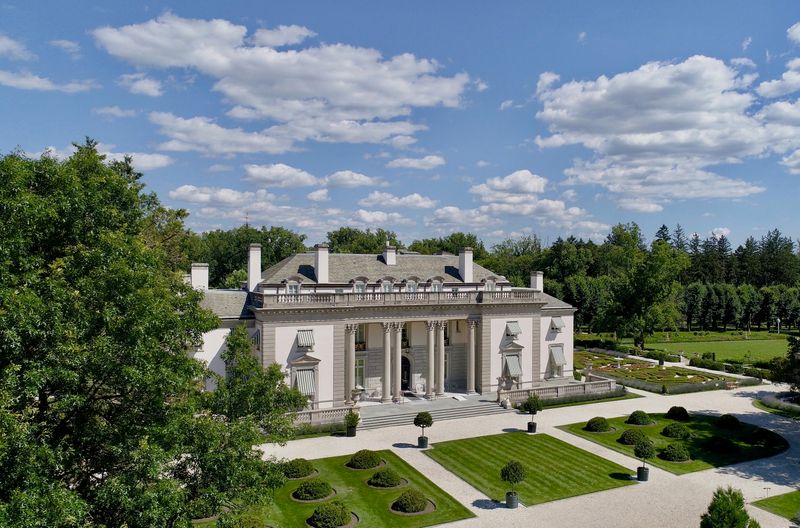
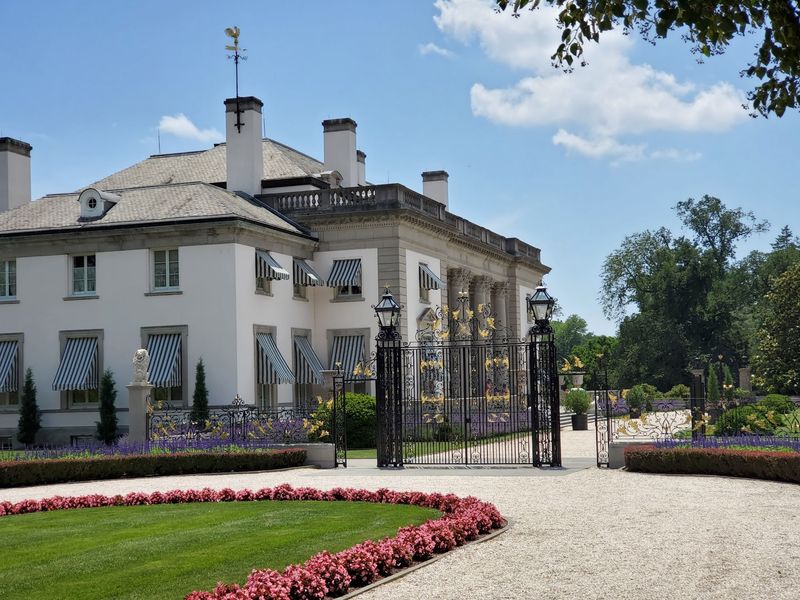
One turn off a familiar road can make Delaware feel surprisingly far from home. At Nemours Estate, a grand, French-inspired mansion appears beyond broad lawns and tall trees.
The setting is striking partly because Wilmington is so close. You do not need a long trip or a passport to see a house built on such a bold scale.
Pause when the mansion first comes into view instead of rushing toward the door. Its balanced shape, pale exterior, and carefully planned approach give you a taste of what waits inside.
The estate was created in the early 1900s, but its style looks back to an earlier age of French design. That contrast is part of the fun: an American family built a place that seems to borrow its mood from a European palace.
This first view also helps you plan your visit. The house is only one piece of a much larger property, so leave room in your day for the gardens.
Wear comfortable shoes, bring a camera if you like taking pictures, and expect to linger. The best introduction is simply standing still for a minute and taking it all in.
The Love Story Behind the House
Grand houses can seem cold until you learn who hoped to live in them. Alfred I. du Pont built Nemours Estate for his second wife, Alicia, giving the mansion a personal story behind its formal appearance.
Knowing that changes the way a visit feels. The rooms and gardens become more than signs of wealth; they become parts of a home imagined for someone he loved.
The name Nemours reaches further into the family past. It refers to a town in France tied to du Pont ancestry, which helps explain the estate’s strong French influence.
As you walk toward the house, look for that connection in the orderly layout and the grand style. History feels easier to remember when it is attached to a name, a person, and a place.
Ask a guide about the family while you tour the mansion. Even a small detail about daily life can make a large room feel human.
Visitors who enjoy family stories may find this side of Nemours as interesting as its furniture or fountains. The estate shows how one person’s dream can shape a landscape long after that person is gone.
Rooms Full of Everyday Clues
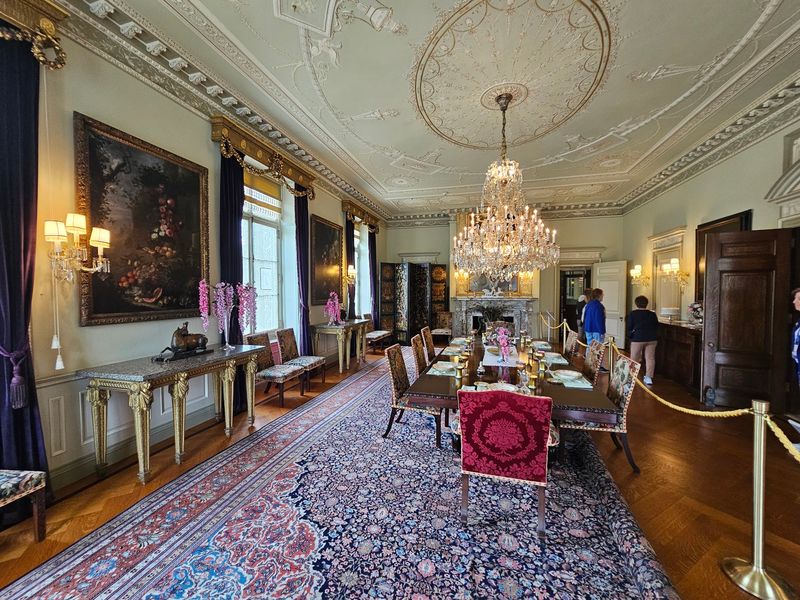
A polished room can tell a surprisingly ordinary story if you look past its shine. Inside the Nemours Estate mansion, fine furniture and art share space with clues about how the household worked.
A dining room suggests long meals and guests. Bedrooms feel quieter and more personal.
The contrast makes the house easier to picture as a lived-in place rather than a display.
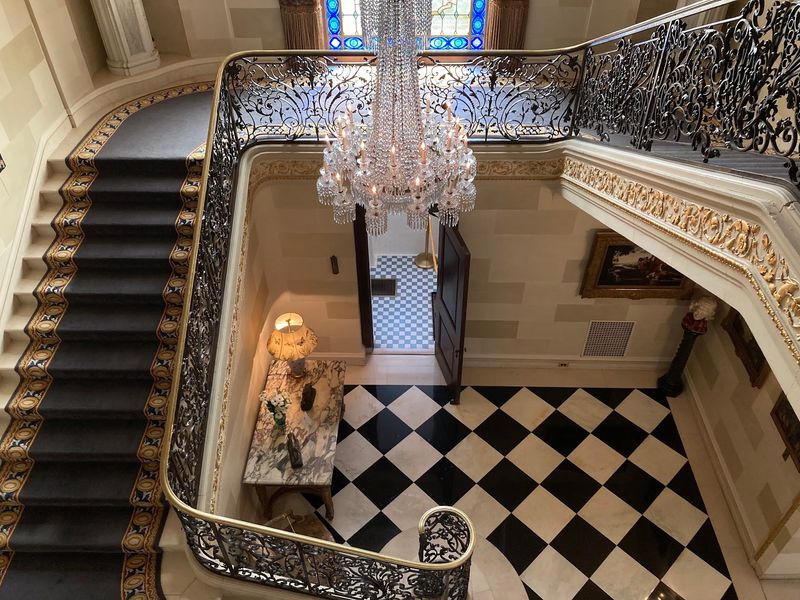
Give yourself time to notice the smaller details. Look up at chandeliers, then down at patterns in the floors and furniture.
Staff members stationed in the house can often explain what you are seeing, so ask about an object that catches your eye. You may remember one answer far longer than a list of dates.
The basement bowling alley adds another surprise, showing that entertainment had a place alongside formal rooms.
Moving slowly is the best way to enjoy the mansion. Visitors who hurry through may see plenty of beautiful things but miss the changes in mood from one room to the next.
Set aside enough time for both the public spaces and the quieter areas open to guests. Each offers a different piece of the same family story.
Gardens Drawn With a Ruler
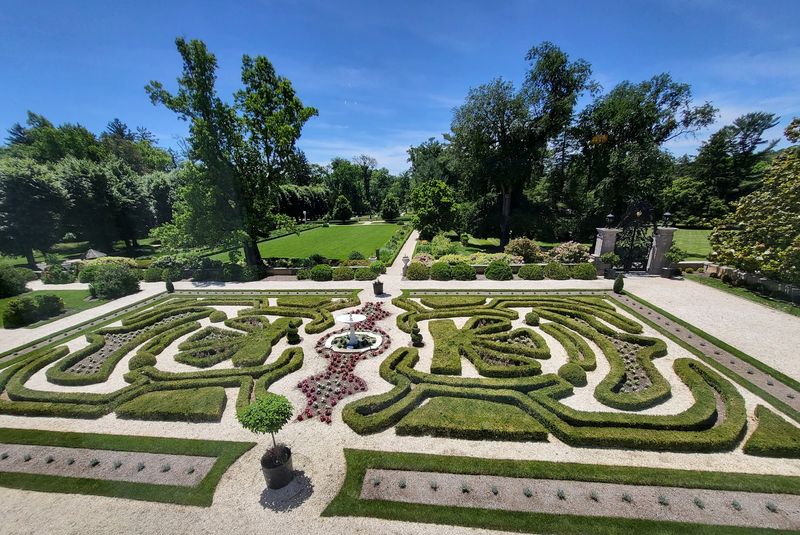
Nature rarely stands in straight lines on its own. Across the formal gardens at Nemours Estate, paths, lawns, and plantings follow a careful design inspired by French garden traditions.
The result feels almost like a drawing you can walk through. Every turn offers a new way to see how the mansion and its grounds were planned together.
Start by looking down a long path before stepping onto it. Notice how trees and garden features guide your eyes toward distant points.
Then turn around and see how different the view looks in the other direction. Flowers may change with the season, but the strong pattern of the garden remains.
It is a good place to talk with children about shapes and symmetry without making the outing feel like a lesson.
These grounds reward a slower pace than a quick photo stop. Comfortable walking shoes help, especially if you want to explore beyond the main view.
Bring water for your time outdoors and check the weather before leaving home. Even visitors who know little about gardening can enjoy seeing what happens when plants, paths, and architecture work as one.
A View That Keeps Unfolding
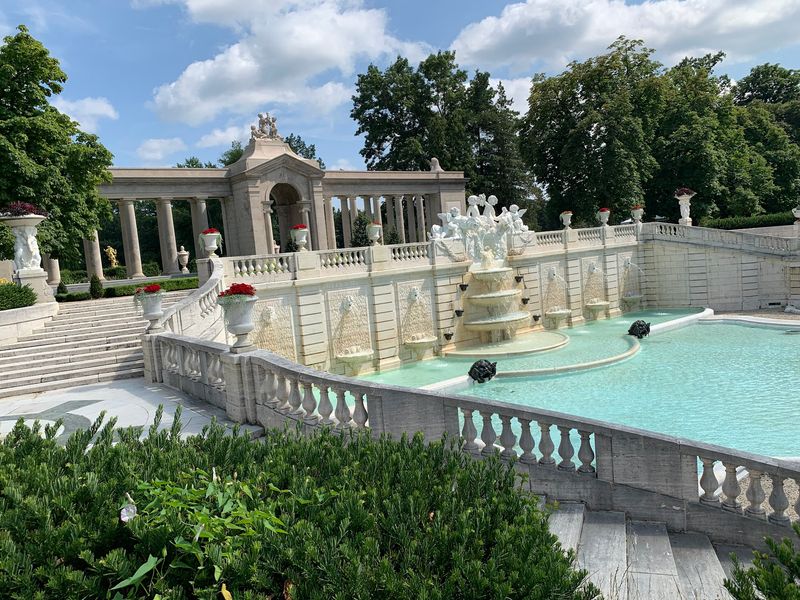
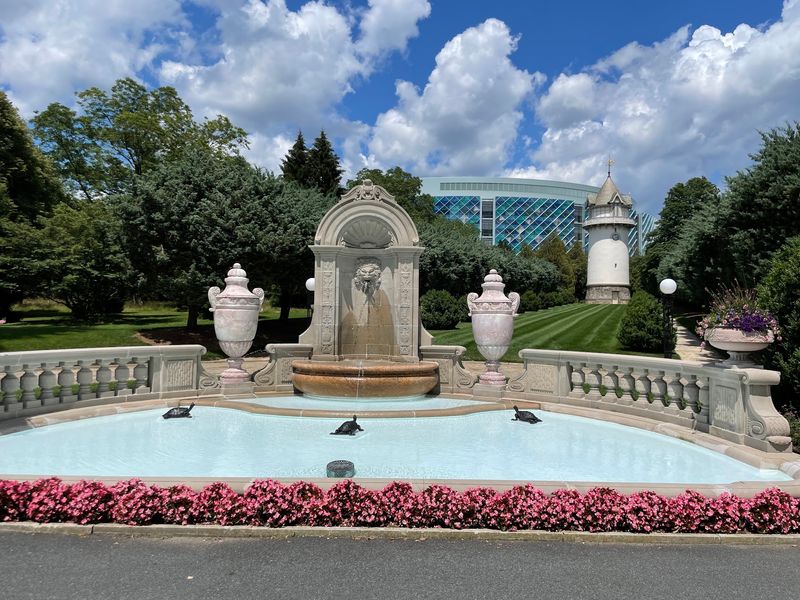
Some views ask you to keep walking just to see where they end. The Long Walk at Nemours Estate draws the eye across its carefully kept grounds toward the Reflecting Pool.
From near the mansion, the water feels distant. With each step, its shape and the details around it become clearer.
That gradual reveal makes the walk an experience of its own.
Give yourself a moment beside the pool to watch the sky and nearby features appear on the water’s surface. Fountains and sculpture add movement and detail to the formal scene when conditions allow.
The view changes with the light, so a photograph taken on the way out may look different from one taken on the way back. If you travel with someone, this is a lovely place to compare what each of you noticed first.
The distance also offers a useful reminder: the gardens are larger than they may seem from the house. Plan your route with enough energy for the return walk, and take breaks when you need them.
There is no prize for covering the grounds quickly. The pleasure lies in watching a carefully designed vista open up at your own pace.
Small Discoveries Beyond the Main Path
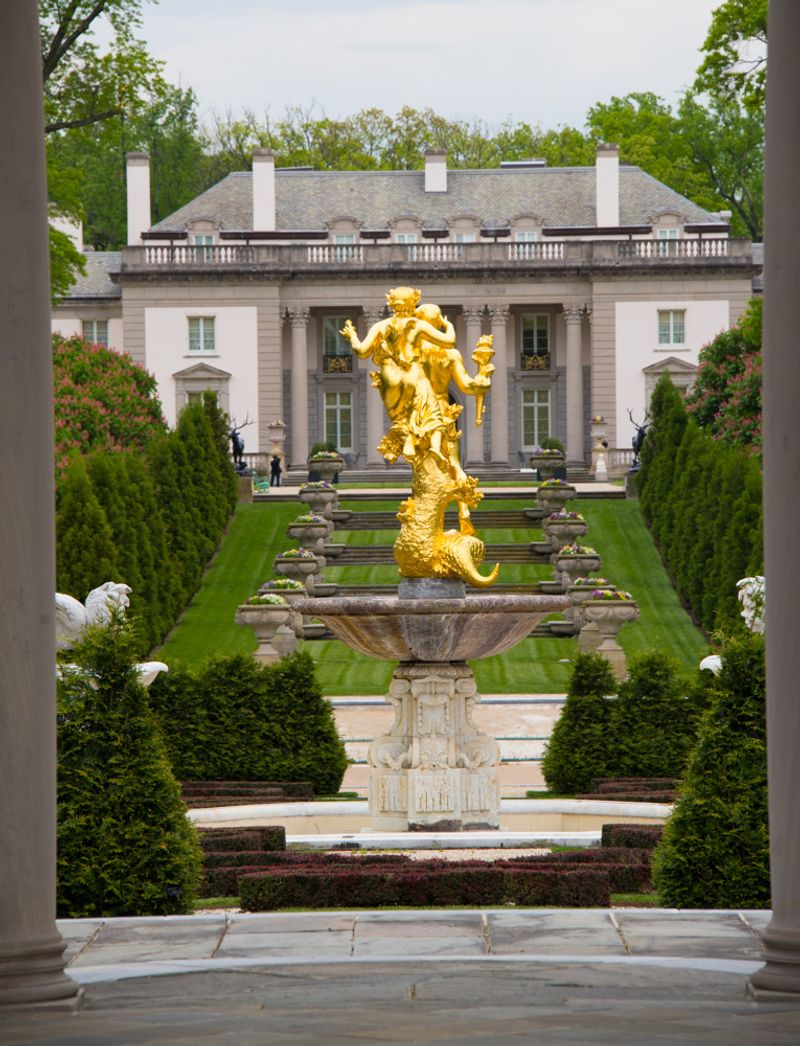
The biggest view is not always the one you remember most. Away from the main line of sight, Nemours Estate has smaller garden spaces that invite a closer look.
Boxwood patterns, sculpture, and tucked-away paths change the mood from grand to playful. After the wide lawns, finding a quieter corner can feel like discovering a new chapter.
Look for the Maze Garden and its gilded Statue of Achievement, then notice how the mood shifts again near the Sunken Gardens. Stone, plants, and water help give each area its own character.
The Temple of Love and the Colonnade offer more reasons to pause and ask what the estate’s designers wanted visitors to see. You do not need to know every name before arriving.
Curiosity is enough to lead the way.
Choose one or two smaller features to explore rather than treating the grounds like a checklist. Read signs where they are available, and ask staff which paths are open during your visit.
Garden areas may need care at different times of year. Taking an unhurried route gives you space to enjoy details that are easy to overlook from a distance.
Bells With a Family Story
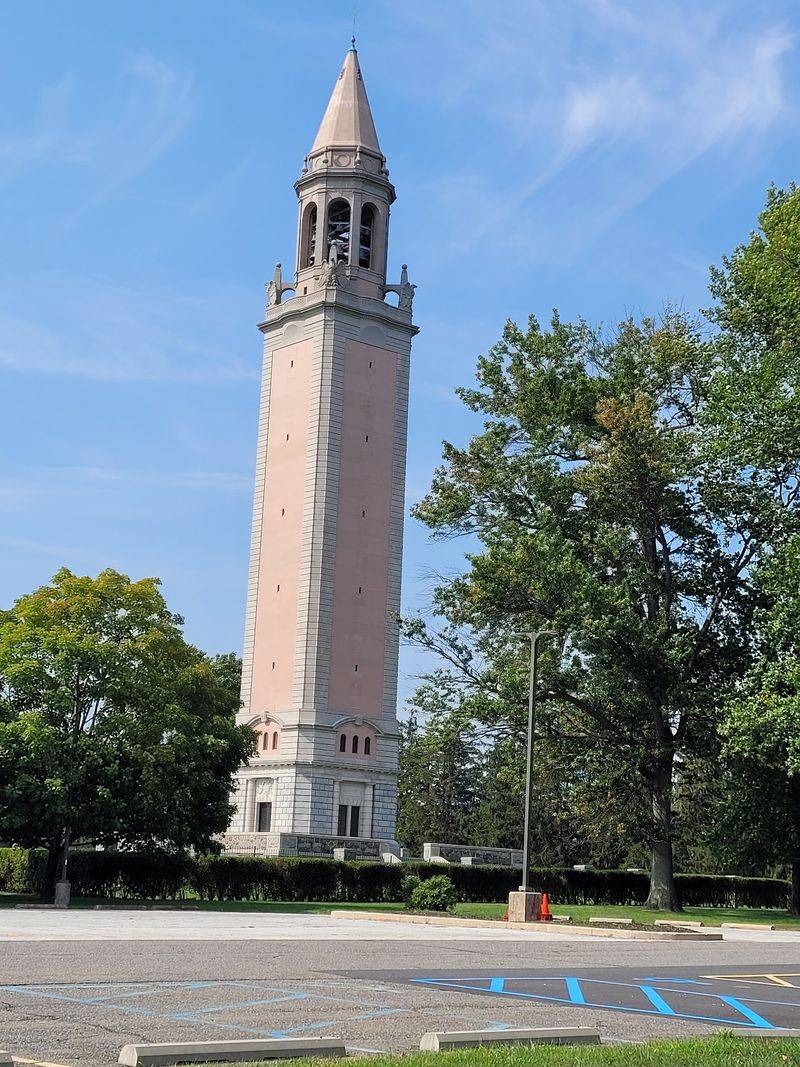
A sound drifting across the grounds can pull your attention away from the mansion. Nemours Estate’s carillon tower adds another layer to the visit, one that is heard as well as seen.
Its tall shape stands apart from the house, yet it belongs to the family’s story. The tower is also a memorial, so it deserves a different kind of pause.
Alfred Victor du Pont, Alfred I. du Pont’s son, designed the tower. It holds bells and serves as the resting place of family members.
Those facts may feel heavy on paper, but the setting gives you room to think about them quietly. Stand back to take in the tower’s height, then look at how its lines fit into the wider landscape.
It shows that the estate was shaped by more than one generation.
When you visit, ask staff whether the bells are scheduled to sound during your time on the grounds. Hearing them may become one of your clearest memories of the day.
Even if the tower is quiet, it offers a thoughtful stop between the busier mansion rooms and the open gardens. Not every highlight needs a bright color or a fountain to stay with you.
Classic Cars Behind the Grandeur

After so much French-style elegance, a garage might sound like a strange next stop. At Nemours Estate, the chauffeur’s garage offers a welcome change of scene.
Vintage cars bring the early 1900s into focus in a way even fine furniture cannot. You can picture the arrivals, departures, and work that connected the mansion to the world outside its gates.
The building also points to people whose jobs kept a large household moving. A chauffeur needed space to care for vehicles, and the garage was part of the estate’s daily operation.
Look at the cars closely enough to notice their shapes and details, then think about how different travel would have felt in them. For many visitors, this is a surprise favorite, especially after a long stretch of formal rooms and garden paths.
Save a little energy and time for this stop rather than leaving it as an afterthought. Ask which vehicles are on display, since exhibits and access can change.
Car fans will enjoy the machines, but you do not need to know anything about engines to appreciate the place. The garage makes a grand estate feel practical, busy, and wonderfully human.
A Legacy That Reaches Beyond the Gates
Beautiful buildings are easy to admire, but their lasting purpose can matter even more. Alfred I. du Pont’s plans for his wealth helped create a charitable organization focused on children’s health.
Nemours Estate remains part of that story. Knowing this gives the mansion and gardens a deeper meaning than their size or beauty alone could provide.
As you walk the grounds, think about the choice to preserve the property while supporting care for children. The connection between a historic home and modern health services may not be obvious at first glance.
It becomes one of the most memorable facts you can take away from a visit. If you are touring with young people, it may open a simple conversation about what people leave behind and how their choices can help others.
Ask a staff member about the estate’s relationship with the Nemours organization if you want to learn more. Keep in mind that the historic attraction and health care facilities have different purposes; follow visitor signs and stay within areas open for touring.
You can enjoy the rooms and gardens while also reflecting on a legacy that reaches well beyond the property.
A Visit Worth Taking Slowly
The hardest part of a day here may be deciding when to leave. Nemours Estate offers enough to fill several hours, from mansion rooms to garden walks and the chauffeur’s garage.
The experience also changes with the season. Flowers can shape a spring visit, while fall light brings out different colors in the trees and stone.
Before you go, check the official estate website for current hours, tickets, special programs, and any areas that may be closed. Seasonal events and holiday decorations can add a different feel to the mansion, but dates and offerings may change.
If you hope to use a shuttle or join a tour, ask about availability when you arrive. A little planning will help you spend less time sorting out details and more time enjoying the place.
Consider bringing a picnic if current visitor rules allow it, and use only the areas set aside for eating. Food and drinks may not be permitted inside the mansion.
Most of all, leave your schedule loose enough for an unexpected stop. A guide’s story, a quiet garden path, or a second look at the house could become the moment you remember best.