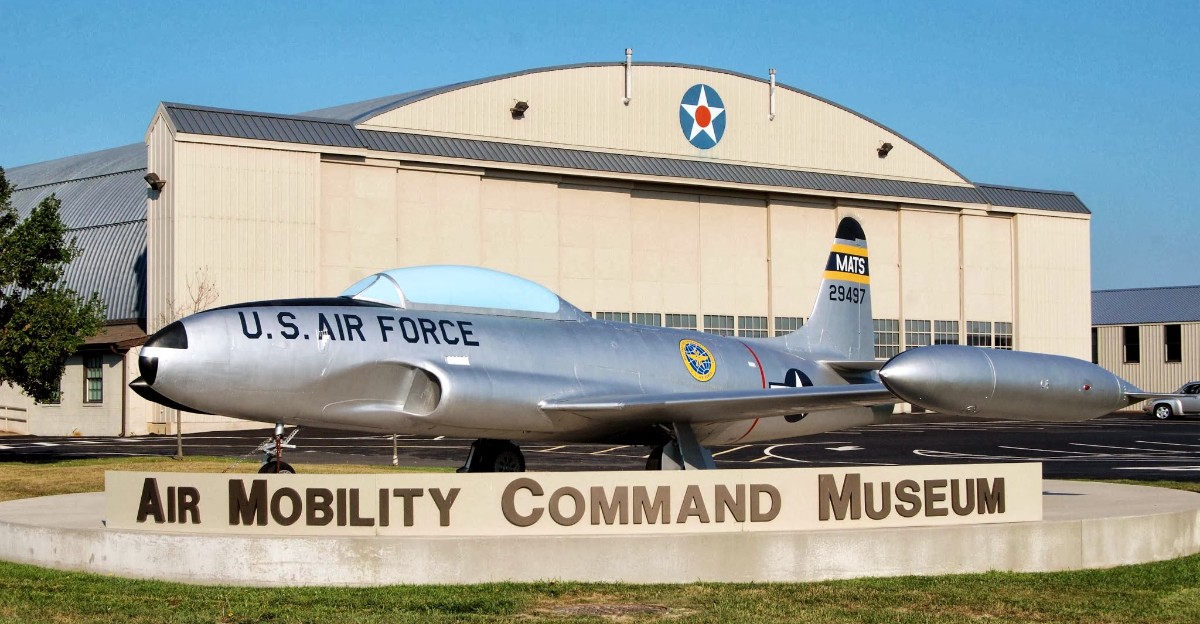
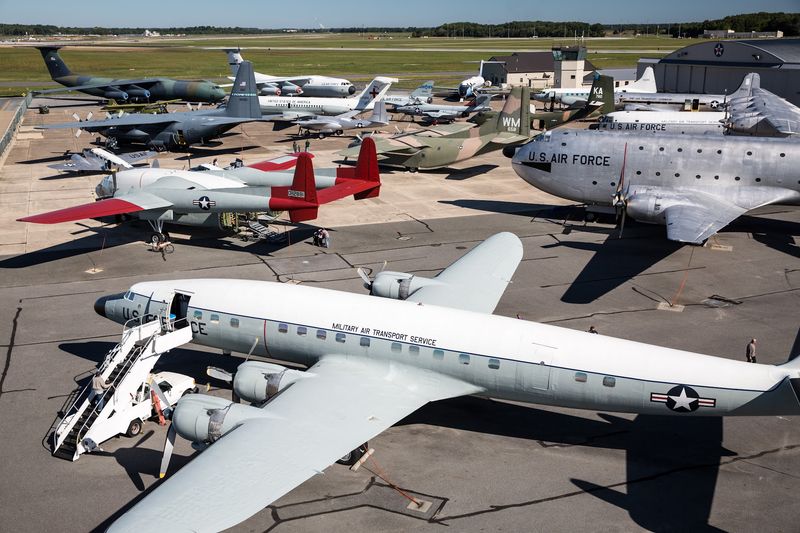
Standing beneath a massive aircraft makes it surprisingly easy to forget how enormous the sky really is. At the Air Mobility Command Museum in Dover, Delaware, historic planes sit close enough to reveal rivets, engines, landing gear, and other details that are easy to miss from a distance.
Best of all, admission is free, making this an accessible stop for anyone curious about aviation and military history.
Outside, visitors can walk among impressive aircraft, while indoor exhibits add photographs, artifacts, and stories that bring the people behind these machines into focus. Volunteers help connect the displays to the missions that carried crews, passengers, and supplies across the world.
Give yourself time to wander from one aircraft to the next, because each has its own shape, history, and story waiting to be discovered.
Stand in the Shadow of the C-5A Galaxy
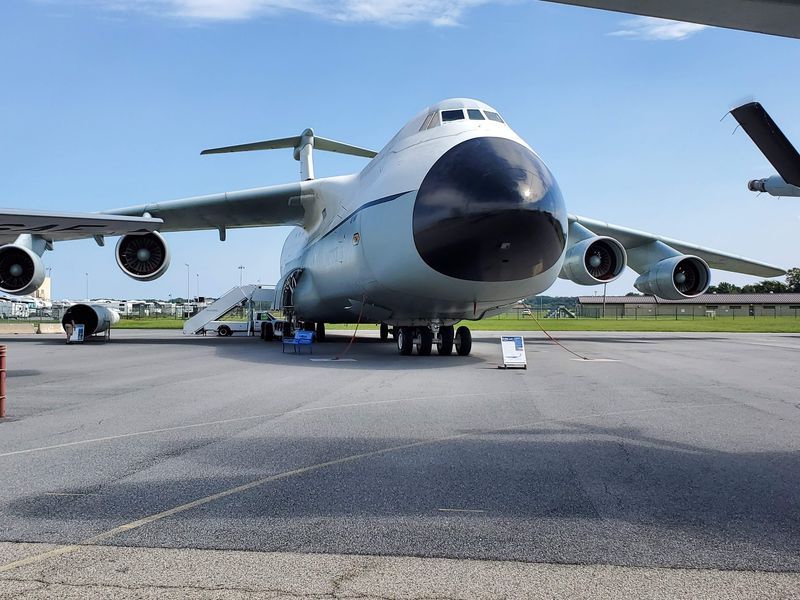
The wing seems to stretch forever, and the landing gear looks taller than the people standing beside it. That first close look at a C-5A Galaxy can make even frequent flyers stop and stare.
At the Air Mobility Command Museum in Dover, its size tells a story before you read a single sign.
This aircraft was built to carry huge loads over long distances, helping move equipment where it was needed. The museum’s C-5A, serial number 69-0014, also took part in an unusual 1974 test that launched an intercontinental ballistic missile from an aircraft in flight.
That history is striking, but simply walking around the plane gives you a clearer sense of the work a giant cargo aircraft could do.
Start outside, then step back far enough to fit the whole aircraft into a photo. If seeing its cargo space matters to you, ask a volunteer whether an interior tour is available that day, since access can change.
Bring comfortable shoes and allow extra time here; the details are easier to notice when you are not rushing from plane to plane.
Meet the VC-9C That Flew National Leaders
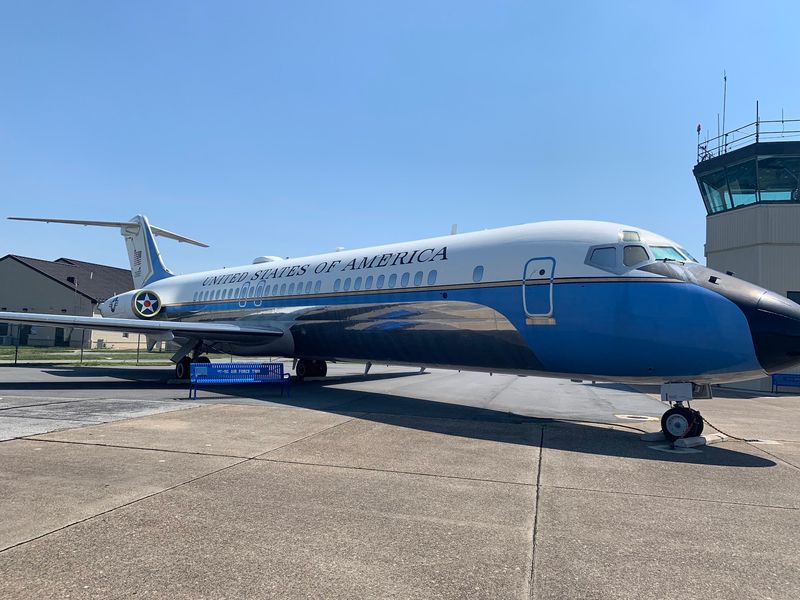
A smaller jet can hold a surprisingly big story. Among the giant cargo planes at the Air Mobility Command Museum, the VC-9C draws attention for a different reason: it carried senior government travelers, including vice presidents.
When a vice president was aboard, its call sign was Air Force Two.
Look at its passenger-jet shape and picture how differently a trip aboard it might have felt from a ride in a cavernous cargo hold. One aircraft supported official travel; another moved vehicles or supplies.
Seeing both at the same museum makes the many meanings of air mobility easier to understand, even if you have never followed aviation history before.
Pause by the aircraft and read its display before heading to the next plane. If you hope to see inside, check with museum staff rather than assuming the cabin will be open, because tour access varies.
Visitors who enjoy history beyond battles and machinery may find this stop especially memorable: it shows how an aircraft could quietly support the daily work of government, one flight at a time.
Discover How the KC-10A Extender Shared Fuel
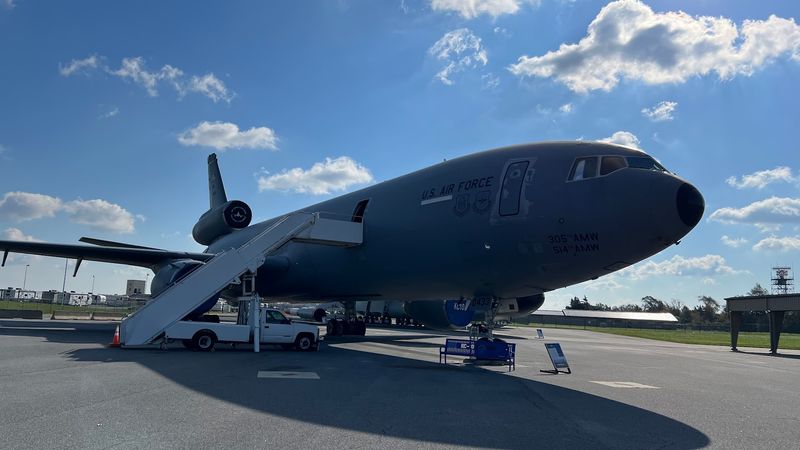
Some of the most important flights depend on a meeting that lasts only minutes. High above the ground, a tanker can pass fuel to another aircraft so it can keep going.
The KC-10A Extender at the Air Mobility Command Museum helps make that hard-to-picture job feel real.
The museum displays the first KC-10 built, a plane that combined long-range fuel delivery with room for cargo and passengers. Find its refueling boom near the tail, then imagine the steady hands and clear communication needed to connect two moving aircraft.
It is a reminder that a long flight takes more than pilots in the aircraft you can see; crews behind the scenes help make the mission possible.
For a better view, walk around the tanker and compare its shape with the other aircraft outside. Ask whether any tanker tours or volunteer talks are offered during your visit, since schedules and aircraft access can change.
Even from the ground, the KC-10 rewards a slow look, especially for visitors who like learning how difficult jobs are solved through teamwork and careful design.
Look Closer at the B-17G Sleepy Time Gal
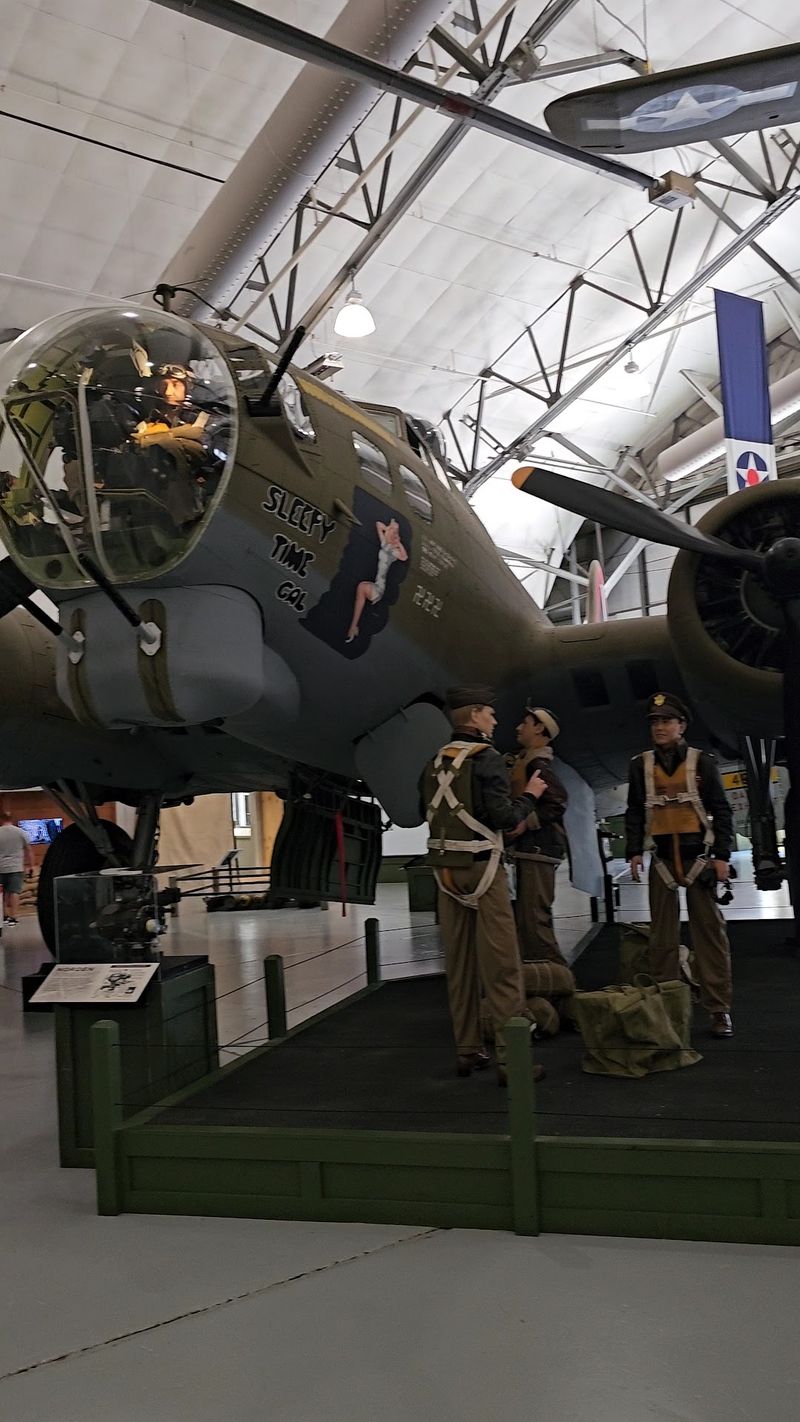
Four propellers and rows of windows give this aircraft a look that belongs to another era. The B-17G Flying Fortress called Sleepy Time Gal is one of the most moving sights at the Air Mobility Command Museum.
Its polished surface catches the light, while its gun positions hint at the danger faced by wartime crews.
During World War II, B-17 crews flew demanding missions in aircraft where every person had a job. Standing nearby is a chance to think about those people, not just the machine they used.
Look closely at the nose, wings, and tail, and notice how many places a crew would have needed to watch while flying.
Give younger visitors time to ask questions, and keep explanations simple: the plane carried a crew through dangerous skies, and many people worked to keep it flying. Check with staff before expecting cockpit access, since preservation comes first and entry is not always offered.
You do not have to know aircraft names to appreciate this stop; a few quiet minutes beside Sleepy Time Gal can make history feel personal.
Trace Two Chapters of the C-141 Starlifter
A long cargo hold can carry more than boxes. It can carry people toward safety, bring supplies to a distant base, or help a community after a disaster.
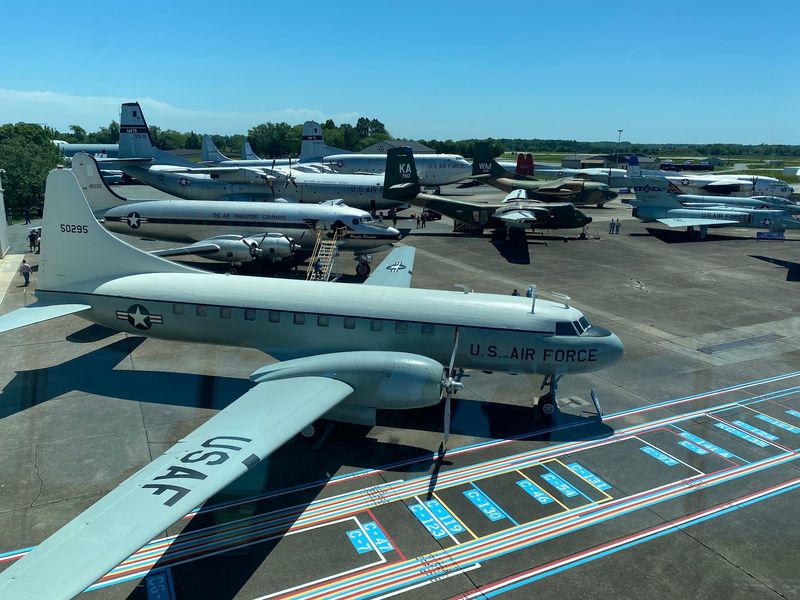
At the Air Mobility Command Museum, the C-141 Starlifters invite visitors to think about all the reasons an aircraft might need to move a heavy load quickly.
The museum has both C-141A and C-141B aircraft, so you can compare two versions of this jet-powered transport. Its C-141A was the first Starlifter built.
As you study the aircraft, picture crews planning where cargo should go and how it should be secured before takeoff; those choices mattered as much as speed in the air.
Ask a volunteer which Starlifter, if any, is open for visitors that day, and check current accessibility arrangements before your trip if you need step-free entry. A look inside, when available, makes the size of the cargo space easier to grasp.
Even without an interior tour, comparing the two planes turns a simple walk across the museum into a lesson about how useful designs changed over time.
See the Airfield from the Old Control Tower
From a tower window, parked aircraft suddenly look like pieces of a much bigger puzzle. Pilots may fly the planes, but controllers help keep traffic moving safely on the ground and in the sky.
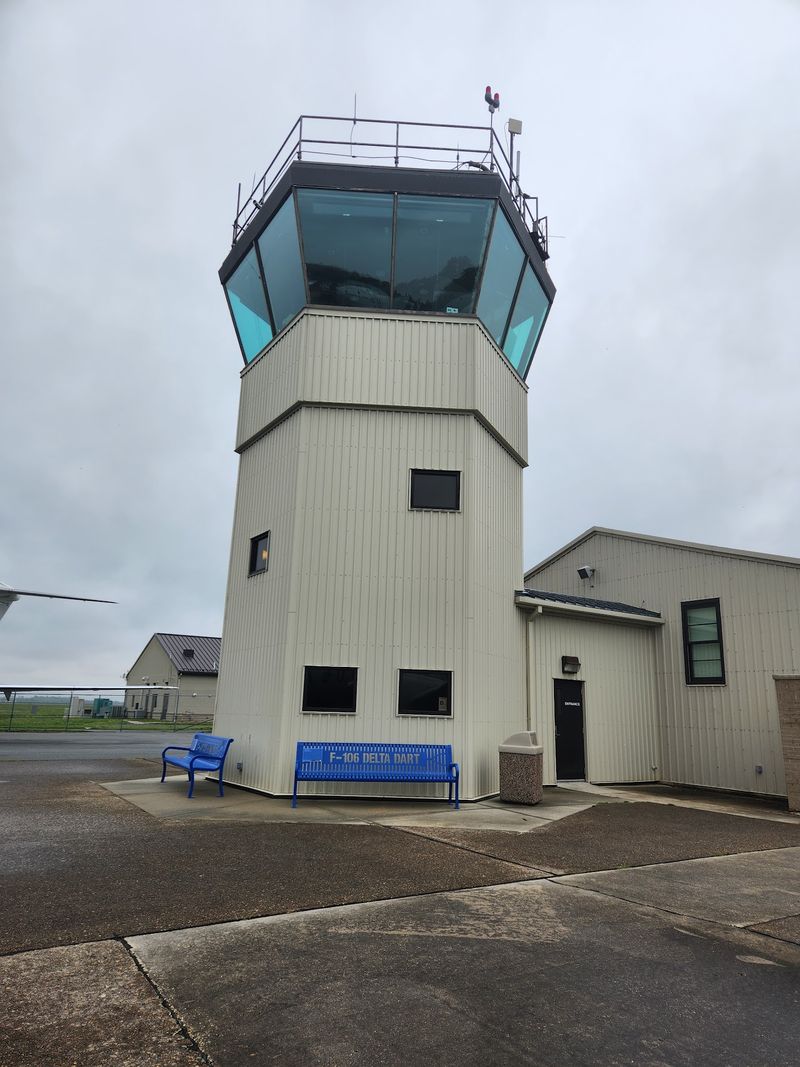
The retired tower cab at the Air Mobility Command Museum offers a fresh way to picture that work.
This cab served Dover Air Force Base for decades before becoming part of the museum. Look for the equipment inside and imagine a controller watching the airfield while listening closely to radio calls.
Through the windows, the aircraft collection spreads out below, giving you a view that feels different from walking beside the wings.
Check whether the tower is open during your visit, and ask about stairs or other access needs before you head over. If you can go up, take a moment to match the shapes below with planes you have already seen on the ground.
The stop adds a new voice to the story of flight: getting an aircraft safely into the air also takes people who never leave the tower.
Try a Flight Simulator and Watch for Open Cockpits
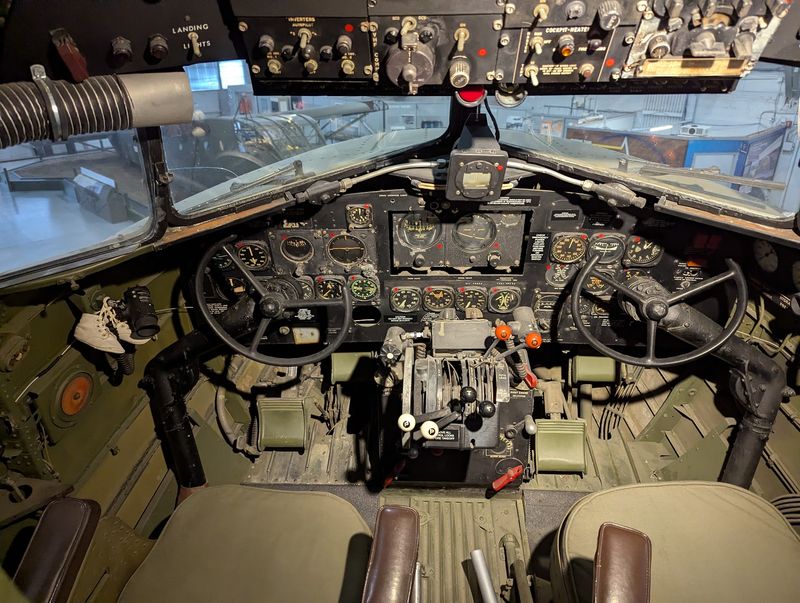
The screen tilts, the controls respond, and suddenly watching airplanes is not quite enough. Hands-on activities at the Air Mobility Command Museum give curious visitors a playful way to learn what pilots must pay attention to.
A flight simulator can turn a quick stop into a story you tell on the ride home.
The museum has offered free simulator experiences for visitors ages 10 and older. It also schedules Open Cockpit Days on select third Saturdays from April through October, when some aircraft may open for tours if conditions allow.
Neither experience should be treated as guaranteed on every visit, so look at the museum’s current calendar before planning your day around one.
If you bring children, let them explore the exhibits first so the controls and aircraft names have some meaning when their turn comes. For a special event, arrive with patience; popular activities can draw a crowd, and weather may affect outdoor access.
Trying something yourself makes the displays stick in your memory long after you leave Dover.
Hear the Stories Behind the Aircraft
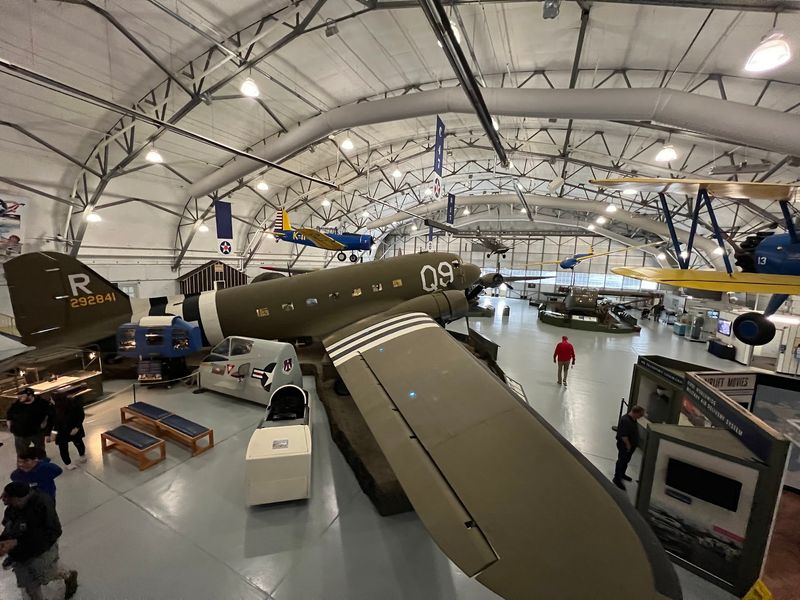
A photograph tells you what a plane looked like; a good storyteller helps you picture the people who depended on it. At the Air Mobility Command Museum, volunteers can add that human side to rows of aircraft and cases of objects.
Some bring personal service experience, while others have spent years learning the collection.
Ask a simple question, such as what a cargo crew did before takeoff, and you may hear details that are easy to miss on a sign. You might learn why loading took care, how crews handled long flights, or what made a particular aircraft useful.
Conversations like these can turn an unfamiliar machine into a story about problem-solving and teamwork.
Check at the entrance for the day’s guided tour options, since volunteer availability can vary. If you are visiting with children, encourage each one to pick a favorite plane and ask one question about it.
There is no need to know aviation terms beforehand; listening with curiosity is enough to make the museum feel welcoming and alive.
Find the C-119G Flying Boxcar’s Remarkable Story
One glance at the split tail, and the Flying Boxcar earns its unforgettable name. The C-119G at the Air Mobility Command Museum looks unlike the sleek jets nearby, with a broad cargo body built for practical work.
Its shape makes sense when you learn what crews needed to drop from it.
The museum links this aircraft to the Korean War’s Chosin Reservoir campaign, when bridge sections were parachuted to troops who needed a way forward. Picture the planning behind that task: the load had to fit, leave the aircraft safely, and reach people on the ground.
The story shows that moving supplies could be as important as carrying troops.
Walk around the aircraft to see its twin-boom tail from more than one angle; a side view alone does not tell the whole design story. Read the museum’s display and ask a volunteer about the airdrop if one is nearby.
Whether you love unusual engineering or stories of people helping under pressure, the Flying Boxcar gives you a reason to slow down.
Step Inside the History of Hangar 1301
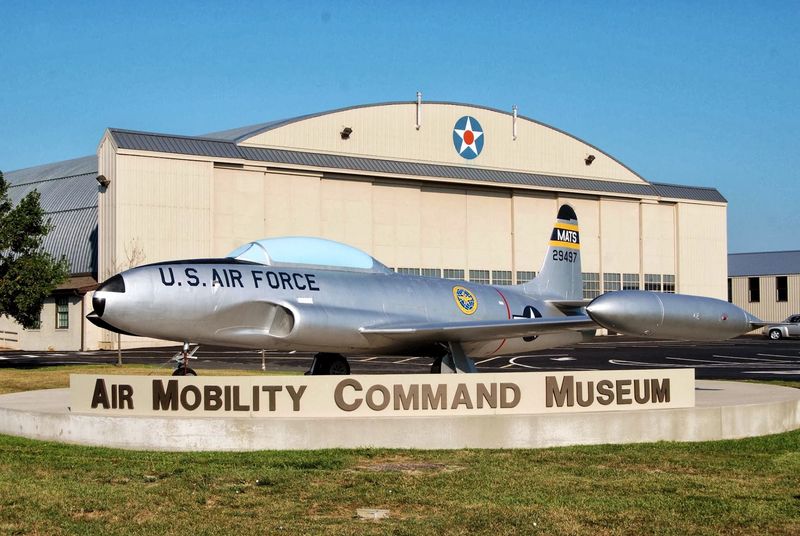
Before looking up at the aircraft, take a moment to look at the building around you. Hangar 1301 has a past of its own, and its wide interior sets the scene for the Air Mobility Command Museum.
The space reminds you that aviation history happened in workshops and hangars as well as in the sky.
During World War II, the hangar was connected to secret rocket work at Dover Army Airfield. Fighter units used it in later decades, long before it became a home for exhibits about airlift and air refueling.
Today, its historic setting gives visitors another story to follow as they move between indoor displays and the aircraft outside.
The museum is at 1301 Heritage Road in Dover, and admission is free, making it easy to spend more time on whatever catches your eye. Before setting out, check the official website for current hours, directions, and entry guidance; the museum is near an active Air Force base.
Bring a camera, leave room in your schedule, and let the building be part of the visit rather than just the doorway.