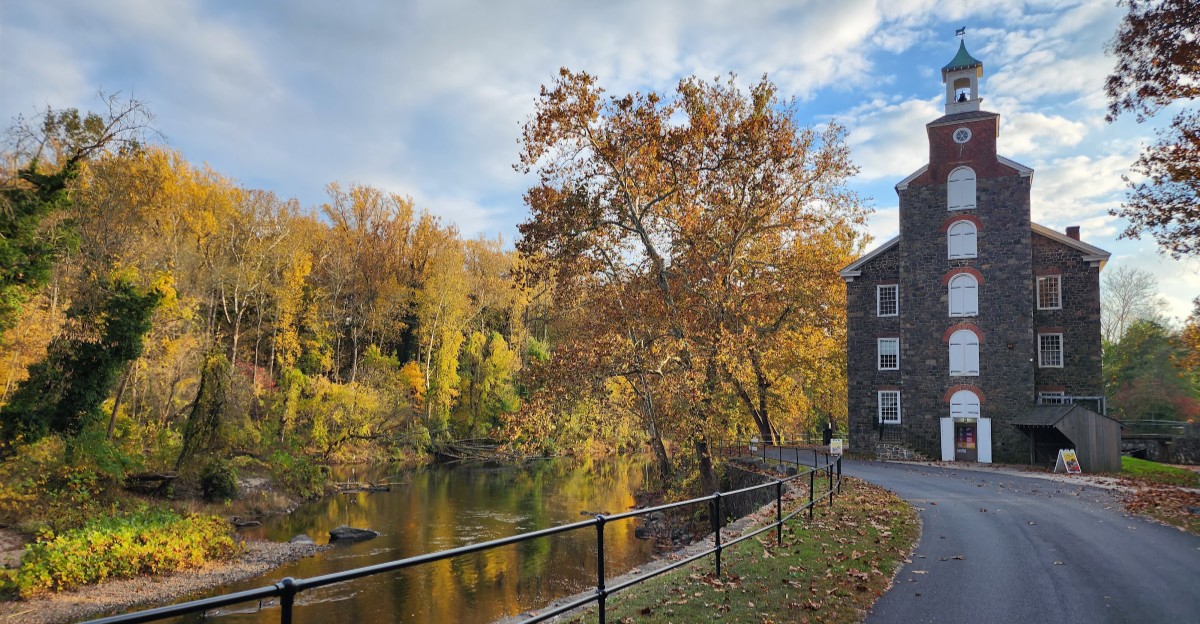
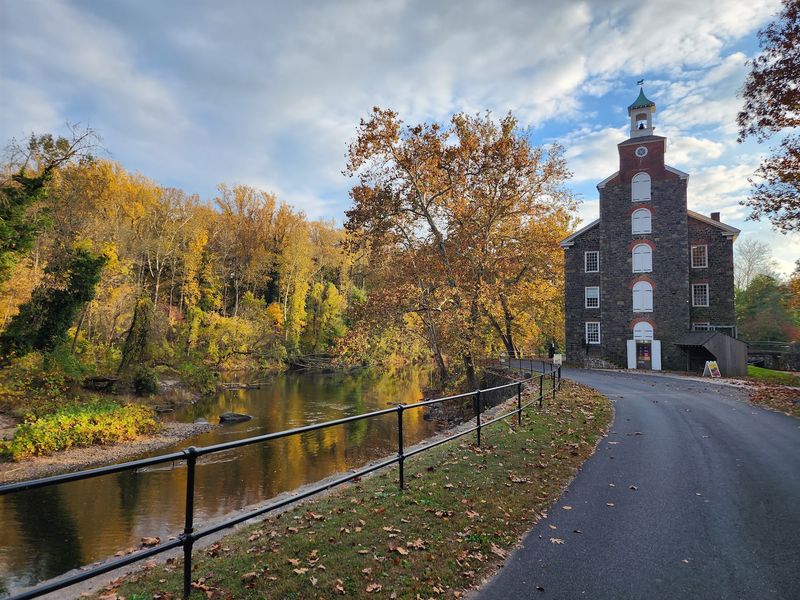
The Brandywine River looks peaceful today, but its rushing water once powered a busy gunpowder business near Wilmington, Delaware.
At Hagley Museum, old mill buildings, working machinery, and the du Pont family home help tell how a small factory grew into a major American company, while also showing what daily life was like for the people who worked there.
You can follow the river past the powder yard, watch a demonstration, and see inventions that grew from the same spirit of problem solving.
It is a place where a pretty walk leads to a surprising story about hard work, danger, and change.
A River That Powered an Empire
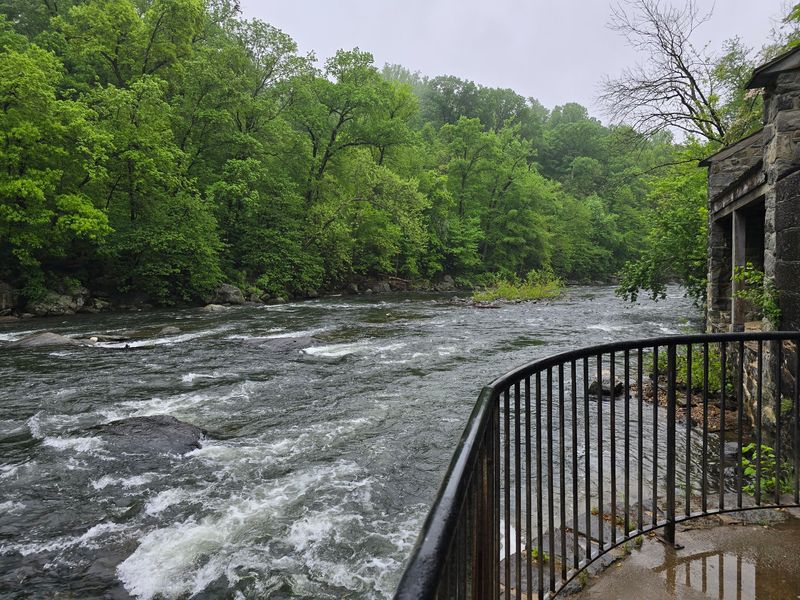
Listen to the water at Hagley Museum, and the landscape begins to explain the factory.
The du Pont company chose the Brandywine because its strong current could help run mill machinery.
Water power gave workers a way to keep heavy equipment moving before electric motors became common.
You can see this story at 200 Hagley Creek Rd in Wilmington, Delaware.
Follow the river paths and look for the stone buildings set close to the water.
Their positions were practical, not just scenic.
Each part of the property played a role in making, moving, or testing black powder.
A river visit also puts the scale of the business into focus.
What now feels like a quiet outdoor museum was once a place of demanding daily work.
Pause where you can see both the stream and a mill, then picture the sound of machinery joining the rush of water.
Comfortable walking shoes help, since the grounds cover a large area.
If you have limited time, ask staff which river stops and demonstrations fit your visit.
That simple plan can turn a pleasant walk into a clearer picture of how this industry grew.
Stone Mills With a Dangerous Job
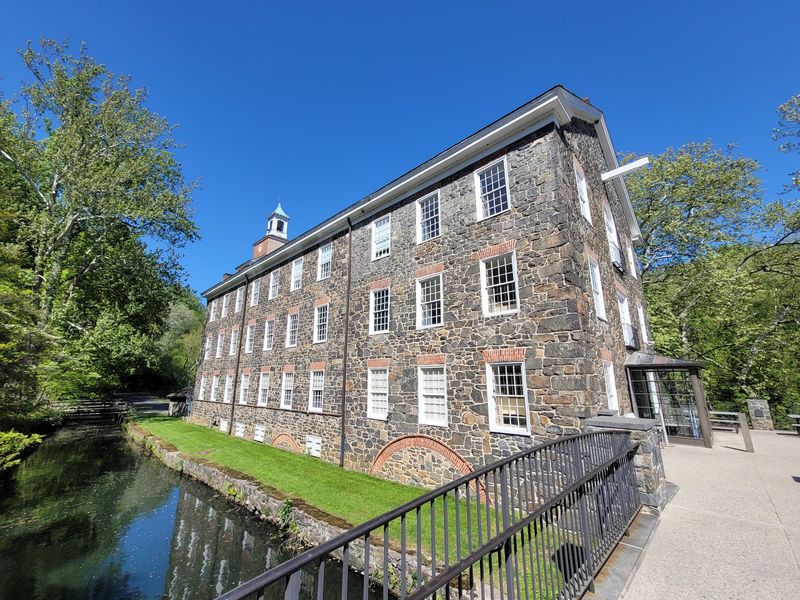
Those sturdy stone walls have a tense story to tell.
Hagley’s powder mills were built for a job that demanded great care: making black powder.
Workers combined ingredients through several steps, using equipment powered by the river.
A mistake could lead to an explosion, so the layout of the mills mattered as much as the machines inside.
As you explore the Powder Yard, notice how the buildings sit apart from one another.
Separation helped limit the harm if an accident happened in one work area.
The surviving structures make an idea from a history book feel real.
They also remind us that the people behind the company’s success faced risks on every shift.
Give yourself time to read the signs rather than rushing from building to building.
A guide or demonstration can help you connect each structure to a stage of production.
Look at the thick walls, then imagine carrying supplies through the yard day after day.
The setting is beautiful, but its purpose was serious.
Hagley does not need to make the past look exciting to hold your attention.
The mills already show how much effort and caution this work required.
The Family Home Above the Work
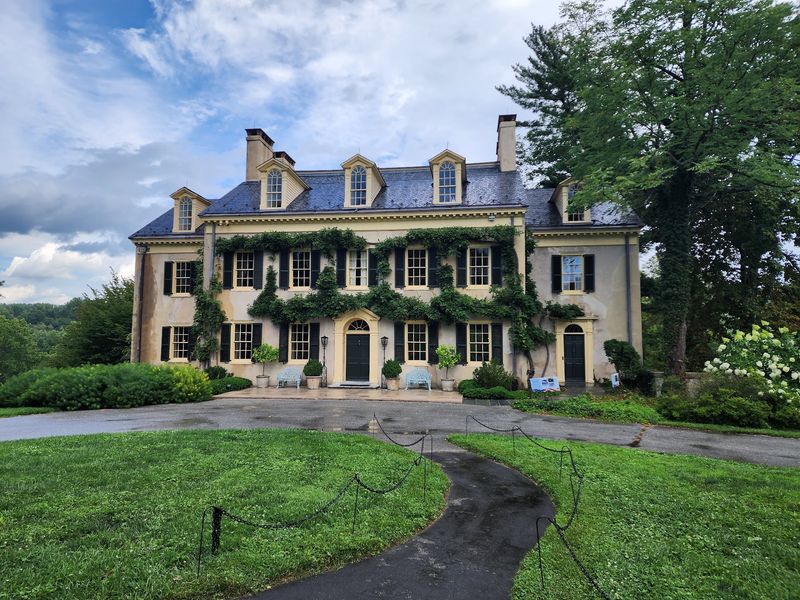
Up the hill, another side of the gunpowder story comes into view.
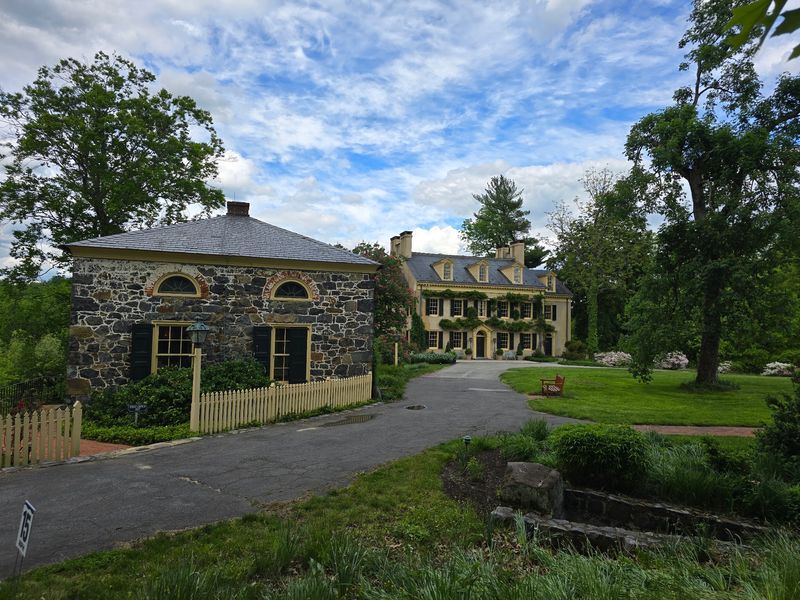
Eleutherian Mills was the du Pont family home, and its rooms show how family life continued beside a growing business.
The house changed over time, so a tour can reveal more than one period of the family’s history.
Inside, listen for details about the people who lived and worked around the home.
A guide can explain how the family made decisions and how the property developed.
The contrast with the powder yard is striking.
One area held furniture and family routines; the other held demanding industrial work.
Seeing both helps you understand why this site is more than a collection of old machines.
Ask about house tour times when you arrive, especially if you want to explore at an easy pace.
Tours may take a good part of your visit, so leave room for the gardens and river afterward.
Children can compare the home with the mill buildings and think about how different people’s days might have felt.
That simple question opens a fuller story.
The house offers a close look at the family whose business shaped the grounds below.
Machines You Can Understand in Motion
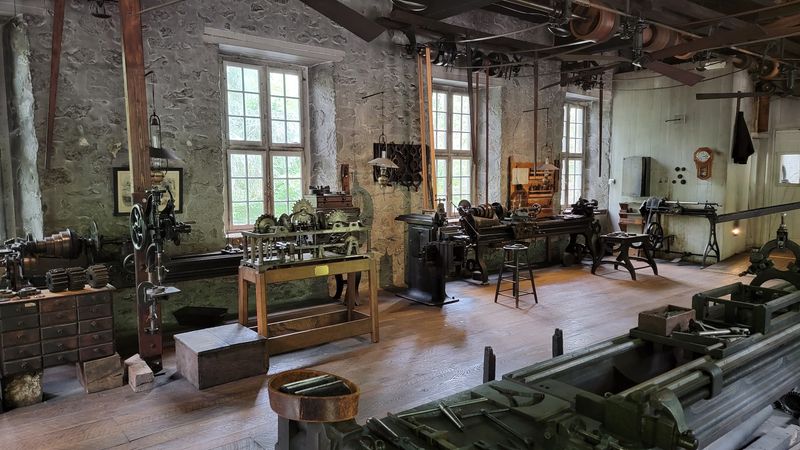
A still machine can seem like a puzzle until someone starts it.
At Hagley, demonstrations help visitors see how water power and mechanical parts worked together.
In the machine shop, moving equipment makes the links between the river, the factory, and skilled labor easier to follow.
Watch for belts, wheels, and tools that turn one kind of motion into another.
Then consider the workers who maintained them.
A factory needed people who could fix equipment, solve problems, and keep production moving.
That work rarely gets as much attention as the finished powder, yet the business depended on it every day.
Check the day’s demonstration schedule before walking too far across the grounds.
If a machine is running, stand where you can see the moving parts and hear the guide clearly.
Do not be shy about asking what a tool did or why it mattered.
You do not need to know anything about engineering to enjoy the answer.
Watching a working machine can make the past feel much less distant.
It shows that this gunpowder empire was built through practical skills, not just big ideas.
A Powder Demonstration With a Point
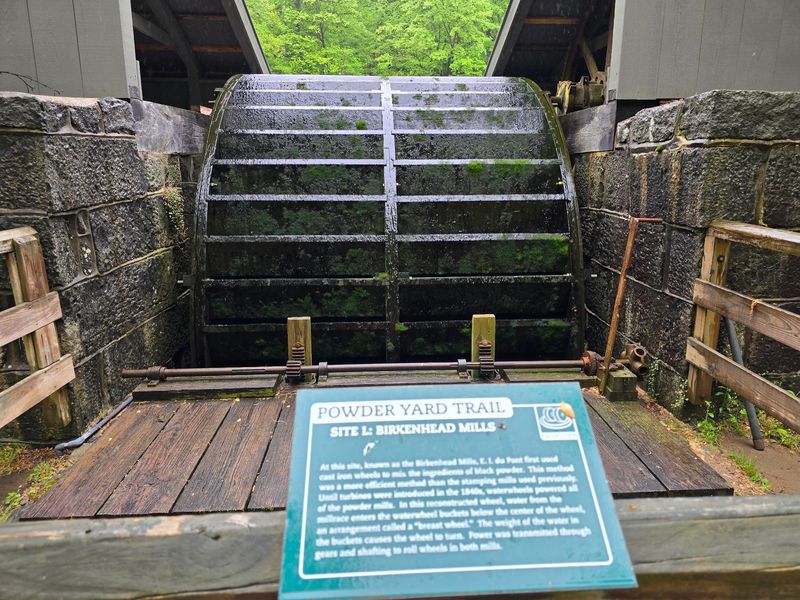
A sudden boom can get your attention, but the lesson lasts longer than the sound.
Hagley’s black powder demonstrations help explain what the mills produced and why careful testing mattered.
They give visitors a way to connect the quiet buildings they see today with the work once done there.
Before the demonstration begins, listen to the guide’s explanation of the process.
Black powder had to perform as expected, and workers needed to judge its quality.
A demonstration is also a chance to learn about safety without pretending that the old job was harmless.
The museum setting keeps the focus on history rather than spectacle.
Schedules can change, so ask staff when and where a presentation will take place.
Follow the guide’s directions about where to stand, and prepare young visitors for a loud noise if one is expected.
Afterward, walk back through the powder yard with a fresh eye.
A building that first looked like a simple stone shell may now suggest a busy, risky workplace.
The sound fades quickly, but understanding what people made there can stay with you for a long time.
The Workers Behind the Company Name
Company stories often begin with a founder, but a factory ran on many people’s labor.
Hagley gives you places to think about the workers who made the du Pont powder business possible.
They handled materials, tended machines, moved supplies, and lived with the danger that came with the job.
As you pass the work areas, try to picture an ordinary shift rather than only the dramatic moments.
Someone had to arrive, carry out a task, watch for trouble, and return the next day.
Families and a wider community were tied to that routine.
Accidents could affect far more people than those standing inside a mill.
Read the museum signs for names, dates, and details that bring the workforce into view.
If you take a tour, ask what daily life was like beyond the factory walls.
Those questions add people to a story that might otherwise seem to be about buildings and business alone.
The river paths are lovely for a walk, but they also lead through a former workplace.
Keeping both views in mind makes the visit richer and gives the workers a place in the history you take home.
Inventive Ideas Beyond Gunpowder
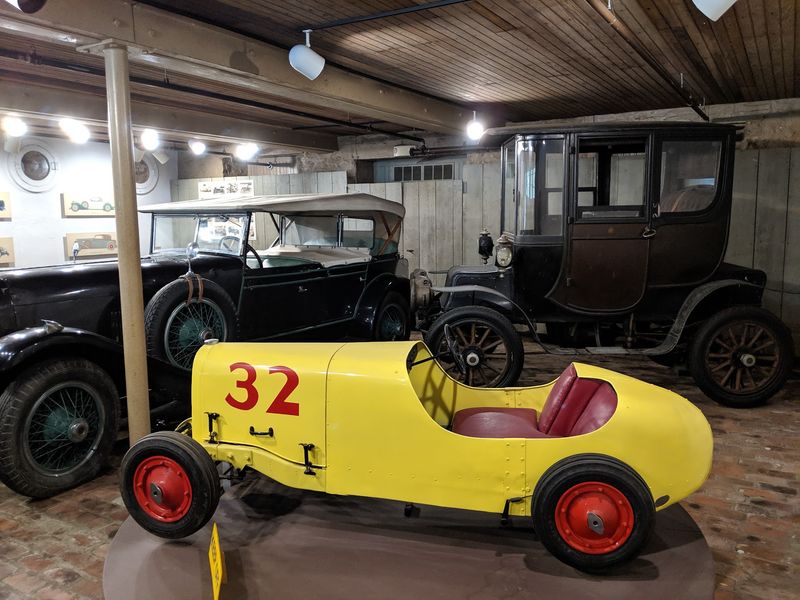
A model of a small invention may look modest beside a giant mill, but it can tell a lively story.
Hagley’s Nation of Inventors exhibition displays patent models and explores how people tried to improve familiar things.
It widens the visit beyond gunpowder without losing the theme of solving problems.
Look closely at a model and ask yourself what problem its maker hoped to fix.
Some ideas dealt with everyday tasks, while others aimed at larger challenges.
A patent model could show how an invention was meant to work.
Not every idea became a success, and that is part of the fun.
Trying, changing, and trying again shaped industry as surely as powerful machinery did.
Save time for the exhibition when you plan your route through Hagley.
It is easy to spend longer than expected examining the displays.
For children, pick one model and invite them to explain its purpose in their own words.
For adults, the cases offer a reminder that useful ideas can begin with ordinary annoyances.
After seeing the mills, these smaller objects add a welcome twist: an industrial story also contains a great deal of imagination.
A Visit Best Taken at Your Own Pace
One hour can vanish quickly when a museum has both rooms to tour and river paths to follow.
Hagley spreads its story across indoor exhibits, outdoor work areas, and the family home.
A relaxed plan helps you enjoy those different spaces without racing from one stop to the next.
Start by asking staff about current tour and demonstration times.
Choose the experiences you most want to see, then fit walks between them.
Shuttles can help you move around the large property, while benches offer places to rest and take in the view.
Wear comfortable shoes and bring water, especially if you hope to explore much of the grounds.
Food options may be limited, so check ahead or bring lunch to enjoy in a permitted picnic area.
Confirm opening hours and accessibility details with the museum before you travel, since schedules can change.
Leave a little unscheduled time, too.
You might want another look at a mill, a longer stop beside the river, or a question answered by a guide.
The best part of Hagley is how its pieces connect when you give them time.