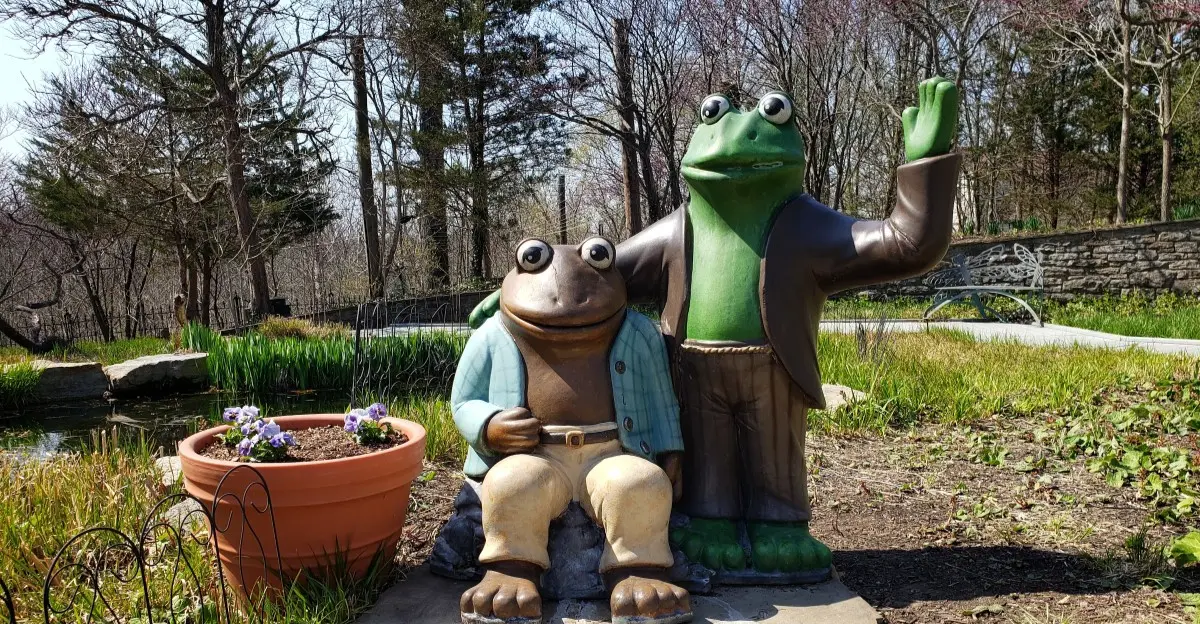
A garden gate can feel like the start of a story, especially when a child steps through it and spots a treehouse, a tiny train, and winding paths ahead.
At Highfield Discovery Garden, play happens beside flowers, ponds, and hands-on activities, so kids can run around while getting curious about the natural world.
Families can follow their own pace here: a child might spend ages watching a train, stop to make music, then decide that a frog deserves careful study.
If you are looking for an outing that gives young explorers room to imagine, move, and ask a hundred questions, take a look at what waits beyond the gate.
A Gate That Starts the Adventure

Before anyone reaches a play structure, the entrance sets the mood. Highfield Discovery Garden feels less like a row of swings and more like the first page of a picture book. A path leads children toward small surprises, while plants and playful details invite them to look closely.
Give your family a moment to slow down at the start. Ask kids what they notice first, then let them choose where to go. That small choice makes the visit feel like their own adventure instead of a schedule adults have planned.
Keep younger children close as excitement takes over. A quick photo near the entrance can help you remember the moment everyone was still clean and smiling. After that, muddy shoes and happy faces are fair game.
The garden is designed for discovery, so there is no need to race toward one headline attraction. Follow a path, pause when something catches your child’s eye, and leave room for a surprise detour. Even a flower or a curious insect can become the day’s best story.
The Treehouse Takes Center Stage
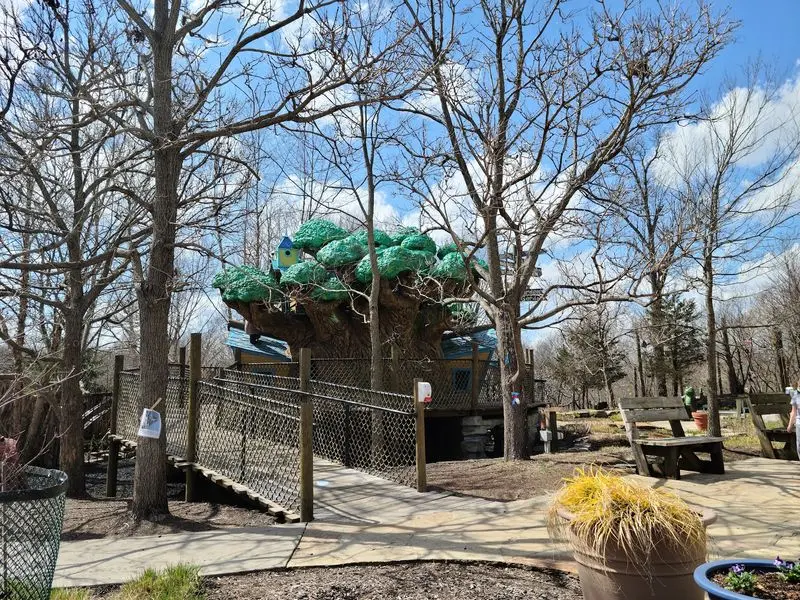
Up among the branches, ordinary playground rules seem to loosen a little. The treehouse is one of the garden’s best-loved spots, and visitors often mention how much children enjoy going in and out. Its playful passages give young explorers a place to climb, peek, and pretend.
Let children lead a round of make-believe here. They might call the treehouse a castle, a hideout, or the home of a very busy squirrel. You do not need props or a script; a good hiding place can do most of the work.
Check the play area before your child rushes ahead, and stay where you can see the routes they use. If siblings move at different speeds, agree on a meeting spot nearby. A short turn-taking game can also help when everyone wants the same favorite passage.
Some children will be ready to explore right away, while others may want to watch first. Both approaches count as play. Give a hesitant visitor time to study the structure, then offer to walk alongside them until the treehouse feels friendly rather than huge.
Tiny Trains, Big Reactions
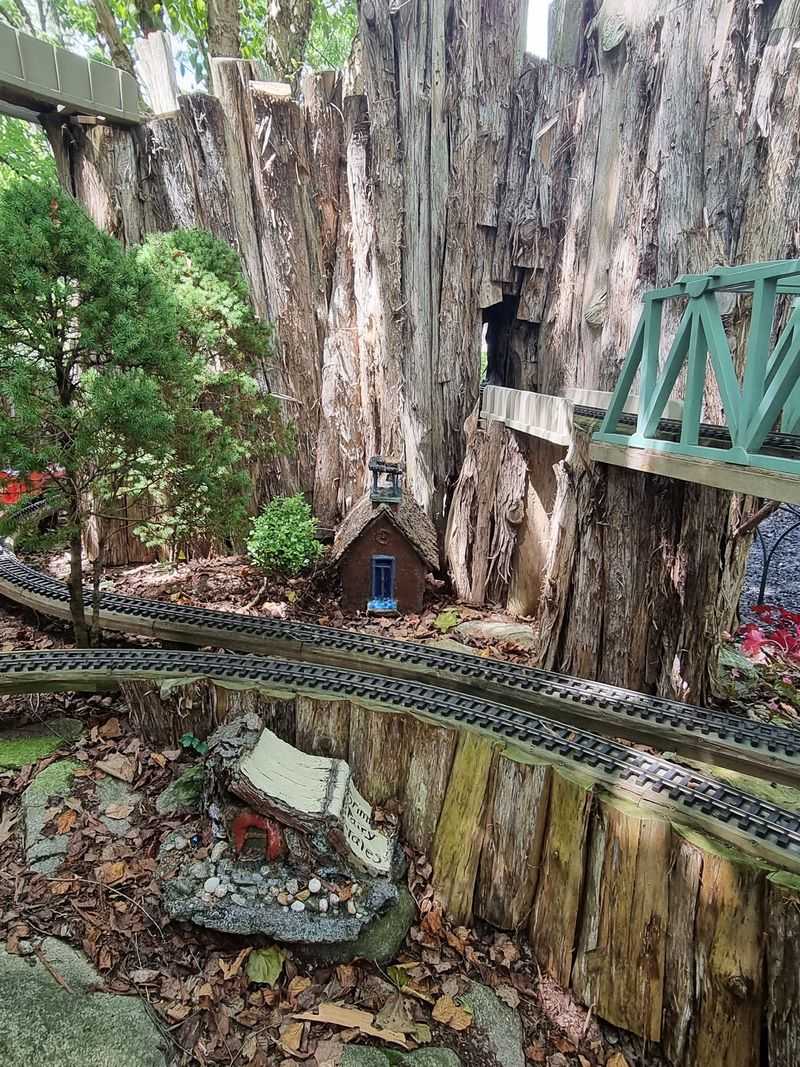
One small train can stop a whole group of children in its tracks. Visitors describe miniature trains running through the garden, and watching them can become an activity all its own. A child who raced past the flowers may suddenly stand still to see where the next train goes.
Turn that pause into a simple observation game. Ask your child to spot a curve, count the cars, or guess when a train will come around again. You can practice patience without announcing that anyone is practicing patience, which is a handy parent trick.
Give other visitors room to watch, too. Keep little hands away from the tracks and follow any posted directions around the display. If the trains are not running during your visit, treat the area as one stop on a larger garden walk.
For children who love vehicles, this may be the moment they talk about all the way home. Bring their curiosity along to the next activity by asking what a train might carry through an imaginary garden. The answer could be vegetables, fairies, or an unusually large sandwich.
A Music Garden for Little Performers
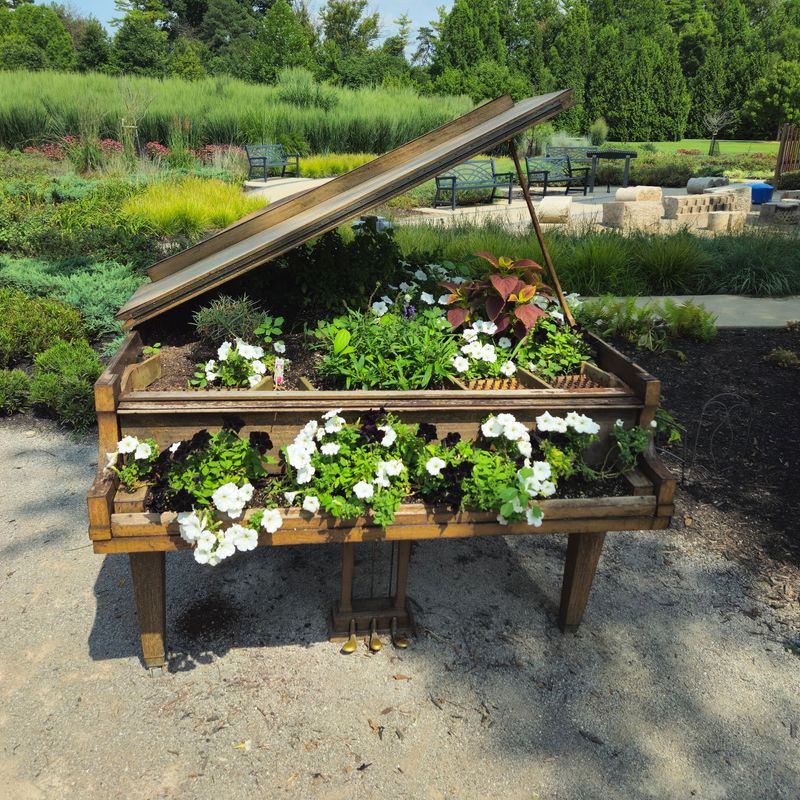
Clang, tap, boom: the music garden has its own cheerful soundtrack. Visitors report outdoor instruments such as xylophones and drums that children can play themselves. There is no need to know a song, read notes, or convince anyone that a drum solo has ended.
Try copying a short rhythm back and forth with your child. Start with three easy taps, then let them invent the next pattern. Older siblings can make the game harder, while younger ones may be delighted simply to hear a sound they made.
Music play offers a change of pace after climbing or walking. It also gives children a chance to listen, wait for a turn, and notice how different instruments sound. If the area is busy, take a few steps back and enjoy the performance before joining in.
Keep an ear on the volume when other families are nearby. A lively beat is fun, but everyone deserves a chance to hear their own budding musician. When it is time to move on, ask your child to pick a farewell rhythm; the garden gets a tiny closing concert.
Frogs Make Excellent Neighbors
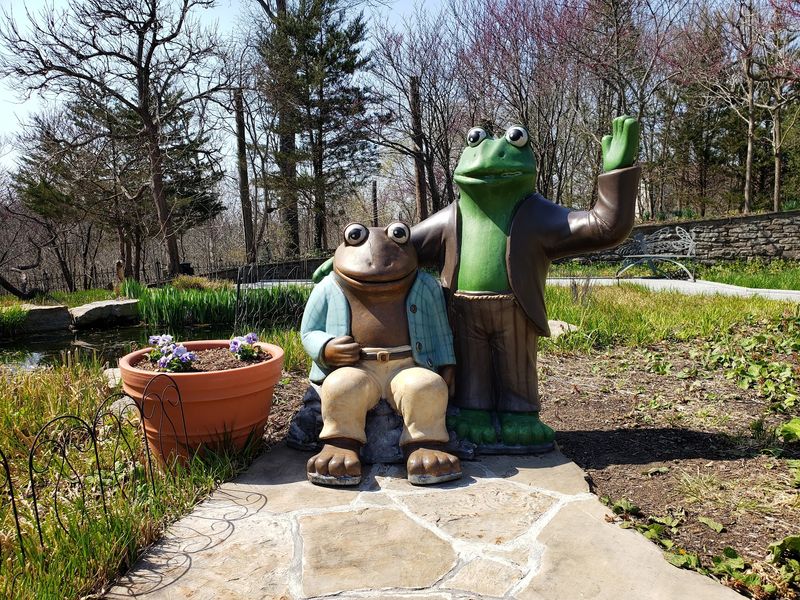
A quiet pond can cause a louder reaction than any drum. Families have reported seeing frogs, tadpoles, and turtles around the garden’s water areas. Wild animals do not follow a show schedule, of course, which makes each sighting feel like a lucky find.
Approach the water slowly and invite your child to look before pointing. Ripples, floating leaves, and tiny movements can all offer clues. A simple question, such as where a frog might hide, encourages careful watching without turning your outing into homework.
Stay beside young children near pond edges, and let wildlife remain where it belongs. Do not catch animals or toss food into the water. Watching from a comfortable distance protects the creatures and gives everyone a better chance to see natural behavior.
If nothing appears, the stop still has plenty to offer. Listen for sounds, compare leaf shapes, or count the colors reflected on the surface. Children often remember the creature they almost spotted just as vividly as the one they did, especially if they get to tell the story.
Garden Jobs That Feel Like Play
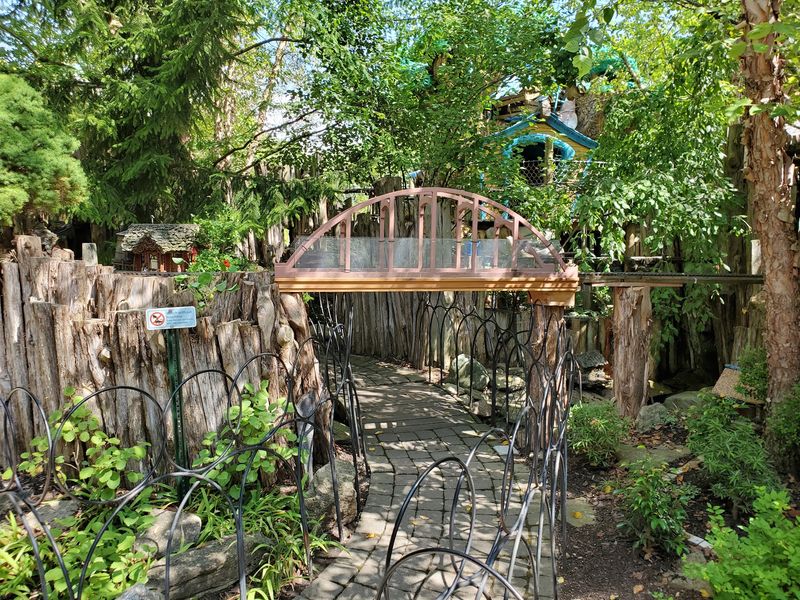
Hand a child a watering can, and suddenly they have an important job. Visitors have described chances to water plants at Highfield Discovery Garden, along with vegetable activities offered at certain times. It is a hands-on way to connect the food on a plate with the plants growing outdoors.
Ask staff what children may do on the day you visit. Harvesting and other guided activities may depend on the schedule, so it is best not to promise a basket of vegetables in advance. Even without a planned program, children can look for differences between leaves, stems, and flowers.
Encourage gentle hands around the beds. Explain that growing plants need room, and show kids how to follow paths instead of stepping over them. A little care makes their garden job feel real, not just pretend.
At home, keep the conversation going over a snack or dinner. Ask which plant surprised them or what they would like to grow. You might get a sensible answer, or you might hear a bold plan for a garden full of pizza trees.
Curious Creatures Inside
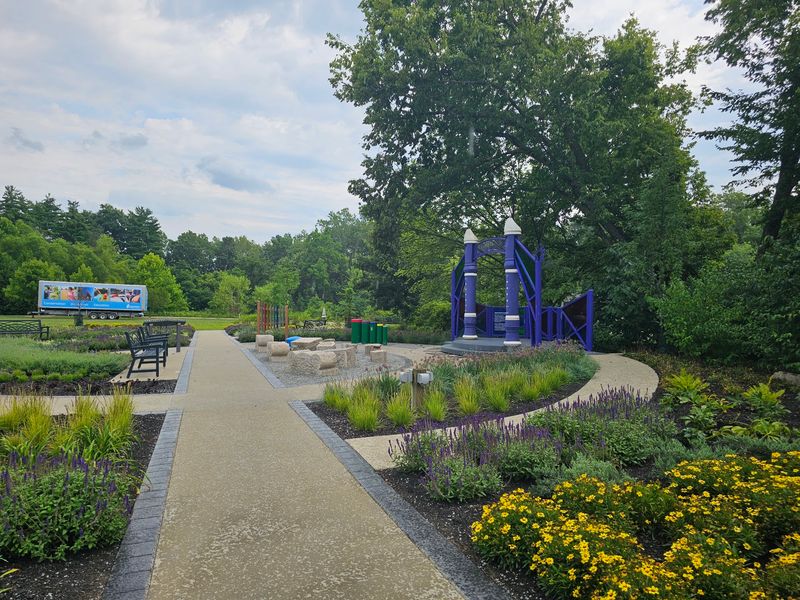
Not every garden discovery has petals or wings overhead. Visitors describe an indoor activity space with small animals, nature displays, and occasional crafts or programs. A turtle or snake can turn a casual stop into a serious round of questions.
Check what is available when you arrive, since animals and activities may change. If a naturalist is leading a session, encourage your child to ask something they genuinely wonder about. Why does a turtle have a shell? How does a snake move?
Follow staff instructions around every animal. Some programs may allow a supervised touch, while others are for looking only. Either way, children can learn that respecting an animal’s space is part of being a good explorer.
The indoor stop can also help when little legs need a break from walking. Slow down, read a display together, or make time for a craft if one is offered. A child may leave with a new animal fact, a piece of art, and a story that grows funnier each time they tell it.
Make Room for One More Loop
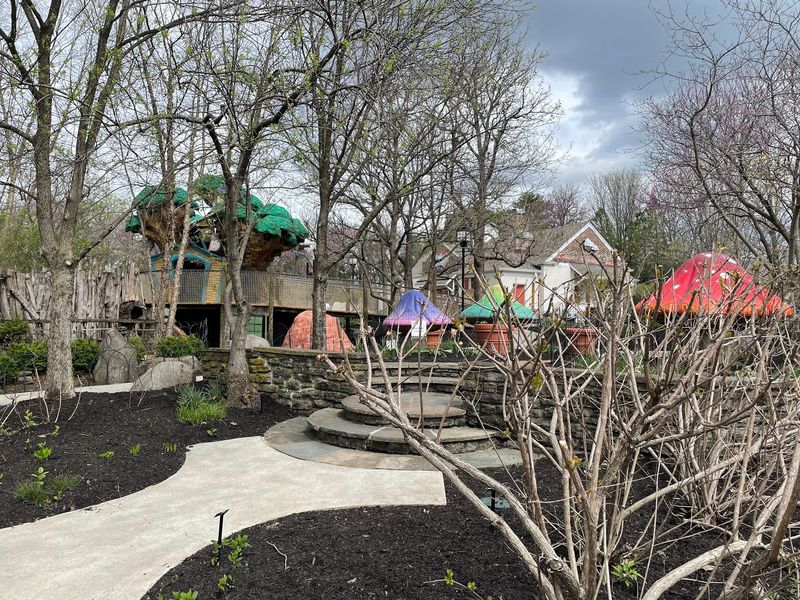
Leaving may be the hardest part of the visit. Short walking paths and several play areas give families a reason to circle back for one more look. Plan for at least an hour, but keep extra time free if your child tends to revisit favorite spots.
Highfield Discovery Garden is at 10397 Springfield Pike in Cincinnati, Ohio, within Glenwood Gardens. Its posted hours are Tuesday through Saturday from 9:30 a.m. to 5 p.m. and Sunday from noon to 5 p.m.; it is closed Monday. Check the official Great Parks website or call 513-771-8733 before leaving home, since hours, admission, and parking requirements can change.
Pack water and consider bringing lunch for the tables visitors mention nearby. Comfortable shoes help on the paths, and sunscreen or bug repellent can make a warm day easier. Before heading out, invite each child to choose a final stop rather than announcing a sudden exit.
That last lap often reveals something the family missed earlier. It might be a train, a flower, or a familiar treehouse doorway. Either way, the garden makes it easy to leave with plans to return.