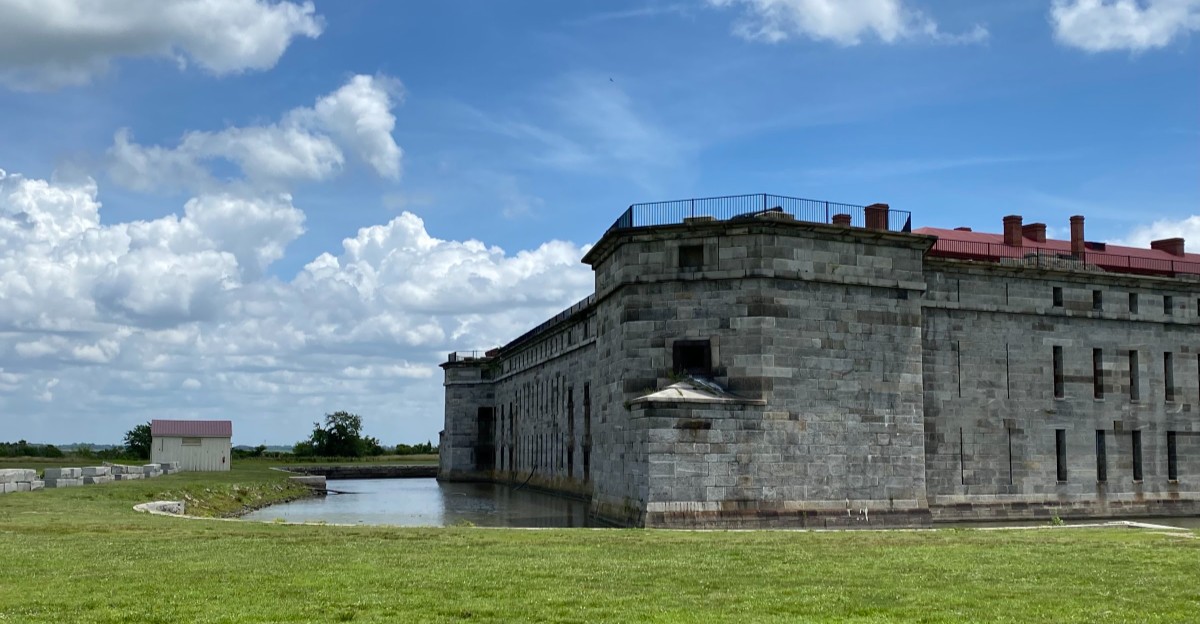
A boat ride can feel like the start of an adventure, especially when a brick fort appears across the water.
At Fort Delaware State Park, that adventure leads to a place where thousands of Confederate prisoners were held during the Civil War, and where guides help visitors understand what daily life was like for the people who lived and worked there.
You can walk through the fort, watch demonstrations, ask questions, and enjoy views of the Delaware River, but the stories behind its walls may stay with you longest.
If you are curious about history, or simply want a day trip that feels different from an ordinary walk in the park, start with the ferry and see what this island can teach you.
The Ferry Is Part of the Story
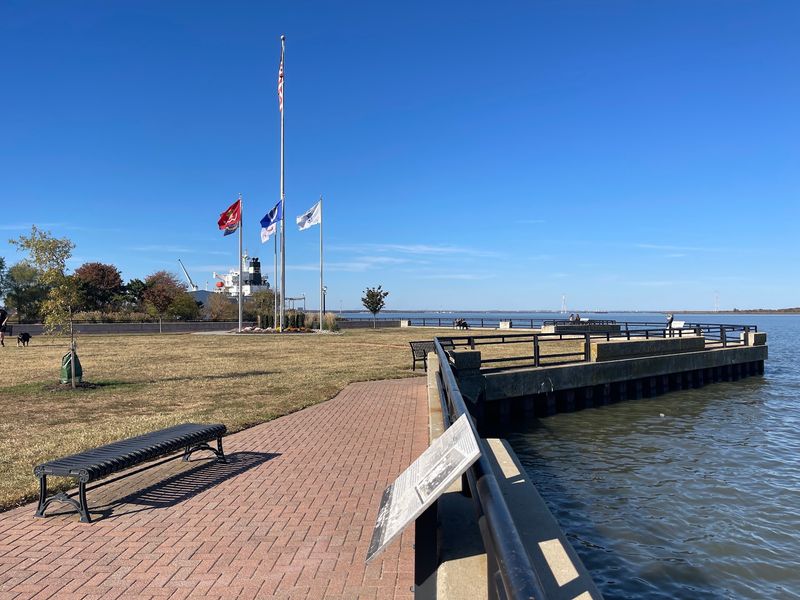
The fort does not begin at its front gate. Your visit begins on a ferry, with river air on your face and Pea Patch Island drawing closer. That short crossing helps you understand why a fort was built here: the island gave soldiers a place to watch ships moving along the Delaware River.
Start by checking the current ferry schedule and ticket details on the official Fort Delaware State Park website. Service and programs can change by season, so do not count on an old review for departure times or prices. Confirm your boarding location in Delaware City before you leave home, and arrive with enough time to park and check in.
Once aboard, keep your camera ready, but take a moment to look without a screen. Imagine approaching the island in the 1860s, when the trip might have meant guard duty, work, or imprisonment rather than a day out. That thought adds weight to the cheerful ride.
After landing, follow staff directions for getting to the fort. Wear shoes that handle walking, and keep your return ferry time in mind as you explore. The crossing is brief, but it sets the scene for everything that follows.
Pea Patch Island Feels Worlds Away
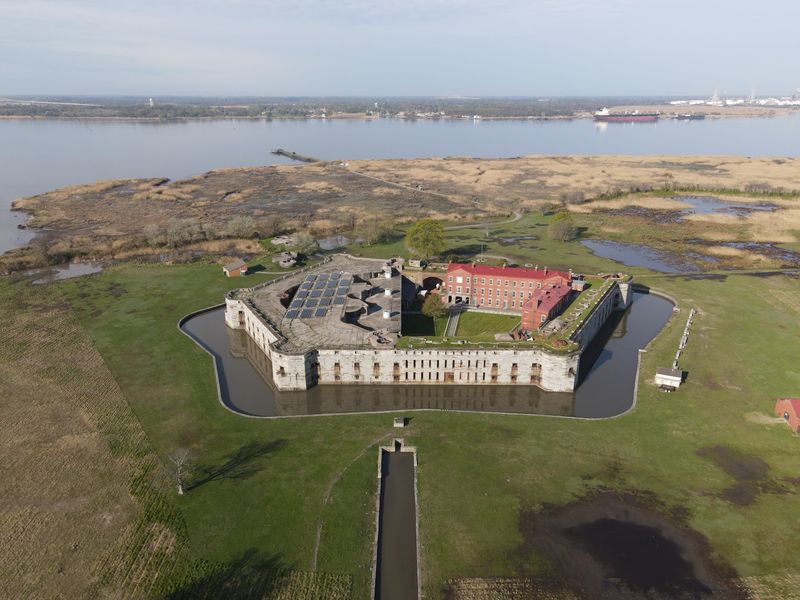
Water makes even a nearby place feel far from everyday life. Pea Patch Island sits in the Delaware River, and the trip from Delaware City creates a clear break between busy streets and the fort’s quieter grounds. Look back toward shore after you arrive; that view helps explain both the island’s usefulness and its isolation.
The island setting mattered during the Civil War. Water formed a natural boundary around the prison, making escape difficult and shaping how people, food, and supplies reached the fort. For prisoners, separation from the mainland was not a fun travel detail. It was part of their confinement.
Today, the open space gives visitors room to slow down before entering the buildings. Watch for birds along the shore, but give wildlife plenty of space and stay on visitor routes. Bugs can be plentiful in warm weather, so bring repellent and consider light, comfortable clothing.
The park’s visitor departure point is in Delaware City, Delaware, and the fort itself stands on Pea Patch Island. Check your ticket instructions carefully rather than assuming the street address for the park is the exact place to board. A little planning keeps the island visit focused on discovery instead of a rushed start.
Brick Walls Built for River Defense

Thick brick walls can make a person feel small. Fort Delaware was built to defend the Delaware River, an important route for ships traveling toward major ports. Its walls, moat, and gun positions show how seriously people took that job long before modern technology changed warfare.
Take time to study the fort’s shape as you walk. Rather than treating every doorway as just another photo spot, notice how passages connect different areas. Ask a guide where soldiers stood watch and how cannons could cover the river. Those details turn a large old building into a working defensive plan.
The fort later served another major purpose during the Civil War: holding prisoners. That change is a reminder that buildings can carry more than one history. A place designed to stop enemy ships also became a place where captured people spent long, uncertain days.
Some walkways and stairs may be uneven, so watch your footing and follow posted access rules. If you are visiting with children, try a simple challenge: spot three features meant for defense, then ask what each one did. It makes the architecture easier to remember without turning the visit into a test.
The Prisoners Behind the Numbers

It is easy to say that thousands of prisoners passed through a fort. It is harder, and more useful, to remember that each person had a name, a family, and a life beyond the war. During the Civil War, Fort Delaware held Confederate prisoners of war, and their experiences form a central part of the site’s history.
Conditions changed over time, so avoid assuming every prisoner had exactly the same experience. Crowding, illness, weather, food, and the length of captivity could all affect daily life. As you move through the fort, look for exhibits that describe ordinary routines as well as major events.
A thoughtful question can make a guided visit richer. You might ask how prisoners received news from home, what medical care was available, or how historians know what happened here. Letters, records, and other surviving evidence help people piece together those answers.
Children may find the subject upsetting, and that is understandable. Explain that learning about prisoners does not require pretending war was exciting. It means listening carefully to people whose choices were limited and whose futures were uncertain. Leave room for questions, even when an answer is complicated.
Costumed Guides Make History Speak
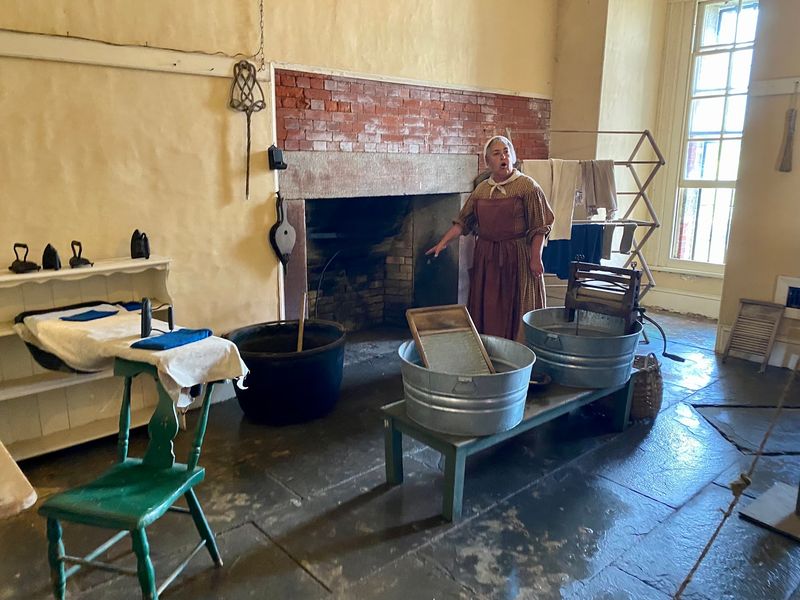
A person in 1860s clothing may greet you as if the war is still underway. Fort Delaware’s interpreters use period dress, conversations, and demonstrations to help visitors picture life at the fort. Their work can make unfamiliar jobs and routines much easier to understand than a date on a sign.
Go ahead and ask questions. What would someone eat during a long shift? How did workers keep the fort running? What did a guard know about the prisoners in his care? A good exchange can reveal how many different people were part of this place.
Remember that an interpreter is presenting history, not claiming to be an actual person from the past. If a scene raises a difficult topic, ask how the story is supported by records. That question shows respect for both the people who lived here and the people who study them today.
Demonstrations may vary with the day’s schedule. Check the program board when you arrive, then leave yourself time to wander between presentations. You do not need to catch every activity to have a worthwhile visit. One lively conversation may teach you more than a hurried trip through every room.
Cannon Demonstrations With Context
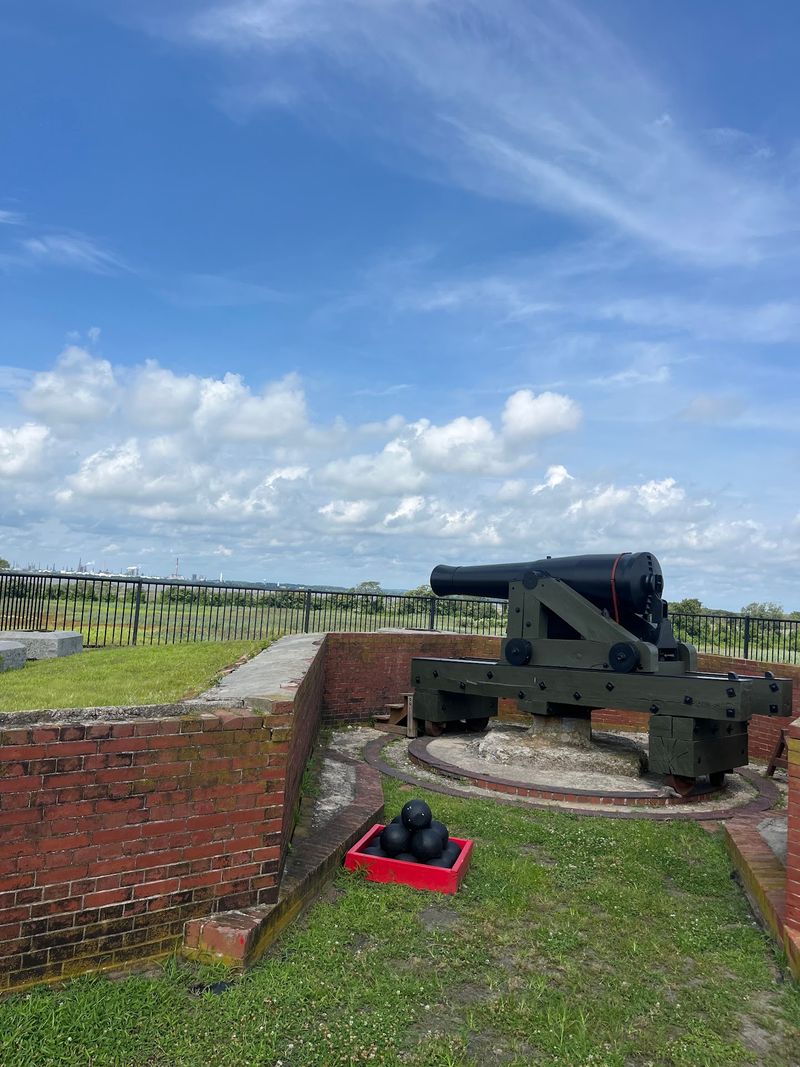
A cannon demonstration can grab everyone’s attention before anyone says a word. At Fort Delaware, military presentations may show how crews worked together and why practice mattered. The noise and smoke are memorable, but the most interesting part is often the careful sequence of commands and actions.
Listen for an explanation before the demonstration begins. A cannon was not operated by one person acting alone. Crew members had separate tasks, and mistakes could be dangerous. Watching their teamwork can help younger visitors connect a dramatic moment to the people who performed difficult jobs.
Stay behind any marked safety line and follow staff instructions. If loud sounds bother someone in your group, ask a ranger when and where a firing demonstration might happen. You can then choose a comfortable viewing spot or spend that time in another part of the fort.
Schedules vary, and a visit is still rewarding if no cannon fires that day. Look at the gun positions and consider what soldiers needed to see from them. The river defense story becomes clearer when you connect the equipment to the landscape, rather than treating a loud blast as the whole show.
Quiet Corners Hold Other Stories
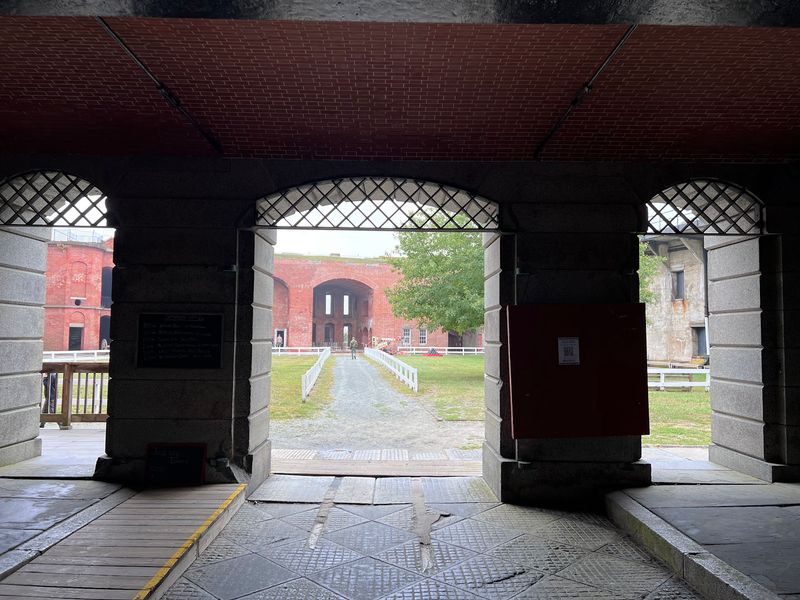
Not every memorable moment at the fort comes with a performance. A quiet passage or an empty courtyard can give you time to think about the people who crossed the same ground for very different reasons. Soldiers, prisoners, workers, and visitors all belong to the fort’s long story, though their experiences were never the same.
Slow down when you reach an exhibit about daily life. Look for small facts, such as where people slept, how supplies moved, or what work needed doing each day. Simple routines help make the past feel real without pretending that hardship was ordinary or easy.
Try giving each person in your group a different thing to notice. One can look for signs of military defense, another for clues about prison life, and another for changes made to welcome today’s visitors. Compare what you found over a break.
Respect closed areas and any barriers you encounter. Historic buildings need protection so future visitors can learn from them, too. If a corner leaves you curious, take a photo of its sign or jot down a question for a guide. Often, the smallest detail opens the best conversation.
Plan a Visit With Time to Listen
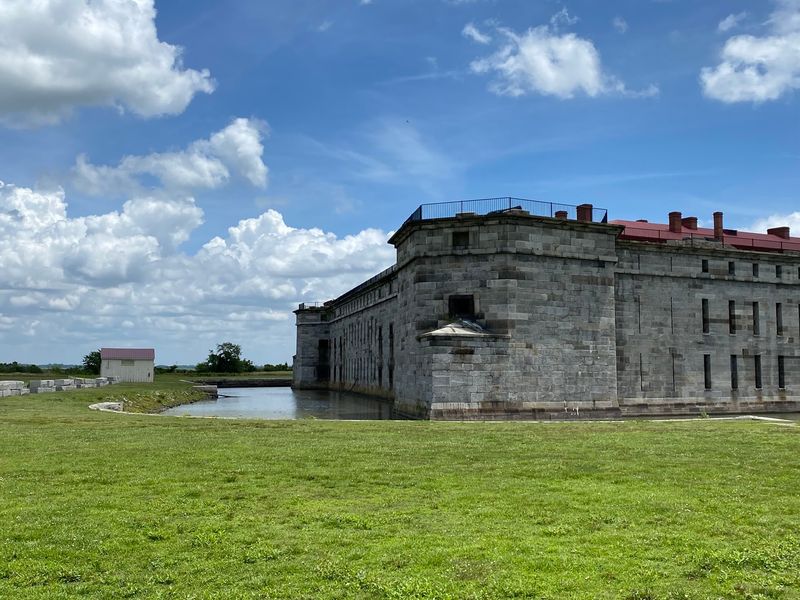
Rushing through the fort would be like reading only the first page of a good book. Set aside enough time for the ferry, the walk from the landing, the exhibits, and at least one conversation with a guide. The trip works best when you can pause instead of watching the clock at every doorway.
Before traveling, use the official park website to confirm operating days, ferry tickets, programs, and current visitor rules. Bring water and comfortable walking shoes, and prepare for sun, changing weather, and insects. Ask park staff about accessibility needs before your visit so you know which routes and activities will work for your group.
Pack a lunch if that suits your plans, but check current food rules and carry out any trash. Keep children close near the waterfront, and treat the fort’s old surfaces with care. A few practical choices can make the day calmer for everyone.
On the return trip, think about one story you did not know before arriving. Maybe it concerns a prisoner, a worker, or the fort’s role on the river. Taking that story home is the real reward of visiting Fort Delaware State Park.