Imagine pulling off the road for a quick break and finding giant shapes rising from quiet fields instead of another ordinary stop.
That is the fun of David Hayes Sculpture Fields, where art and open space share the same paths.
Kids can walk around the sculptures, pick favorite shapes, and notice how a piece changes when they see it from another side, while adults get a peaceful chance to slow down.
The visit also makes art feel less like something behind a rope and more like something the whole family can explore together, with room to move and plenty of reasons to ask, “What does that look like to you?”.
Bring comfortable shoes, give yourselves time to wander, and keep reading for easy ways to turn this unusual Connecticut stop into a family outing that feels playful, memorable, and entirely your own, even if nobody in your group knows much about sculpture yet.
A Field Full of Surprises
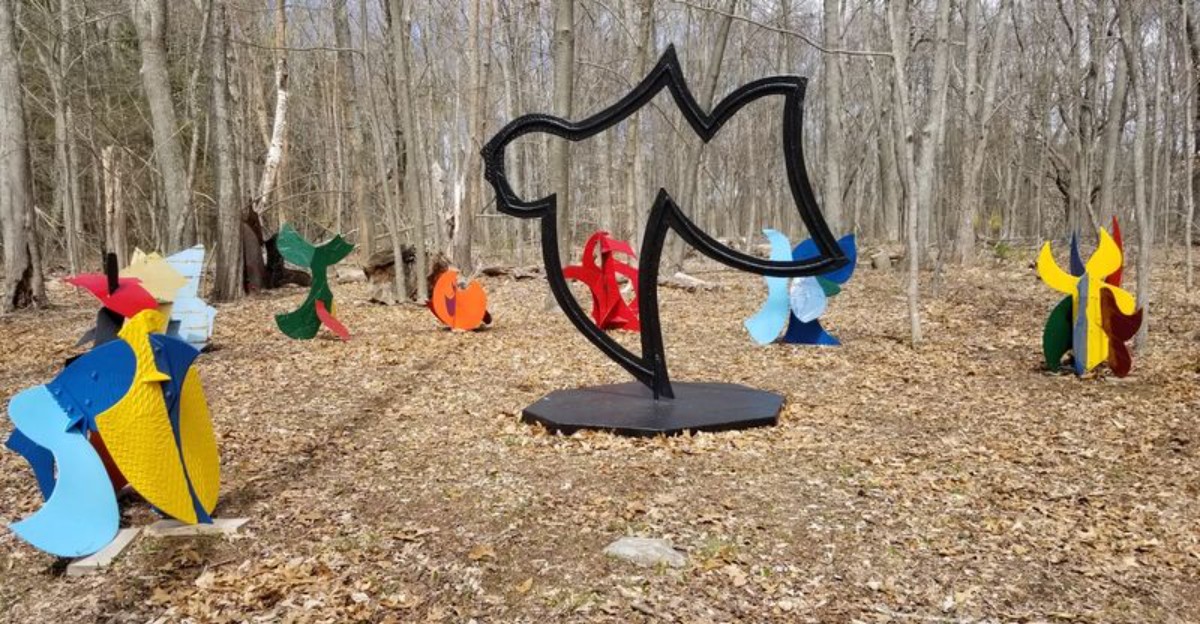
Bright shapes appear where you might expect only grass, and that surprise makes the first few steps feel like a treasure hunt. David Hayes Sculpture Fields is an outdoor collection, so families can meet the art while walking through the landscape rather than standing quietly in a gallery.
Start slowly and let everyone choose which sculpture to approach first. A child might spot a bird, a robot, or something no one else sees, and that is part of the fun. There is no need to agree on what a shape means.
Give younger visitors a simple challenge: find a curve, a sharp corner, and a color that stands out against the trees. Older kids can compare two pieces and explain which one seems ready to move.
Because the works sit across fields, the visit feels more like a walk with unexpected stops than a lesson. Keep children close to you, and enjoy looking without climbing on the art.
Leave space in your plans for a favorite sculpture to change halfway through the walk. Sometimes the piece that looks plain from afar becomes the one everyone talks about on the ride home.
The Fun of Changing Your Angle
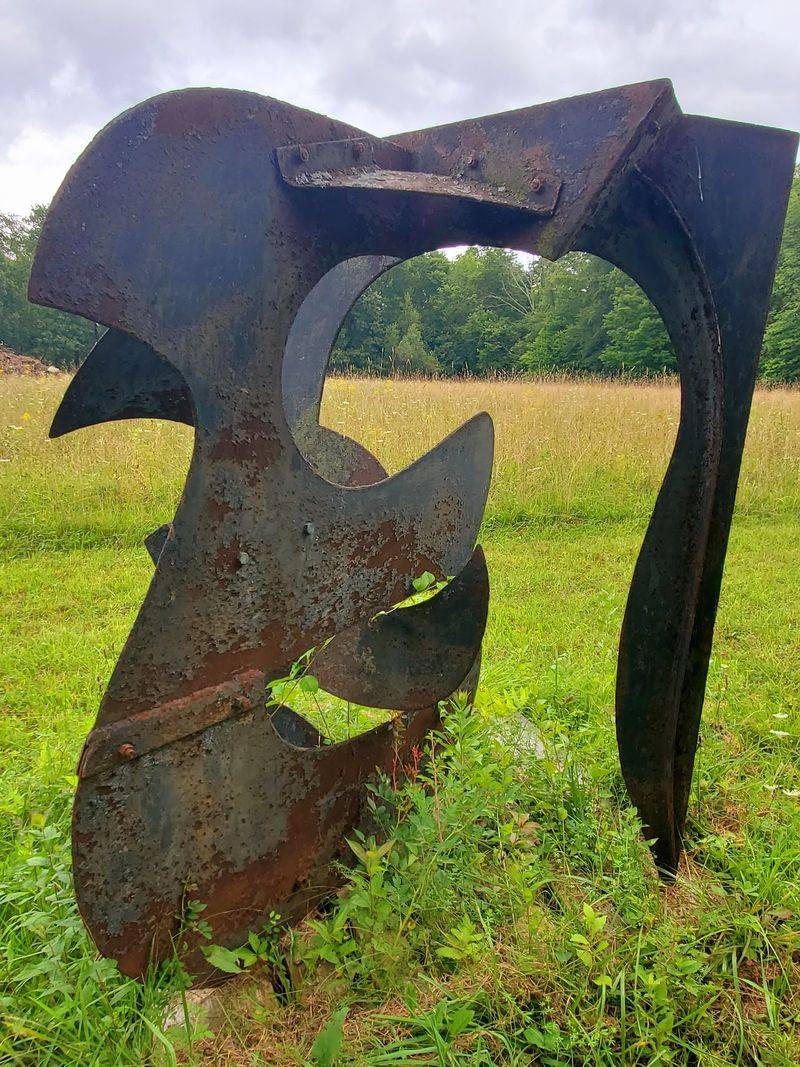
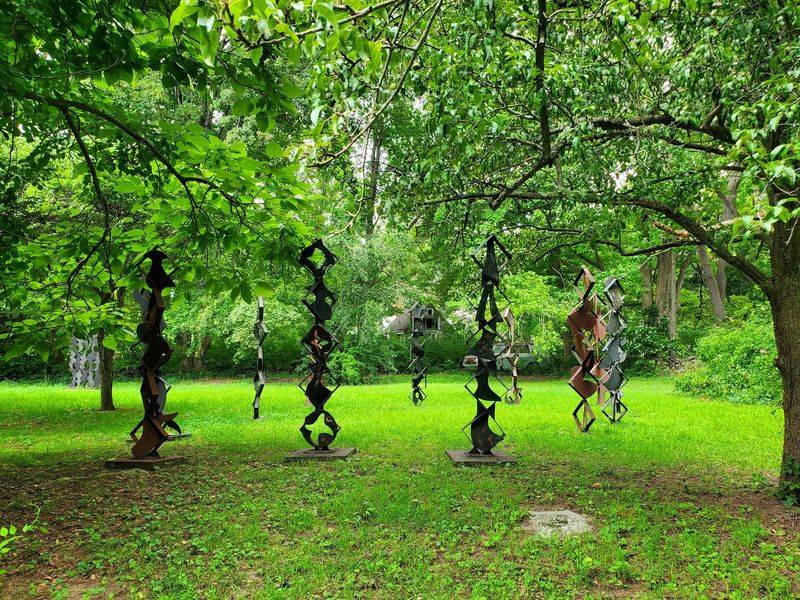
One step to the left can turn a bold metal shape into a completely different picture. That little trick is one of the best reasons to take your time here. Visitors have noted how David Hayes’s sculptures seem to change as they walk around them.
Try picking one piece and viewing it from several safe spots. First, look at its outline against the sky. Next, notice the open spaces between its parts, then watch what happens when trees fill the background instead.
Make it a family game without keeping score. Ask everyone to name the angle they like best and give one reason. You may hear answers about color, size, shadows, or a shape that resembles an animal.
Photo lovers can take two pictures of the same work from different sides. Compare them later and see whether they almost look like separate sculptures. It is a handy way to show kids that looking carefully can be as creative as making art.
Move at a relaxed pace and respect the pieces as you circle them. The reward is not finding a correct view, but discovering how many views one sculpture can offer.
Room to Walk and Wonder
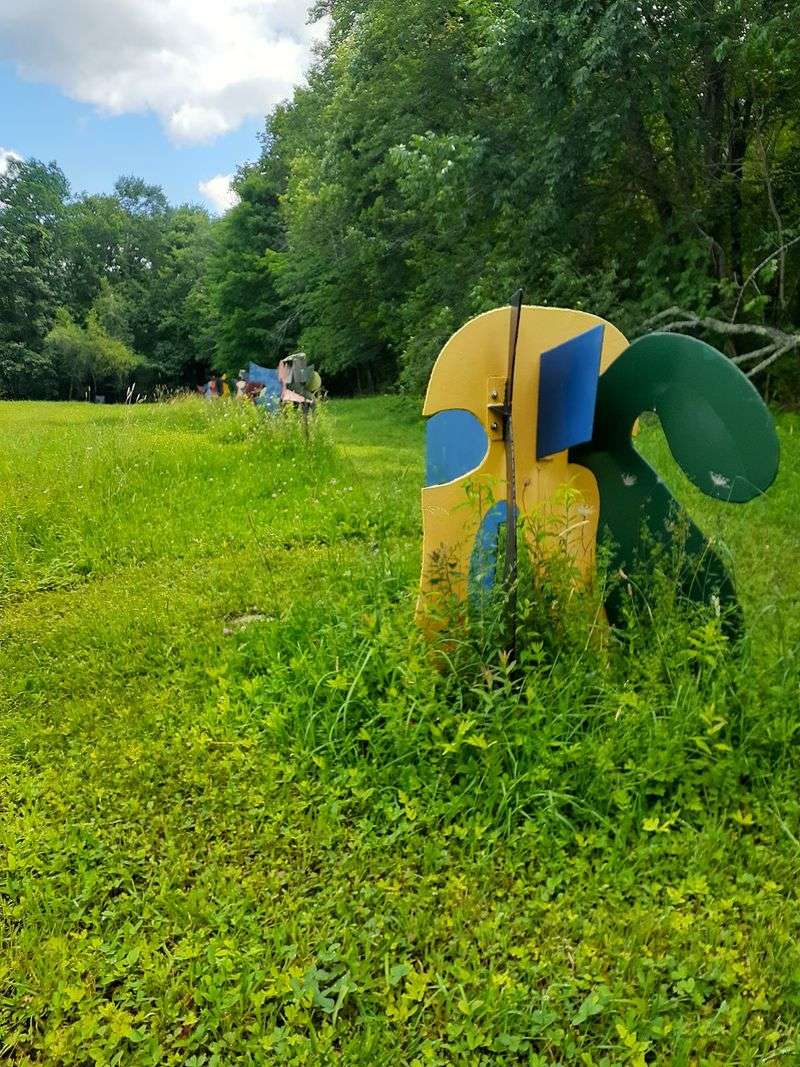
Grass underfoot changes the whole mood of an art outing. Instead of rushing past labels, you can follow the paths, pause when something catches your eye, and let the next sculpture pull you onward. Visitors describe easy walking along fields and old farm trails.
Still, this is an outdoor walk, not a smooth indoor floor. Wear shoes that handle uneven ground, and check conditions before bringing a stroller if rain has recently passed through. A little water is smart on warm days.
Families do not have to cover every stretch to enjoy the place. Choose a comfortable turning point, especially if younger kids are with you. A short wander with plenty of stops can feel richer than a hurried march across the whole property.
Notice the stone walls as you go. They add another layer to the scene and remind visitors that these fields have a story beyond the artwork. Give children a chance to spot where a wall disappears behind grass or trees.
If a path looks wet, blocked, or unclear, simply turn back. The sculptures you have already passed may look fresh from the other direction, making the return walk part of the experience.
A Picnic Pause by the Pond
Sandwiches taste better when your lunch break includes a pond and a sculpture hunt. Visitors have described picnicking near the water, and the owner has encouraged warm weather picnics in responses to reviews. Pack a small meal if your family likes a slower outing.
Keep the setup simple: a blanket, drinks, and food that is easy to carry back out. Check the weather before you leave, since shade, damp grass, and summer heat can change your plans. Bring a bag for every wrapper and crumb you cannot finish.
While you eat, invite kids to choose the most surprising thing they have seen so far. It might be a sculpture, a view, or the way a bright color stands out against green grass. Their answers can shape the next part of your walk.
Enjoy the pond from a sensible distance, and supervise children closely near the water. A picnic does not need games or a packed schedule to feel special here. Quiet time is part of the appeal.
Before heading onward, make sure your spot looks as tidy as you found it. Leaving no litter helps keep the grounds welcoming for the next family with a blanket.
Art That Sparks Big Ideas
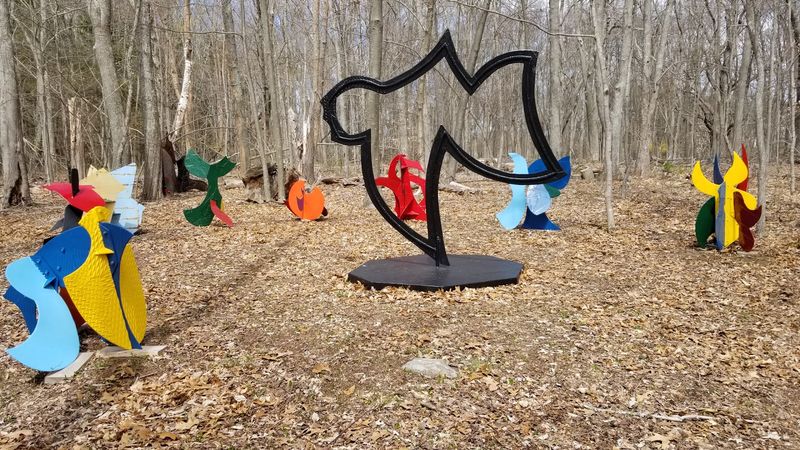
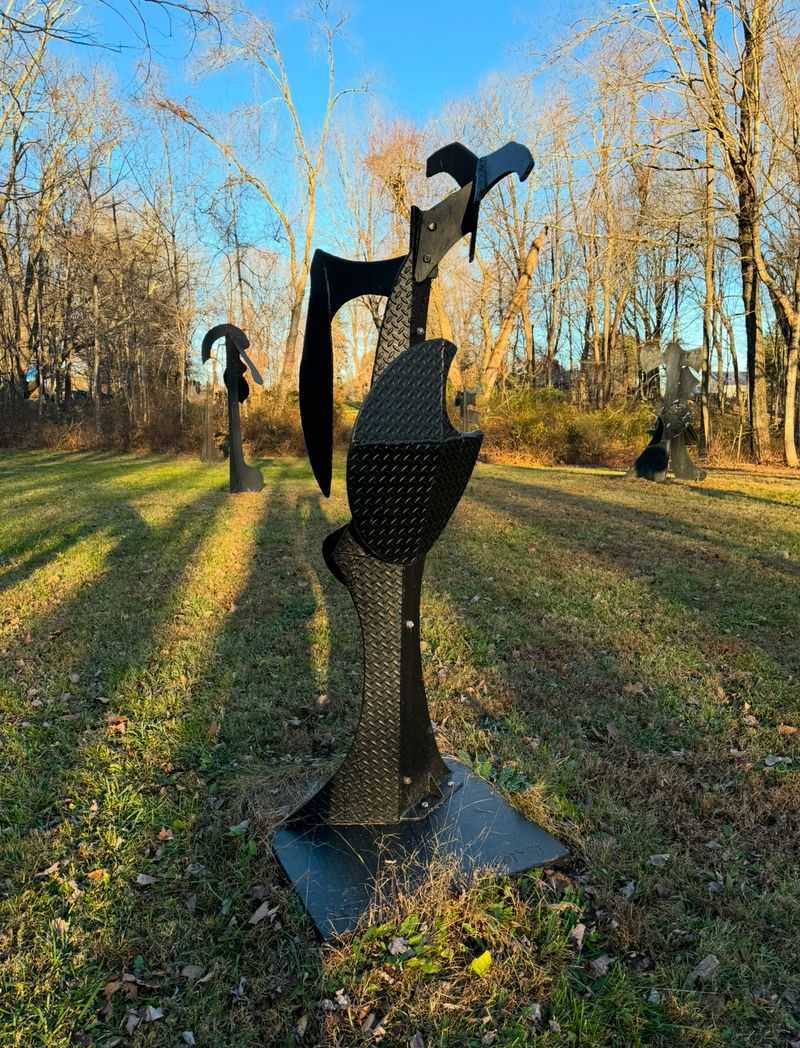
What if a metal shape looks like a dancing giant to one person and a sailboat to another? At David Hayes Sculpture Fields, that kind of friendly disagreement can become the best part of a family visit. Abstract art leaves room for everyone to imagine.
Try asking a child to give one sculpture a nickname. Then ask what made that name fit: a pointed edge, a sweeping curve, or the way the parts seem to lean together. Listen before offering your own guess.
For kids who prefer making things, bring a small notebook and pencils. They can sketch a favorite piece or invent a new shape inspired by it. Remind them that quick drawings count; this is play, not an art test.
Grown-ups can join in by choosing a sculpture they would place in an imaginary garden. Where would it go, and what would its shadow look like at sunset? Questions like these turn looking into a shared story.
Keep pencils and hands away from the sculptures themselves. The artwork does not need touching to leave an impression. By the end, even a child who says they do not like art may have a favorite and a reason to remember it.
The Artist Behind the Shapes
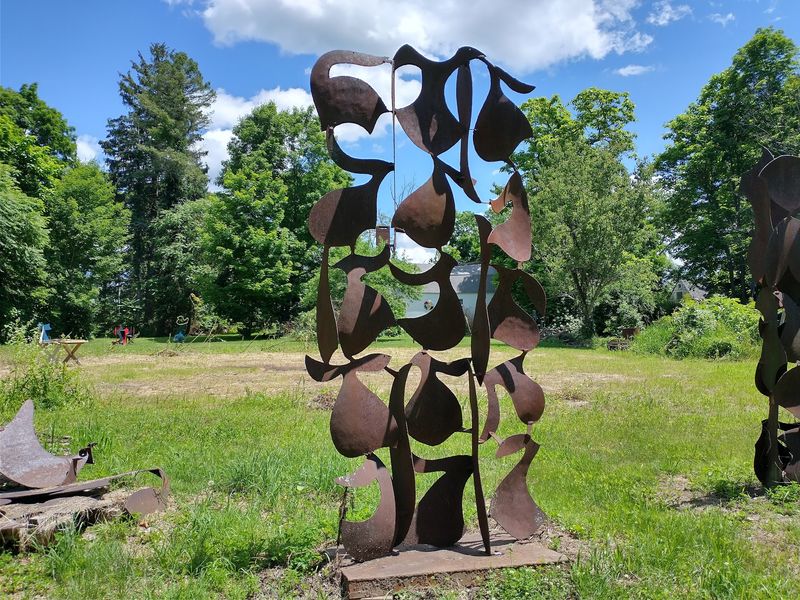
These fields hold more than a few eye-catching objects. They show work by David Hayes across the grounds, giving visitors a chance to see how one artist’s ideas can fill an entire landscape. A review response from the property says the family has been here since 1971.
You do not need to memorize dates to appreciate that history. Simply imagine how many seasons the sculptures have faced while grass grew, trees changed color, and visitors came and went. That thought can make an ordinary walk feel surprisingly personal.
Ask older children what it might take to keep an outdoor sculpture looking bright. The family has explained that donations help pay for supplies such as primer, paint, and brushes, along with other upkeep. Wind and weather make caring for outdoor art an ongoing job.
Look for differences between pieces rather than trying to learn every title. Compare their colors, the spaces cut through them, and the way they sit in the fields. Those details offer a simple doorway into the artist’s work.
When you leave, share which piece stayed in your mind. That small conversation honors the creative effort behind the visit better than rushing to see everything.
Free Entry, Thoughtful Support
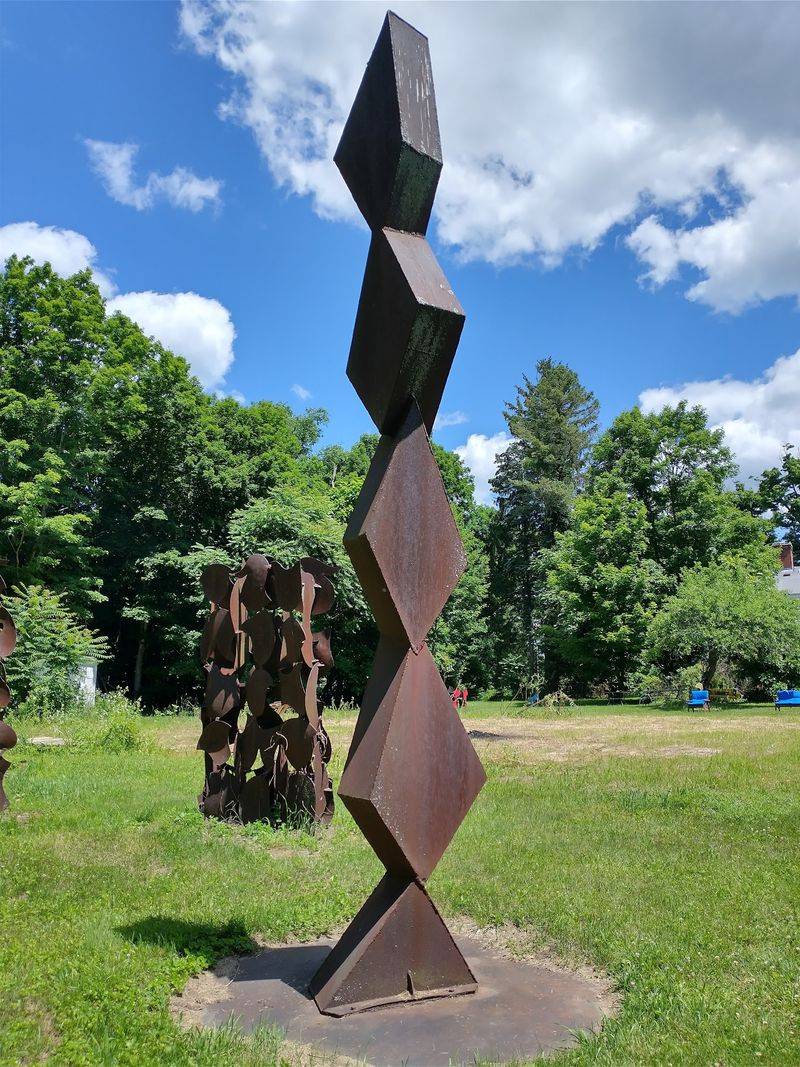
Free admission makes an unplanned family stop much easier to say yes to. The property has described its grounds as free to visit, while visitors mention a donation box and a map near the entrance. Bring a little cash if you would like to help with upkeep.
A donation is a choice, not a ticket price. The family has said contributions support practical needs, including paint supplies and lawnmower gas. That makes even a small gift feel connected to what you see around you.
Give kids a simple explanation before you arrive: outdoor artwork needs care, just like a garden or a playground. Weather can wear down a painted surface, and grass does not cut itself. Understanding that work helps visitors treat the space kindly.
If you cannot donate, good manners still matter. Stay on clear walking routes, take home your rubbish, and leave sculptures untouched so others can enjoy them. Respect costs nothing, and it travels well.
Check the property’s website before your trip for current visitor details. A free place can still have changing conditions after bad weather or maintenance. Knowing what to expect helps your family spend more time exploring and less time figuring out the basics.
An Easy Detour to Plan
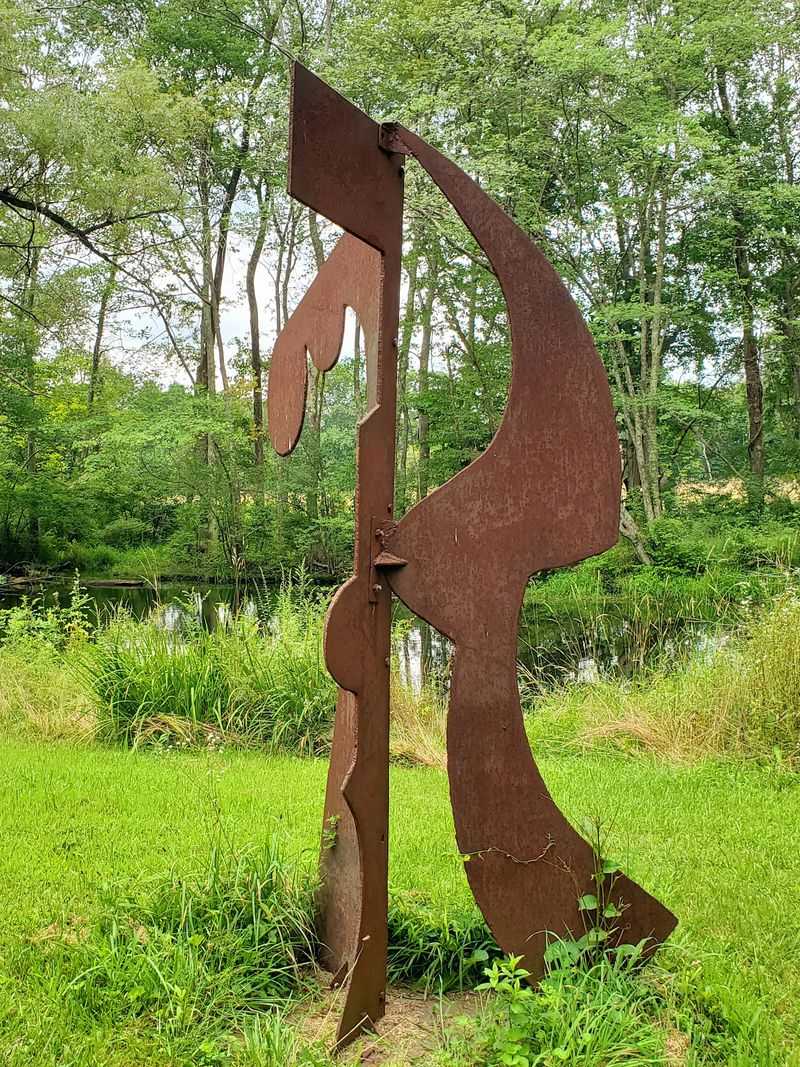
Put 905 South St, Coventry, CT 06238 into your map before setting off for David Hayes Sculpture Fields. Its rural setting can feel less obvious than a museum entrance, and a visitor has noted that the way in was tricky to spot. Check the property’s website or call +1 607-353-9000 if you want guidance before leaving home.
Listed hours are 9 a.m. to 5 p.m. every day, but it is wise to confirm them before a long drive. Weather and grounds work can affect an outdoor visit. Daylight also makes the art and walking routes easier to enjoy.
Visitors have described parking near the house and walking around back; an owner response also says parking is allowed in front. Follow any current directions on site and avoid blocking access. If you feel unsure, pause and check rather than wandering into a private area.
Plan enough time for a relaxed loop, not just a photo stop. Bring walking shoes, water, and curiosity, then let your family’s energy decide when to turn back. That flexible plan suits a place built for wandering.
One last tip: tell kids ahead of time that the surprise is outdoors. They can dress for the day and arrive ready to explore.