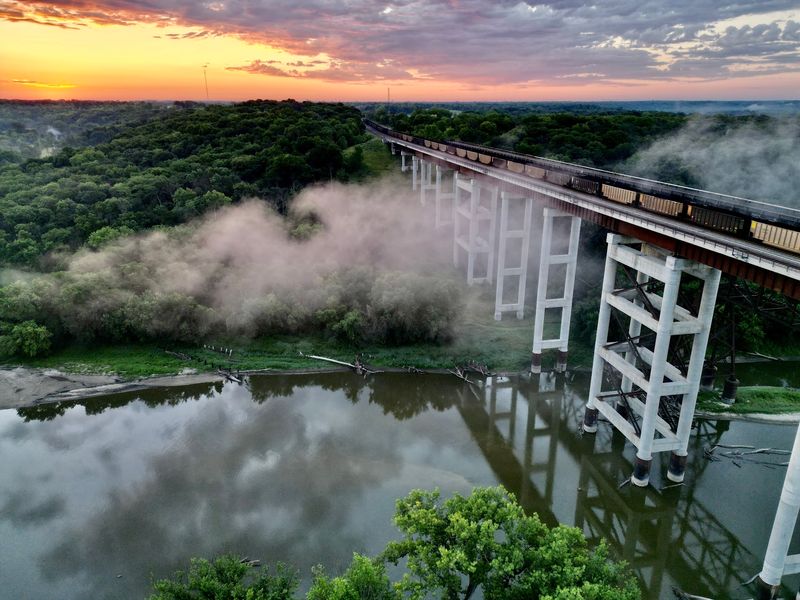
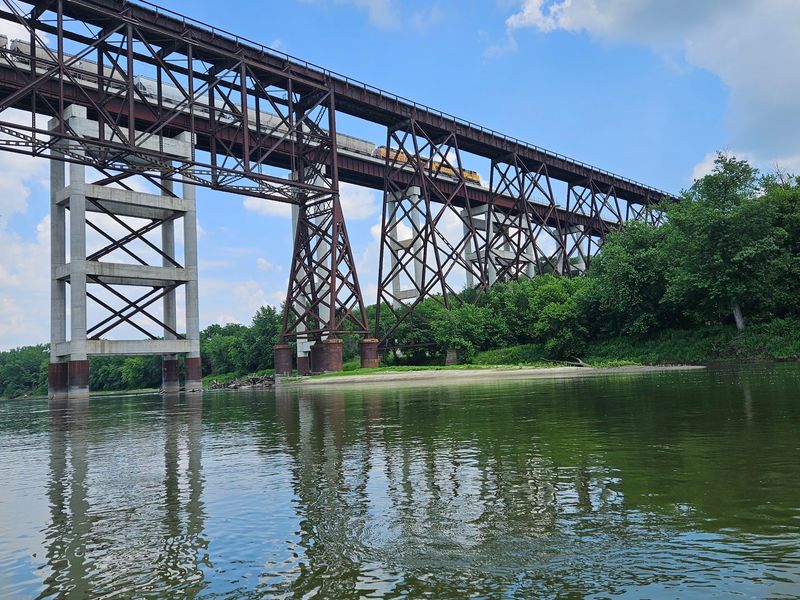
One of Iowa’s most impressive railroad bridges carries a story that began with a teenager, a storm, and a dangerous decision. Spanning the Des Moines River valley near Boone, the Kate Shelley High Bridge rises above the landscape in a striking web of steel, offering sweeping views from high above the river below.
Yet its name draws attention to something far more personal.
In 1881, 15-year-old Kate Shelley ventured onto a railroad bridge during a violent storm to warn an approaching train after another bridge had washed out. Her actions became part of Iowa railroad history, and the bridge now bearing her name keeps that remarkable story close to the landscape.
Standing near this towering structure, you can see the valley from a completely different perspective while imagining the courage it took to cross those tracks. There is much more to discover around this memorable Iowa landmark.
The Girl Behind the Name
At first glance, the name sounds like it belongs to an engineer or a railroad owner. Instead, it honors a teenage girl who made a brave choice on a stormy night in 1881.
Kate Shelley lived near the tracks in Boone County, where trains were part of everyday life.
On July 6, heavy rain flooded the area around her home. After a railroad engine went down at a damaged crossing over Honey Creek, Kate understood that people farther along the line needed a warning.
She set out for the railroad station at Moingona, even though darkness and rising water made the trip dangerous.
The Kate Shelley High Bridge near Boone stands at a different crossing from the one she crossed that night. Knowing that detail makes the tribute more meaningful: the railroad named a later landmark for someone whose quick thinking had become part of its history.
When you look up at the enormous spans, picture a person rather than a machine. Her name asks visitors to remember that courage can come from someone young, local, and determined to help strangers.
A Storm That Changed the Tracks
Summer storms can turn a quiet creek into a serious threat before anyone has time to react. That is what makes the night of July 6, 1881, so unsettling.
Rain poured across the Boone County landscape, and floodwater damaged the railroad crossing at Honey Creek.
A railroad engine sent along the line plunged into the creek. Kate Shelley, who lived nearby, recognized that the wreck was not the end of the danger.
Another train could reach the damaged crossing without knowing what had happened. In a time before a quick phone call could spread the news, a warning had to travel with a person.
Today, the Kate Shelley High Bridge rises over the Des Moines River valley, not over Honey Creek. Still, the weather that began her story is easy to imagine while watching clouds move across the open sky.
If you visit after rain, enjoy the view from a safe public spot and stay clear of muddy banks and tracks. The lesson of that night is simple: changing conditions deserve attention, whether you are traveling by rail or road.
The Crossing Kate Had to Make
Imagine trying to find your footing when the ground beneath you is a railroad tie and the river below is in flood. To reach the station at Moingona, Kate Shelley had to cross a trestle over the Des Moines River.
Rain and darkness made an already risky crossing far worse.
Accounts of her journey describe Kate making her way across the bridge as the storm swept through the valley. Her goal was not to prove she was fearless.
She needed to carry news of the Honey Creek wreck to people who could stop an approaching train. Every bit of progress brought the warning closer to someone who could act on it.
Visitors sometimes connect that journey directly to the towering Kate Shelley High Bridge near Boone. The bridge named for her came later; it was not the trestle she crossed.
Keeping the two places separate helps the story stay clear without taking away its power. From a safe viewpoint below today’s spans, notice the river and the steep valley Kate’s story made famous.
The height offers a fresh sense of how much the landscape mattered that night.
How a Hero’s Name Reached the Bridge
Most bridges are named for a place, a road, or a river. A bridge named for a teenage girl invites a different question: what did she do?
Kate Shelley’s storm journey became a widely told railroad story, and her name stayed familiar long after the floodwater went down.
When the Chicago and North Western Railway built a great crossing near Boone, the structure was known as the Boone Viaduct. It became closely associated with Kate, whose bravery had brought national attention to this part of Iowa.
The name Kate Shelley High Bridge turned a piece of railroad engineering into a public reminder of her actions.
That connection adds something special to a visit. You do not need to be a train expert to appreciate the sight of steel stretching across the valley, and you do not need to know every detail of 1881 to understand the honor.
Read her story before you go, then look at the bridge again. Its name is not just a label on a map.
It is a way of keeping a local person’s choice in view as new generations pass through Boone.
The Steel Giant of 1901
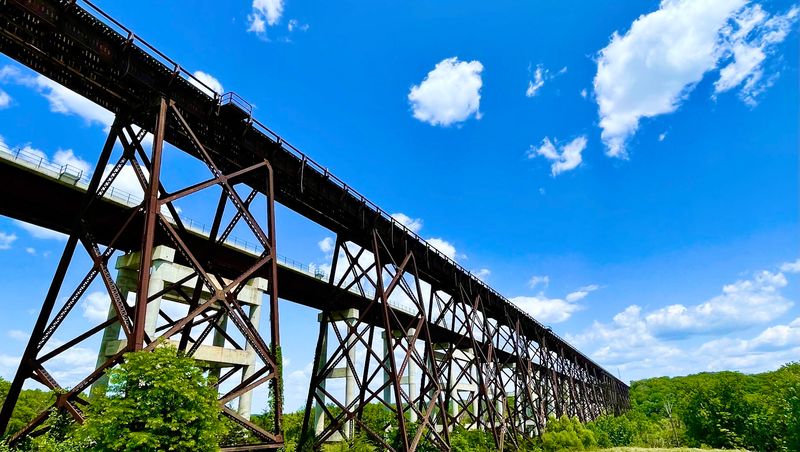
Steel seems to draw lines across the sky here. The original bridge, completed in 1901, carried railroad tracks over the Des Moines River valley on a long series of tall supports.
It was built by the Chicago and North Western Railway and became a striking sign of what railroads could accomplish.
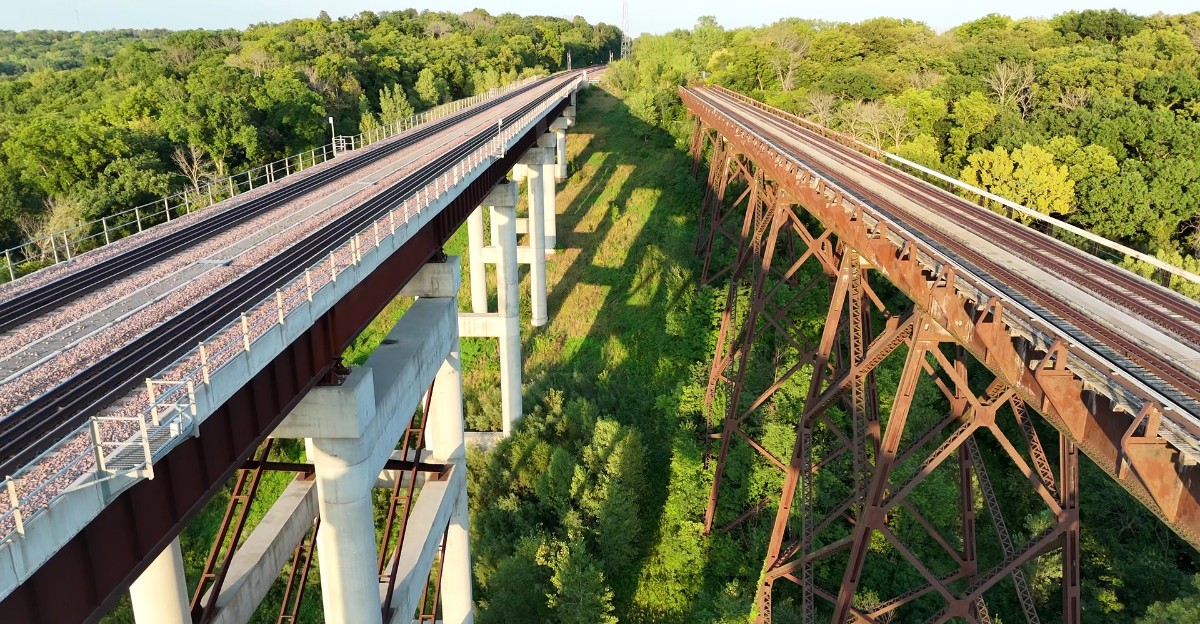
Often called the Boone Viaduct, the historic span stretches about 2,685 feet and rises roughly 185 feet above the valley. Those numbers are easier to understand when you stand at a safe distance and follow its steel framework from one side to the other.
The open design lets you see through much of the structure, making its height feel even greater.
The old bridge no longer has to carry the regular traffic that the neighboring modern bridge handles. It remains in place, offering a rare side-by-side look at two periods of railroad construction.
For a good photograph, try including some trees or a stretch of road below the spans; familiar objects give the bridge a sense of scale. Then put the camera down for a moment and consider how much work it took to build in 1901.
A View From Below the Spans
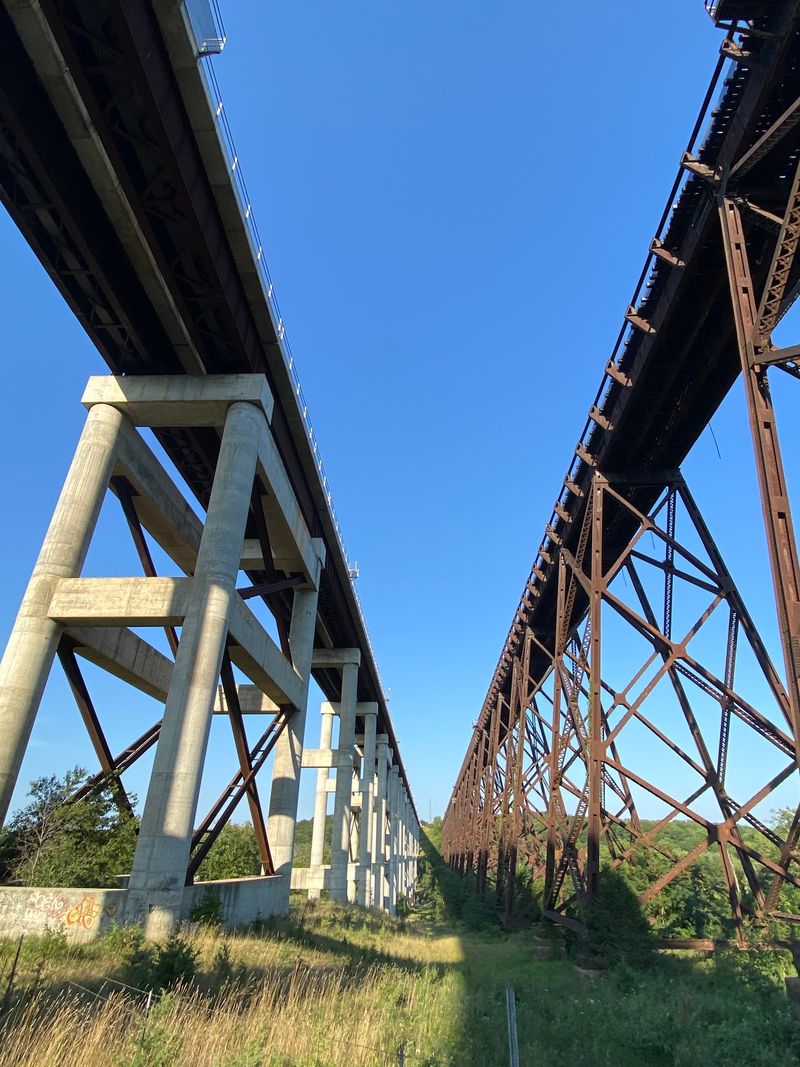
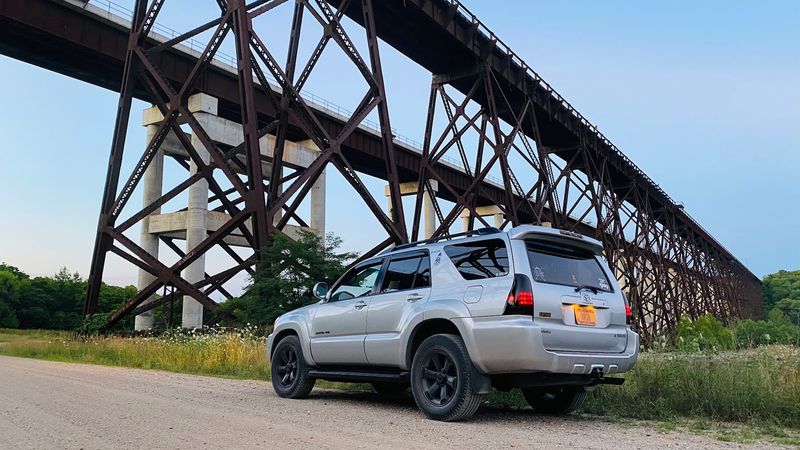
From below, the bridge stops looking like a thin line on the horizon. Its supports climb far above the valley floor, while the older steel span and newer crossing fill the sky in different ways.
A roadside view near the bridges gives visitors a close sense of their size without needing to climb anything.
Juneberry Road is often used to reach the area beneath the crossings near Boone. Expect a rural approach rather than a staffed attraction, and check road conditions before heading out, especially after heavy rain or snow.
If you stop for photographs, leave room for other vehicles and stay on publicly accessible ground. Railroad tracks and bridge structures are not places to explore on foot.
Bring a little patience along with your camera. A train might pass overhead, but there is no visitor timetable, and the view is memorable even when the rails are quiet.
Look for the contrast between the older bridge’s open steelwork and the newer bridge’s solid supports. A few minutes spent watching from a safe spot can tell you more about their height than any number printed on a sign.
The Neighbor Built for Modern Trains
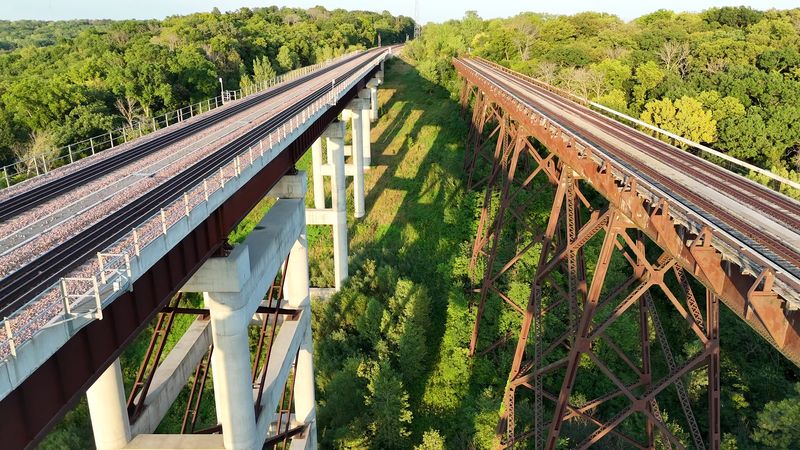
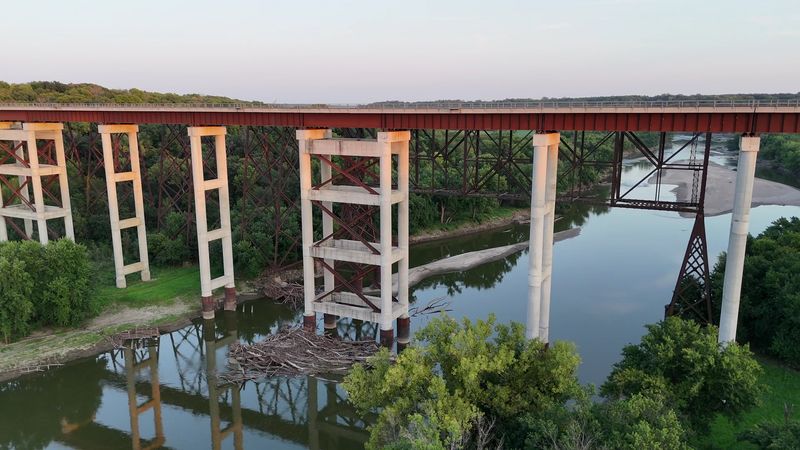
Two bridges stand side by side, but they belong to very different railroad ages. Union Pacific opened the newer Kate Shelley Bridge in 2009 beside the historic steel crossing.
Its concrete and steel construction was designed for modern freight service, giving trains a new route across the wide valley.
The newer span is about 2,813 feet long and roughly 190 feet high. Seen together, the bridges make an outdoor lesson in engineering: the old structure shows a framework of steel, while the new one relies on broad, solid supports.
You can compare them from below without needing to understand every part. Their shapes tell much of the story.
Keep an eye on the active bridge if you hope to see a train, but watch from a safe public area and never approach the tracks. Freight traffic can be unpredictable, so treat a passing train as a bonus rather than a promise.
Even in silence, the pair is worth a stop. One bridge recalls the railroad world that honored Kate Shelley; its neighbor shows how that same crossing continues to serve travelers and goods today.
Why the Two Bridges Tell One Story
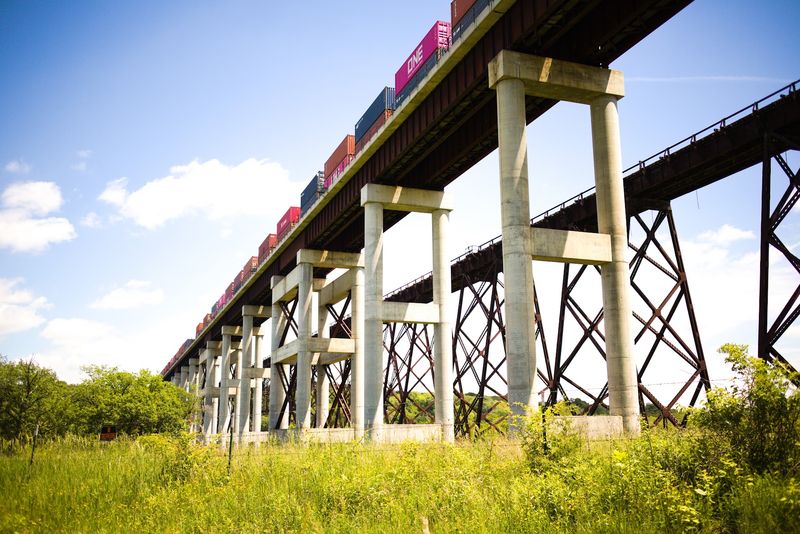
Some landmarks make more sense when you see what stands beside them. At the Kate Shelley High Bridge, the older steel viaduct and the modern railroad crossing share one stretch of the Des Moines River valley.
Their shapes are different, yet both answer the same basic need: getting trains safely across difficult ground.
The historic bridge recalls a time when railroads built enormous steel frameworks to span rivers and valleys. The newer bridge shows how builders changed their approach as trains and traffic demands changed.
Kate’s name connects those engineering stories to a human one that began years before either high bridge existed. Without that history, it would be easy to admire the view and miss the person remembered here.
Try taking one wide photograph that includes both structures, then a closer image of each. The comparison becomes clear when you look at them later.
It is also a good moment to explain Kate’s story to a younger travel companion: she did not cross either high bridge during the storm. These spans honor what she did elsewhere along the line, giving her choice a place in the landscape.
A Quiet Stop With a Lasting Echo
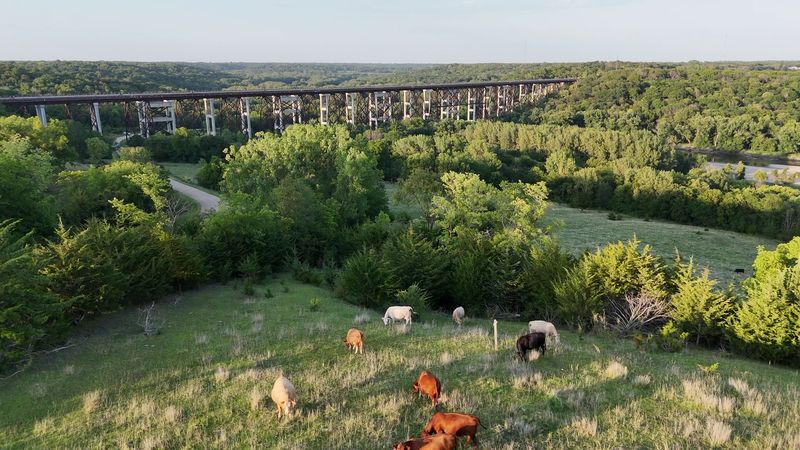
A visit here can be surprisingly quiet. Beyond the bridge’s huge outline, you may find a gravel road, trees, and the ordinary sounds of a rural Iowa day.
Then a train whistle might carry across the valley, turning a still scene into a reminder that this is an active railroad corridor.
The Kate Shelley High Bridge is best enjoyed as a short, thoughtful stop rather than a place packed with facilities. Bring water, choose sturdy shoes if the ground is damp, and check the weather before driving down rural roads.
Photograph the spans from a safe place, leaving tracks, supports, and private land alone. There is no need to get closer to feel their scale.
Before you leave, look from the older steelwork to the active bridge beside it. Both are impressive, but the name gives the scene its heart.
A teenager recognized danger, crossed a flooded river trestle, and got a warning to the railroad. The bridges near Boone keep that memory visible more than a century later.
It is the kind of place where a brief pause can stay with you long after the view fades.