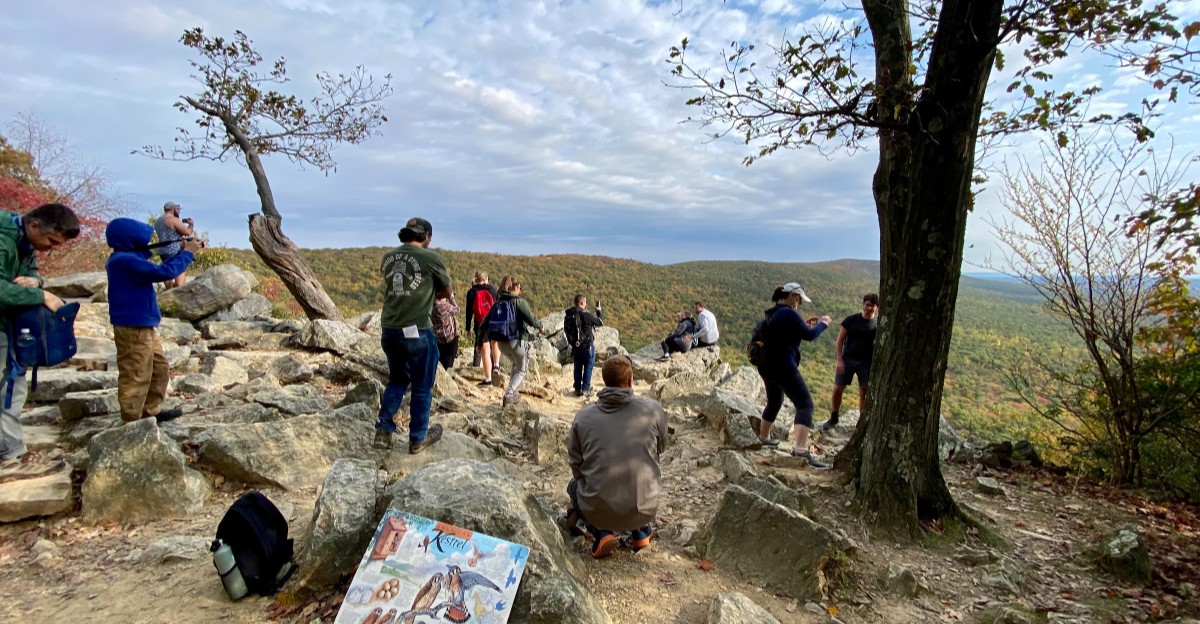
A sudden flicker above the treeline can turn a quiet mountain overlook into a place where everyone stops talking. At Hawk Mountain Sanctuary in Pennsylvania, migrating hawks, eagles, and falcons pass overhead during one of the region’s most exciting wildlife spectacles, with the ridgelines providing a natural stage for birds on the move.
Fall is especially rewarding for watching migration, though the species and numbers can shift from day to day with changing weather and flight conditions. From the lookout, you might spot broad wings catching the wind or a distant raptor gliding along the ridge, while interpretive displays help explain the remarkable journeys unfolding overhead.
The sanctuary also protects important habitat along the migration route, giving visitors a chance to appreciate both the birds and the landscape they depend on. Bring binoculars, settle in, and keep your eyes on the sky—there is always another shape waiting to appear.
The Ridge That Carries the Birds
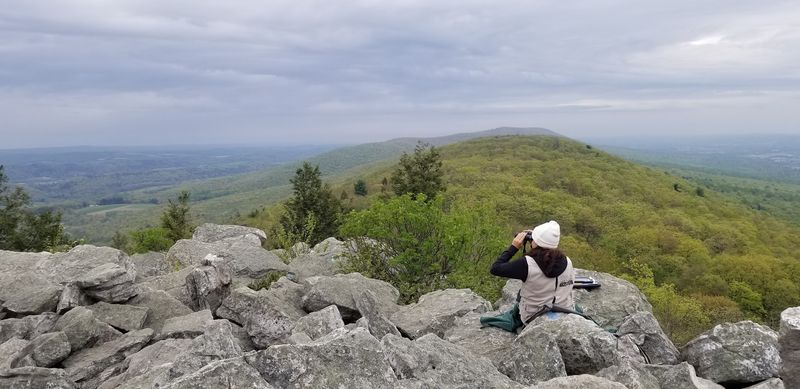
At first, the ridge looks like a long, quiet wall of trees. Then a hawk appears above it, barely moving its wings as it travels across the sky.
From Hawk Mountain Sanctuary, you can watch the shape of the land help that bird along.
Winds hitting the Kittatinny Ridge rise upward, creating air that many raptors use to soar. On sunny days, pockets of warm air can also lift them higher.
Both give migrating birds a way to save energy on journeys that may stretch far beyond Pennsylvania. Bring binoculars, but take a moment to watch without them, too.
The broad view makes it easier to notice where birds enter the sky.
Weather changes the show, and no lookout can promise a certain sighting. Fall is the main southbound migration season, while different species pass at different times.
Before leaving home, check the sanctuary’s recent count and forecast to set your expectations. Once you arrive, settle in rather than rushing from one viewpoint to another.
Even a short pause can reveal how closely a bird’s journey follows the shape of the mountain below.
When Broad-Winged Hawks Form a Kettle
The empty sky can change in a heartbeat. Tiny dots gather overhead, circle together, and climb until they almost disappear.
During broad-winged hawk migration, that rising group is called a kettle, and watching one form can make an entire lookout stop and stare.
Hawk Mountain Sanctuary is especially known for broad-winged hawk movements in September, often around the middle of the month. The birds circle in rising warm air, then glide toward another place where they can climb again.
Numbers vary greatly with the day and weather, so think of a kettle as a thrilling possibility, not a scheduled event. A clear view and patient eyes matter more than a fancy camera.
Try scanning a wide patch of sky before focusing on a single speck. If other visitors point upward, ask what they see; experienced watchers may help you find the group.
Bring a hat and water if you plan to stay at a lookout for several hours. Long waits are part of the experience, but so is the sudden reward: a quiet patch of blue becoming busy with birds bound for warmer places.
A Different Shape in Every Stretch of Sky
One bird flashes past so quickly that you catch only pointed wings. Another seems to own the sky, crossing it with slow, steady strokes.
At Hawk Mountain Sanctuary, the fun is not just counting raptors. It is learning how unlike one another they can be.
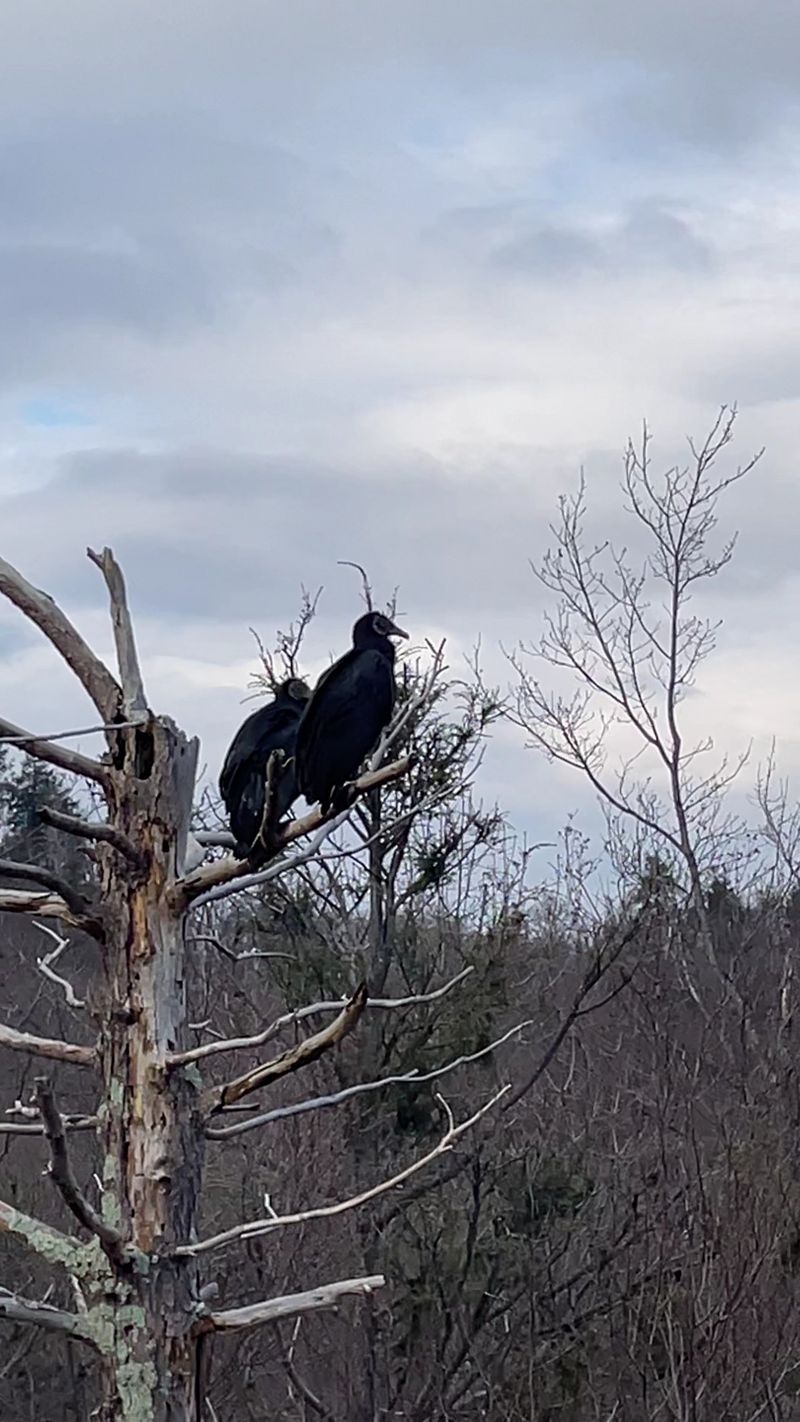
Autumn visitors may spot sharp-shinned hawks, American kestrels, ospreys, peregrine falcons, or bald eagles, depending on the date and conditions. A sharp-shinned hawk can look quick and compact, while an eagle often appears much larger and steadier.
Those clues help, but distance can fool even practiced eyes. If a volunteer or counter identifies a bird, follow its path first and ask for the field marks afterward.
Keep a small notebook or phone note with the time, species, and one detail you noticed. You might write down a wing shape or the way a bird moved, rather than worrying about a perfect photograph.
Check the sanctuary’s seasonal count before your trip to learn which species are passing. That little bit of preparation turns each new silhouette into a discovery, even if you are picking up binoculars for the first time.
North Lookout’s Wide-Open View
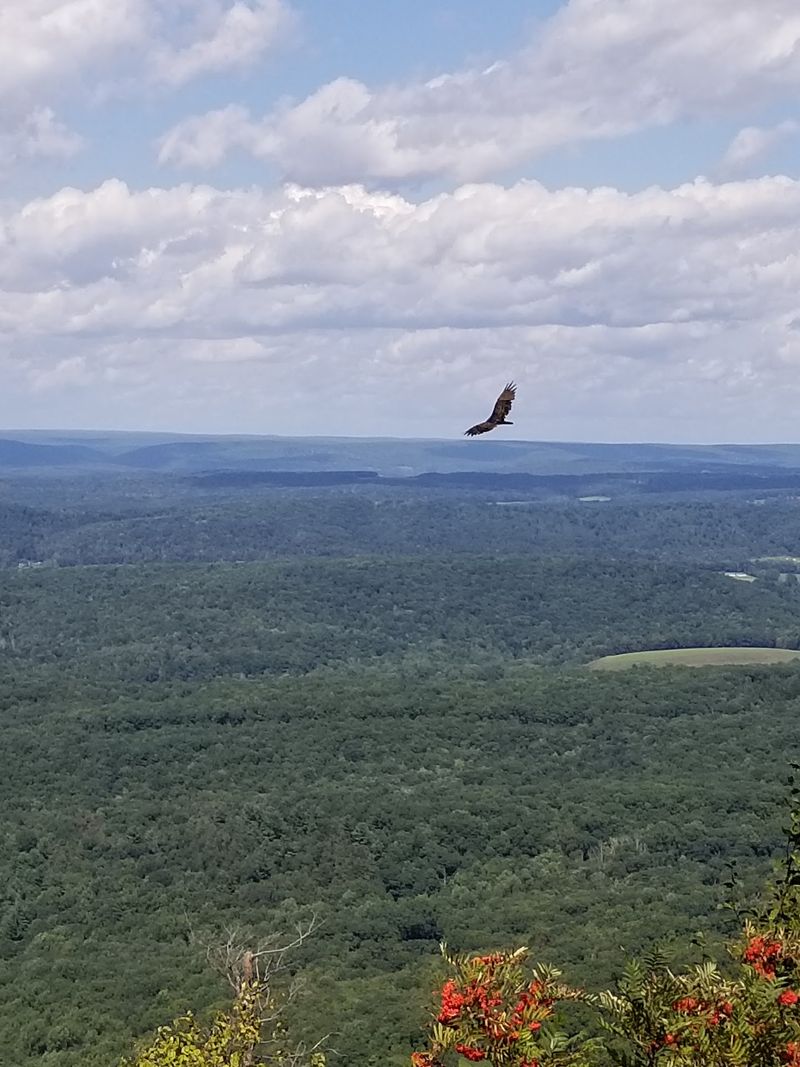
The last rocky steps make the view feel earned. Trees fall away, the valley opens, and suddenly there is room to follow a bird for far longer than you could from a backyard.
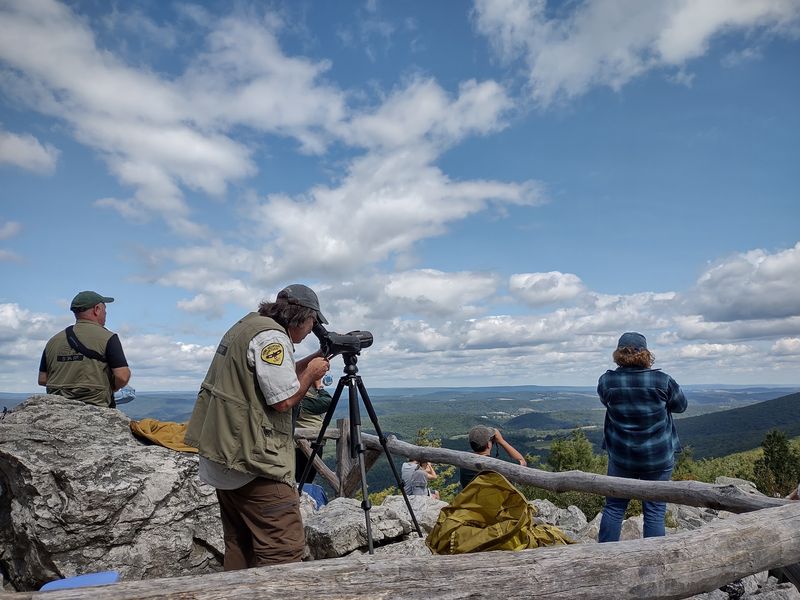
North Lookout is the best-known viewing spot at Hawk Mountain Sanctuary, where migration watchers gather to scan the horizon.
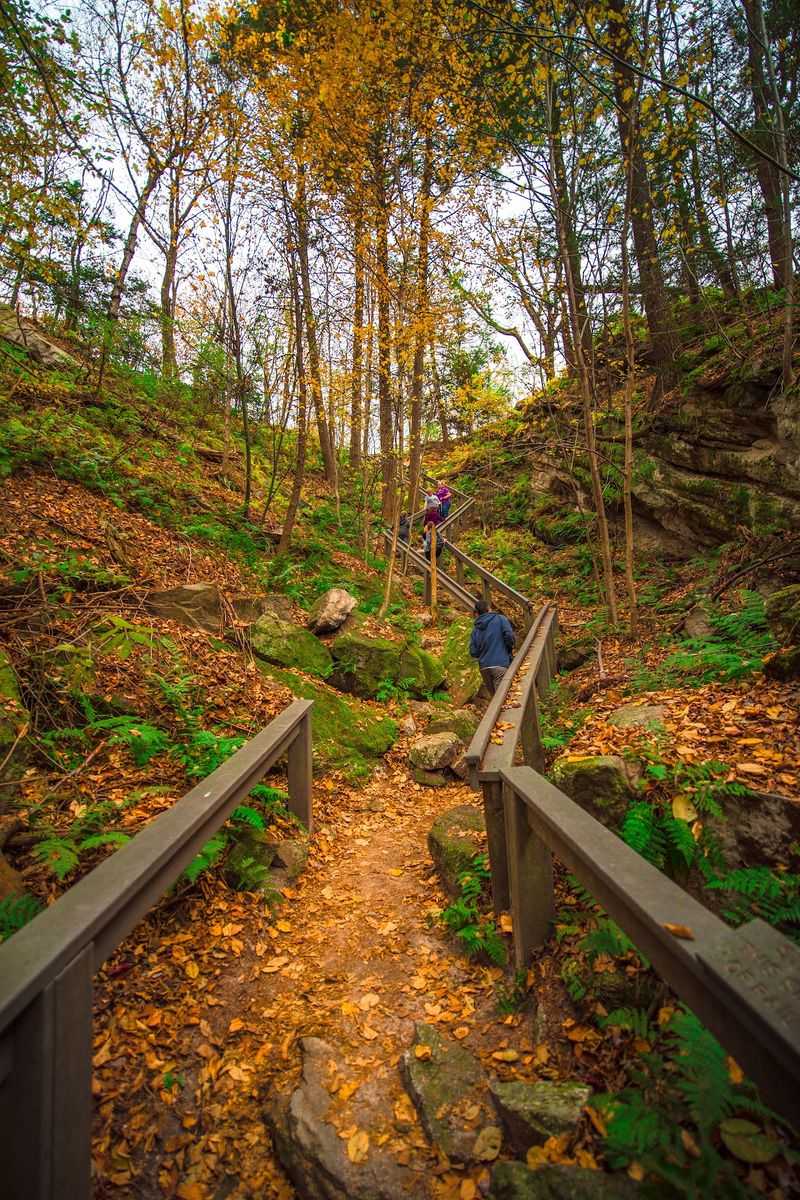
The lookout sits about a mile from the Visitor Center, and the route has uneven, rocky sections. Allow more time than the distance suggests, especially if you plan to stop at other views along the way.
Bring shoes with a firm grip, water, and a layer for the wind. At the top, choose a stable place to sit or stand without blocking the people watching nearby.
During the fall count, you may hear an observer call out a passing raptor. Listen, look in the direction indicated, and give your eyes a moment to adjust.
Birds can appear close to the ridge or as distant marks against the clouds. Even when traffic is slow, the shared attention is part of the pleasure.
People grow quiet, lift their binoculars together, and wait to see what comes along next.
An Easier Way to Reach the View
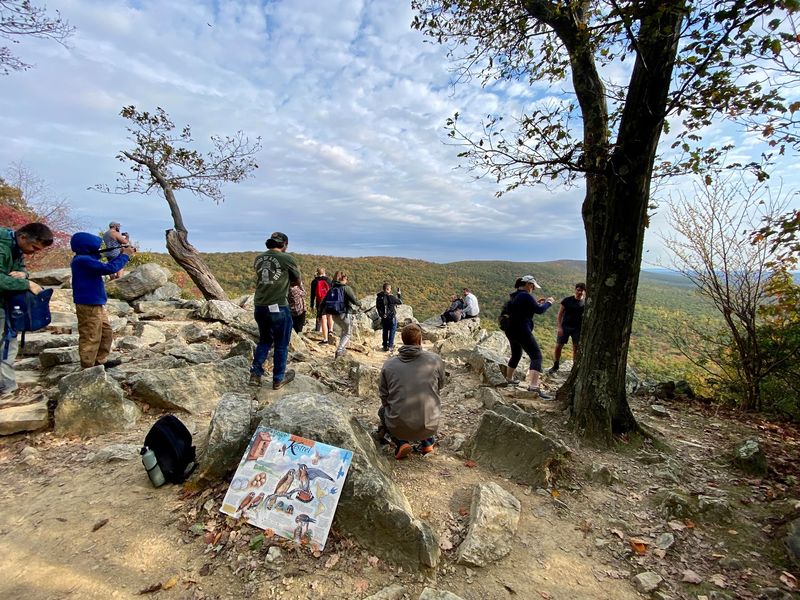
A mountain view does not have to begin with a tough climb. Near the Visitor Center, the Silhouette Trail offers a gentler approach to South Lookout.
It is a welcome choice when you want to spend your energy watching the sky rather than picking a route through rocks.
This wheelchair-accessible trail leads about a quarter-mile to a lookout with sweeping views. That makes it useful for visitors with different mobility needs, families managing a shorter outing, or anyone easing into a first visit.
Stop along the way to notice the changing tree line, then find a comfortable spot to scan above the ridge. Bring binoculars if you have them; a passing bird may still be far away.
South Lookout is also a good place to decide what comes next. You can linger, head back toward the Visitor Center, or continue toward more demanding trails if your group is ready.
Ask staff about current trail conditions before setting out, since outdoor surfaces and weather can change. There is no prize for covering the most ground.
A slow hour at one welcoming viewpoint can offer the same excitement as a longer hike.
The Surprise Waiting Beyond the Lookouts
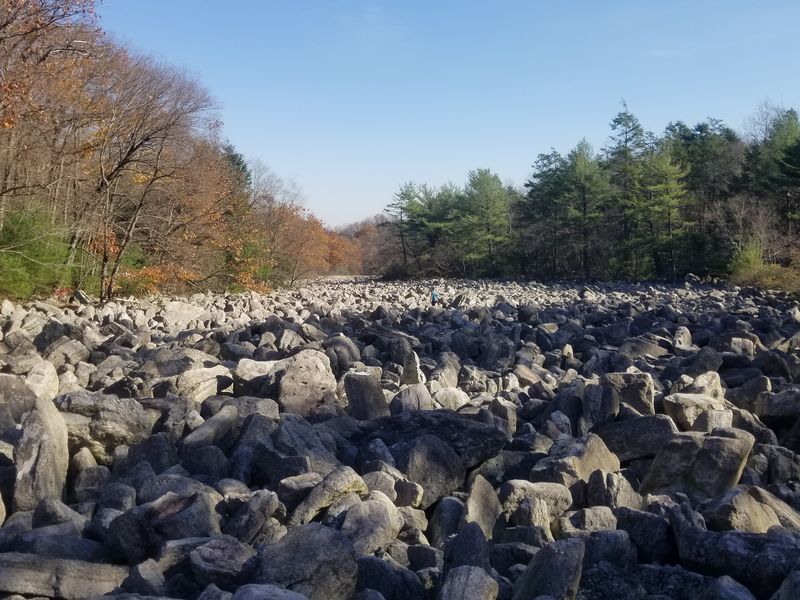
Not every memorable sight here has feathers. Deep in the forest, a field of boulders interrupts the trees so suddenly that it feels like the mountain has shown you another side of itself.
The River of Rocks is one of the striking features visitors can explore at Hawk Mountain Sanctuary.
Longer routes through the sanctuary are much rougher than the short walk to South Lookout. Trails near the boulder field can mean uneven footing, steady climbing, and careful steps over stone.
Study the trail map and difficulty ratings before you leave the Visitor Center. Wear sturdy shoes, carry enough water, and start early if you plan a longer loop.
Turning back is a sensible choice if the route takes more time than expected.
Keep your ears open in the woods as well as your eyes on the trail. A songbird may call from the branches while migrating raptors travel above the canopy.
The change from open lookout to shaded path makes this hike feel like a new chapter of the same visit. It is a chance to appreciate the protected land beneath the busy flight path.
A Second Look at the Smaller Travelers
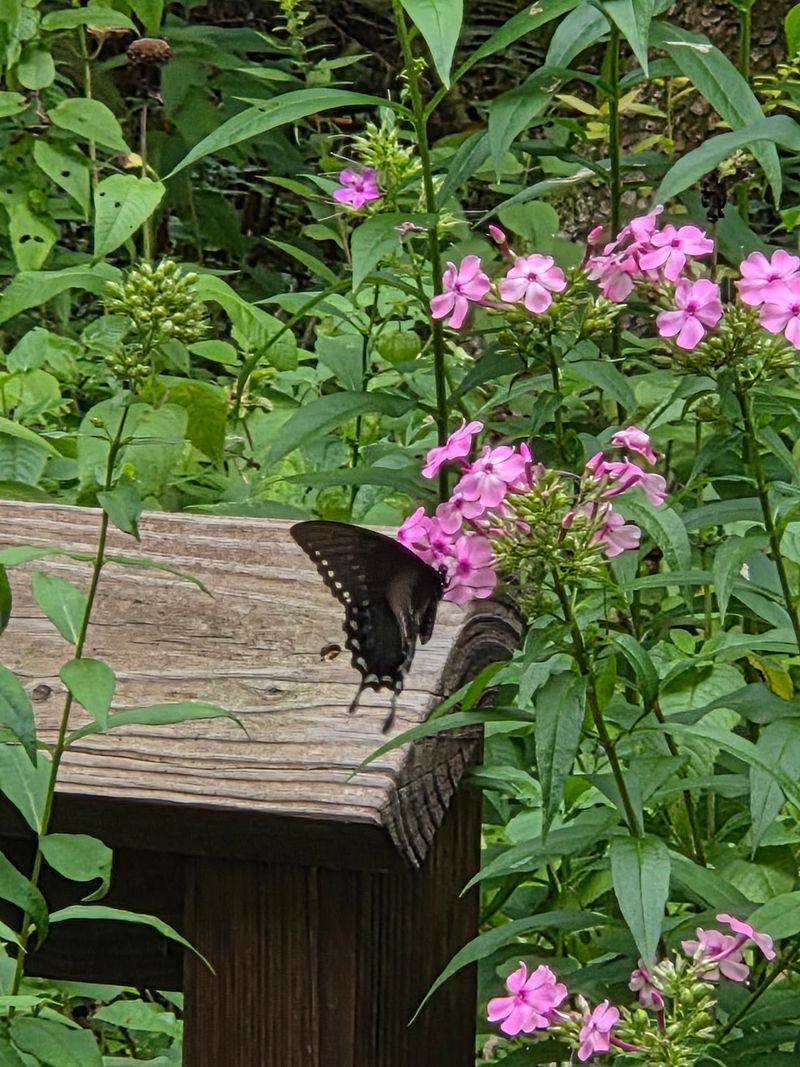
A monarch drifting past a flower can pull your attention away from the clouds. That is not a distraction; it is another part of the trip.
While raptors draw visitors to Hawk Mountain Sanctuary, smaller animals and birds make the time between sightings worth noticing.
Near the Visitor Center, the Native Plant Garden offers a place to look for pollinators and small birds when flowers are in season. Elsewhere on the trails, listen for songbirds and watch for movement along the forest edge.
Some of these travelers also migrate, following schedules of their own. A slow walk with frequent stops usually reveals more than hurrying toward the next overlook.
Give wildlife space, and leave plants where they grow.
If you are visiting with children, try making a short list of sounds, colors, and movement rather than naming every species. A rustling leaf or a butterfly passing over the path becomes a clue worth following with your eyes.
Bird activity is never guaranteed, but the sanctuary offers more than a single sky show. Paying attention at ground level makes the mountain feel fuller and the waiting feel shorter.
The Story Behind a Protected Sky
It is hard to imagine the lookout without its birds. Yet people once came to this ridge to shoot migrating raptors, not celebrate them.
Knowing that history changes the feeling of watching a hawk pass safely over Hawk Mountain Sanctuary today.
Conservationist Rosalie Edge helped stop the shooting by leasing mountain land in 1934 and hiring a warden. The sanctuary later welcomed visitors, turning a place of danger into a place for observation and learning.
Its work has grown to include research and education focused on birds of prey. You do not need to be a bird expert to feel the difference that decision made.
Look up, and you are seeing a story that might have ended another way.
Consider visiting the Visitor Center before your hike to learn more about the sanctuary’s mission. Then take that story with you to a lookout and watch how freely the birds move along the ridge.
Trail admission helps support the protected grounds and the work done there. The view is lovely on its own, but its history gives you one more reason to care about what crosses it.
A Fall Day Worth Planning For
A sunny forecast at home can feel different on an exposed ridge. Wind finds the lookout, the rocks stay uneven, and a bird you hoped to see may pass while you are searching for your binoculars.
A little planning makes a visit to Hawk Mountain Sanctuary much more relaxed.
Check the official website for current hours, admission, trail conditions, and recent migration counts before driving to 1700 Hawk Mountain Road in Kempton. Fall is the main southbound viewing season, but the timing of any peak depends on species and weather.
Dress in layers and wear shoes suited to rocky paths. Pack water, snacks, and a bag to carry your trash out.
If you want to spend time at North Lookout, leave room in your schedule for both the walk and a long wait.
Stop at the Visitor Center when you arrive to pick a trail that fits your group. Ask about binocular availability if you did not bring your own, and confirm the sanctuary’s current visitor rules.
Keep noise low at the overlooks so everyone can enjoy the watch. With the practical details handled, you are free to look up.
A Count That Lasts Longer Than the Day
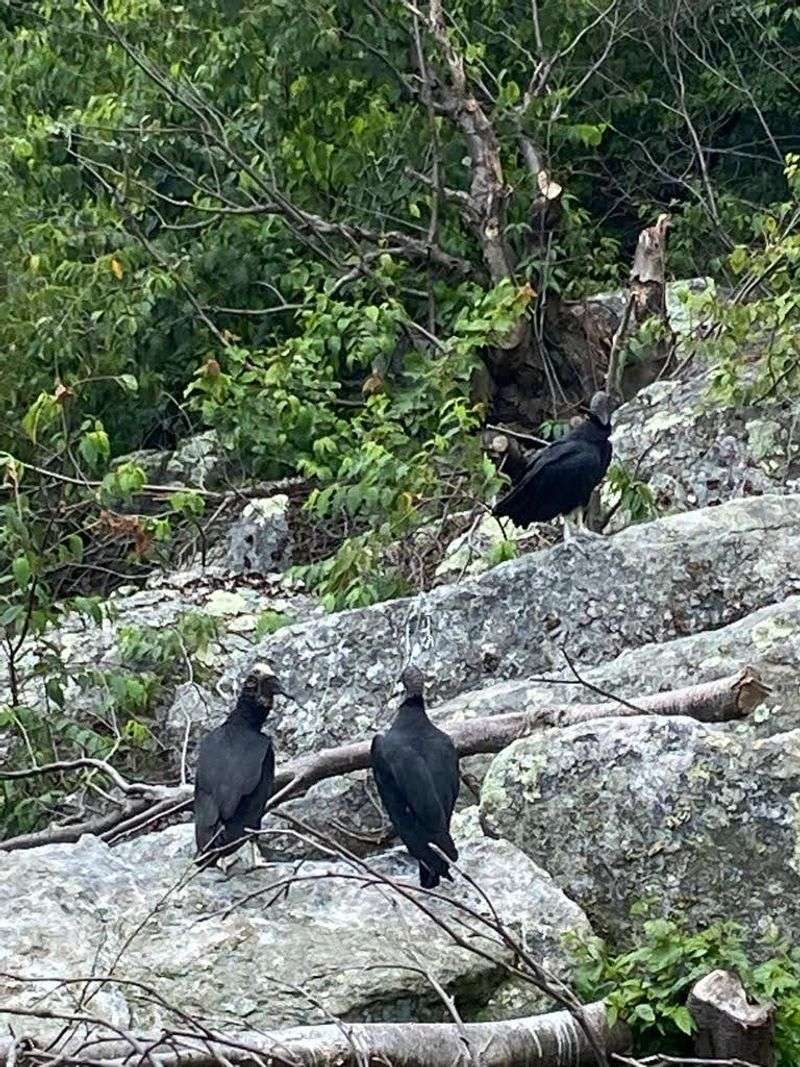
A single eagle can make your whole afternoon. For the people recording migration at Hawk Mountain Sanctuary, that sighting becomes something more: one small piece of a much longer record.
The count gives visitors a reason to cheer and researchers a way to study change over time.
Observers identify and record passing raptors during the migration season, adding each day’s results to a continuous effort that began decades ago. Those numbers can help show patterns that one exciting day cannot reveal.
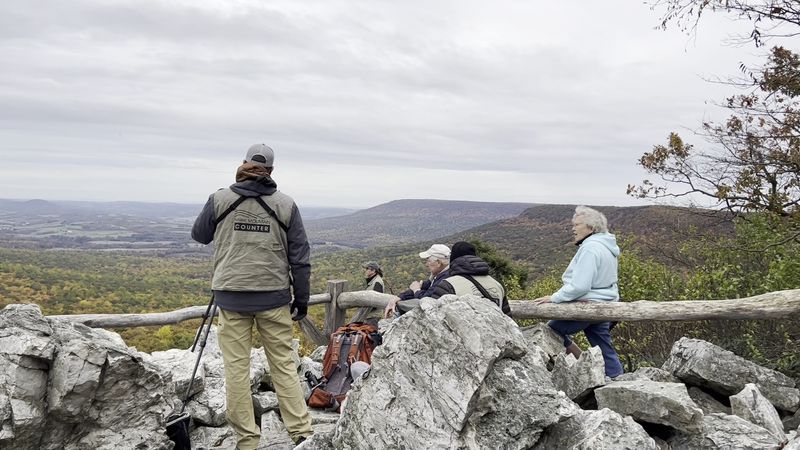
If you meet a counter at a lookout, give them room to work and listen when they point out a bird. Their directions might help you find a distant shape you would have missed.
After your visit, look up the day’s count on the sanctuary’s website. You may discover that a bird you watched was one of many passing that afternoon, or that your quiet hour was part of a slower day.
Both experiences belong to the larger story. Watching patiently, learning a name, and supporting the sanctuary are simple ways to connect your trip with the future of these travelers.