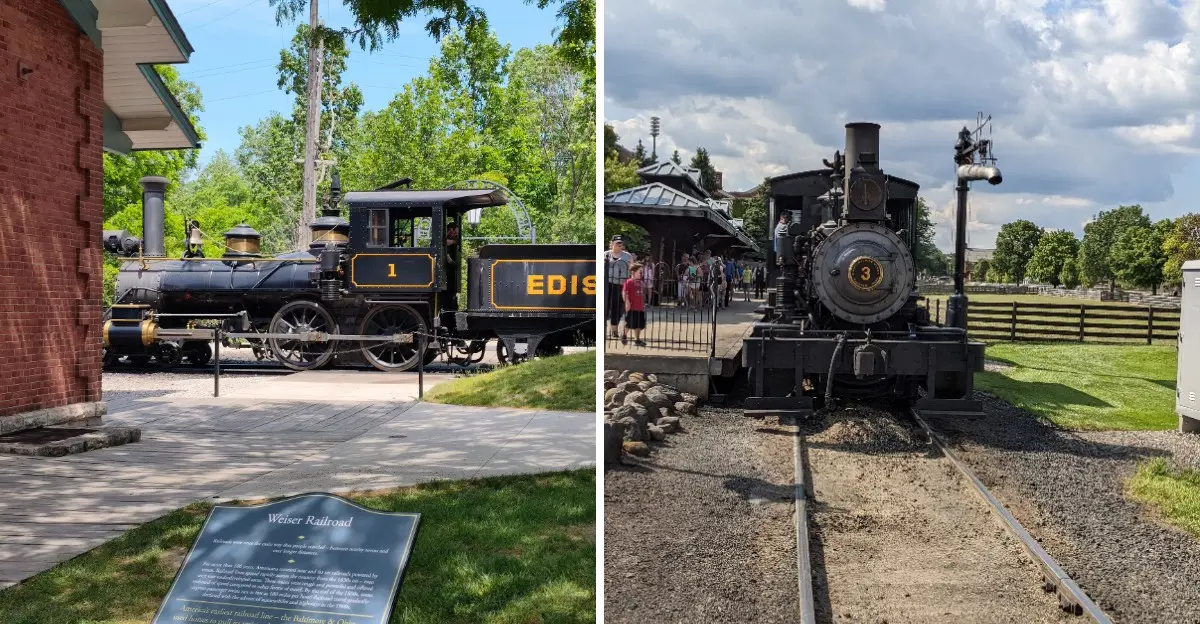
Forget boring museum rules—here, kids can climb aboard a real steam locomotive.
At Greenfield Village in Dearborn, Michigan, railroad history is not something families simply stand back and admire.
Kids can step onto historic locomotives, get close to massive machinery, and see the details that made old railroads roar.
Then comes the turntable.
Watching a giant locomotive move into position is the kind of moment that can leave young visitors staring wide-eyed, especially when they get a chance to help turn the massive mechanism themselves.
Greenfield Village offers plenty more to explore beyond the tracks, from historic buildings and working demonstrations to old-fashioned transportation.
But for train-loving kids, the chance to climb aboard a genuine steam locomotive could easily steal the show.
It feels like stepping straight into railroad history.
Step Into Railroad Junction
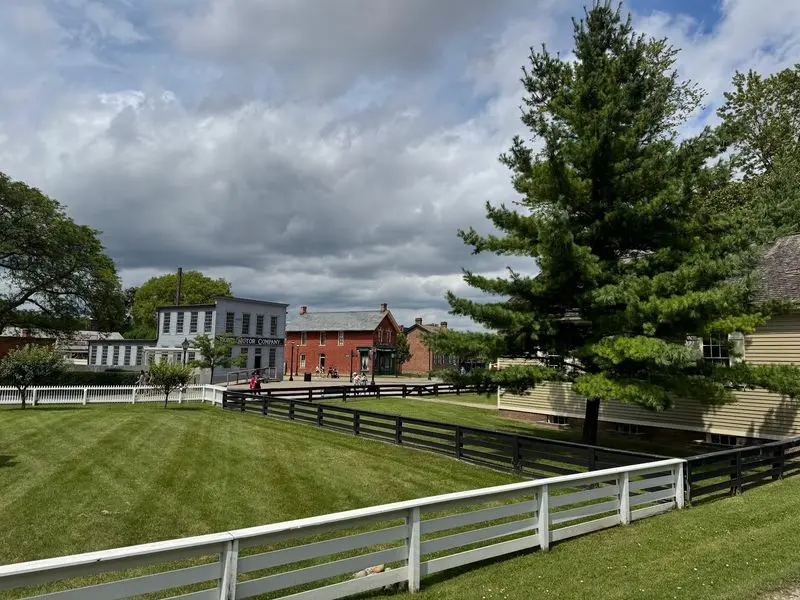
Railroad Junction feels like stepping back to the golden age of train travel. The moment you enter this corner of Greenfield Village, cobblestone paths lead you past a historic depot where passengers once waited for departures.
Authentic railroad equipment sits ready for exploration rather than roped off behind barriers. A working roundhouse hums with activity, while tracks wind through the district just as they did more than a century ago.
Everything here tells the story of how trains shaped American life and connected communities across vast distances.
Children immediately sense something different about this area compared to typical museum exhibits. The scale impresses young visitors right away, with massive locomotives towering overhead.
Smoke occasionally drifts from chimneys, steam hisses from valves, and the smell of coal and oil hangs in the air, creating an immersive experience that engages all the senses rather than just asking kids to read plaques and move along.
Climb Aboard a Real Steam Locomotive
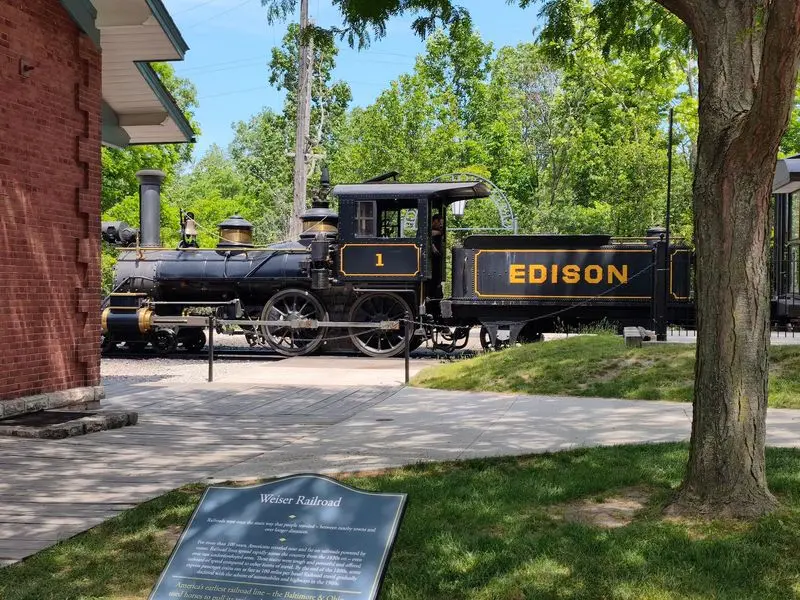
Most museums keep historic trains completely off-limits. Greenfield Village breaks that rule by letting families climb right into the engineer’s cab.
Kids grasp the same levers and wheels that once controlled tons of rolling steel, standing exactly where engineers stood during the heyday of steam power.
The view from inside changes everything about understanding these machines. Gauges, valves, and controls surround you on all sides.
Children quickly realize how much skill it took to operate these beasts safely. The fireboxes show where coal burned hot enough to boil water into the steam that drove the pistons.
Parents love watching their children’s faces light up with discovery. Questions pour out naturally: How hot did it get?
How fast could it go? Did engineers get dirty?
Climbing aboard transforms passive museum visitors into active learners who connect with history through touch, sight, and imagination instead of just looking through windows at exhibits they can never approach.
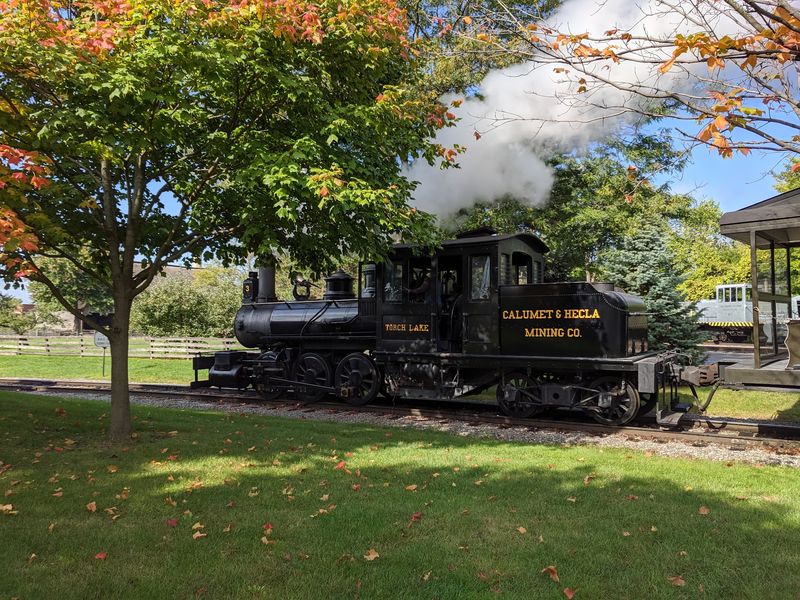
See the 1873 Torch Lake
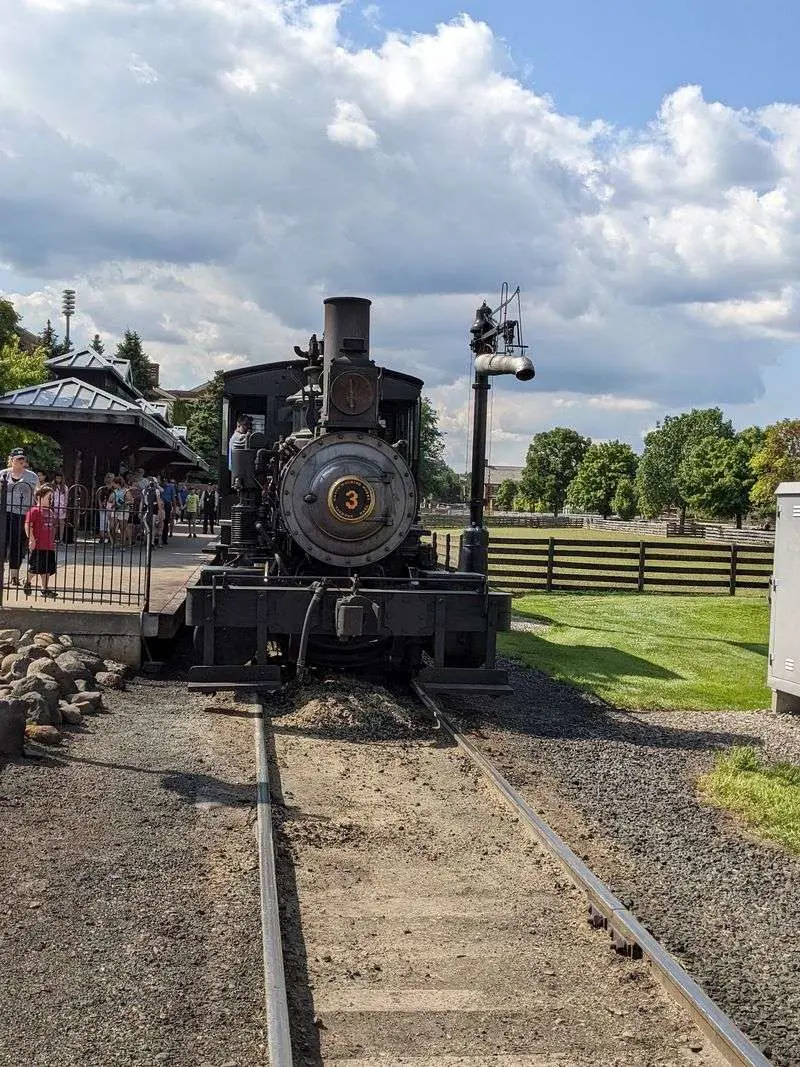
Built by Mason Machine Works in 1873, the Torch Lake represents genuine Michigan industrial history. This particular locomotive hauled iron ore for the Calumet and Hecla Mining Company on the Keweenaw Peninsula, where copper mining dominated the economy.
Its survival through 150 years makes it remarkably rare among 19th-century locomotives.
The Torch Lake’s design reflects an era when each locomotive was practically handcrafted. Decorative details and brass fittings show the pride manufacturers took in their work.
Heavy iron construction meant to withstand brutal mining conditions still looks solid today, testament to the quality of American metalworking in the 1870s.
Michigan connections make this locomotive especially meaningful for local families. The ore it once carried helped build cities, factories, and bridges across America during the Industrial Revolution.
Children from the Great Lakes region can trace their own state’s role in powering national growth through machines like the Torch Lake, understanding how Michigan mining fed the entire country’s development.
Explore the Historic Roundhouse
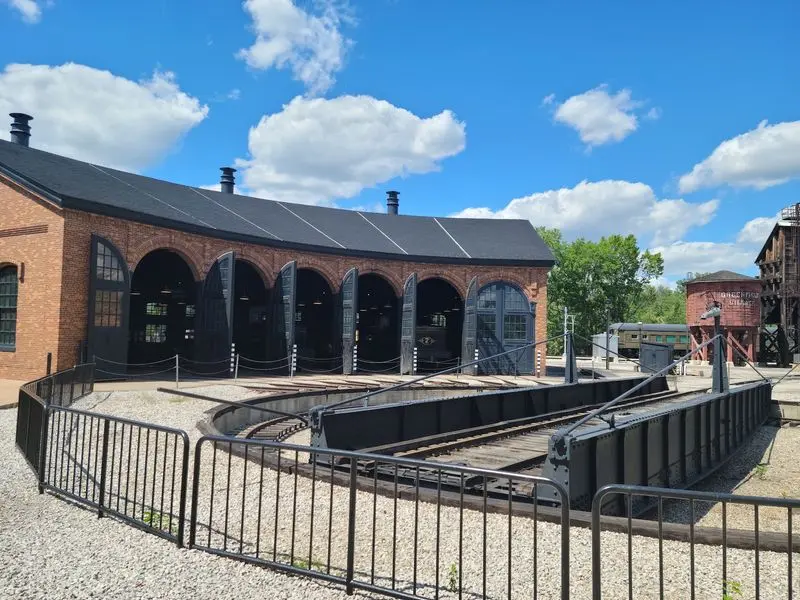
Roundhouses served as hospitals, garages, and hotels for steam locomotives all rolled into one building. The structure at Greenfield Village claims the title of the only working late-19th-century roundhouse still operating in the Midwest.
Its circular design allowed locomotives to enter from a central turntable and park in individual bays for maintenance, repairs, and overnight storage.
Walking through the roundhouse teaches kids how railroads actually functioned as businesses. Locomotives needed constant care to stay operational.
Workers cleaned fireboxes, oiled moving parts, replaced worn components, and inspected every system before allowing engines back into service.
The building itself demonstrates clever engineering from before modern technology. Its semicircular shape maximized space while keeping all locomotives within easy reach of the turntable.
High ceilings accommodated tall smokestacks, while large doors allowed engines to roll in and out smoothly. Greenfield Village keeps this roundhouse alive as a working facility rather than just another static display, showing visitors how railroad infrastructure supported the transportation revolution.
Take a Ride on the Weiser Railroad
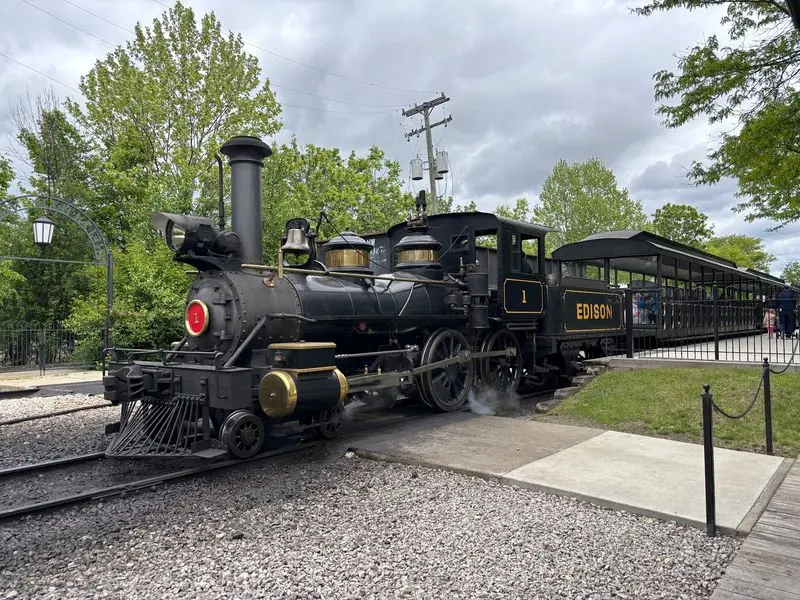
After examining locomotives up close, riding one provides the perfect next step. The Weiser Railroad operates regular passenger service throughout Greenfield Village, offering families a relaxing way to experience 80 acres of history.
The train follows routes past historic buildings, through wooded areas, and across landscapes designed to recreate different periods of American history.
Riding provides perspective you can’t get walking. From the train windows, visitors spot details they might otherwise miss: distant buildings, garden layouts, and the sheer scale of the village grounds.
The clickety-clack of wheels on rails and the occasional whistle blast complete the authentic railroad experience.
Timing your train ride strategically helps tired families cover more ground without wearing out young legs. Morning rides offer fresh energy and clear photo opportunities.
Afternoon rides give everyone a chance to rest while still moving through the village. Either way, the Weiser Railroad turns transportation into entertainment, just as passenger trains once did for travelers crossing America in the steam age.
Turn the Village Into a Living History Lesson
Railroad Junction represents just one slice of Greenfield Village’s massive collection. Henry Ford created this 80-acre outdoor museum to preserve American innovation and daily life from multiple eras.
Historic homes where famous inventors lived stand near workshops where craftspeople demonstrate old-fashioned skills, while working farms show how families fed themselves before modern agriculture.
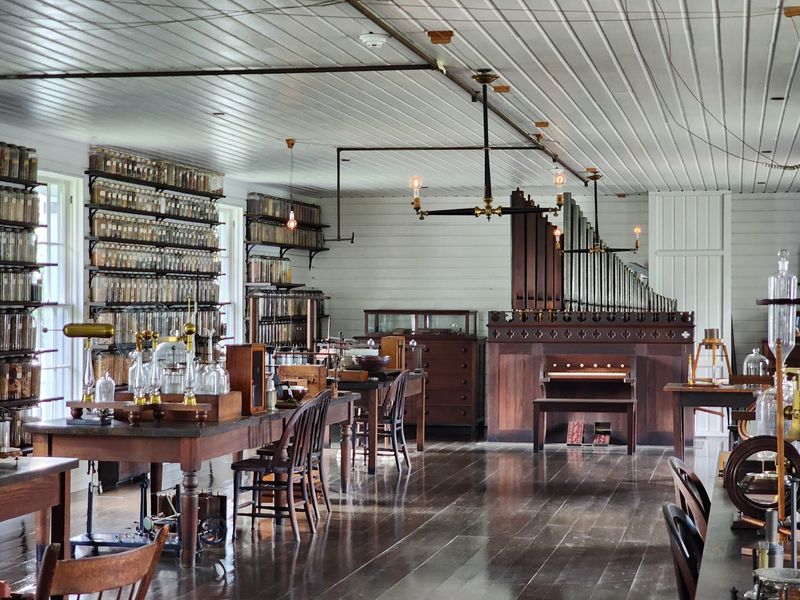
The variety means different family members can pursue different interests. Kids fascinated by trains explore Railroad Junction while siblings interested in science visit Thomas Edison’s Menlo Park laboratory.
Parents interested in architecture tour historic houses while grandparents watch demonstrations at Liberty Craftworks, then everyone regroups to compare discoveries.
Converting a locomotive visit into a full-day history lesson happens naturally. One exhibit leads to another as questions arise: What did people eat in the 1800s?
How did they light their homes? What was school like?
Where did they shop? Greenfield Village answers these questions not through text panels alone, but through preserved buildings, working demonstrations, and hands-on exploration that makes history feel real rather than abstract.
Let Kids Discover Old-Fashioned Transportation
Trains aren’t the only way Greenfield Village brings historic transportation to life. Model T rides let families experience early automobile travel, bouncing along roads in vehicles that revolutionized American life.
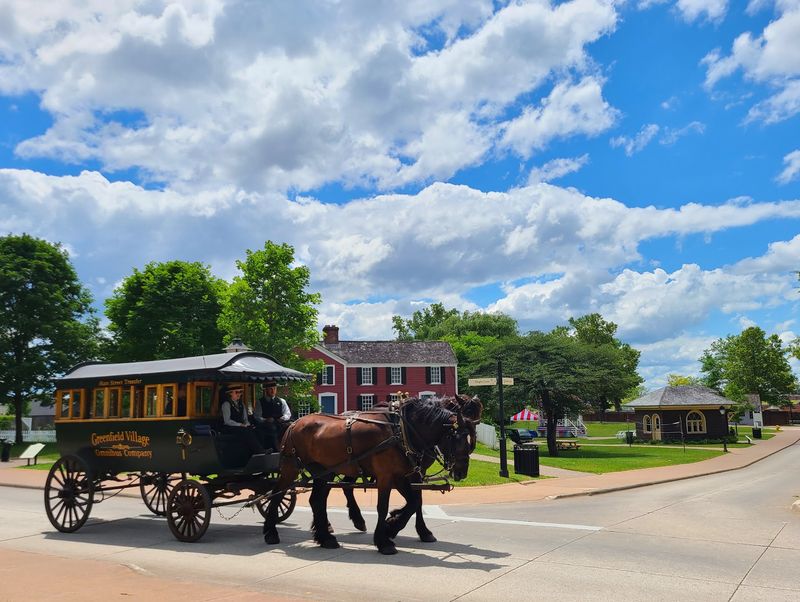
The horse-drawn Omnibus Shuttle shows how people moved around before cars, with real horses pulling a vintage-style carriage along village pathways.
The 1913 Herschell-Spillman Carousel adds pure entertainment to the transportation mix. Hand-carved wooden horses bob up and down while carousel music plays.
This antique amusement ride reminds visitors that transportation history includes fun as well as function, with carousels often appearing near train stations and ferry docks to entertain waiting passengers.
Experiencing multiple transportation types in one day creates natural comparisons. Kids notice how much faster cars move than horses, how trains carry more people than carriages, and how each mode shaped where people lived and worked.
These observations spark conversations about progress, technology, and how transportation choices continue affecting our lives today just as they did generations ago.
Leave Time for More Than the Locomotive
Planning matters when visiting Greenfield Village. The 80-acre site contains far more than Railroad Junction, and families rushing straight to the trains miss remarkable experiences elsewhere.
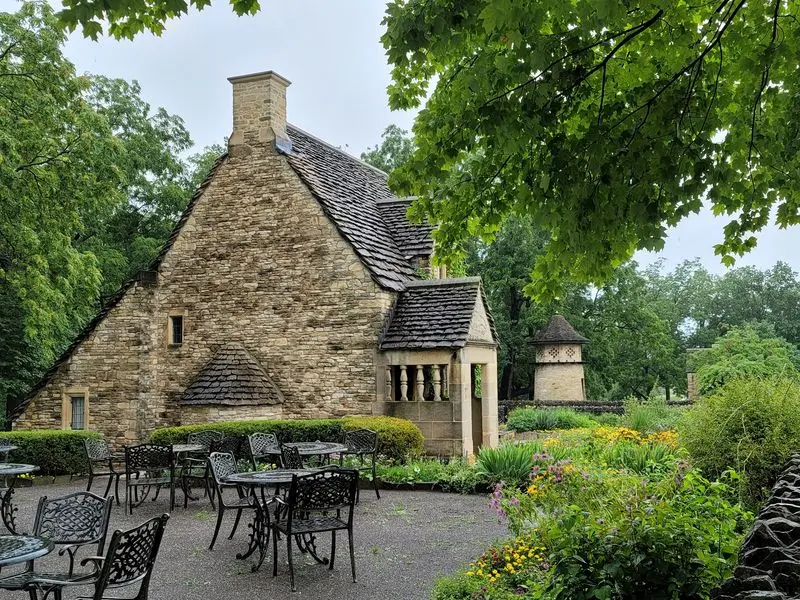
Historic districts recreate entire neighborhoods from different eras, while working craftspeople demonstrate glassblowing, pottery, printing, and other trades at Liberty Craftworks. The Wright Brothers bicycle shop stands near Henry Ford’s birthplace, creating unexpected connections between different American innovations.
Building extra time into your itinerary prevents the disappointment of having to leave before seeing everything. Most families need four to six hours for a satisfying visit, though full-day explorations work even better.
Some return multiple times throughout the year as seasonal programs and special events rotate through the calendar.
Food service locations scattered throughout the village let families refuel without leaving the grounds. Picnic areas offer alternatives for packed lunches.
Stroller rentals help families with young children navigate the extensive walking required, while benches placed throughout provide rest spots when little legs need breaks between attractions and exhibits.
What to Know Before You Go
Greenfield Village operates at 20900 Oakwood Boulevard in Dearborn, with seasonal hours that change throughout the year. Many regular operating days run from 9:30 a.m. to 5 p.m., but checking the official calendar before traveling prevents disappointment since opening days vary by season.
Winter closures happen, and special events sometimes alter normal schedules.
Current online admission costs approximately $37 to $39 per person. Children ages four and under enter free, while kids ages five through eleven receive 25 percent discounts on standard admission.
The phone number +1 313-982-6001 connects to guest services for questions about accessibility, group visits, or specific programs.
Train rides require separate tickets beyond general admission, with individual ride tickets available alongside unlimited Ride Passes for families planning multiple experiences. Stroller rentals help families with young children navigate the large grounds.
Accessibility varies among historic buildings and rides since many structures predate modern standards, so calling ahead helps families with special needs plan accordingly. Arriving early maximizes time before afternoon crowds build, especially during peak seasons and special event weekends.