When late-winter days turn sunny and nights stay cold, sap begins to flow and Massachusetts sugarhouses come alive.
Steam billows from rooftop vents, wood smoke drifts through the trees, and the sweet smell of boiling syrup fills the air.
From the Berkshire hills to the Pioneer Valley and the towns west of Boston, family farms keep this old New England tradition going strong.
Many open their doors each spring so visitors can watch the evaporators at work and learn how sap becomes syrup.
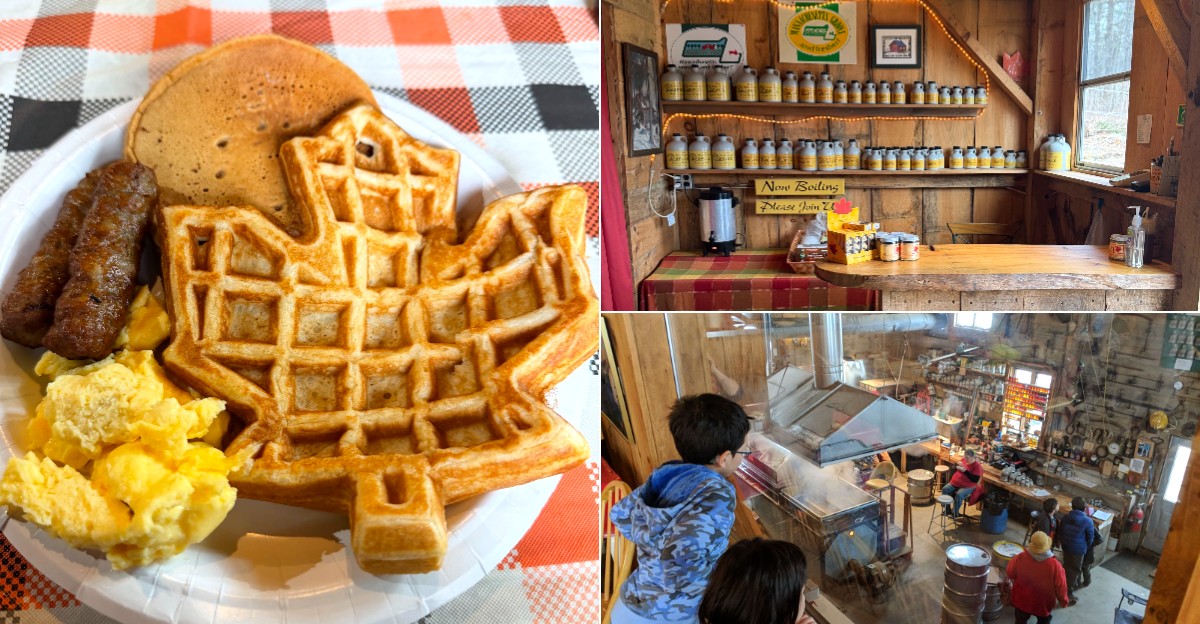
Some serve hearty pancake breakfasts with syrup made just steps away, while others offer tastings, tours, and walks through the sugarbush.
Check each farm’s hours before you go, because sugaring season is short and every sweet day counts.
1. Davenport Maple Farm, Shelburne, Franklin County
The smell of warm syrup makes a chilly March morning feel much friendlier. At Davenport Maple Farm in Shelburne, visitors can make a maple outing part of a drive through the hills of Franklin County. The setting gives you a chance to connect the trees outside with the sweet food on your plate.
Before leaving home, check the farm’s current schedule and ask whether its sugarhouse is open to visitors. Maple activities depend on the weather, and sap runs best when nights freeze and days warm up. If boiling is underway, watch how clear sap is heated until much of its water disappears. It takes a surprising amount of sap to make a small amount of syrup.
Bring shoes that can handle mud, since early spring paths are rarely dry. Families may want to ask about food service, demonstrations, and places to park before setting out. A bottle of local syrup also makes an easy gift that does not take up much room in the car.
Take your time on the trip rather than treating the stop like a quick errand. Shelburne’s rural roads and nearby scenery add to the experience, especially when you notice the maple trees still bare against the sky. A little planning helps you enjoy the visit without missing the best part.
2. Williams Farm Sugarhouse, Deerfield, Franklin County
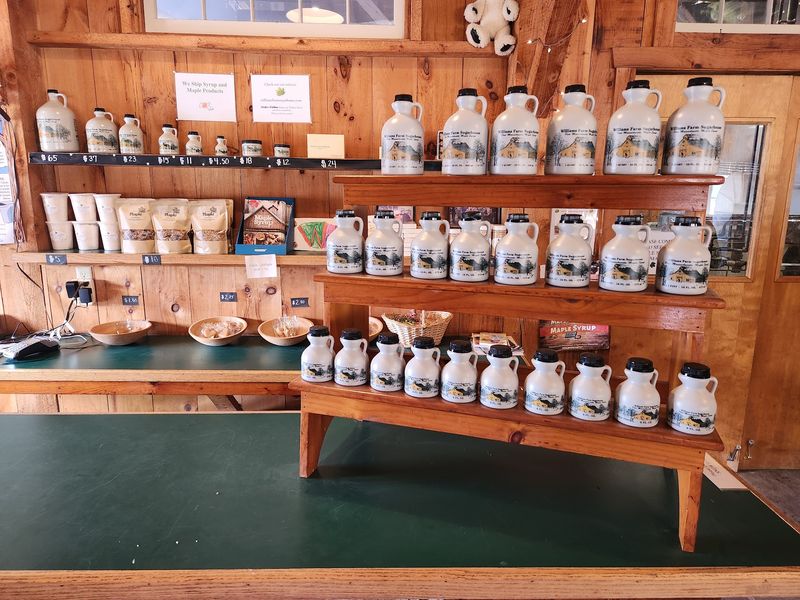
Steam drifting from a sugarhouse roof is a welcome sign that spring is on its way. Williams Farm Sugarhouse in Deerfield offers a reason to slow down and see what goes into a familiar breakfast treat. The visit works especially well for people who like learning how food reaches the table.
Start by checking the farm’s latest hours, since maple season is short and daily plans can change with the sap flow. Ask whether visitors can see boiling, buy syrup, or enjoy a meal when you plan to go. A busy weekend may call for an early arrival and a little patience.
While you are there, notice the difference between sap and finished syrup. Sap begins as a thin, mostly clear liquid, not the thick topping you pour from a bottle. Heat removes water and brings out the flavor people recognize. If staff members are available to talk, ask how they decide when a batch is ready.
Deerfield also makes an appealing destination for a longer day out, with its farm country and historic surroundings. Dress in layers so you feel comfortable outdoors and near the warm equipment. Keep children close to you around hot pans and working areas. The best sugarhouse trip leaves you with both a tasty souvenir and a clearer picture of local farm work.
3. South Face Farm, Ashfield, Franklin County
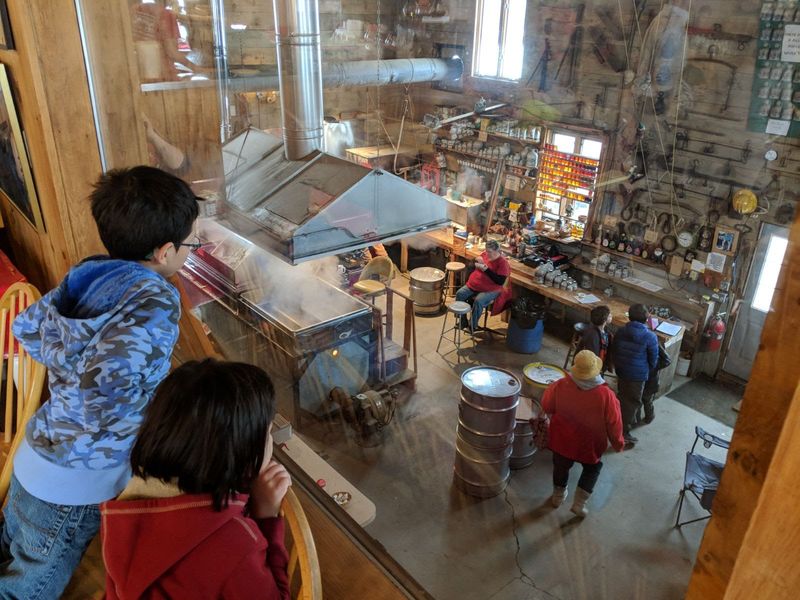
On a cold day, the idea of stepping into a warm sugarhouse sounds pretty good. South Face Farm in Ashfield puts maple season in the middle of Franklin County’s wooded hill country. It is a fitting stop for travelers who want the farm setting to be as memorable as the syrup.
Plan around the season rather than a date on the calendar alone. Maple sap flows when freezing nights give way to warmer days, so conditions can shift from week to week. Check the farm’s current visitor information before you drive, including whether boiling or other activities are scheduled. That quick check can save a disappointing trip.
Once you arrive, look beyond the finished bottles. A sugarhouse is part of a larger system that begins with healthy trees and careful sap collection. Ask how the farm moves sap from the woods to the boiling equipment if someone is available to explain it. You may never look at a maple tree in quite the same way again.
Wear sturdy shoes and bring an extra layer for Ashfield’s cool spring weather. If you are traveling with children, give them a simple mission: spot the equipment used to collect sap. Respect signs marking work areas, and leave room for farm vehicles. A relaxed visit lets the landscape, the process, and the sweet smell each have their moment.
4. North Hadley Sugar Shack, Hadley, Hampshire County
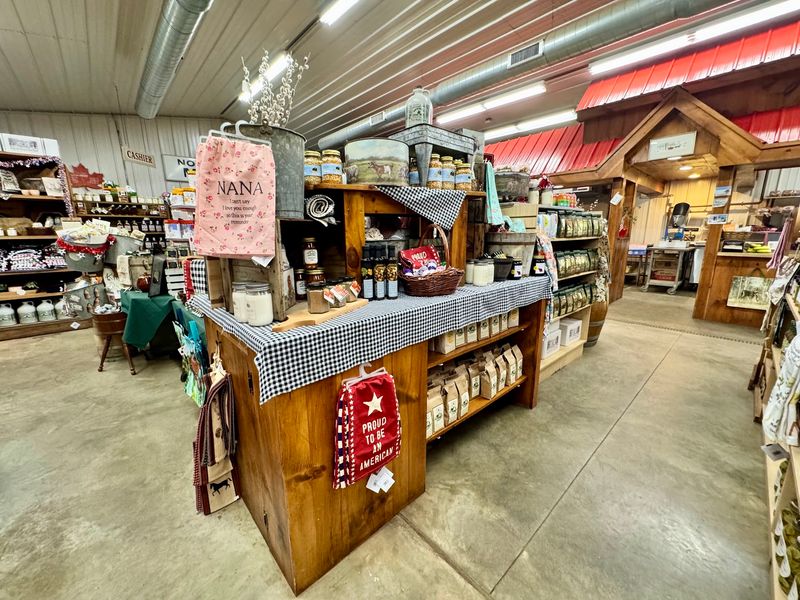
A maple outing can be about more than watching a pot boil. At North Hadley Sugar Shack in Hadley, the farm setting makes it easy to turn a syrup stop into a family trip. Visitors can look for maple products while learning why spring is such a busy time for producers.
Check current hours and offerings before you go, especially if you are hoping for food or a particular activity. Sugarhouse schedules can differ from store hours, and seasonal events may have their own dates. An early start can help if you prefer a quieter visit. Bring a small cooler only if you plan to buy foods that need to stay cold.
To make the visit more interesting for children, ask them to guess what fresh sap looks like. Many people expect it to be brown, but sap straight from a tree is usually clear. The darker color develops as water cooks away and the sap changes during boiling. That simple surprise can lead to a conversation about where food comes from.
Hadley sits in a broad valley, so the trip offers a different view from the hill towns farther west. Leave time to enjoy the surrounding farmland without blocking work areas or entrances. If syrup is available, compare container sizes before choosing one for home. The smallest bottle can still bring back the taste of your spring outing.
5. High Hopes Farm Sugarhouse, Worthington, Hampshire County

The road to a hilltown sugarhouse can feel like part of the adventure. High Hopes Farm Sugarhouse in Worthington brings visitors into a quieter corner of Hampshire County, where maple season follows the weather closely. Expect a working farm experience rather than a theme park, and give yourself time to enjoy the pace.
Before heading uphill, confirm the current schedule and ask what visitors can see on the day you choose. Boiling depends on collected sap, and conditions do not always match a weekend plan. If you are coming from far away, check road conditions as well. A sunny afternoon in one town can still mean muddy ground or lingering snow in another.
During a visit, pay attention to the sounds as well as the smells. Boiling equipment, conversations, and movement around the farm all tell the story of how much work goes into syrup. A respectful question about sap collection can be a good way to learn more, provided staff are not busy with hot equipment.
Pack boots or old sneakers and keep your hands free for safe footing. Children may enjoy counting the maple trees they notice on the approach. If syrup is for sale, ask which size suits your household instead of buying more than you will use. The trip feels most rewarding when you appreciate both the finished syrup and the care behind it.
6. Steve’s Sugar Shack, Westhampton, Hampshire County
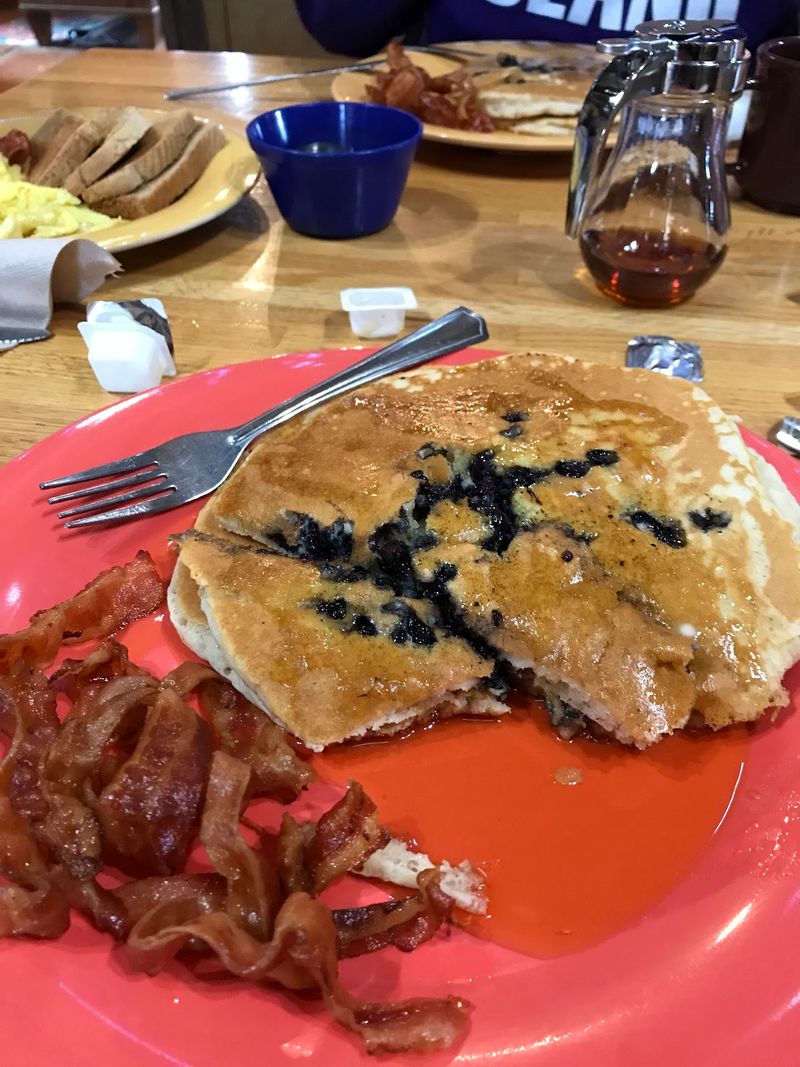
Some of the best farm memories start with a simple question: how did that syrup get made? Steve’s Sugar Shack in Westhampton is a place to seek an answer while exploring Hampshire County’s maple country. A smaller sugarhouse setting can help visitors focus on the basic steps, from collected sap to finished syrup.
Call or check for recent updates before setting off. Ask when the sugar shack welcomes visitors, whether boiling is planned, and how purchases work. Those details matter because the sap run changes with temperature. They also help you avoid arriving when a working farm is not open to guests.
When you watch the process, keep a safe distance from pans, pipes, and other equipment. Syrup making involves intense heat even when the room feels cheerful and relaxed. Kids can still take part by looking for steam, noticing scents, and asking why syrup becomes thicker as it cooks. One clear answer is that much of the water leaves as vapor.
Westhampton’s country roads make a pleasant setting for an unhurried outing. Wear shoes suited to wet ground, and bring cash as a backup when shopping at a small farm. If you take photos, first make sure you are not in anyone’s way. A thoughtful visit supports local producers and turns an everyday pancake topping into a story worth sharing.
7. Paul’s Sugar House, Williamsburg, Hampshire County
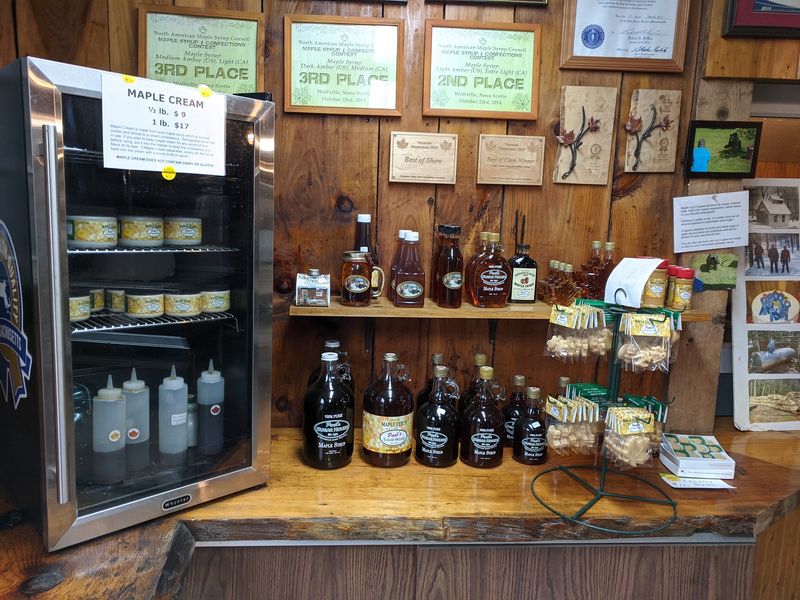
A little steam can turn an ordinary country drive into a maple season discovery. Paul’s Sugar House in Williamsburg gives visitors another way to meet the people and places behind local syrup. The best approach is to come curious, stay flexible, and remember that sugaring follows the trees rather than a fixed timetable.
Look for current visitor details before making plans. Check whether the sugar house is open, whether anyone is boiling, and if syrup is available to buy. If you hope to bring a group, ask ahead instead of assuming there will be space. Farm staff may be busy handling sap and hot equipment during the busiest part of the season.
Watching syrup take shape can make a useful lesson feel like an adventure. Maple trees store energy, and sap begins moving as winter gives way to spring. Farmers collect that sap, then heat it to remove water. The result is a sweet product with a strong connection to the weather and the local woods.
Plan for changing temperatures by wearing layers you can remove. Keep children beside you around work zones, even if the inviting smell pulls them closer. If someone offers information about the process, listen for what makes the day’s run different from the last one. That detail helps make a visit personal instead of just another shopping stop.
8. Maple Corner Farm, Granville, Hampden County
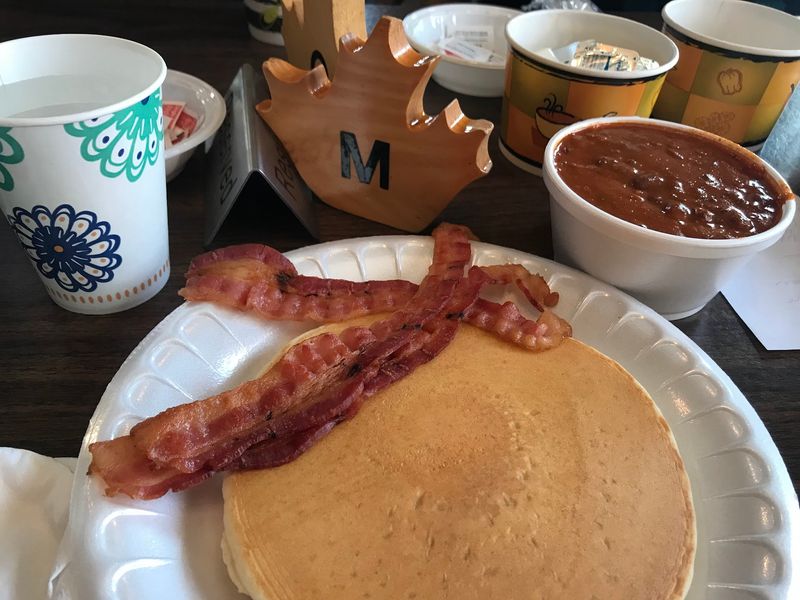
Granville’s wooded roads make a sweet stop feel like a small getaway. Maple Corner Farm gives visitors a reason to explore this part of Hampden County during the change from winter to spring. The name fits the trip: maple trees and farm country are central to the experience, not just the bottle you take home.
Check the farm’s current maple season plans before you leave. Ask about sugarhouse access, shopping hours, and any activities you especially want to see. A farm can sell syrup without boiling on every visit day. Knowing that ahead of time helps you choose between a quick purchase and a longer learning trip.
Bring footwear for soft ground and a jacket for weather that can change quickly. If you are driving with children, talk about the journey from tree to table before arriving. Challenge them to find signs of sap collection, but remind them not to touch lines, buckets, or taps. Those tools are part of a working food system.
Consider buying a size of syrup you can finish while it is fresh and properly stored. At home, try it on oatmeal, yogurt, or roasted vegetables as well as pancakes. That small experiment can stretch the memory of your visit into another meal. For a fuller outing, leave time to enjoy Granville’s scenery without rushing between stops.
9. Ioka Valley Farm, Hancock, Berkshire County
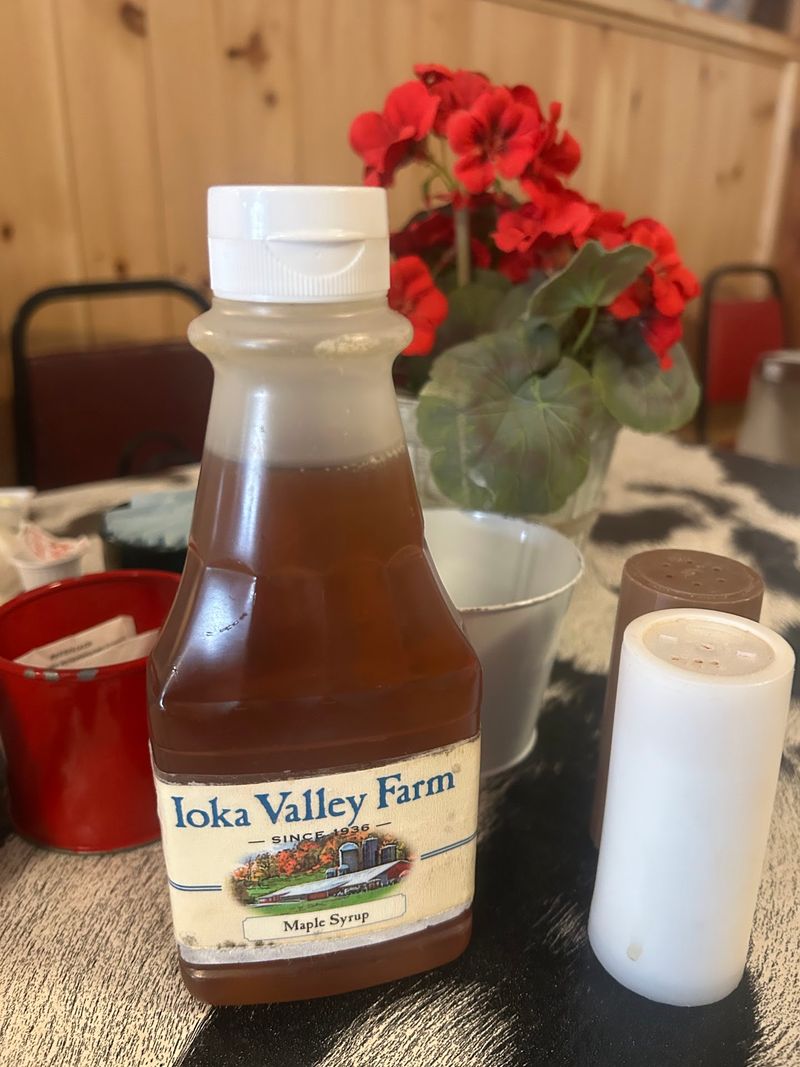
With the Berkshire hills nearby, a maple visit can feel like the first outing of spring. Ioka Valley Farm in Hancock is a strong choice for families who want farm scenery along with a closer look at sugaring. Its setting invites you to make a day of the trip instead of simply picking up syrup.
Check the farm’s official seasonal information before you go. Hours, food options, and visitor activities can change from one maple season to the next. If a meal is part of your plan, confirm when it is served and whether you need to allow time for a wait. The same advice applies to any demonstrations you hope to catch.
Help younger visitors understand the process by following three steps: tree, sap, and syrup. The sap collected from a maple tree is watery. Boiling removes much of that water, leaving the concentrated syrup people enjoy. Seeing even one part of that work in person can make the explanation stick.
Berkshire weather calls for layers, and farm ground can be damp after snow melts. Bring a bag for purchases so bottles stay secure on the ride home. Keep to visitor areas and give workers room to do their jobs. A successful trip combines a little learning, a taste of local food, and time to take in the mountain landscape.
10. Holiday Brook Farm, Dalton, Berkshire County
Not every memorable sugarhouse trip needs a packed schedule. Holiday Brook Farm in Dalton offers a chance to think about maple syrup as one part of a working Berkshire farm. That wider view can be especially interesting if you enjoy seeing how farms change their work with the seasons.
Start with the farm’s latest visitor information rather than an old event listing. Ask whether maple activities, sales, or tours are available on your chosen day. The timing of sap flow varies, and farm operations may affect what visitors can see. A quick check helps you arrive with fair expectations.
If you get a look at sugaring equipment, notice how many steps happen before syrup reaches a shelf. Sap has to be gathered, moved, boiled, checked, and packed. Each step takes time, and the weather can speed up or slow down the work. It is a useful reminder that local food does not appear by magic.
Dress for outdoor conditions and follow any signs about parking or access. Give farm animals and equipment plenty of space unless staff invite you closer. If you buy syrup, ask about storage once the container is open so you can enjoy it at its best. Dalton also puts you near other Berkshire sights, making the farm a thoughtful stop on a longer day trip.
11. Hardwick Sugar Shack, Hardwick, Worcester County
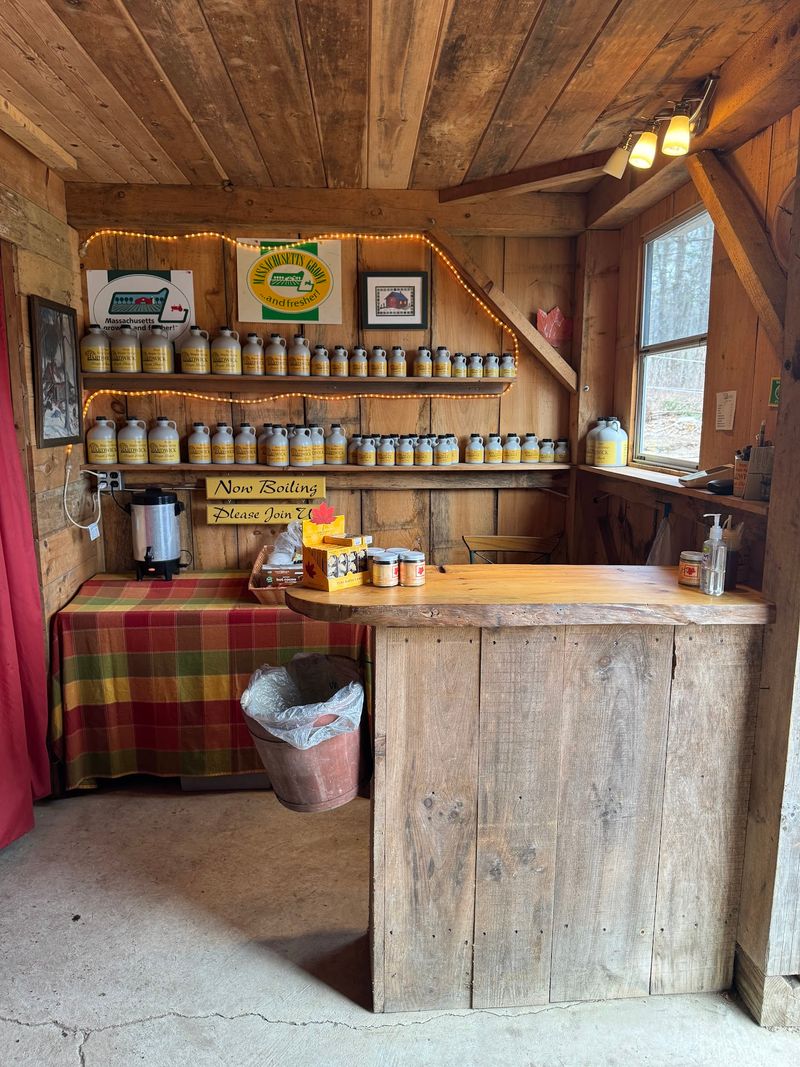
The best part of a sugar shack visit may be realizing how much work fits into one small bottle. Hardwick Sugar Shack brings that lesson to Worcester County, where rural roads and maple trees set the scene. It is a good destination for visitors who want to pay attention to the process, not just the final taste.
Find the latest hours and visitor details before driving out. Ask whether boiling is happening and if guests can watch from a safe place. Weather controls the flow of sap, so a planned visit may not match the busiest production day. If a live demonstration matters to you, it is wise to confirm it first.
Try comparing what you see with your usual picture of syrup making. Fresh sap is thin, and producing syrup means removing a great deal of water. Heat, careful checks, and patience turn a natural flow from trees into food for the table. Questions about those steps can help children stay involved without needing to touch equipment.
Expect wet or uneven ground in early spring and wear shoes with grip. Stay clear of hot surfaces and follow directions from the people doing the work. If you bring home syrup, use it in a simple snack soon afterward. Tasting it again can help everyone remember the trees, steam, and effort they saw in Hardwick.
12. Land’s Sake Farm, Weston, Middlesex County
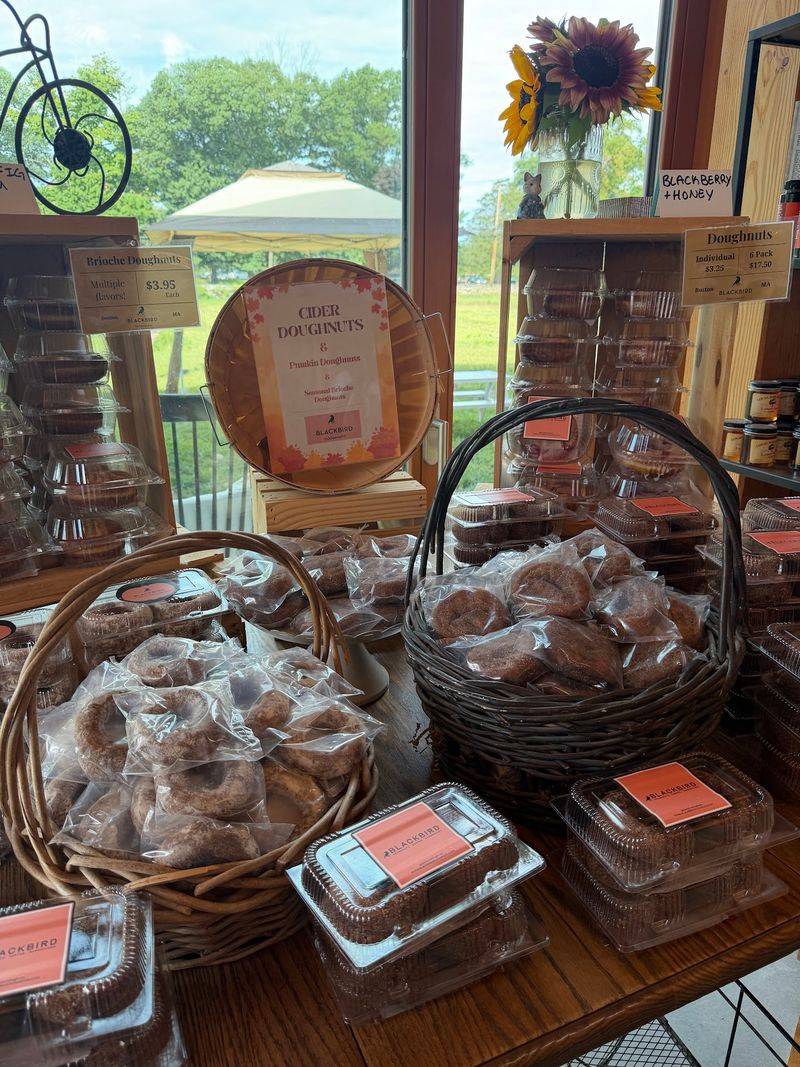
Maple season does not require a long drive into the mountains. Land’s Sake Farm in Weston offers a way for people near Greater Boston to connect with trees, farming, and the work behind maple syrup. Its educational focus can make a seasonal visit especially appealing to families and first time sugarhouse explorers.
Look up the farm’s current calendar before making plans. Maple events and learning programs may take place on specific dates rather than throughout the season. Check whether tickets, registration, or a fee are required, and confirm where visitors should park. Those details are easy to miss when you are excited about the outing.
Make the most of any guided activity by encouraging children to ask where sap comes from and why it is collected in late winter. A maple tree needs the right temperatures for sap to flow well. Turning that sap into syrup then takes heat and time. Seeing the steps up close can make science feel connected to an everyday meal.
Wear clothes that can handle outdoor farm paths, even if the trip begins on city streets. Follow staff directions around trees and work spaces so everyone can learn safely. If farm products are offered, check availability before counting on a purchase. The visit is a reminder that local agriculture can be part of life close to a major city.